• Link to X
  • Link to Facebook
  • Link to Instagram
  • Link to TikTok
  • Link to Youtube
  • About
    • About Us
      • President
      • Board of Directors
      • Board of Advisors
      • Financials
      • Our Methodology
      • Success Tracker
      • Contact
  • Act Now
    • 30 Ways to Help
      • Email Congress
      • Call Congress
      • Volunteer
      • Courses & Certificates
      • Be a Donor
    • Internships
      • In-Office Internships
      • Remote Internships
    • Legislation
      • Politics 101
  • The Blog
  • The Podcast
  • Magazine
  • Donate
  • Click to open the search input field Click to open the search input field Search
  • Menu Menu

Archive for category: Food Insecurity

Food Insecurity, Global Poverty, Hunger

Fragility and Rule of Law in Sudan

Rule of Law in SudanThe civil war has impacted fragility and the rule of law in Sudan, and the safety of 50 million people. According to the World Food Programme (WFP), a total of 24.6 million people are acutely food insecure, while 637,000 face catastrophic levels of hunger. Meanwhile, Sudan is in the top four countries in the world for the highest prevalence of global acute malnutrition, at an estimated 13.6%. Sudan has also lost an estimated 5.2 million jobs, and economic activity in Sudan’s capital, Khartoum, has plummeted.

The conflict has weakened central governance and key infrastructure, requiring humanitarian efforts from the international community. However, armed clashes, widespread insecurity and lack of funding has made it increasingly difficult for aid agencies to reach affected communities.

About the Recent Civil War

The current Sudanese civil war began on April 15 2023, during Ramadan, when Rapid Support Force (RSF) members were deployed across the country, a move which the Sudanese armed forces saw as a threat. Before this, Political disagreements increased tensions between Gen. Abdel Fattah al-Burhan, the de facto president and head of Sudan’s armed forces, and his deputy, Gen. Mohamed ‘Hamedti’ Hamdan Dagalo, leader of the RSF. The two rose to power after the 2019 coup of dictator Omar al-Bashir, as well as subsequent coups of the transitional government.

Disagreements centered on the increase of Hamedti’s power in government, the integration of the RSF into the Sudanese army, and the multiple delays in establishing a democratic government. Bouts of conflict have wracked the rule of law in Sudan since its independence in 1956, when it was already embroiled in the first Sudanese civil war.

Sudan’s History

Before independence, Sudan was part of the Anglo-Egyptian condominium. Although both the U.K. and Egypt administered the region, the U.K. held more authority. In 1954, both countries signed a treaty which would grant sovereignty to the new Republic of Sudan in 1956. Despite this, war gripped the country when the first Sudanese civil war began in 1955 as a result of cultural divides and political and economic inequality in the region.

Britain governed the Sudanese north and south as different entities. The north comprised wealthier, more educated Arab and Muslim populations, whereas the south comprised poorer Christian or pagan peoples who were less politically conscious. Due to its wealth, the north leveraged more political power from both colonial and post-colonial administrations, thereby driving further inequality between the regions. Discontent between the North and South grew after the 1947 Juba conference, where both the North and South would be subsumed into one government, further dissipating southern autonomy. In addition, northern Islamization and Arabization of the south heightened even further animosity between the two. The aftermath of the war and continuation of North/South inequalities would lay the groundwork for the second Sudanese civil war in 1983, and would also lead to the succession of South Sudan in 2011.

The Dictatorship of Omar Al-Bashir

In 1989, during the second Sudanese civil war, Brigadier General Omar Al-Bashir ousted the democratically elected government in a military coup and became head of state. Accusations of electoral fraud and corruption marred his dictatorship of the country, which incited numerous protests. Furthermore, his governance focused heavily on strict Sharia law interpretations, with many rights taken away through morality policing and persecution of religious minorities and Sunni apostates.

In 2009, the International Criminal Court (ICC) indicted him for five counts of crimes against humanity and two counts of war crimes. Then, in 2010, the ICC added three additional counts of Genocide to his indictment. These charges related to the treatment of ethnic minorities, including the Fur, Zaghawa and Masalit, during the Darfur war.

 In 2019, a military coup that the SAF and RSF jointly carried out overthrew him. The aftermath left a power vacuum, impacting the rule of law in Sudan and the fragility of the government.

A New Government

On March 4, 2025, the RSF and allied groups signed a transitional constitution for a parallel government in regions under their military control. The new government aims to gain diplomatic legitimacy from opposing forces and establish more access to advanced weaponry.

In a UN Security Council meeting, U.S. Representative John Kelley stated, “Attempts by the RSF and aligned actors to establish a government in RSF-controlled territory in Sudan are unhelpful for the cause of peace and security in Sudan, and risk a de facto partition of the country.”

The 2025 Sudan Humanitarian Needs and Response Plan

In December 2024, the U.N.’s Office for the Coordination of Humanitarian Affairs (OCHA) developed the 2025 Sudan Humanitarian Needs and Response Plan. It aimed to provide humanitarian assistance to 21 million people and reduce mortality in areas with a risk of further deterioration of rule of law in Sudan.

Recently as part of the response plan, between May 4th and 8th, the World Food Programme distributed food to more than 335,000 people in Tawila in response to worsening conditions. This program has raised $600 million, however, this falls woefully short of the much-needed total requirement of $4.1 billion.

Because of global funding shortfalls, the Emergency Relief Coordinator asked humanitarian teams to ensure that the most life-saving assistance reaches the most vulnerable populations.

It has shortened its target to 17.3 million people, for which $2.4 billion is needed to provide. This amounts to $0.38 per person per day over one year.

On March 10th, the United Nations Resident and Humanitarian Coordinator in Sudan, Clementine Nkweta-Salami, commented on the funding shortfalls in a press release. She stated that “The abrupt funding cuts and suspensions will end life-saving humanitarian assistance for millions of women, children and other vulnerable groups across the country. Without urgent funding, famine is likely to spread in the coming months. This is a time when every lifeline must flow to save lives. I call on all our major donors to reconsider their decisions to reduce funding for life-saving humanitarian assistance in Sudan. I also urge other governments, donors, foundations, charities, faith-based networks, the private sector and individuals to urgently step up to help fill the gaps left by these devastating reductions.”

–  Samuel Devine

Samuel is based in Cardiff, Wales and focuses on Business and Politics for The Borgen Project.

Photo: Flickr
July 13, 2025
https://borgenproject.org/wp-content/uploads/borgen-project-logo.svg 0 0 Jennifer Philipp https://borgenproject.org/wp-content/uploads/borgen-project-logo.svg Jennifer Philipp2025-07-13 01:30:382025-07-13 01:03:56Fragility and Rule of Law in Sudan
Food Insecurity, Global Poverty, Inequality

Being Poor in Nicaragua: Life on the Edge of Survival

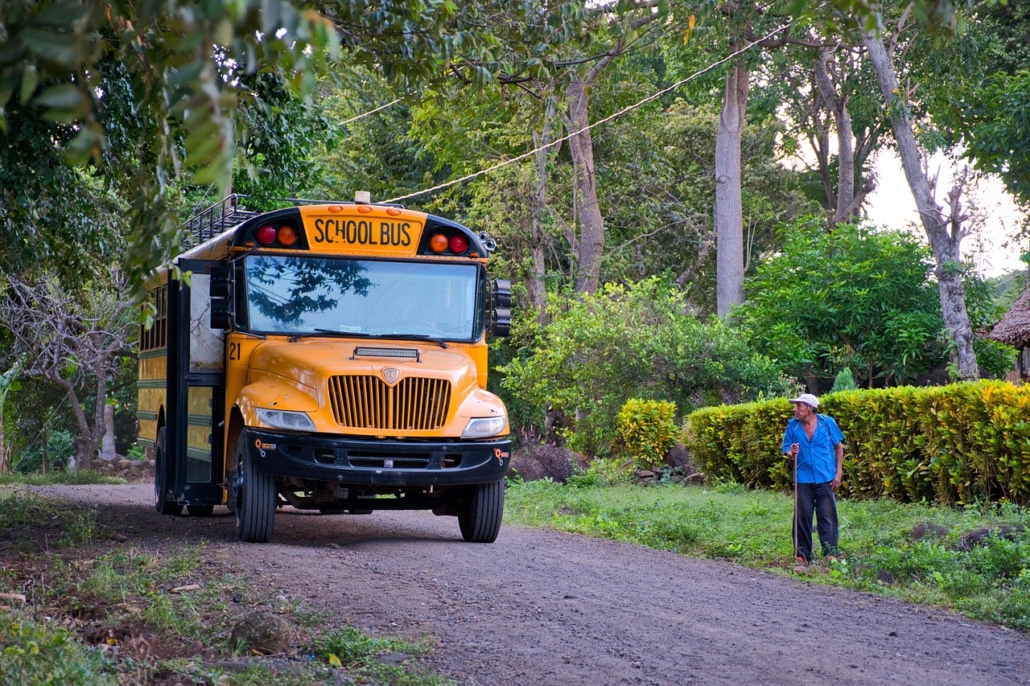
Being Poor in NicaraguaPoverty in Nicaragua is not just a number. It is a daily struggle for families who face limited opportunities, unpredictable income and fragile public services. Even with modest economic growth on paper, everyday life for many remains uncertain. When disaster hits—be it a drought, job loss or storm—there is often little room to recover.

A Nation of Beauty and Inequality

Nicaragua, bordered by Honduras and Costa Rica, is known for its volcanoes, lakes and vibrant culture. Yet for many of its citizens—especially in rural areas— economic fragility overshadows these scenic images. According to the World Bank, approximately 12.5% of the population lived below the international poverty line of $3.65 per day in 2023.

This figure masks deeper inequalities. About 73% of the rural population depends on agriculture, where work is seasonal and wages are low. Failed harvests are not only financial setbacks—they often mean food insecurity for entire families, according to the World Food Programme (WFP).

Adding to the challenge, remittances made up 26% of Nicaragua’s GDP in 2023, according to the World Bank. This reliance on income from abroad highlights the painful fact that many families survive only because loved ones have left home.

The Human Face of Poverty

Being poor in Nicaragua means limited access to clean water, health care and education. In rural communities, homes are often built with scrap materials and lack proper toilets or plumbing. Children face high rates of malnutrition and many families struggle to meet even the most basic dietary needs.

Environmental disasters only make things worse. Hurricanes, flooding and droughts are common and can wipe out crops, damage homes and isolate villages. The Food and Agriculture Organization (FAO) has warned that extreme weather events often reverse development gains, keeping families trapped in poverty.

Political and Economic Tensions

Politics in Nicaragua remain tense. The government, led by President Daniel Ortega, has received criticism for stifling opposition and limiting freedoms. These issues have led to international sanctions and reduced foreign investment, which affects funding for public services and development programs.

Although the International Monetary Fund (IMF) projected Nicaragua’s economy would grow by 3.6% in 2024, many of the country’s poorest people are not feeling the impact. Growth often benefits urban centers or large businesses, leaving rural communities behind.

Solutions

Despite these challenges, local and international organizations are working to make a difference. Opportunity International has been active in Nicaragua for nearly 20 years, partnering with micro-entrepreneurs to build sustainable businesses that help families lift themselves out of poverty.

Support also comes from other NGOs. The Fabretto Foundation is improving education in under-resourced areas by training teachers and equipping rural classrooms. Meanwhile, Catholic Relief Services helps farmers manage climate risks through sustainable practices such as soil conservation and drought-resistant crops, building long-term resilience in vulnerable communities.

Final Thoughts

Being poor in Nicaragua means living with uncertainty, but it does not have to stay that way. With targeted policies, community-driven efforts and international support, progress is possible. Each step forward—whether it is a harvest that survives the season, a child finishing school or a family opening a small shop—brings hope that poverty in Nicaragua can be challenged and one day, overcome.

– Charlie Baker

Charlie is based in London, UK and focuses on Global Health and Politics for The Borgen Project.

Photo: Unsplash

July 11, 2025
https://borgenproject.org/wp-content/uploads/borgen-project-logo.svg 0 0 Jennifer Philipp https://borgenproject.org/wp-content/uploads/borgen-project-logo.svg Jennifer Philipp2025-07-11 01:30:232025-07-11 04:18:37Being Poor in Nicaragua: Life on the Edge of Survival
Africa, Food Insecurity, Global Poverty

3 Organizations Tackling Food Insecurity in Somalia

Food Insecurity SomaliaSeveral organizations, including the World Food Program (WFP), the International Rescue Committee (IRC) and Action Against Hunger, are working to help combat the long-standing issue of food insecurity in Somalia. For decades, Somalia has struggled with malnutrition and food shortages, with more than 4 million people currently facing severe hunger.

Extreme Weather Conditions

Hunger and food insecurity can lead to a range of social and economic problems. According to the WFP, these issues include protests over rising food prices and conflict over scarce resources. Chronic hunger also undermines personal well-being and productivity, especially for children, making it harder for them to succeed in school and continuing the cycle of poverty.

In recent years, Somalia has experienced increasingly extreme weather conditions, with the drought from 2020 to 2023 affecting more than 8 million people. Droughts have a devastating impact on food supplies by significantly reducing the water available for agriculture, further deepening the crisis. Also, agriculture is a large part of Somalia’s economy, contributing to 70% of the total Gross Domestic Product (GDP).

WFP, IRC and Action Against Hunger

The WFP is delivering life-saving food and nutrition assistance. In collaboration with the Somali government, WFP is implementing integrated programs aimed at building long-term food security, particularly for drought-affected households. In 2022, when Somalia was hit with severe rain, WFP delivered cash transfers to more than 100,000 people to help them recover from the climate disasters. The organization is working hard to recieve additional funding, particularly from the U.S. that will allow them to continue reaching approximately 820,000 people every month.

The IRC has been active in Somalia since 1981, supporting communities recovering from crises such as droughts and floods. By partnering with local civil society organizations and government institutions, the IRC provides targeted support to vulnerable populations, helping them rebuild after disasters and regain stability.

Another key player in fighting food insecurity in Somalia is Action Against Hunger, which has been making a significant impact since 1992. Currently reaching more than 1 million people, the organization focuses on delivering essential nutrition services to some of the country’s hardest-hit areas. Their efforts are crucial in addressing the challenges of food insecurity in the region.

The Work Never Stops

Through their dedicated efforts, these organizations are not only addressing immediate needs but also striving to find long-term solutions to break the cycle of food insecurity in Somalia. Their commitment provides hope while also highlighting the importance of continued support for this cause and the need to discover new ways to improve conditions in the country.

– Knia Parks

Knia is based in Pepper Pike, OH, USA and focuses on Good News for The Borgen Project.

Photo: Flickr

July 4, 2025
https://borgenproject.org/wp-content/uploads/borgen-project-logo.svg 0 0 Naida Jahic https://borgenproject.org/wp-content/uploads/borgen-project-logo.svg Naida Jahic2025-07-04 01:30:472025-07-03 11:59:393 Organizations Tackling Food Insecurity in Somalia
Agriculture, Food Insecurity, Global Poverty, Technology

Technologies to Prevent Food Insecurity in Morocco

Technologies to Prevent Food Insecurity in Morocco In 2024, Morocco suffered a 50% decrease in its wheat harvests, compared to the previous year, leaving many farmers and rural labourers without work or income. Although Morocco has always battled droughts and water shortages, the effects have become more apparent in the past decade. According to ROPUR, 40% of the Moroccan workforce participates in agricultural activities, with 137,000 jobs lost to the drought in 2024.

The lack of rainfall and reservoirs affects not just the rural populations in the most barren parts of Morocco, but also urban centers such as Rabat, which came close to a total dry up in 2023. Despite the inevitable threat of a water shortage in the country, foreign investors have partnered with scientists from Mohammed VI Polytechnic University to utilize technology in reducing the economic and health consequences associated with droughts and food insecurity.

Agritech and the Green Generation Strategy

A particular project that has worked effortlessly to solve food insecurity in Morocco is Agritech. The Green Generation Strategy (2020-2030), set out by King Mohammed VI, aims to modernise the Moroccan agricultural sector of the economy, not only to boost exports, but also to support the 73% of people living in rural Morocco who work in agriculture. 

As a product of this 10-year strategy, Agritech aims to provide precise and timely information to farmers through a mixture of satellite-based imagery, drones and artificial intelligence in order to help the sector better prepare for droughts. 

Al Moutmir: Irrigation and Job Creation

Agriculture in Morocco accounts for 14% of GDP, meaning slight shifts in the climate during growing seasons can have catastrophic consequences for locals. Among the frequent effects of climate shifts is a reduction in the rural labor force. However, through technological innovation, projects such as Al Moutmir have overcome some of these challenges.

Through its gravity-fed irrigation systems, some farmers have been able to reduce their field water losses from 40% to just 15%. In addition, the umbrella strategy that Al Moutmir forms a part of – Le Plan Maroc Vert –has created an additional 342,000 jobs since its inception in 2008. 

Sand to Green and Terraa

While organizations and partnerships in Morocco have taken direct action on combating food insecurity and water shortages, a hybrid of both physical and virtual uses of technology has benefited farmers. For example, Sand to Green uses technology to insert green spaces into previously arid lands or solar-powered desalination methods to increase the flow of appropriate water for agriculture.

Terraa, on the other hand, is a digital network that farmers use to distribute their products efficiently and cost-effectively so as to avoid waste in times of surplus. Through the combination of the two, farmers can work toward a more stable harvest, all the while selling their produce for a price that is fair for their work. As such, the Moroccan agricultural sector reinforces itself in the long term and expands its GDP. 

Looking Ahead

Although droughts are an inevitable reality in Morocco, state-of-the-art technology allows small and large-scale farmers to prepare for the worst. Although Morocco may seem like a distant country, 34% of Moroccan exports to the U.K. are fruits and vegetables, meaning a stable agricultural industry in Morocco leads to a consistent supply for British consumption. 

– Alfie Williams-Hughes

Alfie is based in Nottingham, UK and focuses on Business and Politics for The Borgen Project.

Photo: Flickr
June 29, 2025
https://borgenproject.org/wp-content/uploads/borgen-project-logo.svg 0 0 Precious Sheidu https://borgenproject.org/wp-content/uploads/borgen-project-logo.svg Precious Sheidu2025-06-29 07:30:142025-06-29 03:08:11Technologies to Prevent Food Insecurity in Morocco
Food Insecurity, Food Security, Global Poverty

Food Security in the U.S. Virgin Islands

Food Security in the U.S. Virgin Islands
The U.S. Virgin Islands (USVI), an unincorporated United States territory, comprises the three Caribbean islands of Saint Thomas, Saint John and Saint Croix. They span 737 square miles of hilly, rugged and mountainous terrain, with little flat land and less than 3% arable. The islands are sparsely populated (a total of 104,477) with low density. The USVI is a high-income country based on tourism due to its beautiful beaches and subtropical climate. Although on the whole its climate is attractive, the islands also experience frequent hurricanes, e.g., the back-to-back Category 5 Hurricanes Irma and Maria in 2017. Here is information about food security in the U.S. Virgin Islands.

Food Security in the U.S. Virgin Islands

Several factors challenge food security in the U.S. Virgin Islands. These include climate (hurricanes and drought), poor soil quality, limited crop diversification, lack of value-added processing, high cost of food production and limited food distribution networks. The government offers no programs or incentives to encourage the development of agricultural or food businesses. The U.S. Virgin Islands import almost all food consumed (97%). A recent study of USVI food systems also noted infrastructure issues, especially related to water capture and storage; and sociocultural factors (e.g., lifestyle, history of slavery, land ownership questions). 

Adding to food security challenges in the U.S. Virgin Islands is the islands’ extent of poverty, reported by the 2020 Decennial Census to be 23% (19% on St. John, 21% on St. Thomas and 25% on St. Croix). 

In November 2022, the country’s food insecurity was acknowledged in USVI Governor Bryan’s proclamation of November 12-20, 2022, as “Hunger and Homelessness Awareness Week.” The proclamation thanked those who provided services and called upon everyone to partner financially and/or volunteer to provide aid to eliminate hunger and homelessness.

USVI Hunger: US Assistance

Likely due to its size, the USVI is not included in global assessments such as the Global Hunger Index and the Global Nutrition Report. But that does not mean that hunger is nonexistent in the islands. As a U.S. territory, the Virgin Islands benefits from various assistance programs—SNAP (Supplemental Nutrition Assistance Program/food stamps), school meal programs, food programs for low-income students and families. 

When the U.S. Congress cut SNAP benefits in December 2022, it was reported that the reduction of average SNAP benefits to $6/person/day affected almost 11,000 USVI households. The steepest drop was for many older adults. The cuts were due to ending Emergency Allotments related to COVID-19 and meant that USVI lost $2.1 million in assistance. These cuts had a domino effect down the food chain, on farmers and ranchers, food manufacturers, truckers, retailers and their employees. In the spring of 2025, this assistance was in jeopardy, the extent of impact depending on the budget to be approved by the U.S. Congress.

Addressing Food Security

Virgin Islands Good Food (VGF), established in 2012, is a nonprofit whose mission is “to cultivate a unique and nourishing food system for innovation, economic development, and agricultural growth,” connecting consumers, the government and private industry. Its work includes, but is not limited to, market creation and access, education and services and assistance for farmers. In February 2024, VGF hosted the first Island Food Systems Summit at the University of the Virgin Islands. U.S. Department of Agriculture representatives and representatives from the National Black Food & Justice Alliance participated with other partners and Virgin Island farmers and producers. They discussed multisector collaboration, farmer empowerment, disaster response strategies and youth engagement in food systems, in an overall effort to increase food security and sustainability. 

For 20 years, the University of the Virgin Islands has observed World Food Day as an educational initiative aiming to eradicate hunger in the Virgin Islands. The university’s School of Agriculture focuses on food security and especially children’s access to nutritious meals. World Food Day 2024 included a seedling giveaway and educational workshops on cooking, composting and gardening. The School of Agriculture also organizes food drives to support local organizations such as My Brother’s Table and the Lighthouse Mission.

In January 2025, Governor Bryan signed into law the Virgin Islands Comprehensive Land and Water Use Plan. The framework of the Comp Plan focuses on:

  • Development guidance
  • Responsible land and water resource use, consistent with environmental protection
  • Preservation of environmentally sensitive areas, coastlines and historic sites
  • Prioritization of investments to improve community services and infrastructure

Self-Sufficiency and Food Security in the U.S. Virgin Islands

In February 2025, the USVI Delegate to Congress, Stacey Plaskett, encouraged the islands to increase agricultural independence, which could lead to greater food self-sufficiency and thus reduce the country’s total reliance on food imports. “We here in the Virgin Islands, we don’t just need to tighten our belts,” Plaskett said. “That’s austerity measures that we know we need, but we need to create self-sufficiency, food security, to come up with innovative ways that we will make up that gap for our students and for our elders.”

Although hunger is not a significant problem for the Virgin Islands, its dependence on imports is. One can see the recognition of the need for self-sufficiency for food security in the several examples above—government legislation, the role of the University of the Virgin Islands and Virgin Islands Good Food and other nonprofits. Intersectoral activities can work effectively to improve farming communities, the supportive infrastructure and food security overall.

– Staff Reports
Photo: Unsplash

June 27, 2025
https://borgenproject.org/wp-content/uploads/borgen-project-logo.svg 0 0 Jennifer Philipp https://borgenproject.org/wp-content/uploads/borgen-project-logo.svg Jennifer Philipp2025-06-27 08:43:082026-04-16 10:10:35Food Security in the U.S. Virgin Islands
Food Insecurity, Global Poverty, Nonprofit Organizations and NGOs

Voices of Change: Radio Empowers Farmers in Sub-Saharan Africa

Radio Empowers FarmersIn 2023, 64.2 million East Africans faced acute food insecurity, compounded by communities with low literacy rates, adverse climate instability and poor internet infrastructure. Many lacked the life-sustaining information to aid in the escape from poverty. For Farm Radio International, bridging this gap lies in communication justice, a guiding principle where every person deserves the unalienable right to speak and be informed.

Dialing up Support

Founded in 1975 by George Atkins, Farm Radio International is a Canadian nongovernmental organization (NGO). It works with existing radio stations to improve access to information in sub-Saharan Africa. The organization aims to connect small-scale farmers with life-changing knowledge and opportunities for a stronger voice in their development.

As of 2025, Farm Radio International supports communities across sub-Saharan Africa, a region where approximately 600 million people still lack access to electricity. The charity’s work demonstrates that reducing information loss in rural areas empowers Africans to make informed decisions. This could include knowing when to plant crops, adapting to climate emergencies or addressing health challenges. In sub-Saharan Africa, where 65% of the population relies on radio for news, broadcasters often serve as trusted and vital sources of information.

Following this dynamic, Farm Radio International implemented a network of nearly 1,400 stations across sub-Saharan Africa, all backed by informational resources, content and training. By the end of 2024, the initiative worked with 135 stations across 34 projects, addressing themes like food security, climate flux and gender equality.

Radio Empowers Farmers

Farm Radio International estimates that up to 60% of radio users tune into its programs, with an average of 20% incorporating one recommended practice. While statistically impressive, Farm Radio International prioritizes the impact on individual farmers’ lives. One example in northern Tanzania exhibited how a radio program on agroecology boosted farmers’ average knowledge score about ecologically sustainable agriculture by 62%.

In sub-Saharan Africa, researchers demonstrated how growth from agriculture is 11 times more effective at reducing extreme poverty than any other sector. Therefore, East Africans can expect better nutrition by improving farm systems through increased productivity, higher incomes and broader economic growth. They could also experience increased access to education and a ripple effect of economic activity throughout their communities.

Reflecting on Communication Justice

The vital role of radio as a source of information and support for small-scale farmers in sub-Saharan Africa cannot be overstated. With the longstanding partnership of Farm Radio International and local broadcasters, millions of farmers gain access to life-changing knowledge that empowers them to make informed decisions in the face of challenges like food insecurity.

Through interactive programs and community involvement, these initiatives not only improve agricultural practices but also enhance economic resilience and social equity. As technology continues to evolve, ensuring that radio retains its significance in agricultural communication will be essential for fostering development and empowering marginalized communities across the region.

– Marcus Villagomez

Marcus is based in Galveston, TX, USA and focuses on Technology and Solutions for The Borgen Project.

Photo: Flickr
June 13, 2025
https://borgenproject.org/wp-content/uploads/borgen-project-logo.svg 0 0 Hemant Gupta https://borgenproject.org/wp-content/uploads/borgen-project-logo.svg Hemant Gupta2025-06-13 07:30:302025-06-12 10:28:19Voices of Change: Radio Empowers Farmers in Sub-Saharan Africa
Food Insecurity, Global Poverty, Malnourishment

Malnutrition in Guatemala

Malnutrition in GuatemalaWith nearly half of the population unable to afford basic foods, malnutrition in Guatemala remains a critical barrier to achieving Sustainable Development Goal 2: Zero Hunger. This global target aims to eliminate all forms of malnutrition by 2030, yet progress in the country has been slow. However, support from local organizations and international aid efforts offers a path forward.

The Current Situation of Hunger in Guatemala

Since 1960, Guatemala has struggled with high levels of food insecurity. At that time, 60% of children under 5 suffered from stunting. By 2023, that figure dropped to 46.5%, an improvement of just 0.21 percentage points per year over six decades. This slow progress reflects deep-rooted challenges. Malnutrition severely limits brain development in children, reducing educational outcomes and increasing vulnerability to illness. According to Seeds for a Future, malnourished parents often pass on these disadvantages to their children, reinforcing the cycle of poverty across generations.

More than 2.9 million Guatemalans face crisis or emergency levels of food insecurity. Migrant flows also strain resources, with 223,000 people passing through the country between January and September 2024. Many of these individuals require food assistance, emergency nutrition and protection during their transit. Without swift humanitarian support, vulnerable populations face rising health risks. Aid groups urge donors to fund safe transit points and deliver nutritional support to prevent widespread health consequences.

Understanding the Root Causes

Systemic poverty continues to drive hunger in Guatemala. Environmental shocks, especially in the Dry Corridor, worsen the crisis. Many families rely on agriculture to survive, but droughts and erratic weather often destroy crops and slash incomes. As food prices rise and yields drop, households face greater difficulty feeding their children. In October 2024 alone, the Food Security and Nutrition Secretariat recorded 25,000 cases of acute malnutrition among children under 5.

Short-term food distributions can save lives but rarely lead to lasting change. Many programs unintentionally create dependency by failing to build skills or resilience. Long-term strategies that focus on education, sustainable farming and economic empowerment provide communities with the tools to escape malnutrition permanently.

Organizations Supporting Guatemala

  • Seeds for a Future. Seeds for a Future is an organization that supplies rural families and communities with the training and essential resources to grow sustainable crops and understand nutritional health requirements for mothers and infants. Since 2009, the Seeds program has been addressing the issue of malnutrition in Guatemala with a 12-month program, mentoring families for their individual needs at a low cost. Currently, the organization has helped 5,400 families in 19 communities with its easily replicable food security and health training program. The program continues to implement its training strategies and hopes to expand to even more communities. 
  • World Food Programme (WFP).  The WFP has operated in Guatemala since 1974. Working closely with government ministries and United Nations (U.N.) agencies, the program assists with food security and nutrition for the country’s most vulnerable individuals and families. To achieve the Sustainable Development Goal (SDG 2), the WFP is strengthening social programs to minimize food insecurity and malnutrition in Guatemala. Workshops and nutrition-sensitive interventions were put in place to detect and better the conditions of malnutrition, especially for children and pregnant women. Considering the struggles that families go through after climate shocks, the program also works to enhance resilience and provide access to affordable markets.

Looking Ahead

In 2025, humanitarian agencies plan to scale up operations in 60 of Guatemala’s 81 most food-insecure municipalities, including Alta Verapaz and Huehuetenango. These regions experience the highest rates of crop failure and child malnutrition and are in desperate need of food security interventions. Despite the high number of malnutrition cases in Guatemala, efforts are being implemented to improve the community’s resilience and health stability. The most vulnerable are receiving the necessary resources and support with the hopes of eliminating all forms of food insecurity by 2030. 

– Sarina Francis

Sarina is based in Tallahassee, FL, USA and focuses on Global Health for The Borgen Project.

Photo: Flickr
June 5, 2025
https://borgenproject.org/wp-content/uploads/borgen-project-logo.svg 0 0 Precious Sheidu https://borgenproject.org/wp-content/uploads/borgen-project-logo.svg Precious Sheidu2025-06-05 01:30:442025-06-05 00:29:25Malnutrition in Guatemala
Agriculture, Food Insecurity, Global Poverty

Food Systems in Pakistan

Food Systems in PakistanFrom inefficient supply chains to outdated frameworks, food systems in Pakistan are under significant strain. Behind spoiled harvests and empty shelves is a configuration of a fractured food crisis, where millions go hungry because of these vulnerabilities. More than 11 million people in Pakistan’s rural areas are facing these challenges, with 1.7 million in emergency conditions. Addressing the urgency of Pakistan’s systemic challenges may help reform a more sustainable infrastructure to transform the food system.

Pakistan’s Agricultural Sector

Agriculture drives Pakistan’s economy with around 44% of the labor force and contributing nearly a quarter of the country’s GDP. Aside from this sector being vital for economic stability, 67% of rural households also rely on agriculture for their livelihoods. However, challenges arise within environmental and systematic divisions, including chemical fertilizer overuse, poor irrigation techniques and outdated farming methods that have led to soil degradation, salinity and waterlogging. 

However, agricultural abundance does not automatically translate into national food security. As an example, Pakistan has produced bumper wheat crops in recent years, greater than 23 million tons in 2006 alone, yet millions still suffer from food insecurity due to poor distribution networks. The imbalance between production and access showcases a deep-rooted problem within the food system in Pakistan: a discrepancy between supply and sustainable delivery. Climate shocks, infrastructure gaps and a lack of investment in rural supply chains further exacerbate this disconnect. To ensure long-term food security, Pakistan must go beyond crop yields and focus on building a resilient and equitable food system. Addressing inefficiencies in the distribution of the food supply chain and ensuring that sustainable agricultural practices are supported from farms to households is not just a logistical challenge but a moral imperative.

Distribution of the Food Supply Chain

The distribution of food systems in Pakistan is facing challenges impacting farms and consumers. The causes of substantial post-harvest losses, from perishable fruits, vegetables and dairy are due to inadequate rural roads, lack of cold storage, unreliable transportation and market access barriers. About 30–40% of these goods never make it to the market, which threatens food availability, resulting in an annual economic loss of millions.

Yet, within these challenges lie opportunities. Investments in rural infrastructure and more localized supply chains may reduce spoilage and stabilize food prices; one major issue is the highly unequal distribution of land and water; only 37% of rural households own land, and most of those own fewer than five acres, which limits the ability of small farmers to benefit from agricultural growth. To address this, Pakistan has introduced programs aimed at improving rural infrastructure, such as expanding rural road networks and electrification projects, which may help reduce transport costs and increase access to markets. However, many rural enterprises still face frequent power outages and limited credit access, hindering productivity. Policies that invest in human capital and support both farm and non-farm rural sectors to build a more inclusive and resilient food system in Pakistan must complement these efforts.

Upgrading Infrastructure for Sustainable Food Systems

Action Against Hunger, for example,  is a non-government organization that began working in Pakistan in 2005 to combat hunger and malnutrition, especially in vulnerable rural areas. The organization focuses on improving food security by supporting home gardens, promoting climate-resilient agriculture and distributing livestock and fish to boost access to nutritious food. In the Sindh province, where child malnutrition is highest, it has helped more than 314,000 people in the past year through programs like Farmer Field Schools and vertical gardening. Its efforts have led to more diverse diets, increased crop yields and promoted better nutrition for families across 10 districts.

– Hibah Iqbal

Hibah is based in Houston, TX, USA and focuses on Global Health for The Borgen Project.

Photo: Unsplash

June 1, 2025
https://borgenproject.org/wp-content/uploads/borgen-project-logo.svg 0 0 Jennifer Philipp https://borgenproject.org/wp-content/uploads/borgen-project-logo.svg Jennifer Philipp2025-06-01 07:30:182026-04-16 10:10:39Food Systems in Pakistan
Food Insecurity, Global Poverty, Hunger

Everything To Know About Hunger in Sudan

Hunger in SudanWith more than half the population facing food insecurity, Sudan is experiencing one of the world’s worst humanitarian crises in recent history. However, with the help of community organizations and foreign aid, there is hope for addressing hunger in Sudan.

The Current Situation of Hunger in Sudan

Despite being the only officially confirmed famine in the world, Sudan has received very little help from foreign aid and a lack of media coverage. In an interview with Save the Children, comedian Ola Labib highlights how the media has ignored the conflict and subsequent famine because Western culture has normalized African pain. However, what is happening is far from normal, and mass desensitization to this scale of suffering is terrifying.

About 8.5 million people in Sudan are facing food insecurity at an emergency level, and 25.6 million people are facing it acutely. And yet, despite the international community abandoning them, civilians have demonstrated commendable resilience by creating Emergency Response Rooms (WhatsApp group chats that coordinate humanitarian aid) to combat widespread hunger in Sudan. For example, the Khartoum State Emergency Response Rooms (ERRs) collaborate with non-governmental organizations (NGOs) to feed people across the Khartoum state. Since April 2023, the Khartoum State ERRs have united existing support systems to form a network of decolonized aid, consisting of 162 base ERRs and 4,000 volunteers across all seven districts of Khartoum. In recognition of their incredible work, the Nobel Peace Prize committee has nominated them for the 2025 award.

What Caused the Crisis of Hunger in Sudan?

Sudan’s famine is a multi-layered issue, with many factors such as drought, flooding and economic collapse coming into play. However, although changing weather patterns have exacerbated hunger in Sudan, humans can also cause modern famines. The ongoing conflict between the Sudanese Armed Forces (SAF) and the paramilitary Rapid Support Forces (RSF), which began in April 2023, has largely caused Sudan’s humanitarian crisis. After co-leading a two-year coup, rising tensions between Gen Fattah al-Burham (SAF) and Gen Mohamed Hamdan Dagalo (RSF) sparked Sudan’s third civil war. During this conflict, both sides have actively blocked access to aid and looted resources from civilians, utilizing hunger in Sudan as a weapon of war. Evidence also shows that the RSF, which originated from the Janjaweed militia and receives partial funding from the United Arab Emirates (UAE), has committed genocide in the region of Darfur and used rape as a weapon of war.

Organizations Supporting Sudan

There are many organizations addressing hunger in Sudan, including the World Food Programme (WFP), Action Against Hunger and Save the Children. The World Food Programme (WFP) has been working in Sudan since 1989. By providing emergency food packages, cash-based assistance and nutrition supplements, as well as supporting agricultural workers to increase production and prevent losses, the WFP has assisted more than 13 million people since the conflict began in 2023. Similarly, Save the Children has been working in Sudan since 1983 and has helped 3.8 million people since 2023 by providing emergency care nutrition programs and cash transfers for livelihood support. Meanwhile, Action Against Hunger started working in Sudan in 2017 to provide health and nutrition interventions. The organization also established community protection networks for women and girls at risk of sexual violence, supporting 44 health facilities and seven hospitals and helping 180,000 people last year alone.

In addition to more well-known charities, Kids for Kids, with support from Dame Joanna Lumley, is a brilliant organization that implements sustainable change by speaking to families in Sudan about what would help them most, and then using this information to direct their projects. Some of these projects include kitchen kits, goat loans and delivering seeds. Kids for Kids has worked with 110 Sudanese villages so far, helping 590,000 people in total.

Activists and Journalists Raising Awareness

In addition to NGOs supporting those experiencing conflict, Sudanese journalists and activists have been raising awareness about hunger in Sudan. African correspondent for Sky News, Yousra Elbagir posts excellent content on Sudan. Her recent coverage of her return home to the capital, Khartoum, is particularly moving. Elbagir’s personal narratives have humanized the crisis, ensuring that the suffering of Sudanese does not just become another statistic. While it is difficult to document exact numbers regarding her impact on funding and aid, her reporting has successfully mobilized people to promote awareness about the famine. Sara Elhassan is another excellent journalist utilizing her social media platforms to make people aware of hunger in Sudan. Her easy-to-follow overviews of the war and its impact on civilians, as well as daily updates on the conflict, ensure readers stay informed and engaged with the crisis.

A Call for Action

Despite the scale of devastation and hunger in Sudan, it is important to recognize the work that community-led action and organizations are delivering on the front line. ERRs, community kitchens and charities in Sudan have created a network of aid that demonstrates human resilience. With support from the international community, their impact could be amplified so that there is no more silence regarding hunger in Sudan.

– Clodagh Dowson

Clodagh is based in Bradford on Avon, Wiltshire, UK and focuses on Global Health and Politics for The Borgen Project.

Photo: Flickr

May 29, 2025
https://borgenproject.org/wp-content/uploads/borgen-project-logo.svg 0 0 Jennifer Philipp https://borgenproject.org/wp-content/uploads/borgen-project-logo.svg Jennifer Philipp2025-05-29 01:30:562025-05-28 22:01:08Everything To Know About Hunger in Sudan
Food Insecurity, Global Poverty, Hunger

Hunger in Taiwan

Hunger in TaiwanTaiwan is an independent island nation off the coast of mainland China. Taiwan has struggled with its status since 1949, when Chiang Kai-shek’s troops were defeated in the civil war in China by the Communists and Chiang fled to the island with his supporters. Chiang’s dictatorship reigned until his death, followed by a transition to democracy that began in the 1980s and led to its first elections in 1996. Although Chiang claimed to represent the whole of China, in 1971 the U.N. recognized Beijing as the seat of China’s government. Today, only 12 countries recognize Taiwan. Taiwan has not formally declared its independence from China, although it behaves as an independent democracy. 

Taiwan’s estimated 2024 population was almost 23.6 million, over 80% urbanized. It is a high-income economy, one of East Asia’s economic “Tigers.” Despite the political ambiguity, Taiwan manages to maintain economic ties to mainland China. Indeed, China has been a “major investor”  there for the past two decades. 

Hunger, Food Sufficiency and Dependence on Imports

The annual global hunger and nutrition indices do not provide comparative hunger and nutrition data for Taiwan. Often referred to as the Taiwan Province of China, statistics for Taiwan are likely incorporated into references to mainland China.

However, there are some internal measures related to hunger. In October 2024, Taiwan’s Ministry of Agriculture reported that the country’s 2023 food self-sufficiency rate had dropped to just over 30%, reportedly the lowest in 18 years. 

Several factors have an impact on Taiwan’s food self-sufficiency, not the least of which is the “westernization” of the Taiwanese diet. As the economy and incomes have improved, the demand for a more diversified daily diet has grown. This has led to greater reliance on imports as unpredictable weather and limited arable land constrain domestic production. Taiwan imported $18.9 billion of agricultural and related products in 2023, as compared to exports of $5.4 billion. Imports included beef, soybeans, dairy, fresh fruits, processed vegetables and a variety of bulk commodities. The largest supplier is the U.S. (21%), with mainland China the third largest at 7%. 

To address logistical disruptions such as occurred during the COVID-19 pandemic, as well as climate challenges, in June 2024 Taiwan and the U.S. signed a Memorandum of Cooperation on food security and established a bilateral mechanism to facilitate the exchange of information and discussion of strategies to improve trade practices and increase the country’s food security. 

Planning for Import Disruption

One aspect of Taiwan’s complicated relationship with China is China’s daily military activities that include “practice” blockades and attacks on Taiwan’s ports. Consequently, in October 2024, Taiwan detailed a “wartime” food plan, monitoring monthly inventories of critical food supplies such as rice to assure sufficient stored supplies (higher than the legally required three-month supply) in the event of a Chinese blockade. Rice would be rationed if that became necessary. Additionally, the country might have to increase the land designated to grow rice and other products. A significant amount of arable land was taken over for factories with the transition to industrialization in the 1960s. 

Tackling Hunger in Taiwan and Beyond

The Taiwan People’s Food Bank Association was established in 2011 to address hunger and reduce food waste. By 2013, their network included over 50 social welfare organizations and NGOs. They joined the Global Foodbanking Network in 2016 and initiated a program to deliver meals to rural children in schools in 2017. By 2020, they had distributed over a million meals. In the last few years, attention has expanded to education and environmental sustainability. Furthermore, they have incorporated a digital platform and communicate through social media and community events. Beneficiaries are the most vulnerable populations, including collaboration with indigenous communities. 

Taiwan AID (Taiwan Alliance in International Development), initiated in 2013, is an NGO focused on international development and relief. Its many humanitarian projects include a nutrition program in Cambodia, a community kitchen and Happy Farm Project in rural Swaziland (2015). Over 4,500 rural children in Swaziland have been supported, and the farm project focused on local food production. A children’s malnutrition improvement project was implemented in Vietnam (2012-2014). Recent activities will include the 2025 Asian Girls in Action Project for girls ages 15-19. Additionally, there is the 2025 NGO Fellowship Program for NGO professionals from South Asia, Southeast Asia and the Pacific Islands. The program includes a workshop, site visits and a field placement. 

In January 2024, the Nutrition and Healthy Diet Promotion Act was published. This legislation provides for research, including nutrition surveys, standards and recommendations, and social assistance subsidy plans that require the incorporation of nutritional issues. Guidance is to be provided on the research and development of healthy foods incorporating local agricultural products. Nutrition and healthy diets education is to be included in on-the-job training or continuing education for relevant personnel; spreading false nutrition news is prohibited.

A Multifaceted Approach

The approach to hunger and food insecurity in Taiwan has both domestic and global aspects, private and governmental. It is less about food distribution and funding than it is about planning, policy, education and development.

– Staff Reports
Photo: Flickr

May 26, 2025
https://borgenproject.org/wp-content/uploads/borgen-project-logo.svg 0 0 Kim Thelwell https://borgenproject.org/wp-content/uploads/borgen-project-logo.svg Kim Thelwell2025-05-26 07:30:542025-05-25 23:51:25Hunger in Taiwan
Page 6 of 31«‹45678›»

Get Smarter

  • Global Poverty 101
  • Global Poverty… The Good News
  • Global Poverty & U.S. Jobs
  • Global Poverty and National Security
  • Innovative Solutions to Poverty
  • Global Poverty & Aid FAQ’s
Search Search

Take Action

  • Call Congress
  • Email Congress
  • Donate
  • 30 Ways to Help
  • Volunteer Ops
  • Internships
  • Courses & Certificates
  • The Podcast
Borgen Project

“The Borgen Project is an incredible nonprofit organization that is addressing poverty and hunger and working towards ending them.”

-The Huffington Post

Inside The Borgen Project

  • Contact
  • About
  • Financials
  • President
  • Board of Directors
  • Board of Advisors

International Links

  • UK Email Parliament
  • UK Donate
  • Canada Email Parliament

Get Smarter

  • Global Poverty 101
  • Global Poverty… The Good News
  • Global Poverty & U.S. Jobs
  • Global Poverty and National Security
  • Innovative Solutions to Poverty
  • Global Poverty & Aid FAQ’s

Ways to Help

  • Call Congress
  • Email Congress
  • Donate
  • 30 Ways to Help
  • Volunteer Ops
  • Internships
  • Courses & Certificates
  • The Podcast
Scroll to top Scroll to top Scroll to top