• Link to X
  • Link to Facebook
  • Link to Instagram
  • Link to TikTok
  • Link to Youtube
  • About
    • About Us
      • President
      • Board of Directors
      • Board of Advisors
      • Financials
      • Our Methodology
      • Success Tracker
      • Contact
  • Act Now
    • 30 Ways to Help
      • Email Congress
      • Call Congress
      • Volunteer
      • Courses & Certificates
      • Be a Donor
    • Internships
      • In-Office Internships
      • Remote Internships
    • Legislation
      • Politics 101
  • The Blog
  • The Podcast
  • Magazine
  • Donate
  • Click to open the search input field Click to open the search input field Search
  • Menu Menu

Archive for category: Food Insecurity

Food Insecurity, Global Poverty, Health

The Reality of Nepal’s Poverty Crisis

Nepal’s Poverty CrisisNestled among the towering peaks of the Himalayas, Nepal continues to battle a deep-rooted poverty crisis, with more than 25% of its population living below the national poverty line. In the 2024 Human Development Index (HDI), the country ranked 146th out of 193, placing it among the lowest in South Asia. Although its HDI value improved to 0.601, this progress remains uneven and fragile. Indeed, national indicators may suggest advancement, but they often mask the stark internal inequalities.

This article will focus on Nepal’s poverty crisis and precisely those left furthest behind in communities in western regions and near borders, where poverty is deeper and millions still struggle to access even the most basic necessities. In these areas — such as Karnali, Sudurpashchim and remote parts of Lumbini Province — many experience acute multidimensional poverty, facing overlapping deprivations in education, health and living standards.

Food insecurity remains a pressing issue: according to the World Food Programme’s Fill the Nutrient Gap analysis (2021), 23.1% of the population does not consume a nutritionally adequate diet and 33% of pregnant women suffer from anemia. Although stunting rates have declined in recent years, one in four children under the age of five is still affected. Once again, these indicators fail to reflect the full extent of disparities between peripheral regions and urban centers. Here is more information about Nepal’s poverty crisis and measures that are addressing it.

Geographic Isolation

Remote mountain communities are the ones that suffer the most serious consequences, as they often rely on narrow, unpaved roads to reach markets, schools, clinics and other essential services. The United Nations Children’s Fund (UNICEF) reports that many children routinely walk up to several hours to attend overcrowded, under-resourced schools, leading to high dropout rates.

Worsening the situation, heavy rains and winter snowfall can render these routes impassable, isolating villages for days or even weeks. When roads vanish under mud and rock, families must subsist primarily, if not entirely, on their own harvests. But subsistence farmers lack the diversification needed to absorb such shocks. As the United Nations Development Programme (UNDP) warns, unpredictable swings from prolonged drought to sudden downpours throw planting cycles off balance, leaving soils cracked and barren. More frequent landslides then ravage crops and upend local economies, at times forcing residents to start over with nothing.

Health Infrastructure

Improving access to health care remains one of Nepal’s most critical and unresolved development challenges. While the country has made notable advancements in public health over recent decades — reflected in increased life expectancy and reduced maternal and child mortality — many rural clinics continue to operate with outdated, inadequate or even nonfunctional medical equipment, severely compromising the quality and consistency of care.

In pursuit of universal health coverage, the Government of Nepal has launched the National Health Insurance Program (NHIP), a policy initiative aimed at minimizing direct health care costs for individuals and promoting fair access to essential medical services. However, despite its promising framework, the program’s implementation has been uneven and threatens to undermine its potential impact. Enrollment rates remain low, with families either unaware of the program or discouraged by complicated procedures and limited services. A shortage of trained health care workers makes it even harder to provide quality care, especially in remote areas.

A survey that the Asian Development Bank (ADB) conducted across five provinces – Koshi, Madhesh, Bagmati, Gandaki and Sudurpaschim – in December 2024 found that more than half of Nepal’s medical equipment, much of which the country acquired during the COVID-19 pandemic, remains unused or broken. The causes include limited maintenance capacity, poor logistics and insufficient training. Compounding these issues are weak and fragmented data systems that make it difficult to identify who would most benefit from targeted interventions. 

Without a reliable foundation of digital infrastructure and data integration, the NHIP risks falling short of its goal to provide sustainable health protection for all. Strengthening biomedical training, equipment management and preventative maintenance policies will be essential to ensuring that no one is left behind. 

Economic Development and Grassroots Solutions

On the economic side, the International Monetary Fund (IMF) urges reforms to promote job creation, fiscal stability and inclusive growth throughout the nation. In 2023, agriculture accounted for approximately 26.2% of Nepal’s gross domestic product. However, since the 2010s, the sector’s growth has slowed to an average annual rate of just 3%. The agricultural landscape remains dominated by low-value crops and subsistence farming. The absence of facilities like collection centers, cold storage and grain stores leads to significant post-harvest losses. As a result, farmers are unable to shift from low-value cereals to high-value perishable crops like fruits and vegetables, which require proper storage to sell during peak demand at better prices.

In response, the Nepalese government, supported by international aid, is now prioritizing the expansion of microfinance programs and entrepreneurial training to empower local businesses. Promising results are already emerging from localized initiatives. For instance, several communities have adopted small-scale irrigation projects and diversified crop production, helping mitigate the impacts of changing weather patterns while stabilizing food sources. 

Farmer-Managed Irrigation Systems

One notable example is the modernization of more than 100 Farmer-Managed Irrigation Systems (FMISs), supported by the ADB as part of a broader program to enhance irrigation infrastructure across Nepal. These initiatives, aligned with the National Water Plan 2002–2027 and ADB’s Strategy 2030, aim to improve irrigation performance across 17,452 hectares.

The work includes constructing permanent gated water intake structures, selectively lining canals and improving water control systems. These interventions have enhanced water use efficiency and fairer distribution. Just as important, they have created the conditions for more farmers to shift toward climate-smart techniques and mechanized farming tools.

In parallel, the project has also invested in the people who manage these systems — supporting local Water Users Associations (WUAs) and gradually expanding their role into cooperatives with stronger business and governance structures. Moreover, the emphasis on including women and disadvantaged groups has made these efforts more equitable and representative of the communities they serve. These grassroots responses also offer replicable models for other regions facing similar challenges.

Collaboration Easing Nepal’s Poverty Crisis

Collaboration between NGOs, multilateral organizations and community groups can strengthen the country’s social safety net and ensure that vulnerable populations get the support they need during Nepal’s poverty crisis. 

For Nepal, this means not only investing in health, education and infrastructure, but also strengthening governance, fostering civic engagement and rebuilding trust in institutions. For families in remote villages, it offers the promise of a future where they can thrive and create lasting opportunities for generations to come.

– Lucrezia Frascati

Lucrezia is based in London, UK and focuses on Global Health for The Borgen Project.

Photo: Unsplash

May 26, 2025
https://borgenproject.org/wp-content/uploads/borgen-project-logo.svg 0 0 Jennifer Philipp https://borgenproject.org/wp-content/uploads/borgen-project-logo.svg Jennifer Philipp2025-05-26 01:30:272025-05-25 22:41:45The Reality of Nepal’s Poverty Crisis
Food Insecurity, Global Poverty, Hunger

Everything You Need To Know About Hunger in Senegal

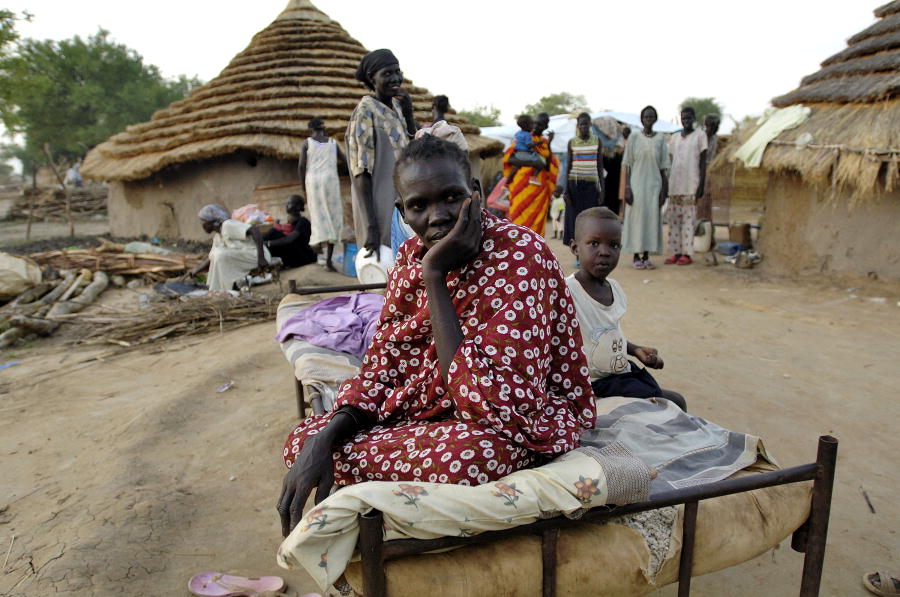
Hunger in SenegalSenegal is known for its rich culture and improved democratic stability. The country made significant progress in improving its infrastructure, health, economy and access to clean water and sanitation. Despite its vibrant culture and strides in democratic governance, the nation faces a persistent challenge in hunger. Food insecurity continues to affect many, particularly in rural and underserved communities. Examining root causes, impacts and potential solutions are crucial to understanding this ongoing crisis. Hunger in Senegal originates from the climate, the economy and social factors. According to the Global Hunger Index (GHI), in 2024, Senegal ranks 72 out of 127 countries with a score of 15.3 in the category of “moderate,” an improvement from previous years, which saw the country in the “alarming” category.

About Hunger in Senegal

About 4.6% of the population is undernourished, 17.5% of children less than the age of five are stunted, 10.2% of children less than  five are wasted, and about 3.7% of children die before the age of five. Hunger is more pronounced in regions like Matam, Kolda, and Tambacounda, where poverty, limited infrastructure and poor agricultural yields intersect. 

Hunger in Senegal predominantly exists in rural areas, with women and children affected the most. More than 30% of Senegal’s workforce is involved in agriculture and is overly dependent on rainfed farming, according to the International Trade Administration (ITA). Due to changing weather patterns, Senegal experiences rapid-unpredictable rainfall and massive amounts of drought, leading to desertification in crop fields and a shortage of food availability. The World Food Program (WFP) reports that in 2023, about 1.26 million people will experience extreme hunger during the lean season. 

Hunger in Rural Areas and Women Farmers

Economic disparity contributes to the issue, especially in rural areas. In 2022, the World Bank estimated that 36.3% of the population lives below the poverty line. Additionally, the impact of food prices soaring  in 2022 contributes to hunger in Senegal. In 2022,  Senegal saw a record-breaking 21.40% in food inflation, with only a slight decrease in March 2025. 

Gender inequality and social and political norms contribute to the crisis by denying crucial employment and land ownership. Women are the backbone of agricultural production, making up 70% of the workforce and producing 80% of crops, but they have restricted access to land. Laure Tall, the research director at the Agricultural and Rural Prospect Initiative, claims that women farmers are invisible and work two to four hours longer than the average man. 

Nutritional Deficiencies

Diets often lack essential nutrients, leading to micronutrient deficiencies. The World Health Organization (WHO) reported that anemia affects nearly 60% of children under five and about 50% of pregnant women. Vitamin A deficiency, low protein intake and iron deficiency are widespread. Malnourishment plagues children’s development because they are the most likely to struggle in school and face lifelong cognitive challenges. Adults, weakened by poor diets, are less productive and more vulnerable to illness, perpetuating a cycle of poverty and underdevelopment.

Initiatives Addressing Hunger in Senegal

Despite the grim picture, the Senegalese government and international partners launched several programs to combat hunger. In 2016, the Senegalese government adopted the National Program for Food Security, known as the Programme National d’Appui à la Sécurité Alimentaire et à la Résilience (PNASAR), aiming to sustainably improve food and nutritional security for households. The program emphasizes coordinated, multisectoral interventions that address both immediate needs and long-term development goals.

The World Food Program (WFP) has also been working to address hunger in Senegal. The WFP provides meals for schoolchildren in areas where food insecurity is high. In 2022, the WFP fed approximately 17% of primary schools. The WFP reached more than 71,000 pupils in 285 primary schools across three regions. The school feeding program, launched in March 2021, receives funding from the Global Partnership for Education. 

The We Are the Solution movement is another noteworthy initiative addressing food insecurity in Senegal. Mariama Sonko, a Senegalese farmer, started the We Are the Solution movement, which includes about 115,000 active women farmers. The goal is to train women to become community farmers and increase the workforce. As previously stated, women make up 70% of the agricultural workforce. Sonko’s movement is helping local efforts by increasing groups to sell vegetables from communal gardens, leading to the reinvestment of profits into nutrition programs for children and mothers. Educating families on dietary diversity and the importance of local produce helps reshape eating habits and generates awareness nationwide. 

Looking Ahead

Ultimately, the road to a hunger-free nation is long, but not impossible. With increased investment in climate-smart agriculture, nutrition education and gender equity, the fight will remain strong. 

– Sebastian Llerena

Sebastian is based in Edison, NJ, USA and focuses on Global Health for The Borgen Project.

Photo: Pixabay
April 27, 2025
https://borgenproject.org/wp-content/uploads/borgen-project-logo.svg 0 0 Jennifer Philipp https://borgenproject.org/wp-content/uploads/borgen-project-logo.svg Jennifer Philipp2025-04-27 07:30:472025-04-27 00:16:28Everything You Need To Know About Hunger in Senegal
elderly poverty, Food Insecurity, Global Poverty

Elderly Poverty in Turkmenistan

Elderly Poverty in TurkmenistanDespite holding abundant gas and oil reserves, 45% of Turkmenistan’s population live below the poverty line, with 2.15% of the population, or 50,200 people, living on less than $2.15 a day. This has caused the nation to have the lowest life expectancy in Central Asia of 69.1. Between 2005 and 2021, Turkmenistan’s life expectancy rose by only 3.2 years, while life expectancy in neighboring Tajikistan rose by 5.1 years for a life expectancy of 71.29. It is in this context that elderly poverty has become an all too familiar occurrence in Turkmenistan. Here is more information about elderly poverty in Turkmenistan.

Support To Address Elderly Poverty in Turkmenistan

Elderly poverty rates are often higher than the overall population, and Turkmenistan is no exception. While specific data on this is limited, significant cuts to state pensions in 2006 may have left 300,000 people in poverty, including the elderly. Following the cutbacks, of the 229,000 people still receiving state pensions, many received no more than between £5.60 and £51 a month. This move occurred because government pension funds were already overburdened, forcing the government to dip into its currency reserves to meet the demand.

Since this occurred, state pensions have risen slightly, so the minimum one could receive is £21, but this is still not enough for most people. Furthermore, one only begins to receive their pension at the ages of 62 for men and 57 for women. While this would have relatively low pension ages in many developed countries, because of Turkmenistan’s low life expectancy, it forces people to work much later in life. This, coupled with the low payout from state pensions, leaves the elderly overburdened, forcing them to work long hours for wages that remain low.

Food Insecurity

Pensioners often have little support beyond their pensions. During the height of the COVID-19 pandemic in 2020, the nation plunged into a food crisis. Shortages of subsidized food had been occurring since 2016, and the government lacks a strategy to solve this issue. Instead, it exacerbated the problem, going as far as to deny the existence of poverty in the country so that the most vulnerable groups did not have access to social assistance and international food standards were ignored.

In November 2019, Human Rights Watch found, based on interviews with families, that families often spent 70-80% of their money on food, with one pensioner stating that her family spent all their money on getting enough to eat. Because of the food shortages, even getting a limited amount of food involves standing in line for hours at state shops that sell the limited government-subsidized food that remains, with privately owned shops being too expensive for the majority of citizens. These stores do not seek to support the most vulnerable; instead, they broadly attempt to treat all equally, leading to long waiting lines for food, meaning stores will often close without warning after running out of supplies. Due to their age, pensioners, especially those who are single or without family support, are especially vulnerable to these shortages that have not ceased despite beginning almost a decade ago.

Logistical Problems

On top of this, since 2018, in order to receive their pensions, the elderly must prove that they are not deceased. While this may sound simple enough and a way to prevent families from stealing funds supposed to go towards a now deceased relative, the lack of logistical planning for this makes it very hard for people to prove they are alive. One can only get proper documentation to receive a pension if a doctor and three government officials have seen them. As many lack access to a doctor, this is very hard for people to do, especially without family help.

Furthermore, due to the fact that the country has been experiencing a shortage in its national currency since 2016, many are unable to withdraw cash from their funds. Often, the cash they can withdraw is too old and unusable in most shops. As the purchase of foreign currency is illegal, many are unable to use their pensions to pay for basic goods and services.

Signs of Improvement

Considering all of this, it may be surprising that Turkmenistan is in the top 20 in the world in terms of being philanthropic. However, there are no charities or NGOs directly focused on combating elderly poverty; instead, they focus on fighting poverty across all aspects of society. However, investment from the Central Asian institute has provided indirect aid for the elderly through significant investment projects.

Most crucially for the elderly is the construction of health clinics in the city of Ashgabat, as well as the construction of residential buildings. These health clinics have also received aid from UNICEF, which provided the clinics with new oxygen plants in order to provide oxygen therapy. While this form of therapy is primarily for new mothers and children, it can help provide greater care for the elderly in the hope that life expectancy will increase. While it is only a small help within the national context, it is a step in the right direction, with the Central Asian Bank currently in the early stages of a four year plan (2024-28) to make the nation’s economy more resilient. This could have a transformative effect on the thousands of elderly members of society who are struggling.

Addressing Food Insecurity

In terms of fighting food insecurity, while there is still a long way to go to solve the insecurity, some are working to fight it. One prominent NGO is Eco-Durmush, a Turkmenistan based NGO that is female lead. Its aims is to promote sustainable agriculture and organic farming techniques in local communities to protect against changing weather patterns and a lack of government aid when it comes to food. Eco-Durmus has collaborated with the United Nations Development Programme (UNDP) to further stretch its sphere of influence. Because such local communities are often small and remote, their elderly population will rely on such business to gain the basic necessities they need. Furthermore, as Eco-Durmush is female lead, it gives a voice to elderly female members of society who without them would lack a voice that shines a light on their suffering.

Looking Ahead

The people of Turkmenistan have suffered under a regime that has been accused of countless human rights breaches and having failed to provide adequate living standards for them. Because of the totalitarian structure of government, an accurate picture of the oft-forgotten nation is hard to come by, especially on specific figures related to elderly poverty. However, from the data that one can gather, a picture forms of a nation that struggles to support its elderly and most vulnerable. With limited pensions, food and state support, the elderly have to fend for themselves in an unforgiving system, ultimately contributing to a life expectancy far lower than neighboring nations with little more wealth. However, hopefully, the efforts to improve the health system will help eliminate elderly poverty in Turkmenistan.

– Felix Hughes

Felix is based in the UK and focuses on Global Health and Politics for The Borgen Project.

Photo: Wikimedia Commons

April 27, 2025
https://borgenproject.org/wp-content/uploads/borgen-project-logo.svg 0 0 Jennifer Philipp https://borgenproject.org/wp-content/uploads/borgen-project-logo.svg Jennifer Philipp2025-04-27 01:30:332025-04-27 00:11:10Elderly Poverty in Turkmenistan
Employment, Food Insecurity, Global Poverty

Being Poor in Kenya: Challenges and Solutions 

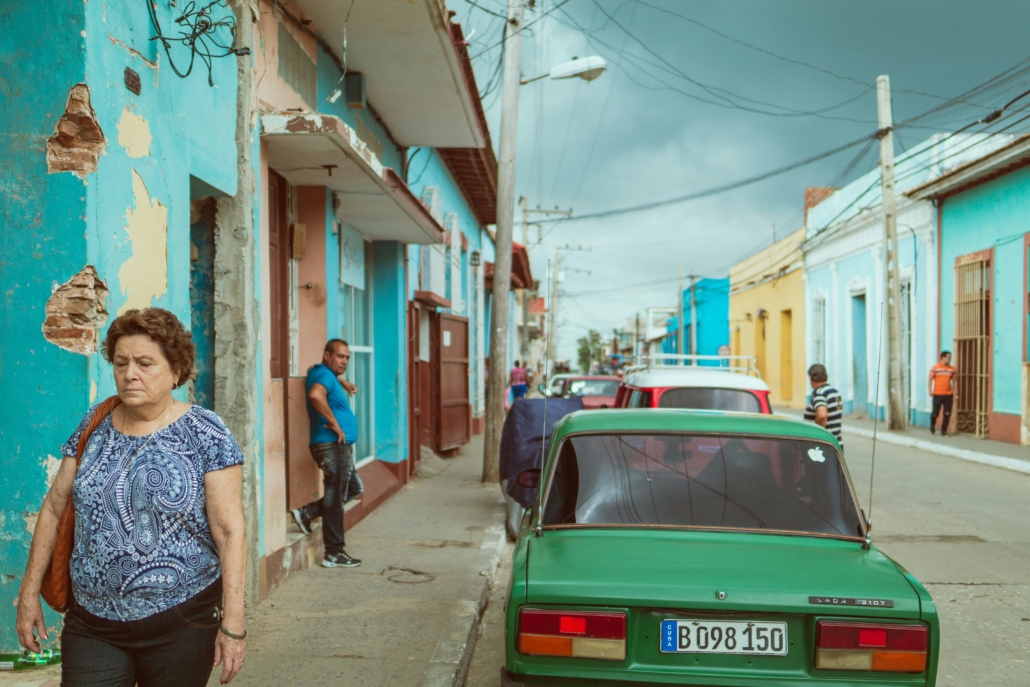
Being Poor in KenyaMillions of Kenyans live in abject poverty. In 2022, the overall poverty rate was approximately 40%, and the food poverty rate was around 32%. Kenyans suffer financially and lack the resources to live a stable and productive life, even as the country’s economy grows. To address this inequality, the Kenyan government and NGOs have implemented programs and initiatives to fight this problem. Here is information about being poor in Kenya.

Challenges

Several challenges exist that exacerbate poverty in Kenya. Here are some examples of those challenges:

  1. Limited Access to Basic Services: Limited access to quality education, health care and clean water affect many Kenyans. Overcrowded classrooms and poor learning conditions prevent educational development in many schools. Major health risks arise for families due to common poor hygiene habits. In the urban slum of Kibera, crowded shacks and contaminated water bring about typhoid and cholera.
  2. Unemployment: The World Bank Group estimates that 75% of young Kenyans (35 and under) have few employment opportunities. Being poor in Kenya leads to most people performing low-paying informal work with little job security. Many farmers also struggle with poor infrastructure and limited access to international markets.
  3. Food Insecurity: Rising food prices and regular droughts make it challenging for families to afford food. Rural Kenyans suffer from a lack of soil fertility and volatile weather. The Institute for Climate Change and Adaptation interviewed farmers in Yatta and found that food shortages negatively affected 87%, rising food prices impacted 76% and decreased water availability affected 72%.
  4. Gender Inequality: Being poor in Kenya leads many women to face social and economic barriers. These women are mostly limited to low-paying household employment. Cultural standards create very young mothers, which forces women into full-time childcare and discourages further education. Additionally, a 2023 report found that women are around 27% less likely to have the same opportunities as men, especially in political representation and decision-making power.
  5. Environmental Disasters: Environmental disasters severely impact Kenya. Unpredictable climate shocks prevent local communities from recovering, leading to forced displacement. Indeed, a farmer in Loya states that droughts and locust infestations are “missiles sent from the skies.” Lengthy droughts in Kenya’s arid regions have caused hunger for 23.8 million people.
  6. Crime: Rampant poverty leads to rampant crime. A Security Research and Information Centre study found that 98.8% of residents of urban slums had seen a crime within the past three months. Being poor in Kenya also drives people to commit minor crimes, such as illegally selling alcohol or wood.

Solutions and Initiatives

Despite the difficulties that Kenya is facing, several initiatives are working to address poverty in Kenya. Here are examples of some of those initiatives:

  1. Inua Jamii Program: The Inua Jamii Program is a government-led cash transfer program. President Uhuru Kenyatta started it in 2015; the goal was to fight poverty and help vulnerable populations, such as the elderly, orphans and disabled. This program provides bi-monthly cash transfers, helping more than 700,000 elderly people greatly improve their well-being.
  2. The BOMA Project: Kathleen Colson founded The BOMA Project in 2005 and it operates as a U.S. nonprofit and Kenyan NGO. BOMA’s Rural Entrepreneur Access Project provides cash grants and business training to Kenyan women in arid regions. It empowers these women to start small businesses and work towards escaping poverty. BOMA has launched more than a thousand businesses and hundreds of savings groups, helping more than 800,000 women and children overcome poverty.
  3. Waste Management: Alfy Ayoro and Yajub Jaffar founded the local organization Kibra Green in 2017. The organization allows Kibera residents, especially young people, to be involved in their community by establishing weekly garbage clean-ups and by collecting and selling recyclable items. The organization also trains locals in metalworking for future job opportunities, strengthening community engagement and helping them overcome poverty.
  4. Vaccine and Sanitation Initiatives: Kenya’s Ministry of Health and Shining Hope for Communities launched a vaccination campaign to fight Nairobi’s cholera outbreak. The outbreak started in 2022 and health officials acted fast by temporarily closing schools. Nairobi’s informal settlements were especially at risk due to a lack of clean water and poor sanitation, making it easier for a waterborne disease like cholera to spread. This initiative achieved a 99.2% vaccination rate and implemented over twenty new sanitary facilities and water ATMs, improving overall sanitation and reducing disease.
  5. Water Backpacks: Teachers gave students water backpacks to transport water to and from schools in Laikipia County efficiently. Teachers and health officials educated students on proper hygiene. These backpacks created more locations where students could access safe drinking water, greatly improving their health. Adding the backpacks in classes prevented students from overcrowding around one water source.

Looking Ahead

Millions of Kenyans struggle with limited access to essential services, unemployment and food shortages made worse by climate change and sanitary concerns. However, successful initiatives against poverty are possible through heavy investments in many government and international organizations. Overcoming this widespread issue involves long-term partnerships between many organizations to guarantee the complete elimination of poverty in Kenya.

– Rafe Photopoulos

Rafe is based in Gainesville, FL, USA and focuses on Global Health for The Borgen Project.

Photo: Pixabay
March 21, 2025
https://borgenproject.org/wp-content/uploads/borgen-project-logo.svg 0 0 Jennifer Philipp https://borgenproject.org/wp-content/uploads/borgen-project-logo.svg Jennifer Philipp2025-03-21 07:30:562025-03-21 04:27:41Being Poor in Kenya: Challenges and Solutions 
Food Insecurity, Global Poverty

Hunger in Samoa: Advancing Sustainable Nutrition

Hunger in SamoaThe Independent State of Samoa is a small archipelagic country of two main islands and eight small islets in the South Pacific Ocean. The Dutch discovered the islands in 1722, but it was more than 150 years before the United States, the United Kingdom and Germany claimed parts of the kingdom. Subsequent to a civil war, at the close of the 19th century, these countries abolished the monarchy and Germany and the U.S. claimed the western and eastern islands, respectively. Finally, in 1962, Samoa reestablished its independence. 

Approximately 75% of its population of just under 209,000 lives on just one of the islands, Upolu. Over 80% of the population is rural, but almost two-thirds of the country is forest and less than 3% of the land is arable. 

Previously considered an upper-middle income country, the World Bank reclassified Samoa as lower-middle income in 2021 because of the recession suffered when the country was closed during the COVID-19 pandemic. The economy began to turn around in 2023, especially as its tourism industry revived. 

The most recent (2013) World Bank international poverty line data for Samoa estimates poverty at just 1.2%. However, when considered against the rate for an upper middle-income country for that year, Samoa’s poverty rate was 43.3%. 

Challenges of Climate

Experiencing a tsunami and an earthquake in 2009 and severe cyclones in 2012 and 2018, Samoa is vulnerable to climate change and natural disasters. This impacts its economy, as well as water and food security—in other words, its overall well-being. 

Nutrition Assessments and Hunger in Samoa

There have been insufficient data available for Samoa to be ranked in the Global Hunger Index, but the country has been included in the 2022 Global Nutrition Report, whose indicators measure a country’s “burden of malnutrition.” There are 13 global nutrition targets, and, at that time, Samoa was reported as “on course” for only three: childhood overweight, childhood wasting and exclusive breastfeeding. The country had shown no progress or was worsening on childhood stunting and anemia among women aged 15 to 49 years. There were no data on low birth weight, and progress was “off course” on the remaining seven indicators, including obesity, diabetes and blood pressure. 

Nutrition Concerns

The 2021 Samoa Food Systems Pathway 2030 shared data on the country’s nutrition concerns: 70% of the population is overweight, around 50% obese, and approximately 80% of deaths attributable to noncommunicable diseases that it was estimated will cost 8.5% of GDP by 2040; 24.2% of Samoans moderately food insecure, 5% undernourished, 6% living in food poverty. Furthermore, it was noted that undiversified diets were influenced by food imports and processed foods, with disparity between rich and poor households reflected in the healthfulness and diversity of foods consumed. 

Samoan Pathway to Sustainable Development

Sustainable Development Goal 2 of the 2015 United Nations Agenda for Sustainable Development is Zero Hunger: creating new paths for nutrition, agriculture and food systems. And it is SDG 2 that underlies the Samoa Food Systems Pathway 2030, developed at a National Dialogue in April 2021 and discussed later that year by Samoa’s minister of agriculture and fisheries at the U.N. Food Systems Summit of 2021. The Pathway is defined as the means for “transforming food systems for a resilient and healthy Samoa where no one is left behind” and sustainable “food and nutritional security and affordable healthy diets” are achievable.”

The Pathway report notes that hunger is not an issue in Samoa, but identifies four food systems for improvement: (1) food production, (2) food processing, (3) food consumption and (4) food safety and food waste. Attention is paid to the concern with overfishing (and the extinction of native species) and the sustainable management of natural resources, as well as to postharvest loss and food waste (up to 20% of fresh fruits and vegetables). The goal is behavioral, to shift from consumption of processed imported foods to locally produced fresh products to achieve a balanced and nutritional diet.

The Pathway report outlines four pathway actions and five Action Tracks:

  • Ensure access to safe and nutritious food for all: Boosting local production, strengthening the enabling environment and improving evidence-based knowledge.
  • Shift to sustainable consumption patterns: Strengthening policy and regulatory systems, promoting local traditional foods and enhancing nutrition education.
  • Boost nature-positive production: Revitalizing traditional knowledge, strengthening extension services and improving environmental protection policy and regulatory measures.
  • Advance equitable livelihoods: Facilitating stakeholder engagement, promoting the role of women and youth and enhancing the role of communities.
  • Build resilience to vulnerabilities, shocks, and stress: Building climate-resilient practices, adopting and implementing social protection measures.

Thus, the same report that openly recognized the nutritional concerns of the Samoan people has responded with a long-term action plan to address those concerns over the next five years.

– Staff Reports
Photo: Wikimedia Commons

March 16, 2025
https://borgenproject.org/wp-content/uploads/borgen-project-logo.svg 0 0 Jennifer Philipp https://borgenproject.org/wp-content/uploads/borgen-project-logo.svg Jennifer Philipp2025-03-16 07:30:452025-03-16 09:01:43Hunger in Samoa: Advancing Sustainable Nutrition
Food Insecurity, Global Poverty, Hunger

Addressing Food Insecurity in Haiti

Food Insecurity in HaitiHaiti, a neighbor to the Dominican Republic, is experiencing a food insecurity crisis on account of gang violence, political instability and economic turmoil, increasing poverty and food shortages. The gang violence has led to a disruption in food distribution and access for individuals such as children and families with pregnant women, who are displaced within the capital of Haiti, Port-au-Prince. Changing weather and limited agriculture have contributed to food insecurity in Haiti, resulting in 5.4 million Haitians experiencing hunger. Changing weather patterns is making it difficult for Haitian crops to grow as natural disasters are continuously coming by sweeping the sparse crops away. Haitians in Port-au-Prince, especially those who are displaced, are also having a hard time either being able to afford or reach food supplies, contributing to food insecurity in Haiti. Fortunately, organizations around the world are coming together to help feed Haitians who need help.

Food Insecurity in Haiti and the Malfety Canal

A variety of reasons make it hard for Haiti to feed itself, one of them being its reliance on imported goods. Improving infrastructure could be beneficial in lessening dependence on other countries’ goods and ensuring a more sustainable way for Haiti to feed itself in the future. Different organizations, such as P4H Global, raise money to support community-led building for canals, bridges and various other infrastructures that allow Haiti to become self-sufficient and feed itself.

According to the P4H Global, the Malfety Canal will allow the water located at the border between the Dominican Republic and Haiti to be distributed to the Malfety community. The Mafety Canal will irrigate about 7,000 agricultural land leading to a consistent water supply during dry seasons, and improved crop production by providing controlled water. The controlled water supply will then lead to more diverse crop production and better economic growth for Haiti because it will provide a more stable income for farmers and better prices for consumers. The water will allow the Haitians to start producing food for their people and start the end of the substantial imported goods.

How WFP Is Fighting Food Insecurity in Haiti

The United Nations World Food Programme (WFP) is currently helping feed people in Haiti. The WFP first started helping Haiti back in 1969. It then partnered with the World Bank back in 2019 to maximize its impact on countries struggling with food insecurity. With food insecurity in Haiti getting worse, the WFP, the World Bank and local NGOs have been providing food assistance for hot meals, cash transfers and school feeding programs to ensure that the people are being fed.

Combating Climate Challenges

The World Bank is working tirelessly to help Haiti combat climate issues through climate-smart agriculture. The organization first started helping Haiti through the Emergency Resilience Agriculture for Food Security project in March 2022. The World Bank claims that practicing climate-smart agriculture such as irrigation systems helps minimize the damage of natural disasters which overall leads to the Haitian community not having to rebuild every time there is a catastrophe. The project developed in 2022 has currently led to irrigation and drainage on 2,244 hectares. The World Bank is also funding 115 all-inclusive agricultural schools to teach the Haitians about farming impacting 21,739 farmers (44% of whom were women), covering an agricultural area of 11,113 hectares.

Looking Ahead

In response to food insecurity in Haiti, organizations around the globe are helping Haiti. P4H Global, an organization run by Haitian citizens and descendants, is building infrastructure like the Malfety Canal to provide a reliable water supply for agriculture. Meanwhile, the WFP and the World Bank are working together to feed the Haitian people through hot meals, cash transfers and school feeding programs. Climate challenges have also impacted Haiti but organizations like the World Bank are working with the Haitian people by teaching and providing them with climate-smart agriculture. Hopefully, these efforts will reduce food insecurity in Haiti moving forward.

– Naysa Saint Fleur

Naysa is based in Fort Myers, FL, USA and focuses on Global Health for The Borgen Project.

Photo: Flickr

March 6, 2025
https://borgenproject.org/wp-content/uploads/borgen-project-logo.svg 0 0 Jennifer Philipp https://borgenproject.org/wp-content/uploads/borgen-project-logo.svg Jennifer Philipp2025-03-06 01:30:482025-03-06 07:09:09Addressing Food Insecurity in Haiti
Food Insecurity, Global Poverty, Malnourishment

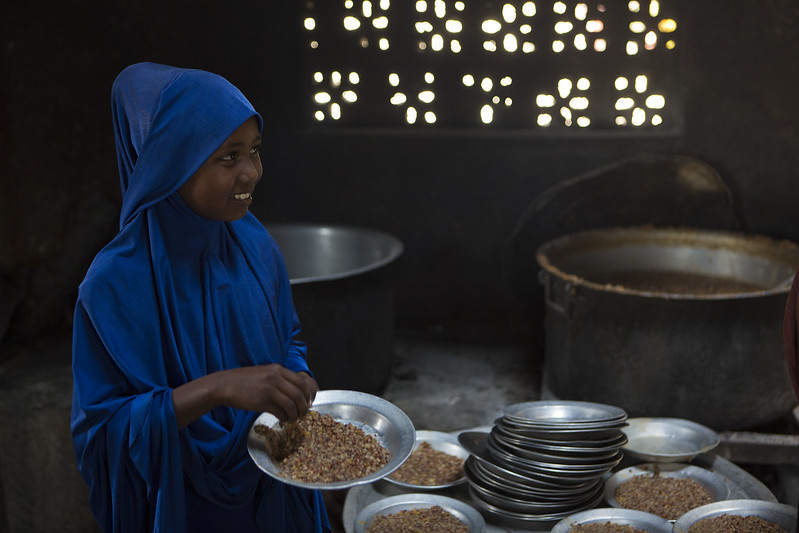
SDG 1 in Haiti: Progress and Challenges in Eradicating Poverty

SDG 1 in HaitiSustainable Development Goal 1 (SDG 1), which sets benchmarks and measures the progress of the fight to eradicate poverty, remains a critical focus for Haiti. According to the Sustainable Development Report 2024, Haiti ranks 151st out of 166 countries on the SDG Index, with a score of 52.68. Despite significant obstacles, including political instability and natural disasters, Haiti has made some progress toward achieving SDG 1 in Haiti.

The World Bank reports that as of 2024, approximately 36.6% of Haitians live in extreme poverty, which is defined as living on less than $2.15 per day. This marks an increase from 29.9% in 2020, reflecting worsening living conditions due to economic hardship, political instability and frequent natural disasters hindering progress on SDG 1 in Haiti.

Haiti’s Economic Decline and Poverty Rates

Haiti’s economy has experienced a prolonged and severe decline due to ongoing crises. The country’s gross domestic product (GDP) contracted by 4.2% in 2023, following a 1.9% decline in 2022. Political instability, gang violence and frequent natural disasters have deterred foreign investments and severely disrupted economic activity.

The Multidimensional Poverty Index (MPI), which measures poverty beyond income, indicates that 41.3% of Haiti’s population, approximately 4.7 million people, experience multidimensional poverty, while 21.8% remain vulnerable to falling into multidimensional  poverty.

How Multidimensional Poverty Impacts Life in Haiti

The effects of multidimensional poverty in Haiti extend beyond just income, influencing education, health care and food security. The high cost of education services, averaging $140 per child per year, forces many families to keep their children out of school. More than 250,000 children (ages 6–11) and 65,000 youth (ages 12–14) are not enrolled in school. Although most students attend school for 11.4 years, this equates to only 6.3 years of effective education due to low-quality learning outcomes.

Haiti is also facing one of the worst hunger crises in the Western Hemisphere. More than 4.9 million Haitians, nearly half the population, are in urgent need of food assistance due to economic hardship and supply chain disruptions due to gang violence and political instability.

Despite these immense challenges, there are a variety of initiatives sponsored by organizations and programs which are actively working towards poverty reduction in Haiti. These initiatives range from international aid efforts to locally driven solutions aimed at improving economic stability, food security and education access for thousands of Haitians 

Local Organizations and Agricultural Programs

The Peasant Movement of Papaye (MPP) in Haiti along with organizations like Grassroots International, empower Haitian farmers by promoting agroecology, sustainable farming practices and land rights advocacy. Through initiatives such as reforestation efforts, cooperative farming and education programs, the movement has helped thousands of peasants gain independence and escape poverty that exploitative agricultural systems caused.  

Fonkoze, Haiti’s largest microfinance institution, plays a crucial role in empowering local entrepreneurs, particularly women, through a combination of financial services and education. By providing small loans, financial literacy training and business development programs, Fonkoze helps Haitians build sustainable livelihoods and break the cycle of extreme poverty. In 2021 alone, Fonkoze disbursed $5 million in micro-loans, empowering thousands of entrepreneurs to expand their operations and increase their income. The organization served 158,080 Hatians by providing financial education and encouraging a culture of saving and financial planning among Haiti’s most vulnerable populations. Additionally, it disbursed 10,807 loans to support small business growth, while the total number of Empowered Lending clients reached an impressive 58,000. These initiatives not only contribute to individual financial independence but continue to contribute to the future success of SDG 1 in Haiti.

International Aid and Food Security Programs

The World Food Programme (WFP) plays a vital role in addressing SDG 1 in Haiti. Through emergency food assistance, school meal programs and community-based nutrition projects, WFP combats malnutrition and strengthens resilience against food insecurity.

The World Bank also funds many projects and initiatives in order to provide relief to thousands of Haitians through infrastructure development, educational and employment opportunities. Currently, the World Bank has or is in the process of funding 181 Haitian projects.

Additionally, the World Bank has approved $20 million of additional financing which is slated to up-scale renewable energy investments providing solar grids, micro grids, energy storage systems and stand alone systems providing an expected 5-12 megawatts of renewable energy. 

The Future of SDG 1 in Haiti

SDG 1 in Haiti remains hindered by economic instability, political unrest, and frequent natural disasters. However, with sustained efforts from the Haitian government, international organizations, and local communities, meaningful and lasting change is possible.

Long-term investments in education, economic growth, and food security are essential to breaking the cycle of poverty in Haiti. By expanding access to quality education, health care and job opportunities, Haiti can move closer to achieving Sustainable Development Goal 1 and ensuring a more stable future for its people.

– Gregory Brychta

Gregory is based in Seattle, WA, USA and focuses on Good News and Technology for The Borgen Project.

Photo: Pixabay
February 11, 2025
https://borgenproject.org/wp-content/uploads/borgen-project-logo.svg 0 0 Jennifer Philipp https://borgenproject.org/wp-content/uploads/borgen-project-logo.svg Jennifer Philipp2025-02-11 01:30:122025-02-10 23:35:22SDG 1 in Haiti: Progress and Challenges in Eradicating Poverty
Food Insecurity, Global Poverty, Malaria

USAID in the Democratic Republic of the Congo

USAID in the Democratic Republic of the Congo
The Democratic Republic of the Congo (DRC), a country rich in natural resources yet long-suffered by instability and authoritarian rule, has received humanitarian assistance from multiple international organizations and single-nation funding sources. Here is some information about the work of USAID in the Democratic Republic of the Congo.

USAID in the DRC

The U.S. Agency for International Development (USAID) has supported the DRC since 1990 through various programs designed to improve food security, health and sanitation and access to clean water, and respond to conflicts and emergencies. As the largest bilateral donor to the DRC, USAID stands to make the biggest impact in meeting the needs of Congolese citizens and delivering essential services.

Poverty in the DRC

The DRC is the fourth-largest country in Africa with a population of 109 million. Due to civil conflict and the displacement of large portions of the population, the DRC remains one of the five poorest countries in the world, and the World Bank estimates that 73.5% of Congolese people live on less than $2.15 a day.

The DRC particularly struggles with disease prevention, including but not limited to Ebola, malaria, HIV and measles. This is largely a result of inadequate funding for vaccines, bed nets and other preventative measures. Ongoing civil conflicts and governmental fractures make this particularly difficult for the government of the DRC to address, which is why USAID in the Democratic Republic of the Congo is essential to safeguard the public health and safety of millions of Congolese citizens. 

How USAID Is Helping the DRC

USAID in the Democratic Republic of the Congo has increased its level of funding in U.S. dollars every year since 2001. Programs have focused on two particular sectors— emergency response and basic health. In 2023, USAID disbursed $935.77 million of development aid to the DRC, making it the fourth-largest recipient of USAID assistance. Below are the largest programs under USAID in the Democratic Republic of the Congo which assist in development and emergency response in the DRC. 

The Title II Emergency Program

The largest USAID activity in the DRC is the Title II Emergency Program, which provides U.S.-grown food to those suffering from food insecurity in foreign countries. In 2023, USAID allocated $120.8 million to the DRC, providing critical food assistance to those most vulnerable to starvation.

With the World Food Program (WFP), USAID was able to reach approximately 4.4 million people to help them meet basic food needs in 2023.

The Integrated Health Program

The Integrated Health Program (IHP) works to improve the quality and availability of health services in the DRC, through providing technology and training. USAID partnered with other health organizations to provide $38.53 million to the DRC in 2023, supporting areas including child health, immunizations, nutrition and sanitation. USAID was able to reach 26.7 million children for nutrition programming and assistance from October 2021 to September 2022, alongside other vaccination, family planning and newborn assistance. 

USAID’s End Malaria Project

The End Malaria Project works to provide mass distribution of insecticide-treated bed nets to prevent the spread of malaria. In 2023, USAID provided $15.88 million to support the DRC’s National Malaria Control Program, helping to provide bed nets to more than 28 million people. 

As the leading cause of death in the DRC, malaria stands as one of the biggest challenges for the U.S. and DRC governments to address. Through the providing of bed nets and vaccines, USAID, through the President’s Malaria Initiative (PMI), can reach more than 45 million people to prevent or treat malaria each year.

Additionally, USAID donated 50,000 doses of an mpox— a cousin to smallpox— vaccine to the DRC in September 2024 in collaboration with the CDC. USAID has already committed more than $10 million for research and prevention. 

Looking Ahead

USAID in the Democratic Republic of the Congo has provided life-saving humanitarian assistance, particularly to marginalized groups and those living in conflict zones. By investing in the health and security of Congolese people, the U.S. may assist the DRC in achieving stability and prosperity within the near future. 

– Sadie Claps

Sadie is based in Seattle, WA, USA and focuses on Business and Politics for The Borgen Project.

Photo: Unsplash

January 25, 2025
https://borgenproject.org/wp-content/uploads/borgen-project-logo.svg 0 0 Jennifer Philipp https://borgenproject.org/wp-content/uploads/borgen-project-logo.svg Jennifer Philipp2025-01-25 01:30:012025-02-22 02:45:59USAID in the Democratic Republic of the Congo
Clean Water Access, Food Insecurity, Global Poverty

Everything to Know About Poverty in Sierra Leone 

Poverty in Sierra Leone
Sierra Leone is a small, deeply impoverished country on the southwest coast of Africa. According to most recent data, almost 60% of the country lives below the national poverty line, while 43% of Sierra Leone’s nearly nine million residents live in extreme poverty, which is defined as less than $1.90 a day. The country is one of the poorest in the world, ranking 184th out of 193 countries according to the Human Development Index, which measures countries based on their life expectancy, education level and standard of living. Here is everything you need to know about poverty in Sierra Leone. 

The COVID-19 pandemic and the Russia-Ukraine war have negatively impacted Sierra Leone’s poverty reduction efforts. Almost 60% of families have reported a decline in their income. At the same time, widespread inflation has reduced people’s purchasing power and increased poverty. These crises have also worsened food security in the already incredibly food insecure country. Surging prices of staple foods have led to an increase in malnutrition and food insecurity among the population. 

Food Insecurity and Access to Clean Water

Food Insecurity is a widespread problem in Sierra Leone. The World Food Programme (WFP) estimates that 82% of the population is food insecure and that 26% of children are stunted, experiencing impaired growth due to malnutrition. Despite agriculture being an essential part of the country’s economy, it is underdeveloped forcing it to be dependent on food imports. The country is prone to food crises and malnutrition, a problem likely to increase due to the effects of changing weather patterns.

Progress in Reducing Poverty in Sierra Leone 

Since an 11-year civil war ending in 2002, Sierra Leone has seen continued economic growth. The country has seen its GDP more than triple and experienced a reduction in extreme poverty from 55% in 2011 to 43% today. The main driver in this recent poverty reduction has been growth in urban areas, where poverty is far less prevalent. In rural areas, 60% of the population lives in poverty, as compared to only 20% of the urban population. Today, an estimated 44% of people in Sierra Leone live in urban areas.

A number of nonprofits, governmental and international organizations provide vital assistance to Sierra Leone. One of these organizations is The United Nations Children’s Fund (UNICEF). UNICEF works with the government of Sierra Leone to strengthen social programs and provide services children rely on. They improve access to quality health services, support training for health workers, provide essential vaccination services and provide nutrition support to children. In 2023 alone, UNICEF provided more than one million children with Vitamin A tablets, which play a vital role in improving children’s health and well-being.  

Looking Ahead

Sierra Leone has had a troubled past, marked by a decade long civil war that ended in 2002 as well as by widespread poverty and food insecurity that persist today. However, in the past two decades, the country has seen improvements in various health indicators and has reduced poverty. While much more work is necessary, Sierra Leone has the opportunity to overcome many of its current challenges. With continued investment towards addressing poverty from both the international community and the national government, Sierra Leone has the ability to work towards a brighter future.

– Matthew Wornom

Matthew is based in Yorktown, VA, USA and focuses on Good News and Global Health for The Borgen Project.

Photo: Flickr

January 22, 2025
https://borgenproject.org/wp-content/uploads/borgen-project-logo.svg 0 0 Jennifer Philipp https://borgenproject.org/wp-content/uploads/borgen-project-logo.svg Jennifer Philipp2025-01-22 01:30:592025-02-22 02:46:03Everything to Know About Poverty in Sierra Leone 
Food Insecurity, Food Security, Global Poverty

How the WFP Is Supporting Food Systems in Ukraine

eFood Systems in UkraineEntering 2025, one of the largest questions facing the West is how much more aid is going to be sent to Ukraine, as while the U.K. and other European states have remained steadfast in their support for Kiev, America’s change in administration has presented fresh uncertainty regarding Ukraine’s future support. For nearly three years now, Ukraine has relied on Western aid as a lifeblood in its defense against Russia’s invasion. However, President-elect Trump has made no hard promises to continue this policy. Ukraine is at risk of losing its largest financial and military donor at a crucial stage in this conflict.

For Ukrainians directly impacted by this war, the situation looks increasingly bleak as almost 4 million internally displaced refugees are still in need of humanitarian assistance since this conflict destroyed their homes and livelihoods. However, thanks to the World Food Programme (WFP), a sustainable method of delivering aid has helped streamline deliverance of humanitarian aid. This streamlining has helped maintain food systems in Ukraine and protect the increasing amount of refugees from food insecurity.

Ukraine: An Agricultural Superpower

Often referred to as “the Breadbasket of Europe,” Ukraine has a rich history as an agricultural superpower. Its fertile soil and flat ground create some of the best land on earth for farming, and have allowed Ukraine to become one of the largest exporters of grain in the world, making Ukrainian culture synonymous with the agricultural industry. But when Russia invaded in 2022, there were interruptions in exports of grain. The country’s major outlets in the Black Sea were either captured by the Russian army or blockaded by its navy. The actions significantly disrupted the food systems in Ukraine.

According to the Centre For Strategic & International Studies, 90% of Ukraine’s 60 million metric tons in food exports came from Black sea ports before the war, hence why the Russians were so quick to extinguish this economic asset. This not only had a catastrophic effect on global food prices, which rose by 13% at the war’s outset, but threatens the livelihood of thousands of farmers who have depended on Ukraine’s exports of grain for generations.

While there was some hope in 2023 when Russia, Ukraine and Turkey agreed on a shipping corridor under the Black Sea Grain Initiative, allowing exports to return close to their pre-war numbers, this agreement has since been violated by the Russian Navy, as the Kremlin continues to squeeze Ukraine’s ability to economically fund its defense. So, while Ukraine has sought to export its produce through other means, such as through overland borders via solidarity trade routes that the EU has drawn out, Ukrainian rural communities have perhaps had the largest indirect impact since the start of the war. 

WFP’s Work to Address Food Systems in Ukraine

Traditionally, the humanitarian aid that the WFP has given out has come from a range of sources, such as the international market and regional assets. But since the start of the war, the WFP has adjusted its tactics so that 82% of the resources going to Ukraine are sourced locally. Not only has this ensured that the millions of internally displaced refugees are not food insecure, but it has meant that rural communities get an injection of $1.3 billion into the economy. Additionally, these communities are able to survive the economic hardships attached to a Russian trade embargo. This ensures the future of the Ukrainian rural economy not only survives but can also recover quickly after the conflict ends.

By sourcing products locally, it reduces the need to transport large amounts of aid from other major exporting nations such as the U.S. or China. Not only does this cut down on costs that can be reinvested into further aid, but it also cuts down on the country’s carbon footprint, as trucks and trains can be used instead of large cargo planes that emit thousands of metric tons of carbon over multiple flights. The food undergoes distribution through the Ukrainian Government, either through the Ministry of Education and providing free school meals that help protect Ukraine’s future generations, or by helping coordinate emergency telecommunication services for quick action response.

Other Initiatives

The WFP is further helping rural communities by removing mines in the Kharkiv region, an area that the conflict has disproportionately affected. By engaging with rural communities, the WFP has been able to both clear mines, and teach proper mine clearance techniques that can be distributed to the rural community, ensuring the risk to food systems in Ukraine is reduced and Ukrainian farmers have protection from collateral damage. As well as sourcing locally, the WFP can create a sustainable economy, as well as a more sustainable environment.

Replicating WFP’s Work in Other Countries

This model of sourcing aid locally is not always easy to replicate in other areas of food deprivation. Ukraine is a uniquely fertile country. As a net exporter, the country is less reliant on foreign imports for food security than other nations with lower agricultural output. A country such as Sudan, which is currently in the midst of a full scale civil war, has had a history of food insecurity before the conflict began, so it’s unrealistic that more than 80% of aid can be sourced from local producers.

Equally, the WFP has limited access to certain areas in need of humanitarian aid, so purchasing locally becomes near impossible. Afghanistan, for example, has an estimated 14.8 million people living without food security, yet the WFP is powerless to help due to the isolationist policies the Taliban government is currently undergoing. However, the WFP has proven that streamlining the deliverance of aid with local produce can create sustainable benefits that can establish long term growth for local food systems. 

Looking Ahead

With local producers sourcing just above 40% of global aid, there is definitely room for improvement as the multiple benefits speak for itself. The same model currently being used in Ukraine can be replicated in other states struggling with significant numbers of refugees. Economic investment and food security are crucial to ensuring a nation can recover sustainably after a conflict. In an interview, one Ukrainian farmer said that “food security means national security,“ the WFP understands this, and by continuing to locally source its humanitarian aid, growth in the economy and national security can be accelerated and sustainably achieved in other nations facing conflict and abject poverty.

– Caspian Davies

Caspian is based in London, UK  and focuses on Business and Politics for The Borgen Project.

Photo: Flickr

January 19, 2025
https://borgenproject.org/wp-content/uploads/borgen-project-logo.svg 0 0 Jennifer Philipp https://borgenproject.org/wp-content/uploads/borgen-project-logo.svg Jennifer Philipp2025-01-19 01:30:432025-01-19 01:25:08How the WFP Is Supporting Food Systems in Ukraine
Page 7 of 31«‹56789›»

Get Smarter

  • Global Poverty 101
  • Global Poverty… The Good News
  • Global Poverty & U.S. Jobs
  • Global Poverty and National Security
  • Innovative Solutions to Poverty
  • Global Poverty & Aid FAQ’s
Search Search

Take Action

  • Call Congress
  • Email Congress
  • Donate
  • 30 Ways to Help
  • Volunteer Ops
  • Internships
  • Courses & Certificates
  • The Podcast
Borgen Project

“The Borgen Project is an incredible nonprofit organization that is addressing poverty and hunger and working towards ending them.”

-The Huffington Post

Inside The Borgen Project

  • Contact
  • About
  • Financials
  • President
  • Board of Directors
  • Board of Advisors

International Links

  • UK Email Parliament
  • UK Donate
  • Canada Email Parliament

Get Smarter

  • Global Poverty 101
  • Global Poverty… The Good News
  • Global Poverty & U.S. Jobs
  • Global Poverty and National Security
  • Innovative Solutions to Poverty
  • Global Poverty & Aid FAQ’s

Ways to Help

  • Call Congress
  • Email Congress
  • Donate
  • 30 Ways to Help
  • Volunteer Ops
  • Internships
  • Courses & Certificates
  • The Podcast
Scroll to top Scroll to top Scroll to top