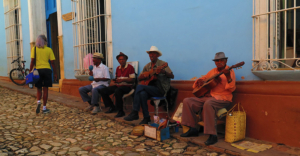
Poverty in Trinidad and TobagoTrinidad and Tobago, a dual-island Caribbean nation with about 1.4 million residents, faces persistent challenges with poverty and air pollution. Around 20% of Trinbagonians live below the national poverty line and air pollution disproportionately affects these communities. Over decades, the nation’s industrial growth has contributed to significant environmental and health issues.

High Air Pollution Levels

Trinidad and Tobago’s abundant petroleum and natural gas deposits have driven industrial development since the 1960s. However, environmental considerations were often overlooked, leading to severe air pollution. The nation’s industrial enterprises—many located in densely populated areas—are the primary source of harmful air pollutants. These pollutants contribute to rising rates of respiratory conditions and allergic reactions. Health professionals have also linked air pollution to diseases such as cancer, which spiked in 2019 alongside extreme air pollution levels. According to the World Health Organization (WHO), air pollution in Trinidad and Tobago causes approximately 20 deaths per 100,000 people annually.

Impact of Air Pollution

Globally, people living in poverty are more likely to experience the effects of air pollution because they often live and work near its sources. In countries with economies reliant on polluting industries, air pollution levels tend to be particularly high. This is especially true in Trinidad and Tobago, where industrial sites are the primary source of air pollution and are located in densely populated areas due to the islands’ small size.

These industrial sites not only dominate the job market but also expose workers to harmful levels of air pollutants, posing significant health risks. Long-term exposure can lead to serious illnesses and in Trinidad and Tobago, 19 out of every 100,000 working-age individuals die each year from occupational diseases linked to air pollution.

While Trinidad and Tobago offers free public health care through its national health insurance system, many people living in poverty face barriers such as lack of transportation and long wait times, making access to care challenging. Addressing air pollution at its source through stronger government regulations could alleviate these health care burdens and help protect vulnerable populations from compounding hardships caused by pollution.

Efforts to Combat Air Pollution

Trinidad and Tobago has taken steps to address air pollution:

  • BreatheLife Campaign. In 2020, Trinidad and Tobago became the first Caribbean country to join this global initiative, pledging to reduce fine particulate matter (PM2.5) levels. By 2025, the government aims to align with WHO guidelines, reducing PM2.5 from 65 μg/m³ to 35 μg/m³ for 24-hour concentrations.
  • Paris Agreement. After ratifying the treaty in 2018, the nation committed to reducing greenhouse gas emissions from key sectors—transportation, industry and power generation—by 2030.

The Environmental Management Authority (EMA), led by Managing Director Hayden Romano, acknowledged the challenges ahead: We are aware of the adverse health effects of both short-term and long-term exposure to particulate matter and that no air quality standard can guarantee complete protection for all citizens against all possible adverse health effects of particulate matter.

Looking Forward

Trinidad and Tobago has taken concrete steps to address air pollution through international commitments and updated regulations targeting industrial emissions. The government’s goals include reducing particulate matter levels and greenhouse gas emissions within established timelines. Furthermore, efforts to mitigate health risks associated with pollution remain ongoing, with officials emphasizing the importance of aligning national standards with global health guidelines. These initiatives represent a structured approach to reducing environmental hazards and their associated impacts on public health.

– Nivea Walker

Nivea is based in Elon, NC, USA and focuses on Good News and Global Health for The Borgen Project.

Photo: Flickr
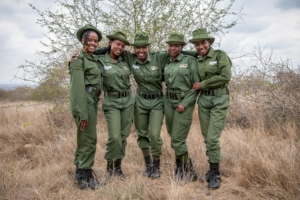
Namibia's Female RangersNamibia is home to diverse wildlife, including iconic species like black rhinos and desert elephants. However, poaching and habitat destruction pose ongoing threats to these animals. In response, Namibia’s female rangers are at the forefront of conservation efforts, tackling wildlife protection and rural poverty.

These women, often from marginalized backgrounds, safeguard endangered species while earning sustainable incomes and building anti-poaching and wildlife monitoring skills. Through community-based conservation programs, they ensure local involvement and channel the benefits of biodiversity protection back into their communities. By fostering gender equality and creating economic communities, Namibia’s female rangers showcase how conservation can be a powerful tool for social and economic development.

Poverty and Poaching

Namibia faces significant poverty challenges, with approximately 17.2% of the population living on less than $2.15 per day. Moreover, Namibia’s Gini coefficient of 59.1% ranks it as one of the world’s most unequal countries, highlighting significant disparities in wealth distribution, particularly between genders. Regarding this, 46% of female-headed households live in multidimensional poverty compared to 41% of male-headed households.

Multidimensional poverty affects 43.3% of the country’s population, with rural areas experiencing much higher rates of 59.3% compared to urban regions of 25.3%. This means that Namibian women in rural areas suffer the most from poverty. This disproportion highlights the intersection of gender and geographic location as key drivers of poverty in Namibia.

Additionally, poaching remains a critical issue in Namibia, significantly threatening the country’s wildlife. In 2015, poachers killed 97 rhinos and 101 elephants in 2016. These mark the deadliest years of poaching in Namibia’s history. Alka Bhatia, the United Nations Development Programme (UNDP) Namibia Resident Representative, identifies increased poaching as one of Namibia’s top three challenges, noting that it “strikes a blow to the tourist industry and the economy.”

As poaching undermines conservation efforts, it also undermines the country’s potential for sustainable economic growth, directly impacting poverty reduction initiatives and the well-being of marginalized communities.

The Role of NGOs and Female Rangers

Several nongovernmental organizations (NGOs) in Namibia are addressing the dual challenges of poverty alleviation and wildlife conservation by empowering women through employment. These female rangers are making significant strides not only in wildlife conservation but also in challenging gender stereotypes and supporting their families. The Save the Rhino Trust (SRT) has been a key player in employing female rangers to monitor and protect Namibia’s black rhinos.

This initiative helps preserve endangered species and provide economic opportunities to women in Namibia’s rural Kunene region. Although initially dominated by men, the program now includes six women employed on a salary. Female rangers employed by SRT are taught to recognize rhino footprints, monitor movement patterns and identify potential poaching threats. The ranger’s role is to contribute to conservation efforts and help alleviate poverty for the individual and their family. For Namibian women who are the primary breadwinners, this position enables them to support their dependents financially.

Ultimate Safaris, a leading Namibian tour operator, also works with Huab Under Canvas, a desert camp, to provide unique ecotourism experiences. Through a partnership with conservation programs like SRT, Ultimate Safaris employs female rangers to lead rhino-tracking tours for tourists. Female rangers in this program are paid to guide tourists on rhino-tracking expeditions, which supports both the conservation of rhinos and the sustainable development of the local economy.

Success Rates

Driven by NGOs’ support and women’s unwavering determination, Namibia witnessed a remarkable transformation in gender roles within communal conservancies. No longer limited to traditional roles, women are now stepping into leadership positions across various sectors. The 2018 State of Community Conservation report highlights this shift. The report reveals that women hold 17% of chairperson roles, 41% of treasurer positions, 33% of management committee memberships and 25% of staff roles within these conservancies.

By employing local women in such roles, wildlife conservancies provide them with stable incomes that can improve their economic status. Rural communities have seen substantial benefits, with more than 43.5% of Namibia’s land now managed by conservation. For instance, conservancies have helped communities increase income through wildlife-related ventures like tourism and sustainable game hunting, directly supporting families, including women.

Moreover, poaching figures in Namibia have seen a significant reduction in recent years, reflecting the effectiveness of strengthened conservation efforts. Between 2020 and 2023, rhino killings dropped by more than 50%. This decline is even more striking in the case of elephants, with only eight elephants poached in 2023, a sharp contrast to 101 killed in 2016. These improvements are a testament to the efforts of the Namibian government and conservation organizations being led by women.

Conclusion

Namibia’s female rangers are a beacon of hope, showcasing how conservation and poverty alleviation can go hand in hand. These women empower themselves by protecting wildlife, earning sustainable incomes and uplifting rural communities.

These initiatives combat systemic poverty, advance gender equity and support the United Nations (U.N.) Sustainable Development Goals (SDGs), particularly those related to life on land (SDG 15) and gender equality (SDG 5). Ultimately, the efforts of Namibia’s female rangers are a powerful reminder that conservation can be a catalyst for global change.

– Nour Mostafa

Nour is based in Gloucester, UK and focuses on Good News and Global Health for The Borgen Project.

Photo: Pexels

Brazil's waste-to-energy conversionBrazil is making significant strides in waste-to-energy technology, which turns waste into energy and addresses both urban waste management and renewable energy demands. Cities like São Paulo, Curitiba and Rio de Janeiro are leading the way, implementing projects that transform organic waste, sewage, and landfill gases into biogas and ultimately electricity. These waste-to-energy systems help keep cities clean and provide renewable power, reinforcing Brazil’s commitment to sustainability and urban development.

Urban Waste as an Energy Source

With rapid urbanization and increased consumption, Brazil faces mounting waste disposal challenges. The nation produces approximately 79 million tons of waste annually and managing this output has long been a complex issue. While traditional landfills have been the mainstay for waste disposal, they come with environmental costs, such as methane emissions, a potent greenhouse gas. Recognizing this, Brazil has started investing in waste-to-energy projects, using organic waste and other municipal refuse to generate clean, renewable energy.

These waste-to-energy projects follow a relatively simple process. Organic waste, which includes everything from food scraps to sewage sludge, undergoes anaerobic digestion—a process where microorganisms break down waste in an oxygen-free environment, according to Global Recycling. This decomposition releases biogas, a combination of methane and carbon dioxide, which can be converted into electricity. By transforming waste into energy, Brazil not only diverts a substantial amount of refuse from landfills but also reduces its carbon footprint.

Landmark Projects Leading the Way

In São Paulo, one of Brazil’s largest and most densely populated cities, a pioneering waste-to-energy plant exemplifies the potential of the Brazil waste-to-energy conversion system. This facility transforms various organic waste types, such as food scraps and biodegradable materials, into biogas, Global Recycling reports. This biogas is then distributed locally, helping reduce waste and reliance on fossil fuels. São Paulo’s waste-to-energy project underscores the city’s commitment to environmental sustainability and urban resilience, offering a model for other cities to follow.

Curitiba, known for its eco-friendly efforts, has launched a large-scale composting project that further enhances Brazil’s waste-to-energy conversion strategies. This project primarily turns organic waste into compost for agriculture and green spaces, yet it also captures methane for modest energy production, showcasing that diverse approaches can strengthen Brazil’s waste-to-energy conversion efforts.

Meanwhile, Rio de Janeiro is making headway with biogas initiatives aimed at capturing landfill gases. The city’s main landfill, the Seropédica Landfill, is one of Latin America’s largest and includes a biogas recovery system that extracts methane emissions and converts them into energy. Rio’s biogas initiatives provide enough electricity to power thousands of households, highlighting waste-to-energy’s potential to meet urban energy needs sustainably.

Economic and Environmental Impact

These projects represent more than just waste disposal solutions—they contribute to economic growth and energy security. By tapping into waste-to-energy technologies, Brazil can reduce its reliance on imported fossil fuels, foster local employment in green technology, and promote innovation in renewable energy. The environmental benefits are equally substantial, as waste-to-energy systems drastically reduce methane emissions from organic waste, a critical factor in the fight against climate change.

Moreover, the success of Brazil’s waste-to-energy conversion initiatives could encourage other Latin American countries to explore similar strategies. Brazil has become a regional leader in green energy solutions, showing that waste-to-energy systems can be both economically viable and environmentally beneficial. This leadership extends beyond borders as Brazil collaborates with international organizations to improve its waste-to-energy capabilities, drawing on global expertise to optimize local projects.

A Sustainable Future for Brazil

Brazil’s commitment to waste-to-energy conversion solutions showcases the country’s forward-thinking approach to sustainability. By converting waste into energy, Brazilian cities are cleaning up their streets, reducing emissions, and powering communities—all while supporting a circular economy. As these projects expand, Brazil is not only addressing today’s waste and energy challenges but also paving the way for a cleaner, more sustainable future.

– Laila Alaya

Laila is based in Abuja, Nigeria and focuses on Technology and Solutions for The Borgen Project.

Photo: Wikimedia Commons

Indigenous WisdomIndigenous peoples constitute only 6% of the global population and these communities are three times as likely to fall victim to extreme poverty compared to non-Indigenous people. However, their profound connection to the land and nature offers invaluable insights into modern environmental challenges. This article highlights three crucial reasons why this cultural wisdom is essential to impoverished Indigenous groups as well as the future health of the planet.

Protecting Biodiversity

Indigenous wisdom plays a crucial role in preserving biodiversity and protecting the environment. Central to their beliefs is the Natural or First Law, which focuses on ethics, reciprocity and gratitude toward the Earth, according to PLOS Global Public Health. According to Diné musician, scholar and cultural historian Lyla June, Indigenous peoples have historically acted as “keystone species,” essential to the balance and support of their ecosystems.

Research shows that indigenous-managed lands show higher biodiversity and lower deforestation rates, resulting in these areas becoming carbon hotspots in the environment. For instance, The Ecuador Biodiversity Conservation in Pastaza Project focused on benefiting communities in Ecuador by supporting sustainable biodiversity usage. Although this project ended in 2007, it greatly benefitted the Yana Yacu, Nina Amarun and Lorocach territories.

Families who participated in the project saw a mass increase in crop production. This surplus food can be used for trading and preparing seed banks, which boosts the local economy and provides opportunities for struggling families. In addition to their environmental contributions, Indigenous peoples maintain rich cultures, values and traditions, while navigating poverty-related issues, further strengthening their role as key protectors of the environment.

Managing Environmental Changes

Indigenous groups have long recognized and prepared for environmental concerns, often attributing these issues to the impacts of colonialism and capitalism. Their adaptation strategies, honed through generations of experience, offer critical insights for managing unique challenges that disrupt community work and food systems, according to One Earth. These communities have historically navigated drastic environmental shifts and natural disasters, providing a rich understanding of resilience and adaptation.

For instance, the Skolt Sámi tribe of the European Arctic has recently made protective efforts to restore rivers damaged by man-made changes. By restoring ecosystems such as the Vainosjoki River, this tribe has created a home for many types of fish, plants and animals that were previously unavailable in the area, One Earth reports. This introduces a home and a food source to local communities, supporting the tribe as well as the Earth.

Valuing Indigenous Knowledge in Policy Making

Indigenous populations, despite their significant contributions to environmental conservation and carbon storage, remain underrepresented in government decision-making processes, according to PLOS Global Public Health. Despite the implementation of the United Nations Declaration of the Rights of Indigenous Peoples (UNDRIP) in 2007, Indigenous voices continue to not be heard. Despite not being a part of crucial policy-making decisions, Indigenous groups around the world today are making great strides in expanding their rights throughout the Arctic, Africa, the Pacific and Asia, according to PLOS Global Public Health.

As a marginalized group, throughout the COVID-19 pandemic, Indigenous populations around the world had to rely on cultural remedies often without access to the vaccine or proper health care. The Indigenous response to the pandemic further demonstrates the value of traditional medicinal and recovery practices, according to PLOS Global Public Health. Specifically, the Mbuti, Efe and Baka tribes in Africa have been environmentally impacted by an increase in logging and mining in forest-dependent areas.

Additional issues throughout the pandemic forced many to relocate, food and water shipments were often delayed and many lost their jobs due to the lockdown. The pandemic hit Indigenous groups the hardest, forcing them further into poverty, according to Elsevier. Despite these struggles, many groups such as tribes in Brazil and South Africa widely used herbal medicines and traditional techniques to treat symptoms. Mainstream discussions often overlook these practices despite their value as efficient and safe solutions. Incorporating Indigenous knowledge into policy-making and scientific research could benefit efforts to preserve biodiversity and combat environmental damage.

Embracing Indigenous Wisdom

Indigenous people manage about 25% of Earth’s surface, which is notably in better ecological condition in comparison to other regions. One organization, the African Conservation Center (ACC) is an East African group that focuses on working with local Indigenous communities to create innovative solutions to environment-related issues. The organization began its journey in the 1970s and has helped 11,700 homes in Magadi access clean water. Clean water allows families to cook, clean, bathe and hydrate, lack of access to clean water can lead to infection and disease. This effort shows the effectiveness of their practices and the benefits of prioritizing protective conversations.

Embracing Indigenous wisdom not only helps restore and protect natural habitats but also fosters sustainable practices that can benefit future generations. As the Earth faces escalating environmental challenges, the collaboration between Indigenous knowledge and contemporary science emerges as a beneficial strategy for ensuring the planet’s health and safety. These time-tested practices offer valuable lessons for designing life systems that are sustainable and capable of nurturing the Earth for generations to come.

– Lauren Sellman

Lauren is based in Rochester Hills, MI, USA and focuses on Good News and Global Health for The Borgen Project.

Photo: Flickr

Air Pollution in UlaanbaatarAccording to the World Bank, Ulaanbaatar, the capital of Mongolia, contains 39% of the country’s population and generates upwards of 60% of the Mongolian GDP. This population and economic growth, however, is sustained by a heavy reliance on raw coal, which is essential to surviving harsh winters but has also fueled the crisis of air pollution in Ulaanbaatar.</p><h2>Air Pollution in Ulaanbaatar

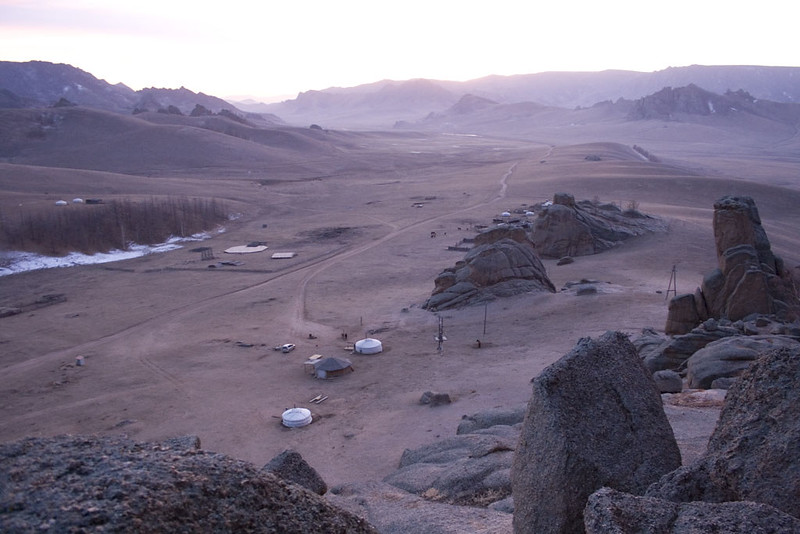
Pollution from coal-burning disproportionately impacts Mongolians who live in poverty in yurts known as gers on the outskirts of the city. It is estimated that upwards of 80% of pollution in the city comes from the ger district, where residents rely on coal-fired stoves for cooking and heating. In 2018, UNICEF reported that Ulaanbaatar’s PM-2.5 levels, which measure the content of dangerous tiny particles in the air, sometimes reach up to 133 times the World Health Organization (WHO)-certified safe maximum.

Children in Mongolia especially struggle with lung problems, bronchitis and pneumonia, which is the second leading cause of death for Mongolian children under 5. In 2018, UNICEF reported that the past 10 years have seen a 2.7-fold increase in respiratory infections. The outsized impact of air pollution on Ulaanbaatar’s youngest and most vulnerable formed part of the impetus behind the Mongolian government’s 2017 decision to declare air pollution a state of emergency.

Making a Change

Founded in the wake of a 2018 protest movement in New York City, Breathe Mongolia is a loose coalition of advocates and volunteers seeking to end air pollution in Mongolia. The nonprofit’s three-fold approach prioritizes acting as a watchdog, increasing transparency and serving as a platform for collaboration.

While Breathe Mongolia emerged as a grassroots movement, Switch Off Air Pollution is a part of the EU-funded SWITCH-Asia program. Founded in 2007, SWITCH-Asia seeks to promote sustainable development and green technology through a grants scheme that funds relevant pilot projects.

Switch Off Air Pollution seeks to combat air pollution in Mongolia through investing in sustainable consumption and energy efficiency in the housing sector. From 2018 to 2021, Switch Off Air Pollution aimed to retrofit 1,000 houses, saving an estimated 1,600 metric tons of coal and preventing the emission of 6,000 TeqCO2. Upon the project’s completion in 2022, 73 newly trained construction brigades had successfully retrofitted 1,546 households, saving 5,665 CO2 emissions. A new phase of the project is working to further improve energy efficiency.

Although Ulaanbaatar is facing a momentous challenge in the form of its air pollution crisis, these nonprofits are working hard to solve the problem. This innovative combination of grassroots and institutionally funded approaches, channeled through the infrastructure of nonprofit organizations, is bringing hope to the fight against air pollution in Ulaanbaatar and globally.

– Josephine Koch

Josephine is based in New York City, NY, USA and focuses on Good News and Politics for The Borgen Project.

Photo: Flickr
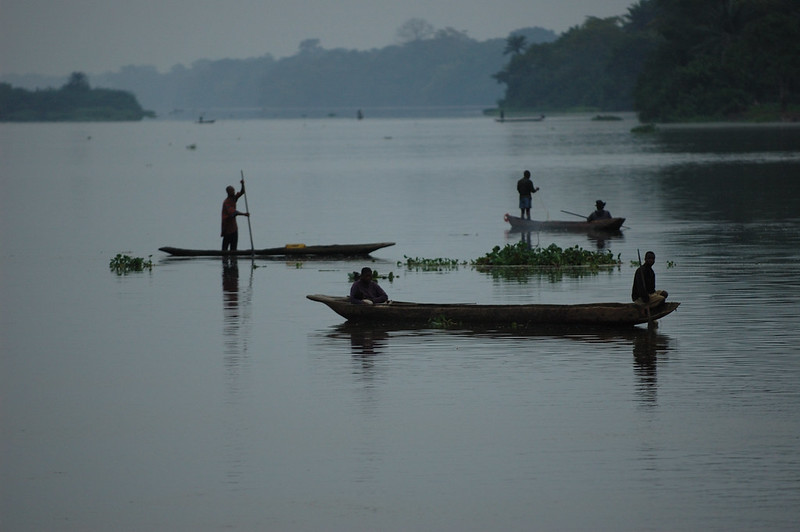
Environment in South AfricaUnemployment has been a persistent concern in South Africa. At the same time, South Africa is a water-scarce nation facing inconsistent rainfall, which disproportionately affects the country’s impoverished population. To address poverty and the environment in South Africa, the nation launched the Working for Water (WfW) program in 1995. This has expanded to larger environmental and social employment programs that are still effective today.

Impacts of the WfW Program

The WfW program hires unemployed persons to remove invasive plant species, thereby providing income while targeting pressing environmental concerns. These plant species deplete water resources in an already water-scare nation, limiting water supply for health and economic needs. In addition to water, the invasive plant species also threaten biodiversity and ecosystems. They contribute to soil erosion and obstruct grasslands used for livestock grazing. The program also has social targets, seeking to hire at least 5% disabled persons, 20% youth and 60% women, with baby chrèches provided for mothers with young children.

The program has successfully targeted poverty and the environment in South Africa. According to the South African government, 20,000 jobs have been created through the WfW program. Furthermore, 52% of participants were women. It has removed more than one million hectares of invasive plant species, which, as of 2010, has helped the nation retain more than 46 million cubic meters of water and prevent $22.7 billion of national income from being lost.

The Working for Energy Program

With the success of the WfW program, the government has rolled out additional “Working for” programs to target poverty and the environment in South Africa. One notable example is the Working for Energy program, which was inspired by the leftover biomass from the WfW program. This program focuses on providing low-income families with electricity generated from renewable sources.

The initiative is projected to generate 720 megawatts (MW) of electricity and create 50,000 jobs, demonstrating a sustainable approach to both energy production and economic development. In addition to Working for Energy, programs have been implemented targeting wetlands, fire, the coast and waste. In total, these programs are expected to create 230,000 public employment opportunities by 2025.

The Expanded Public Works Program

With the success of the “Working for” programs, the South African government established the Expanded Public Works Program (EPWP) following the Growth and Development Summit in 2003. This initiative continues to create employment opportunities under the summit’s goal of “more jobs, better jobs, decent work for all.” The EPWP targets additional sectors of the environment, which now runs the “Working for” programs, including Infrastructure, Social and Nonstate. The EPWP continues to be successful, having achieved its goal of the creation of one million jobs ahead of schedule in 2008.

Looking Ahead

Despite such successes, challenges lay ahead. Though the EPWP presents employment opportunities, larger structural concerns are at play. Unemployment rates have been rising in the last 20 years, currently sitting at 32.9%. Water shortages are also becoming increasingly common. Furthermore, though the expansion of EPWP can create some permanent employment, most of the jobs it provides for the unemployed are temporary.

The United Nations Development Programme claims that the program can benefit from additional skills training to help its beneficiaries switch into employment outside of the EPWP. However, the “Working for” programs and its continued development as the EPWP remains an innovative measure. It is frequently cited as one of the leading examples globally of simultaneously targeting poverty and environmental concerns.

– Imme Koolenbrander

Imme is based in Beijing, China and focuses on Business and Solutions for The Borgen Project.

Photo: Flickr

Desert AgricultureDesertification occurs when land near desert and arid regions becomes barren and dry due to human activities or adverse weather conditions. In the past 20 years, thousands of acres of fertile farmland and grazing land have been lost to desertification. Several internationally funded projects have been initiated to combat this issue, the most famous being the Great Green Wall.

Developed in 2007, the Great Green Wall project aims to halt the expansion of the Sahel and stretch from Senegal to Djibouti. While the international community initially lauded the project as a great example of environmental restoration, the World Agroforestry Center has critiqued the plan. It is a tree-planting-centric model that scientists argue is ineffective in attempting to recover desert land. Instead, the areas along the project’s route that have seen success have seen little from the original initiative and instead have found new life in the hands of local farmers and communities.

Through indigenous communities, the land’s revitalization has begun to take shape. In Niger, farmers are using the Faidherbia albida tree, along with native low-brush plants, to assist with soil nutrients. The Great Green Wall is considered one of the most well-known plans to combat desertification. However, other plans are currently in action; some are taking inspiration and others are developing more applicable solutions to desert agriculture.

Mongolia

As of 2017, more than 70% of Mongolian land is considered to be desertified to some degree. Significant drought periods have exacerbated the spread of desertification in Mongolia’s Dornod and Khentii grasslands. While Mongolia has always been classified as arid and semi-arid, the large-scale grasslands have allowed a long-standing animal husbandry tradition to dominate the Mongolian economy.

The Mongolian Great Green Wall plan was launched in 2008 to combat this. However, like its African counterpart, it was largely unsuccessful and primarily abandoned in favor of other preventative methods. One indigenous solution to desert agriculture has been to change animal grazing timelines to ensure proper recovery time and prevent overgrazing. Between an increase in protective land policies and the nomadic communities remaking animal grazing patterns, there is a high possibility that the increased desertification along the Steppe can be reduced and managed with proper collaboration between local communities and government agencies.

Iraq

In the last three decades, the country has seen an increase in desertification due to deforestation during regional conflicts, water scarcity and the removal of brush cover, which has exacerbated the desertification in Iraq. The United Nations Convention to Combat Desertification (UNCCD) reports that as of 2019, 2.89 million hectares of land in Iraq are classified as degraded. This degradation, primarily affecting the agricultural sector, is caused by water salinity from the Tigris and Euphrates rivers and the lack of alternative irrigation sources. As a result, many farmers have abandoned their lands and migrated to densely populated urban areas for employment.

There are currently no active UNCCD projects in Iraq. However, a comprehensive analysis was produced in 2022, which gave several strategic suggestions to boost vegetation cover and revitalize local agricultural lands by planting lichen and other microorganisms to strengthen top soils, provide necessary nutrients and improve desert agriculture. The UNCCD recommends spearheading projects by local communities and generational farmers to ensure the land is cared for by those who understand the human-land balance more intimately than government bodies.

– Jamie Sackett

Jamie is based in Hutto, TX, USA and focuses on Global Health and Politics for The Borgen Project.

Photo: Flickr

Kakuma Refugee CampThe Kakuma refugee camp in northeastern Kenya, established in 1992, has long grappled with significant waste management challenges. Originally designed to accommodate 70,000 residents, the camp’s population swelled to 183,000 by 2015. This increase has put immense pressure on resources and the camp’s infrastructure. This overcrowding has led to a variety of environmental issues, including inadequate liquid and solid waste disposal, creating unsanitary conditions and posing health risks to the camp’s inhabitants.

Several factors compound the camp’s waste management problems. The demand for wood fuel has led to deforestation in the surrounding areas. The reliance on diesel power generators contributes to air pollution. The shortage of potable water for both humans and livestock has exacerbated sanitation concerns. The lack of disposal space in the overcrowded camp has also created a pressing need for innovative waste management solutions.

However, amid these challenges, community-led recycling initiatives work to protect the camp’s natural environment and the inhabitants’ livelihoods. One such initiative is the Fraternity for Development Integrated (FRADI), founded by Raphael Basemi, a Congolese refugee who arrived in Kakuma in 2009.

FRADI

Basemi’s journey from a refugee with nothing but a bag of clothes and education certificates to the founder of a thriving recycling enterprise exemplifies the resilience and ingenuity of the camp’s residents. Established in 2013, FRADI has transformed the waste management landscape in Kakuma. FRADI’s approach is comprehensive, addressing not only waste management but also other refugee limitations, such as language barriers and lack of technical skills.

The Impact of FRADI’s Work

Since November 2019, the organization has recycled more than 10 tons of plastic, significantly improving living conditions in the camp. FRADI’s recycling initiative has been met with overwhelming enthusiasm, with 2,000 applicants vying for positions in the program after the first call for volunteers. In the last three years, the organization has created more than 500 jobs for refugees and local community members, providing much-needed income opportunities.

FRADI’s Plastic Recycling System and Products

The collection process involves individuals gathering plastic and nonbiodegradable materials. The collected waste is then categorized and sent to a central processing facility in Kakuma. Two specialized machines recycle plastics into new products through melting and reforming. Thirty-eight tons of semi-recycled materials have been sold to Nairobi-based companies so far.

Its product range includes everyday items such as pegs, buttons, rulers, plates and cups, all made from recycled plastic. These products are sold in a shop at the Kakuma incubation center, a United Nations High Commissioner for Refugees (UNHCR)-funded economic development initiative supporting start-up businesses.

The Future of Kakuma Refugee Camp

The future looks promising for waste management initiatives in Kakuma. Kenya’s signing of the Refugee Act in November 2021 has ushered in new policies supporting refugee economic success and inclusion. This legislative change has enabled FRADI to expand its operations, reaching out to larger companies that collect plastic for recycling.

Moving forward, the success of FRADI and similar initiatives offers a blueprint for addressing waste management challenges in refugee camps. These community-led efforts not only improve environmental conditions but also create economic opportunities. Furthermore, they foster a sense of purpose among refugees. As Basemi aptly puts it, “When I see the volunteers bringing in the plastic they have collected, I see a community that is coming together for a greater cause.” 

With continued support and innovation, the transformation of waste into opportunity in Kakuma serves as an inspiring model for sustainable development in challenging environments.

– Lauren Thompson

Lauren is based in San Francisco, CA, USA and focuses on Good News and Global Health for The Borgen Project.

Photo: Flickr

Poverty caused by natural disastersTuvalu, one of the world’s smallest countries, is an island nation vulnerable to natural disasters due to its topography. These disasters not only cause immediate loss of life and displacement but also result in long-term agricultural challenges. Saltwater intrusion renders the land uncultivable, leading to a loss of income and increased dependence on imported food, further entrenching the population in poverty. Cyclones increase the risk of vector and waterborne diseases, which can incapacitate the surviving population and hinder their ability to earn a living. In response, Tuvalu has implemented measures to protect its infrastructure, thereby shortening the restoration process and helping to shield the nation from poverty caused by natural disasters.

Infrastructure and Development Initiatives

The National Strategy for Sustainable Development 2021-2030 and the Tuvalu Coastal Adaptation Project (TCAP) have reclaimed land in the capital city of Funafuti, which has helped keep the island from drowning. Engineers are actively monitoring the site and progressing work in other areas, thus improving working conditions, increasing safety and certainty and raising living standards. The reclamation project also includes a drainage system protecting the city from heavy rains. Another enhancement is the harbor facility that ensures continuous access to the Funafuti Lagoon. Additionally, this initiative has created employment opportunities for citizens that are receiving targeted training to enhance their skills and contribute to the domestic economy.

Strengthening Island Resilience

Further protective measures such as constructing Berm Top Barriers shield the outer islands from high waves and saltwater penetration, safeguarding vital agricultural resources and freshwater supplies. This effort safeguards the harvests of taro, breadfruit, pawpaw and bananas in Nanumea and Nanumaga, thereby preventing food scarcity and hunger. It also prevents groundwater contamination, preserving water quality for home use. The 1,330-meter-long barrier will not only block 10-meter-high waves but also address the displacement of more than 300 people from the last cyclone in 2015.

Revitalization and Environmental Restoration

The TCAP plans to revegetate the land with coconut plants and Pandanus tree seedlings, sourced from local suppliers to stimulate economic activity. Beyond these efforts, TCAP collaborates with the NGO Fuligafou to conserve coral reefs and restore fish populations. Coral destruction has led to the migration of fish, impacting the income and protein sources of local communities reliant on fishing. The restoration process incorporates both modern and indigenous coral restoration techniques. In the long term, these efforts aim to revitalize the local fishing industry and provide new opportunities to alleviate poverty.

Looking Ahead

As Tuvalu fortifies its defenses against the harsh realities of the changing climate, its innovative infrastructure projects provide both immediate relief and long-term sustainability. The initiatives in place, from coastal barriers to environmental restoration, promise to enhance resilience and reduce the potential for poverty caused by natural disasters. With ongoing international support and local commitment, Tuvalu is paving the way toward a more secure and prosperous future for its residents.

– Hafsa Dijoo

Hafsa is based in Sharjah, UAE and focuses on Good News for The Borgen Project.

Photo: Flickr