• Link to X
  • Link to Facebook
  • Link to Instagram
  • Link to TikTok
  • Link to Youtube
  • About
    • About Us
      • President
      • Board of Directors
      • Board of Advisors
      • Financials
      • Our Methodology
      • Success Tracker
      • Contact
  • Act Now
    • 30 Ways to Help
      • Email Congress
      • Call Congress
      • Volunteer
      • Courses & Certificates
      • Be a Donor
    • Internships
      • In-Office Internships
      • Remote Internships
    • Legislation
      • Politics 101
  • The Blog
  • The Podcast
  • Magazine
  • Donate
  • Click to open the search input field Click to open the search input field Search
  • Menu Menu

Archive for category: Education

Information and stories on education.

Education, Global Poverty

Enhancing the Education System in Morocco

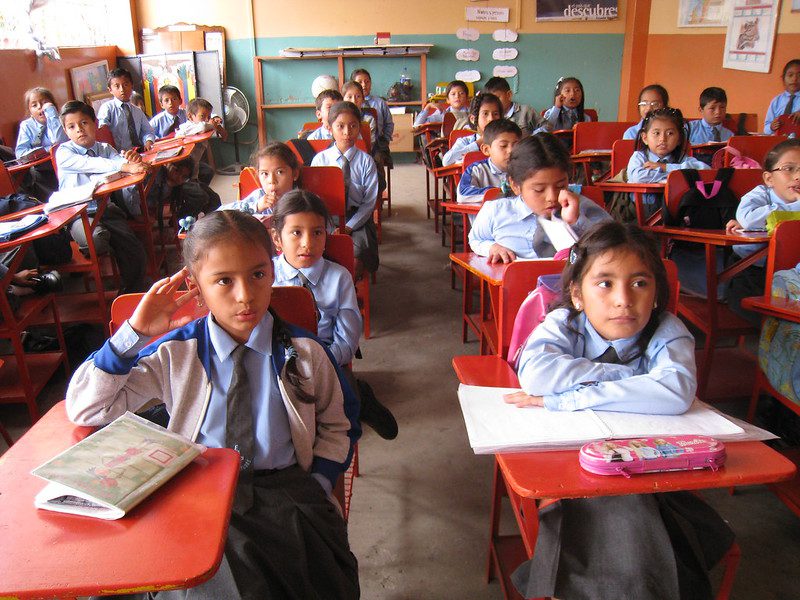
education system in MoroccoThe education system in Morocco has struggled for decades. In part, this is due to historical turmoil involving education accessibility. However, Morocco has recently taken a new approach to reverse this damage and improve its education system.

The “Decade of Education”

In 1999, Mohammed VI became the king of Morocco. He deemed education one of the main sectors in need of immediate action. Therefore, the years 1999 to 2009 were named the “decade of education.” During this time, reforms would take place under new guidelines, with the main goals to decrease illiteracy and upgrade the quality of learning. In addition, King Mohammed VI pledged to enhance private education and fight gender-based inequality.

The monarch’s involvement also resulted in a restructuring of the curriculum. To do this, King Mohammed VI replaced five years of primary and seven years of secondary education with nine years of the former and three years of the latter. He also introduced books that contained pedagogical principles.

These lessons targeted students’ needs and increased critical thinking skills. Through this reformed method of education, children learned how to develop a democratic mindset and thus the importance of human rights through science, technological and educational advances.

The Education Revolution

This new curriculum involved information technology studies and the integration of new subjects. Courses such as “Introduction to Education for Citizenship” in primary school, adding French and Amazigh language classes to the curriculum were all improvements to the former education system in Morocco. Exam schedules to ensure fairness and quality were revised and additional training in technology was provided to teachers. Overall, the changes during the Decade of Education shifted the way Morocco’s schools were administered. However, work to ensure the brightest future for Morocco’s children was still needed.

New Education Strategy Vision 2030

In 2014, the Minister of Education proposed additional revisions for the education system in Morrocco. In this vision, titled “New School for the citizen of tomorrow” the new education system allowed schools to appropriately provide all students with a high-quality education. The program allowed for increased Arabic classes, foreign language courses and learning vocational training.

Moreover, the project focused on encouraging openness and skill-building. With these overall advances, achieving greater  levels of education and the encouragment entrepreneurship allowed Morocco’s youth to learn important life skills. The ministry will also open centers for languages, culture and sports. The Ministry declared that during 2011-2012 and 2014-2015, there was an increase of more than 325,000 students enrolled in public and private schools.

In 2019,  The World Bank announced that it would contribute $500 million to the 2030 project. The grant will allow Morocco to extend access to quality education, especially pre-primary schools. It will also significantly increase teachers’ skills and competencies as improving human capital for children.

Hmemsa Organization: Education Program

Another group aiming to improve the education system in Morocco is Hmemsa. This organization is a successful Moroccan non-profit in the United States. Its main goal is to help low-income Moroccan households with essential needs and social issues. In an interview with The Borgen Project, Wafa Bennani was able to share more of the organization’s aspirations and achievements.

Bennani shared that currently, the Hmemsa organization is sponsoring two education programs. The first program involves exchanging engineering expertise with American students. Thus, Hmemsa is cooperating with the American Society of Engineering Education and other universities in Morocco to engage in an ASEE universal seminar in Morocco.

The second program is dedicated to orphans and impoverished children. Hmemsa’s Orphan Education Program is teaming up with the “Kafala Tifl Association” in Morocco to support and assist vulnerable children ages 5 to 18. The program has helped alleviate the financial burden of education from impoverished families and orphanages by providing children with necessary school supplies. Overall, the Orphans’ sponsorship program consists of $500 a year toward a child’s education.

Hmemsa’s Success Stories

Bennani also explained that the organization has been working with two orphanages in Meknes and Fez for more than 6 years now. They are planning to extend the program to include different orphanages in other cities as well. Success from Hmemsa’s work has been plentiful so far. Bennani expressed that two orphans have recently graduated high school with excellent overall grades. Additionally, Hmemsa sponsored one of the students to visit the U.S. and learn English at Western University. After this experience, the student went back to Morocco and secured a high-paying job.

Bennani also explained that when it comes to the challenges, mental health in orphanages is an issue Hmemsa sees frequently. With a shortage of special needs education, Hmemsa is looking for ways to provide counseling therapists and added support. With previous success in advocating for action against PKU, they are optimistic about their efforts in mental health advocacy.

Education and Poverty’s Future

In recent years, Morroco has made enormous efforts to boost its education system and make it accessible for all children. From the “decade of education” strategy to the 2030 vision, Morocco has always been striving for a better way to educate its children. With the help of The World Bank and non-profit organizations like the Hmemesa organization, the education system in Morocco is significantly enhancing education for all Moroccans.

– Zineb Williams
Photo: Flickr

September 7, 2021
https://borgenproject.org/wp-content/uploads/borgen-project-logo.svg 0 0 Kim Thelwell https://borgenproject.org/wp-content/uploads/borgen-project-logo.svg Kim Thelwell2021-09-07 13:01:492021-09-19 14:10:35Enhancing the Education System in Morocco
Child Poverty, Children, Education, Global Poverty

Ahmad Joudeh and SOS Children’s Villages

Ahmad Joudeh and SOS Children's VillagesAhmad Joudeh is a world-renowned ballet dancer and is famous for his performance in Eurovision 2021. His background is less well-known. Growing up in a refugee camp in Syria, Joudeh dreamed of dancing. In 2021, he began volunteering with SOS Children’s Villages, a nonprofit dedicated to supporting children and families in poverty and providing humanitarian assistance where it is needed.

Ahmad Joudeh Growing Up

Ahmad Joudeh grew up with aspirations of dancing since he was young. For much of his young life, he lived in a refugee camp. Joudeh lived in an environment where poverty is the norm. The people around Joudeh were primarily unsupportive of his dancing. However, he defied traditional expectations of men in Syria and would dance in the streets.

Joudeh studied dance at the Enana Dance Theatre for almost a decade from 2006 to 2015. He made his biggest appearance on the world stage in Eurovision 2021. In his free time, Joudeh teaches at the SOS Children’s Villages. Joudeh dances with the children and volunteers to inspire them in the art of dance and help them build confidence to navigate any issues that may arise while living in poverty.

SOS Children’s Villages

SOS Children’s Villages is an international organization with more than 130 “villages” in operation. The organization was founded by Herman Gmeiner in 1949 after witnessing the effects of World War II on local children. Gmeiner developed SOS Children’s Villages with the help of family, friends and generous donors. Since then, Gmeiner’s organization has blossomed to help children on an international scale.

The SOS Children’s Villages help families struggling financially by training parents in skills for workplace environments or counseling families as needed. The organization works one-on-one with children to provide education and health services while advocating at policy levels and providing safe spaces to explore.

Children and Families Using SOS Children’s Villages Services

Since children and families involved with SOS Children’s Villages face financial difficulties, they often do not have the tools or resources to help themselves. As a result, a significant number of SOS Children’s Villages residents rely on education. With volunteers, the organization reaches out within the communities where volunteers operate. The volunteers engage the families and children struggling and provide quality education on life skills.

When SOS Children’s Villages are helping a child or a family, the villages provide a safe space. For hours each day, the families are cared for in a safe environment to foster new habits and skills until each individual or family no longer requires the organization’s services. SOS Children’s Villages operate in areas where poverty is high. For example, in the main village in Syria where Ahmad Joudeh volunteered, the poverty rate reached 80%. The village works with families to ease financial burdens in both the short and long terms.

Building Community

The education provided to parents and children worldwide through this organization helps each person find a good job or mentorship. In addition, with its advocacy work, SOS Children’s Villages helps build protection within communities and in governments to support families in poverty.

Because people born into poverty often do not have access to higher education, they are likely to remain in poverty. In 2018, the United Nations Educational, Scientific and Cultural Organization (UNESCO) surveyed childhood education, attendance and poverty and found that more than 250 million children globally cannot attend school due to the cost. SOS Children’s Villages provide education to children at no cost to the families to break the cycle of poverty.

Understandably, Ahmad Joudeh knows the strains poverty can have on children. The mental health issues that develop in children living in poverty are most commonly anxiety and depression. So while SOS Children’s Villages operate to ease physical and financial difficulties, Joudeh dances with the children and strives to help them achieve their dreams.

Ahmad Joudeh’s Involvement and His Hopes for the Children

Joudeh has a deep respect for the work of SOS Children’s Villages. For some time, he has taught dancing in the organization’s village in Damascus to help build long-term goals for children. In 2016, Joudeh also did a workshop with the children in the SOS Children’s Village Vicenza. Joudeh dances with the children and guides them to work through their anxieties and constant worries around them. The mental toll on children in poverty in the areas where SOS Children’s Villages operate is devastating.

Joudeh dances with the children step-by-step, providing undivided attention, teaching them to focus on the music and not the world. The safe space he creates through dance grants these children an opportunity to explore and feel free without worries about what the outside world may bring or what challenges await their families. Joudeh dances with the children because his dreams of dance have expanded over the years. The freedom Joudeh finds in dancing is a feeling he hopes to extend to the children in the SOS Children’s Villages.

– Clara Mulvihill
Photo: Flickr

August 31, 2021
https://borgenproject.org/wp-content/uploads/borgen-project-logo.svg 0 0 Kim Thelwell https://borgenproject.org/wp-content/uploads/borgen-project-logo.svg Kim Thelwell2021-08-31 07:30:262021-08-31 11:05:21Ahmad Joudeh and SOS Children’s Villages
COVID-19, Education, Global Poverty

Rihanna’s Foundation Helps People in Poverty

Rihanna’s foundationSinger and businesswoman Rihanna has taken on many ventures including a music career, a lingerie brand, a makeup brand and more. However, many Rihanna fans do not know about her work to help people in global poverty. Rihanna founded the Clara Lionel Foundation, which helps people in global poverty recover from natural disasters as well as funding education initiatives.

Rihanna, whose birth name is Robyn Fenty, founded the Clara Lionel Foundation in 2012. Rihanna’s Foundation is named after her grandparents, Clara and Lionel Braithwaite. The Clara Lionel Foundation’s work focuses on the Caribbean and Africa. It promotes education and emergency preparedness while responding to natural disasters.

Disaster Response and Emergency Preparedness

Rihanna’s Foundation responds to disasters in the Caribbean and Africa both financially and on the ground. The Foundation has nine active projects related to disaster relief and has committed $10 million over the course of its establishment.

The Foundation’s most recent response occurred when Hurricane Dorian struck The Bahamas, which has a poverty rate of 11.1%. The response included donating $1 million in emergency grants to relief partners on the ground, rebuilding healthcare facilities, mobile medical care, the distribution of food in impoverished areas and providing portable satellite communications systems. This type of support in The Bahamas is a characteristic of the work the Clara Lionel Foundation does to alleviate the effects of natural disasters for those living in poverty. The Foundation recognizes that natural disasters affect those living below the poverty line the most, as the populations lose their shelter, food and water sources, jobs and more. This impact is why much of the work focuses on impoverished and hard-to-reach areas.

The Foundation achieves its mission of emergency preparedness by educating people about what the populations need as well as establishing health clinics. The Clara Lionel Foundation partnered with the International Planned Parenthood Federation/Western Hemisphere Region (IPPF/WHR) and Engineers Without Borders USA (EWB-USA). The partnership is working with health clinics to strengthen the clinics structurally and in scope. The partnership is helping add a focus for reproductive health as many women in poverty do not have anywhere to turn to after a disaster. The clinics become hubs for healthcare following a disaster, making communities more prepared.

Education Efforts

The Clara Lionel Foundation contributed $5 million to education, helping more than 7,000 children get access to schooling. The program financially supports schools in different countries including Rihanna’s home of Barbados, as well as individuals looking to participate in higher education. After Hurricane Maria in Dominica, the Foundation also helped rebuild schools and built the schools to serve as a shelter for incoming disasters.

COVID-19 Relief

The Clara Lionel Foundation contributed over $36 million to COVID-19 relief. It served 30 countries by donating to 45 organizations. Much of this went towards providing relief in the Caribbean and Africa.

Rihanna’s work as a philanthropist helps people in global poverty lift themselves out of natural disasters and prevents the population from falling back into an insecure situation in the chance of another disaster through preparedness and education.

– Sana Mamtaney
Photo: Flickr

August 30, 2021
https://borgenproject.org/wp-content/uploads/borgen-project-logo.svg 0 0 Kim Thelwell https://borgenproject.org/wp-content/uploads/borgen-project-logo.svg Kim Thelwell2021-08-30 01:30:482021-08-30 03:44:47Rihanna’s Foundation Helps People in Poverty
Children, Education, Global Poverty

Facebook Creates Sabee App to Improve Education in Nigeria

Sabee AppNearly 200 million people currently live in Nigeria. Out of all the children in the world who are not attending school, one in five of those children live in Nigeria. The statistics of education in Nigeria paint a bleak picture as only 61% of children aged 6-11 attend primary school on a regular basis. Furthermore, in 2018, only 20% of Nigerian adults who finished primary school were literate. However, Nigeria might be turning the corner in education as many educational tech startups focus on facilitating education in Nigeria. Facebook is the latest company to invest in the development of Nigerian education through the Sabee app.

Education in Nigeria

At the moment, Nigeria’s education system suffers from a severe lack of funding. In 2020, Nigeria dedicated only 6.7% of its annual budget to education even though UNESCO recommends that a government should allocate a minimum of 15% of the annual budget toward education. Therefore, Nigeria allocates far less than is recommended.

Although education is free in Nigeria, Nigerian public schools do not have many teachers. In some regions, the teacher-to-student ratio is an astounding 1:73. The schools also lack the vital resources needed to learn and lack quality and clean facilities. There is also insufficient training for teachers in schools. The government does not have established guidelines for hiring teachers, leaving students with inadequately trained instructors. Unqualified staff means the quality of learning severely decreases.

Lastly, terrorism has impacted the learning ability of Nigerian students. Due to the Boko Haram group terrorizing the northern parts of the country, less than half of female students in Northern Nigeria attend school. Furthermore, the ongoing violence has left many schools damaged and destroyed.

The History of the Sabee App

Sabee is an educational app that “aims to connect learners and teachers in online communities to make educational opportunities more accessible.” Facebook aims to develop Sabee as a part of its long-term investment strategy in Africa. Since most people will live in urbanized areas by 2030, and with Africa’s population rising fast, Facebook wants to establish a market in the African region. The platform particularly focuses on Nigeria. This decision is based on studies that estimate that Nigeria will become the second-most populated country by the turn of the century.

The Nigerian word “sabi,” which means “to know,” is the inspiration behind the app’s name, Sabee. The Sabee app will increase access to educational opportunities and bridge the literacy gap in Nigeria. With COVID-19 still affecting many parts of the world without vaccine access, the Sabee app will help many gain access to education remotely. In addition, the Sabee app seeks to address the poor literacy rates of Nigerian women and girls.

Development and Implementation of Sabee

Currently, more than 100 million Nigerians have access to the internet and more than 95% of internet users utilize mobile broadband data. Additionally, 250,000 new internet users in Nigeria were online by the end of 2019. Facebook aims to ensure Sabee works with 2G networks to make it accessible to more people, even those with less advanced internet connections.

As of now, the app is in the testing phase, “with fewer than 100 testers” assessing the app. Facebook plans to develop the app further based on the testers’ feedback and implement another phase of testing before the close of 2021.

Several technology startups and companies such as Facebook are investing in improving the system of education in Nigeria. However, to make a lasting impact, Nigeria must dedicate more of its resources toward ensuring quality education for all youth.

– Matthew Port Louis
Photo:Flickr

August 25, 2021
https://borgenproject.org/wp-content/uploads/borgen-project-logo.svg 0 0 Kim Thelwell https://borgenproject.org/wp-content/uploads/borgen-project-logo.svg Kim Thelwell2021-08-25 07:30:442024-05-30 22:24:54Facebook Creates Sabee App to Improve Education in Nigeria
Education, Global Poverty

TaSCA Aims to Even the Education Field In Uganda

Education Field in UgandaBirungi Nabasanira lives in Kasasa, Uganda, a community becoming the site of the Tat Sat Community Academy. This will include a secondary school, savings and credit cooperative and performing arts facilities. All facilities will reach completion in 2021 as the TaSCA project aims to even the education field in Uganda. Also known simply as TaSCA, the project is part of the InteRoots Initiative. The InteRoots Initiative is a Denver, Colorado-based nonprofit that works on local, national and international projects. The communities where investment occurs have a prominent voice in InteRoots, making sure that community members direct project priorities, methodologies and timelines.

The Importance of Education

In an interview with The Borgen Project, Kasasa community member Nabasanira said that education is important to move ahead in life today. She believes TaSCA will help progress the education field in Uganda. Nabasanira said the question that many have proposed has always been how to best afford education. She also mentioned that TaSCA and InteRoots are implementing working relationships with community members.

Including the insights of local community members in the school curriculum through the Institute of Indigenous Cultures and Performing Arts (ICPA) aids the efforts of TaSCA and InteRoots greatly. The ICPA will engage the larger community in the cultivation and preservation of common heritage. Community members also receive support with access to micro-lending through the Savings and Credit Cooperative Organization (SACCO), which will provide community financing, student/family financial support and economic education.

Putting Skills into Practice

Scott Frank, executive director and co-founder of the InteRoots Initiative, told The Borgen Project that one of the innovative programs of the TaSCA project is the Graduate Enterprise Fund. “A brilliant part of what the community has envisioned is that a majority of student tuition, which really is affordable, goes toward an account set up for each student at the credit union. Once they graduate, they are able to use the money that was put aside to continue studies, start a business or pursue other ventures.”

He says students will be able to use the skills they learned in school, which goes far beyond a traditional curriculum through the incorporation of skill-based training and financial literacy training. Additionally, students will have the resources necessary to apply these skills and follow their dreams after graduation.

The Return of Indigenous Traditions

Ronald Kibirige, the co-founder of the InteRoots Initiative and board chair, noted that Uganda has lost many indigenous traditions due to Western-style schooling. As such, TaSCA aims to incorporate local culture into secondary education. Furthermore, according to UNICEF, just one in four children in the country attend secondary school.

In an interview with The Borgen Project, Kibirige said that most secondary schools in Uganda are private and they cost too much money to attend, making them off-limits for many families who lack the financial security for such endeavors. TaSCA aims to even the education field in Uganda by creating a model that not only supports students but also creates a net positive for the community’s investment.

– Kristi Eaton
Photo: Flickr

August 25, 2021
https://borgenproject.org/wp-content/uploads/borgen-project-logo.svg 0 0 Jennifer Philipp https://borgenproject.org/wp-content/uploads/borgen-project-logo.svg Jennifer Philipp2021-08-25 01:30:422021-08-25 01:04:16TaSCA Aims to Even the Education Field In Uganda
Child Poverty, Education, Global Poverty

Providing an Education for Street Kids in Afghanistan

education for street kids in AfghanistanThe issue of providing quality education to children in Afghanistan persists. According to UNICEF, approximately 3.7 million children in Afghanistan are not in school, including more than two million girls. Afghan children face several barriers to education. These include “a shortage of schools and insufficient transportation” as well as a scarcity of qualified teachers. Only 48% of teachers possess the “minimum academic qualifications” to teach. For girls specifically, continued antiquated cultural practices, including child marriage in impoverished areas, continues to serve as a significant hurdle. Securing education for children in Afghanistan is important since education is a proven tool for breaking cycles of poverty. Furthermore, providing education for street kids in Afghanistan is especially important because these children are more vulnerable to the impacts of poverty.

The Plight of Street Children in Afghanistan

The term “street children” refers to children who live and/or work on the streets. In Afghanistan, the number of street kids is rising steadily, with at least 50,000 in the capital of Kabul. Endemic poverty and parental deaths caused by decades of war have forced many children into labor. Some of these children are as young as 3 years old. According to Mahboba’s Promise, an Australian aid organization, street children earn an average of less than $2 a day through menial jobs including collecting garbage and polishing shoes. These meager wages are barely enough to survive on. As such, working on the streets has become synonymous with malnutrition, illnesses and even sexual assault. Ensuring access to education for street kids in Afghanistan is paramount if Afghan children are to break free of cycles of abuse and poverty.

Organizations Providing Education for Street Kids in Afghanistan

While the current status of education in the country and the plight of its street kids is lamentable, the work of several organizations on the ground in providing an education for street kids in Afghanistan suggests that not all hope is lost.

  1. Mahboba’s Promise. Founded by Mahboba Rawi, an Afghan refugee, this organization is committed to rehabilitating street kids in Kabul by placing them in “safe houses.” The safe houses provide the children with well-balanced meals and teach fundamental subjects such as English, math and Islamic studies. Partnering with Architects Without Frontiers, Mahboba’s Promise successfully opened the Hope House in 2007. The Hope House is a shelter for women and children living in poverty that comes fully equipped for educational and recreational facilities while serving as an oasis of safety away from the turbulent streets of Kabul.
  2. Aschiana. Engineer Mohammed Yousef founded Aschiana in 1995. He was spurred to action after witnessing the harsh living and working conditions of street kids in Kabul. At its Day-Care Center, Aschiana provides basic education and vocational training for women and children while offering art-based therapy to help children who may have been traumatized by war, among other initiatives. Aschiana also organizes “mobile library units” to improve literacy and arranges legal aid for children charged with crimes. Today, Aschiana operates in seven provinces in Afghanistan and has impacted the lives of more than 150,000 women and children.
  3. The Noor Foundation. Founder Noor Ramazan was once an Afghan street kid himself. However, he broke free from his family’s cycle of poverty and became a successful businessman. He opened a tour guide service, Let’s Be Friends Afghanistan, in 2015. Recognizing the importance of providing an education for street kids in Afghanistan, Ramazan founded The Noor Foundation early in 2021 with the hope of saving street kids in Mazar-i-Sharif from the fate he managed to escape. At present, Ramazan is concurrently working on two projects. The first, Noor’s Nest, will be a shelter for about 30 street kids. It will have comfortable lodging facilities and staff to support the children’s educational and extracurricular endeavors in a “family-type setting.” The other project, The Noor School, will accommodate up to 200 children. Street kids will receive free tuition and priority access. Ramazan intends to start constructing the school by 2022 and has obtained financial support from 264 Education, a German NGO that reached out to Ramazan after hearing about his aspirations through the popular YouTube channel, Yes Theory.

Looking Ahead

Both local and international organizations have managed to make inroads concerning education in Afghanistan. However, the ongoing withdrawal of U.S. troops from the country threatens to undermine current and future progress. As the Taliban expands control of the country due to the power vacuum created by the United States, the future of education for Afghan children, especially girls, remains precarious. Without the continued provision of education for street kids in Afghanistan, there is a high risk of child recruitment by the Taliban. In a land rife with volatility and instability, prioritizing the education of children is imperative to equip Afghan children with the knowledge and tools to create a better and brighter future.

– Vyas Nageswaran
Photo: Flickr

August 20, 2021
https://borgenproject.org/wp-content/uploads/borgen-project-logo.svg 0 0 Kim Thelwell https://borgenproject.org/wp-content/uploads/borgen-project-logo.svg Kim Thelwell2021-08-20 01:30:042021-08-31 23:30:52Providing an Education for Street Kids in Afghanistan
Education, Global Poverty

Improving the Quality of Life in Vietnam

quality of life in VietnamThe South Asian country of Vietnam has experienced vast improvements in its quality of life over the years. Proof of these improvements is abundant. In 2016, the Happy Planet Index Report found that Vietnam was the happiest country in Asia. Life expectancy in Vietnam also reflects a positive trend in the quality of life for the country. Life expectancy stands at 75.5 years, which is especially impressive when considering the U.S. life expectancy of 77.3 years. These are only a few examples of the positive improvements in quality of life in Vietnam. Thanks to the efforts of the Vietnamese government and other supporters abroad, Vietnam has been able to make several other improvements.

3 Improvements in Vietnam

  1. Better Health Care. One indicator of improving the quality of life in Vietnam is health care. The maternal mortality rate in Vietnam has reduced fourfold over recent years. The number of deaths among children younger than 5 has also reduced by half. Progress like this has become possible due to better access to reliable health care for Vietnamese people. However, work still needs to occur in many areas. For example, 100 children still die from preventable diseases every day in Vietnam. Fortunately, UNICEF is providing help to further improve health care and, as a result, improve the quality of life in Vietnam further. UNICEF provides its services to health care personnel throughout Vietnam so that they can provide better care to the Vietnamese people.
  2. Better Education. A better education system is yet another way of improving the quality of life in Vietnam. The Vietnamese government achieves this through several methods. One is by holding Vietnamese teachers to a high standard. Teachers in Vietnam must display their skills and knowledge at the standard the country outlines. Teachers also need to display professionalism. The government of Vietnam takes inspiration from other Asian countries that have exceptional education systems. The education in Singapore and South Korea has especially influenced Vietnam’s school curriculum.
  3. Decreasing Poverty for Minorities. One of the most important ways that the quality of life in Vietnam is improving is the reduced poverty rates among ethnic minorities. Much of Vietnam’s ethnic minorities live in the highland areas of Vietnam. These places are often rural, and about 72% of Vietnam’s low-income citizens reside there. Fortunately, the poverty rate for this group of people declined by 13% in 2018. Many solutions exist to help further improve the economic situation for the minorities living in the highland areas. One solution is for the ethnic minorities in the highlands to grow crops that will sell for more money than common crops. Many of the people living in the highlands already engage in farming, but they grow basic crops. Crops like coffee and rubber plants have higher monetary value, so farmers could start growing these.

All of these improvements help improve the quality of life in Vietnam in numerous ways. Better health care means longer lives for Vietnamese people, better education will lead to better job opportunities and alleviating poverty will improve living conditions among ethnic minorities.

– Jacob E. Lee
Photo: Flickr

August 17, 2021
https://borgenproject.org/wp-content/uploads/borgen-project-logo.svg 0 0 Yuki https://borgenproject.org/wp-content/uploads/borgen-project-logo.svg Yuki2021-08-17 15:46:062022-03-29 07:50:32Improving the Quality of Life in Vietnam
Child Marriage, Child Poverty, Education, Global Poverty

Fighting Child Marriage in Myanmar With Education

Child Marriage in MyanmarChild marriage in Myanmar, despite being internationally classified as a human rights violation, is still legally protected. The legal age to wed with parental permission is 14 and many parents condone young weddings due to extreme poverty.

Child Marriage in Myanmar

Child marriage is not an issue unique to Myanmar. Roughly 40 million girls around the world (aged 15-19) are in a marriage or union. Global child marriage rates are improving though, decreasing by 25% since 2000. Education plays a significant role in this decrease across countries that are successful in working to eliminate this human rights violation.

Recent studies find that despite international efforts and success in lowering rates in other nations, rates of child marriage in Myanmar for girls aged 15-19 are still increasing. While experts have a difficult time tracking underage unions, Girls Not Brides estimates that 16% of girls in Myanmar marry before their 18th birthday.

There is a stark intersection between child marriage and extreme poverty. Many parents seek to marry off their young daughters because of the perceived assurance of security. This is especially prevalent when it becomes difficult for a parent to provide for their child. Parents want the instant financial relief of one less person to feed and the promise that their child will be provided for.

The Dangers of Child Marriage

  • Prematurely ends childhood. Premature marriage forces adult responsibilities and domestic duties on children. This often comes with social isolation that stunts emotional growth and harms mental health.
  • Lack of access to healthcare. Many child brides are not given the autonomy to make their own medical decisions and lack access to health services due to “oppressive conditions.” Unaffordable medical costs and isolation from medical facilities, especially in impoverished areas, also prevent girls from accessing healthcare.
  • Higher rates of physical and sexual violence. Many child brides lack sufficient education and are wholly dependent on their older spouses. When subject to domestic violence, these girls experience isolation with nobody to turn to for help. Child marriage also sees higher rates of abuse than unions formed in adulthood.
  • Complications in pregnancies and deliveries. Getting pregnant before the body is fully mature has serious, and even lethal, consequences for both young mothers and their babies. These complications include fistulas, miscarriages and neonatal conditions.
  • Disrupts education. Oftentimes, young girls have to leave school for marriage. Because the girls must focus on domestic responsibilities as wives, the girls permanently drop out of school. This limits socioeconomic mobility and results in spousal dependency.

The Importance of Education

Emphasizing the importance of education to parents and making education more accessible to impoverished communities is essential to decreasing child marriage in Myanmar. Girls who receive a secondary school or higher education are three times more likely to get married after the age of 18. Investing in education for young girls ensures that they have the skills and knowledge to rise out of poverty and make informed decisions about their bodies, their relationships and their lives overall. With education, girls are able to achieve economic independence as education paves the way for well-paying employment opportunities.

United World Schools

United World Schools aims to make education accessible, inclusive and empowering to all, especially young girls. The organization’s work in Myanmar is motivated by the fact that more than 91,000 elementary school-aged children are not able to pursue education.

The organization primarily works in Cambodia, Nepal and Myanmar to construct and develop schools over a five to seven-year period. Then, the organization slowly transitions the schools to government ownership. The organization primarily addresses the inaccessibility of education for isolated, impoverished communities. Also, United World Schools offers free education in local languages in these areas.

United World Schools addresses the issue of child marriage in Myanmar by emphasizing the importance of education, especially for young girls. The organization has been successful in establishing more than 50 partnerships with communities and local leaders in Myanmar to bolster education initiatives. In Myanmar, the organization has also enrolled more than 3,000 children in their schools and funded the staffing of more than 200 local and government educators.

Properly funded schools that address language barriers and operate in remote regions are crucial to keeping girls in school. With this in mind, there is hope for protecting more young girls from child marriage in Myanmar.

– Jaya Patten
Photo: Flickr

August 15, 2021
https://borgenproject.org/wp-content/uploads/borgen-project-logo.svg 0 0 Kim Thelwell https://borgenproject.org/wp-content/uploads/borgen-project-logo.svg Kim Thelwell2021-08-15 01:30:532021-08-13 00:34:04Fighting Child Marriage in Myanmar With Education
Education, Global Poverty

Enuma Improves Education Programs

Enuma improves proficiency levels A 2017 report from the United Nations Educational, Scientific and Cultural Organization (UNESCO) reveals that around “617 million children and adolescents worldwide are not achieving minimum proficiency levels in reading and mathematics.” This means that 56% “of all children won’t be able to read or handle mathematics with proficiency by the time they are of age to complete primary education” and 6% of adolescents will not “achieve minimum proficiency levels when they should be completing lower secondary school.” These statistics indicate an educational crisis that could put an entire generation at risk and endanger global development goals. Enuma improves education programs and aims to increase minimum proficiency levels in disadvantaged areas throughout the world.

School-Aged Children in Sub-Saharan Africa

In sub-Saharan Africa alone, more than 200 million children are not achieving minimum proficiency in reading. In this region, about “88% of all children and adolescents will not be able to read proficiently by the time they are of age to complete primary and lower secondary education.” This deficiency disproportionately impacts girls as 90% of girls in sub-Saharan Africa will not “meet minimum proficiency levels in reading by the time they are of age to complete primary education.”

Of the 387 million primary-age children who cannot read proficiently, around 65% are enrolled in school. Nearly 137 million adolescents of lower secondary age who are in classrooms are still not proficient in reading. The UNESCO report indicates that poor quality education is a major cause of the problem.

The Power of Quality Education

Another UNESCO report reveals that close to 60 million people could rise out of poverty if every adult had two additional years of quality education. If all adults finished high school, 420 million people could rise out of poverty, thereby reducing the percentage of indigent people by more than 50% globally and by around 66% in South Asia and sub-Saharan Africa. These statistics highlight the power of education as a tool for global poverty reduction as education provides a gateway to skilled and higher-paying jobs.

Enuma’s Kitkit School Program

Enuma improves education by working to address the issue of children’s low proficiency in math and reading. Co-founded in 2012 by CEO Sooinn Lee and Chief Engineer Gunho Lee, Enuma empowers school children, particularly those with special needs, to be independent learners. Through educational research, the organization takes a unique approach to software design for learning. Enuma’s Kitkit School program supports universal access and quality learning for all children, regardless of their location, while prioritizing those who lack the opportunity to improve proficiency levels in math and reading.

Based on an open-sourced code, Kitkit School researchers revise the program constantly to improve its learning efficacy, ensuring that the software is responsive to needs in new languages and contexts. Students can access Kitkit School anywhere, meaning every child can take advantage of Enuma’s educational opportunities. The program’s design engages and empowers early learners and eliminates barriers to learning success.

Kitkit School Program Impact

Along with Imagine Worldwide and the International Rescue Committee, Enuma is “bringing Kitkit School for Rohingya Learners to Cox’s Bazar, Bangladesh.” Fleeing Myanmar, more than 900,000 Rohingya have found refuge in Cox’s Bazar. More than 50% of the refugees are children or teenagers, most of whom have never attended school.

Looking to Tanzania, where about 23% of school-aged children aged 7 to 13 are not attending school, Kitkit School improved learning outcomes both at home and in school. In Kenya’s Kalobeyei Settlement of the Kakuma Refugee Settlement, “Xavier Project partnered with Enuma to improve access to quality education for 240 refugee and host community children,” increasing test scores and proficiency levels in math and reading.

In addition, Enuma improves education by forming partnerships, one of which is with Good Neighbors Rwanda to provide remote learning software to children at Kagina Primary School in Kagina, Rwanda. This effort has improved the children’s basic math skills and literacy.

Strategic Partners for Literacy Programs

Starting with Indonesia in 2021, Enuma is finding strategic partners to develop and distribute its software in regions such as Africa, Southeast Asia and Latin America. Enuma plans to release its literacy module free to the public while enabling its partners to run literacy programs around the globe.

Enuma’s Kitkit School software co-won the Global Learning XPRIZE in 2019 for its ability to support children’s independent learning in low-resource locations. Helping children in East Africa, South Asia and Korea, the Kitkit School program became the 2020 winner of the United Nations’ STI Forum Call for Innovations that advance the Sustainable Development Goals.

Given the clear link between poverty and lack of education, Enuma’s learning programs represent a move in the right direction for children around the world.

– Sarah Betuel
Photo: Flickr

August 14, 2021
https://borgenproject.org/wp-content/uploads/borgen-project-logo.svg 0 0 Kim Thelwell https://borgenproject.org/wp-content/uploads/borgen-project-logo.svg Kim Thelwell2021-08-14 13:27:292021-10-09 16:01:28Enuma Improves Education Programs
COVID-19, Education, Global Poverty, Technology

COVID-19’s Educational Impact

COVID-19's Educational Impact
As the COVID-19 pandemic persists around the world, it is important to examine how life has changed over the past year and a half. COVID-19’s educational impact is one area that deserves attention because education is a key in the fight against global poverty. Low- and middle-income (LMIC) countries across the world have significant poverty and the COVID-19 pandemic has exacerbated many challenges that one can associate with poverty, including obtaining an education. However, despite the challenges, COVID-19’s educational impact on LMICs should benefit from cutting-edge technological solutions. These technologies are changing how the poor receive an education.

COVID-19’s Educational Impact

Save the Children has estimated that even before the pandemic, the world was in a “learning emergency” with more than half of the children in LMICs designated as “learning poor” before they are 10 years old. Since COVID-19 school closures have left many children unable to access remote learning, COVID-19’s educational impact has included an increase in “learning poverty.” Save the Children has said that as of 2021, more than 11 million additional children are among the learning poor.

The economic hardship that has come as a result of the pandemic is negatively impacting education in a major way. As tax revenues have declined, budget cuts are leaving an estimated $77 billion gap in education spending for impoverished children around the world. Save the Children estimated that 10 million children may have dropped out of school for good in 2020. Meanwhile, the students who have managed to remain in school are at an increased risk of having to repeat grades and fall behind due to the pandemic.

Through the pandemic, girls have often had to drop out to marry early and boys have had to leave school to find work. Save the Children has pointed out that school closures have not only had an impact on education losses, but it has also take safe spaces away from children so that they “can play with friends, have meals and access to health services.”

Creative Technological Solutions to Alleviate “Learning Poverty”

A 2021 United Nations International Children’s Fund (UNICEF) study estimates that more than 2 billion, or two-thirds of those under age 25, lack internet access at home. New technology solutions bring hope in low-bandwidth areas to help sustain some access to education and skills training.

The World Bank has highlighted downloadable content, mobile vans and low-cost hardware as strong low-bandwidth education solutions. Learners who do not have access to a reliable internet connection can download libraries of content and access them offline. If learners are in a remote area and face high transportation costs, mobile vans can bring an education anywhere. Also, these vans with mobile internet access and computers meet learners at their precise learning levels and provide courses that allow learners to gain skills in a matter of weeks. Low-cost hardware is available to give more learners access to computers. One group providing such hardware is the Raspberry Pi Foundation. A simple USB charger powers the Raspberry Pi Foundation’s small computer that runs a free operating system.

COVID-19’s educational impact has exacerbated existing problems to educate learners in LMICs. On the other hand, while the “learning poverty” alarm is sounding around the world, new creative solutions bring hope to meet these challenges. Technology will continue to be important to education in its fight against global poverty.

– Alex Muckenfuss
Photo: Wikipedia Commons

August 9, 2021
https://borgenproject.org/wp-content/uploads/borgen-project-logo.svg 0 0 Lynsey Alexander https://borgenproject.org/wp-content/uploads/borgen-project-logo.svg Lynsey Alexander2021-08-09 13:11:002021-09-16 13:15:40COVID-19’s Educational Impact
Page 70 of 243«‹6869707172›»

Get Smarter

  • Global Poverty 101
  • Global Poverty… The Good News
  • Global Poverty & U.S. Jobs
  • Global Poverty and National Security
  • Innovative Solutions to Poverty
  • Global Poverty & Aid FAQ’s
Search Search

Take Action

  • Call Congress
  • Email Congress
  • Donate
  • 30 Ways to Help
  • Volunteer Ops
  • Internships
  • Courses & Certificates
  • The Podcast
Borgen Project

“The Borgen Project is an incredible nonprofit organization that is addressing poverty and hunger and working towards ending them.”

-The Huffington Post

Inside The Borgen Project

  • Contact
  • About
  • Financials
  • President
  • Board of Directors
  • Board of Advisors

International Links

  • UK Email Parliament
  • UK Donate
  • Canada Email Parliament

Get Smarter

  • Global Poverty 101
  • Global Poverty… The Good News
  • Global Poverty & U.S. Jobs
  • Global Poverty and National Security
  • Innovative Solutions to Poverty
  • Global Poverty & Aid FAQ’s

Ways to Help

  • Call Congress
  • Email Congress
  • Donate
  • 30 Ways to Help
  • Volunteer Ops
  • Internships
  • Courses & Certificates
  • The Podcast
Scroll to top Scroll to top Scroll to top