• Link to X
  • Link to Facebook
  • Link to Instagram
  • Link to TikTok
  • Link to Youtube
  • About
    • About Us
      • President
      • Board of Directors
      • Board of Advisors
      • Financials
      • Our Methodology
      • Success Tracker
      • Contact
  • Act Now
    • 30 Ways to Help
      • Email Congress
      • Call Congress
      • Volunteer
      • Courses & Certificates
      • Be a Donor
    • Internships
      • In-Office Internships
      • Remote Internships
    • Legislation
      • Politics 101
  • The Blog
  • The Podcast
  • Magazine
  • Donate
  • Click to open the search input field Click to open the search input field Search
  • Menu Menu

Archive for category: Education

Information and stories on education.

Child Poverty, Education, Global Poverty

Early Education and Its Role in Eradicating Poverty

Early EducationEarly education is often underestimated, despite being a fundamental cornerstone of learning and development. It offers children a crucial platform to nurture their skills and knowledge from an early age. These skills can prove invaluable throughout their lives, enabling them to access higher-paying job opportunities. Education holds the potential to positively impact lives from an early stage by equipping individuals with the essential tools for success.

A Foundation for a Brighter Future

The impact of education on a child is significant. Research indicates that certain skills can be better learned at the first critical period of brain development, from age 2 to 7. At this age, kids exhibit an accelerated rate of learning. It is crucial to stimulate their minds during this period to unlock each child’s maximal potential. It is evident that further and higher education depends on the right foundation for kids to succeed at higher levels.

Some of the benefits of education at a young age include: 

  • Healthy brain development.
  • Improved social skills.
  • Independence. 
  • Problem-solving skills. 
  • A smooth transition into higher levels of education. 

Equipped with the right tools early on, children are more likely to progress and reach higher intellectual capacities. The right environment and skillset provide a solid groundwork for success — both academically and, eventually, occupationally. In the long term, early education provides the future generation with the necessary skills to acquire both high-quality jobs and higher-paying jobs.

Finally, research shows that children who spend longer in early education have improved educational outcomes in the future. It also shows that high-quality studying particularly benefits children from low-income backgrounds. Investing in children’s education leads to cost savings, as the next generation develops stronger human capital, resulting in a larger pool of productive workers. This, in turn, contributes to overall economic growth.

An End To Generational Poverty

Experiencing poverty as a child means that you are much more likely to be poor in early adulthood. This is the unfortunate truth for many children growing up in developing countries; when families struggle financially, the children feel the effects of the financial burden. With limited financial resources, education is difficult to access. Without it, potential job prospects become hard to acquire, and the cycle of generational poverty continues. 

Without early education access, many kids in poverty fall behind their counterparts. This creates a disparity in children’s capabilities, making the job of the teacher difficult to attend to each child’s level and need. The unfair disadvantage some children face is what keeps the vicious cycle going.

To break the cycle of poverty, childhood education plays a crucial role, and improving accessibility is essential. This can be achieved through various school programs and increased investments in education. Quality early education provides children with a strong foundation for learning and better prepares them for higher education, which, in turn, opens doors to higher-paying job opportunities. This process fosters generational change, where individuals who were once affected by poverty gain financial stability, ensuring that the next generation has an improved chance of avoiding poverty and breaking the cycle.

What’s Next?

Access to quality education in the early years holds significant importance for several reasons. Education, knowledge and skills serve as powerful tools in the fight against poverty. Early introduction to education creates opportunities that might otherwise remain inaccessible. Research has consistently shown that high-quality educational programs have the most profound impact on children living in impoverished conditions. By investing in the intellectual growth of our youth, there is hope for a more equitable and promising future. 

– Lewis Butcher
Photo: Unsplash

September 28, 2023
https://borgenproject.org/wp-content/uploads/borgen-project-logo.svg 0 0 Lynsey Alexander https://borgenproject.org/wp-content/uploads/borgen-project-logo.svg Lynsey Alexander2023-09-28 01:30:312026-04-16 10:20:59Early Education and Its Role in Eradicating Poverty
Education, Global Poverty, Homelessness, Humanitarian Aid

ADRA and Their Work in Serbia

ADRA in Serbia

The Impact of COVID-19

On March 15, 2020, Serbia declared a national emergency due to COVID-19. Following the declaration and the decrease in economic activity, the working hours offered in Serbia declined by an estimated 14.8% during the second quarter of 2020. More than 700,000 workers were at immediate risk, including those in wholesale trade, transport services and crop and animal production.

Since the pandemic, Serbia has faced many challenges, including rising energy and food prices, rising inflation and slow trade. Without structural reform, many feel as though there cannot be a boost in productivity. 

The Adventist Development and Relief Agency 

ADRA, the Adventist Development and Relief Agency, has provided counseling and medical checkups for the homeless and displaced in Serbia, as well as transportation to health care institutions and other health care services. During the lockdown, children in Serbia also received tutoring from ADRA teachers, and this continues in 2023, as children in poverty receive education services from ADRA. 

Education

In Serbia, 45% of children will drop out of school once they reach 11 years of age, because of poverty and a lack of support for education. Yearly, ADRA supports 150 students who are a part of socially vulnerable families to enroll in school, advance their education and prevent dropout. ADRA provides links to employers for these students once they leave school.

Homelessness

ADRA estimates there are 5,000 to 15,000 persons who face homelessness in the capital of Serbia. ADRA supports up to 1,000 with mobile showers and laundry, as well as health care and psychological support. The organization works with authorities to ensure the proper implementation of relevant policies and to create new ways to end homelessness. Monthly, ADRA provides 550 hygiene, 350 health care and 450 psychological services to the homeless population in Serbia. 

ADRA trains local police to work with the homeless population. They also issue personal IDs and insurance to the impoverished people of Serbia. Yearly, ADRA lifts 130 homeless people out of their difficult living situations so they are able to restore their social lives and integrate into society.

Current Projects 

In Belgrade, ADRA has assisted in the renovation of a church. This renovation is meant to house a church congregation with some apartments offered to key workers. Currently, the organization is holding classes for Roma refugee children on Sunday mornings to improve their education. This is to help these children get into schools. ARDA runs formal education classes as well as informal ones where children learn about essential life skills and discuss the effects of smoking, drugs and alcohol consumption.

ADRA’s vision is to work with churches in Serbia to provide opportunities to break generational poverty and help victims of economic and political policies. 

– Abigail DiCarlo
Photo: Flickr

September 27, 2023
https://borgenproject.org/wp-content/uploads/borgen-project-logo.svg 0 0 Lynsey Alexander https://borgenproject.org/wp-content/uploads/borgen-project-logo.svg Lynsey Alexander2023-09-27 07:30:402023-09-24 16:13:31ADRA and Their Work in Serbia
Education, Global Poverty

Education in Iraq

Education in IraqEducation stands as the cornerstone of progress and development in any society. Amid the challenges and upheavals that have marked Iraq’s recent history, education has emerged as a beacon of hope and transformation, offering a pathway toward a brighter future for the nation and its people.

The Ripple Effects of Conflict on Education

Iraq’s education system has been plagued by a myriad of challenges, ranging from inadequate infrastructure and outdated curricula to insufficient resources and trauma-based psychological impact affecting both teachers and students. According to UNICEF, “one in every two schools is damaged” and needs improvement to effectively teach students. This crisis perpetuates a cycle of ignorance, poverty and underdevelopment.

Education in Iraq is hindered by violence, infrastructure damage and the displacement of children. Due to years of war and conflict, the weakened Iraqi government has allocated less than 6% of its budget to education.

The lack of education in Iraq contributes to a dearth of skilled workers, hindering economic growth and making it difficult for the country to compete in an increasingly globalized world. Low-quality education exacerbates social disparities, perpetuating cycles of poverty and inequality. It deprives marginalized communities of the tools they need to break free from the constraints of their circumstances and contribute to society in meaningful ways.

Paths to Educational Reform

Improving the education system in Iraq could be the key to unlocking a plethora of benefits for the country. UNICEF and the Education for Peace in Iraq Center (EPIC) have been working toward improving the education system and the lives of future Iraqi generations.

UNICEF

Recently, UNICEF has partnered with Daewoo E&C to provide hundreds of young children with access to education in disadvantaged areas in Basra. In a collaborative effort spearheaded by the Basra Directorate of Education, this initiative will not only improve children’s preparedness for school but also streamline their progression into primary education, ensuring a seamless and efficient transition. Early Childhood Education (ECE) plays a pivotal role in enabling young learners to embark on their primary education journey at an appropriate age, armed with the essential skills required for future success.

With Daewoo E&C’s support, UNICEF will establish five ECE centers in five schools. Each ECE center will include a classroom and a play area and will be equipped with essential amenities such as water, sanitation and hygiene (WASH) facilities. Through its Iraq National Education Strategy, UNICEF supports the Government’s goal to provide ECE to at least 30% of Iraqi children by 2031.

In order to ensure that children in Basra and other parts of the country have the best start in life, UNICEF will continue to work with the Government of Iraq, U.N. agencies, civil society and community organizations.

EPIC

Established in 1998, the Education for Peace in Iraq Center (EPIC) is a nonprofit organization dedicated to fostering peace in Iraq. EPIC undertakes humanitarian initiatives to promote harmony within the nation. Through a combination of impactful advocacy, field work aimed at empowering youth and authentic collaborations with both Iraqi civil society and the young population, EPIC is committed to advancing its mission to empower young Iraqis.

EPIC designs and implements a series of on-the-ground programs that empower adolescents to make a positive impact. It also advocates for U.S. and international support to secure peace and build democratic institutions in Iraq. This includes efforts to enhance government accountability, strengthen civil society and improve educational opportunities for all generations of Iraqis.

Furthermore, EPIC facilitates research and information-sharing about developments in Iraq. They share lessons learned and best practices in peacebuilding, education and youth development. Through these programs, EPIC is building a community of young people who have been impacted by them. By supporting the development of programs that best serve Iraq’s youth, EPIC will be able to better understand the needs and aspirations of Iraqi youth.

Unlocking a Brighter Future

Transforming education in Iraq requires a comprehensive and multi-faceted approach. Adequate funding, updated curricula, teacher training, modern infrastructure and equitable access to education are all critical components of reform. International support, collaborations and best practices can also play a pivotal role in guiding the country toward an improved education system. By committing to education reform, there is hope that Iraq can break the chains of poverty and underdevelopment and pave the way for a brighter future for its citizens.

– Dunia Matta
Photo: Flickr

September 24, 2023
https://borgenproject.org/wp-content/uploads/borgen-project-logo.svg 0 0 Lynsey Alexander https://borgenproject.org/wp-content/uploads/borgen-project-logo.svg Lynsey Alexander2023-09-24 07:30:202023-09-21 03:22:29Education in Iraq
Economy, Education, Global Poverty

4 Ways Bangladesh is Combating Poverty

Bangladesh is Combating Poverty
Bangladesh is a lush South Asian country that some presume to be developing slowly along with other areas of South and Southeast Asia. In fact, the opposite is true: Bangladesh is a beautiful blueprint for how to build a country and lift citizens out of poverty. Its GDP has grown the most out of any country in the last 10 years, and it has cut the number of people living below the national poverty line in half from 2000 to 2016. While it is an amazing success story, 35 million people are still living below the poverty line and the country must continue to use an arsenal of poverty-fighting initiatives to eliminate poverty in Bangladesh. Here are four ways Bangladesh is combating poverty.

Fighting for Breath 

In the 1970s, with help from The Bangladesh Rural Advancement Committee (BRAC), Bangladesh slashed child mortality. By identifying diarrhea as the leading cause of child deaths and then widely administering Oral Rehydration therapy, it helped reduce the death rate from 180 in 1,000 to 53 in 1,000 by 2011. 

However, child mortality has continued in Bangladesh, and Pneumonia is a major killer, involved in one in five child deaths. Fighting for Breath is a global initiative that UNICEF spearheaded to eliminate pneumonia deaths in Bangladesh. By working to get Bangladesh up to global health standards (in terms of government spending and quality of care) as well as targeting underlying causes such as poor drinking water and sanitation, Fighting for Breath saves lives and stops child mortality and poverty. 

BRAC

As mentioned above, the Bangladesh Rural Advancement Committee is a global NGO now operating as simply BRAC. Since its masterful health initiative in the 70s, it pioneered the Graduation Program in Bangladesh, which has four goals: meeting basic needs, income generation, social empowerment and financial support and savings. As of 2022, it has used this model to help 2.1 million households out of extreme poverty in Bangladesh alone. 

BRAC operates under the philosophy that “people should be the subject, not the object of development programs.” Those ideals have helped them combat poverty in Bangladesh and across the globe. 

Fostering Education

A key pillar in reducing global poverty is widespread education, and Bangladesh is no stranger to this facet. Within a decade, Bangladesh has made incredible strides in education. An astounding 98% of elementary-aged children are receiving formal education. Also, according to the United States Agency for International Development (USAID), “The country has achieved…gender parity in equal access to education.” 

Although Bangladesh still struggles with equitable education for minority populations, there are USAID programs in place to tackle this issue. A chief aim is to promote awareness for minorities and people with disabilities. USAID further fought poverty with education by creating 100 classroom-based libraries in 2022. 

How Bangladesh is Combating Poverty With a Booming Economy

A major facet that has Bangladesh on pace to exit the U.N.’s Least Developed Countries List by 2026 is its expanding economy. A strong garment and textile industry and a growing energy sector have uplifted people from poverty. Textiles comprise 80% of the country’s exports and employ 4 million people. Additionally, 100% of Bangladesh’s population has access to electricity. Agriculture has also been a backbone to alleviating poverty, reducing the poverty rate by almost 70% within five years. Support from the World Bank to modernize 1.8 million agricultural houses also displays how a growing Bangladesh has mitigated poverty. The economy did take substantial hits from the COVID-19 pandemic, but its strong economy and fast-growing sectors have been pillars of making a difference. 

Looking forward, there are still many steps to eliminate poverty besides the other efforts Bangladesh is combating poverty with, but the country paints a resilient success story in how to present a continued effort to reduce poverty.

– Aditya Arora
Photo: Flickr

September 12, 2023
https://borgenproject.org/wp-content/uploads/borgen-project-logo.svg 0 0 Lynsey Alexander https://borgenproject.org/wp-content/uploads/borgen-project-logo.svg Lynsey Alexander2023-09-12 01:30:242024-05-30 22:32:204 Ways Bangladesh is Combating Poverty
Education, Global Poverty

Burger King’s Fight Against Poverty

Burger King’s Fight Against PovertyBurger King is a world-renowned fast food restaurant known for the Whopper and the 2-for-$6 deal. In poverty relief circles, however, Burger King is known for its successful non-profit — the Burger King Foundation.

The Burger King Foundation’s Mission — Education

The Burger King Foundation’s first mission is expanding access to education to traditionally uneducated groups who cannot afford it. The Burger King Scholars program, funded by Burger King franchises, awards scholarships to students across North America in order to increase education among low socioeconomic groups and level the playing field of access to higher education. Since 2000, more than $55 million worth of scholarships have been awarded to nearly 50,000 students.

In an interview with Impacting Our Future, Amanda Israel, the executive director of the Burger King Foundation, explained that student loan debt is one of the biggest barriers to higher education. Therefore, grants and scholarships like those of the Burger King Scholars program are immensely helpful in equalizing educational opportunities and offering underprivileged students the chance to build a successful future. Because of Burger King Scholars grants, nearly 50,000 students have earned the chance to attend a post-secondary institution and break the cycle of educational underprivilege. In the interview, Israel emphasizes the importance of higher education in reducing poverty by claiming that higher education has the power to reduce inequality and bolster a nation’s economic growth.

In addition to scholarships given to students in North America, the Burger King Foundation supports literacy projects around the world. Over 200 projects, including building libraries and schools in rural communities, have been completed by the foundation. In Asia and Africa alone, the Burger King Foundation has supported the growth of Room to Read programs that teach more than 1,000 students to read. According to the U.N., literacy is crucial to ensure the stability and growth of a poor nation, so increasing literacy rates among children is an excellent tool in the fight against poverty.

The Burger King Foundation’s Mission — Emergency Relief

The second mission of the Burger King Foundation is to support Burger King employees through immediate emergencies. The foundation does this by offering grants to Burger King employees and their families after some sort of emergency has occurred. An emergency could be anything like the death of a close friend or relative, a natural disaster, a medical emergency or another unforeseen circumstance that causes monetary distress. These grants are as high as $4,500 and help to support people through what can be an expensive and difficult time.

Since its creation, the emergency fund has granted $2.6 million to Burger King employees in need across 30 countries on six continents. This widespread emergency relief helps to soften poverty’s hold on damaged communities, like those in the wake of brutal natural disasters and guarantees a smoother recovery for struggling families.

The Burger King Foundation’s Impact on Global Poverty

Because of its education and relief-focused missions, the Burger King Foundation indirectly relieves poverty around the world.

Between scholarships and emergency grants alone, Burger King has donated nearly $65 million to thousands of individuals across dozens of countries. However, its effects are broadened by its partnerships with other non-profits and support of educational projects like Room to Read.

Burger King Foundation’s poverty-fighting belief that “through education you can explore your full potential and live life your way” demonstrates the fundamental goal of all of the foundation’s actions: Education and relief help a person achieve more than they could have otherwise, thereby building stability and growth around him and eventually lifting him out of poverty.

How You Can Support Burger King’s Fight Against Poverty

Anyone can support Burger King’s fight against poverty by making a monetary donation online or attending a Burger King Foundation event. Events include annual conventions, golf outings and more.

Burger King’s two-faceted approach to poverty relief is helping thousands of people around the world. It is helping to equalize education and support its employees amidst times of financial need, all of which have a positive impact on fighting global poverty.

– Suzanne Ackley
Photo: Fickr

September 11, 2023
https://borgenproject.org/wp-content/uploads/borgen-project-logo.svg 0 0 Lynsey Alexander https://borgenproject.org/wp-content/uploads/borgen-project-logo.svg Lynsey Alexander2023-09-11 15:00:032023-09-10 07:36:04Burger King’s Fight Against Poverty
Developing Countries, Education, Global Poverty

Study Abroad Scholarships Address Issues of Developing Countries

Abroad ScholarshipsEducation remains one of the most influential and longstanding resources in ending global poverty. Higher education institutions are increasingly reaching beyond borders, offering abroad scholarships to students from developing nations. Through study-abroad scholarships, students from developing countries are equipped with the skills and knowledge to address poverty-related issues in their home countries. With more than 700 million people living in extreme poverty globally as of the end of 2020, addressing these issues appears to be imperative.

Education Endangered

In developing countries like those in sub-Saharan Africa (SSA), tertiary education such as college and university is a privilege, not a right. Furthermore, as of 2020, only 9.4% of secondary education graduates in SSA enrolled in any form of tertiary education. This is almost 30% below the global average and 60% below that of the U.K.

Deprivation of education all too often goes hand in hand with broader poverty. In 2018, an estimated 40% of sub-Saharan Africa’s population lived below the poverty line of $1.90 a day as estimated by the World Bank.

This deficit carries significant repercussions. The tertiary education system primarily generates professionals equipped with the expertise and skills to navigate political, corporate and economic systems effectively.

The absence of these professionals significantly complicates the task of sub-Saharan African nations in constructing a financial and political infrastructure resilient enough to withstand the challenges of the global landscape. Indeed, a 1991 World Bank Report highlighted this as one of the major hurdles facing these nations in their developmental journey. Regrettably, this challenge persists even today.

Saved By the Scholarship

In our increasingly globalized world, prestigious universities worldwide are recognizing exceptional talents that do not need train tickets but air miles to reach their campuses. Academic promise deserving of encouragement and backing blossoms from Kibera, Kenya, to Dharavi, India — the talent that scholarships can nurture to its full potential.

In response to this trend, numerous independent organizations and government-funded educational institutions have introduced scholarships for postgraduate and undergraduate studies, particularly targeting individuals from developing nations. Some of these scholarships encompass comprehensive support, including funding for travel and accommodation.

The Saïd Foundation

One prominent illustration of this trend is the Saïd Foundation, which has been awarding scholarships and educational opportunities for master’s degree programs in the U.K. since 1984. The foundation’s primary mission revolves around fostering the progress of the Middle East by empowering individuals through advanced education at the master’s level.

By affording outstanding individuals from Syria, Jordan, Lebanon, and Palestine the chance to cultivate the skills needed to become pioneers in various fields, ranging from international development to neuroscience, the Saïd Foundation paves the way for these extraordinary individuals to return to their home countries and lead transformative changes.

Saïd Scholars have initiated substantial positive transformations at the very core of social, political and economic structures. For instance, Ambassador Husam Zomlot, who completed a doctorate in International Political Economy from SOAS University of London in 2000 with support from the Saïd Foundation, exemplifies the impact of such scholarships. His LinkedIn profile attests, “The combination of scholarship and practice has given Dr. Zomlot an edge in conducting scholarly and policy-oriented research in the area of international peace and security, with a focus on the Middle East. His work centers on international interventions in conflict and post-conflict zones.”

After founding the Birzeit School of Government, working as an economist with the Palestine Policy Research Institute, and serving as the Strategic Affairs Advisor to the Palestinian President, Zomlot currently holds the position of Head of the Palestinian Mission to the U.K.

Furthermore, in addition to facilitating long-term transformations in developing nations, study-abroad scholarships confer significant benefits upon the countries and institutions that make these scholarships possible. By supporting groundbreaking research and pioneering initiatives aimed at addressing global poverty, guided by individuals who have firsthand experience with this issue, these nations and institutions solidify their status as leaders in both economic and academic development on the global stage.

The Cambridge-Africa Scholarship

The Cambridge-Africa Scholarship has funded a cohort of five African scholars each year since 2014. As with the Saïd Foundation, the focus of the scholarship is to fund those working on projects designed around positive impacts on their home countries. There is also a strong focus on relevance to the U.N. Sustainable Development Goals; 17 goals related to tackling global poverty by 2030.

As such, this study-abroad scholarship has enabled recipients to make research strides in several fields that will positively benefit issues plaguing the African continent. For instance, terrorism and specific diseases.

For example, South-African-born Nikita Hiralal’s contributions to countering Islamic State cyberjihad through a postgraduate thesis as part of the 2020-2021 Cambridge-Africa Scholarship cohort, and Ghanaian Mark Asare Owusu’s research as a 2021-2022 Cambridge-Africa Scholar into the epidemiology and control of meningitis in his home country, speaking to the World Health Organization’s objective to defeat meningitis by 2030.

It appears that these scholarships are only the start of a deeply valuable and widely beneficial dialogue between nations across the globe. This dialogue is the beginning of a conversation that remains expansive and ongoing. A conversation that articulates education as a global institution built on equal access and aspiration, valuing countries not by economic output or political circumstance, but by innovation, ideas and intelligence. And it is study-abroad scholarships that allow such intelligence to make a real difference.

Graduates return to developing countries to tackle issues of poverty, sustainable development and education, inspiring economic and political connections and new markets by enhancing the standing of such nations on the global stage and introducing new ways of solving old problems. As such, scholarships prove an invaluable resource for a better world.

– Izzy Grout
Photo: Unsplash

September 4, 2023
https://borgenproject.org/wp-content/uploads/borgen-project-logo.svg 0 0 Kim Thelwell https://borgenproject.org/wp-content/uploads/borgen-project-logo.svg Kim Thelwell2023-09-04 07:30:232024-12-13 18:02:57Study Abroad Scholarships Address Issues of Developing Countries
Education, Global Poverty, Technology

Education Technology Solutions: Bridging the Global Education Gap

Education TechnologyAs the world continues to grapple with persistent inequalities in access to quality education, the emergence of innovative education technology (EdTech) offers renewed hope for bridging the global education gap. Socioeconomic disparities and geographical barriers continue to undermine the universal right to education, leaving a vast number of children and youth out of school. EdTech solutions, including diverse initiatives such as open online courses and interactive digital learning platforms, have begun to demonstrate their potential to make education more accessible and widen the scope of high-quality learning opportunities across the globe.

The Global Education Gap: EdTech as a Solution

According to UNESCO, more than 258 million children and youth were out of school in 2019. This figure represents a significant hindrance to global development, worsening both poverty and inequality. Therefore, bridging this gap is an urgent global priority that demands immediate and comprehensive interventions.

In response to this pressing need, EdTech has emerged as a potential game-changer for education across the globe. These technologies include an array of educational initiatives ranging from open online courses to interactive digital learning platforms. Not only do these platforms make learning more engaging and personalized, but they also hold the potential to make education more accessible. In overcoming physical, social and economic barriers, bridging the education gap becomes more attainable.

The Interplay of EdTech and Poverty Alleviation

Beyond its potential in education, EdTech is playing a crucial role in poverty reduction. When efficiently incorporated into educational systems, technology can empower individuals and communities, ultimately enabling social mobility. The World Bank affirms that EdTech can foster economic transformations by shifting toward knowledge-based models. These models are not only more sustainable but also foster equitable growth in the long run. 

Ensuring Inclusive Adoption of EdTech

While the adoption of education technology is rapidly gaining momentum, it’s crucial to ensure that these advances do not inadvertently exacerbate existing inequalities. To maximize the potential benefits of EdTech, there is a pressing need for a coordinated, holistic approach. Governments, NGOs and private sectors must collaborate to ensure that these technologies are accessible and beneficial to all learners, preventing the emergence of a digital divide in education.

EdTech in Action

Taking the digital leap, programs like Samsung’s Smart Class are playing a pivotal role in rural India. Samsung India’s initiative provides classrooms with Wi-Fi and necessary training for teachers to effectively employ advanced digital tools like interactive Smartboards, laptops and tablets. The result is a noteworthy increase in student engagement and comfort with technology. On the African continent, two significant projects, BraceKids and Africa Code Week, are introducing coding to hundreds of thousands of children. These programs provide programming language workshops, equipping young minds with important digital skills for the future.

Efforts are also underway to promote diversity in tech education. Nonprofits like Rails Girls, founded in Finland, offer worldwide training in basic programming, sketching and prototyping to encourage women to engage with technology. Another example of this is with the Ministries of Education, which is exploring virtual reality (VR) for classrooms, globally. In Singapore, the Rails Girls is partnering with a local company to create virtual field trips, meant to supplement, not replace, traditional learning. Early results show students’ insights have improved with this tool. These initiatives exemplify the potential of EdTech in bridging the global education gap. By demonstrating how technology can help facilitate education and provide quality learning opportunities, these efforts shine a light on the path toward a more digitally inclusive educational future.

Education technology holds remarkable potential to bridge the global education gap and to fundamentally reshape the future of learning. However, the journey to realizing this vision is complex and requires meticulous planning and execution. Successfully rising to the challenge opens the path for EdTech to revolutionize the education landscape, extend learning opportunities to those previously left behind and make a significant contribution to global poverty alleviation efforts.

– Mari Caitlin Riggles 
Photo: Flickr

August 21, 2023
https://borgenproject.org/wp-content/uploads/borgen-project-logo.svg 0 0 Lynsey Alexander https://borgenproject.org/wp-content/uploads/borgen-project-logo.svg Lynsey Alexander2023-08-21 07:48:132023-09-01 03:56:15Education Technology Solutions: Bridging the Global Education Gap
Children, Education, Global Poverty

How Poverty Shapes Schooling in Zimbabwe

Schooling in Zimbabwe
Poverty shapes schooling in Zimbabwe, determining aspects ranging from the quality of education to the duration of study. In essence, students with greater wealth are more likely to attain secondary education and experience transformative outcomes compared to their less affluent peers.

Wealth Inequality Between Urban and Rural Children

Urban Zimbabwean households typically possess more wealth than their rural counterparts. In 2021, according to the World Bank, 55.5% of rural Zimbabweans lived below the national food poverty line in contrast to only 15.5% of urban Zimbabweans. This stark 40% contrast underscores significant wealth inequality, a gap evident in the disparity between urban and rural education.

How Wealth Inequality Affects Schooling in Zimbabwe

Poor communities do not have the infrastructure, staff or resources to maintain quality learning facilities. Families within these communities grapple with daily hardships stemming from living below the poverty line, rendering tasks like funding teacher salaries, constructing safe schools and providing essential amenities such as water and electricity difficult. Put simply, the quality of rural Zimbabwe’s education pales in comparison to its urban counterpart due to the extreme poverty prevalent in rural areas.

Educational Inequalities

Given that rural regions hold the highest poverty rates, rural Zimbabweans disproportionately bear the brunt of educational disadvantages.

For instance, urban children are more likely to successfully complete all educational levels compared to their rural counterparts. In Zimbabwe, urban children achieve a primary school completion rate of 97% whereas rural children achieve a rate of only 86%, falling below the national average, according to UNICEF’s MICS-EAGLE (Education Analysis for Global Learning and Equity) Zimbabwe Fact Sheet of 2021.

Throughout secondary school, rural students consistently lag nearly 10% or more behind the national average in terms of completion rates while urban students consistently surpass the national average.

Completion rates for each individual school level remain consistently low for rural students. Of all students failing to complete a specific educational level, two-thirds are from rural backgrounds, the 2021 MICS-EAGLE Zimbabwe Education Fact Sheet notes.

According to Teach for Zimbabwe, unfortunately, even the rural children who do complete school typically achieve lower academic results compared to children in urban areas. More than two-thirds of Zimbabwean children lack access to quality and comprehensive education, and as a result, there are “tens of thousands of students who cannot even read, write, or speak English after seven years of primary education,” Teach for Zimbabwe says on its website. A lack of trained educators, unideal learning environments and insufficient resources and funding impact the quality of education.

Teach for Zimbabwe’s Role in Schooling in Zimbabwe

Founded in 2018, Teach for Zimbabwe is a branch of the global nonprofit, Teach for All, that focuses on bringing diverse, innovative education to disadvantaged children in Zimbabwe. The organization accomplishes this mission through educators: qualified teachers from diverse backgrounds are trained, compensated and stationed in needy local districts. These educators commit to a two-year term at the school, a period during which both teachers and students become better equipped to navigate Zimbabwe’s education system.

Given that many rural, impoverished regions lack the means to hire and sustain teachers, numerous rural school districts lack educators in general or lack qualified educators. In June 2022, Zimbabwe faced a shortage of more than 25,000 teachers. Having highly qualified teachers in rural schools will elevate the quality of education for rural students, potentially impacting their academic outcomes and education completion rates.

Looking Ahead

The educational inequalities stemming from poverty significantly influence Zimbabwe’s schooling landscape. Two students who both complete primary school may experience vastly different outcomes as a result of the urban-rural divide. Organizations like Teach for Zimbabwe are paving the way for transformative change in rural Zimbabwean schools to allow for quality education that will enable students to reach their highest academic potential.

– Suzanne Ackley
Photo: Flickr

August 16, 2023
https://borgenproject.org/wp-content/uploads/borgen-project-logo.svg 0 0 Kim Thelwell https://borgenproject.org/wp-content/uploads/borgen-project-logo.svg Kim Thelwell2023-08-16 05:56:332024-12-13 18:02:56How Poverty Shapes Schooling in Zimbabwe
Developing Countries, Disease, Education

5 Ways to Combat Communicable Diseases in Developing Countries

Communicable Diseases In Developing Countries
According to the World Health Organization (WHO), communicable diseases are those that are spread from person to person through “microorganisms such as bacteria, viruses, parasites and fungi.” These diseases, also known as infectious diseases, disproportionately impact developing countries. Based on 2001 data from the National Center for Biotechnology Information, 98.6% of the burden of infectious diseases arose in low and middle-income countries. Some of the most common communicable diseases burdening developing countries are tuberculosis, respiratory tract infections, malaria, HIV/AIDS and most recently, COVID-19.

Although the global burden of communicable diseases reduced by about 44% from 1990 to 2019, there is still a long way to go. Fortunately, there are numerous techniques to combat communicable diseases and alleviate the burden on underdeveloped nations across the globe. Here are five ways to combat communicable diseases in developing countries.

5 Ways to Combat Communicable Diseases in Developing Countries

  1. Promoting Hand-Washing: Although it seems simple, hand-washing is a highly effective way of hindering the spread of disease and is not always as commonly practiced as it may seem. About 2.3 billion people around the world do not have access to hand-washing facilities. This may be due to a lack of infrastructure or lack of access to clean, sanitized water sources. Hand-washing is one of the cheapest public health interventions available to solve this issue. In fact, WHO states that, with less than one dollar per year invested, “all households in the world’s 46 least developed countries could have hand-washing facilities by 2030.” This money could go toward building facilities in houses and hospitals or educating people on the importance of hand-washing.
  2. Improving Housing: Many people in developing countries have to live in unsafe conditions. As mentioned earlier, many households lack facilities with clean water, as well as other necessities like proper waste disposal and heating. These conditions create breeding grounds for bacteria and insects or rodents that carry diseases. Many people also must live in crowded houses due to their low income. Crowding makes it easier for respiratory illnesses like tuberculosis to spread. Addressing these issues could include creating temporary housing facilities for the homeless that are better regulated and sanitary. A more long-term solution would be building houses that are sustainable, affordable and safe. It is worth mentioning that the construction of new housing should involve the community at all stages and be adaptable to the local environment.
  3. Providing Vaccines: With the recent spread of COVID-19, the importance of vaccines is clearer than ever. According to the UN, only around 1% of people in low-income countries received one dose of the COVID-19 vaccine by 2022. This contrasts with the 60.18% of people in high-income countries that received at least one dose. Not only does vaccine inequity prevent developing countries from slowing the spread of communicable diseases, but it also affects countries economically. 2022 data from the United Nations Development Programme (UNDP) shows that Nigeria, Ethiopia, the Democratic Republic of Congo (DRC) and South Sudan lost 19.87 billion in GDP due to unequal access to vaccines. Without vaccination, lockdowns last longer, and people continue to get sick, forcing them to miss work. The European Investment Bank is working to establish local facilities for the development of vaccines. A new facility at the Institut Pasteur de Dakar in Senegal is an example of how developing countries can become more self-reliant in the production of vaccines.
  4. Access to Treatment: While preventing the spread of diseases is the first priority, there is also a need for better access to treatment once people contract the diseases. Health care often does not receive enough funding in developing countries which leads to more negative health outcomes. These areas face a lack of equipment, doctors and proper training. In addition, many people are unable to pay for treatment or live in remote areas. Christophe Paquet, Head of Health & Social Protection for the Agence Française de Développement (AFD), notes that the health care sector is “highly dependent on international aid.” The AFD is supporting health care programs in developing countries by renovating facilities, providing access to training for nurses and reducing costs incurred by procedures. For example, they currently cover 80% of the cost of a Cesarean section, a procedure that can save many women’s lives.
  5. Providing Education: In order for any intervention to be successful in the long run, it should be coupled with educational efforts. One contributor to the communicable disease burden in developing countries is a lack of understanding of how these diseases spread and how efforts can prevent them. Having accessible, easy-to-understand information about public health allows individuals to recognize signs of illness and take preventative measures. More general education may also promote longer lifespans and more positive outcomes. Reaching tertiary education, in particular, reduces infant mortality and improves child vaccination rates.

Looking Ahead

These are just a few methods that can help ease the burden of communicable diseases on low-income populations. The U.S. can do its part by providing aid and funding for health-related interventions, much like the AFD in France. Alongside aid, education should be at the center of all of these methods to empower countries to fight these diseases locally.

– Yesenia Aguilera
Photo: Flickr

August 5, 2023
https://borgenproject.org/wp-content/uploads/borgen-project-logo.svg 0 0 Lynsey Alexander https://borgenproject.org/wp-content/uploads/borgen-project-logo.svg Lynsey Alexander2023-08-05 15:59:402024-05-30 22:32:135 Ways to Combat Communicable Diseases in Developing Countries
Education, Global Poverty

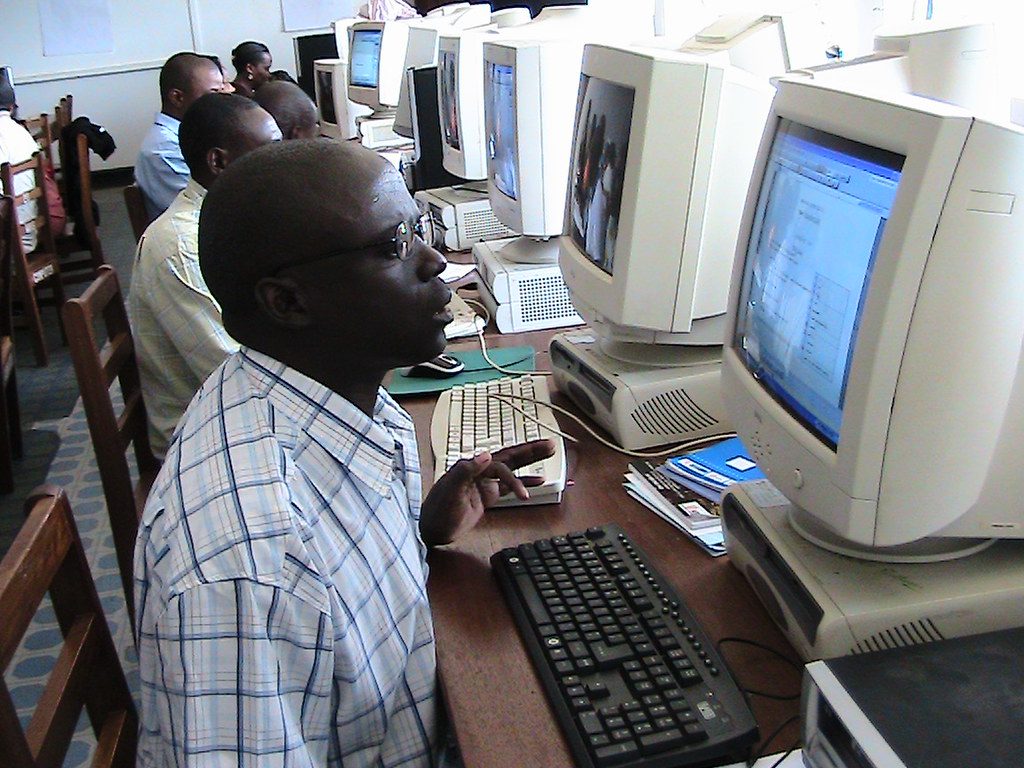
Learning to Read in Ghana: Adult Literacy Programs

Adult Literacy Programs in GhanaGhana, a large West African country along the Atlantic Ocean coast, has long grappled with the challenge of illiteracy. An estimated 42% of the adult population in the country is illiterate, with women facing a higher rate of around 50%, compared to 33% among men. As a result, there is a pressing need for Adult Literacy Programs in Ghana.

ALPs and Education

Adult Literacy Programs, or ALPs, serve exactly the function the name suggests. These programs help adults learn how to read. However, literacy is much more than understanding words or numbers on a page. It serves an important societal function that allows people to interact with the world around them. ALPs can help increase skills among populations struggling with underdeveloped education, poor health and labor market participation.

These programs seek to provide adults with a well-rounded education that they may apply to their daily lives. Programs that utilize creative approaches rather than traditional classroom pedagogy are often more successful. For example, modern advances such as cell phones help adults retain new, relevant information.

History of ALPs in Ghana

Adult Literacy Programs in Ghana have a long history, stretching back to the time before the nation was independent. In the early 18th century, the Dutch Reformed Church introduced local language adult literacy work to Ghana, then the Gold Coast. After the Second World War, in 1948, the British Colonial Government officially adopted literacy as a component of the national education system and set out to establish similar programs. Since gaining independence in 1957, Ghana has embarked on several literacy-based initiatives beyond the scope of colonizing powers.

Within the past 50 years, the state has instituted a variety of educational acts, such as the Education Act of 1961 and the 1992 Constitution, which established education as a basic right for all citizens. Similarly, the state partnered with several NGOs and instituted programs such as the Free and Compulsory Universal Basic Education. Current estimates suggest that the youth and adult literacy rates are around 80% and 75% due to these programs.

Ghana’s National Functional Literacy Program (NFLP)

One such program is Ghana’s National Functional Literacy Program or the NFLP. It seeks to increase the national literacy rate, and defines a functionally literate person as “one who can engage in activities in which literacy is required for effective functioning of his/her…community and also for enabling him/her to continue to use reading, writing and calculation for his/her own and the community’s development.”

In classroom settings, adult Ghanaians learn reading, math and other complementary skills. Some classes are women or men only, while others are a mix of both. Studies have noted substantial gains in reading skills, but relatively weak writing and numeracy skills. Still, the NFLP has led to more labor market participation, greater income and generally more economic liberties for newly literate Ghanaians. One hypothesis for the NFLP’s notable success is its longer duration of 21 months, whereas many other ALPs tend to last for only nine.

The Literacy and Community Development Program

Another ALP in Ghana is the Literacy and Community Development Program, a literacy and socio-economic development program which targets adults 15 and above with little to no formal education. There are specific efforts that serve to accommodate vulnerable or marginalized groups such as women, youth, prison inmates, nomads and people living with disabilities. Pamoja Ghana launched this program officially, with financial and technical support from Action Aid Ghana (AAG).

Since its founding, numerous groups have been established across the entire country and currently, there are about 3,340 active participants. Adults and adolescents can learn basic literacy and life skills through this program, and many learners have even gone on to hold positions in district assemblies in their localities or have become elders in their various religions. Some younger participants who were forced out of school due to poverty or societal pressures were able to continue learning informally before eventually re-enrolling in formal school. Overall, this ALP has assisted many adult Ghanaians with learning to read, thus allowing them to interact with their communities in new and improved ways.

– Char Nieberding
Photo: Unsplash

July 25, 2023
https://borgenproject.org/wp-content/uploads/borgen-project-logo.svg 0 0 Lynsey Alexander https://borgenproject.org/wp-content/uploads/borgen-project-logo.svg Lynsey Alexander2023-07-25 07:30:582023-07-24 01:30:27Learning to Read in Ghana: Adult Literacy Programs
Page 40 of 241«‹3839404142›»

Get Smarter

  • Global Poverty 101
  • Global Poverty… The Good News
  • Global Poverty & U.S. Jobs
  • Global Poverty and National Security
  • Innovative Solutions to Poverty
  • Global Poverty & Aid FAQ’s
Search Search

Take Action

  • Call Congress
  • Email Congress
  • Donate
  • 30 Ways to Help
  • Volunteer Ops
  • Internships
  • Courses & Certificates
  • The Podcast
Borgen Project

“The Borgen Project is an incredible nonprofit organization that is addressing poverty and hunger and working towards ending them.”

-The Huffington Post

Inside The Borgen Project

  • Contact
  • About
  • Financials
  • President
  • Board of Directors
  • Board of Advisors

International Links

  • UK Email Parliament
  • UK Donate
  • Canada Email Parliament

Get Smarter

  • Global Poverty 101
  • Global Poverty… The Good News
  • Global Poverty & U.S. Jobs
  • Global Poverty and National Security
  • Innovative Solutions to Poverty
  • Global Poverty & Aid FAQ’s

Ways to Help

  • Call Congress
  • Email Congress
  • Donate
  • 30 Ways to Help
  • Volunteer Ops
  • Internships
  • Courses & Certificates
  • The Podcast
Scroll to top Scroll to top Scroll to top