• Link to X
  • Link to Facebook
  • Link to Instagram
  • Link to TikTok
  • Link to Youtube
  • About
    • About Us
      • President
      • Board of Directors
      • Board of Advisors
      • Financials
      • Our Methodology
      • Success Tracker
      • Contact
  • Act Now
    • 30 Ways to Help
      • Email Congress
      • Call Congress
      • Volunteer
      • Courses & Certificates
      • Be a Donor
    • Internships
      • In-Office Internships
      • Remote Internships
    • Legislation
      • Politics 101
  • The Blog
  • The Podcast
  • Magazine
  • Donate
  • Click to open the search input field Click to open the search input field Search
  • Menu Menu

Archive for category: Education

Information and stories on education.

Education, Global Poverty

The Fight for Access to Education in Syria

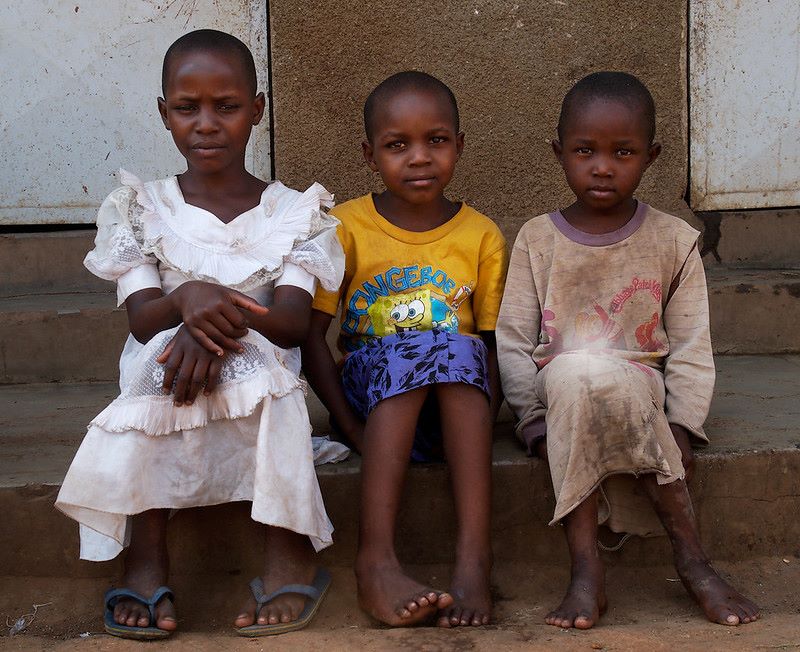
Access to EducationThe series of high-magnitude earthquakes in February and March 2023 had devastating effects on Syria. Between the destruction of communities, the damage of buildings, and the number of displaced families, Syria faces a crisis that could have an impact for many years. In the midst of the chaos, the fight for children’s continued access to education in Syria remains a priority for the government and international organizations.

How the Earthquakes Impacted Education in Syria

Of the 8,800,000 people that the earthquakes affected, 3.7 million were children. The earthquakes damaged a total of 2,947 schools, and it is estimated that 200,000 children do not have access to education due to the mandatory closure of schools for health and safety concerns. This not only has an immediate impact on children, but is a major disruption in the country’s future success, as the completion of secondary education reduces global poverty and infant mortality rates. The importance of returning to school as soon as possible is at the forefront of government concern. Attending school gives children a sense of safety and normality, as well as giving them access to necessary services such as counseling.

GPE and ILO

Global Partnership for Education (GPE) immediately mobilized funding to set up temporary learning spaces, repair the damage to schools, deliver school meals and provide humanitarian aid to children, their families and teachers.

The International Labour Organization (ILO), which works to create and promote employment, focuses on improving employability by offering job training for citizens who lost their jobs in the disaster. The project aims to address immediate concerns by offering training for local contractors and other labor-based industries.

The ILO is also working to rebuild three schools in Aleppo that the earthquakes significantly damaged. In addition to enabling children to attend school again, rebuilding schools creates more jobs for people in Aleppo. The ILO hopes to continue creating job opportunities for residents in Aleppo whilst improving the livelihood of the community.

UNICEF’s Efforts

The United Nations International Children’s Fund (UNICEF) is helping 101,975 children gain access to education in Syria through both formal school settings and independent learning. Self-learning programs help families in areas where schools are still closed, or families are displaced. UNICEF provides essential learning materials to children in need and to schools that lack educational resources. The organization has a pre-existing program called Curriculum B, which enables children to catch up on missed education. This accelerated learning program fits two years’ worth of learning content into a single year, and reached more than 2 million children in 2018.

– Eadaoin O’Leary
Photo: Flickr

December 16, 2023
https://borgenproject.org/wp-content/uploads/borgen-project-logo.svg 0 0 Yuki https://borgenproject.org/wp-content/uploads/borgen-project-logo.svg Yuki2023-12-16 01:30:192023-12-12 12:13:54The Fight for Access to Education in Syria
Children, Developing Countries, Education, Global Poverty

Child Poverty in Uzbekistan

Child Poverty UzbekistanUzbekistan is a ‘young’ nation. Of its 35 million people, 33% are aged zero to 17, with the average age of Uzbekistan citizens being 29. For comparison, the average for the United Kingdom is 40; China’s is 38; Brazil’s is 33. 

Access to Education

Child poverty in Uzbekistan is tied to education. Lately, Uzbekistan has made progress, but statistics showing economic growth and reductions in poverty do not change Uzbekistan’s need for educational reform. The poorest members of Uzbek society are children, and the poorest households are those with the least education. Luckily, Uzbekistan’s government and its international partners recognize this, and plans are being made for the young country’s future. 

Since Uzbekistan’s current president, Shavkat Mirziyoyev, was elected in 2016, international observers have generally agreed that the country has liberalized its economy and curtailed human rights abuses, particularly slave labor. Although progress slowed with COVID-19, steady economic growth has been met with a reciprocal reduction in poverty. It fell to 14% in 2022 from 17% in 2021 and 21% in 2019. Uzbekistan commits over 20% of its budget to social welfare and education. To compare, China spent 11% of its budget on education in 2021, as did the United Kingdom; Brazil spent 12%. 

Child poverty in Uzbekistan comes, in part, from its past as a former colony of the Soviet Union. Like other Soviet colonies, low funding and the enforcement of Russian as the primary educational language crippled education in Uzbekistan. Wanting to reverse this legacy is understandable. However, significant spending has historically been followed by corruption, inequality and inefficiency. Money is not enough.

Current Poverty Levels

As of 2023, on average, Uzbeks earn around $350 a month, with many making far less. The minimum wage is currently $82 a month. In 2019, UNICEF reported that 30% of Uzbekistan lived on incomes less than the minimum wage. More relevantly, of households headed by someone without education, 62% made less than half the average wage Most uneducated households earn less than $175 a month or a little under $6 a day. If the average household includes five people, then the household earns $1.20 per person.

The more children an uneducated household has, the poorer it will be. The poorer the household, the more likely its children will have low educational attainment. Poverty, like elsewhere, forms a vicious cycle with education. Unsurprisingly, then, children are statistically the poorest part of Uzbek society. A study made in 2021 found that classes often have 40-45 students while being designed for 25. The strain of overcrowding on teaching staff has created a system of after-school courses intended to help students ‘catch up.’ The government does not fund these, costing around $3 per lesson. If some families live on $6 a day and others $12, $14, $100, it is evident enough which families can afford these lessons and which cannot.

This is a small part of a wider problem. Ending child poverty in Uzbekistan is tied to reforming its education. Education and childcare represent a burden families cannot afford, and this poverty, in turn, leads to poorer educational outcomes: a vicious cycle. 

Government Strategy

The government of Uzbekistan recognizes this connection. President Mirziyoyev introduced the ‘Development Strategy of the New Uzbekistan for 2022-2026’ in 2022, which aims to cut the country’s poverty in half. Education and social protection for families are recognized as critical hurdles to this. As such, the strategy allocated $100 million to create free training and business courses nationwide. It also introduced an online system to allow low-income families to receive their social benefits automatically. 

Access to pre-school is to be raised from 67% to 80%; access to higher education is to be raised to 50%.

The strategy works with international partners. USAID in October announced a $40 million investment in Uzbek education, particularly toward the goal of making 51% of schools inclusive to disabled students. It’s too early to say how successful this strategy will be. Either way, the problem is recognized. 

– Frederick Lake

Photo: Wikimedia Commons

December 5, 2023
https://borgenproject.org/wp-content/uploads/borgen-project-logo.svg 0 0 Yuki https://borgenproject.org/wp-content/uploads/borgen-project-logo.svg Yuki2023-12-05 15:00:082024-05-30 22:32:42Child Poverty in Uzbekistan
Children, Education, Global Poverty

Early Education in Kosovo

Early Education in KosovoWith Kosovo being a relatively new nation, having declared independence in 2008, it must now navigate complex issues such as poverty, health care and education for its citizens. For its younger population, education remains a key factor in the country’s development. Several issues impact the population’s ability to receive proper instruction, and many organizations are attempting to remedy these and provide instruction to the children in Kosovo. 

Impact on Children

The country has a population of about 1.8 million people, with the average age being approximately 30 years. In 2021, only 15% of children aged 3–4 years old gained an education. Among rural and minority communities, that number decreased to 10%. The United Nations Children’s Fund (UNICEF) plans on improving food availability in schools to incentivize parents to enroll their younger children. 

Rural communities are disproportionately affected by infrastructure issues and receive fewer options for health care and education. Minorities such as the Roma, Ashkali and Egyptians also require more assistance. As of 2021, 23% of Kosovar children live in poverty. Poverty plays an important role in whether or not young children attend primary school education. Children in richer households are twice as likely to attend lower secondary education and four times as likely to attend upper secondary school than their poorer counterparts. 

Access to health care also impacts access to education. Minority groups have more difficulty accessing health care and are unable to enroll their children in schools. In minority communities, the infant mortality rate is twice the national average and malnutrition plagues children throughout Kosovo. Even so, 84% of children attend pre-primary school programs, a 9% increase from 2014. As of 2021, 80% of 7–14-year-olds are literate and 88% can correctly identify numbers, however, under 50% retain skills past a Grade 2 level. 

Teacher Pay

Teachers in Kosovo went on strike twice in the past four years, seeking an increase in pay. In 2019, teachers demanded a pay increase of over 30%. This was prompted by a proposed law that would raise pay for government employees. In Kosovo, the average private sector salary is €370, with public sector salaries averaging €520. These strikes proved successful. In September 2022, teachers once again went on strike, demanding an additional €100 per month to support themselves and their families. 

Improvements

Kosovo’s National Development Strategy Plan aims to increase the number of children enrolled in early education. This plan seeks to provide young kids with basic skills to further their schooling and widen their future employment opportunities. Having children in class during the day allows their parents to join the workforce, generating money for their family and strengthening the economy. 

For the entire Kosovo population, a total of 130 institutions serve as early education centers. As of 2017, Kosovo has 42 public kindergartens. Four professors at the University of Prishtina in Kosovo emphasize the importance of integrating technology into early education. Majlinda Gjelaj, Kastriot Buza, Kyvete Shatri and Naser Zabeli conducted a 2020 study about incorporating new technology into the curriculum. This study suggests that the addition of new tech improves communication and development among preschoolers. Through the Kosovo Education Strategic Plan and the Kosovo Curriculum Framework, the government aims to create a functional digital economy. It believes that students acquiring technical knowledge alongside literacy may be the best way to achieve this outcome. 

To ensure that early education opportunities in Kosovo are equitable for the entire population, the World Bank has highlighted laws and other information that can be utilized. The Department of Social Welfare puts children into foster families that share their ethnicity and religion, as outlined in the Law for Social and Family Services. Families can receive funding under the Social Assistance Scheme. This welfare initiative stands out as the single government program that directly targets poverty in Kosovo. Over 28,000 families benefit from this, including over 55,000 children. With more reform, such as making school compulsory for ages 3-5, this program can provide for over 80,000 children in the country. 

Early Education in Kosovo continues to improve with the aid it receives from both the Kosovar government and international organizations. 

– Abigail Dudley
Photo: Flickr

November 28, 2023
https://borgenproject.org/wp-content/uploads/borgen-project-logo.svg 0 0 Yuki https://borgenproject.org/wp-content/uploads/borgen-project-logo.svg Yuki2023-11-28 03:00:492023-11-25 23:48:18Early Education in Kosovo
Education, Global Poverty

Vocational Education Training Centers in Brazil

Vocational Education Training Centers in BrazilBeyond the often grim statistics of the country’s poverty, vocational education training centers in Brazil are emerging as a glimmer of hope for numerous people from the grassroots. Although not a traditional career path, they are transforming and empowering the impoverished to break through glass ceilings and end the seemingly endless cycle of poverty.

For years, Brazil has grappled with grievances about unfair wealth distribution. In 2021, according to World Bank statistics, Brazil’s poverty rate and Gini coefficient were 5.8% and a staggering 53.4, respectively, indicating a high level of disparity and that 12.5 million of the population were still under the international poverty line. The UN says one in four youth are unemployed. There is no silver bullet for the issue, but now vocational education training centers in Brazil offer an opportunity to change this narrative.

Bridging the Skill Gap

Brazil is now struggling with a significant skills gap. Companies, especially those in the technical and specialist industries, struggle to find employees with the right skills. A survey of employers by Fortune 500 corporation Manpower Group has revealed candidates in technology, logistics and marketing are now much sought after by the industries, while other estimates put vacant IT positions in the South American country at up to 400,000.

That is when vocational education training centers step in. By offering accredited and tailored courses, they help upskill Brazil’s next generation and, in a labor force that barely more than 10% receive tertiary education, provide an alternative for many.

Localized Solutions 

Perhaps what sets vocational education centers in Brazil apart from other countries is their increasingly localized approach. Understanding the unique challenges of each community, government-operated institutes and corporate training programs are crafting courses that cater to local industries. In a report, the Organisation for Economic Cooperation and Development (OECD) said: “Ideally, national/regional prerogatives are combined with local freedom whereby schools can often adapt the content to the local labor markets.”

SENAI, a network of secondary-level professional schools maintained by the Brazilian Confederation of Industry, has designed the Industry Work Map for its regional bodies to decide what vocational education training programs should be offered. Specific and targeted education helps ensure students have higher chances of employment upon graduation, directly alleviating poverty within a community. However, scholars have suggested there needs to be increased communication between vocational education training centers and employers to help identify market trends in demand for skills.

Empowering Women and Marginalized Groups

A spiral of racism, poverty and exploitation has historically left women and marginalized communities facing barriers to accessing quality education and employment. Vocational education training centers are arguably the key to change.

According to the Brazilian Institute of Geography and Statistics (IBGE), women earn on average 22% less than men. OECD has found women are more likely than men to pursue a vocational track in Brazil and are overrepresented in upper secondary education, contrary to the case in most member countries of the organization. The Thousand Women Program, which started by providing 1,000 disadvantaged women in the country’s north access to vocational education, was successful and expanded in 2009. Estimates have indicated that 100,000 women have benefited from the program by 2014.

With vocational training education centers actively encouraging female enrolment and offering courses in sectors traditionally dominated by men, Brazil is tackling poverty for all.

Supporting Entrepreneurial Endeavors

Not all graduates of vocational education training centers seek traditional employment. Recognizing the potential of Brazil’s entrepreneurial spirit, many centers offer courses in business management, financial literacy and start-up development. These skills are crucial in a country where small businesses contribute to over 27% of the GDP, according to the Brazilian Service of Support for Micro and Small Enterprises (SEBRAE). Through entrepreneurship, these centers are not only creating employment opportunities for graduates but also helping stimulate local economies, fostering innovation and driving forward Brazil’s global economic position.

Fostering a Culture of Lifelong Learning

Perhaps one of the most significant impacts of the vocational education initiative is the cultural shift toward valuing education. As more success stories emerge, there is a growing realization that education is a sustainable way out of poverty. This change in mindset is critical. With a focus on continuous learning, Brazilians are better equipped to adapt to the ever-evolving job market, ensuring long-term economic stability for themselves and their communities.

The Future

As Brazil advances towards what many hope will be a more equitable and prosperous future, the role of vocational education training centers cannot be understated. These institutions, with their pragmatic approach to education and employment, are not only addressing immediate economic concerns but also cementing the country’s resilience and tenacity in the long run.

Brazilian educator and philosopher Paulo Freire once said: “Education does not transform the world. Education changes people. People change the world.” By promoting vocational education, Brazil will stand as a living testament to this ethos, reflecting the power of focused, skill-based training to help the impoverished break glass ceilings — and, ultimately, to succeed.

– Reagan Yip
Photo: Flickr

November 27, 2023
https://borgenproject.org/wp-content/uploads/borgen-project-logo.svg 0 0 Yuki https://borgenproject.org/wp-content/uploads/borgen-project-logo.svg Yuki2023-11-27 01:30:172023-11-22 12:32:18Vocational Education Training Centers in Brazil
Education, Global Poverty

Everything To Know About Poverty in Armenia

Poverty in ArmeniaArmenia is a small, landlocked nation between the mountainous edges of Asia and Europe. Armenian culture is rich with familial bonds and social connections, forming a strong community. The people’s strength is evident in their perseverance through a newly won independence from the Soviet Union in 1991, leaving about 30% of its people struggling with poverty. Here is everything to know about poverty in Armenia. 

Agriculture

While 35% of Armenia’s workforce is in agriculture, most farms are smallholder-based, and dividing food crops among the nation becomes difficult. As of March 2023, 23% of Armenian households are food insecure. 

The International Fund for Agricultural Development (IFAD) has been working to limit the food insecurity rates in Armenia, implementing grants and low-interest loans to help vitalize a country’s resilience in agricultural contexts. Poverty in Armenia commonly hits those in rural areas with unfavorable agricultural land — IFAD seeks to limit the disparity that food insecurity inflicts on those already suffering from poverty.

IFAD offers Armenian people loans for small subsistence farmers to expand their growth and increase surplus for sale. They can support the diversification of the agricultural market, a vital point in expanding food security to rural areas, and encourage those suffering from poverty to start businesses and enhance the Armenian economy. 

In 2017, agriculture generated 15% of Armenia’s GDP and is vital to the livelihood of those in rural areas suffering from extreme poverty. Policies and grant support like that of IFAD’s programs work to enhance the lives of those affected by a lack of arable land and an unsteady farming environment. 

Unemployment

Armenia’s high unemployment rate of 16% has been a persistent factor in poverty levels. Access to jobs that are well-paying and accessible is vital to maintaining the lifeblood of an economy. They are essential to declining poverty rates — providing people with an income that can spread across a household and afford necessities. 

Not only does Armenia have poor employment rates, but also low labor participation due to poor working conditions and a lack of opportunity for women — 45% of working-age women do not have employment. A quarter of jobs offered are low-wage, which keeps workers under the poverty line despite having an income, leaving several working poor. 

Those who find work in Armenia tend to be more highly educated. Urban areas have a high percentage of workers with tertiary education degrees, but rural areas have significantly lower levels of upper-level education. Even despite upper-level educational achievements, workers are not saved from the risk of poverty and often still work low-wage jobs that inhibit their growth in the economy.  

Enhancing labor laws that protect workers will provide better working conditions for the Armenian people. Policy improving health and safety standards is vital to bettering the general well-being of workers and, thus, their ability to continue working. Education standards and improving access to quality education are also vital to a thriving workforce.  

Education 

Low-quality education — especially in rural areas — has exacerbated poverty in Armenia. Accessible and advanced education is vital to maintaining steady economic growth as it equips workers with vital critical thinking and resources to be continuously learning post-schooling age. 

Education has been a priority in Armenia since it deviated from the Soviet Union in the early 90s. Still, it lacks the quality necessary to equip its youth effectively for the workforce. Armenian children learning with current Armenian education standards are 58% less productive than those who received higher-quality education. 

Education is a necessary step in laying the foundational knowledge needed for higher-paying jobs that will allow for more opportunities for those facing poverty in Armenia to raise themselves above the line.

The World Bank’s Efforts

The World Bank is currently helping to support and improve the Armenian education system through systems like the Education Improvement Project, a project that aims to tackle financial barriers to Armenian education by covering lab fees and equipment costs.

The organization granted a $25 million loan to fund the Education Improvement Project in Armenia on May 20, 2022. The project functions to improve multiple scales of education within Armenia; it funds the development of new schools while also providing supplies and enhanced training to Armenia’s educators. It also funds development in higher education institutions: the project focuses on creating improved STEM programs to open students to a higher-paying labor market. It creates opportunities for inclusion programs incentivizing young women to enter STEM-related fields. 

Moving Forward

Armenia only gained independence from the Soviet Union in 1991, so the struggle to steady its economic, social and political environment continues to slip through the cracks. Still, Armenia continues to show steady growth. Poverty levels have steadily declined since 2010, from 35.8% in 2010 to 23.5% in 2018. The strength of the Armenian people has persisted through the years, and poverty in Armenia will continue to decline with continued agricultural and educational advancements. 

– Eden Ambrovich
Photo: Unsplash

November 25, 2023
https://borgenproject.org/wp-content/uploads/borgen-project-logo.svg 0 0 Yuki https://borgenproject.org/wp-content/uploads/borgen-project-logo.svg Yuki2023-11-25 01:30:542023-11-21 10:45:38Everything To Know About Poverty in Armenia
Education, Global Poverty

How the GPE Is Strengthening Education in Tanzania

Education in TanzaniaThe Global Partnership for Education (GPE) is a “multi-stakeholder partnership and funding platform” that strives to strengthen education systems in developing countries by increasing access to education, improving literacy rates, improving teaching conditions and strengthening nonformal education. According to UNICEF, GPE does this by uniting countries with donors, international organizations, teacher organizations and private-sector foundations and organizations, providing a unique, multi-stakeholder partnership. GPE implements evidence-based policies throughout the country through working with local education groups, intending to provide every child with hope and opportunity. GPE primarily focuses on achieving better learning outcomes for girls in order to promote a gender-inclusive learning environment in countries globally. With these objectives, the GPE plays a significant role in reducing global poverty, considering that education is a proven pathway out of poverty and has immense value in impoverished regions such as Africa. Specifically, the GPE is strengthening education in Tanzania through several focuses.

The GPE’s Partnership With Tanzania

Since 2013, the GPE has partnered with Tanzania, working closely with UNESCO, to improve the quality of education both on Tanzania’s mainland and in Zanzibar. Total grant support over the past decade exceeds $3 million for Tanzania’s sectors in program development and implementation, sector plan development, COVID-19 relief and system capacity and transformation. These sectors address “persistent challenges, including poor school conditions, teacher shortages and teacher effectiveness, in systemic and sustainable ways.” The grants also go toward programming to increase young girls’ access to education through policies promoting gender equality and inclusion.

GPE-Supported Projects in Tanzania

Aiming to improve three priority reform areas — teacher workforce planning and management, gender equality and inclusion and the teaching and learning environment generally — the Global Partnership for Education has implemented several projects within Tanzania. Pamodzi for Inclusive Education in South-East Africa (PIESEA) focuses on promoting inclusive education policies and increasing public awareness of education policies implemented in Tanzania, as well as Kenya and Malawi. 

PIESEA has developed a national strategy for inclusive education in Tanzania, which provides data on inclusive education for policy making, increases funding for inclusive education and increases community demand for an inclusive educational environment. The Global Partnership for Education is also working on a project to strengthen engagement in education planning, policy dialogue and monitoring. Objectives at the launch of the project include:

  • Advocating for pregnant girls to be allowed in schools.
  • Increasing campaigning for essential education initiatives.
  • Increasing the education sector budget to 20% by 2024.
  • Monitoring future project implementation and achievements.

GPE’s Achievements Within Tanzania

Since 2013, Tanzania has experienced growth in gender equality within schooling systems through “improved girls’ transition rates from primary to lower secondary school and a recent reversal of a policy banning pregnant girls from attending school.” Removing the ban, which restricted girls who were pregnant from receiving education, was a step in the right direction for GPE within Tanzania, as this was one of their primary policy goals aiming to achieve gender equality. According to a World Bank study from 2020, secondary school enrollment increased from 1.8 million in 2015 to 2.2 million in 2018, a significant success for the education system in Tanzania. 

However, 300,000 children in 2018 and 2019 could not receive secondary education due to a lack of space. According to 2020 data, 60,000 children drop out of lower secondary education each year, 5,500 of those children being pregnant girls. 

The Global Partnership for Education recognizes that, each year, policies need to be reevaluated and reformed — the current operating model in Tanzania is GPE 2025, which focuses mainly on teacher workforce planning and management as the priority reform, ultimately aiming to achieve increased mobilization efforts for providing education within Tanzania.

– Marisa Kole
Photo: Flickr

November 19, 2023
https://borgenproject.org/wp-content/uploads/borgen-project-logo.svg 0 0 Yuki https://borgenproject.org/wp-content/uploads/borgen-project-logo.svg Yuki2023-11-19 07:37:572023-11-20 05:47:35How the GPE Is Strengthening Education in Tanzania
Education, Global Poverty, Health

How 4 USAID Programs in Laos Fight Poverty

USAID Programs in LaosIn the heart of Southeast Asia lies a landlocked country, once known as the land of a million elephants: Laos. Yet this country, rich in culture and history, suffers from the abject misery of poverty. As part of the vast array of nations it supports, USAID provides comprehensive assistance to combat economic challenges and help Laos achieve its various development goals. Here is how four USAID programs in Laos are eliminating poverty.

History

Lao People’s Democratic Republic is a bustling nation bordered by Cambodia, Thailand, Vietnam, China and Myanmar. Officially becoming the Lao People’s Democratic Republic on December 2, 1975, the country has become an integral Southeast Asian nation with 7.5 million people. Despite making strides in development in the last two decades, the country faces numerous challenges stemming from an unskilled workforce and economic hurdles. These challenges have caused Laos to remain one of the poorest nations in Southeast Asia, with 18.3% of people living below the poverty line and 10% of employed people on only $1.90 a day.

Here are the four USAID programs in Laos that help support its economic reforms and sustainable growth.

1. Backing Businesses

The Laos government emphasizes a diverse economy with room for jobs in numerous sectors to improve the country’s economic conditions. USAID directly assists two key enterprises to support their endeavors: the Laos Business Environment (LBE) and the Laos Micro Enterprise (LME). The LBE helps business operations in the private sector. At the same time, the LME is a thorough support system for the rural markets. Together, these two enterprises create a backbone by which the Laos government can enhance its economy.

2. Educating Youth

To lift a country out of poverty, its population needs to be provided with a proper education. The Laos government and USAID understand this and have created critical programs to facilitate mass education. Learn to Read teaches reading skills to Lao children, especially those who are not native speakers or have disabilities. All Children Learning has similar goals, though it narrows the focus on providing vital recovery for education sectors hurt by the COVID-19 pandemic.

3. Harvesting Energy

Reducing greenhouse gasses is a significant part of USAID’s bracket in Laos. Working together with the Laos government, USAID has established The Regional Southeast Asia Smart Power Program. It involves USAID directly assisting the Mekong’s transition toward energy security by partnering with organizations such as Japan U.S. Mekong Power Partnership (JUMPP). USAID helps Laos manage its electricity more efficiently by providing this support system, allowing it to be used more frequently for various projects. In addition, USAID partners with Électricitédu Laos (EDL) to help strengthen assets and manage the grid.

4. Improving Health Care

With 43 out of 1000 newborns perishing before their 5th birthday, USAID partners with the Laos government in essential health-related services to boost the nation’s health care systems. Regarding COVID-19 assistance, USAID provided 3 million vaccine doses to the Lao people while improving treatments and detection. Another program, the Capacity Strengthening on Maternal Child Health and Nutrition Project (LMCHN), improves new mothers’ and children’s well-being, nutrition and maternal health. USAID also provides strategic support to the country’s fight against HIV, malaria and other infectious diseases.

Without a doubt, Laos is developing rapidly. According to the World Bank, the poverty rate in Laos has halved from 46% to 18%. However, there is still a long way to go. USAID’s work through its programs in Laos is a testament to the country’s desire to improve the living conditions of its population and lift the Lao people out of the trenches of poverty.

– Atheeth Ravikrishnan
Photo: Flickr

November 19, 2023
https://borgenproject.org/wp-content/uploads/borgen-project-logo.svg 0 0 Yuki https://borgenproject.org/wp-content/uploads/borgen-project-logo.svg Yuki2023-11-19 07:30:552023-11-15 09:51:35How 4 USAID Programs in Laos Fight Poverty
Child Poverty, Education

Child Poverty in Bosnia and Herzegovina

Child Poverty in Bosnia and HerzegovinaChildren within Bosnia and Herzegovina are some of the most vulnerable in Europe as years of occupation and civil war have left a fractured society. The unraveling of the state of Yugoslavia meant leaders using Serbian ethno-nationalism rose to power across the region. After years of conflict and the ethnic cleansing of Bosniak Muslim men and women, the 1995 Dayton Peace Agreement was signed. While it did mean a physical end to the conflict, the country struggled to pull itself out of the dark shadow of war.

Not only did the socio-economic conditions of post-war Bosnia make development difficult, the country’s high exposure to floods, landslides, earthquakes and wildfires posed serious problems. Twenty percent of Bosnia is susceptible to floods, which can severely impact infrastructure and leave thousands homeless.

The Rise of Child Poverty in Bosnia and Herzegovina 

According to UNICEF, almost all children under the age of four are deprived of at least one dimension of multidimensional poverty. Child poverty in Bosnia and Herzegovina is rising at alarming rates. In 2011, 30.6% of children lived in poverty, compared to 23.4% of the total population. The right to education is not standardized within the country, and due to the practical division of the nation, there are numerous cases of discrimination against students based on their origin.

The Impact of Child Poverty on Education

 The lack of education perpetuates a vicious cycle of child poverty in Bosnia and Herzegovina as the intergenerational poverty transfer is a stark reminder of the need to improve education provisions for all children within the country. Children, adolescents and the rural population are the most affected by poverty within the country and children of ethnic minorities, including the Romani, face increased adversity due to heightened discrimination. 

Romani Communities and Poverty

During the war, Romani families had to leave their homes and rarely recovered their houses. Even today, much of the Roma community lives in incredibly harsh conditions and often in extreme poverty. Generally, the education levels for Romani children, and girls in particular, are weak. A report from the European Commission in 2020 found that ethnic discrimination against the Roma community is evident in the provision of services like housing, health care, education and employment. Numerous children are victims of trafficking, mainly young girls and adolescents, who are targets of prostitution rings. These networks kidnap or, less often, pay the parents to take advantage of young girls in Bosnia, in the Balkans region and throughout Europe. However, work by the government and NGOs within the country is being maintained to prevent child trafficking.

 Government Support for Poverty

The government implemented the 2020-2023 national strategy, and the State Coordinator produced an annual progress report and coordinated meetings with international organizations and local NGOs. The government has continuously funded these NGOs as they have begun to increasingly involve law enforcement and social workers in potential cases of child trafficking. In cooperation with NGO-run shelters, the government provided accommodation, psycho-social support, medical assistance, food and hygiene and legal assistance.

The government is making strides in eliminating the worst forms of child labor in the country. The Council of Ministers approved the National Action Plan for the Social Inclusion of Roma, which aims to improve education access for Roma children. In addition, the Anti-Trafficking Strike Force expanded its membership to include representatives from outside agencies.

World Vision and UNICEF Assisting with Child Rights 

World Vision is another organization that aims to improve child rights in Bosnia and Herzegovina. It works to improve overall coordination and collaborative action between the government and civil society, as well as improve efforts to remove all barriers present in children’s lives within the country. Its goal is to amplify the voices of young people in the state, which, in turn, empowers them to seek change.

UNICEF is another critical player as their public information campaigns regarding improving child education and early health care reached more than 1.6 million people. During the COVID-19 pandemic, they educated 2,294 parents about the importance of child immunizations and worked on air pollution programs through youth activism to encourage discussions with local authorities about preventing respiratory illnesses seen in children.

The work of developmental organizations within Bosnia and Herzegovina is vital in ensuring increased provisions to reduce child poverty in Bosnia and Herzegovina.

– Maryam Rana
Photo: Flickr

November 18, 2023
https://borgenproject.org/wp-content/uploads/borgen-project-logo.svg 0 0 Yuki https://borgenproject.org/wp-content/uploads/borgen-project-logo.svg Yuki2023-11-18 07:30:122023-11-15 06:09:15Child Poverty in Bosnia and Herzegovina
Education, Global Poverty, Inequality, Technology

Reducing Poverty Through Technological Development

Technological DevelopmentIn a world increasingly reliant on science and technology, lack of access is a significant concern for those living in poverty. To help develop those regions suffering from lack of development, there needs to be a greater push for education in these fields, as well as greater access to technology itself.

This is where the UN Technology Bank comes in, a global organization that is “dedicated to enhancing the contribution of science, technology and innovation for sustainable development in the world’s least developed countries.” In essence, this branch of the UN works to eradicate global poverty and inequality through technological development.

Between 1820 and 2002, the level of global inequality rose to 85%, mainly due to technological growth in certain countries. Despite the necessity of modern technology for modern economies to thrive, many developing countries need to catch up in its adoption, with a 2016 Pew survey finding only 54% of the population in 29 emerging countries could access the internet while only 37% owned a smartphone. However, now is the perfect time for developing countries to not only catch up on technological development but also get ahead on emerging sectors such as green technology, a potentially $9.5 trillion industry. Thankfully, the UN Technology Bank is here to help them achieve their goals.

The First Few Years

Headquartered in Gebze, Turkey, the organization was officially launched in 2018. However, its roots go back several years earlier. In 2011, the UN adopted the Istanbul Programme of Action for Least Developed Countries, which explicitly called for an organization to facilitate technological development in impoverished nations.

The UN laid the foundations for the organization after its leaders recognized that science and technology play a paramount role in lifting least developed countries out of poverty. In doing research for the Istanbul Programme, it found that LDCs needed “forward-looking science, technology and innovation policy frameworks to upgrade and align the skills base with market requirements,” which are vital in spurring economic development in these nations where around 30% of working people on average live below the poverty line.

The Tech Bank also aims to further the UN Sustainable Development Agenda for 2030. This set of 17 goals, adopted in 2015, serves as a blueprint for global development. Among its major aims is eliminating poverty and hunger.

During its first three years, the Tech Bank focused on building partnerships at the national and international level. In addition, it also examined the current state of science and technology in least-developed countries to determine how to establish innovation networks and begin technology transfer.

In a 2018 interview, Technology Bank Council Member Bitrina Diyamett explained why the UN is trying to help LDCs. “The bank starts from the premise that these countries are poor – to a large extent – because they lack capabilities in science, technology and innovation. Therefore, based on the UN principle of “leaving no one behind” in sustainable development, there is no other alternative to achieving the Agenda but by building such capabilities.”

The Work

Since its founding, the Technology Bank has worked on several projects and activities in least-developed countries around the globe.

With this work, it hopes to help these countries achieve several important sustainable development goals. Chief among these goals is economic self-reliance. As least-developed nations acquire new technology and the skills necessary to support it, they will then have the ability to grow their market considerably and lift people out of poverty. Other important goals include sustainable access to health technologies, sustainable industrialization, education and academic cooperation.

Once the Technology Bank decides which country to work with, it takes a four-step approach to help them achieve their goals. The first and arguably most crucial step is beginning the Technology Needs Assessment. Here, Tech Bank researchers identify essential technological development needs, understand the key challenges to that development and create an action plan to achieve greater technical capacity.

At the same time, it begins working on technology transfers. As the name implies, workers and researchers try to facilitate the transfer of essential technology to the countries in which they operate. An example of this may be the building of eco-friendly and affordable shelters or the creation of technology labs to educate young people with the skills necessary to build, operate and maintain using modern science and technology.

Finally, the Tech Bank works on the country’s policy and capacity development and forming strategic partnerships and advocacy. In this final step, the focus is on creating and advocating for national policies that support the capacity for science and technology while forming strategic partnerships with other nations and organizations.

Current Results and Future Outlook

The UN Tech Bank has assisted development in 11 different countries with ongoing projects in four more, including Bangladesh and Benin. Its ultimate goal is to utilize science and technology to help develop the 46 least developed nations.

In March 2022, Tech Bank leader Taffere Tesfachew called on all countries to help those living in the least developed ones. While thanking Turkey for its continued support for the Tech Bank, he stated he was “Hoping other countries would join, like China, also advanced countries like Germany.” And though only the future can tell how successful the Tech Bank will be, thus far, its efforts have proved fruitful, and if other countries answer the call, it is sure to achieve its mission of lifting the most vulnerable out of poverty.

– Jonathon Crecelius
Photo: Flickr

November 17, 2023
https://borgenproject.org/wp-content/uploads/borgen-project-logo.svg 0 0 Yuki https://borgenproject.org/wp-content/uploads/borgen-project-logo.svg Yuki2023-11-17 07:30:462023-11-14 10:35:59Reducing Poverty Through Technological Development
Education, Global Poverty

Education for Native Hawaiians

Education for Native Hawaiians 
Indigenous Hawaiians face a history of educational disparities. According to the 2019 U.S. Census Bureau, only 10.6% of Native Hawaiians or part-Hawaiians earn an associate degree or higher. Native Hawaiian or other Pacific Islander students only made up 0.3% of all associate degrees. Social factors such as homelessness, substance abuse, degradation of cultural values and the government not funding education for Native Hawaiians can explain the educational disparities. Different legislations and NGOs have taken action which recognize the unique need for education for Native Hawaiians.

Native Hawaiian Education Act

In 1981, the Office of Education submitted a comprehensive report, stating that Hawaiians score below parity in education, directly related to cultural factors. The passing of the Native Hawaiian Education Act in 1988 was a piece of legislation that was the start of recognizing the unique educational needs that Native Hawaiians require. The purpose of the Native Hawaiian Education Act is to develop and expand on various educational programs that aim to assist education for Native Hawaiians. These programs include early educational care, beginning literacy programs and professional development for educators. These programs focus on the idea that Native Hawaiians are a unique cultural group that requires a culturally appropriate curriculum to thrive. 

Due to the Native Hawaiian Education Act, Congress has consistently provided funding to address the educational gap between Native Hawaiians and other racial groups. In 2020, only 35% of Native Hawaiians enrolled in college upon graduation. The Native Hawaiian Education Act provides scholarship and college transition opportunities. 

Native Hawaiian Education Council

Recognizing that education for Native Hawaiians requires more support, the act called for the establishment of a council in 1994, known as the Native Hawaiian Education Council. The purpose of the Native Hawaiian Education Council is to “coordinate the educational and related services and programs available to Native Hawaiians, … assess the extent to which such services and programs meet the needs of Native Hawaiians; and provide direction and guidance, through the issuance of reports and recommendation, to appropriate Federal, State and local agencies in order to focus and improve the use of resources… on Native Hawaiian education.” In 2022, the council was able to give funding for Hawaiian language instruction, a cultural-based curriculum and address mental health needs for Native Hawaiian students. 

Lumina Foundation Donates to the University of Hawai’i

Only 10.6% of Native Hawaiians over the age of 25 have earned an associate’s degree. To aid the effort to provide education for Hawaiians, the Lumina Foundation donated $575,000 to the University of Hawai’i in 2022. Lumina Foundation announced that the funding was dedicated to increasing the share of Native Hawaiians, Pacific Islanders and Filipinos earning college credentials in Hawaii. The University of Hawai’i is set to raise attainment rates by 5% for these ethnic minorities in the next four years. The university will also use part of the funding to expand professional development to professors so they are capable of teaching Native Hawaiians, Pacific Islanders and Filipinos in a culturally inclusive way. 

– Yana Gupta
Photo: Flickr

November 8, 2023
https://borgenproject.org/wp-content/uploads/borgen-project-logo.svg 0 0 Lynsey Alexander https://borgenproject.org/wp-content/uploads/borgen-project-logo.svg Lynsey Alexander2023-11-08 01:30:222023-11-06 08:35:25Education for Native Hawaiians
Page 38 of 243«‹3637383940›»

Get Smarter

  • Global Poverty 101
  • Global Poverty… The Good News
  • Global Poverty & U.S. Jobs
  • Global Poverty and National Security
  • Innovative Solutions to Poverty
  • Global Poverty & Aid FAQ’s
Search Search

Take Action

  • Call Congress
  • Email Congress
  • Donate
  • 30 Ways to Help
  • Volunteer Ops
  • Internships
  • Courses & Certificates
  • The Podcast
Borgen Project

“The Borgen Project is an incredible nonprofit organization that is addressing poverty and hunger and working towards ending them.”

-The Huffington Post

Inside The Borgen Project

  • Contact
  • About
  • Financials
  • President
  • Board of Directors
  • Board of Advisors

International Links

  • UK Email Parliament
  • UK Donate
  • Canada Email Parliament

Get Smarter

  • Global Poverty 101
  • Global Poverty… The Good News
  • Global Poverty & U.S. Jobs
  • Global Poverty and National Security
  • Innovative Solutions to Poverty
  • Global Poverty & Aid FAQ’s

Ways to Help

  • Call Congress
  • Email Congress
  • Donate
  • 30 Ways to Help
  • Volunteer Ops
  • Internships
  • Courses & Certificates
  • The Podcast
Scroll to top Scroll to top Scroll to top