Education for Native Hawaiians
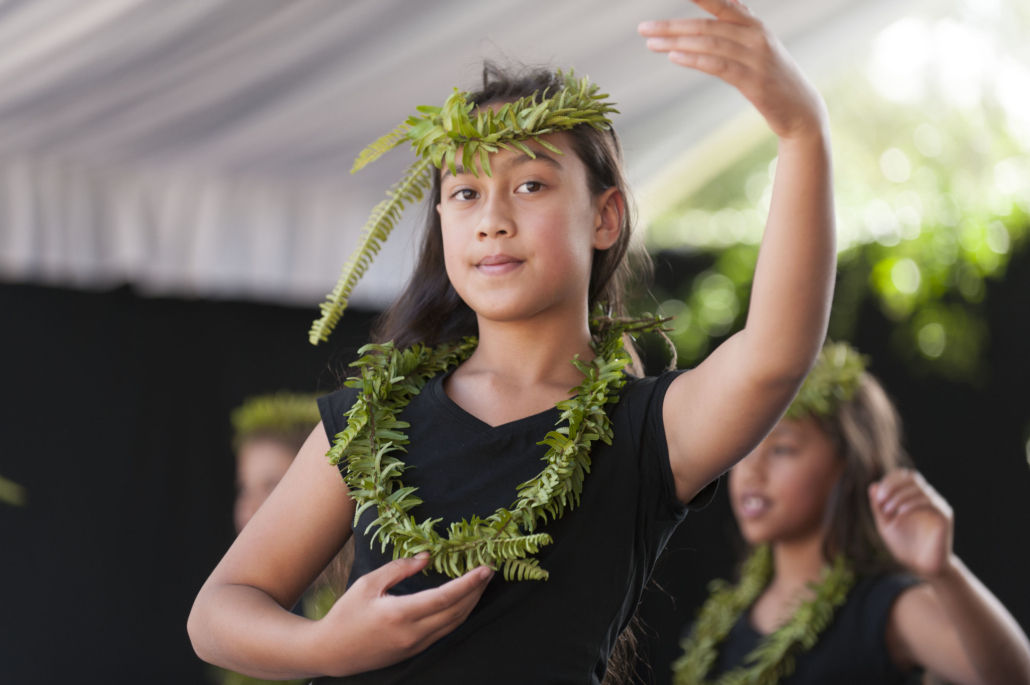
Indigenous Hawaiians face a history of educational disparities. According to the 2019 U.S. Census Bureau, only 10.6% of Native Hawaiians or part-Hawaiians earn an associate degree or higher. Native Hawaiian or other Pacific Islander students only made up 0.3% of all associate degrees. Social factors such as homelessness, substance abuse, degradation of cultural values and the government not funding education for Native Hawaiians can explain the educational disparities. Different legislations and NGOs have taken action which recognize the unique need for education for Native Hawaiians.
Native Hawaiian Education Act
In 1981, the Office of Education submitted a comprehensive report, stating that Hawaiians score below parity in education, directly related to cultural factors. The passing of the Native Hawaiian Education Act in 1988 was a piece of legislation that was the start of recognizing the unique educational needs that Native Hawaiians require. The purpose of the Native Hawaiian Education Act is to develop and expand on various educational programs that aim to assist education for Native Hawaiians. These programs include early educational care, beginning literacy programs and professional development for educators. These programs focus on the idea that Native Hawaiians are a unique cultural group that requires a culturally appropriate curriculum to thrive.
Due to the Native Hawaiian Education Act, Congress has consistently provided funding to address the educational gap between Native Hawaiians and other racial groups. In 2020, only 35% of Native Hawaiians enrolled in college upon graduation. The Native Hawaiian Education Act provides scholarship and college transition opportunities.
Native Hawaiian Education Council
Recognizing that education for Native Hawaiians requires more support, the act called for the establishment of a council in 1994, known as the Native Hawaiian Education Council. The purpose of the Native Hawaiian Education Council is to “coordinate the educational and related services and programs available to Native Hawaiians, … assess the extent to which such services and programs meet the needs of Native Hawaiians; and provide direction and guidance, through the issuance of reports and recommendation, to appropriate Federal, State and local agencies in order to focus and improve the use of resources… on Native Hawaiian education.” In 2022, the council was able to give funding for Hawaiian language instruction, a cultural-based curriculum and address mental health needs for Native Hawaiian students.
Lumina Foundation Donates to the University of Hawai’i
Only 10.6% of Native Hawaiians over the age of 25 have earned an associate’s degree. To aid the effort to provide education for Hawaiians, the Lumina Foundation donated $575,000 to the University of Hawai’i in 2022. Lumina Foundation announced that the funding was dedicated to increasing the share of Native Hawaiians, Pacific Islanders and Filipinos earning college credentials in Hawaii. The University of Hawai’i is set to raise attainment rates by 5% for these ethnic minorities in the next four years. The university will also use part of the funding to expand professional development to professors so they are capable of teaching Native Hawaiians, Pacific Islanders and Filipinos in a culturally inclusive way.
– Yana Gupta
Photo: Flickr
