The Steps Toward Malawi Debt Restructuring
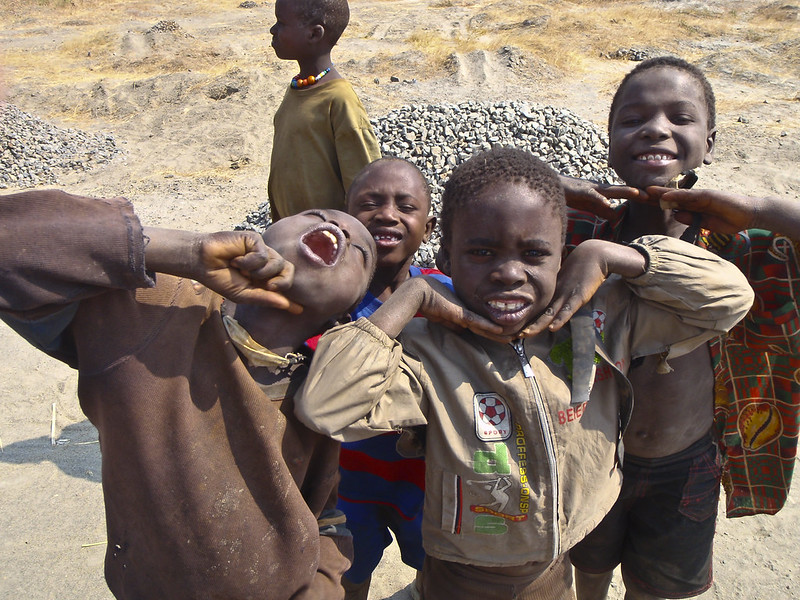
Malawi is a country located in Southeast Africa. Boasting natural beauty and a rich culture, Malawi has a diverse landscape. The nation has been incredibly resilient in recent years, continuing to grow and persevere through economic challenges. Malawi has had a complex debt situation for decades. To try and support its development goals, Malawi borrowed money. The country now faces an extreme debt burden, putting the citizens in unsafe, vulnerable positions. This debt halts Malawi’s economic and social development.
Debt History
In 1964, Malawi gained its independence from Britain. The country’s debt journey began soon after that, in the 1970s, when it started borrowing money to fund social programs and new infrastructure projects. The first loans to the country came from Western banks and numerous government programs.
Malawi’s economic stability relies heavily on agricultural exports. So, when interest rates started to rise, and the price of exports dropped, debt began to build up quickly. In the 1980s and 1990s, about $100 million of debt payments departed from Malawi each year. As the debt kept adding up, Malawi was scrambling to find solutions. The economy started to decline significantly, prompting their decades of struggle with debt.
To combat this, the IMF and World Bank started the Heavily Indebted Poor Countries (HIPC) initiative to help developing countries with debt. This initiative allows governments to regain 100% debt relief from the African Development Fund, World Bank and IMF. In 2006, the HIPC initiative authorized Malawi to get $2.3 billion of debt canceled. Annual debt repayment improved, and the conditions for citizens did, too. Now, Malawi could focus money on social programs instead of repaying debt.
Current State
The struggle with debt began again around 2015. As export prices decreased, Malawi looked to borrow money to support themselves. Malawi has few options for increasing revenue besides agriculture, so as droughts rose and sustainability declined, the country ran into trouble. Malawi was hit hard by the COVID-19 pandemic, too. Restrictions and lockdowns furthered the economic burdens. Most agricultural movements stopped, and many citizens lost their jobs. Extreme poverty rose, as did food insecurity. To bounce back from the pandemic, Malawi reached out for help.
In 2023, Malawi currently has $1.2 billion owed in external debt. The country owes $495 million to the African Export-Import Bank and $337 million to the Trade and Development Bank. These two make up the bulk of money Malawi owes. The others include the Export-Import Bank of China and the Export-Import Bank of India. For a developing country, this is a large amount of debt to repay. However, Malawi is optimistic about the restructuring of this debt.
Future Plans
Malawi has a plan for taking care of its debt. The Malawi finance minister announced on September 5, 2023, that he was optimistic about Malawi’s debt restructuring. The country seeks a new IMF loan by the end of the year. The African Export-Import Bank and the Trade & Development Bank have already signed the restructuring. Malawi still needs the India and China Export-Import banks to sign to guarantee the IMF loan.
The minister stressed the resilience Malawi has built these last few years and the difficulties they have overcome. The country continues to break through despite unforgiving conditions. The main setback that Malawi faces now is a need for more foreign currency.
The IMF has tirelessly supported Malawi and sent a team to work with the government. The IMF has implemented new programs for debt restructuring in Malawi. One strategy that the IMF proposed was adopting market reforms. Doing this would stabilize their debts and allow economic growth.
Malawi is gaining momentum with restructuring the debt and is hopeful it will continue. Malawi’s debt-to-GDP ratio currently stands at 73%. By adopting new strategies and gaining support from international organizations, Malawi could restructure its debt sustainably and efficiently.
– Madison Rogers
Photo: Flickr
