How USAID Programs in Russia Have Addressed HIV/AIDS and TB
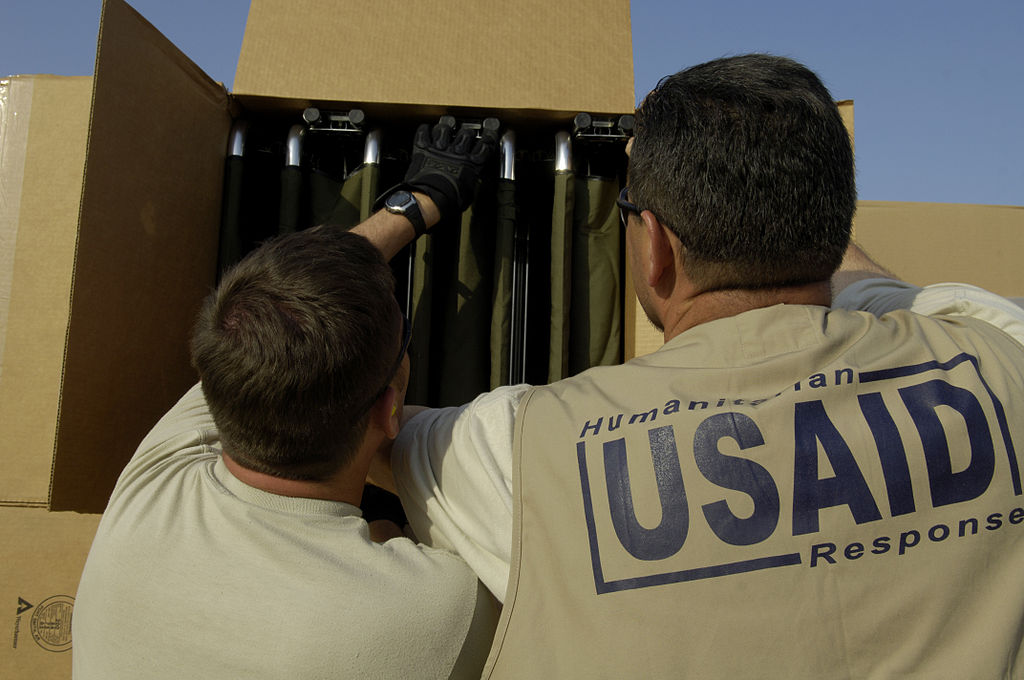 As the U.S. government considers further cuts to international assistance, USAID programs in Russia can show what the U.S. can accomplish when it comes to combating disease and poverty. However, it also can be a cautionary tale of what can happen to a country’s most vulnerable when USAID programs are suddenly cut without an adequate replacement.
Starting in 1992, after the end of the Cold War and the fall of the Soviet Union, the United States began a robust program of assistance to the new Russian Federation starting with the Freedom Support Act authorizing USAID to begin work in Russia. USAID programs in Russia included initiatives to assist with democratic reform, market assistance, anti-corruption programs, but mostly important disease eradication.
USAID’s Fight Against TB and HIV/AIDS in Russia
USAID programs in Russia fought both tuberculosis and HIV/AIDS. Starting in 1999, USAID began to focus specifically on drug-resistant tuberculosis (TB), which had become a major issue in the former Soviet Union, especially in Russia. According to William B. Taylor, coordinator of U.S. assistance to Newly Independent States, in 1999, USAID was critical to coordinating between Russian authorities, the World Health Organization (WHO) and the Red Cross to combat TB, starting in three provinces and then the rest of Russia. Additionally, USAID also helped provide more than $200 million in critical medical supplies.
By 1999, the spike of TB incidence finally ended and began to decline through the early 2010s. TB mortality rates also declined and experts attributed much of this progress to early detection and prevention programs in Russia.
Additionally, USAID was instrumental in fighting HIV/AIDS in Russia on several levels; increasing coordination between Russian and American biomedical researchers, assisting with vaccine development, infection prevention, treatment and increasing awareness among Russian business and civic leaders. In 2010, USAID funded the HIV Prevention for At-Risk Populations in Russia program, which treated thousands in the city of Kazan alone.
The Current Situation
According to former U.S. ambassador to Russia, Michael McFaul, “Over the last twenty years, the USAID Mission in Russia has worked with Russian government officials and Russian non-governmental organizations to achieve a remarkable record of success.” However, in 2012, due to rising tensions between the Russian and U.S. governments, Vladimir Putin ordered USAID to cease its operations in Russia.
The Russian government argued that Russian society had moved past the need for external aid. In reality, living conditions in Russia have continued to be extremely difficult. By 2018, Russia became the third-highest country for TB infection, largely due to its inability to follow WHO guidelines.
The Russian Red Cross had to end five different programs dedicated to fighting TB since it received funding from USAID. That being said, thanks to continued funding and cooperation with other international organizations, TB mortality and incidence rate continues to modestly decline, despite setbacks. However, much of the progress in fighting HIV/AIDS in Russia has suffered major reversals. By 2017, Russia had the largest number of HIV-positive individuals in Europe. As of 2024, 30,000 Russians annually are estimated to have died from HIV/AIDS.
Looking Ahead
The history of USAID programs in Russia highlights the danger of suddenly turning off humanitarian aid. In 2025, freezes of USAID funding in places like Ukraine have threatened HIV treatment, endangering more than 116,000 people. However, that history also serves as an encouragement of what is possible with U.S. support.
– Joseph Laughon
Joseph is based in Sacramento, CA, USA and focuses on Good News for The Borgen Project.
Photo: Wikipedia Commons
