WHO and Africa CDC Work To Curb the Spread of Mpox in Africa
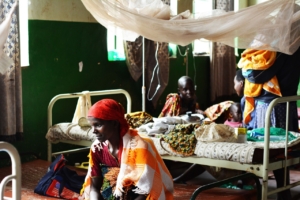 In August 2024, the Africa Centers for Disease Control and Prevention (CDC) declared that Mpox infections had become a Public Health Emergency of Continental Security (PHECS). To combat the spread, the Africa CDC and World Health Organization (WHO) created a Joint Continental Preparedness and Response plan.
The original plan garnered positive results but not at the rate required to diminish the growth of the infection fully. Together, the Africa CDC and WHO are reworking the plan, hoping to accomplish the goals laid out.
Mpox in Africa
When the original plan was created in 2024, the spread of the disease occurred rapidly from sexual or close contact. It began in the Democratic Republic of the Congo (DRC) and quickly traveled to Burundi, Kenya, Uganda and Rwanda. Today, Mpox is present in 28 countries worldwide. However, outside of Africa, the cases are travel-related and rare.
Inside Africa, it is reported to have spread to the Republic of the Congo, South Africa, South Sudan, the Republic of Tanzania and Zambia. Prior to the PCEHS declaration, Mpox vaccines were not available in underdeveloped or developing countries despite originating in the DRC.
The Joint Continental Preparedness and Response Plan
The Joint Continental Preparedness and Response Plan, in its original efforts, focused on 10 key pillars in its efforts: coordination, risk communication and community engagement, disease surveillance, laboratory capacity, clinical management, infection prevention and control, vaccination, research, logistics and maintaining essential health services.
These pillars have managed to get more than 650,000 people vaccinated within the six countries at the highest risk. Of the vaccinations, 90% were administered in the DRC. Overall, more than one million vaccines were administered over the 10 listed countries and efforts to reduce the spread of Mpox in Africa through the implementation of the vaccination plan have not ceased.
The New Plan
The new plan, which still includes these pillars, intensifies the focus on controlling outbreaks and implementing Mpox prevention into routine health services. After the emergency period ends in August of 2025, the WHO and Africa CDC want the health services to continue. The aim is to prevent the further spread of Mpox in Africa.
To ensure this, the organizations agreed to continue to support countries in continuing the PHECS strategies. Beyond this, they aim to expand community engagement to strengthen the effectiveness of health strategies. Essentially, they will enhance and optimize each pillar, intending to finish the changes by the end of May 2025.
Final Remarks
With the reworking of the Joint Continental Preparedness and Response Plan, the WHO and African CDC hope to garner even more success in curbing and eradicating the spread of Mpox in Africa. Combating Mpox is not just a regional issue; it’s a test of our global commitment to health equity.
– Abby Buchan
Abby is based in York, PA, USA and focuses on Global Health for The Borgen Project.
Photo: Pixabay
