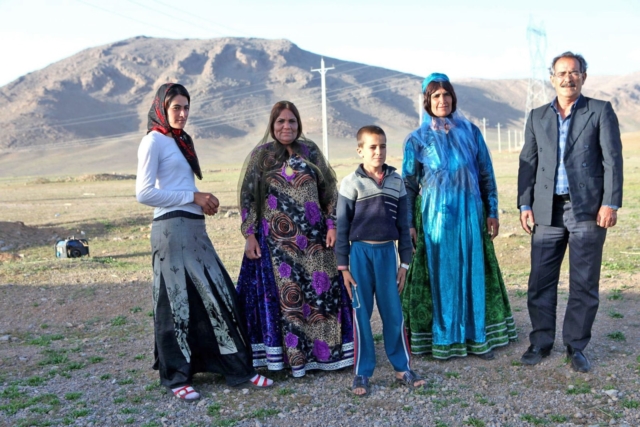
 As the virus rapidly spread across countries, COVID-19 turned the whole world upside down. This inevitably brought many changes to people’s lives, from social interactions and daily activities to health concerns and working habits. The pandemic also heavily affected Iran. According to the Middle East Institute, the unemployment rate rose from 20% to 35% just a few months after the outbreak, providing some insight into the impact of COVID-19 on poverty in Iran.
The Impact of COVID-19 on Poverty in Iran
The Iranian government has implemented several COVID-19 restrictions. According to Medical Press, the latest policies included the closure of non-essential shops, government buildings and banks. In addition, Iran implemented travel bans and the closure of some businesses to slow down the spread of the virus.
The pandemic has exacerbated Iran’s economic crisis and saturated its health system, with daily cases reaching a record of 39,600 as of August 8, 2021. With thousands of deaths and a declining economy due to government restrictions, many people experienced anxiety, stress, depression and other mental health issues. As the Mental Health Foundation states, “Poverty increases the risk of mental health problems and can be both a causal factor and a consequence of mental” illness.
Government restrictions, along with the other effects of the pandemic in the country, inevitably had an impact on people’s well-being. An International Journal of Mental Health Systems study showed that, during the COVID-19 outbreak, the Iranian population faced a significant mental health problem. In fact, about 15.1% and 20.1% of the general Iranian population, respectively males and females, experienced significant anxiety and depressive symptoms.
The numbers that emerged from the study show evident mental health impacts affecting a large portion of the population. However, the country might find some hope thanks to the Iranian government’s response.
Iran’s Response Plan
In this context, the Department for Mental Health and Substance Abuse of the Ministry of Health and Medical Education of the Islamic Republic of Iran established a plan to provide essential services for mental health, such as consultation support. The Ministry first implemented an assessment to determine the needs of Iran’s population regarding mental health and what the mental health system would need in the case of finances and infrastructure.
The identification of the population’s needs following the assessment resulted in the creation of training programs for mental care staff to best support the population. It also led to the implementation of several measures that prioritized the issues emerging from the collected data. Three weeks after the first outbreak of the pandemic, the Ministry of Health and Medical Education created a helpline across the national territory so that Iranians could have access to the essential services that mental health professionals provide. In the first nine months, the helpline received an average of 5,130 calls daily.
In addition, the government launched programs focusing on the well-being and mental state of COVID-19 survivors, such as psychological counseling sessions to support citizens facing mental repercussions after contracting the virus and people enduring significant losses due to the pandemic.
Mental Health Services in Iran and Digitalization
The pandemic inevitably led to great transformations, which include accelerating digitalization throughout the world. In Iran, mental health services reflected this change as these services adapted to meet social distancing policies. These services are, in fact, remote as well. In collaboration with the Ministry of Information and Communications Technology, the government developed a virtual platform that guarantees easier access to psychological support and mental health care. The government established the platform along with the helpline, in order to support those in need of deeper psychiatric mental care and people with significant anxiety and depression issues.
To recover from the COVID-19 crisis, mental health interventions are important. As a World Health Organization (WHO) report states, “Previous experiences from other crises have confirmed that timely mental health intervention is critical for medical staff caring for patients, in this case, those affected by COVID-19.” Mental health issues can, in fact, significantly affect the confidence and skills of medical staff. In addition to the physical impacts of COVID-19, the mental conditions fueled by poverty in Iran require addressing to ensure the well-being of Iranian citizens across the country.
The implementation of a series of policies focusing on mental health in Iran reflects a positive move toward an efficient and steady recovery from the pandemic’s social and economic crisis. Through continued work, measures could reduce the overall impact of COVID-19 on poverty in Iran.
– Arianna Pappone
Photo: Flickr
 The COVID-19 pandemic has proven to be a global risk on many fronts other than health. As lockdowns extend and new variants claim dominance, countries are finding it challenging to fight poverty. In the east, the impact of COVID-19 on poverty in Ukraine could reverse multiple years of joint efforts for the country to gain economic stability. In response, the Ukrainian government is taking action to boost domestic economic value while the World Bank
 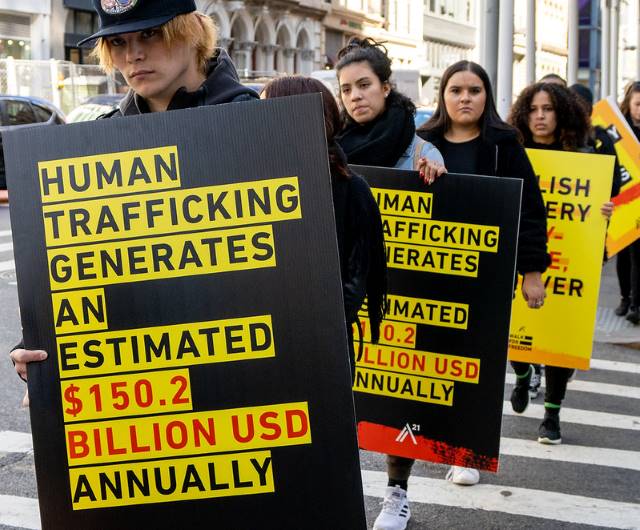 The Republic of Poland, located within central Europe, is one of the many European countries that human trafficking has affected. Human trafficking is a complex global issue that is extremely difficult to eliminate as it is often invisible and difficult for authorities to track. In Poland, children and women are common targets for traffickers. Victims often come from low-income areas and have little legal protection, making it easier for traffickers to transport victims to and from Poland. In order to eliminate human trafficking in Poland, the country must address underlying issues, such as poverty.
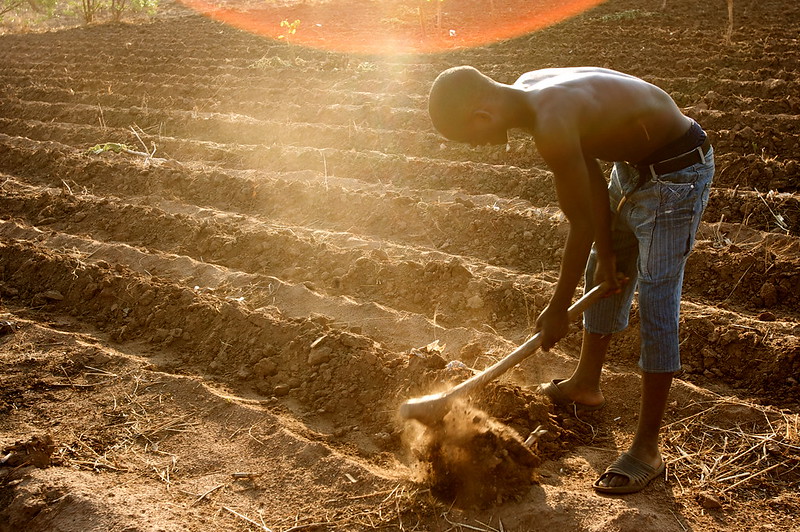 Brazil, among other countries, has been ravaged by the COVID-19 pandemic, suffering one of the
  The
The The year 2020’s sudden outbreak of COVID-19 caught many countries off guard. The U.S. is demonstrating its status as a global superpower by releasing economic, medical and other foreign aid during COVID-19.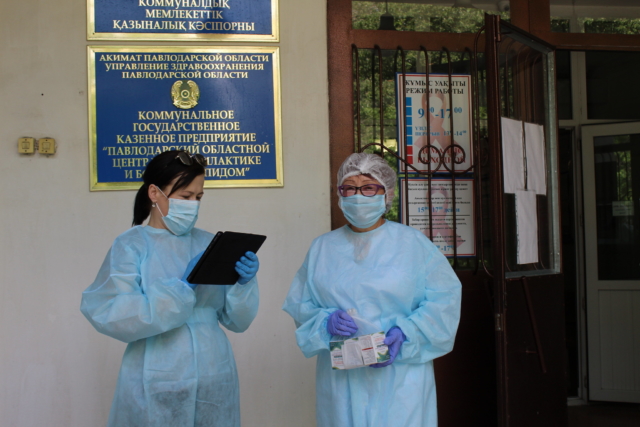

 Connecticut Senators Chris Murphy (D-CT) and Richard Blumenthal (D-CT) have long been advocates for aid-based foreign policy. Frequently, they try to increase the presence of the United States on the global stage. As a member of the Foreign Relations Committee, Murphy has a clear vision of progressive U.S. foreign policy, while Blumenthal has a similar vision of foreign involvement and humanitarian assistance.