• Link to X
  • Link to Facebook
  • Link to Instagram
  • Link to TikTok
  • Link to Youtube
  • About
    • About Us
      • President
      • Board of Directors
      • Board of Advisors
      • Financials
      • Our Methodology
      • Success Tracker
      • Contact
  • Act Now
    • 30 Ways to Help
      • Email Congress
      • Call Congress
      • Volunteer
      • Courses & Certificates
      • Be a Donor
    • Internships
      • In-Office Internships
      • Remote Internships
    • Legislation
      • Politics 101
  • The Blog
  • The Podcast
  • Magazine
  • Donate
  • Click to open the search input field Click to open the search input field Search
  • Menu Menu

Archive for category: Aid

Aid, Global Poverty

LIFT Program in St Kitts and Nevis Improves Family Poverty

LIFT ProgramHome to almost 47,000 people, St Kitts and Nevis are two small islands in the West Indies, located in the Leeward Islands chain of the Lesser Antilles in the Caribbean Sea, St Kitts being the larger island of the two. Struggling with poverty, the two islands have been heavily focusing their efforts on poverty reduction, developing better social security, healthcare and education benefits, one of the most impactful programs being The Livelihood Improvement for Family Transformation (LIFT) program.

New and Improved

The LIFT Program in St Kitts and Nevis aims to replace the previous program, “Poverty Alleviation Program (PAP),” which the government made to relieve poverty within a specific region or country. Instead of simply supplying citizens with necessities and short-term solutions like the PAP Program, the LIFT Program set out to further reduce poverty by focusing on long-term sustainability and self-sufficiency. This newly developed program provides training that will further improve citizens’ skills that will help them sustain themselves while still offering direct financial assistance.

The previous PAP program helped close to 4,000 families, as of 2019. However, in just one year, the LIFT Program has already helped more than 4,300 households, making it a more impactful and effective program for low-income people in St Kitts and Nevis.

Better Lives for Families and Children

Child poverty is one of the most significant issues in St Kitts and Nevis, with 31% of children living in poverty. However, the LIFT Program is highly centered around family and child social benefits, working to reduce and prevent child poverty.

Prioritizing unemployed families, single parents, and those with disabilities, the LIFT Program in St Kitts and Nevis actively helps people provide for their families and create a safe and healthy environment for their children. By providing cash transfers, they open low-income families to more financial opportunities, like more nutritious food, easier access to high-quality health care, and better equipment for schooling.

Alongside daily financial assistance, the LIFT Program also provides aid during natural disasters or other emergencies where the family may need immediate financial help.

While adult poverty is not as widespread as child poverty, it is still a prevalent issue, with 17% of adults living in poverty. The ongoing family support from the LIFT Program helps adults get back on their feet, teaching them necessary life skills that will help them self-sustain and prevent their own downward spiral into poverty.

The Future of St Kitts and Nevis

The LIFT Program in St Kitts and Nevis is still new, only recently put in place to better the countries quality of life. However, with its continuous development and promising results, the program brings hope for those most in need. Alongside other social programs, improving education and healthcare, and the nation’s growing community, the LIFT Program will build a better future for families and children of St Kitts and Nevis.

– Sevyn Whatley

Sevyn is based in Fort Collins, CO, USA and focuses on Global Health and Politics for The Borgen Project.

Photo: Flickr
June 25, 2025
https://borgenproject.org/wp-content/uploads/borgen-project-logo.svg 0 0 Naida Jahic https://borgenproject.org/wp-content/uploads/borgen-project-logo.svg Naida Jahic2025-06-25 07:30:392025-06-24 13:49:16LIFT Program in St Kitts and Nevis Improves Family Poverty
Aid, Global Poverty, Nonprofit Organizations and NGOs

Responding to Crisis: IF Charity in Gaza

Responding to Crisis: IF Charity in GazaEstablished in 2002, IF Charity has spent more than two decades providing aid in Gaza. In an interview conducted by The Borgen Project, longtime volunteer Souad Mh discussed the organization’s key programs, challenges and ongoing efforts to deliver support in a conflict-affected region.

Origins and Mission

Souad’s involvement with the Palestinian cause began 20 years ago, when she helped a friend in Morocco raise funds by selling items at a mosque. After moving to the United Kingdom (U.K.) in 2018, she sought to continue her efforts and found Interpal, the organization that preceded IF Charity. Political challenges eventually led to Interpal’s closure and IF Charity emerged in its place with a continued focus on providing life-saving aid to Gaza. Souad believes that the cause itself sets the charity apart. “I think it hurts a lot to see someone suffering or going through hardship nonstop,” she said.

Education Reborn

Education Reborn, one of IF Charity’s signature programs, focuses on restoring learning opportunities for children in Gaza whose schools have been destroyed. The organization supplies essential materials such as tables and books, aiming to ensure that children have the tools and spaces needed to continue their education.

IF Charity also invests in community infrastructure. Its community development program supports water and desalination plant construction, which provides clean water to families and reduces the need for young people to travel long distances. The time saved allows youth to participate in education or pursue job opportunities through the charity’s job creation initiatives.

Food and Energy Security

According to IF Charity’s 2023 to 2024 action report, 90% of people in Gaza experience food insecurity. To address this, the charity distributes vegetable baskets and food parcels. During Ramadan 2024, the organization provided food parcels to 2,338 families. To tackle frequent electricity outages, IF Charity installed solar panels in North Gaza. These panels also support water extraction from wells, contributing to both energy and water access. The charity also organized an Eid fun day in 2024 to provide emotional relief and a sense of normalcy for children and families affected by ongoing conflict.

Overcoming Barriers

Despite its impact, IF Charity faces numerous obstacles. Infrastructure destruction — including hospitals, power lines and roads — hinders aid delivery. Blockades further restrict access to essential supplies. While the organization constructs makeshift clinics and supplies medicine to the extent possible, needs remain high.

Another significant challenge is the transfer of donations. Souad described the difficulty she experienced after raising more than £6,000 for Gaza during Ramadan. Banks refused to transfer funds directly to Gaza, citing restrictions. She explained, “They were happy with it to go to any other country besides Gaza.” Attempts to reroute donations through Türkiye also failed due to bank complications and even IF Charity was unable to accept the funds due to regulatory concerns.

Additionally, the charity faces limitations on social media. Its Instagram page has been shadow-banned, meaning that posts do not appear in users’ feeds and tagging volunteers is restricted. Souad said, “So many hours that the person [spends]… to post pictures, videos,” yet the content does not reach the intended audience.

Looking Ahead

As IF Charity navigates operational hurdles, it continues to create spaces for global participation through events that raise both awareness and support. Annual initiatives in Morocco and Istanbul allow donors and volunteers to engage directly with the charity’s mission while fostering a broader network of solidarity. Despite ongoing challenges, IF Charity remains focused on expanding its reach and sustaining critical aid programs. With continued collaboration and visibility, the organization aims to strengthen its long-term impact in Gaza and beyond.

– Maryam 

Maryam is based in the UK and focuses on Good News and Politics for The Borgen Project.

Photo: Flickr
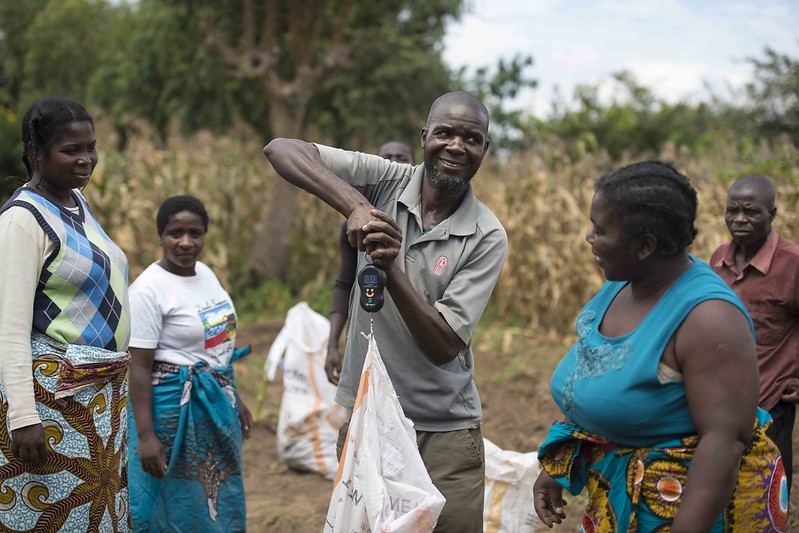
June 24, 2025
https://borgenproject.org/wp-content/uploads/borgen-project-logo.svg 0 0 Precious Sheidu https://borgenproject.org/wp-content/uploads/borgen-project-logo.svg Precious Sheidu2025-06-24 07:30:332025-06-23 10:17:27Responding to Crisis: IF Charity in Gaza
Aid

Malnutrition in Gaza: An overview

malnutrition in gazaOn March 2, 2025, authorities enforced a total siege. As a result, all humanitarian aid is prevented from entering Gaza. Trucks full of food, medicine and supplies are stuck rotting at the borders. As of May 12, 2025, humanitarian aid organizations such as the World Food Program (WFP) were nearly or completely out of supplies. Today, the entire 2.1 million population of Gazans face food shortages, and more than 500,000 are acutely malnourished.

Gaza’s Children are Starving

Food insecurity is urgent for children and breastfeeding mothers. Out of the 1.1 million children living in the Gaza Strip, nine out of 10 are experiencing severe food poverty, according to Save the Children. As of June 5, 2025, 2,700 children under the age of 5 are experiencing severe acute malnutrition (SAM). According to the World Health Organization (WHO), 15.6% of Gazan children under age 2 are acutely malnourished. This represents an exponential increase compared to the 0.08% in children under the age of 5 before the recent conflict.

Due to food blockades, families are consuming two or fewer low-nutritional-value meals per day, often eating animal feed and foliage. The Ministry of Health estimated that 57 Gazan children have died from starvation since March of this year. This statistic is likely an underestimate. The U.N.-backed Integrated Food Security Phase Classification (IPC) assessment states that 93%, approximately 930,000 children, are at risk of famine.

Illness and Malnutrition in Gaza

Malnutrition is detrimental in growing children, as young bodies are unable to fight illness and heal from injuries without proper nutrition intake. Poor nutrition weakens the immune system and prevents nutrient absorption, making children more susceptible to diarrhea, pneumonia and measles, according to WHO. To heal from sickness, children must consume more food, which is unattainable in Gaza at this time. This creates a vicious starvation cycle. Inadequate childhood nutrition has a lifelong impact. Long-term malnutrition stunts growth and impairs cognitive function, ultimately lowering a population’s overall well-being. Consequently, an entire generation is predisposed to poverty.

Implications on Breastfeeding and Pregnant Mothers

As of spring 2025, 17,000 Gazan mothers could receive treatment for acute malnourishment in the coming year, according to the WHO. Breastfeeding mothers need proper nutrition to produce milk for their babies. Breastmilk is the sole source of nourishment for infants under six months. Without adequate maternal nutrition, infants can not consume the breastmilk they need to build immunity towards disease and infection. As a result, malnutrition in Gaza is amplified.

Healing Pediatric Malnutrition in Gaza

As of May 2 aid siege, medical supplies are scarce. No food, medicine or fuel has entered the Gaza Strip in 10 weeks. The United Nations Relief and Works Agency (UNRWA) has run out of flour and hot food parcels. Their medical supplies are one-third of the way gone. The WHO’s 19 malnutrition treatment centers collectively hold the supplies to treat 500 children for acute malnutrition. This is a fraction of the 70,000 Gaza children in need of immediate care. Despite the scarcity, there are solutions to end malnutrition in Gaza.

Throughout 2024, the WFP delivered 10 million hot meals across Gaza, many of which have gone to children. Legumes, wheat products, seeds, vegetable oils, energy bars, biscuits and salt have been delivered to Gazan families. These packages are vital in preventing malnutrition in Gaza.

Ready-to-use Therapeutic Food (RUTF) is a nutritionally dense paste fed to malnourished children 6 months to 5 years old. UNICEF is primarily responsible for distributing RUTF in the Gaza Strip. RUTF is a lipid-based paste made from peanuts, sugar, milk powder, oil and essential vitamins and minerals. The fat-based formula allows nutrients to be easily absorbed. Depending on their condition, children are given several RUTF sachets per day. The home-based, ready-to-eat formula makes this paste outstanding at healing malnutrition. It has a 90% success rate in healing children from severe acute malnutrition. In 2024, UNICEF sent 1,500 boxes of RUTF to Northern Gaza.

As soon as blockades rise, there is enough food to feed 1 million children for four months. Treatment is attainable; only access must be granted.

– Helen Cusick

Helen is based in Minneapolis, MN, USA and focuses on Good News, Global Health for The Borgen Project.

Photo: Flickr

June 19, 2025
https://borgenproject.org/wp-content/uploads/borgen-project-logo.svg 0 0 Naida Jahic https://borgenproject.org/wp-content/uploads/borgen-project-logo.svg Naida Jahic2025-06-19 01:30:002025-06-19 00:32:23Malnutrition in Gaza: An overview
Aid, Global Poverty, Nonprofit Organizations and NGOs

Local Solutions Drive Madagascar’s Poverty Solutions

Madagascar's poverty solutionsMadagascar, the world’s fifth-largest island, is renowned for its unique biodiversity and natural resources. Yet, the country faces persistent poverty, with 75% of its population living below the national poverty line as of 2022. Rural areas are particularly affected, with poverty rates reaching 79.9%. Political instability, limited infrastructure and changing weather patterns destabilize the region and exacerbate the situation.

Battling Hunger and Malnutrition

Since 2019, the southern regions of Madagascar have been grappling with severe droughts, leading to famine-like conditions. Approximately 1.3 million people are food insecure, with malnutrition rates among children under 5 doubling in recent years. In response, the World Food Programme (WFP) and UNICEF have collaborated to deliver life-saving nutrition supplies, such as Plumpy’Sup, to malnourished children in remote areas. Innovative methods, including Unmanned Aircraft Systems, have been employed to reach isolated communities.  

Madagascar’s reliance on rain-fed agriculture makes it vulnerable to the harsh climate. Prolonged droughts have devastated crops, leading to food shortages and economic hardship. To combat this, Madagascar’s poverty solutions include programs promoting climate-smart agriculture. These initiatives teach farmers sustainable practices, such as using drought-resistant crops and mulching, to improve food security and protect the environment. 

International Support and Development Projects

The U.S. Agency for International Development (USAID) committed $22.1 million to support Madagascar’s southern regions through projects like Vikina and Harea. These initiatives aim to build resilience, improve food security and promote sustainable farming practices. Additionally, USAID’s Mikajy project focuses on linking biodiversity conservation with sustainable livelihoods. By supporting community-based enterprises and introducing conservation farming, the project helps communities achieve economic growth while preserving natural resources.

In 2023, the World Bank approved a $250 million credit to expand access to social protection for extremely poor households across all 23 regions of Madagascar. The initiative aims to strengthen the national safety net system and improve household resilience to economic and climate-related shocks. In the same year, the World Bank committed an additional $400 million to the Digital and Energy Connectivity for Inclusion in Madagascar Project (DECIM). This program aims to double the country’s energy access from 33.7% to 67% and expand internet connectivity by reaching 3.4 million new users. The investment supports long-term development by promoting digital inclusion, clean energy and infrastructure growth.

Community-Driven Initiatives

Local communities are also taking action in Madagascar’s poverty solutions by preserving their lush forests. Reforestation projects, such as those by Eden Reforestation Projects, aim to restore mangroves and upland forests while providing both environmental benefits and employment opportunities.  In the Makay region, eco-tourism initiatives promote low-impact tourism, generating income for local communities while funding conservation efforts. Microfinance programs, like those supported by Money for Madagascar, empower individuals to start small businesses, fostering economic independence and community development. 

Looking Ahead

By focusing on sustainable development, climate resilience and economic empowerment, Madagascar continues to build a path toward resilience and improved well-being for its people.

– Giovanni Garcia

Giovanni is based in Long Beach, CA, USA and focuses on Good News and Politics for The Borgen Project.

Photo: Flickr

May 21, 2025
https://borgenproject.org/wp-content/uploads/borgen-project-logo.svg 0 0 Precious Sheidu https://borgenproject.org/wp-content/uploads/borgen-project-logo.svg Precious Sheidu2025-05-21 01:30:552025-05-20 01:30:50Local Solutions Drive Madagascar’s Poverty Solutions
Aid, Global Poverty, Poverty Reduction

Catalonia’s UBI Program: A Bold Strategy for Poverty Reduction

Catalonia’s UBI ProgramIn 2024, Catalonia launched one of Europe’s most ambitious Universal Basic Income (UBI) initiatives. The year 2025 marks the first full year of its UBI pilot program, with 5,000 residents receiving unconditional monthly payments of $906 for adults and $400 for children. Catalonia’s UBI program reflects a growing interest in new economic security solutions across Europe. It aims to reduce poverty while improving mental health and employment flexibility.

The Government of Catalonia tasked the Office of the Pilot Plan for UBI with managing the two-year experiment. The team selected the 5,000 participants from two groups: 2,500 randomly chosen across Catalonia and 2,500 residents of two lower-income villages. The pilot aims to assess the effects of unconditional cash distributions on various social and economic outcomes, which do not replace any existing benefits. This approach allows for a comparative analysis to determine the true efficacy of unconditional income in improving social and economic conditions.

Results Are Yet To Be Seen

The Catalan government has not released any official outcome data. A comprehensive evaluation of Catalonia’s UBI program will occur in 2026 when researchers assess income changes, employment, health and well-being across recipients and a designated control group. Sociologist Sergi Raventós, who initially implemented the program, emphasized, “This is the first time something like this has been done anywhere in the world.”

In an interview with InfoLibre, Raventós spoke about his belief that UBI should serve as a central redistributive tool for the 21st-century welfare state. He has also previously stated that recipients of UBI often report lower stress and greater freedom to make meaningful life decisions. Results from other UBI programs back up this assertion. However, given the novelty of Catalonia’s pilot program, such results remain impossible to predict before the release of official data.

Learning From Global Examples

Catalonia’s UBI program builds on lessons from earlier UBI trials around the world. From 2017 to 2018, Finland tested a UBI pilot that gave 2,000 unemployed people $635 monthly. Although the funds didn’t significantly impact employment rates, participants experienced reduced anxiety, higher life satisfaction and increased confidence. Many used the income to invest in personal projects, such as starting businesses, volunteering or focusing on education.

Similarly, in the United States, the SEED program in Stockton, California, gave 125 people $500 per month for two years. Recipients found full-time jobs at double the rate of non-recipients and reported improved emotional health. These findings suggest that UBI can enhance well-being, even without major effects on employment outcomes.

However, Catalonia’s pilot program is unique in its effort’s scale and duration. The program includes a larger sample size, higher monthly payments and a design that reaches urban and rural communities. The Catalan team is also collaborating with academics to ensure rigorous evaluation to help determine whether UBI improves recipients’ quality of life across various metrics.

Implications for Global Poverty Strategy

The results of Catalonia’s UBI program may likely influence poverty policy across the globe. Governments in South Korea, Kenya and Brazil have also explored unconditional payments, though few programs match Catalonia’s scope.

The Catalan program’s results will provide more substantive data on whether direct cash support helps people escape cycles of low-income instability. As cost-of-living crises grow worldwide, Catalonia’s experiment could change how countries think about poverty, security and the role of government in economic planning and dignity.

– Kelsey Eisen

Kelsey is based in San Francisco, CA, USA and focuses on Business and Politics for The Borgen Project.

Photo: Flickr

May 20, 2025
https://borgenproject.org/wp-content/uploads/borgen-project-logo.svg 0 0 Hemant Gupta https://borgenproject.org/wp-content/uploads/borgen-project-logo.svg Hemant Gupta2025-05-20 01:30:182025-05-20 01:11:38Catalonia’s UBI Program: A Bold Strategy for Poverty Reduction
Aid, Development, Global Poverty

Nepal’s Poverty Reduction Through Local Solutions

Nepal's poverty reductionNepal, a landlocked Himalayan nation, has made significant strides in poverty reduction over recent decades; however, significant challenges persist, particularly in rural and underdeveloped regions. According to the Fourth Nepal Living Standards Survey (NLSS) 2022–23, the national poverty rate stands at 20.27%. Rural areas are disproportionately affected, with a poverty rate of 24.66%, compared to 18.34% in urban regions. Contributing factors include limited access to essential services such as education, health care and clean drinking water. Youth unemployment remains a pressing issue, with more than 19% of young people unemployed, a figure significantly higher than the national average. This has led to increased migration, both internally to urban centers and externally abroad, as youths seek better employment opportunities.

Government Initiatives

The Nepalese government has implemented several programs aimed at poverty alleviation. The 15th Periodic Plan (2019–2024), developed by the National Planning Commission, focuses on achieving sustainable development goals and transitioning Nepal to a middle-income country. Key objectives include economic diversification, infrastructure development and social inclusion. Another significant initiative is the Prime Minister Employment Program (PMEP), which seeks to provide short-term employment opportunities to unemployed individuals, particularly in rural areas. The program aims to enhance skills and increase income levels among marginalized populations.

International Aid and Partnerships

International organizations have played a crucial role in supporting Nepal’s poverty reduction efforts. USAID has been instrumental in sectors such as education, agriculture and health through financial aid. However, recent budget cuts have led to the suspension of several projects, raising concerns about the continuity of essential services.

The World Bank’s Rural Access Improvement and Decentralization Project has improved rural infrastructure, facilitating better access to markets and services. Similarly, the United Nations Development Programme (UNDP) has supported climate resilience and local governance initiatives, including the implementation of Local Adaptation Plans of Action (LAPAs) that empower communities to address climate change impacts.

Community-Based Efforts

Grassroots organizations have been vital in addressing poverty at the local level. READ Nepal, part of the READ Global network, organizes Community Library and Resource Centers that offer educational resources, vocational training and women’s empowerment programs. These centers have reached millions in rural communities, fostering literacy and economic development while reducing income inequality. The Federation of Community Forestry Users, Nepal (FECOFUN) empowers local communities to manage forest resources sustainably. By providing employment opportunities and generating income from selling forest products, FECOFUN promotes environmental stewardship and economic development.

The Role of Remittances

Remittances from Nepalese working abroad account for a significant portion of the country’s GDP. In 2023, remittances totaled more than $11 billion, accounting for more than 25% of the GDP. These funds have been instrumental in reducing poverty, improving household incomes and contributing to economic stability.

Moving Forward

Nepal’s comprehensive approach to poverty reduction—combining government policies, international aid and community initiatives—demonstrates the effectiveness of collaborative efforts in addressing economic challenges. Continued support and investment in these areas are essential for sustaining progress and achieving long-term development goals.

– Giovanni Garcia

Giovanni is based in Long Beach, CA, USA and focuses on Good News and Politics for The Borgen Project.

Photo: Flickr

May 12, 2025
https://borgenproject.org/wp-content/uploads/borgen-project-logo.svg 0 0 Precious Sheidu https://borgenproject.org/wp-content/uploads/borgen-project-logo.svg Precious Sheidu2025-05-12 01:30:272025-05-11 12:38:15Nepal’s Poverty Reduction Through Local Solutions
Aid, Global Poverty

6 Organizations Helping Refugees from Venezuela in Colombia

venezuela refugees Over the years, Venezuela has been struggling with an unstable economy and poverty across a vast number of its population. In fact, according to the Human Rights Watch (HRW), less than 8.8 million people out of the total population of nearly 29 million are not suffering from multidimensional poverty. That is only about 30% of the entire country’s population. This leads many Venezuelans to leave their country in search of better opportunities that are not present in their country. Most of these people often flee to other Latin American countries, with the most popular place being Colombia, with almost 3 million refugees from Venezuela as of 2023.

However, despite moving to Colombia, they still need support to help them above the poverty line. Fortunately, numerous organizations are assisting the Venezuelans in Colombia to overcome this crisis. Here are a few of them and what they do:

International Rescue Committee

Founded in 1933 by Albert Einstein to help Germans flee the Nazi regime, the International Rescue Committee (IRC) is a humanitarian non-governmental organization that support refugees from and residing all over the world. Later on, it expanded to the rest of Europe and in modern times, it assists refugees from all over the world, including the refugees from Venezuela in Colombia. Its main work in Colombia includes providing access to health care to the Venezuelans and ensuring the safety of their minors. The number of people it helped as of 2020 is 87,000.

HIAS

Originally established in 1903 as the Hebrew Immigrant Aid Society, HIAS is another organization that focuses on global refugee aid. According to its website, HIAS has helped more than 150,000 refugees from Venezuela in their Colombia branch, mainly with economic inclusion programs and giving the refugees legal support for living in the new country.

ZOA International

ZOA International is a non-governmental organization that focuses on improving the living standards of impoverished people in multiple countries, including Colombia. While it does not specifically focus on refugees, the organization has the refugees from Venezuela as a major demographic that it supports in its efforts to help the Colombians in need, as many of them are in the country’s slums.

Its main method of support in the country focuses on providing food, water and implementing hygiene improvements to the people they help. For refugees specifically, it also gives emergency aid to provide them with better access to food and water.

Mercy Corps

Mercy Corps is a non-governmental organization that provides humanitarian aid to countries that are facing some form of insecurity, including economic instability. In Colombia, it helps the country’s most impoverished, including the refugees from Venezuela. In Colombia, its main work for the refugees from Venezuela are mainly emergency support such as money reserves, medical aid and providing internet in their shelters.

Project Hope

Project Hope is an organization that focuses on providing health relief to countries in need. Originally founded in 1958, it has provided health services all over the world by working with other organizations and often help to introduce systemic changes to the country’s health system.

In Colombia, the organization gives to the refugees from Venezuela by helping to train doctors, giving the refugees access to maternal health services and providing them with better access to essential items like pharmaceuticals or other medical supplies.

Education Cannot Wait

Founded in 2016, Education Cannot Wait is an organization working with the United Nations that focuses on giving refugee children better education opportunities, often leading to them breaking the poverty cycles in their families. Its main work in Colombia includes giving the children of the refugees from Venezuela safer environments, especially for female students. According to its website, the organization has helped more than 130,000 children in Colombia.

These are only a few of the organizations that are helping these refugees survive and overcome poverty in their new home of Colombia. While it is unclear if and when the economic crisis in Venezuela will end, the efforts of organizations like these and the people who support them can significantly help fight poverty for the refugees from Venezuela.

– Jose Gabriel Lopez

Jose is based in the United Kingdom and focuses on Good News and Technology for The Borgen Project.

Photo: Flickr

May 11, 2025
https://borgenproject.org/wp-content/uploads/borgen-project-logo.svg 0 0 Naida Jahic https://borgenproject.org/wp-content/uploads/borgen-project-logo.svg Naida Jahic2025-05-11 01:30:562025-05-30 11:00:516 Organizations Helping Refugees from Venezuela in Colombia
Aid, Global Poverty

Turkey’s Approach to Poverty in East Africa

Turkey's Approach to Poverty in East Africa For decades, East Africa has struggled with harsh famines, conflicts and involuntary displacements. Traditionally, nations like the United States (U.S.), the United Kingdom (U.K.) and China have intervened to support stability and poverty alleviation in the region. However, Turkey has emerged as a significant, albeit less publicized, contributor to humanitarian and development efforts in East Africa. In 2023 alone, Turkey invested more than $85.5 billion in infrastructure projects across Africa, with President Recep Tayyip Erdoğan making 30 official visits to the continent, symbolising Turkey’s deep ties to the continent and its commitment to poverty reduction.

Historical Ties to East Africa

Turkey’s engagement with East Africa dates back to the Ottoman Empire, particularly in the Horn of Africa and around the Red Sea. These historical connections, coupled with shared Islamic traditions, have fostered strong cultural bonds. Reflecting this relationship, the Turkish Cooperation and Coordination Agency (TİKA) provided food aid to approximately 500 families in Ethiopia’s Lege T’afo refugee camp during Ramadan in 2025. In addition, Turkey has adopted an aid model dissimilar to other traditional foreign powers operating in East Africa, such as China and European countries. Ankara’s aid focuses on a noninterventionist approach, which provides humanitarian support and poverty relief without interfering in the political system or democracy of the recipient country.

Past Efforts

In 2005, Turkey announced the “Year of Africa,” marking a significant shift in its foreign policy toward several African countries. This support for East Africa became apparent in 2011 when Somalia suffered a widespread famine, resulting in the death of 260,000 people. Shortly after, Ankara committed more than $1 billion to humanitarian and development assistance. What’s more, between 1992 and 2018, Turkey awarded a total of 1,092 scholarships to Somali students, demonstrating a commitment to providing opportunities for talent from developing nations in East Africa. 

Present Efforts

TIKA, active in 170 countries, has expanded its variety of operations in East Africa, investing in health care such as the De Martino hospital in Somalia, which has received lifesaving neonatal incubators, stretchers and defibrillators. Other organizations of Turkish origin, such as the Türkiye Diyanet Foundation, have made important contributions to poverty reduction in East Africa, such as the construction of a high-tech solar-powered well in Ethiopia, which has a 5000-litre tank and has helped reduce the effects of drought and food insecurity in the village of Fadis.

Turkish Airlines

Apart from the government’s direct support for alleviating poverty through TIKA, other Turkish organisations and institutions, attached to Ankara, contribute to poverty alleviation in East Africa. Turkish Airlines, for example, plays a vital role in connecting some of Africa’s most isolated nations with Europe. According to the United Nations’ (U.N.) list of the 46 least developed countries, Turkish Airlines flies to 25 of them, providing more opportunities for global investment in these countries, consequently tackling the issue of poverty. The airline has committed to the U.N.’s Sustainable Development Goals for 2030, prioritizing poverty alleviation and zero hunger.

Looking Ahead

Turkey’s approach to poverty reduction in East Africa is characterized by a blend of humanitarian aid, infrastructure development and cultural engagement. Through organizations like TİKA and TDV, Turkey addresses immediate needs while investing in long-term solutions such as education and economic development. This comprehensive strategy underscores Turkey’s role as a key partner in East Africa’s pursuit of sustainable growth and stability.

– Alfie Williams-Hughes

Alfie is based in Nottingham, UK and focuses on Business and Politics for The Borgen Project.

Photo: Flickr

May 5, 2025
https://borgenproject.org/wp-content/uploads/borgen-project-logo.svg 0 0 Precious Sheidu https://borgenproject.org/wp-content/uploads/borgen-project-logo.svg Precious Sheidu2025-05-05 01:30:002025-05-20 03:07:09Turkey’s Approach to Poverty in East Africa
Agriculture, Aid, Global Poverty

From 60% to 30%: Inside Rwanda’s Poverty Reduction Miracle

From 60% to 30%: Inside Rwanda’s Poverty Reduction Miracle Rwanda, a country in central Africa, has transformed its image from one linked to genocide to a model of development. Over the past generation, it has reduced its extreme poverty rate from 60.3% in 2000 to under 40% in 2017, earning recognition for its poverty alleviation, often called the “Rwandan Miracle.”

A Country Rising from the Ruins

In 1994, Rwanda experienced one of the fastest and most horrific genocides in history, resulting in around 800,000 to 1 million Tutsis and moderate Hutus murdered in just 100 days. When the Rwandan Patriotic Front (RPF) finally ended the genocide and established a government in July 1994, this marked the beginning of Rwanda’s poverty reduction miracle. 

By the year 2000, six years after the genocide, Rwanda continued to be one of the world’s poorest nations. Life expectancy was about 48/49 years, child mortality rates ranked among the highest internationally and 60% of the population survived on less than the international poverty line of $1.90 per day. The country faced significant challenges, such as limited natural resources, high population density, landlocked geography and profound trauma.

Vision 2020: Planning for Transformation

Under President Paul Kagame, Rwanda’s leadership embarked on an ambitious development agenda. In 2000, the government launched Vision 2020, aiming to transform Rwanda into a middle-income country by 2020 to reduce poverty from 60% to 30%. It focused on poverty reduction and established specific programs as the backbone of Rwanda’s poverty reduction miracle transformation:

The Ubudehe System: Target Poverty Identification

Rwanda’s poverty reduction miracle strategy relies on the innovative Ubudehe system. This community-based approach involves identifying and categorising households according to their socioeconomic status. By utilising traditional Rwandan practices of collective action, the system sorts each household into one of four economic categories. This classification enables tailored interventions that effectively address the needs of different families. 

Vision 2020 Umurenge Programme (VUP)

Initiated in 2008, the VUP has served as Rwanda’s key initiative for reducing poverty, functioning through three key components: 

  • Public Works: Offering paid work on community infrastructure projects for capable adults from underprivileged backgrounds in households.
  • Direct support: Cash transfers provided unconditionally to the most vulnerable households lacking labour capacity.
  • Financial Services: Providing access to credit and financial support to empower underprivileged families and helping them gain the knowledge and resources they need to improve their financial situations and achieve greater economic stability.

According to the World Bank, VUP beneficiaries in these programs increased from 19% in March 2020 to 41.5% by December 2021. This project addresses childhood malnutrition in Rwanda through safety nets that enhance nutrition and early childhood development. The Nutrition Sensitive Direct Support (NSDS) has helped more than 200,000 households, exceeding the target of 59,000 and covering 96% of eligible families in 18 districts. 

Girinka: One Cow per Poor Family

Rwanda’s notable poverty initiative, Girinka, supplies dairy cows to impoverished families. From 2006 to the end of June 2022, it has provided 427,576 cows to 427,576 families, an 84.7% accomplishment that accounts for the programme’s goal. Research indicates that Girinka participants experienced increased household income and enhancements in child nutrition.

Universal Health Coverage as Poverty Prevention

Rwanda acknowledges that health shocks cause poverty. To address this, the country created a Community-Based Health Insurance scheme (Mutuelles de Santé), enabling citizens to pool funds and receive donations for health care costs. Each member contributes 1,000 Rwanda Francs ($2).  

The program fully subsidised premiums and copayments for 1.5 million of the poorest residents in 2011 to improve affordability. Consequently, more than 90% of Rwandans had health insurance by 2020, compared to an average of 31% in other low-income countries. This coverage significantly increased life expectancy in Rwanda from 49.7 years in 2001 to 69.6 years in 2022, enabling the government to tackle critical health challenges. Rwanda is the only low-income country in Sub-Saharan Africa to meet the United Nations (U.N.) Millennium Development Goals on maternal mortality and infectious diseases.

Agricultural Transformation and Rural Development

Agriculture is vital for Rwanda’s poverty reduction miracle, lifting 1 million citizens from extreme poverty in the past decade through improved practices backed by the International Development Association (IDA). The sector contributes 33% to GDP, employs 79.5% of the workforce and accounts for more than 45% of exports. Food security improved in 200 with food production and a 30% income increase for some farmers. Between 2006 and 2011, extreme poverty fell by 14 percentage points, due to rising productivity and a shift to commercial farming.

The Results: From 60% to Below 30% Vision

The interventions implemented in Rwanda’s poverty reduction miracle have significantly transformed Rwanda’s socio-economic landscape. Notably, extreme poverty has dramatically declined from more than 60% in 2000 to 39.1% in recent years. Life expectancy has improved considerably, increasing from 46 years in 2000 to 65 years in 2023. Moreover, child mortality rates have fallen by 70%. Unconditional cash transfer aids 112,000 households across 416 sectors, 73% of which are women-led. Nutrition support is provided for 131,000 children under 2 and 40,000 pregnant women.

– Vanuza Antonio

Vanuza is based in London, UK and focuses on Good News and Global Health for The Borgen Project.

Photo: Flickr

May 4, 2025
https://borgenproject.org/wp-content/uploads/borgen-project-logo.svg 0 0 Precious Sheidu https://borgenproject.org/wp-content/uploads/borgen-project-logo.svg Precious Sheidu2025-05-04 07:30:582025-05-04 00:12:39From 60% to 30%: Inside Rwanda’s Poverty Reduction Miracle
Aid, Conflict, Global Poverty

E3 Nations and humanitarian aid to Gaza

humanitarian aid gazaThe Gaza Strip has witnessed untold destruction and has suffered tens of thousands of deaths. Humanitarian aid is desperately necessary in this region. The E3 nations (United Kingdom (U.K.), France and Germany) pledged much-needed humanitarian aid to Gaza on March 5, 2025, hoping to mobilize a peace accord in the region but also to ensure the aid provided gets to where it is needed. The U.K. Government stated that sustaining a ceasefire is vital alongside the continued humanitarian flow. The E3 nations involved have disapproved of Israel’s cut-off of any humanitarian aid to Gaza on March 2, 2025, violating multiple human rights codes. All E3 nations further stated that “bloodshed is in no one’s interest” in achieving access to humanitarian aid, wanting more peaceful means.

Humanitarian Aid from the UK

The U.K. has made large strides in providing humanitarian aid to Gaza. Working alongside UNICEF, the World Food Program (WFP) and the Egyptian Red Crescent Society (ERCS), the U.K. has helped combat shortages of food, water and medical supplies. Official Development Assistance (ODA) of £27 million went to the Palestinian Territories to further allow access to resources. An additional £4.25 million went to vulnerable children and young women through a partnership with UNFPA, which estimates it could reach one-fifth of Gazan women and children.

At home, the U.K.’s Foreign, Commonwealth, and Development Office (FCDO) and Ministry of Defence (MOD) have helped supply humanitarian aid to Gaza. More than £100 million went for ensuring humanitarian aid reaches the proper channels in Gaza to relieve it.

Humanitarian Aid from Germany

Since October 2023, “German assistance for the Palestinian territories has been increased by more than €300 million” to help alleviate the wartime crisis. Germany has fortunately seen its efforts come to fruition through its generous aid programs. Through its joint partnerships with UNICEF and the WFP, Germany has helped provide Gazans with much-needed supplies of nutrients and food formulas to combat malnutrition.

In addition to its physical efforts, Germany, as an E3 nation, has made clear statements on the need to help Gaza in its time of need, as well as to help end the humanitarian horrors by bringing peace to the region. “No humanitarian aid has reached Gaza for a month,” said German Chancellor Olaf Scholz. “This cannot and must not continue,” he added.

Humanitarian Aid from France

French President Emmanuel Macron said, “Aid must never be used as a tool of war,” on April 9, 2025. France, alongside the E3 nations, has put forward a strong position on supplying humanitarian aid to the people of Gaza. On February 14, 2025, France sent 52 tons of humanitarian aid to Gaza, hoping to help more than 1,000 families with blankets, ground sheets, medicine, food and water. Additionally, France has worked alongside its local NGOs to ensure that the people in need directly receive the aid. Working with Premiere Urgence Internationale and Médecins du Monde have helped give the supplies from the French government to Gaza through the Jordanian humanitarian corridor.

Financially, France has made considerable contributions to the cause. Attending the first international conference of Gaza’s civilian population, France contributed €100 million out of €1 billion raised for the conference.

Outcomes

The E3 nations and the humanitarian aid provided have been significant since October 7, 2023. All three nations have contributed with both financial and physical aid, food and medicine. The E3 nations have contributed more than most to the humane cause of helping people in war torn societies.

– Joel Raymer

Joel  is based in Derby, Derbyshire, UK and focuses on Business and Politics for The Borgen Project.

Photo: Flickr

April 27, 2025
https://borgenproject.org/wp-content/uploads/borgen-project-logo.svg 0 0 Naida Jahic https://borgenproject.org/wp-content/uploads/borgen-project-logo.svg Naida Jahic2025-04-27 01:30:052025-04-27 00:02:56E3 Nations and humanitarian aid to Gaza
Page 6 of 65«‹45678›»

Get Smarter

  • Global Poverty 101
  • Global Poverty… The Good News
  • Global Poverty & U.S. Jobs
  • Global Poverty and National Security
  • Innovative Solutions to Poverty
  • Global Poverty & Aid FAQ’s
Search Search

Take Action

  • Call Congress
  • Email Congress
  • Donate
  • 30 Ways to Help
  • Volunteer Ops
  • Internships
  • Courses & Certificates
  • The Podcast
Borgen Project

“The Borgen Project is an incredible nonprofit organization that is addressing poverty and hunger and working towards ending them.”

-The Huffington Post

Inside The Borgen Project

  • Contact
  • About
  • Financials
  • President
  • Board of Directors
  • Board of Advisors

International Links

  • UK Email Parliament
  • UK Donate
  • Canada Email Parliament

Get Smarter

  • Global Poverty 101
  • Global Poverty… The Good News
  • Global Poverty & U.S. Jobs
  • Global Poverty and National Security
  • Innovative Solutions to Poverty
  • Global Poverty & Aid FAQ’s

Ways to Help

  • Call Congress
  • Email Congress
  • Donate
  • 30 Ways to Help
  • Volunteer Ops
  • Internships
  • Courses & Certificates
  • The Podcast
Scroll to top Scroll to top Scroll to top