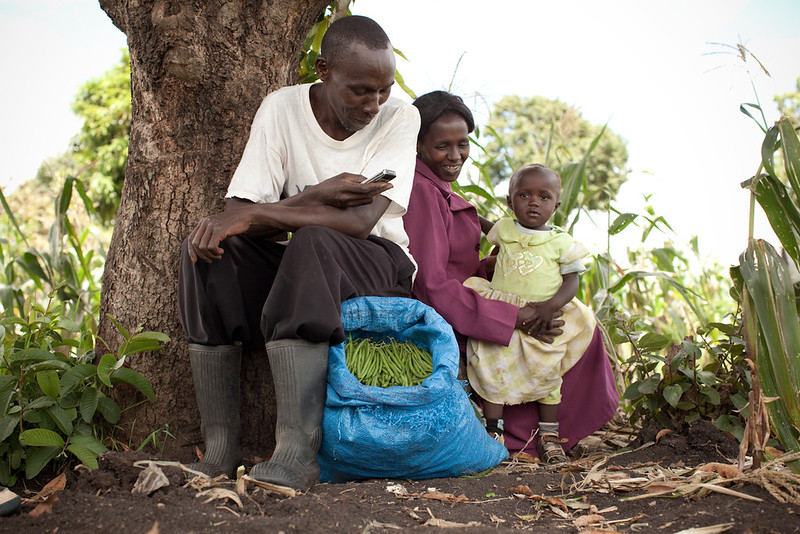
KickStart International: Lifting Farmers out of Poverty with IrrigationIn sub-Saharan Africa, 80% of those living in extreme poverty are farmers, largely because they depend on rainfall for irrigation, allowing only one or two harvests annually. Unpredictable weather and frequent droughts devastate crops, stripping small-scale farmers of their income. Since all farmers plant and harvest simultaneously, the market floods when crops mature, plummeting prices and profits. Addressing these challenges, KickStart International equips farmers with irrigation pumps that draw water from six meters underground, enabling year-round farming. This technology stabilizes income by mitigating reliance on seasonal rainfall and helps farmers avoid market saturation’s economic pitfalls.

The Impact of Irrigation on Farming

Irrigation pumps, though effective, are expensive and underutilized in sub-Saharan Africa, with only 4% of farmers employing this technology. Most farmers depend on seasonal rainfall, which limits crop production to certain times of the year. Irrigation enables year-round farming, boosting crop output and profits, stabilizing market conditions and eliminating the “hungry season” when food scarcity peaks due to reduced rainfall. KickStart International highlights the transformative impact of irrigation: families who install these systems see an average farm income increase of 370% within the first 18 months and 1,230% after five years, marking significant economic advancements for those adopting the technology.

KickStart’s Sustainable Business Model

KickStart International collaborates with farmers and local businesses to create sustainable supply chains for irrigation pumps rather than distributing them for free. As a nonprofit, KickStart works with manufacturers, importers and distributors who profit by selling these pumps at affordable prices. This model fosters sustainable solutions and builds a self-sustaining market ecosystem. By establishing a profitable, independent supply chain that includes importers, distributors, retail shops and service providers, it creates a robust infrastructure. This system enables farmers to learn about irrigation, purchase pumps and obtain spare parts and services, ensuring longevity beyond KickStart’s direct involvement, explains KickStart. The organization respects existing markets, opting not to sell in areas where a local supply chain already exists.

Educating Farmers About Irrigation

Many small-scale farmers do not realize that irrigation is a viable and affordable option. KickStart International actively promotes irrigation practices through live demonstrations, advertisements on television and radio and public educational events. The organization collaborates with many partners, including UNICEF, the World Food Programme and other prominent nonprofits, to increase awareness about the benefits of irrigation.

KickStart’s Innovations and Recognition

KickStart’s Innovations Hub in Nairobi, Kenya, continues to develop products that provide unique value additions for farmers and significantly improve the affordability, efficiency and impacts of existing products. The organization is also launching a program that allows farmers to rent irrigation pumps instead of buying them. Under this plan, Irrigation Agents—individual sellers—can potentially earn income by renting out the equipment. Meanwhile, farmers can increase their profitability sufficiently to buy a pump for the next growing season.

KickStart International’s success is noteworthy. Martin Fisher, the co-founder, has earned recognition as a Time European Hero. Fisher also appeared on the Forbes Impact 30 List, among other honors. Since its inception in 1991, the nonprofit has lifted 1.5 million people out of poverty, enabled the production of enough irrigation-grown crops to feed 15 million people and generated $210 million in profits for small-scale farmers.

– Maren Fossum-Wernick

Maren is based in St. Paul, MN, USA and focuses on Global Health and Politics for The Borgen Project.

Photo: Flickr
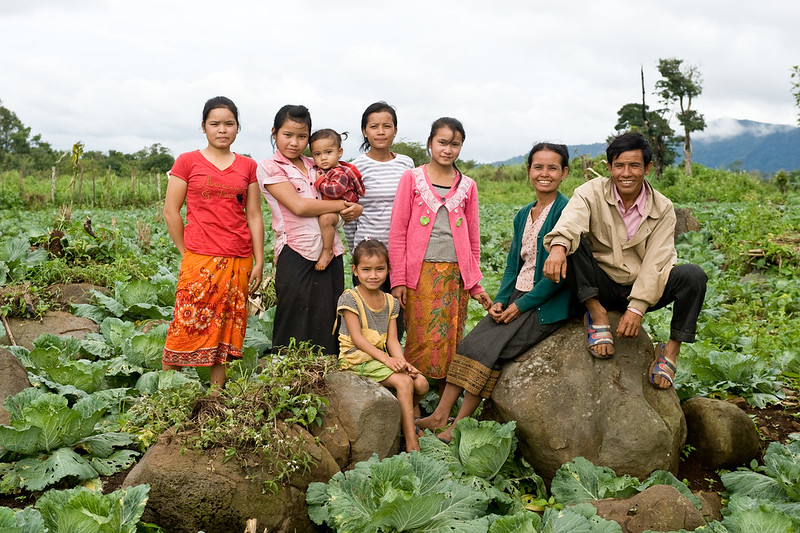
Food Insecurity in LaosPregnant with her third child in 2018, Ms. Sengphet, a farmer from the Long Peau village in Northern Laos, attended the Agriculture for Nutrition (AFN) program’s Farmer Nutrition School. Here, she learned about the essentials of nutrition for her children. Additionally, she heard of more opportunities from the $38.8 million initiative jointly undertaken by the World Food Program (WFP), the International Fund for Agricultural Development (IFAD) and the Lao Government.

With a $120 “Garden Grant” from the AFN, Sengphet purchased 10 chickens, feed and seeds for an at-home garden. From the initial investment, she has expanded her farm’s capacities from chicken to garlic, fish and frogs. This expansion helped her to earn up to $420 monthly since 2021. With AFN, Sengphet has grown her farm to fight food insecurity in Laos, which is faced by one in seven population members.

Malnutrition and Food Insecurity in Laos

Despite falling poverty levels, food insecurity in Laos remains a significant concern, particularly in rural areas where food shortages are twice as high as in urban regions. Three-quarters of households produce subsistence food and two-thirds of farmers grow rice exclusively. The lack of diversity contributes to malnutrition in addition to food shortage.

Limited access to nutritious food has resulted in high stunting rates among children, with 32.8% of those younger than 5 years of age affected. In some of the more impoverished provinces, this rate rises to 54%. The Lao government has prioritized tackling malnutrition by enacting the National Nutrition Strategy for 2025 and the National Nutrition Action Plan for 2021-2025. However, addressing food insecurity remains challenging due to high inflation and strong debt pressure in the past two years.

How APN Is Targeting Food Insecurity

The AFN program implements targeted initiatives to ensure sustainable food access. In 2016, the WFP, IFAD and the government launched the first phase in 400 villages across four provinces in Northern Laos. The program takes a holistic, community-based approach, emphasizing long-term self-sufficiency and various aspects of production. AFN collaborates with villages to develop road infrastructure, irrigation and market access, both with enterprises and through local market facilitation.

A significant part of AFN’s programming is its training initiatives and grants. AFN helps form and funds Agricultural Production Groups to farm selected products such as fish, poultry and vegetables. Furthermore, the program provides training for production techniques and opportunities for learning exchange via its Farmer-to-Farmer Extension Activities. These services are in addition to the Farmer Nutrition School and Garden Grant from which Sengphet benefitted.

Program Success

The first phase, which ended in 2022, has successfully met its targets to reduce food insecurity in Laos. It has reached 210,684 people, representing 92.5% of its goal. Around 57% of the people reached were women. Furthermore, it has helped bring 17,850 households out of poverty out of its targeted 21,000, defined by an income per capita of $270.

AFN’s impacts compound over time. In Nam Lee village, residents participating in a Village Development Planning session expressed a need for better road access to farmland and more profitable crops. With an AFN grant, the villagers constructed a 4km road to support their farming activities. By January 2021, this road access had increased productivity, with families generating $36,000 annually.

Sengpeut also highlights what the added income has provided for her family: “With my additional income,” she says, “I have been able to pay for my children’s education and build a new house. I have learned how to give medicine and vaccines to my animals and I am now part of making decisions in my house with my husband.”

With the success of Phase I, the three cosponsors are launching Phase II of the program. This phase expands to three additional provinces, targeting an extra 168,000 people. As Laos grapples with macroeconomic challenges, the AFN continues to offer sustainable solutions and combat food insecurity across small and medium scales, reaching the nation’s most vulnerable communities.

Final Remark

With the success of Phase I, the three co-sponsors are rolling out Phase II of the program. They have added 3 more provinces to the program, targeting an additional 168,000 people. As Laos continues to face macroeconomic challenges, the AFN provides sustainable solutions and fights food insecurity in Laos across small and medium-scales to the nation’s most vulnerable communities.

– Imme Koolenbrander

Imme is based in Beijing, China and focuses on Business and New Markets for The Borgen Project.

Photo: Flickr

Food Security in IndiaAround 65% of India’s population is engaged in “agricultural and allied activities” including agriculture, dairy farming, animal husbandry and fisheries. About 86% of the farming population in India consists of small and marginal farmers holding less than one hectare of land. Due to the high percentage of people with low incomes, food security in India poses a significant risk for a large portion of the country’s population.

Cooperatives in India

Cooperative societies are organizations where groups of people voluntarily come together to accomplish “common economic interest.” Cooperative societies that focus on the well-being of farmers and consumers play an important role in ensuring food security in India. They buy farm produce from farmers at the Minimum Support Price (MSP) and sell it to consumers at affordable prices.

Cooperatives in India, like Amul Dairy and the Horticultural Producers’ Cooperative Marketing and Processing Society (HOPCOMS), have ensured food security for people experiencing poverty. The cooperatives have provided milk, milk-based products, fruits and vegetables at subsidized prices.

Amul

Amul Dairy is the largest milk-producing entity in India. It was founded in 1946 by a group of farmers in Gujarat, India. The farmers sought to eliminate the presence of middlemen in dairy farming. The Amul Model, a three-tier model with the federation of members’ unions at the state level, the milk union at the district level and the dairy cooperative societies at the village level. This model was replicated all over the country under the leadership of Dr. Verghese Kurien, the founder chairman of Amul. He was given the role of running Amul from 1950.

Expansion of the model began in 1946 with only two dairy cooperative societies. Today there are 185,903 dairy cooperative societies nationwide, receiving milk from more than 16 million milk producers in the country. For more than 70 years, Amul has been determined to ensure food security in India by ensuring that millions of people across the country have easy access to milk and milk products. India is currently the largest producer of milk in the world, responsible for 24.64% of the world’s milk production, of which Amul has been the harbinger.

HOPCOMS

Horticulture is the science and art of growing fruits, vegetables, flowers and the like. HOPCOMS was established in 1959 in the south Indian state of Karnataka, initiated by the vision of Dr. M. H. Mari Gowda, the father of horticulture in Karnataka. With a population of around 64 million, 68% of Karnataka’s population relies on agriculture for their livelihood. Of these, nearly 2.3 million households are employed in the horticultural sector at present.

HOPCOMS, run with state support, receives farm produce from farmers all over Karnataka. It intends to ensure a proper and convenient system for marketing fruits and vegetables within the state. HOPCOMS’s main objectives are to ensure that farmers receive fair prices for their produce and consumers are sold farm products at reasonable prices. It does this by eliminating middlemen and providing farmers with adequate agricultural training and advice.

Conclusion

Cooperative societies like Amul Dairy and HOPCOMS have proved to be major contributors to food security in India. They ensure that both farmers and consumers can rely on government support for reasonable prices on farm produce. Eliminating the presence of middlemen has helped farmers to sell their produce directly to consumers at a predetermined price. It has also benefited consumers by saving them the extra costs incurred through middlemen. This has led to increased farmer incomes and the availability of subsidized milk, milk products, fruits and vegetables, all under the administration of the farmers of the country.

– Adya Umesh

Adya is based in Bangalore, Karnataka, India and focuses on Good News and Global Health for The Borgen Project

Photo: Unsplash

Zambia’s Agricultural CommunitiesLocated in Southern Africa, Zambia is home to more than 20 million people. While the country had a poverty rate of 60% in 2022, it faces wide economic disparities. Its rural areas are home to approximately 82% of the country’s most impoverished population. However, poverty rates have steadily decreased in most urban areas.

Despite a slight rise in urban poverty since 2015 due to factors such as the impact of COVID-19, the urban poverty rate remains around 31.9%, which is about half the national average. This difference is usually attributed to the nature of industry, which differs between these regions. While rural areas primarily derive their income from the agricultural industry, urban areas have benefitted from the growth of construction and financial sectors.

Challenges Facing Zambia’s Agricultural Sector

Multiple factors have contributed to Zambia’s agricultural industry’s deterioration. A report by the International Growth Center (IGC) found that while the sector employs 59% of the workforce, it makes up only 3.4% of the country’s national gross domestic product (GDP). The IGC lists a number of factors that contribute to this underperformance, many of which converge around issues of low levels of funding and limited access to sophisticated technology, hindering farmers’ ability to harvest and deliver crops cost-effectively and efficiently.

The report outlines a specific issue: many farmers’ limited access to suitable finance and insurance. Where 85% of the credit is dedicated to larger-scale commercial producers, many small-scale farmers lack access to the same financial services. This limits their growth potential and makes it difficult for them to compete. Many of the factors contributing to agricultural decline are out of farmers’ control, such as increasing levels of drought. However, improving the accessibility of financial resources among Zambia’s agricultural communities would empower small-scale farmers. Additional finances would allow them to invest in efficient technology, make bigger agricultural investments and track their supply and demand.

Supporting Zambia’s Agricultural Communities

Various schemes have been introduced to support Zambia’s agricultural communities. The International Development Enterprises (iDE), a global organization that works to empower entrepreneurs in the fight against global poverty, has run a number of schemes across the country. Recognizing the impact technology can have, iDE has set up demonstration plots to showcase various labor-saving technologies, such as water-saving irrigation systems. These plots have become important centers of community for farmers to meet, sell products and learn about productive farming practices and technologies. iDE has also helped lift a number of rural farmers out of poverty through the provision of microloans, supplying them with the necessary capital to cover the costs of crops and propel their small businesses.

E-Commerce Empowering Zambia’s Agricultural Sector

The move toward introducing forms of e-commerce into Zambia’s agricultural communities has and will have, a profound impact. The introduction of e-commerce will empower and assist small-scale farmers to gain control and autonomy over their finances. Assisted with funding from the Citi Foundation, the World Food Programme (WFP) has recently introduced an initiative that seeks to boost financial inclusion and resilience among Zambia’s agricultural communities.

In addition to helping farmers further develop their financial literacy skills and increasing their access to affordable credit, the scheme aims to scale up the financial app “Maano.” This is an e-commerce platform that allows farmers to advertise their products and track levels of supply and demand. Schemes like this empower small-scale entrepreneurs, recognizing the benefits that financial autonomy and management can have for rural farmers.

Final Remark

The decline of Zambia’s agricultural productivity can be partially explained by large-scale factors such as increasing levels of drought and low government funding. However, declining levels of productivity and efficiency could be reduced through empowering farmers on an individual economic scale. By teaching farmers financial literacy skills, they will be able to manage their sales more efficiently. Furthermore, it will ensure that they are maximizing the economic potential of their crops. This financial control will also assist farmers in achieving long-term economic resilience in the face of possible market fluctuations.

– Aimee Masters

Aimee is based in London, UK and focuses on Business and New Markets for The Borgen Project.

Photo: Flickr

Sustainable Agriculture in Rural North MacedoniaAgriculture is a key part of North Macedonia’s economy, with agribusiness accounting for 7.1% of its gross domestic product (GDP). The country is leading in its exports of tobacco and wine, as well as fresh and preserved fruits and vegetables. However, challenges with water deficit, drought and changing climatic conditions constrain North Macedonia’s growing agriculture sector.

North Macedonia has the immediate opportunity to design and implement green policies, which can increase the resilience of its agriculture sector. The development of agricultural production in North Macedonia is crucial, given its importance for the economy and jobs. Here are some of the key strategies boosting sustainable agriculture in rural North Macedonia.

Crop Yields and Quality

Sustainable farming practices such as organic farming and crop rotation can improve soil health and increase crop yields. By embracing these farming methods and minimizing the use of chemicals, farmers can ensure soil quality and promote environmental sustainability. Organic crop production is an emerging sector in North Macedonia, although there is significant room for improvement. In addition to enhancing crop production both in quality and quantity, organic farming can create the potential for agrotourism and connect agricultural production in North Macedonia with foreign markets.

Furthermore, embracing practices such as agroforestry and integrating animal production with crop production allows the diversification of income sources for farmers. This can reduce risk, enhance food security and potentially lead to increased welfare and economic stability.

Enhancing Water Efficiency

Drip irrigation and rainwater harvesting are water conservation methods that can ensure the adequate hydration of crops without depleting water resources. The North Macedonian agribusiness has been focused on identifying sustainable practices for pest control and disease management while also improving irrigation systems and developing crops that are better suited to local conditions. This is crucial for maintaining agricultural productivity, as water scarcity is one of the main factors that is negatively impacting sustainable agriculture in North Macedonia.

Accessing New Markets

As sustainable farming meets the market demands of organic and fair-trade food standards, farmers can tap into new markets both locally and internationally, increasing their earnings. This was achieved through cooperation with Coop, one of the largest supermarket chains in Switzerland. The Swiss support for organic production allowed North Macedonia to export its products and boost its economy.

Agricultural cooperatives encourage farmers to share resources and collectively market their products, which enhances community cohesion and economic resilience. The Macedonian Association of Agricultural Cooperatives (MAAC) and the Support to Development of Agriculture Cooperatives project provide success stories of community cooperation initiatives where farmers develop opportunities for investment, growth and collaboration.

Attracting Youth to Agriculture

Innovative and sustainable farming can make agriculture more appealing for young people, which helps ensure the future of farming communities. Innovative solutions such as the use of drones, satellite imaging and soil sensors are being increasingly embraced to optimize resource allocation and improve crop production, increasing agricultural productivity and reducing waste. Additional successful projects included innovative climate-smart agriculture (CSA) technologies, which the Food and Agriculture Organization (FAO) has implemented, helping improve productivity, competitiveness, sustainability and resilience.

As North Macedonia embraces sustainable agriculture to revitalize its rural areas, the National Strategy for Agriculture and Rural Development 2021-2027 offers a hopeful vision for the future. This initiative not only supports the transition to climate-smart and ecofriendly farming practices but also aims to support rural communities’ economic resilience. By meeting these national goals, sustainable farming has the potential to drive significant positive change in North Macedonia.

– Ilgın Özkul

Ilgın is based in London, UK and focuses on Business and New Markets for The Borgen Project.

Photo: Flickr

Smartphone FarmersArmed with smartphones and innovative smartphone apps, small-scale farmers in Africa are transforming the agricultural landscape. This digital revolution is not just changing how crops are grown; it’s reshaping African agricultural communities and economies. There are apps for different spectrums of the agricultural business. These spectrums range from Market access and price information to agricultural information and education, financial services, weather alerts, disease detection and farm management.

The development of agricultural apps for smallholders is part of an “ongoing digital agriculture revolution” in Africa. Nearly 94% of small-scale farmers in developing countries own mobile phones. While smartphone ownership lags behind basic phones, it’s growing rapidly, opening up new possibilities for agricultural innovation. Following are some of the agricultural applications at the forefront of changes.

Maano

Maano translates to “intelligent” in Tonga, one of the local languages spoken in Zambia. Developed by the World Food Programme (WFP), Maano is a virtual farmers’ market app that connects smallholder farmers directly with buyers. It eliminates middlemen, ensuring farmers get fair prices for their produce. The app was launched in May 2017 and initially targeted 2,500 Zambian farmers.

In a pilot run between June and October 2017, more than 1,000 smallholder farmers from 29 rural communities in Zambia’s Southern and Central Provinces participated, selling more than 150 metric tons of produce worth more than $50,000. By the end of 2018, WFP aimed to reach 5,000 smallholder farmers in Africa and transact approximately $200,000 through the Maano App.

Farm Drive

The app is designed to close the critical data gap that prevents financial institutions from lending to creditworthy smallholder farmers in Africa. The app collects various types of data, including financial transactions, agronomic data, environmental data and satellite data. This data is analyzed to generate credit scores that accurately capture farmers’ risk profiles. It then enables financial institutions to offer loans to smallholder farmers who were previously considered too risky. Farm Drive was selected as a World Summit Award Winner in the Business and Commerce category, highlighting its innovative approach to addressing financial inclusion for farmers.

PANNAR Sprouts

The PANNAR Sprout mobile app, launched in 2015, serves as a crucial technical support tool for grain crop farmers in Africa. Developed by PANNAR Seed, the app provides farmers with essential agronomic information and support, helping them optimize their farming practices and improve crop yields. The app is designed to be user-friendly and accessible, offering features such as crop management advice, pest and disease identification and weather forecasts.

The Impact: Beyond the Field

The benefits of these mobile innovations extend far beyond increased crop yields. Farmers are making more informed decisions, saving time and money on transportation and improving their overall production and marketing strategies. Moreover, these digital tools enhance food security and improve livelihoods. By connecting farmers directly to markets and providing access to financial services, they help lift entire communities out of poverty.

Challenges

Despite the promise, challenges remain. The digital gender gap means that women farmers often have less access to smartphones and apps. Additionally, many farmers still use basic phones, necessitating the development of SMS-based services alongside smartphone apps. Another hurdle is the affordability of smartphones and mobile services. However, as prices continue to fall and coverage expands, more farmers are expected to join the digital agriculture revolution.

– Sakshi Pillai

Sakshi is based in Toronto, Ontario, Canada and focuses on Technology and Solutions for The Borgen Project.

Photo: Flickr

Angola’s Rural PovertyAngola, a West African nation on the Atlantic coast, has a significant poverty issue in its southwestern rural provinces of Namibe, Huìla and Cunene, with 53% of the population earning $2.15 per day or less. According to the World Bank, this indicates that more than half of the region’s inhabitants live below the international poverty line.

Rural Reliance on Subsistence Agriculture

In this region, families primarily earn their income from informal work in an unregulated agricultural sector. Although the unemployment rate stood at 15% in 2022, 80% of the labor force is self-employed. Agricultural productivity frequently suffers due to the high instability of crops and the fact that families own about 80% of all cattle in southwestern Angola.

These figures of low income and limited opportunities reflect an overreliance on subsistence agriculture to sustain impoverished families. Essentially, the nutrition of these Angolan families depends entirely on the success of seasonal harvests, with virtually no social safety nets in place for farmers facing poor yields. Additionally, the war in Ukraine has led to skyrocketing prices for basic imported foodstuffs, further limiting access to alternative food sources.

Multi-Year Drought Affects Livestock

According to the Red Cross, over the last four harvest seasons, this region of Angola has experienced its most severe drought since the 1980s. This drought has worsened the region’s semi-arid conditions, already challenging livestock pasture grazing and crop harvesting. Increasing desertification due to lack of rainfall has caused agricultural production to falter. By the end of 2023, Huìla’s water reserves were completely depleted. Farmers can no longer feed their cattle as green pastures have turned arid and unusable. Consequently, harvest success is declining because oxen, which plow the crop fields, are also dying off. To find viable grazing areas, farmers often have to travel long distances with the remaining members of their herds.

IAEA Partnerships

In June 2021, the International Atomic Energy Agency (IAEA) initiated its ‘Nuclear Saves’ partnerships series, aimed at enhancing the prosperity of disadvantaged communities amid severe climate change. Employing nuclear energy as a solution also bolsters public confidence in this technology. Specifically, the Animal Production and Health Subprogram of these partnerships focuses on improving the nutritional value of indigenous pasture grasses and other feed to ensure food security for local populations.

Nuclear Solution to Angola’s Rural Poverty

The Angolan government has partnered with the IAEA to reduce rural hunger and poverty in its southwestern communities. This partnership aims to estimate cattle pasture intake and identify sustainable, weather-resistant pasture grasses. Angola is setting up a nutrition laboratory to pinpoint nutritious grasses for widespread use, replacing current cattle feed. The technical operation adopts a nuclear solution, using stable isotopes to analyze key nutrients in cattle feed and excrement. These nonradioactive isotopes are commonly used to measure nutrient concentrations. Victor Tsuma, project leader at the Joint FAO/IAEA Centre of Nuclear Techniques in Food and Agriculture, asserts that this solution will help “design a balanced diet for cattle with a mix of natural pastures and feed supplements.” This strategy aims to enhance animal production accordingly.

Fending Off Future Droughts

This initiative also aligns with ecological goals. By isolating and producing more nutrient-dense feeds, it can reduce greenhouse gas emissions from cattle in the region, which helps mitigate the irregular climate conditions that cause events like droughts in southwestern Angola. This approach not only prioritizes climate by aiming to lower carbon emissions through the feed that cattle consume but also enhances cattle productivity, which is linked to the health of pastures. Additionally, as the risk of overgrazing diminishes, it further protects the environment, improving the quality of grazing for farmers’ herds.

Looking Ahead

The partnership between Angola and the IAEA aims to alleviate Angola’s rural poverty and hunger by improving cattle nutrition through nuclear techniques. By identifying sustainable and nutritious pasture grasses, this initiative seeks to enhance livestock productivity and food security. Additionally, it addresses ecological concerns by reducing greenhouse gas emissions and protecting the environment from overgrazing, offering a comprehensive solution to the challenges faced by Angola’s southwestern rural provinces.

– Ramiro Ruiz Martinez

Ramiro is based in Edinburgh, Scotland and focuses on Technology and Solutions for The Borgen Project.

Photo: Flickr

Poverty in Southeast AsiaGreen finance involves financial investments into sustainable development projects, such as renewable energy initiatives and eco-friendly infrastructure developments that aim to minimize environmental risks, promote sustainability and also help to reduce poverty in Southeast Asia. In Southeast Asia, sustainable development is reflected through various national and regional initiatives, including the ASEAN Catalytic Green Finance Facility (ACGF) and the Asian Development Bank (ADB).

Renewable Energy Initiatives

Renewable energy projects are a major part of green finance in Southeast Asia. These projects create long-term energy from renewable sources. They reduce carbon emissions, create jobs and promote energy security, such as expanding solar farms in the Philippines. The country has used its abundance of sunlight to develop large-scale solar farms. These projects are supported by green finance mechanisms that attract investments from both public and private sectors.

Sustainable Agriculture

Sustainable agriculture is another area where green finance is making an impact. Projects that promote eco-friendly farming practices and support small-scale farmers help improve food security and livelihoods but also reduce environmental degradation and climate change. In countries like Vietnam and Thailand, green finance initiatives have included organic farming, agroforestry and sustainable technologies.

Solar Farms in the Philippines

The Philippines has become a leading influence in solar energy development in Southeast Asia. The country’s solar farms, such as the Cadiz Solar Power Plant, are great examples of successful green projects. The Cadiz Solar Power Plant, one of the largest in Southeast Asia, has a capacity of 132.5 megawatts and provides clean energy to more than 167,000 households. By providing reliable and affordable energy, these projects were able to improve the quality of life in rural areas, where access to electricity was limited. Additionally, with the amount of construction and maintenance of solar farms, numerous jobs were created, contributing to local economic development.

Eco-Friendly Infrastructure in Indonesia

Indonesia has also made strides in green finance for sustainable infrastructure development. Its focus is creating an eco-friendly environment with projects like the Green Bond Initiative, which finances green buildings, waste management systems and sustainable transport solutions. The Greater Jakarta Light Rail Transit (LRT), one of the projects, is the development of eco-friendly public transportation systems in Jakarta. The goal is to reduce traffic congestion and lower carbon emissions. The Green Bond Initiative in Indonesia has not only attracted investments but also generated employment opportunities and improved urban living conditions, reducing poverty in Southeast Asia. 

Sustainable Fisheries in Brunei

Brunei has implemented initiatives aimed at conserving marine biodiversity while trying to protect fishing communities. By promoting responsible fishing practices and investing in sustainable technologies, these projects ensure the long-term availability of marine resources. Financial support from green finance initiatives enables small-scale fishers to adopt sustainable methods, securing their livelihoods and improving food security. The ASEAN Catalytic Green Finance Facility (ACGF) supports such initiatives, providing funding and technical assistance to these projects. 

Project Selection Criteria

The selection of these projects is based on their potential environmental and socio-economic benefits. Renewable energy projects, such as solar farms, are chosen to provide clean energy, reduce greenhouse gas emissions and create jobs. Sustainable agriculture projects are selected for their capacity to enhance food security, promote sustainable farming practices and improve people’s livelihoods.

Implementation and Impact

The implementation of green finance projects in Southeast Asia involves project planning, financing and monitoring. Financial institutions, such as the ADB and the World Bank, provide technical assistance and funding to support the execution of these projects. The involvement of local communities is also crucial for varying reasons from gaining support to extra financing. 

Green finance is becoming a crucial part of poverty reduction in Southeast Asia by creating jobs, improving access to essential services and improving the economy. Investments in renewable energy, sustainable agriculture and eco-friendly infrastructure are providing numerous employment opportunities, increasing incomes and reducing the cost of living. As Southeast Asia continues to develop sustainably, its future potentially looks greener.

– Danica Lourdu Nelson

Danica is based in Parker, CO, USA and focuses on Technology and Solutions for The Borgen Project.

Photo: Flickr

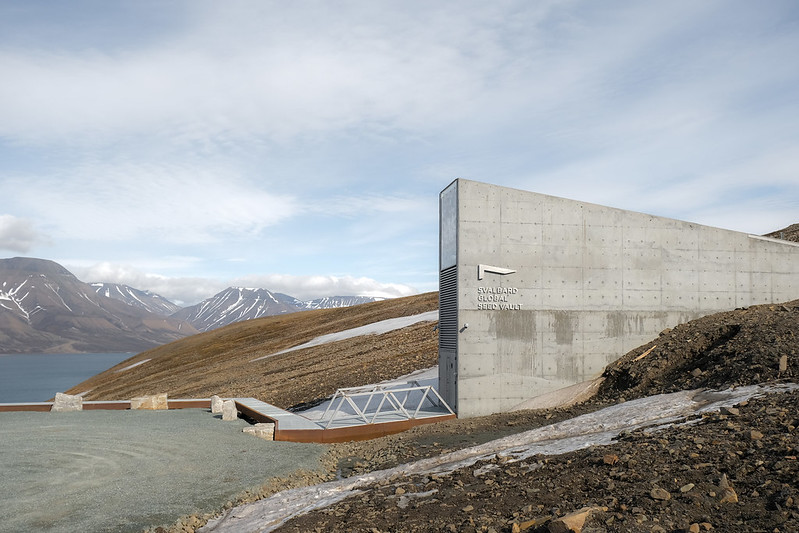
The Svalbard Global Seed Vault: Protecting Crop DiversityIn Svalbard, Norway, deep within a mountain at 150 meters, lies a significant refrigerated vault holding more than a million crop seeds from around the globe. Regional seed banks worldwide contribute duplicates of their seeds to this repository, ensuring their secure storage. Supported by the Norwegian government, this initiative aims to safeguard biodiversity and provide a safety net against potential global crises that could threaten the food supply.

The Importance of Seed Banks

Crop diversification plays a crucial role in sustaining healthy ecosystems and enhancing agricultural resilience. It mitigates soil erosion, enriches soil health and fortifies crops against pests and diseases. By planting a variety of crops, farmers can potentially shield their livelihoods from extreme weather and other adversities, ensuring that if one crop falters, others may thrive to offset the loss. However, crop diversity has sharply declined over the last 50 years. TIME Magazine reports that merely about 30 crops now supply 95% of the nutritional needs of humans. The Food and Agriculture Organization of the United Nations (FAO) adds that since 1900, there has been a staggering 95% loss in plant genetic diversity globally.

Natural disasters are the primary threat to crop diversity in developing countries. Flooding, drought, excessive heat and other unpredictable weather patterns, can wipe out entire fields of crops. The Svalbard Global Seed Vault protects crop diversity and prevents hunger by ensuring that crop species do not go extinct. The vault stores seeds and their duplicates, ensuring that agriculture can reintroduce them following catastrophic events, thus protecting global food security.

Marie Haga, executive director of the Crop Trust, an organization that operates the Svalbard Seed Vault in collaboration with the Norwegian government, emphasizes that crop diversity is essential to global livelihood: “Not too many think about crop diversity as being so fundamentally important, but it is. It is almost as important as water and air. Seeds generally as the basis for everything. Not only what we eat, but what we wear, nature all about us.” 

Seed Banks Around the World

The Svalbard Global Seed Vault collaborates with more than a thousand regional seed banks worldwide. These banks collect, freeze and store seeds from various crop species. They send duplicates of these seeds to the Svalbard vault for secure, long-term storage. Operating much like an insurance policy, the organization protects these seeds against potential regional threats such as severe weather or conflict. Svalbard safely stores the duplicates should a regional seed bank’s supplies be compromised.

The Svalbard facility’s operations are important in war-ridden regions. In 2012, the International Center for Agricultural Research in the Dry Areas (ICARDA) had to move from its location just outside of Aleppo, Syria, in 2012 when the civil war threatened the facility’s security. In Afghanistan and Iran, violent conflict destroyed seed banks, compromising seeds that had not yet been sent to Svalbard.

Svalbard’s location in Northern Norway is optimal for the global seed vault due to its cold climate, which is essential for preserving seeds at -18° Celsius. The vault’s placement of 150 meters inside a mountain offers added protection against severe weather events, including extreme cold and avalanches. Apart from these natural conditions, Svalbard’s remoteness plays a crucial role in its security, making it unlikely to be affected by international conflicts. This combination of factors effectively safeguards the seeds, providing a critical backup for global agriculture.

Looking Forward

The Svalbard Global Seed Vault plays a pivotal role in preserving global crop diversity, acting as a vital insurance policy against environmental and man-made disasters. Securing more than a million seed samples from various regions ensures the continued availability of essential crops for future generations. The Svalbard Global Seed Vault continues to expand its collection and it can hold about 4.5 million seeds. This initiative can potentially maintain agricultural resilience and secure food supplies worldwide.

– Maren Fossum-Wernick

Maren is based in St. Paul, MN, USA and focuses on Global Health and Politics for The Borgen Project.

Photo: Flickr
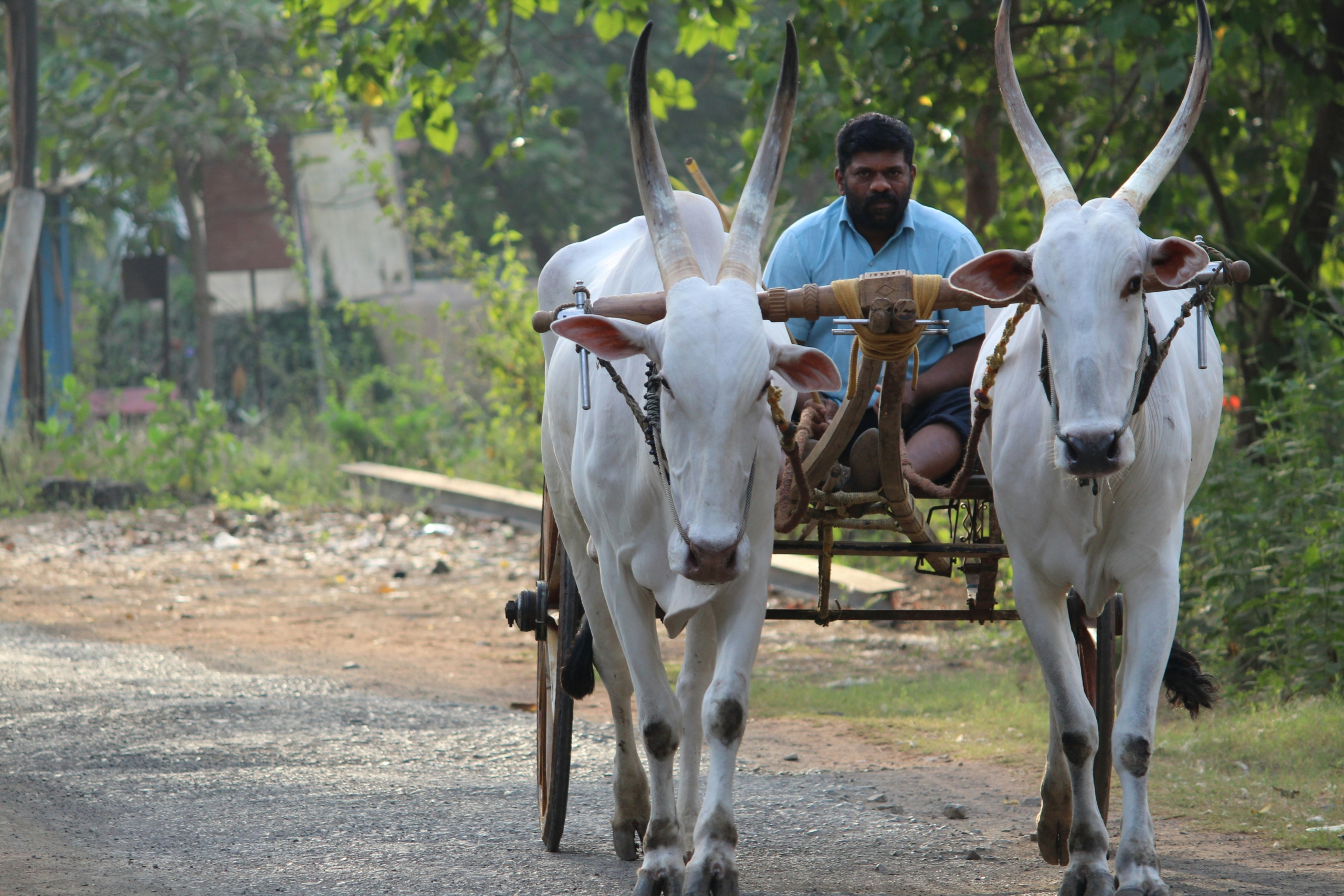
Addressing Poverty in NepalNepal, recognized as the poorest country in South Asia, had about 20.3% of its population living below the poverty line in 2022, with unemployment projected to reach 19.72% by 2024. An often-overlooked element in the country’s economic landscape is the yak, an animal integral to the economic, religious and cultural fabric of Nepalese society. The yak’s role offers valuable insights into strategies for addressing poverty in Nepal.

The Vital Role of Yaks in Nepal

Yaks play a vital role in supporting life in Nepal, particularly in the harsh, mountainous regions. They provide nutrient-dense milk, butter, cream and cheese, crucial components of the Nepalese diet. Beyond dairy products, yaks supply wool and meat, serve as labor for agriculture and have significant cultural and religious symbolism, particularly among Buddhist communities. In Nepal’s extreme climatic conditions, locals rely on yak dung as a critical fuel source for sustaining life during the winter months.

Economic Contributions of Yak Farming

According to a report by the Food and Agriculture Organization (FAO), yaks meet almost all the needs of herdsmen and their families, either directly or through the sale of yak products for income. This highlights the significant role yaks play in Nepal’s economic development. The sale of products derived from yaks, such as dried meat and dairy items, generates essential revenue for agricultural families. Notably, a specific type of Swiss cheese produced in Nepal caters to market demand, providing critical economic support to some of the country’s impoverished communities.

Conservation Efforts and Cultural Importance

Despite their importance, yaks have not always been protected and recent modernization coupled with the abandonment of traditional farming practices has made them increasingly vulnerable. However, conservation efforts in recent years have begun to turn the tide. The previously endangered Wild Yak species has seen some recovery due to various initiatives. For instance, the Himalayan Wolves Project played a crucial role in this recovery by rediscovering the species in 2014 in Limi Valley, Humla district. Furthermore, Joshi Purushotam’s article underscores the crucial role of yak farming in supporting Nepal’s culture, biodiversity and socioeconomic development, emphasizing the need for its preservation.

Looking Ahead

Yaks remain essential to Nepal’s economic and cultural landscape, particularly for agricultural communities in mountainous regions. These animals provide vital resources such as milk, meat, wool and fuel, directly supporting the livelihoods of many Nepalese families. Recent conservation efforts have helped protect the yak population, ensuring its continued contribution to the nation’s development. A sustained focus on yak farming and conservation could be vital for addressing poverty and promoting sustainable economic growth in Nepal.

– Grace Pasqualucci Sammartini

Grace is based in Italy and focuses on Good News and Global Health for The Borgen Project.

Photo: Flickr