Agricultural Markets in Cambodia Market access remains a concern for Cambodian farmers. Many small-scale farmers report facing debt due to unsold crops. Agricultural development is a priority of the government, but the market connection in the supply chain requires improvements. To tackle this, public and private institutions are enhancing crop production value, information, and market opportunities via education, administrative and technological initiatives.

Poverty and Agriculture in Cambodia

Agriculture employs more than 49% of the Khmer population and makes up 22% of the nation’s GDP. The government also seeks to continue to develop the industry to drive growth and reduce the country’s poverty rate of 17.8% under the national poverty line. However, efforts to enhance the productive capacity of farmers via infrastructure and financing can become stagnant without appropriately matched markets.

CamboJA News, an independent journalist’s alliance in Cambodia, illustrated farmers’ struggles. Many farmers report unsold produce, which has led to additional debt for following harvest seasons and migration from Cambodia. Microfinance institutions have issued $1.34 billion in debt for agricultural purposes, and farmers whose crops do not sell are forced to keep borrowing.

Farmers claim their difficulties arise from low prices, driven downward by import competition. Local authorities have discouraged farmers’ attempts to vocalize these issues online, though the government claims they have tried to reduce market frictions, according to CamboJA News.

Innovations in Access to Agricultural Markets in Cambodia

In May 2023, the World Food Programme (WFP) and Cambodian Agriculture Cooperative Corporation (CACC) announced their collaboration in a $3 million initiative to improve agricultural markets in Cambodia. The CACC is a private partner that also purchases food crops from cooperatives, which pool skills, knowledge and production scale. The goal of the initiative is to reach 1,200 families in northeastern Cambodia and provide them with education and help them create valuable organic food products, which compared to the farming staple of rice offer higher prices and profits. The project also emphasizes sustainable farming practices, gender equality and nutrition.

In November 2020, the Asian Development Bank (ADB) approved the Agricultural Value Chain Competitiveness and Safety Enhancement Project, targeting 27,000 households. The ADB is focusing on transport infrastructure, building roads of which only 5% in rural areas are paved. They are also supporting agricultural businesses and cooperatives with credit and market ties.

Grocerdel is a grocery delivery app that provides consumers with fresh food from local farmers in zero-plastic packaging. With its technology, farmers are more closely connected with market demand. In addition to food, the platform also offers local-brands and wholesale goods. They work with more than 300 smallholder farmers and service the capital Phnom Penh, facilitating urban-rural connectivity. Originally catered towards expats, the platform is reporting increasing local users.

These multidimensional initiatives strengthen value chains and market access for smallholder farms, providing them with greater opportunities for profit outside of international, large-scale agribusiness.

– Imme Koolenbrander

Imme is based in Beijing, China and focuses on Business and Technology for The Borgen Project.

Photo: Flickr
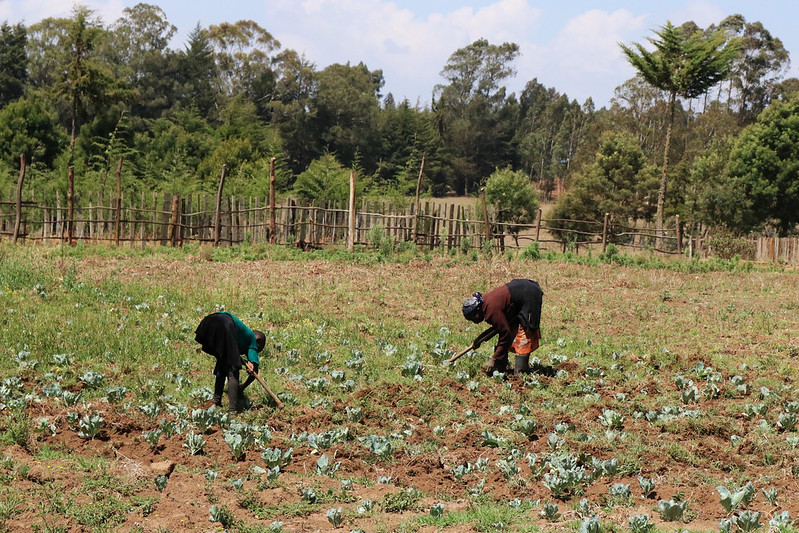
Smallholder Farmers in KenyaProlonged drought, rising global temperatures and economic challenges have caused food insecurity to increase in Kenya. Food insecurity affects large urban cities like Nairobi and arid and semi-arid lands (ASAL) in the country’s northernmost region as impoverished Kenyans face rising food prices, making affordability hard for families in extreme poverty. Agriculture production makes up much of Kenya’s gross domestic product (GDP) and is essential to feeding domestic consumers. Large farms are an important part of the nation’s agriculture sector. However, smallholder farms produce more than 70% of the food used domestically and exported globally. Without efficient production by smallholder farms, Kenya’s protracted food insecurity will continue to take hold of the country. However, smallholder farmers in Kenya face several challenges.

Lack of Access

Lack of access to various services and resources is one of the biggest problems for smallholder farmers and a main reason for stagnant economic growth. Small farms are usually located in rural areas, isolated from wholesale markets, forcing farmers to sell goods via brokers, leaving many needy farms vulnerable to fluctuating prices. Due to land grabbing by larger companies, access to fertile land is limited, making the jobs of small farmers much harder.

Without access to better markets, smallholder farmers in Kenya will continue to fall victim to multinational corporations selling products at low prices to rack in massive profits. Through methods like land grabbing and enacting repressive policies, small farmers have become dependent on larger companies for agricultural inputs needed to produce fresh crops.

Due to traditional lending institutional practices, credit remains one of the most difficult resources for smallholder farmers to access. Demand for high collateral, high interest rates and a shortage of credit lending educational services make it hard for small farm owners to gain credit.

A Need for Quality Infrastructure

Mobile communication devices are becoming essential tools for smallholder farmers, making accessing and exchanging agricultural information easier. Challenges in infrastructure have been exposed due to rural farmers’ limitations when using mobile devices. The availability of reliable power has become a concern among multiple rural counties, as well as internet connectivity issues and high prices for data packages.

Water scarcity has also become a problem that affects not only smallholder farmers but small-scale irrigation systems as well. ASAL areas depend on artificial water applications for farming. However, growing urbanization, rising water consumption and various water uses have led to dwindling water distribution throughout the nation, greatly affecting farms in rural areas.

Multinational Competition

Government-enacted laws and policies focus more on controlling large money producers, leaving small farmers at the mercy of Chief Executive Officers (CEOs) looking to make a profit. To develop, promote and regulate a modern and competitive seed industry, the Kenyan government gave larger agricultural corporations control over processes like seed certification, making it harder for impoverished farmers to afford certification and obtain seeds for planting.

Seed sharing was a system of exchange that helped domestic farmers for generations. However, as a way to keep producing money, the government criminalized seed sharing, affecting the livelihoods of smallholder farmers who depend on the cost-effective method that many would consider a timeless tradition.

Outside Assistance

Nongovernment organizations like Nuru are working to provide education and assistance to agribusinesses in low-income communities facing food insecurity. Through the introduction of various cultivation methods, farmers are better equipped with the resources to self-sustain and improve food productivity in the area. Since 2008, Nuru has reached more than 320,000 people in five African countries, including Kenya. Nuru farmers in Kenya have seen more than 200% of their crop yields from baseline.

Additionally, the Grameen Foundation, a nonprofit dedicated to ending global hunger, has launched a five-farmer-to-farmer program in Kenya that will connect smallholder farmers to financial volunteers whose focus will be to train farmers in business planning, financial management and financial literacy and establish alternative credit scoring methods. Farmers will receive better chances at obtaining loans, making affording seeds, equipment and other resources easier.

Final Remark

Smallholder farmers in Kenya are the key to unlocking the nation’s full agricultural potential. They make up almost 70% of agricultural production without full government assistance or access to credit markets. As a way to not only put an end to food shortages nationwide, investments in smallholder farmers need to increase to provide economic improvements across Kenya.

– Immanuel Wiggins

Immanuel is based in Jackson, USA and focuses on Global Health for The Borgen Project.

Photo: Flickr
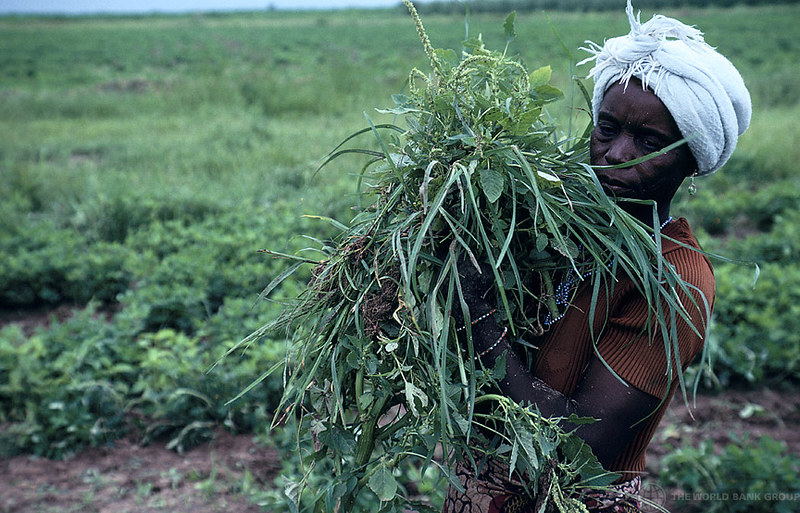
Soilless FarmingNigeria is renowned for its agricultural richness and significant role in the economy; 70.8 million hectares are used for growing crops, yet many challenges and factors inhibit the growth of the farming industry and stifle the sector, contributing to the country’s gross domestic product (GDP). Some of these factors include soil degradation, global warming, and micro-irrigation. The others are lack of up-to-date technology, low redistribution and high-cost production, and financial deficit. Nigerians face a staggering food insecurity problem, with a predicted 26.5 million people expected to experience acute hunger this year, a substantial increase from 18.6 million people last year.

Enterprise for Youth in Agriculture

Enterprise for Youth in Agriculture (EIYA), under the company Soilless Farm Lab, engages Nigerian youth and women in modern farming techniques to sustainably stabilize food production. Its main objective is to tackle poverty and hunger by making food affordable, growing it consistently, and ensuring it is accessible to everyone.

Soilless farming is a technique used for plants to absorb nutrients through irrigation without using soil. Soilless farming brings forth many benefits, such as reduced food loss, low pesticide utilization, consuming only 10% of the water needed in traditional farming, and saving land space.

Three Benefits of the EIYA Project

Soilless Lab Farm believes in the importance of apprentices knowing how to construct the foundation for hydroponic farming – which involves the growth of plants without soil. This allows the interns in prospects to have the skill of setting their soilless farms. However, the primary goal is to teach them how crucial it is to build a solid foundational structure for plants to thrive. Apprentices explore various adaptive plant-rearing techniques, such as yield mapping and predictive analytics, to gain insights into how plants respond to different environments and conditions. This comprehensive approach not only provides practical skills but also deepens their understanding of plant growth dynamics in controlled settings.

Many Nigerian farmers lack knowledge of the business aspects of farming. As of 2020, a staggering number of Nigerian farmers are considered smallholder farmers (SHFs), with 80% of farmers and 90% of agricultural produce deriving from SHFs. Therefore, the EIYA project presents a significant opportunity for aspiring female farmers to gain expertise in crucial areas such as customer care, market viability assessment, and profitability expansion.

Another benefit of the EIYA project is that it sponsors up to 4,000 apprentices each year and provides them with set-up kits. Each group of 50 participants has access to three hydroponics plots. During the three-month training, participants receive stipends and free accommodation. While women are the primary focus, all youth aged 18-29 are welcome to join. Once the first crop is produced, apprentices are connected to off-takers to sell their produce. EIYA has created 14,534 job opportunities, established 120 start-up companies, and skilled 13,265 Nigerian youth in hydroponics to date.

Final Remark

The EIYA Project is not only a place to learn and expand Nigeria’s agriculture industry but also to tackle food insecurity among citizens living below the poverty line. As Ogbole, the food wizard, aptly puts it, “Food production should not be seasonal because hunger is not.”

– Lydie Udofia

Lydie is based in London, UK and focuses on Technology and Solutions for The Borgen Project.

Photo: Flickr
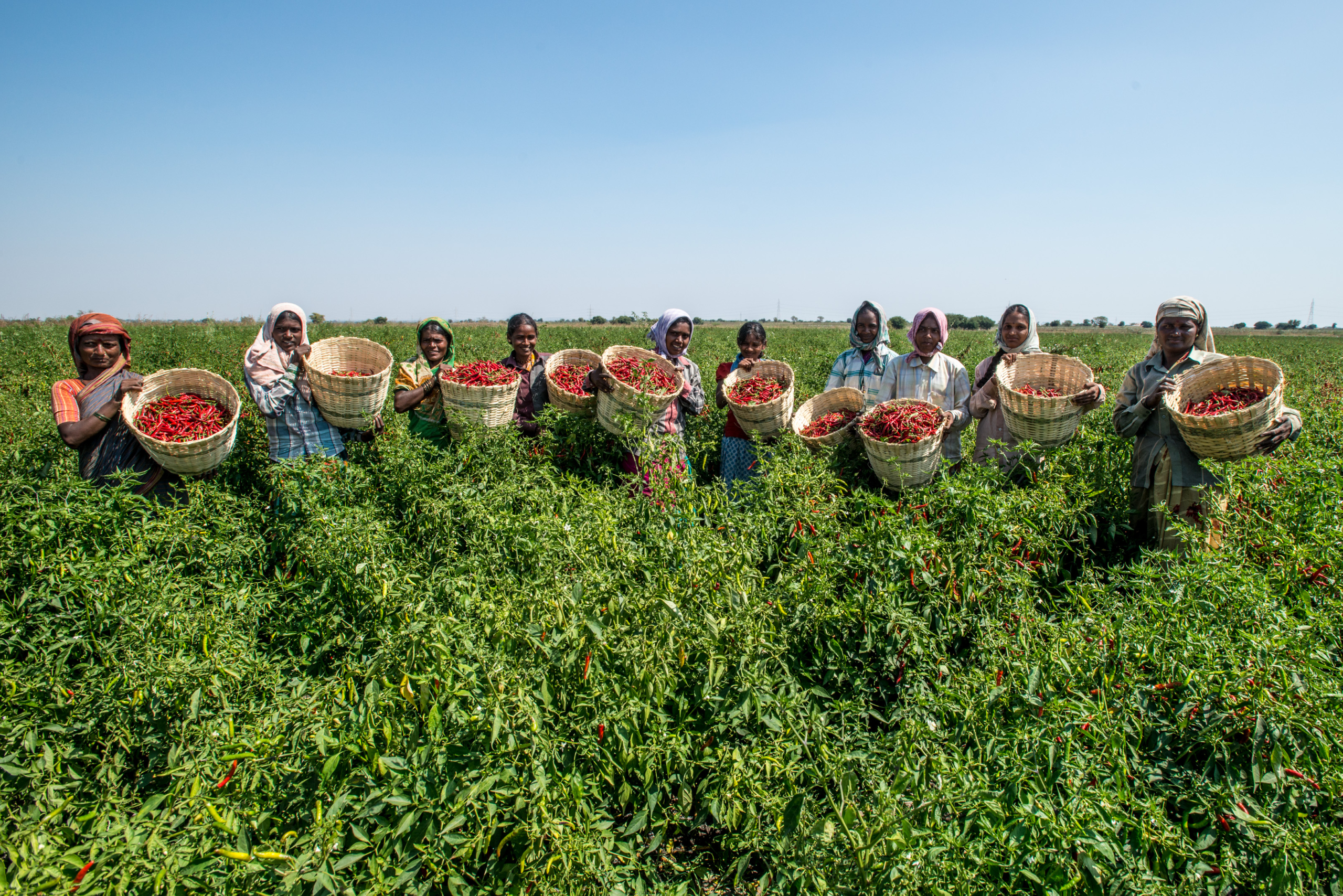
Diversifying Production in IndiaDiversification of production implies a shift from crop farming to nonfarming activities. Diversifying production in India has employed millions of small and marginal farmers. It has helped them navigate sustainable ways of making a livelihood. Nonfarming activities, including but not limited to animal husbandry, fisheries and horticulture farming, have been sustaining farmers in India throughout the years by serving as alternative sources of income.

Animal Husbandry

Animal Husbandry, also known as livestock farming, refers to the rearing of animals for meat, hide, milk and other products. India has one of the largest livestock populations in the world, serving as an alternative source of sustenance for a large number of farmers throughout the country. More than 20 million workers in India are engaged in livestock farming and 87.7% of livestock is owned by “farmers of marginal, small and semi-medium operational holdings.”

Under the Government of India, the Department of Animal Husbandry and Dairying incentivizes subsidies to farmers to set up their own livestock farms and gain more income. Since a large portion of India’s farming population is multidimensionally poor, it is advantageous for them to indulge in livestock farming because livestock can be reared by extremely low-income families as well.

The only risks involved in animal husbandry are the chances of livestock diseases. Though many diseases affecting livestock are curable, the focus of treatment is mostly on larger livestock and smaller livestock is often ignored. However, steps are being taken by the government and other charitable organizations to immunize livestock by employing women to nurse them back to good health without farmers having to incur any extra costs.

Fisheries

Fishing is a large-scale activity in India and employs more than 28 million people nationwide, “especially [those from] marginalized and vulnerable communities.” As of 2024, under the administration of the Department of Fisheries, more than 26,000 fishing facilities, 6,498 replacement boats, 586 cold storages and 720 Fish Farmers Producers Organizations (FFPOs), among others, have been approved by the Pradhan Mantri Matsya Sampada Yojana (PMMSY).

The PMMSY was established in 2020 to regulate the functioning of the fisheries sector in India. The Department of Fisheries has also approved more than 59,000 fisher families to get “livelihood and nutritional support during fishing ban/lean period.” Alongside this, the Department also supports farmers during circumstances of loss of fish stock due to natural calamities.

Horticulture

Approximately 43% of India’s population is employed in the agricultural sector. Horticulture is a type of agriculture that encompasses the farming of fruits, vegetables and ornamental plants. The horticulture sector in India “provides alternate rural employment opportunities, diversification in farm activities and enhanced income to farmers.” Transitioning from agriculture to horticulture is, however, a difficult task for farmers because horticulture happens to be labor-intensive and therefore entails more capital requirements.

Government schemes like the Operations Greens help farmers overcome this burden by assuring Minimum Support Price (MSP) for their produce, which would thereby “help to a great extent in shielding farmers from external variables.” The focus is placed on increasing farmers’ incomes by guiding the gains of their horticultural produce.

Additional Remarks

In 2018-19, the Government of India extended credit facilities to fish farmers and animal husbandry farmers, enabling them to meet their working capital requirements. Such efforts by the government and other organizations have helped uplift farmers from a bare minimum to a more comfortable flow of income. Diversifying production in India through the three sectors mentioned above significantly contributes to the growth of the Indian economy. It simultaneously serves as an additional means of rural employment.

– Adya Umesh

Adya is based in Bangalore, Karnataka, India and focuses on Good News and Global Health for The Borgen Project.

Photo: Wikimedia Commons

Seaweed Farming in ZanzibarZanzibar, an archipelago in the Indian Ocean, is an autonomous part of the United Republic of Tanzania. Tanzania is one of the most populous countries in Africa and one of the fastest-growing economies on the continent. Key to its economic growth is the local seaweed industry. Seaweed farming in Zanzibar is one of the region’s largest sources of income, is women-run and has immense environmental benefits.

Warming sea temperatures due to adverse weather have recently disowned the industry’s future and farmers’ livelihoods. However, a joint operation between The Nature Conservancy, The C-Weed Corporation, Cargill and the Zanzibar government stepped in to train the farmers on more sustainable practices.

The Seaweed Boom

Only trailing behind tourism and clove production, seaweed farming in Zanzibar is the archipelago’s third-largest industry. An overwhelming majority of the seaweed is used to produce carrageenan. This thickening agent appears worldwide in ice cream, toothpaste and cosmetic products. According to a United Nations (U.N.) report in 2018, farmers produced 15,000 metric tons of seaweed, accounting for 90% of Zanzibar’s marine exports and bringing in $8 million a year.

Additionally, seaweed farming requires no fresh water, feed or land and creates no carbon emissions. “It’s incredible from an ecological standpoint,” said Robert Jones, director of The Nature Conservancy. Seaweed also acts like a sponge, removing excess waste from the sea, improving water quality and providing new habitats for fish and other aquatic life. Around 25,000 people are employed and 80% of these farmers are women. Wading out into the ocean every morning, the women farmers of Zanzibar plant cultivate their yield in shallow waters along the coast. Doing so has brought them an essential source of income, as a quarter of the Zanzibari population lives in poverty.

Excluded from fishing and tourism jobs because of their gender, Zanzibari women turned to seaweed farming, which required no need for a boat or knowledge of how to swim. “Seaweed farming gave us our independence. I want the same for the next generation,” said Mwanaishia, a seaweed farmer in Paje, a village in the southern Island of Unguja. “I can say that seaweed farming lifted us up as women in Paje.” She can earn up to $85 a month in a good year. From her income, Mwanaisha became a landowner and built a second house that she rented out.

A Helping Hand

In 2020, seaweed farming in Zanzibar took a heavy hit. Warming waters, coastal degradation and international competition threatened the livelihoods of the Zanzibari women. “When I would check the harvest, I found that a lot of it was rotten. That’s when I realized that the environment was no good,” said Sada Hemed Suleiman, a local seaweed farmer. In response, The Nature Conservancy, one of the largest environmental nonprofits in the world, along with Cargill, a global food giant and the largest privately held corporation in the United States (U.S.), partnered with the Zanzibari Government and a local seaweed corporation known as C-Weed to revitalize the industry.

They trained farmers in sustainable practices to protect the environment and boost productivity. Mondy Muhando, a seaweed farming trainer for The Nature Conservancy, explained that the training “taught farmers on better sight selections for their farms, as well as introduced a farming technique that increases production two to three times more.” Additionally, Cargill introduced red seaweed, a new and more resilient species to Zanzibar that performs better on the international market. In total, the initiative improved the management of 528 coastal areas. The Zanzibari government then started replicating the training in more villages.

A Bright Future

This year, the state-owned Zanzibar Seaweed Company (ZASCO), in cooperation with Tanzania’s NMB Bank, announced a $3 million project to build a new production facility. According to ZASCO director Dr. Masoud Rashid Mohomed, “this will become not only the largest seaweed processing plant in Tanzania but also across the entire African continent.” As a result, Zanzibar’s seaweed farmers will be better positioned to compete internationally, with the future of seaweed farming in Zanzibar poised for growth. The hard-working women farming in the shallow coastlines will earn more money, pull themselves out of poverty and increase their voices within their communities.

– Mason Borden

Mason is based in New York, NY, USA and focuses on Technology and Solutions for The Borgen Project.

Photo: Wikimedia Commons

agricultural organizations in EthiopiaAgriculture plays a crucial role in community health and wellness in the developing world. This is particularly evident in Ethiopia, where 20.1 million people require food assistance and 7.4 million women and children suffer from malnutrition. This figure includes internally displaced persons (IDPs) who have sought refuge in safer areas to escape conflict and droughts. The significant food productivity and security challenges in the country highlight the critical role of agricultural organizations in Ethiopia to address these issues.

Nuru Ethiopia

One innovative agricultural organization in Ethiopia is Nuru Ethiopia. This organization was founded in 2012 and follows a community-based model entirely led and designed by local people. It aims to create lasting, positive change. The work of Nuru Ethiopia moves local populations from subsistence farming toward “thriving farmer-owned and farmer-led agribusinesses.” This work creates stronger communities that become resilient to issues that Ethiopians face such as adverse weather conditions, conflict and poverty. 

Nuru Ethiopia is distinctive in its approach, which incorporates unions into its model, enabling farmers to access international markets and achieve higher profit margins. This strategy supports the upliftment of communities from extreme poverty and food insecurity. It also establishes Nuru Ethiopia as a notable player among the significant agricultural organizations in the country.

Agri Service Ethiopia

Another organization that works to improve agriculture in Ethiopia is Agri Service Ethiopia (ASE), founded in 1969. This organization was the first national nongovernmental organization (NGO) established in Ethiopia. It has worked with remote populations and smallholder farms since its inception. ASE works in three regions across Ethiopia with projects in various Woredas or districts.

ASE aims to educate rural populations on modern farming techniques to make small household farms more productive. ASE’s programs focus on training farmers to use household items to increase food productivity and their homes. Education and training are essential to overcoming unproductivity, so ASE is one of many important agricultural organizations in Ethiopia.

Farm Africa

Farm Africa is a larger organization operating in five African countries, including Ethiopia. The organization finds that most Ethiopians live on less than $1 a day and that 35% of the country suffers from food insecurity despite 67% of the population being involved in agriculture. Farm Africa began its work in Ethiopia in 1988 and it remains the largest project due to the unique challenges that the country faces. Ethiopia is landlocked, drought-prone and experiences extreme effects of changing climatic conditions. For this reason, Farm Africa has tailored its programs in Ethiopia to fit the country’s specific needs.

Farm Africa recognized the need to address unsustainable farming practices, so it focuses on holistic approaches to forest conservation and climate resilience. Given Ethiopia’s significant role in coffee production, Farm Africa has also worked to enhance the sustainability and profitability of these farms for local communities.

The organization has completed 11 projects nationwide and is working on eight more. These initiatives tackle challenges such as sustainable forestry, livestock livelihoods, spice production and marketing, ecosystem preservation in Bale and supporting female farmers in combating adverse weather. The wide array and success of each program of Farm Africa Ethiopia adds to the importance of agricultural organizations in Ethiopia.

Agricultural Organizations in Ethiopia

Despite ongoing food insecurity and malnutrition throughout Ethiopia, organizations like Farm Africa, Nuru Ethiopia and ASE improve the situation daily. Major improvements have drastically decreased the numbers of those affected by extreme poverty. Agricultural organizations in Ethiopia create positive and lasting change locally and nationally and their importance cannot be overstated.

– Carlie Duggan

Carlie is based in Newtown, PA, USA and focuses on Global Health for The Borgen Project.

Photo: Pixabay

Afghanistan's Opium PoppiesFor decades, Afghanistan has been the world’s leading opium producer, supplying at least 70% of the global output. This vast industry, involving farmers, traffickers, warlords and authorities, has significantly funded the country’s conflicts with the United States (U.S.), particularly in southern Afghanistan, where farmers depend on cultivating Afghanistan’s opium poppies to sustain their livelihoods in an arid desert landscape where poppies thrive.

The Impact of the Taliban’s Opium Ban

Life changed dramatically in 2022 when the Taliban, after seizing power, banned opium farming nationwide on religious grounds. Since the ban, farmers in the former opium fields have struggled to sustain their livelihoods with alternatives like wheat and cotton, whose prices have plummeted due to market saturation. The options for growing other crops are extremely limited in this area because of the harsh climatic conditions that challenge agriculture.

Economic Consequences of the Opium Ban

The ban on opium farming has deeply impacted Afghanistan, creating a cycle of economic instability and underdevelopment showcasing its reliance on the Afghanistan economy.  A sharp decline in annual revenue occurred after the ban, from $1.3 billion in 2022 to just $110 million in 2023. Projections suggest a continued economic downturn, with an estimated 6.4% reduction in GDP in the first year and approximately 8% by 2026, assuming a sustained 70% reduction in opium production. Replacing the opium poppy industry is no small feat in Afghanistan and requires substantial investment in alternative livelihoods and drought-resistant agriculture.

UNDP’s Role in Transitioning Afghanistan’s Agriculture

The United Nations Development Programme (UNDP) and its supporters aim to guide Afghanistan toward an economically viable transition from opium production to alternative crops or industries that foster growth and create sustainable livelihoods. This objective requires supportive policies and strong foreign aid to ensure a sustainable transition.

Initiatives and Achievements of CBARD-ALL

The Community-Based Agriculture and Rural Development – Access to Licit Livelihoods (CBARD-ALL) initiative is central to these ongoing efforts, which aim to replace opium poppies with high-value crops in key production districts. CBARD-ALL aims to enhance livelihoods and incomes throughout the agricultural industry in Afghanistan by supporting farmers who are reliant on opium production. These goals are achieved through a comprehensive approach that includes providing essential farming supplies and knowledge, advisory support, building greater capacity within these farms through diverse training programs and establishing agriculture infrastructure to handle the transition.

The United States International Narcotics and Law Enforcement Affairs is a major supporter of this initiative, providing substantial resources. The project has achieved notable accomplishments, including surpassing the target for repurposing greenhouses previously used for opium poppy cultivation, developing tools to enhance crop productivity and constructing numerous small-scale irrigation channels. Scheduled to conclude by Sept. 2025, the project seeks to establish a more sustainable agricultural future for Afghanistan.

Looking Forward

The CBARD-ALL initiative plays a crucial role in fostering sustainable alternatives to Afghanistan’s opium poppies, showing notable progress. By providing viable options rather than enforcing prohibitive measures, CBARD-ALL aims to improve the livelihoods and incomes of those impacted by the opium ban. This strategy not only reduces economic reliance on opium cultivation but also promotes economic resilience and diversification, crucial for the stability and development of rural areas. In regions dependent on agriculture and challenged by poor infrastructure and limited connectivity to major cities, this ongoing project is vital for securing a sustainable and lasting agricultural future in Afghanistan.

– Mathieu Paré

Mathieuis based in Toronto, Canada and focuses on Business and Good News for The Borgen Project.

Photo: Flickr

Poverty in Upper Egypt A decade into Sisi’s reign, Egypt’s economy remains in decline. As the most populous Arab country with around 106 million people, the country continues to face significant economic challenges. In 2020, the World Bank estimated that nearly 30% of Egyptians were living in poverty, with millions more at risk of falling below the poverty line. The majority of the impoverished and vulnerable population is disproportionately concentrated in the rural governorates of Upper Egypt.

Poverty in Upper Egypt

Also known as the “Sa’id,” Upper Egypt refers to the southern part of Egypt and the Nile River valley, extending from the area south of Cairo to Aswan. Despite its rich heritage of ancient Egyptian civilization, poverty in the region is prevalent, characterized by higher rates of unemployment, illiteracy, limited access to adequate health care and underdeveloped infrastructure. Although comprising only 25% of the population, it is home to 40% of the nation’s poor, totaling 12.6 million people. UNICEF findings reveal that a child in rural Upper Egypt is only half as likely to survive to the age of five compared to a child in Lower Egypt.

Access to clean and safe water is a challenge in Egypt and negatively impacts children. In areas without a piped water network, children, especially girls, are often tasked with fetching water, compromising their education and leisure time and further perpetuating the cycle of poverty.

Barriers to Education

Educational attainment in Upper Egypt has involved challenges; it is often difficult for children, particularly girls, to access schools. Families in this region often reside in small, rural hamlets, which are frequently located far from central village primary schools. Prevailing social influences and the lack of transport facilities has hindered children, especially young girls, from reaching these public schools. In Egypt as a whole, issues such as grade repetition, absenteeism and dropout rates reduce the efficiency of the education system. Consequently, approximately 46% of the working-age poor have not completed primary education, and less than 4% possess a university degree. Upper Egypt particularly shows lower intergenerational improvements in education than the remainder of the country, in 2015, approximately only 38.9% of those aged 25 years or older attained a higher level of education than their parents did.

Agricultural Challenges

In Upper Egypt, the governorates with the highest poverty rates see more than 30% of their workforce engaged in agriculture. The local economy relies heavily on subsistence agriculture, which, with unreliable weather conditions and changing weather patterns, is becoming increasingly unsustainable. Indeed, the country’s 1,000 poorest villages, located in three of these governorates, have 74% of households facing food insecurity. More than 55% of employment in Upper Egypt is agriculture related. Small farms, which fall short of international standards and which use traditional practices dominate this sector. Consequently, the region grapples with significant and persistent challenges, including food and water insecurity and climate variability, resulting in unsustainable livelihoods and hindering economic and social development.

The Ishraq Program

The Ishraq program focuses on out-of-school girls in Upper Egypt representing the most underprivileged, disadvantaged and often overlooked group in the country. When compared to their Lower Egypt and Urban governorate counterparts, they are at a much higher risk of early marriage, poor health outcomes and inter-generational poverty. Through the Ishraq program, Save the Children, in collaboration with the Population Council, provides safe spaces for girls who have dropped out of school helping them learn, socialize and develop life skills. “For more than a decade, Ishraq has served 3,321 girls and 1,775 boys in 54 villages across five of the most disadvantaged governorates of Upper Egypt,” according to the Population Council.

The program was met with high demand at the community level and resulted in improved literacy skills, financial management and health education. The program was launched in 2001 and a 2013 report by Population Council detailed plans to continue expanding the program, for which community demand remains high, and to encourage the development of further programs which support graduate girls as they become young women, who require greater life and livelihood opportunities.

Copts In Need

As a U.K. based charity dedicated to reducing extreme poverty in Upper Egypt, Copts In Need (CIN) undertakes various projects to help the poor communities of Upper Egypt, focusing on housing, child development and microfinance projects. In 2023, CIN constructed 200 houses in Upper Egypt and supported 800 members in starting their own businesses.

Another of their notable projects is ‘Eyes of Assiut’  which aims to address the high prevalence of visual impairment and blindness in the region, particularly among women. CIN has established an eye specialist hospital in the Abnoub district, providing treatment and training to local ophthalmologists and nurses, with support from highly qualified U.K. consultants. In the past year, the hospital has continued to be an effective referral and treating center for all Egyptians within Assiut and its peripheries.

Despite Upper Egypt’s rich cultural heritage, it remains one of the poorest and most underdeveloped regions in the country, exacerbated by ineffective government policies. However, initiatives by organizations like Save the Children and Copts In Need offer hope by focusing on education, health and sustainable development. For real progress, stronger government action and support are crucial to transform this region and improve the lives of its vulnerable populations.

– Asma Issa

Asma is based in London, UK and focuses on Politics and World News for The Borgen Project.

Photo: Flickr
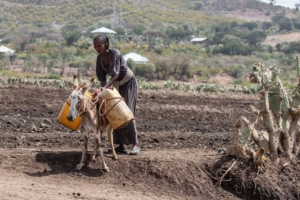
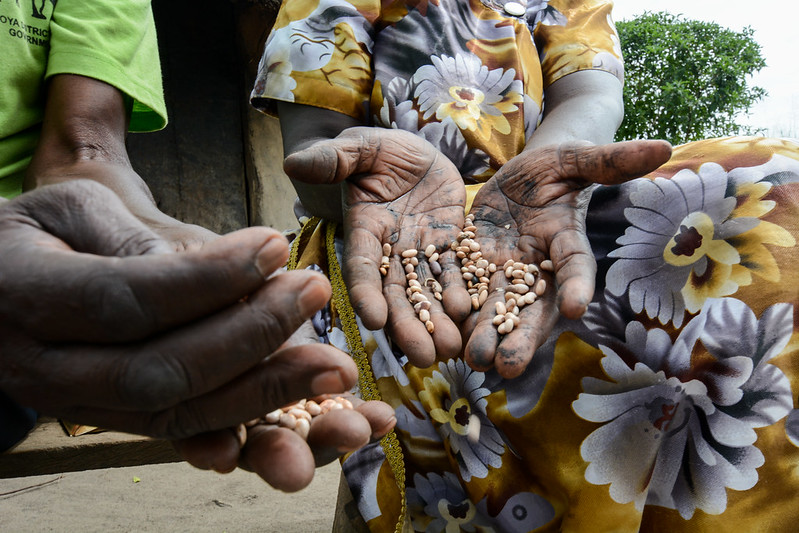
VINES projectIn the border regions of Kassala and Blue Nile in Sudan, food insecurity both results from and exacerbates conflict. In Blue Nile, 46% of children under 5 suffer from malnutrition. To combat this, Practical Action launched the ‘Vegetables for Income, Nutrition and Employment in Sudan’ (VINES) project in November 2023. With a budget of $500,000, the project aims to boost the productivity of small farmers by increasing agricultural production and improving local market solutions. VINES project manager, Abdallah Adam, explains that the project focuses on beneficiaries who previously lacked access to advisory services, improved vegetable seeds and knowledge of good agricultural practices.
The Demographics of Kassala and Blue Nile

The states of Kassala and Blue Nile in Sudan, heavily affected by ongoing conflict, host hundreds of thousands of refugees and internally displaced persons (IDPs). This large population exacerbates existing food insecurity and malnutrition challenges, further complicated by climate change, conflict and erratic weather patterns. To address these ongoing issues, 6,000 small farmers in these states are participating in a project aimed at minimizing obstacles to food production. Engaging the wider community is also essential for educational and peacebuilding efforts, as part of the broader objective to improve local conditions.

The Approach

The strategy focuses on empowering farmers and enhancing market systems to boost the yield and resilience of local vegetable crops. This will be achieved through the following actions:

  • Collaboration and community engagement. The strategy enhances initiatives such as Farmers Field Schools (FFS), home gardens and vegetable nurseries to educate farmers and equip them with essential skills. It also prioritizes the production of organic fertilizers from local materials to maximize productivity and sustainability.
  • Strengthening the seed system. Enhanced and certified seeds are provided to farmers, enabling access to high-quality options that improve crop yields and overall agricultural productivity. To ensure affordability and productivity, vegetable seeds are often subsidized for smallholder farmers.
  • Addressing post-harvest losses. Practical Action has established aggregation points, drying facilities and cooling storage units to maintain the quality of produce. The organization is also developing post-harvest practices and technologies to prepare for the next harvest.
  • Improving farmers’ market access. This is done by connecting farmers with other farmers and buyers to create a collaborative environment that facilitates the exchange of knowledge and improves productivity, particularly in combating climate hazards. Vegetable Business Networks (VBNs) are crucial for strengthening market systems, both in terms of input and output markets and are particularly effective in fostering the sale of fresh vegetable produce.

The Significance

In May 2023, the World Food Programme (WFP) announced that food insecurity in Sudan was set to reach record levels. More than 19 million people are affected, equivalent to two-fifths of the population. Ongoing conflict and violence have caused basic food prices to skyrocket. Furthermore, this has intermittently forced the WFP to suspend its programs in Sudan during particularly violent periods. In this environment, operations like Practical Action become crucial. The organization provides continuous support and sustainable solutions to one of the world’s most malnourished regions.

Looking Ahead

The VINES project by Practical Action is a critical initiative addressing food insecurity in the conflict-affected regions of Kassala and Blue Nile in Sudan. By enhancing agricultural productivity and market access, the project aims to reduce malnutrition and improve livelihoods. As food insecurity in Sudan reaches unprecedented levels, such interventions can potentially create sustainable, long-term solutions and support vulnerable communities in the region.

– Bea Newington-Bridges

Bea is based in Edinburgh, Scotland and focuses on Technology Global Health for The Borgen Project.

Photo: Flickr

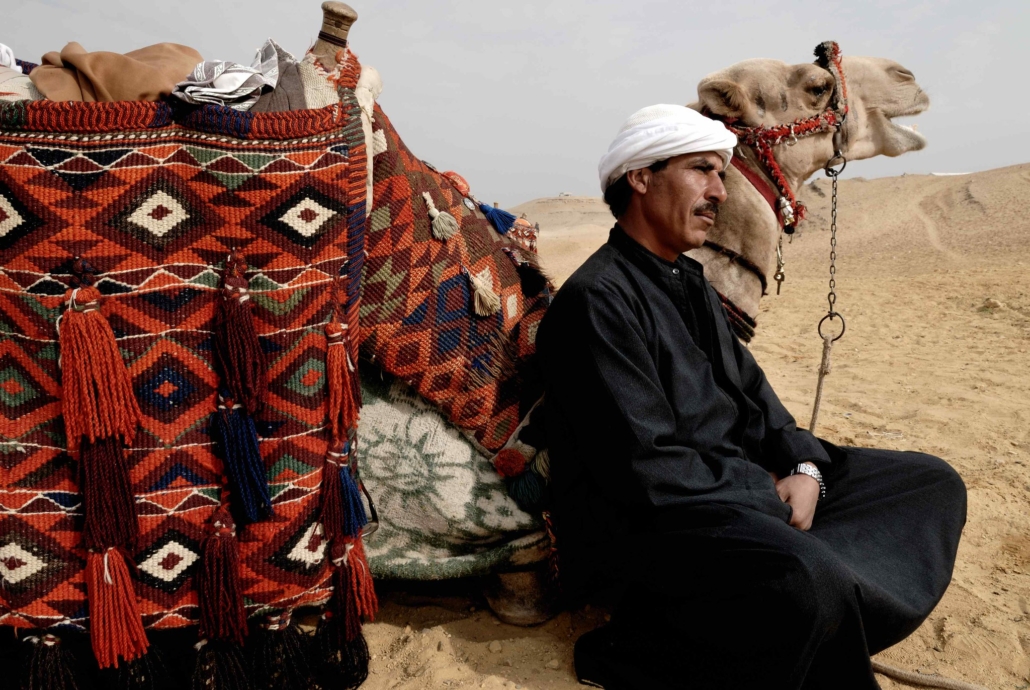
Desert AgricultureDesertification occurs when land near desert and arid regions becomes barren and dry due to human activities or adverse weather conditions. In the past 20 years, thousands of acres of fertile farmland and grazing land have been lost to desertification. Several internationally funded projects have been initiated to combat this issue, the most famous being the Great Green Wall.

Developed in 2007, the Great Green Wall project aims to halt the expansion of the Sahel and stretch from Senegal to Djibouti. While the international community initially lauded the project as a great example of environmental restoration, the World Agroforestry Center has critiqued the plan. It is a tree-planting-centric model that scientists argue is ineffective in attempting to recover desert land. Instead, the areas along the project’s route that have seen success have seen little from the original initiative and instead have found new life in the hands of local farmers and communities.

Through indigenous communities, the land’s revitalization has begun to take shape. In Niger, farmers are using the Faidherbia albida tree, along with native low-brush plants, to assist with soil nutrients. The Great Green Wall is considered one of the most well-known plans to combat desertification. However, other plans are currently in action; some are taking inspiration and others are developing more applicable solutions to desert agriculture.

Mongolia

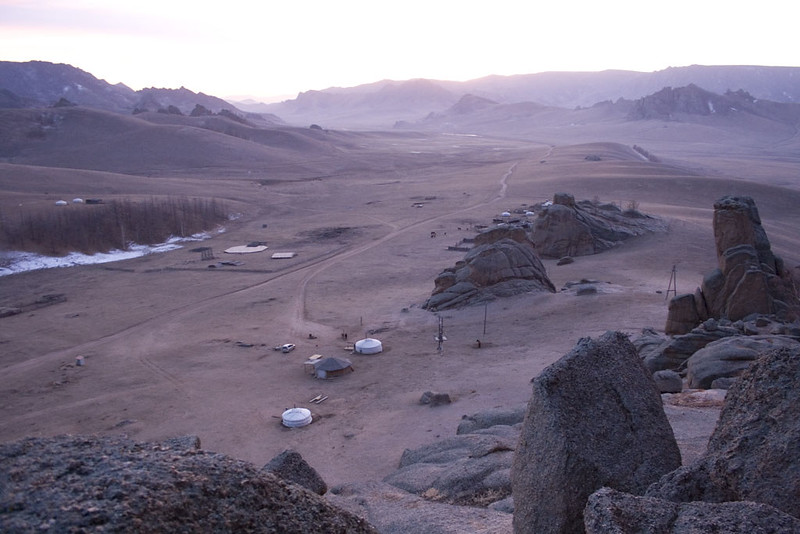
As of 2017, more than 70% of Mongolian land is considered to be desertified to some degree. Significant drought periods have exacerbated the spread of desertification in Mongolia’s Dornod and Khentii grasslands. While Mongolia has always been classified as arid and semi-arid, the large-scale grasslands have allowed a long-standing animal husbandry tradition to dominate the Mongolian economy.

The Mongolian Great Green Wall plan was launched in 2008 to combat this. However, like its African counterpart, it was largely unsuccessful and primarily abandoned in favor of other preventative methods. One indigenous solution to desert agriculture has been to change animal grazing timelines to ensure proper recovery time and prevent overgrazing. Between an increase in protective land policies and the nomadic communities remaking animal grazing patterns, there is a high possibility that the increased desertification along the Steppe can be reduced and managed with proper collaboration between local communities and government agencies.

Iraq

In the last three decades, the country has seen an increase in desertification due to deforestation during regional conflicts, water scarcity and the removal of brush cover, which has exacerbated the desertification in Iraq. The United Nations Convention to Combat Desertification (UNCCD) reports that as of 2019, 2.89 million hectares of land in Iraq are classified as degraded. This degradation, primarily affecting the agricultural sector, is caused by water salinity from the Tigris and Euphrates rivers and the lack of alternative irrigation sources. As a result, many farmers have abandoned their lands and migrated to densely populated urban areas for employment.

There are currently no active UNCCD projects in Iraq. However, a comprehensive analysis was produced in 2022, which gave several strategic suggestions to boost vegetation cover and revitalize local agricultural lands by planting lichen and other microorganisms to strengthen top soils, provide necessary nutrients and improve desert agriculture. The UNCCD recommends spearheading projects by local communities and generational farmers to ensure the land is cared for by those who understand the human-land balance more intimately than government bodies.

– Jamie Sackett

Jamie is based in Hutto, TX, USA and focuses on Global Health and Politics for The Borgen Project.

Photo: Flickr