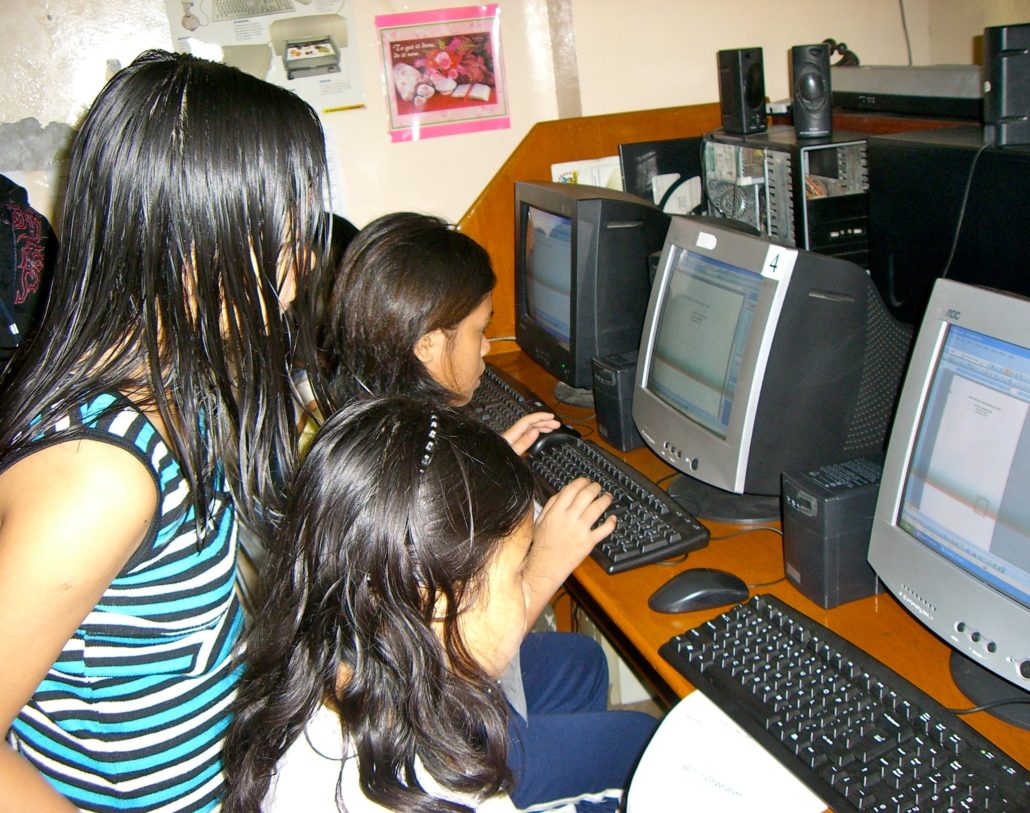
The Philippines officially connected to the internet in 1994. Since then, its internet usage has seen incredible growth. From 2010 to 2020, the number of internet users nearly doubled, from 27% to 52%. Now, more than 73 million Filipinos use the internet and others have dubbed the Philippines the “social media capital of the world.” The internet has done a lot to improve education and the job market for the Filipino people. Though the internet is still improving, Filipinos have taken great strides in increasing internet access in the Philippines for those living in poverty.
In 2010, the Philippine Digital Strategy (PDS) was released to increase the Philippines’ digital infrastructure. This strategy includes a plan to provide “Internet for All,” declaring it a human right. It states that the internet gives people the freedom to communicate, work and learn. Since this statement, several projects have launched to make the Philippines’ internet as accessible as possible. These initiatives especially target those living in poverty or with lower incomes.
Free Internet Access in Public Places Act
One of these projects is the Free Internet Access in Public Places Act. This project aims to provide free wi-fi in all public places such as schools, parks, transportation ports and health facilities. This is incredibly important for those living in poverty, as wi-fi in the Philippines is among the most expensive in the world. By having free wi-fi in easily-accessible locations, people in the Philippines have more chances to work, communicate and learn online.
After government funding doubled in 2015, the project expanded its scope and brought the internet to more communities. For example, it establishes internet access to facilitate relief operations in areas that disasters hit. One such instance was in Burdeos, Quezon after Typhoon Ulysses affected it in November 2020. It has also created more than 20,000 hotspot locations around the country in response to the COVID-19 pandemic. In particular, it focuses its outreach on the Philippines’ rural areas, which still do not have nearly as much access as larger cities do.
TV White Space Deployment
Another project that helped to make the Philippines’ internet more accessible was the TV White Space Deployment (TVWS). White space comprises radio frequencies broadcasting stations use. However, many countries have been trying to convert white space into the internet to provide access to people living in rural areas. In the Philippines, this project addresses a strong need as 52% of the population lives in rural areas, yet only 37% had access to the internet in 2018.
TVWS focuses on getting the internet to as many rural schools, hospitals and businesses as possible. An example of this project’s impact is the large but remote fishing community. In 2014 alone, TVWS, along with FishR Program, was able to increase the number of fisherfolk with internet access from 250,000 to 1 million people, and have since set up online banking and an online platform to help them continue business during the COVID-19 pandemic.
Internet and Education
Education is one of the most important factors to escaping and ending poverty. As such, the Philippines has been using the internet to make education more accessible. The Alternative Learning System (ALS), also called a “second chance education” program, is a system that mirrors the formal education system but allows students of all ages to learn online or at odd hours.
Nearly half of Filipinos are unable to complete formal, basic education for various reasons. The ALS program allows students to learn on their own schedule without needing to be there in person or give up work to do so. Currently, 5.5 million students are using ALS. The ALS program also offers a certificate that allows students to apply to higher education and vocational schools. It is also currently adding classes for adults who never finished school so that they can get higher pay and more training in their respective fields.
Looking Forward
While internet access in the Philippines has grown throughout the last decade, it can improve in many ways. Currently, the Philippines has one of the slowest internet systems in the world. There is also a need to make the internet cheaper; some suggest that more internet companies should enter the country to make a competitive market and lower consumer prices. There is also still a great need for more internet access in rural areas.
The Philippines is in an important transitional period; now, more than ever, the internet has a great chance of improving. Doing so will help Filipinos get through the aftermath of the pandemic, thrive economically, increase the middle class and even eradicate poverty.
– Mikayla Burton
Photo: Flickr

PDRF and NAFCON Provide Aid to the Philippines
In November 2020, the Philippines faced several moderate-strength typhoons: typhoons Vamco, Goni and Molave. After the disastrous effects of these storms, organizations based in the Philippines and the U.S., as well as ambassadors from European countries, pulled together to provide resources to aid the Philippines in its time of need. In particular, the Philippine Disaster Resilience Foundation (PDRF) and National Alliance for Filipino Concerns (NAFCON) both stepped in to assist those who lost their homes and who were in great need of supplies like food, shelter, water and soap.
The Philippines’ 2020 Typhoon Season
Each typhoon occurred within weeks of one another during the Philippines’ 2020 typhoon season. Typhoon Molave was the first to hit the Philippines and Vietnam. The Category Two natural disaster began on Oct. 25, 2020, in Batangas. Eight days later, Typhoon Goni hit Bicol on Nov. 2, 2020, destroying cities as a Category Five typhoon. Typhoon Goni was the strongest to hit the Philippines since Typhoon Meranti in 2016.
Typhoon Vamco
The situation worsened beginning on Nov. 11, 2020, as Typhoon Vamco reached the islands. According to the Saffir-Simpson Scale, which generally moves from 210-249 kilometers per hour, Vamco was a Category Four typhoon. Typhoon Vamco affected areas across the Philippines such as Bicol, Calabarzon, Central Luzon and Manila. Moreover, around 350,000 people lost their homes due to this most recent tragedy. Additionally, the storm affected 4 million people due to the destruction of farmland and businesses.
What is the PDRF?
In November 2020, the Philippine Disaster Resilience Foundation teamed up with Dutch, German and United Nations ambassadors to help the Philippines and Cagayan Valley. The Philippine Disaster Resilience Foundation, or PDRF, is a private organization the provides aid during emergencies and disasters within the Philippines. The PDRF managed to deliver food and non-food items to Cagayan Valley in an event called “Aksyon Para Sa Cagayan.” People secured hygiene kits and food, while other organizations like AirAsia provided labor by helping move supplies and managing transportation and temporary housing. The PDRF, along with Netherlands Ambassador Saskia de Lang, German Ambassador Anker Reiffenstuel and U.N. Coordinator Gustavo Gonzalez cooperated to distribute food and organize hygiene kits and other supplies to those in need.
What is NAFCON?
One other group that is working to provide aid and resources to those the typhoon has affected is NAFCON, or the National Alliance for Filipino Concerns. NAFCON is a U.S.-based Filipino advocacy alliance intended to focus on Filipino and Filipino-American wellness. Various organizations involved with NAFCON include Kabataan Alliance, Filipino Community Center, Filipino Migrant Center and Malaya Movement. NAFCON uses connections with the U.S. to gain exposure to provide aid to the Philippines following Typhoon Vamco.
A super typhoon has hit the Philippines that has robbed many people of their homes and livelihoods. Still, Filipinos are lucky to have organizations like PDRF and NAFCON mobilizing to provide aid to the Philippines following Typhoon Vamco. With continued efforts both at a national and international level, Filipinos can hopefully recover and prosper in spite of the effects of this natural disaster.
– Alyssa Ranola
Photo: Flickr
The Impact of The Liberian Civil War
Freed American slaves founded the country of Liberia. It boasts a reputation as an African state that upholds many western values. English is Liberia’s official language, and the country modeled its constitution after the United States’ constitution and named its capital Monrovia after James Monroe. Additionally, Liberia literally means “Land of the Free.” For 130 years, this uniquely American country celebrated independence and economic power. Then in 1980, members of the Krahn ethnic group overthrew the governing body and executed the president and 13 of his aides. This violent coup d’état led to a civil war nearly a decade later, which lasted until 2003. Today, the country is working through the lasting effects of The Liberian Civil War.
The Current State
The Liberian Civil War subjected Liberia’s 4.61 million citizens to tremendous pain and terror. According to the Liberian Truth and Reconciliation Commission, the war killed an estimated 250,000 people. Another 1 million experienced displacement from their homes and had to go abroad as refugees. For years, the United States government and other African nations have hosted these refugees. However, repatriation has proven to be difficult due to the instability of Liberia’s economy.
In 2019, the Human Development Index (HDI) ranked Liberia in the low human development category. This means that Liberians are losing out on “a long and healthy life, access to knowledge and a decent standard of living,” according to the HDI’s basic dimensions of human development. Along with this, “Currently 38.4% of the population is food insecure, 25% of the population does not have access to drinking water and just 17% have access to basic health services.”
The 14-year civil war tested the nation and the livelihoods of many who suffered. Despite this, a glimmer of hope exists for the country. Work is underway to reverse the trends that the violent conflict set forth more than 40 years ago.
Action Against Hunger (AAH)
Food security, water accessibility and health services have proven to have experienced the most damage due to Liberia’s post-war economy. As a result, aid has been mainly targeting these sectors. NGOs, IGOs and the Liberian government have each worked to improve the lives of Liberian citizens.
In the fight against food insecurity, Action Against Hunger (AAH) has greatly impacted Liberia. In 2019, AAH’s team in Liberia reached 301,507 people through screenings and treating malnutrition. AAH has also partnered with Scaling Up Nutrition Civil Society Alliance in Liberia to further its work. AAH advocates on the local and national levels for more support to improve general nutrition statuses all around the nation.
Water Accessibility
Water accessibility is another struggle throughout the country. After the war, Liberia’s new government developed a program called WASH. The intent of the program was to improve water quality, sanitation and general hygiene. USAID—the largest donor to the WASH sector—focuses on and addresses the infrastructure surrounding accessibility and sanitation. The program is also expanding services to both rural and urban communities. As a result, more than 353,000 new people have access to improved drinking water and nearly 154,000 have access to improved sanitation.
Malaria and Ebola
Following these fronts, general health services in Libera have exhibited positive growth. The Ebola outbreak that ravaged sub-Saharan Africa put Liberia’s health system to the test and cracks began to show. In the wake of the epidemic, the CDC expanded its focus beyond malaria intervention by investing in stronger “laboratory, surveillance, emergency management and workforce capacities to respond to disease outbreaks in support of the Global Health Security Agenda.” The CDC also teamed up with Riders for Health in the fight against Ebola. Since 2015, the partnership has transported over 300 relay stations to help rapid diagnosis of the disease. The country has not fully recovered from The Liberian Civil War but these organizations are striving to help it meet that goal.
Looking Ahead
Years of devastation due to war shook the country’s institutions to the core. But as time progresses, the improvements within Liberia are unmistakable. Efforts by NGOs, IGOs and the Liberian government alike provide hope for a recovered Liberian economy. Sustained efforts will allow Liberia to put its civil war in the past.
– Matthew Hayden
Photo: Flickr
Indigenous Communities Respond to COVID-19
The COVID-19 pandemic has affected indigenous populations around the world. This led to initiatives creating opportunities to translate critical information about the coronavirus into indigenous languages. As a result, they were able to aid in countering the spread of misinformation and save lives in an attempt to help indigenous communities respond to COVID-19.
International Year of Indigenous Languages
The United Nations General Assembly adopted resolution 71/178 in 2016. It declared 2019 the International Year of Indigenous Languages. The International Year is an important mechanism in the United Nations system for raising awareness about and mobilizing action toward global issues, such as helping indigenous communities respond to COVID-19. The goal of the International Year of Indigenous Languages was to promote and protect indigenous languages at risk of disappearing. This includes recognizing indigenous knowledge and communication as assets that make the world a richer place.
The Impact of COVID-19 on Indigenous Communities
Pandemics affected indigenous communities disproportionately since the beginning of history. Spanish influenza and H1N1 influenza pandemics infected and killed indigenous peoples in Australia, New Zealand, Canada and the United States at high rates. The rates were higher than their non-indigenous counterparts. The same is true for the COVID-19 pandemic. Indigenous peoples’ increased vulnerability to infectious diseases stems from the legacy of colonialism, including poverty, poor physical and mental health, lack of access to housing, higher rates of domestic abuse and lower life expectancies. Additionally, the COVID-19 pandemic limits the ability of indigenous peoples to practice traditional customs, from formal greetings that involve touching to large gatherings marking important rites of passage, that are often the source of their resilience.
The rampant spread of misinformation and disinformation, which the World Health Organization (WHO) has called an “infodemic,” poses yet another challenge for indigenous communities fighting COVID-19. The same technology and social media enable the dissemination of false information about the coronavirus. This undermines the global response to the pandemic. People are then less willing to observe public health measures, such as mask-wearing and physical distancing. This makes public health information very important. WHO plans to make such information available in local indigenous languages in a culturally sensitive manner.
UNESCO
Utilizing feedback from indigenous peoples’ organizations and partners from the 2019 International Year of Indigenous Languages, UNESCO has implemented multi-language initiatives to fight the infodemic in indigenous communities. One example is a community radio project in Ecuador that UNESCO created in collaboration with indigenous associations, the Ecuadorian government, the Pan American Health Organization (PAHO) and Community Radios Network (CORAPE). Radio is a particularly useful platform to share important information about the coronavirus with indigenous communities because many lack access to the internet. This community radio project secured 20 radio spots. It also produced and distributed a booklet of COVID-19 information. The booklet also includes preventative measures in indigenous languages for the target populations of Afro-descendant and Montubio (mestizo coastal) communities.
Additionally, the website for the 2019 International Year of Indigenous Languages has a page dedicated to the importance of Indigenous languages during the COVID-19 pandemic that includes a collection of useful resources from United Nations agencies and other organizations about the coronavirus and its impacts in hundreds of different languages.
Cultural Survival
Noting the disproportionate impacts of the pandemic on indigenous peoples and the strength they draw from their ancestors who lived through past pandemics, Cultural Survival acted quickly to provide resources. The nonprofit developed, distributed and translated critical information about COVID-19 prevention and response. Due to its multi-language initiative, it translated 417 public service announcements into 130 indigenous languages for preventative measures against COVID-19. It also helped distribute more than 1,200 radio stations around the world in addition to a prevention manual and emergency response toolkit, also available in many indigenous languages, to further support the activities of radio stations.
Cultural Survival is also using Google Maps technology to create the first global monitoring system for COVID-19 for indigenous communities. There are also programs through Cultural Survival to distribute financial resources to community-centered projects that help indigenous partners and local radio stations respond to the COVID-19 crisis in their local communities.
Indigenous Youth Bring COVID-19 Information to their Communities
Indigenous youth are mobilizing to protect their elders from COVID-19 through multi-language initiatives. In Brazil, many tribal elders have died from COVID-19. This is highly concerning for indigenous youth because the elders pass down important traditions and knowledge. Indigenous youth have noticed that the elders they lost to COVID-19 did not have enough information about the virus. They translated informative content only available in Portuguese into indigenous languages. They communicated the original meaning of technical words accurately.
For example, the Network of Young Communicators from the Upper Rio Negro uses WhatsApp to produce and broadcast podcast episodes in indigenous languages, in addition to circulating a written bulletin to residents in the region. Meanwhile, the group Mídia India created quarentenaindigena.info, which contains news and data about the spread of COVID-19 in Brazil’s indigenous communities.
Resilience
The COVID-19 pandemic has had many negative impacts on indigenous communities around the world. Multi-language initiatives created with the goal of sharing critical information about the coronavirus reflect the unshakeable resilience of Indigenous peoples.
– Sydney Thiroux
Photo: Flickr
Act For Peace’s Impact on Global Poverty
Act For Peace is an Australian humanitarian organization. It provides aid to areas around the world that experienced the impact of global poverty and conflict. Working as the international aid agency for Australia’s National Council of Churches, Act For Peace is also a member of the ACT Alliance, a global combination of churches that supports humanitarian efforts in over 130 countries.
The Organization
Act For Peace participates in on-the-ground humanitarian efforts such as providing food, shelter, healthcare and education to communities in need. The organization also has a legislative agenda that focuses on global poverty reduction and safety efforts for vulnerable communities.
The United Nations entered the Arms Trade Treaty (ATT) into force which is a treaty Act For Peace advocated for. ATT is the first global treaty to propose regulations on international arms and ammunition trading. The treaty has the goal of reducing the number of weapons that some use in human rights violations. It will regulate and track the selling and trading of weapons internationally. It also intends to decrease the number of legal weapons on the black market. Over 140 countries signed the treaty since 2014. Only 110 countries received approval or underwent official ratification.
Resources
Act For Change and the Near East Council of Churches Department of Service to Palestinian Refugees (DSPR) offer multiple life-saving resources for the conflict-ridden community. The clinics provide free medicine, dental care, pre-and post-natal care, nutrition and psychosocial support for those the conflict affected. Act For Peace and the DSPR also offer vocational training programs for young people living in the Gaza Strip. This includes secretarial work, carpentry, English language classes and dressmaking. These programs prepare young people for employment, while also providing them opportunities to leave conflict areas and live lives void of danger and poverty.
Clean Water and Emergency Preparedness in Tonga
In an ACT Alliance partnership, Act For Peace and the Tonga National Council of Churches have worked to improve access to clean drinking water by building rainwater tanks in vulnerable areas of the country. The main effort in Tonga is educating communities on emergency preparedness as the country is highly susceptible to natural disasters. Humanitarian efforts include training on early-warning systems, stockpiling food and emergency action plans. The efforts focus on creating leadership roles within the villages. They also equip the communities with the knowledge to oversee their own preparedness and response plans.
Conservation Farming in Zimbabwe
Act For Peace’s ACT partner, Christian Care has provided new farming techniques to over 1,200 farmers living in drought-prone areas of Zimbabwe. The conservation farming methods focus on providing farmers with the skill and confidence to increase food security and extend the health of their crops through seasons of drought. Act For Peace is currently providing direct aid to over 13 countries and is supporting humanitarian efforts all over the globe through partnerships with the ACT Alliance, contributing towards making a great impact on global poverty. In more recent efforts, Act For Peace has several emergency appeals relating to the COVID-19 pandemic and its effect on the developing world.
Act For Peace also has an annual fundraising campaign called, “The Christmas Bowl.” It is an ode to the founding of the organization. Reverend Frank Byatt believed it was his Christian duty to share the joy of Christmas with those less fortunate around the world, thus making an impact on global poverty. His legacy has worked as the framework for the organization for the last 72 years.
– Kendall Couture
Photo: Flickr
Lolo Cynthia: Ending Period Poverty In Nigeria
Period poverty means a woman or girl is unable to afford period products. In the African continent, more than 800 million women and girls menstruate each day, but 500 million of those women do not have access to sanitary pads. As a result, in some places in the world, girls manage their periods with used rags, sand, tree bark and other unsanitary practices, leading to reproductive or urinary tract infections. This issue is prevalent in Nigeria as well, although public health specialist Lolo Cynthia is making a difference by providing health education to girls and helping them make their own cloth pads.
Period Poverty in Nigeria
Period poverty is a global issue that greatly impacts women in Nigeria, where women receive heavy taxes on menstrual products. A pack of sanitary pads costs $1.30. However, 44% of Nigerians live in extreme poverty and earn less than $1.90 per day. Inability to pay for sanitary pads places strain on finances and the physical and mental health of Nigerian women. This, in turn, leads to high anxiety and stress during menstruation.
Period Poverty in Nigerian Schools
According to the United Nations Children Fund, many schoolgirls in Nigeria view menstruation as a secretive and shameful experience. They associate it with experiencing anxiety, abdominal pain, cramps, nausea and vomiting, impacting their school work. One in 10 girls in Nigeria miss school due to their periods, and Nigeria’s conservative approach to menstruation discourages conversations about improving this issue.
Lolo Cynthia
A public health specialist named Lolo Cynthia, who taught 250 girls in southwest Nigeria how to make their own reusable menstrual pads from linens and cloth at a summer camp, is combatting the issue. Lolo Cynthia was born and raised in Lagos and later moved to South Africa to continue her studies. She earned degrees from Monash University at the age of 19 in public health and sciences and HIV/AIDS and health management. Lolo then worked at Nigeria’s Rave TV, where she discussed politics and lifestyles. Later, she worked on a documentary focusing on street children’s lives, drug abuse and other issues impacting women in Nigeria.
Lolo always had a passion for sexual health and social inequality, and she reveals these passions through her work on LoloTalks and MyBodyIsMine. Lolo’s efforts, which receive support from the first lady of Nigeria’s Ondo state Betty Anyanwu-Akeredolu, allow her to work with LoloTalks to discuss menstruation and sexual health. While she was hosting her podcast and working on LoloTalks and education program, MyBodyIsMine, she also started the NoDayOff campaign. It distributed 1,000 pads to women and girls in Lagos. Through this campaign, she quickly realized the need for a more sustainable option for women to use during menstruation. Lolo’s eco-friendly pads create an opportunity for women to control their periods and sexual health sustainably.
Benefits of Cloth Pads
Nigerian girls learning the skills to make their own pads can benefit their sexual health. Moreover, it can help them prepare for menstruation every month. The benefits of pads are:
Lolo Cynthia’s work has received global recognition and may have an impact on how Nigeria approaches women’s bodies and health. The fight to reduce period poverty in Nigeria is only beginning.
– Nyelah Mitchell
Photo: Flickr
ABLE Creates Jobs for Women in Ethiopia
Live fasionABLE is a slogan that transcends the fashion industry. It promotes sustainable practices in creating quality products and focuses on empowering women. The shift to ethically sourced products has grown in popularity among the younger generations. ABLE is one fashion business that strives to provide jobs for women in Ethiopia, as well as internationally.
ABLE in Ethiopia
ABLE’s mission is to challenge the culture of the fashion industry by creating transformative opportunities for women. It aims to provide quality products to improve people’s livelihood in Ethiopia. Thus, the business provides many women opportunities for employment. This is one way that ABLE contributes to alleviating global poverty.
ABLE provides jobs for women in Ethiopia exiting the sex trafficking industry. Employed women manufacture scarves and aid in production. The company trains and equips women to make beautiful, cultural and quality scarves. Less than 38.8% of women held positions in the workforce globally in 2020, highlighting the need for businesses like ABLE to prioritize hiring women.
About 80% of women living in rural areas of Ethiopia work in agricultural cultivation and production and rarely receive any compensation for their work. Furthermore, fathers and husbands often place strict restrictions on women. USAID states that one in three women in Ethiopia experiences one type of physical, emotional or sexual abuse in their lifetime. Providing employment opportunities for women increases their autonomy and financial independence.
Employment Opportunities
Women who receive employment are able to provide an avenue for their children and communities to thrive through economic empowerment. According to author Ain Wright, there are five different policy approaches to closing the gender gap in Ethiopia: welfare, efficiency, anti-poverty, equity and empowerment. ABLE utilizes all five of these strategies for women that it hires.
The welfare and the efficiency approach go hand in hand. Providing women with the means to support themselves motivates and empowers them to actively support their communities. Additionally, all women receive encouragement to discover their voices through the strategy of empowerment, anti-poverty and equity.
Gender Equality
One challenge in increasing employment for women remains deeply rooted in cultural expectations and gender norms. ABLE has a commitment to creating a culture based on equality and rebuilding women’s lives. The fashion industry offers the highest number of jobs to women globally. Yet, only 2% of these women receive a fair wage. ABLE posts its wages on its website for the public to see, allowing consumers to understand the importance of their purchase.
As ABLE grew, it expanded its network to provide jobs for women in Ethiopia, Mexico, India, Brazil and Nashville, U.S. The company partners with local communities to assist in developing individual economies rather than developing itself into a major fashion corporation. ABLE also believes that telling people’s stories affects consumer awareness. Women with employment there created a podcast to tell their stories of strength and hopes for the future. The podcast and products continue to build consumer awareness, alleviate poverty and empower women.
ABLE is making great strides to grow as a company and maintains its role as an ethically sourced fashion brand. Its efforts have created more jobs for women in Ethiopia, empowering them their families and their communities. Moving forward, it is essential that other fashion companies shift to sustainable and ethical practices.
– Kate Lucht
Photo: Flickr
The Need for COVID-19 Vaccines in Israel and Palestine
A Human Rights Issue
According to the United Nations’ human rights body, it is Israel’s responsibility to provide vaccines for the five million Palestinians living in Gaza and the West Bank. Providing differential access is legally and morally unacceptable under international law.
However, despite vaccinating Israeli citizens since December of 2020, Israel did not offer the vaccine to Palestinians until March of 2021. So far, Israel has vaccinated more than 50% of Israelis and about 5% of Palestinians. Increasing violence in the region has left thousands of Palestinians even more vulnerable to COVID-19. Despite many efforts for a ceasefire, conflict continues to engulf the citizens of Gaza and the West Bank. This has made it even more difficult for Palestinians to gain access to the vaccine.
Other obstacles have made it difficult to equitably distribute vaccines in Israel and Palestine. Gaza has been under blockade by both Egypt and Israel since 2007. This military restriction has made it difficult for resources and aid to reach the Palestinians living there. Today, an Israeli citizen is 60 times more likely to have a vaccination than a Palestinian citizen.
International Response
Thankfully, with the help of the international community, there have been several shipments of COVID-19 vaccines to Palestine. On March 17, 2021, Palestine received 37,440 doses of the Pfizer vaccine and 24,000 doses of the Astra Zeneca vaccine through the COVAX initiative. COVAX is an international organization working to distribute the vaccine to the entire world, particularly to low-to-middle countries, and is backed by the World Health Organization.
Many communities and celebrities around the world, including Gigi and Bella Hadid, have been raising awareness of Palestinians struggles. Awareness is imperative as it highlights the unequal access Palestinians have to COVID-19 vaccines. The international support for Palestine can hopefully encourage leaders and nations to continue to fight vaccine inequity in Israel and Palestine and around the world.
China and Russia have sent thousands of vaccines to Gaza and the West Bank over the past few months. Many within the international community, including the U.N., continue to urge Israel to provide Palestinians with equitable access to the vaccine. Providing the COVID-19 vaccine to Palestinians helps the whole international community in its fight against the COVID-19 virus.
– Ariana Chin
Photo: Flickr
Internet Access in the Philippines Decreases Poverty
The Philippines officially connected to the internet in 1994. Since then, its internet usage has seen incredible growth. From 2010 to 2020, the number of internet users nearly doubled, from 27% to 52%. Now, more than 73 million Filipinos use the internet and others have dubbed the Philippines the “social media capital of the world.” The internet has done a lot to improve education and the job market for the Filipino people. Though the internet is still improving, Filipinos have taken great strides in increasing internet access in the Philippines for those living in poverty.
In 2010, the Philippine Digital Strategy (PDS) was released to increase the Philippines’ digital infrastructure. This strategy includes a plan to provide “Internet for All,” declaring it a human right. It states that the internet gives people the freedom to communicate, work and learn. Since this statement, several projects have launched to make the Philippines’ internet as accessible as possible. These initiatives especially target those living in poverty or with lower incomes.
Free Internet Access in Public Places Act
One of these projects is the Free Internet Access in Public Places Act. This project aims to provide free wi-fi in all public places such as schools, parks, transportation ports and health facilities. This is incredibly important for those living in poverty, as wi-fi in the Philippines is among the most expensive in the world. By having free wi-fi in easily-accessible locations, people in the Philippines have more chances to work, communicate and learn online.
After government funding doubled in 2015, the project expanded its scope and brought the internet to more communities. For example, it establishes internet access to facilitate relief operations in areas that disasters hit. One such instance was in Burdeos, Quezon after Typhoon Ulysses affected it in November 2020. It has also created more than 20,000 hotspot locations around the country in response to the COVID-19 pandemic. In particular, it focuses its outreach on the Philippines’ rural areas, which still do not have nearly as much access as larger cities do.
TV White Space Deployment
Another project that helped to make the Philippines’ internet more accessible was the TV White Space Deployment (TVWS). White space comprises radio frequencies broadcasting stations use. However, many countries have been trying to convert white space into the internet to provide access to people living in rural areas. In the Philippines, this project addresses a strong need as 52% of the population lives in rural areas, yet only 37% had access to the internet in 2018.
TVWS focuses on getting the internet to as many rural schools, hospitals and businesses as possible. An example of this project’s impact is the large but remote fishing community. In 2014 alone, TVWS, along with FishR Program, was able to increase the number of fisherfolk with internet access from 250,000 to 1 million people, and have since set up online banking and an online platform to help them continue business during the COVID-19 pandemic.
Internet and Education
Education is one of the most important factors to escaping and ending poverty. As such, the Philippines has been using the internet to make education more accessible. The Alternative Learning System (ALS), also called a “second chance education” program, is a system that mirrors the formal education system but allows students of all ages to learn online or at odd hours.
Nearly half of Filipinos are unable to complete formal, basic education for various reasons. The ALS program allows students to learn on their own schedule without needing to be there in person or give up work to do so. Currently, 5.5 million students are using ALS. The ALS program also offers a certificate that allows students to apply to higher education and vocational schools. It is also currently adding classes for adults who never finished school so that they can get higher pay and more training in their respective fields.
Looking Forward
While internet access in the Philippines has grown throughout the last decade, it can improve in many ways. Currently, the Philippines has one of the slowest internet systems in the world. There is also a need to make the internet cheaper; some suggest that more internet companies should enter the country to make a competitive market and lower consumer prices. There is also still a great need for more internet access in rural areas.
The Philippines is in an important transitional period; now, more than ever, the internet has a great chance of improving. Doing so will help Filipinos get through the aftermath of the pandemic, thrive economically, increase the middle class and even eradicate poverty.
– Mikayla Burton
Photo: Flickr
5 Facts About Period Poverty in Myanmar
Period poverty is when women do not have adequate access to sanitary napkins and other resources to aid them during menstruation. This leads many women to use the same napkin for an extended period of time, increasing the risk of urinary tract infections. Period poverty in Myanmar is particularly prevalent.
Period poverty research is a relatively new topic. There are no formal records documenting how many women lack access to pads. Additionally, the investigation into period poverty is more recent in Southeast Asian countries. Based on the information that some have acquired, here are five facts about period poverty in Myanmar.
5 Facts About Period Poverty in Myanmar
Period poverty in Myanmar prevents many women from having access to sanitary products or adequate sanitation facilities. Cultural stereotypes around menstruation also make managing periods difficult for women. Fortunately, many organizations and individuals are intervening and educating others on better and safer practices. Over time, sanitary products will hopefully become more accessible as the stigma surrounding menstruation decreases.
– Alyssa Ranola
Photo: Flickr
Addressing Homelessness in São Paulo
Under far-right President Jair Bolsonaro, Brazil has experienced devastating economic and human loss in its response to the COVID-19 pandemic. From his initial downplaying of the seriousness of the novel coronavirus and spreading of misinformation about treatments, Bolsonaro has now taken on an apathetic role in the crisis. His attitude persists in the midst of the country’s highest daily death toll counts and hospitalization rates. The failure of Bolsonaro’s government to lead the charge in Brazil’s COVID-19 response has created an urgent need for communities to step in. Community action is necessary to help deal with the growing homelessness in São Paulo and other major cities. Furthermore, many in Brazil’s middle class are at risk of falling into poverty due to COVID-19’s long-term effects on the economy. This includes layoffs, a lack of jobs and a lack of financial support from the government.
Rise in Homelessness
São Paulo, the largest city in Latin America, was already struggling with high rates of homelessness prior to COVID-19. In the four years leading up to the pandemic, São Paulo’s homeless population increased by 65%, totaling an estimated 24,000 people. Aid workers believe the true number is likely much higher. Many of the newly homeless during the pandemic were already living day-to-day in crowded favelas, while some previously had employment in middle-class jobs, such as teachers.
The protracted issue of homelessness in São Paulo has created much frustration. Violence has occurred as police have recently attempted to disperse large homeless settlements notorious for open-air drug use in central neighborhoods of the city. Wealthy citizens increasingly isolate themselves from issues of poverty in São Paulo. Meanwhile, the middle classes face increasing economic instability and coexisting with a growing homeless population.
Community Approaches
Community action has been a lifeline for São Paulo’s homeless population before and during the pandemic. Two common approaches local NGOs and community leaders are advocating for are Universal Basic Income (UBI) and housing. A law guaranteeing UBI in Brazil underwent signature during the presidency of Lula da Silva several years ago, but to date, the country has not put it into action.
The Gaspar Garcia Center of Human Rights
The Gaspar Garcia Center of Human Rights advocates for the right to decent housing in São Paulo. The center provides legal guidance for citizens in precarious living situations. It also has programs for job training to work in the formal sector. One program the center has created is a recycling collective, which has employed 150 formerly-homeless Brazilians. The center also raises awareness for the rights of informal workers and provides legal guidance.
The Catholic Church
The Catholic Church has had a long-standing presence in the homeless communities of São Paulo. Father Júlio Lancellotti of the São Miguel Arcanjo parish has garnered media attention during the pandemic for distributing meals and hygiene products to over 400 homeless citizens on a daily basis. For his activism, he has been subject to death threats and harassment by some. This highlights the complexities of public opinion towards the homeless in São Paulo.
The Homeless Workers Movement
On the political side, an up-and-coming Socialist politician named Guilherme Boulos recently ran for mayor of São Paulo. Although he lost, expectations have determined that he will be a leftist challenger in wider Brazilian politics in the near future. Boulos is a leader of the Homeless Workers Movement, a group that demands housing for the city’s homeless population. The group takes over abandoned buildings in the city center. By doing so, it demonstrates its potential use for public housing in acts of civil disobedience. Boulos has support from the controversial but still widely popular former Brazilian President Lula da Silva.
Conclusion
Homelessness was already an important issue in São Paulo prior to COVID-19, and it will remain one. Without more governmental assistance to community organizations, inequality and homelessness will continue to escalate. President Bolsonaro has shown a general lack of empathy for impoverished Brazilians. Instead, he chooses to exude strength and use harsh law enforcement tactics to address societal issues. Fortunately, community action in São Paulo has shown that many have not given up on trying to help vulnerable populations during these challenging times.
– Matthew Brown
Photo: Flickr