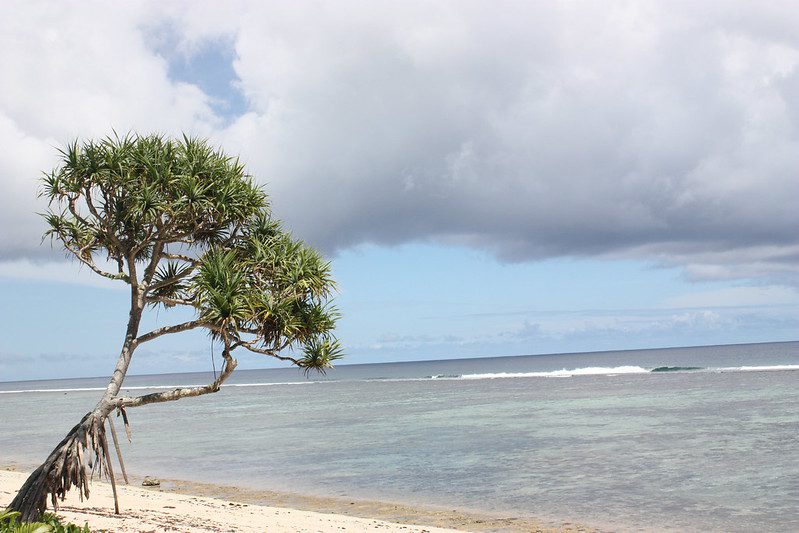
 The Polynesian Kingdom of Tonga consists of 170 beautiful South Pacific islands that King Tupou VI and prime minister Siaosi Sovaleni rule as a monarchy. To the pride of its citizens, Tonga is the only Pacific island that was never colonized, even if it was a British protectorate for 65 years. Tonga’s economy struggles today because of heavy reliance on agriculture, lack of jobs and crippling natural disasters.
Current Poverty and Risks
The U.N.’s first SDG (Sustainable Development Goal) is to erase extreme poverty. In Tonga, one in 10 adults live in extreme poverty, meaning their household income is low, and they lack five or more socially perceived necessities. These include two meals daily, two pairs of shoes and transportation. However, almost a quarter of Tongans live above the extreme poverty threshold but remain poor according to the multidimensional measure — they cannot participate in Tongan society due to insufficient resources.
Agriculture takes up too many jobs. In 2021, 30% of Tonga’s employment was in agriculture. Still, most of the work only covers residents’ basic needs and does not help grow the economy. Though the country exports fish and produce to New Zealand, the U.S. and Japan, in 2021, these exports only accounted for 3% of the national GDP.
Tourism also provides many jobs. In 2020, Tonga made $47 million in tourism revenue which accounted for 9.9% of a $484 million GDP. However, many of these jobs ended due to COVID-19 and natural disasters. Since non-agricultural or tourism jobs are hard to find, Tongans lack job opportunities.
Jobs are easier to find elsewhere, so family members (especially husbands) commonly leave the island to be able to provide for their families. In 2021, this migration (e.g., remittance) accounted for 46% of Tonga’s GDP, an astronomical number. Since educated migrants come predominantly from wealthier families, there is a chance that remittance increases income inequality and causes GDP stagnation in Tonga.
Tonga is the third most at-risk country for natural disasters after Vanuatu and the Solomon Islands, two nearby disaster-prone Pacific island clusters. In the past three years, Tonga suffered over $200 million in damages from Cyclone Herald and the Hunga Ha’apai eruption.
Permanent Aid for Poverty and Quality of Life
In 2018, the U.N. created a Pacific Strategy Plan to reach the 17 SDGs laid out at the New York Summit, the first of which aims to fix extreme poverty in the Pacific Islands. The U.N. Pacific Strategy Fund has about $17.7 million in the budget, $16 million of which came from New Zealand. The Plan’s goals are poverty reduction in Tonga and building greater resilience to extreme natural events.
In support of these efforts, the U.N. has provided equipment worth $55,000 to Tonga’s National Emergency Management Office (NEMO). This equipment will enhance the ability to alert citizens about natural disasters and promptly direct aid during crises. Over the last 12 years, the U.N. has introduced 16 permanent agencies to Tonga, including The International Labor Association, Population Fund, International Organization for Migration, U.N. Development Program and Capital Development Fund.
The CDF draws particular attention due to its role as a local transformative finance mechanism. It supports small businesses and offers private loans to projects that foster sustainable economic growth. This approach leads to a long-lasting increase in individual wealth by establishing a consistent income source, as opposed to providing mere temporary relief.
The UNDP currently works to provide HIV vaccines, rapid test kits, contraception and text message preventative information to women in Tonga. There is heavy misinformation about HIV. More than half of the population would not let HIV-positive children go to school, even though the disease is not transferable just by touch or sharing drinks.
Aid for Government Stability and Security
In Tonga, foreign aid funds most government services. Around 49% of the GDP is central government debt. In 2020, the IMF labeled the debt distress of Tonga as high. For comparison, Moldova was ranked low in risk despite 34.7% of its GDP coming from government debt.
Using this same U.N. Pacific Strategy Fund, The U.N. liaises with the 14 governments in the Pacific and with regional bodies to promote organic, container and home farming to bolster food security, assist policy development for the economic development of outer islands, increase disaster preparedness and support decent work strategies. The organization sits in on government decisions and helps oversee the $17.7 million Pacific Strategy Plan.
Though Tonga is at constant risk of natural disasters and has a mainly agricultural economy, consistent foreign aid promises to bring long-term growth and economic stability. Overall, there is much hope for poverty reduction in Tonga.
– Claire Duvillier
Photo: Flickr

Poverty Reduction in Tonga
Current Poverty and Risks
The U.N.’s first SDG (Sustainable Development Goal) is to erase extreme poverty. In Tonga, one in 10 adults live in extreme poverty, meaning their household income is low, and they lack five or more socially perceived necessities. These include two meals daily, two pairs of shoes and transportation. However, almost a quarter of Tongans live above the extreme poverty threshold but remain poor according to the multidimensional measure — they cannot participate in Tongan society due to insufficient resources.
Agriculture takes up too many jobs. In 2021, 30% of Tonga’s employment was in agriculture. Still, most of the work only covers residents’ basic needs and does not help grow the economy. Though the country exports fish and produce to New Zealand, the U.S. and Japan, in 2021, these exports only accounted for 3% of the national GDP.
Tourism also provides many jobs. In 2020, Tonga made $47 million in tourism revenue which accounted for 9.9% of a $484 million GDP. However, many of these jobs ended due to COVID-19 and natural disasters. Since non-agricultural or tourism jobs are hard to find, Tongans lack job opportunities.
Jobs are easier to find elsewhere, so family members (especially husbands) commonly leave the island to be able to provide for their families. In 2021, this migration (e.g., remittance) accounted for 46% of Tonga’s GDP, an astronomical number. Since educated migrants come predominantly from wealthier families, there is a chance that remittance increases income inequality and causes GDP stagnation in Tonga.
Tonga is the third most at-risk country for natural disasters after Vanuatu and the Solomon Islands, two nearby disaster-prone Pacific island clusters. In the past three years, Tonga suffered over $200 million in damages from Cyclone Herald and the Hunga Ha’apai eruption.
Permanent Aid for Poverty and Quality of Life
In 2018, the U.N. created a Pacific Strategy Plan to reach the 17 SDGs laid out at the New York Summit, the first of which aims to fix extreme poverty in the Pacific Islands. The U.N. Pacific Strategy Fund has about $17.7 million in the budget, $16 million of which came from New Zealand. The Plan’s goals are poverty reduction in Tonga and building greater resilience to extreme natural events.
In support of these efforts, the U.N. has provided equipment worth $55,000 to Tonga’s National Emergency Management Office (NEMO). This equipment will enhance the ability to alert citizens about natural disasters and promptly direct aid during crises. Over the last 12 years, the U.N. has introduced 16 permanent agencies to Tonga, including The International Labor Association, Population Fund, International Organization for Migration, U.N. Development Program and Capital Development Fund.
The CDF draws particular attention due to its role as a local transformative finance mechanism. It supports small businesses and offers private loans to projects that foster sustainable economic growth. This approach leads to a long-lasting increase in individual wealth by establishing a consistent income source, as opposed to providing mere temporary relief.
The UNDP currently works to provide HIV vaccines, rapid test kits, contraception and text message preventative information to women in Tonga. There is heavy misinformation about HIV. More than half of the population would not let HIV-positive children go to school, even though the disease is not transferable just by touch or sharing drinks.
Aid for Government Stability and Security
In Tonga, foreign aid funds most government services. Around 49% of the GDP is central government debt. In 2020, the IMF labeled the debt distress of Tonga as high. For comparison, Moldova was ranked low in risk despite 34.7% of its GDP coming from government debt.
Using this same U.N. Pacific Strategy Fund, The U.N. liaises with the 14 governments in the Pacific and with regional bodies to promote organic, container and home farming to bolster food security, assist policy development for the economic development of outer islands, increase disaster preparedness and support decent work strategies. The organization sits in on government decisions and helps oversee the $17.7 million Pacific Strategy Plan.
Though Tonga is at constant risk of natural disasters and has a mainly agricultural economy, consistent foreign aid promises to bring long-term growth and economic stability. Overall, there is much hope for poverty reduction in Tonga.
– Claire Duvillier
Photo: Flickr
5 Charities Operating in Vietnam
5 Charities Operating in Vietnam
All of these charities operating in Vietnam continue to work selflessly for vulnerable groups in society. They are actively driving Vietnam towards a brighter future and lowering the rate of poverty.
– Sharvi Rana
Photo: Unsplash
3 Organizations Making a Difference in the DRC
Brief History of Conflict in the DRC
The conflict in the DRC has its roots in the Rwandan Genocide of 1994, which led to nearly 2 million Hutu refugees seeking refuge in Congo. In fear of retribution, Hutu extremists formed militias, while Tutsi militias emerged to counter their actions. The Tutsi-led government of Rwanda, after defeating the genocidal Rwandan government, became involved in what was then called the Republic of Zaire, later renamed the DRC. Rwandan troops and Tutsi militias based in the Congo invaded Zaire, sparking the first Congolese War in 1996. The conflict resulted in the victory of Rwandan troops and the Zairean opposition, with Laurent Kabila, the opposition leader, assuming the presidency of the newly renamed Democratic Republic of Congo.
Tensions between Rwanda and the DRC escalated, leading to the second Congolese War in 1998. Kaila aimed to reduce Rwandan control over his government by removing Tutsis from his administration and weakening Rwandan military influence in the eastern DRC. Although the war officially concluded in 2002, the conflict persisted until 2004. Since 1996, the eastern DRC has witnessed more than 6 million deaths to casualties from wars, clashes between ethnic and militant groups and activities of local armed factions. In light of these conditions, there are a number of organizations working to make a difference in the DRC.
3 Organizations Making a Difference in the DRC
Looking Ahead
Despite the ongoing conflicts, these organizations making a difference in the DRC are actively assisting a country grappling with the aftermath of war, political instability and economic decline. As millions of individuals struggle to meet their basic needs, are forcibly displaced and endure the hardships due to the ongoing conflict, these partnerships and the critical ongoing work by Concern Worldwide, CARE and the IRC serve to alleviate the impacts of war and poverty and improve the lives of the people in the DRC.
– Clara Swart
Photo: Flickr
Human Trafficking in Djibouti: A Call to Action
Human Trafficking in Djibouti
Djibouti serves as a transit point for various illegal activities, including human trafficking. The country’s central location on the Horn of Africa and its porous maritime, mountain and desert borders make it susceptible to being used as a hub for this illicit trade. According to the U.S. Department of State’s Trafficking in Persons Report 2023, Djibouti is a source, transit point and destination country for men, women and children subjected to forced labor and sex trafficking. The report estimates that there are several hundred people trafficked through Djibouti each year. The most vulnerable groups include migrants and refugees from neighboring countries, particularly Ethiopia and Somalia. These individuals, seeking better opportunities, often fall prey to traffickers who lure them with false promises of work or a better life.
Types of Work and Victims
Victims of human trafficking in Djibouti end up in various forms of exploitation. Many are subject to forced labor in domestic work, construction, agriculture and the informal sector. Women and girls are vulnerable to sex trafficking, with some being forced into prostitution within the country or trafficked to other nations.
Not all victims are from Djibouti itself; many come from neighboring countries seeking better economic prospects or escaping conflict. Djibouti’s strategic location as a transit point also means that victims move through the country and then are trafficked to other destinations outside its borders.
The Link Between Human Trafficking and Poverty
Human trafficking in Djibouti is intricately linked to poverty and economic vulnerability. The lack of economic opportunities and resources in the country, coupled with high levels of unemployment and underemployment, make individuals more susceptible to the false promises of traffickers. Poverty drives many to seek better prospects elsewhere, making them easy targets for exploitation.
Government and NGO Initiatives
The Djibouti government has taken steps to combat human trafficking and improve its response to the issue. There are ongoing efforts to strengthen the anti-corruption framework, with the establishment of the National Commission for Anti-Corruption and the implementation of a new asset declaration system. However, challenges persist in terms of transparency and accountability, especially concerning politically motivated prosecutions and due process rights violations.
In terms of international cooperation, Djibouti takes part in various significant agreements related to organized crime, including the U.N. Convention Against Transnational Organized Crime (UNTOC) and the U.N. Convention Against Corruption (UNCAC). However, there is room for improvement, as the country has yet to ratify the Arms Trade Treaty, despite being viewed as an arms-trafficking hub. In a 2022 report, the U.N. Refugee Agency has also advocated for better protection services available to vulnerable populations susceptible to trafficking. The report highlights providing access to shelter and justice. These protection services also include providing better responses for unaccompanied children, to gender-based violence and trafficking.
Djibouti collaborates with regional and international initiatives and organizations to combat human trafficking. Partnerships with Arab-speaking countries, France, Turkey, Brazil, Senegal, the Netherlands, Morocco and others focus on capacity-building for law enforcement agencies. Additionally, Djibouti engages with organizations like the East Africa Police Chiefs Cooperation Organisation, INTERPOL, MENAFATF and the Horn of Africa Wildlife Enforcement Network.
Final Thoughts
To enhance law enforcement capacities, Djibouti must address training standards, equipment, communication and forensic services. Corruption remains a persistent constraint on the efficacy of law enforcement efforts, requiring further attention and reform.
Djibouti confronts a complex web of challenges in its fight against human trafficking and smuggling. Despite fragility, corruption and resource limitations, the government has shown dedication to addressing these issues. In addition, international cooperation and regional partnerships play a crucial role in combating human trafficking in Djibouti. By fostering transparency, enhancing law enforcement capacities and addressing the root causes of these crimes, lasting change there is hope the country can achieve lasting change that favors the vulnerable within its borders.
– Mari Caitlin Riggles
Photo: Flickr
Everything You Need to Know About Hunger in North Korea
The North Korean regime cleared away vegetation from mountains and hillsides to create more farmland, deforesting much of the countryside and leaving it more vulnerable to floods, erosion and drought. It made vital parts of its food infrastructure (chemical fertilizer factories, tractors, irrigation pumps and trucks for distributing grain) dependent on the importation of cheap, subsidized fuel from the Soviet Union. In 1957 it outlawed the trade of grain and devoted itself to outsized military spending and its founding communist ideology of self-sufficiency (Juche).
These elements came to a fatal head five decades later at a time when the country was possibly producing less than 60% of its food needs. Soviet petroleum subsidies ceased in 1989 and left the North Korean agricultural infrastructure without enough fuel to operate. Monsoons came in late June 1995 and flooded the now largely unobstructed countryside, drowned a quarter of North Korea’s rice paddies and covered some parts of the country in twenty-three inches of rain. Famine killed between 600,000 and two million North Koreans between 1995 and 1999 — 3-5% of the total population.
Attempts at Reform and Modern Hunger
Internal efforts to reform from 1996 to 2016 strained toward self-sufficiency without achieving it. Kim Jong Il’s 1996 reforms underestimated the country’s dependence on chemical fertilizer and the hegemony’s unwillingness to actively support reform. In 2012, Kim Jong Un instituted the Field Responsibility System (FRS), allowing farmers to keep any grain they produced in excess of their quota. His five-year plan, released in 2016, targeted an annual grain and fertilizer output of 8 million and 2.3 million tons respectively.
This growth required a 30% increase in grain output from 2014, but figures from the Food and Agricultural Organization suggest the target of 8 million tons was not reached. Farmers from the North who had come to South Korea were unaware that FRS reforms had even occurred, and despite efforts to increase domestic fertilizer production, over 250,000 tons had to be imported until 2018. In the meantime, the regime urged farmers to rely more on organic fertilizer. Chemical fertilizer production peaked in 1979 at 2.91 million tons. The output of cereals also peaked at just over 65 million tons in 1979. In the 44 years since, North Korea has never produced more.
Hunger in North Korea continues unabated. Citing Chinese customs data, a CNN report from March 3, 2023, shows the country exporting roughly 56 million kilograms of wheat and flour, along with 53,280 kilograms of cereals to North Korea in 2022. Seoul’s Rural Development Agency estimates that from 2021 to 2022 crop yields dropped by 4%. A clandestine source quoted in the South Korean paper Daily NK on Nov. 21, 2022, opens an urgent window on the subjective experience of hunger in North Korea today. “People with nothing to eat and nowhere to sleep are roaming around trains stations, markets and the streets, but neither the city party committee nor the people’s committee are taking measures to deal with it.”
Reasons for Hope
Despite all this, Peter Ward, writing for the Georgetown Journal of International Affairs in January 2023, begins to outline reasons for hope. North Koreans are resilient and resourceful. Surveys of refugees suggest they are getting much of their food by cultivating the sloping land in regions normally considered inhospitable to crops. This resourcefulness, combined with allowing farmers greater freedom to choose what they plant and tillage rights to their land might generate an increased productivity that could not only spur similar productivity in related industries (chemical fertilizer production) but give rural households a greater ability to purchase imported goods.
Furthermore, the World Food Program’s 2021 brief shows a substantial number of North Koreans directly benefiting from its efforts. From January to March of 2021, it distributed 891.5 metric tons of fortified food (food with added vitamins and nutrients) and 4,970 metric tons of raw food commodities to 566,886 people. This accounts for less than 3% of the country’s total population, but it is an impressive figure considering it was achieved in the teeth of a countrywide COVID-19 response that locked down North Korea’s borders with deadly force, closed many public and child institutions and eventually left no U.N. international staff in the country since March 2021.
Internal movements towards reform, continued international assistance and trade as the COVID-19 pandemic abates, and the resilience of the nation’s people are the hands inside and out that must continue to untangle hunger in North Korea, a problem that only seems unsolvable when the initial despair it inspires is not pushed through.
– John Merino
Photo: Flickr
Food Insecurity in East Timor
Current State of Food Insecurity in East Timor
East Timor’s history is marred by conflict and political instability, which has had profound implications for its food systems. According to the Global Hunger Index (GHI) 2022, East Timor ranks 110th out of 121 countries, indicating a serious level of hunger. The GHI measures hunger on a scale from 0 to 100, with higher scores indicating more severe hunger. East Timor’s score of 30.6 places it in the category of “serious” hunger levels.
The challenges faced by East Timor in achieving food security are multifaceted. One crucial factor is the limited access to arable land. The country’s mountainous terrain and limited fertile areas make agricultural cultivation challenging. According to the U.N. Human Rights Office, only about 11% of East Timor’s total land area is suitable for agriculture, severely constraining the potential for increased food production.
Furthermore, extreme weather events pose a significant threat to food security in East Timor. The country is prone to cyclones such as El Niño, floods and droughts, which can lead to the destruction of crops and livestock, undermining farmers’ livelihoods and exacerbating hunger. Recently, the International Monetary Fund (IMF) estimates that the 2021 Cyclone Seroja in East Timor alone caused an economic loss of approximately 20 to 50% of the country’s GDP with total recovery costs of $422 million (25% of non-oil GDP).
Actions Addressing the Challenges
To address these challenges, the East Timorese government, with support from international organizations and NGOs, has implemented several initiatives. For instance, The World Bank’s Timor-Leste Agriculture Rehabilitation Project, launched in 2001, aims to improve the productivity and resilience of smallholder farmers by providing training, access to agricultural inputs and market linkages for the country post-independence.
Additionally, the United Nations Development Programme (UNDP) has been supporting the establishment of agricultural cooperatives in East Timor. These cooperatives enable small farmers to pool their resources, access credit and receive training in modern farming techniques, thus enhancing their productivity and income.
Infrastructure development is also crucial for improving food security. The Asian Development Bank (ADB) has been supporting East Timor in developing rural road networks and irrigation systems, totaling their investment of up to $210.83 million in irrigation and agricultural infrastructure. These investments are vital for facilitating the transportation of goods from rural areas to markets, reducing post-harvest losses and improving farmers’ access to inputs and services.
– Kent Anderson
Photo: Unsplash
Education Technology Solutions: Bridging the Global Education Gap
The Global Education Gap: EdTech as a Solution
According to UNESCO, more than 258 million children and youth were out of school in 2019. This figure represents a significant hindrance to global development, worsening both poverty and inequality. Therefore, bridging this gap is an urgent global priority that demands immediate and comprehensive interventions.
In response to this pressing need, EdTech has emerged as a potential game-changer for education across the globe. These technologies include an array of educational initiatives ranging from open online courses to interactive digital learning platforms. Not only do these platforms make learning more engaging and personalized, but they also hold the potential to make education more accessible. In overcoming physical, social and economic barriers, bridging the education gap becomes more attainable.
The Interplay of EdTech and Poverty Alleviation
Beyond its potential in education, EdTech is playing a crucial role in poverty reduction. When efficiently incorporated into educational systems, technology can empower individuals and communities, ultimately enabling social mobility. The World Bank affirms that EdTech can foster economic transformations by shifting toward knowledge-based models. These models are not only more sustainable but also foster equitable growth in the long run.
Ensuring Inclusive Adoption of EdTech
While the adoption of education technology is rapidly gaining momentum, it’s crucial to ensure that these advances do not inadvertently exacerbate existing inequalities. To maximize the potential benefits of EdTech, there is a pressing need for a coordinated, holistic approach. Governments, NGOs and private sectors must collaborate to ensure that these technologies are accessible and beneficial to all learners, preventing the emergence of a digital divide in education.
EdTech in Action
Taking the digital leap, programs like Samsung’s Smart Class are playing a pivotal role in rural India. Samsung India’s initiative provides classrooms with Wi-Fi and necessary training for teachers to effectively employ advanced digital tools like interactive Smartboards, laptops and tablets. The result is a noteworthy increase in student engagement and comfort with technology. On the African continent, two significant projects, BraceKids and Africa Code Week, are introducing coding to hundreds of thousands of children. These programs provide programming language workshops, equipping young minds with important digital skills for the future.
Efforts are also underway to promote diversity in tech education. Nonprofits like Rails Girls, founded in Finland, offer worldwide training in basic programming, sketching and prototyping to encourage women to engage with technology. Another example of this is with the Ministries of Education, which is exploring virtual reality (VR) for classrooms, globally. In Singapore, the Rails Girls is partnering with a local company to create virtual field trips, meant to supplement, not replace, traditional learning. Early results show students’ insights have improved with this tool. These initiatives exemplify the potential of EdTech in bridging the global education gap. By demonstrating how technology can help facilitate education and provide quality learning opportunities, these efforts shine a light on the path toward a more digitally inclusive educational future.
Education technology holds remarkable potential to bridge the global education gap and to fundamentally reshape the future of learning. However, the journey to realizing this vision is complex and requires meticulous planning and execution. Successfully rising to the challenge opens the path for EdTech to revolutionize the education landscape, extend learning opportunities to those previously left behind and make a significant contribution to global poverty alleviation efforts.
– Mari Caitlin Riggles
Photo: Flickr
4 African Artists Combating Poverty and Social Inequality
Africa plays host to a variety of cultures. With 54 countries on the continent and more than 1.4 billion inhabitants, there is a true diversity of tradition and lifestyle. The best way to portray culture is through art. As well as helping share cultural practices with the rest of the world, some have also utilized art to tackle stereotypes of African people and highlight injustices in certain communities. Here is a list of four African artists combating poverty and social inequality through their artistic talents.
4 African Artists Combating Poverty and Social Inequality
Art and Social Inequality
Despite the progress that these artists have made in combating poverty and social inequality, there remains a lot of work to do. The contribution of African artists to public discussion and debate is huge. Their work will continue to give many African people a voice and provide a platform to promote social change.
– Christian Vince
Photo: Flickr
How GiveDirectly Impacts Global Poverty
GiveDirectly directly provides cash-based assistance to those in need, eliminating the need for intermediaries, and thereby significantly impacting global poverty. Here is how GiveDirectly impacts global poverty.
About GiveDirectly
GiveDirectly is a nonprofit organization that originated in 2008 with a mission to grant people living in poverty greater autonomy over their financial decisions. By adopting this approach, the organization believes it restores dignity and enables recipients to allocate the cash where it deems it most valuable. The organization has been operational in several countries since 2009, including the DRC, Kenya, Liberia, Malawi, Mozambique, Morocco, Nigeria, Rwanda, Turkey, Uganda, the U.S. and Yemen.
Hurricane Fiona Response
While GiveDirectly primarily respects individuals’ autonomy in financial decisions, it also implements targeted programs focusing on specific issues such as emergency relief, climate and refugees. In 2022, the organization provided cash assistance to 4,748 low-income families from Puerto Rico and Florida affected by Hurricane Fiona, aiming to support those natural disasters impacted.
Natural disasters pose a severe threat to those already living in poverty. According to a World Bank study, such disasters push 26 million people into poverty each year, disproportionately affecting those with lower incomes. In the case of Puerto Rico, Hurricane Fiona struck just five years after Hurricane Maria, leaving little time for a stable recovery. The disaster exacerbated challenges, especially for those in rural areas, with around 760,000 people lacking access to water and 928,000 people without electricity.
GiveDirectly responded by distributing pre-loaded credit cards to Puerto Ricans in dire need of support. Utilizing revolutionary AI tools, the organization identified geographical areas requiring assistance and successfully ran simultaneous campaigns in 32 Puerto Rican municipalities.
Success Tracker
The success of the way GiveDirectly impacts global poverty is evident in the positive results it has achieved through its cash-based assistance programs. To date, the organization has directed an impressive $650 million worth of aid to people in poverty.
The nonprofit shares first-hand accounts from beneficiaries who have benefited from the cash transfers. For example, Milka, a Kenyan man, is just one of the many who have been receiving monthly transfers from GiveDirectly. When asked about the impact of the donations, he talks about how the money has allowed him to start a small-scale cereal company which has significantly reduced the burden of supporting his family.
Another Kenyan recipient, Nyevu, described how “the weight of financial uncertainty that had burdened me for so long was finally lifted” after he received his first payment. He used the funds to purchase a wooden door for his house, providing a sense of security. He further invested in four goats, which not only provide income but also serve as an investment for a dairy cow in the future.
Both examples show how important it is to leave decisions up to the individual as each person will have different methods of using the funds to help their lives.
These examples underscore the importance of empowering individuals to make their own decisions, as each person has different ways of utilizing the funds to improve their lives.
Validation of the Organization’s Approach
The organization’s approach has undergone thorough research and received validation, demonstrating the effectiveness of direct cash transfers. Three hundred studies have supported this method. The studies have been compiled to illustrate the most efficient ways of providing cash transfers and to debunk the misconception that “you can’t just give money to poor people.”
For example, a study on the impact of unconditional cash transfers on poor households in rural Kenya found that in less than two years, the households had sustained increases in assets, as well as many knock-on long-term impacts.
Looking Ahead
The way GiveDirectly impacts global poverty has occurred through a straightforward yet effective method. By restoring financial autonomy to those living in poverty, the organization plays a vital role in the fight against global poverty without imposing rigid assistance on those in need.
– Daisy How
Photo: Flickr
5 INITIATIVES EMPOWERING WOMEN IN NIGERIA
Women’s World Banking
Nigeria faces a significant financial inclusion gender gap, as only 35% of women and 55% of men in the country have access to financial services. Organizations like Women’s World Banking are at the forefront, implementing strategies to drive savings mobilization, leverage remittances for increased access, provide capital to women-owned enterprises and support resilience through insurance. With the help of Women’s World Banking efforts in Nigeria, the country has achieved a historic milestone with women holding the position of Chief Executive Officer in eight out of its 24 commercial banks in 2022. As women gain access to credit, savings and insurance products, they are better equipped to start businesses and improve their households’ economic stability.
Global Initiative for Girls’ Rights Education and Empowerment
Since its foundation in 2019, this NGO has been regularly implementing projects to promote education for Nigerian women and raise awareness about menstrual hygiene management. The organization’s achievements include empowering 100 rural women in Benue with skills in leadership, accounting and artisanal capabilities to improve their economic status and participation in decision-making in their homes and community.
The African Women Power Network
Through various initiatives such as pitch competitions for young entrepreneurs, agribusiness training for women farmers and the DREAM Initiative to help secondary school students develop business plans, the Association for Women in Business has become a leading platform for African women entrepreneurs, facilitating their business success and growth. Aiming to empower African women entrepreneurs by providing them with training and support, with a particular focus on technology, this organization envisions sustainable change through women empowerment.
Give Girls A Chance
This non-profit organization is dedicated to bridging the educational gap between men and women by addressing barriers such as limited access, low awareness of the significance of education and inadequate infrastructure in educational institutions. Their approach involves community and family engagement, providing need-based scholarships and offering mentorship programs. As of 2020, Give Girls A Chance has impacted the lives of more than 100 girls and young women through scholarships, enabling them to either return to or continue their education. Moreover, the organization has connected these beneficiaries with mentors who invest their time in nurturing their psychosocial well-being, fostering a supportive environment for their personal and educational growth.
The Nigerian Women Trust Fund
The proportion of women in elective and professional positions in Nigeria is currently at 4.8%. By 2027, the organization wants to realize the goal of achieving 35% female representation. Through endorsements, the creation of a database of high-profile female candidates and fundraising to support female political campaigns in Nigeria, they seek to achieve this valuable target. Further successful campaigns include the training of 100 Nigerian women in their mentorship program to foster female leadership and the end of violence against Women and Girls.
Looking Ahead
Empowering women in Nigeria is a powerful strategy in the battle against poverty. By increasing access to financial services, enhancing education opportunities, promoting women’s entrepreneurship and strengthening women’s leadership, these initiatives pave the way for a brighter and more equitable future for Nigeria. As women rise to their full potential, they become a driving force for sustainable development, lifting themselves and their communities out of poverty.
– Miriam Schuller
Photo: rawpixel