 In Laos, the poverty rate dropped by more than half between 1993 and 2019. However, 18% of the population still lives below the poverty line. Notably, in the most impoverished neighborhoods of Laos, the prevalence of people with disabilities is higher.
More than 160,000 people are living with a disability in Laos, accounting for 2.8% of the total population. As with other developing countries, the primary causes of disability in Laos are illness, accident and congenital defects. However, one can additionally attribute disabilities in Laos to the 80 million units of unexploded ordnance left from the war which ended 50 years ago.
The UXO Problem
From 1964 to 1973, Laos endured more than 2 million tonnes of cluster bombs during the Vietnam War, making it the most bombed country per capita. Cluster bombs, extensively used in the Vietnam War, release numerous smaller bombs (bombies), notorious for often not exploding on impact. Of the 270 million bombs dropped, around 30% remain as unexploded ordnance (UXO). In the 50 years since the war, UXO explosions have caused an estimated 20,000 deaths or severe injuries, emphasizing the ongoing impact on Laos. Designed with the intent to cause damage, UXO accidents can lead to an array of disabilities, such as loss of limbs, severe burns and blindness.
Inescapable Poverty
Most Laotians, including the vast majority of people with disabilities, live rurally, where an agrarian economy is predominant. However, this form of employment, reliant on physical labor, is often challenging for people with disabilities. The lack of vocational training for alternative forms of employment means people with disabilities are significantly less likely to work and independently earn a living, thus driving them into poverty.
Living in Laos’ rural areas further distinguishes a relationship between disability and poverty. In the more remote villages, there is often limited access to basic services and other infrastructure such as adequate roads, schools and hospitals. In fact, more than 3% of Laos’ disabled population live in villages without roads, preventing their ability to access health care facilities, such as rehabilitation clinics for amputees, which could drastically improve their quality of life. This results in a relentless cycle of poverty, as people with disabilities are unable to obtain sufficient employment and cannot easily access the disability services that may be available to them.
UXO Worsens The Cycle of Poverty
Regrettably, many of the poorest neighborhoods in Laos face the risk of UXO contamination. Accidents can happen when people unknowingly handle or play with UXO or engage in farming, cooking or other daily activities. This threat is particularly concerning for rural farmers, as 22% of all UXO accidents occur while farming on contaminated land.
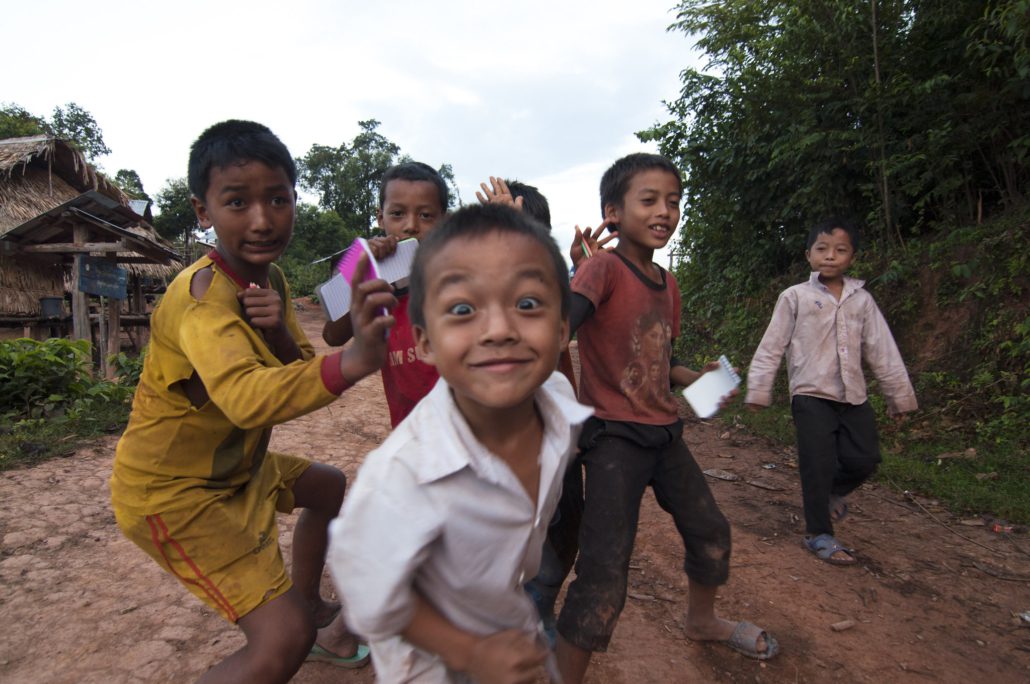
Farmers usually face the impossible decision between farming on land where UXO may be present or resist farming and suffer income losses. Either way, there is an increase in the likelihood of poverty. Around 45% of UXO accidents happen to children, potentially leaving them with lifelong disabilities and vulnerability to poverty. In addition, children with disabilities are seven times more likely to be unemployed or uneducated in comparison to children without disabilities.
The United Nations (U.N.) found that only 4% of disabled children in Laos are enrolled in school and this is primarily due to families not receiving the disability allowances they are entitled to, and the social stigma surrounding disability where communities may exclude disabled children.
COPE Laos
The efforts of a small-scale, nonprofit organization are improving the lives of disabled people, in particular, victims of UXO. Established in 1998, the Cooperative Orthotic and Prosthetic Enterprise (COPE) has been supporting disabled people in Laos, addressing the intersectionality between disability and poverty in Laos through the provision of health care services, which are all free of charge. This is essential for people with disabilities who are living below the poverty line. Such services include free, high-quality, individually tailored prosthetics for amputees, orthotics, assistive devices such as crutches, rehabilitation services and physiotherapy.
About one-third of individuals receiving prostheses are victims of UXO incidents. For instance, Zaythong Gaowrueng, who lost his leg in a UXO accident at 22, has experienced a transformative journey since receiving his initial prosthetic from COPE in 1999. Over time, he has received a total of 8 prosthetic legs, significantly improving his physical and mental well-being. This support has enabled him to work, earn a living and successfully reintegrate into the community that once ostracized him.
Providing Care to Remote Communities
As well as having clinics in urban Laos, COPE’s Mobile Clinic Team visits the most remote communities where people with disabilities cannot access health care services due to barriers such as low income, a lack of infrastructure or physical inability to travel. The Mobile Clinic provides disabled people with the aid they require such as providing orthotics and immediate treatment in their own neighborhoods. If further treatment is necessary elsewhere, COPE arranges and covers all transport, accommodation and food expenses, making adequate treatment widely accessible.
In 2016 alone, COPE’s Mobile Clinic Team aided almost 1,300 people with disabilities living in remote, impoverished communities. With the recent financial assistance from USAID, COPE actively assists thousands of disabled people and UXO victims each year, drastically improving their quality of life and enabling disabled individuals to autonomously earn a living, lifting them out of poverty. COPE’s Vientiane-based visitor center is the top tourist attraction in the capital city, according to Trip Advisor, thus spreading awareness of COPE, UXO and disability and poverty in Laos to a global audience.
Looking Ahead
There has been progression regarding the equality and inclusivity of people with disabilities in Laos, through the implementation of government policies such as the 2003 amended ‘Constitution of the Lao People’s Democratic Republic’ policy which states the equality of all Lao citizens, both able and disabled.
In 2016, the Laos government in collaboration with the UN created a country-specific Sustainable Development Goal (SDG18): ‘Lives safe from Unexploded Ordnance’ alongside a 10-year national plan named ‘Safe Path Forward III’. Both projects aim to reduce the impact of UXO by clearing land to prevent future accidents and provide care for UXO victims highlighting the national commitment to alleviating the threat of UXO as a cause of disability. While the relationship between disability and poverty in Laos is still apparent, the number of disabilities caused by UXO accidents is declining every year.
– Lucy Jacks
Photo: Flickr

College Students Fight Poverty in India
About Poverty in India
There are many reasons for India’s poverty problem. India’s population is constantly increasing, with at least 17 million people born each year. Combined with employment issues, these factors conspire together to keep people in poverty.
Poverty is also defined as the lack of basic resources such as health care, sanitation and electricity. The lack of these basic necessities can negatively impact life expectancy. The reduction of poverty in many places around the world, including India, will improve health for the overall population of the world. Many of the diseases that people get come from those living in poverty so it is best to decrease that amount by helping people in poverty.
Graduate Students’ Efforts
In an attempt to take care of poverty related issues, more than 50 graduate students at Kristu Jayanti College went on a mission to make changes at the grassroots level. Wanting to carry out the understanding, initiating and advocating important conversations on demanding economic issues, these students challenged themselves to address the internal migrant problem in India. The International Organization for Migration states that ‘migrant’ is a blanket term that is not defined under international law, reflecting the common understanding of a person who moves away from their place of residence. This term has a multitude of categories of people such as migrant workers.
“Labor migration is one of the defining features of the contemporary world of work and is integral to the process of India’s social and economic development,” states the Decent Work Country Programme for India 2023-2027. Not only in terms of numbers but economic relevance, internal migration is an important issue in this country. The students were able to combine advocacy, dialogue and research.
The Results of the Study
“In our study, we examined, for example, the potability of drinking water, and the findings were quite concerning as in our initial tests, most water samples were contaminated,” claimed a microbiology student. In the next phase carried out by the college, students created awareness campaigns based on their own research. Through in-person demonstrations the students explained the use of each element and how they purify the water. Without these elements, many people do not have access to clean water. The journey that these students took shows how effective teamwork and vision can make a difference.
– Hailey Spencer
Photo: Flickr
The Burden of Rare Diseases in South Africa
According to Rare Diseases SA, most rare diseases are believed to be caused by factors explicitly in genes or chromosomes like Huntington’s disease. However, it’s important to note that not all rare diseases are inherited. Some can be attributed to infections, chronic liver conditions (such as African iron overload), rare types of cancers (like pancreatic cancer) and even autoimmune disorders (such as hemolytic anemia). According to Rare Diseases SA, the lack of a definition for rare diseases in South Africa is a significant issue that the government needs to address.
Rare Diseases Challenges in South Africa’s Health Care System
It is concerning that many hospitals in the country do not keep records of diagnoses, which poses a challenge for researchers. This problem is compounded by the limited funding to researchers in South Africa compared to developed countries.
Rare Diseases SA reported that despite spending 8.5% of GDP on health care, South Africa’s health outcomes are among the poorest globally. According to World Bank, while South Africa has seen some improvements in poverty reduction since 1994, around 55.5% (equivalent to 30.3 million individuals) of the population still find themselves living below the upper poverty line, which is approximately ZAR 992. Additionally, a significant number of people, totaling around 13.8 million individuals (25%), face food poverty. There is a shortage of expertise in both the private sectors to identify and diagnose rare diseases in South Africa.
Additionally, the exorbitant cost of medications used to treat these diseases often makes them inaccessible.
According to Jacobson, rare diseases pose a challenge for health care practitioners who often lack the awareness and expertise for diagnosis, timely referral and appropriate management due to their rarity. As a result, patients may go undiagnosed, be misdiagnosed or experience delays in receiving a diagnosis. This lack impacts not only their health but also their socioeconomic status, family life, educational and employment opportunities and overall participation in society. The consequences of this can create a cycle of vulnerability and poverty.
Even when rare diseases are correctly identified, individuals with conditions face obstacles in accessing necessary treatment and health care services. In South Africa, diseases are not considered within health care planning and policy-making processes. Additionally, patients often encounter neglect or dismissal from health care funders, further delaying treatment and denying their access to health care altogether.
Rare Diseases South Africa (RDSA) and Advocacy
Established in 2013, Rare Diseases South Africa (RDSA) is a for-profit organization that advocates for individuals affected by rare diseases and congenital disorders. Their mission is to ensure these individuals receive recognition, support, improved health care services and a better quality of life. Over the years, RDSA has successfully implemented initiatives that have impacted the lives of more than 1,800 patients. It has actively engaged with departments, state organizations, industry leaders and other key stakeholders to raise awareness about diseases and advance policies related to them.
Today, RDSA combines standards and local medical breakthroughs working together to advocate for marginalized communities and connect them with advancements in health care.
Looking Ahead
Although rare diseases are a significant problem in South Africa, it is good to know efforts are underway to mitigate them and provide treatment. Through their continued work, hopefully, rare diseases will be eliminated.
– Aysu Usubova
Photo: Flickr
Action Against Hunger in Sierra Leone
According to the World Food Programme (WFP), 57% of people in Sierra Leone are food insecure, 26.2% of children face impaired growth and development due to chronic malnutrition, and 43% of people live below the poverty line. A high poverty rate, coupled with limited access to education and health care, exacerbates the vulnerability of Sierra Leone’s population to hunger and malnutrition.
Action Against Hunger
Action Against Hunger, a global humanitarian organization, is committed to eradicating hunger worldwide. The organization states, “A world without hunger will never be achieved alone. We collaborate with communities, foundations, companies, governments, and humanitarian partners to achieve zero hunger.”
Founded in 1979, the organization operates in more than 50 countries. It reaches approximately 28 million people a year by implementing a comprehensive approach focusing on advocacy, food security, nutrition, water sanitation, emergency responses and researching innovative solutions. Funded by various governments, institutional donors and private contributors, their approach focuses on providing sustainable solutions and achieving food security for all.
Action Against Hunger began its mission in Sierra Leone in 1991, at the beginning of the country’s civil war and during the subsequent humanitarian crisis. According to BlackPast, “The Sierra Leone Civil War was one of the bloodiest in Africa resulting in more than fifty thousand people dead and half a million displaced in a nation of four million people.”
The initial goals of Action Against Hunger were to provide emergency relief, improve water and sanitation, and combat malnutrition. The organization’s early engagement laid the foundation for ongoing, comprehensive programs addressing the complex factors contributing to hunger.
Action Against Hunger in Sierra Leone
In recent years, Action Against Hunger in Sierra Leone has implemented various programs targeting malnutrition, food security, water and sanitation in Sierra Leone. The primary focus of Action Against Hunger in Sierra Leone is improving health systems and services to prevent and treat malnutrition of children. Action Against Hunger provides “pregnant women, mothers, caregivers, and young people with knowledge about healthy nutrition through training, awareness, and cooking sessions.”
Implementing bottom-up approaches, such as empowering pregnant women, mothers, caregivers and young people through providing knowledge on healthy nutrition, signifies a proactive strategy that fosters community involvement and ensures sustained positive impact.
Action Against Hunger has also implemented the PROSSAN project in Sierra Leone, which seeks to address the profound health challenges of vulnerable populations within the country, focusing on women, children under 5 and young people. PROSSAN is has support from the Agence Française de Développement (AFD) and works to provide quality care for women and young people adjusted for specific needs to reduce early pregnancies and the number of maternal and infant deaths.
The program is founded on three key pillars:
The Future of Sierra Leone
Sierra Leone faces ongoing challenges, including changing weather patterns and health crises. Looking ahead, Action Against Hunger in Sierra Leone aims to expand its impact by scaling up successful interventions and collaborating with local partners. The United Nations has set a goal of ending hunger and ensuring access to food for all people in Sierra Leone by 2030. This broader goal includes ending malnutrition, doubling agricultural productivity, ensuring sustainable food production systems, diversifying farming, increasing investments in rural infrastructure and more. Organizations like Action Against Hunger contribute to achieving these broader goals by committing to evolving strategies in response to extreme hunger in Sierra Leone.
– Marisa Kole
Photo: Flickr
USAID Programs in Bangladesh
Challenges in Bangladesh
Bangladesh, with a population surpassing 173.5 million, faces significant poverty challenges, with 18.7% living below the poverty line. This economic hardship hampers access to essential components of a healthy life, such as food, clean water, health care and education.
A staggering 40 million people in Bangladesh grapple with food insecurity, exacerbated by recurrent climate disasters disrupting agriculture—a sector vital for the country’s economic stability. The destruction of food crops further strains its economic resilience.
Accessing health care proves challenging, particularly for those in poverty and rural areas. Existing health programs are costly and inadequately equipped for efficient and effective care delivery.
Education is a notable hurdle for Bangladesh’s impoverished. A substantial 57% of Bangladeshi children lack proficient literacy skills, posing a barrier to their future social and occupational prospects. Moreover, educational institutions receive funding more than 70% lower than that of lower-middle-income countries. Addressing these multifaceted challenges is imperative for fostering a more sustainable and equitable future in Bangladesh.
USAID’s Commitment
USAID’s programs in Bangladesh stand out as the largest in Asia, addressing multifaceted challenges like food insecurity, health disparities, educational gaps and political instability. With a commitment to fostering a robust partnership, the organization has set ambitious targets to elevate Bangladesh to an upper-middle-income status by 2023.
Consistently, USAID has played a pivotal role in promoting the growth and well-being of Bangladesh. Notably, it has swiftly responded to crises, providing emergency food and nutrition assistance to more than 900,000 individuals. In 2023, the organization responded promptly to Tropical Cyclone Mocha, contributing $250,000 to Bangladeshi disaster relief efforts, including support for the Bangladesh Red Crescent Society. This aid proved instrumental in assisting thousands affected by the cyclone.
Agriculture and Food Security
Agriculture is vital to Bangladesh’s economy. Collaborating with the Government of Bangladesh, USAID has initiated programs to enhance access to diverse and nutritious food for the people. The focus is on developing climate-smart agriculture, ensuring resilience to climate disasters while being sustainable for local farmers. As of 2023, USAID has invested $35 million in climate-smart agriculture. Additionally, USAID provides assistance and training in food policy and digital agriculture, benefiting both smallholder farmers and larger agricultural initiatives. This investment fosters economic growth through improved supply chains, positively impacting food security in Bangladesh.
Disaster Response
Bangladesh experiences bouts of severe climate every year. It is low-lying and flat, leaving it susceptible to floods, tsunamis, cyclones, droughts, earthquakes, fire and more. USAID programs in Bangladesh specifically target disaster reduction as a strategy to strengthen the infrastructure that maintains balance and reduces environmental shocks.
Bangladesh’s poor are often more severely affected by severe weather as they lose already limited access to potable water and basic hygiene equipment. USAID designates funds and assistance programs that supply hygiene/sanitation equipment as well as disaster-resistant structures that open new jobs and livelihoods for poor communities. Supporting the livelihoods and structural integrity of Bangladesh enhances the Bangladeshi people’s ability to withstand the environmental hardships of disaster.
Health
Health care in Bangladesh requires heavy sums out-of-pocket at costs that those in poverty can rarely afford and approximately 68.5% of Bangladeshi people must pay their medical fees without assistance. An estimated half of Bangladesh’s deaths are from non-communicable diseases that require a sustained treatment effort, meaning cost poses a major barrier to health care access.
USAID Assistance with Bangladesh Health Care
USAID invests in enhancing existing health systems in Bangladesh through supplying advanced medical equipment and treatment assistance, aiming to lower costs and increase accessibility to medical facilities. The organization continued to support Bangladesh throughout the outbreak of COVID-19, extending tests, treatments, vaccinations and general education to limit the unrest the pandemic inflicted on the already struggling country.
Education
In Bangladesh, there are challenges with the quality and accessibility of education. The country’s 58 million children face issues that could impact Bangladesh’s future workforce. Only 64% of children attend secondary school, affecting job opportunities.
To address these concerns, USAID has implemented programs in Bangladesh. The focus is on improving access and quality of education, especially at the secondary and higher levels. The goal is to underscore the significance of education for societal well-being. Additionally, USAID aims to create comprehensive youth programs. These initiatives seek to promote diversity in schools by representing various economic, social and personal identities. On the bright side, this approach enhances youths’ capacity to cope with challenges effectively.
Moving Forward
Bangladesh has made substantial progress in reducing poverty, with the rate dropping from 41.5% in 2006 to 18.7% in 2022. Prime Minister Sheikh Hasina emphasizes this positive trend, noting a significant decrease in extreme poverty rates from 25.1% to 5.6% during the same period.
USAID plays a vital role in supporting Bangladesh’s journey out of poverty. Through initiatives focusing on disaster resilience, enhanced education quality, health training and more, USAID’s ongoing programs contribute to the continuous strengthening of efforts aimed at poverty relief.
–Eden Ambrovich
Photo: Unsplash
Addressing Disability and poverty in Laos
More than 160,000 people are living with a disability in Laos, accounting for 2.8% of the total population. As with other developing countries, the primary causes of disability in Laos are illness, accident and congenital defects. However, one can additionally attribute disabilities in Laos to the 80 million units of unexploded ordnance left from the war which ended 50 years ago.
The UXO Problem
From 1964 to 1973, Laos endured more than 2 million tonnes of cluster bombs during the Vietnam War, making it the most bombed country per capita. Cluster bombs, extensively used in the Vietnam War, release numerous smaller bombs (bombies), notorious for often not exploding on impact. Of the 270 million bombs dropped, around 30% remain as unexploded ordnance (UXO). In the 50 years since the war, UXO explosions have caused an estimated 20,000 deaths or severe injuries, emphasizing the ongoing impact on Laos. Designed with the intent to cause damage, UXO accidents can lead to an array of disabilities, such as loss of limbs, severe burns and blindness.
Inescapable Poverty
Most Laotians, including the vast majority of people with disabilities, live rurally, where an agrarian economy is predominant. However, this form of employment, reliant on physical labor, is often challenging for people with disabilities. The lack of vocational training for alternative forms of employment means people with disabilities are significantly less likely to work and independently earn a living, thus driving them into poverty.
Living in Laos’ rural areas further distinguishes a relationship between disability and poverty. In the more remote villages, there is often limited access to basic services and other infrastructure such as adequate roads, schools and hospitals. In fact, more than 3% of Laos’ disabled population live in villages without roads, preventing their ability to access health care facilities, such as rehabilitation clinics for amputees, which could drastically improve their quality of life. This results in a relentless cycle of poverty, as people with disabilities are unable to obtain sufficient employment and cannot easily access the disability services that may be available to them.
UXO Worsens The Cycle of Poverty
Regrettably, many of the poorest neighborhoods in Laos face the risk of UXO contamination. Accidents can happen when people unknowingly handle or play with UXO or engage in farming, cooking or other daily activities. This threat is particularly concerning for rural farmers, as 22% of all UXO accidents occur while farming on contaminated land.
Farmers usually face the impossible decision between farming on land where UXO may be present or resist farming and suffer income losses. Either way, there is an increase in the likelihood of poverty. Around 45% of UXO accidents happen to children, potentially leaving them with lifelong disabilities and vulnerability to poverty. In addition, children with disabilities are seven times more likely to be unemployed or uneducated in comparison to children without disabilities.
The United Nations (U.N.) found that only 4% of disabled children in Laos are enrolled in school and this is primarily due to families not receiving the disability allowances they are entitled to, and the social stigma surrounding disability where communities may exclude disabled children.
COPE Laos
The efforts of a small-scale, nonprofit organization are improving the lives of disabled people, in particular, victims of UXO. Established in 1998, the Cooperative Orthotic and Prosthetic Enterprise (COPE) has been supporting disabled people in Laos, addressing the intersectionality between disability and poverty in Laos through the provision of health care services, which are all free of charge. This is essential for people with disabilities who are living below the poverty line. Such services include free, high-quality, individually tailored prosthetics for amputees, orthotics, assistive devices such as crutches, rehabilitation services and physiotherapy.
About one-third of individuals receiving prostheses are victims of UXO incidents. For instance, Zaythong Gaowrueng, who lost his leg in a UXO accident at 22, has experienced a transformative journey since receiving his initial prosthetic from COPE in 1999. Over time, he has received a total of 8 prosthetic legs, significantly improving his physical and mental well-being. This support has enabled him to work, earn a living and successfully reintegrate into the community that once ostracized him.
Providing Care to Remote Communities
As well as having clinics in urban Laos, COPE’s Mobile Clinic Team visits the most remote communities where people with disabilities cannot access health care services due to barriers such as low income, a lack of infrastructure or physical inability to travel. The Mobile Clinic provides disabled people with the aid they require such as providing orthotics and immediate treatment in their own neighborhoods. If further treatment is necessary elsewhere, COPE arranges and covers all transport, accommodation and food expenses, making adequate treatment widely accessible.
In 2016 alone, COPE’s Mobile Clinic Team aided almost 1,300 people with disabilities living in remote, impoverished communities. With the recent financial assistance from USAID, COPE actively assists thousands of disabled people and UXO victims each year, drastically improving their quality of life and enabling disabled individuals to autonomously earn a living, lifting them out of poverty. COPE’s Vientiane-based visitor center is the top tourist attraction in the capital city, according to Trip Advisor, thus spreading awareness of COPE, UXO and disability and poverty in Laos to a global audience.
Looking Ahead
There has been progression regarding the equality and inclusivity of people with disabilities in Laos, through the implementation of government policies such as the 2003 amended ‘Constitution of the Lao People’s Democratic Republic’ policy which states the equality of all Lao citizens, both able and disabled.
In 2016, the Laos government in collaboration with the UN created a country-specific Sustainable Development Goal (SDG18): ‘Lives safe from Unexploded Ordnance’ alongside a 10-year national plan named ‘Safe Path Forward III’. Both projects aim to reduce the impact of UXO by clearing land to prevent future accidents and provide care for UXO victims highlighting the national commitment to alleviating the threat of UXO as a cause of disability. While the relationship between disability and poverty in Laos is still apparent, the number of disabilities caused by UXO accidents is declining every year.
– Lucy Jacks
Photo: Flickr
The Role of Remittances to Mexico
In 2022, remittances to Mexico hit a record high of $58.5 billion, making Mexico the second-highest remittance-receiving country, following India. Remittances are Mexico’s main net foreign exchange generator, topping both manufacturing exports and tourism.
How Remittances Affect the Economy
In the short term, remittances impact the economy by stimulating consumption and increasing household income. In the long term, remittances can have strong poverty-reducing effects through investment in physical or human capital. The funds can provide resources to invest in education, health and small businesses.
Additionally, remittances help reduce inequality and play a role in local development. Money that people send from abroad typically goes to families in the poorest states of Mexico, which are the north-central and southwest regions—the areas where most migrants have left. Thus, remittances contribute to mitigating regional economic disparities. For example, a 2010 research paper showed that remittances shifted the wage distribution, which caused fewer low-wage workers in remittance-high areas.
Mexico’s 3×1 Program
Mexico launched an innovative government initiative aimed at fostering collaboration between Mexican migrants living abroad and their communities of origin. The program’s name of 3×1 represents the policy of matching funds; for every peso contributed by Mexican migrants, the federal, state and municipal governments contribute one peso each.
The program’s objectives are:
These efforts put the focus toward development, which contributes toward long-term economic growth, rather than household consumption. Remittances also contribute to long-term growth by enlarging the tax base as Mexican citizens receive more money.
Looking Ahead
While remittances play a major part in the Mexican economy, their effect will decrease as Mexico develops. In 2022, Mexico’s “super peso” was among the top-performing currencies in the world and appreciated more than 13% against the U.S. dollar. With a stronger local currency, Mexicans receive fewer pesos when they sell the dollars they were sent.
However, a decreasing value of remittances isn’t fully bad in the long run. Economies can get stuck in a cycle of stagnation and dependence on them, creating a “remittance trap.” Thus, while remittances are an effective way of reducing immediate poverty and increasing the well-being of many families, they should not be the main focus of development; countries must supplement growth with stronger institutions and better governance.
Conclusion
Remittances to Mexico play a large part in the economy and contribute to the well-being of millions of Mexican families. They are so crucial that the Mexican government has a new initiative to support and encourage them. And in order to not become dependent on them, Mexico is focusing on funding strong institutions and governance.
– Cameron Alcocer
Photo: Unsplash
US Funding Initiative for Fighting Poverty in Puerto Rico
This substantial investment has a two-fold focus, with $85.7 million dedicated to broadband infrastructure and $64.7 million allocated to multi-purpose community technology centers. This initiative’s primary objectives include combating poverty and nurturing development within the territory by bridging the digital divide that plagues Puerto Rico.
Puerto Rico’s Lack of Connectivity
More than 61,000 homes and small businesses on the island currently lack access to broadband internet. This digital divide has far-reaching consequences, limiting access to critical services such as health care, educational opportunities and employment prospects.
Impacts Across Multiple Sectors
The investment of $85.7 million in broadband infrastructure represents a transformative opportunity for Puerto Rico. This significant funding will connect thousands of households while ushering in a wave of positive changes for the island’s residents.
One of the most notable benefits will be the enhancement of telehealth services. With improved broadband access, residents will have easier and more reliable access to remote medical consultations. This is especially vital for individuals in rural or underserved areas who may struggle with physical access to health care facilities. The statistics suggest a substantial increase in telehealth consultations, ensuring that more Puerto Ricans can receive timely medical care, ultimately leading to better health outcomes.
The investment also opens the door to expanded online education. With faster and more reliable internet connections, students of all ages will have improved access to online courses and educational resources. This is crucial for remote or underserved communities, providing them with opportunities for skill development and academic advancement. The expected rise in online course enrollments is a testament to the potential educational impact.
This infusion of funds will also stimulate remote work opportunities. As Puerto Rico’s digital infrastructure improves, remote job prospects will increase significantly. This is a particularly welcome development, given the flexibility it offers to the workforce. The anticipated growth in remote job opportunities will enable residents to access a broader range of employment options without the need for relocation off-island.
In addition to the broadband infrastructure investment, the allocation of $64.7 million to multi-purpose community technology centers is a game changer. These centers will serve as more than just internet access points; they will become vital community hubs, providing educational resources, training and access to various services. These centers are poised to empower communities by offering essential skill-development programs, digital literacy training and a space for residents to access critical services such as job searches, government assistance programs and more.
The Commitment to Fighting Poverty Globally
This initiative underscores the Biden-Harris Administration’s unwavering commitment to equity and the long-term development of Puerto Rico. Reducing poverty and enhancing economic opportunities represents a significant stride toward creating a more prosperous and interconnected Puerto Rico. In the realm of Congressional politics, several bipartisan bills in the House aim to address global poverty and development. Dedicated representatives who recognize the importance of international cooperation champion these bills.
Multilateral Organizations and Their Role in Fighting Global Poverty
Beyond Congress, big multilateral organizations like the United Nations (UN), the International Monetary Fund (IMF) and the World Bank also play a pivotal role in combating global poverty. Their collaborative efforts with governments worldwide underscore the significance of international partnerships in tackling poverty on a global scale.
The U.S. Treasury’s $158 million initiative for Puerto Rico is a beacon of hope for the island’s residents. By reducing the digital divide, expanding access to vital services and fostering economic growth, it exemplifies the positive impact of strategic investments. Moreover, it aligns with a broader global effort involving both Congress and international organizations, to address poverty and foster development.
– Suhani Bhattad
Photo: Pixabay
Restoring Mobility: Mercer On Mission in Cambodia
Struggles Cambodian Amputees Face
Amputees in Cambodia grapple with significant economic challenges, as evidenced by the country’s poverty rate. According to Limbs International, the country has nearly 25,000 amputees. Studies indicate that amputees often face heightened unemployment rates, creating additional hurdles in securing sustainable employment opportunities. The economic hardships faced by many Cambodian amputees are worsened as many cannot afford the prosthetics and treatments, leaving them in an endless cycle of poverty and financial disparity.
Restoring Mobility Through Prosthetic Limbs
Many Cambodian amputees often struggle with ill-fitting or heavy prosthetics or have no access to them at all. But amid these challenges, Mercer On Mission shines as a beacon of hope, fitting patients with 549 legs and 62 hands while treating 800 orthopedic patients. This initiative provides not just prosthetic limbs but comprehensive solutions that empower individuals to regain their mobility and, in turn, transform their quality of life.
Prosthetic limbs are not just about mobility; they are about improving the overall quality of life. Mercer On Mission’s efforts in Cambodia are not just changing how people walk; they are transforming how they live.
Having a prosthetic limb means that an individual can actively participate in community life, engage in daily activities and lead a more fulfilling life. This not only enhances the well-being of the amputees but also positively impacts the communities they are part of.
Furthermore, by restoring mobility and employability, Mercer On Mission is effectively reducing economic hardship. The economic burden on amputees and their families is lightened as they become self-reliant and contribute to their households. This, in turn, alleviates the strain on health care resources and social services, allowing these resources to be directed toward essential needs.
Breaking Barriers and Expanding Opportunities
The program is not just about fitting prosthetic limbs; it goes much further. Mercer On Mission collaborates with local manufacturers and fitters, stimulating the Cambodian economy by creating jobs in the process. This not only aids the beneficiaries but also contributes to the economic development of the region, fostering self-sufficiency and growth.
By addressing mobility challenges, this initiative goes a long way in breaking down the barriers that amputees face in accessing education and job opportunities. It empowers them to lead independent and fulfilling lives. As a result, they become contributors to their communities and broader Cambodian society.
A Powerful Pathway Out of Poverty
In summary, Mercer On Mission’s prosthetic-fitting initiative in Cambodia is not just about providing limbs; it’s about providing hope, independence and a pathway out of poverty. By restoring mobility, expanding opportunities and enhancing well-being, this program is changing lives and entire communities. It is a reminder that every step forward is a step toward a brighter future.
– Suhani Bhattad
Photo: Pikwizard
USAID and USCG Partnership: Humanitarian Response and Aid
USAID and USCG Partnership in Haiti
Even before its devastating earthquake in January 2010, Haiti’s nearly 10 million people ranked as the poorest in the Western Hemisphere. The earthquake further crippled the nation, killing an estimated 250,000 people, injuring 300,000, and destroying the homes and businesses of at least a million locals. In the wake of this tragedy, USAID and USCG partnered to assist those affected. This powerhouse developed a plan to provide emergency humanitarian assistance to millions, including search-and-rescue efforts, providing emergency food relief and safe drinking water to millions and providing basic shelter to more than a million displaced people.
Then in August 2021, Haiti suffered a 7.2 magnitude earthquake. The USAID and USCG partnership again coordinated efforts to provide critical humanitarian relief. This natural disaster further devastated Haiti, resulting in more than 1,400 deaths, 6,900 injuries and destroying or damaging more than 83,000 local homes.
The Impact of Humanitarian Support
The USAID and USCG partnership provided critical and life-saving support during this natural disaster. The U.S. Coast Guard deployed helicopters to assist with medical evacuations and transport and continued medical evaluations on-site. The USAID Disaster Assistance Response Teams (DART) were promptly transported to Haiti via USCS helicopters within 24 hours of the earthquake. DART members determined the area suffered from a lack of clean water and lacked the necessary medical resources and personnel needed to aid affected Haitian citizens.
USAID responded by funding $32 million in humanitarian assistance for Haiti. As in the 2010 earthquake recovery plan, these funds focused on delivering safe drinking water, health care services, emergency food and shelter for displaced peoples and protection services including gender-based violence prevention and response, child protection and psychosocial support services in the hard-hit areas of southwestern Haiti. Within the first few days following this natural disaster, more than 2,000 hygiene kits and jerry cans (fuel containers) were distributed, over 600 shelter repair kits were provided to locals and over 50,000 people were given shelter commodities that included blankets, kitchen kits, additional hygiene kits and shelter repair kits. More than 3,000 people received hot meals shortly after the earthquakes. They also benefitted from the distribution of food commodities, including rice, beans and vegetable oil.
USAID and USCG Partnership Strengthens Humanitarian Aid
The MOU signed on Wednesday, November 8, 2023, strengthens the partnership between USAID and the Coast Guard, signifying an important milestone between these two groups. It outlines support for disaster response and associated humanitarian assistance provided to nations suffering from global disasters.
“As a humanitarian organization, the Coast Guard is strengthening our partnership with USAID as we respond to wide-ranging disasters,” said Vice Adm. Peter Gautier, Coast Guard Deputy Commandant for Operations. “Throughout the world, we see USAID’s vital work in progress: saving lives, alleviating human suffering and reducing the impact of disasters by helping people become more resilient to humanitarian crises. The MOU makes sure that the Coast Guard is a strong partner in these efforts.”
– Ann-Jinette Hess
Photo: Flickr
Updates on SDG 15 in Rwanda
What Are the SDG 15 Activities Taking Place in Rwanda?
The United Nations Development Programme (UNDP), the United Nations Environment Programme (UNEP), the United Nations Educational, Scientific and Cultural Organisation (UNESCO) and the United Nations Human Settlement Programme (UNHSP) have partnered with several on-the-ground partners like the Rwanda Ministry of Environment and Natural Resources, African Development Bank and Rwanda Environment Management Authority to implement initiatives that support SDG 15 across the country.
Several of these initiatives began in 2018 and ended this year, making it an ideal time to reflect on the updates on SDG 15 in Rwanda. These activities have supported scientific studies and enhanced natural resource sustainability and community resilience. They have also undertaken ecosystem restoration and reduced poverty.
The National Strategy for Transformation (NST) is a program that will run from 2017–2024, working toward the first targets in the country’s Vision 2050 plan. It focuses on poverty alleviation through economic and social transformation and transformation of governance. Activities like the multi-sectoral Green Growth and Climate Resilient Strategy (GGCRS) prioritize welfare by focusing on the environment. This translates to direct, tangible benefits. Rwanda’s GDP per capita has grown to $1,030 USD, a national GDP growth of 6.2%.
Rwanda’s government has pledged two million hectares of forest restoration by 2030. It has already reached its target of covering 30% of the country with forests. This is a key step for the welfare of Rwandan communities since forest resources are widely used. In fact, more than 94% of Rwandans rely on wood as a main source of energy. Many also generate income through the country’s forests. Freshwater ecosystems are being systematically managed, and nationwide campaigns encourage people to use and manage freshwater resources more sustainably.
The Protection of Natural Resources and All Life on Rwandan Land
Natural resource health is a defining factor of welfare across the world. The ability to generate income, access the mental health benefits of nature and directly benefit from resource use are all fundamental reasons to properly manage and care for the natural environment.
Rwanda is home to roughly 40% of all species of African mammals—more than a thousand species of birds, hundreds of reptiles and amphibians and nearly 6,000 species of plants. Some of these, like the charismatic mountain gorilla, are only found in two other countries: the DRC and Uganda. The survival of these plants and animals also depends on the welfare of Rwanda’s terrestrial habitats.
From chimpanzees to leopards and forests to savannahs, the updates on SDG 15 in Rwanda have protected many species and habitats against several compounding pressures that currently threaten their existence and health. In one case, the mountain gorilla has made a promising conservation come-back. The population has grown from only a few hundred individuals in 2010 to more than a thousand today. This has directly impacted the communities in Rwanda. Community-based tourism programs depend on the health of mountain gorilla populations and other captivating species. These programs further improve the welfare of local communities by funding development projects and supporting the development of sustainable incomes.
How SDG 15 Supports Rwandan Industry and Food Security
The industries that SDG 15 supports—namely agriculture, forestry and fisheries—account for 29% of Rwanda’s total GDP, which reached record profit levels in 2019. About 47% of Rwanda’s land is suitable for agriculture, and 66.5% of the population works in agriculture. This makes it a popular choice for income generation.
Roughly 3.9 million Rwandan farmers and their families depend on the health and proper management of land for their survival. These individuals and communities consistently confront issues addressed by SDG 15, including habitat degradation, land stakeholdership issues and soil erosion.
As of 2022, 82% of Rwanda’s population is recorded as living rurally. An enormous 80% of these individuals also participate in subsistence farming. These farmers and their families are wholly dependent on the health of the country’s land. By maintaining and protecting land, the government of Rwanda can address the needs of its farmers and agricultural sector. It can also support the food security of its subsistence communities and simultaneously improve individual poverty levels.
Looking Forward
Through the management of terrestrial and freshwater ecosystems, the Rwandan government ensures the survival of its major economies and the well-being of its citizens. The health and utility of Rwandan land are so integral to the future of the country that agriculture, linked to the generation of wealth, has been named a pillar in Rwanda’s national development strategy: Vision 2050.
Future work on the SDGs in Rwanda will likely have profound effects on both wildlife and community welfare. As a land-locked country, the well-being and management of terrestrial and freshwater ecosystems are imperative to ensuring the survival and resilience of all life.
– Mirali Shukla
Photo: Pixabay