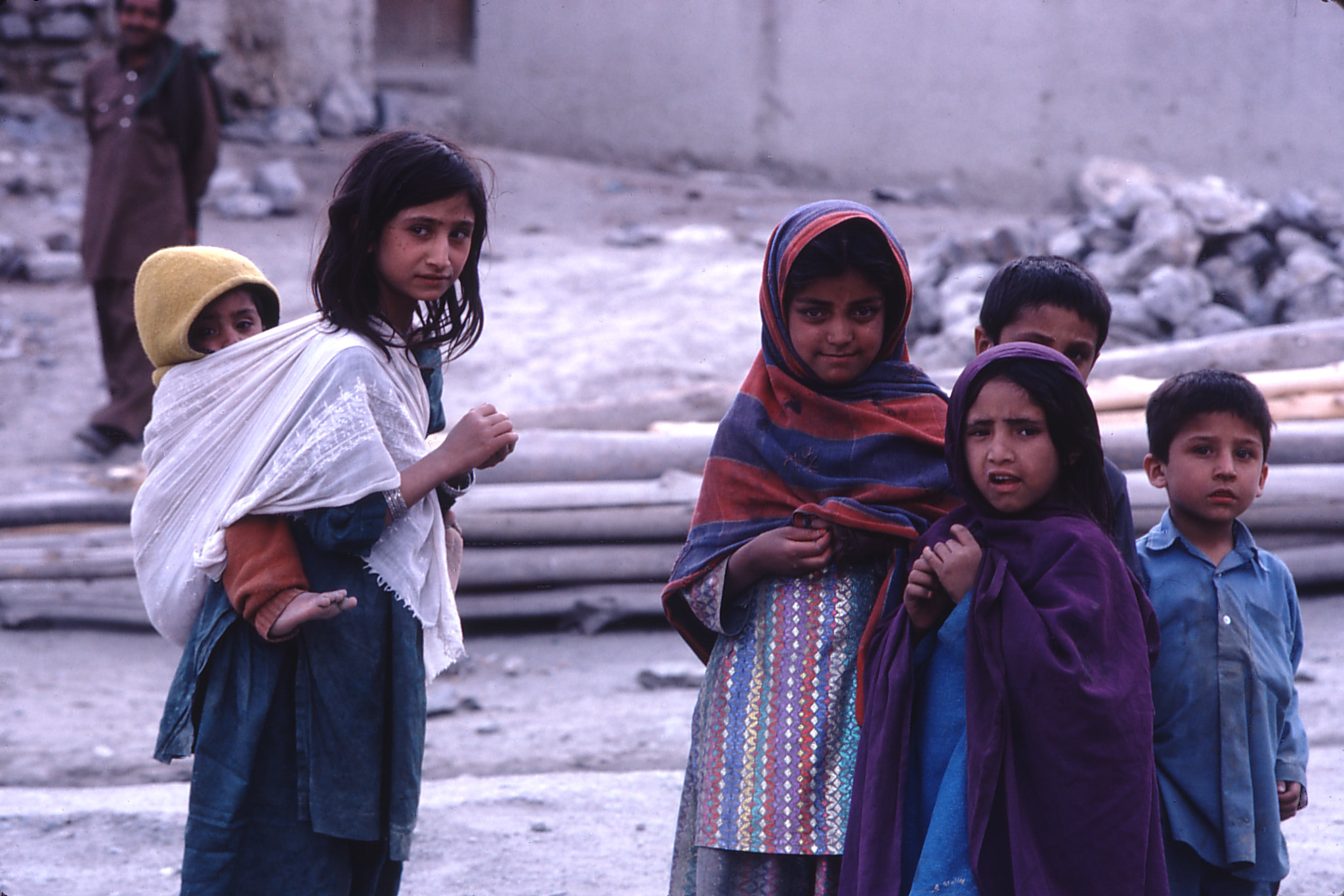
 Following the close of regional British rule in 1947, the Kashmir region was arbitrarily divided between India and Pakistan. This resulted in a brutal war fought between the two countries over land rights that has lasted decades. A highly contested “Line of Control” was established thereafter and it has been fought over ever since.
Tensions have escalated in the Kashmir region once more as Indian paramilitary forces recently opened fire upon Pakistani civilians in the disputed region. These actions were taken in response to a separate accusation of hostility from Pakistan in the area. Violence in the region has been characterized by these types of hostile accusations and retaliations back and forth.
This sort of violence in the Kashmir region undoubtedly opens a wound amongst the populous and threatens to undo any diplomatic progress. Factions and paramilitary groups can, unfortunately, act unilaterally and independently from the government. These events come on the heels of meetings between each country’s prime ministers, characterized by both leaders as productive.
The relentless cycle of violence has the hardest effects on families separated by years of the division who live on opposite sides of the border. The Kashmir region is home to one of the most violent land disputes in the world, also having one of the most protected militarized borders.
In 1990 alone, a violent separatist insurgency ensued in Indian Kashmir, a Muslim majority state. This caused 30,000 residents to flee to Pakistan or safe bunkers along the border. Almost 4,000 of these refugees are estimated to still be living on the Pakistani side.
Much of the Line of Control runs alongside the Neelum river which is around 100 meters wide. The closest many separated family members can get is by gathering on the opposite rivers banks to wave and hold signs to one another.
According to Pakistani records, there is approximately 36,000 Indian Kashmiris total living in the Pakistani Kashmir. These Indian Kashmiris face a life of prejudice and social persecution because of the countries’ disputes.
“They can’t have a Pakistani national ID, which means they can’t have a passport, a decent job, or any other rights. We are living in a trauma,” said a man speaking anonymously about his children.
“If India and Pakistan care for the Kashmiris, they should let them cross this arbitrary line they have drawn to divide them” said Bashir Ahmad Peerzada who was a former militant commander.
In order to reunite, Pakistani families have been forced to work for months and save thousands of dollars for airfare to Nepal. Upon arrival in Nepal, it is much simpler and safer to cross the border to India, but still requires much time, money and coordination.
In 2003 however, diplomatic negotiations between the nations showed positive signs and a ceasefire was established along the Line of Control. While this has not meant an end to civilian violence or animosity, it was viewed as a crucial step towards normality in the region.
Additionally, bus services were established in 2005 exclusively for residents of Kashmir to visit their separated family members. There are now two bus lines linking the cities of Muzaffarabad to Srinagar and Rawalakot to Poonch.
In transit between locations, buses and passengers must pass through multiple security checkpoints and screenings. While the application process is arduous and the waiting list is comparably long, this is certainly a sign of good progress between the warring nations.
73-year-old Noor Hussain is one of thousands of Pakistan’s Kashmir residents who have been displaced from his family in India, but who benefits from the buses. Hussain was born in Indian-administered Kashmir and was separated by the war and volatile atmosphere that followed the British partition. Unable to return home for almost half a century, he is finally able to make the trip back and forth to see his seven siblings and his native country.
Showing his hope for the future, Hussain states, “This bus is a lifeline for the divided Kashmiri families, and we wish that no matter how bad things become between India and Pakistan, this bus shouldn’t be stopped.”
– The Borgen Project
Sources: BBC 1, New York Times, Tribune, BBC 2
Photo: Flickr

Project Angel Food Serves Nine Million Meals
Project Angel Food, a philanthropic organization that cooks and serves nutritious meals to residents in Los Angeles who are battling critical illnesses, just celebrated serving nine million meals.
In addition to this accomplishment, the organization also celebrated its 25th anniversary. It was founded by Marianne Williamson in 1990 when the HIV/AIDS crisis came into the public eye.
Over the past 25 years, Project Angel Food has expanded to cook medically tailored meals for men and women who suffer from severe illnesses like cancer, renal failure, congestive heart failure and diabetes.
“It’s wonderful to participate in Project Angel Food’s 25th-anniversary celebration – to both remember what was, and help them usher in a new chapter in the life of the organization,” says Williamson.
Project Angel Food has done so well in recent years that they have partnered with the Entertainment Industry Foundation (EIF), a charitable organization that harnesses the collective power of the entertainment industry to raise awareness and funds for critical health, educational and social issues, to help accomplish their goals and mission.
This partnership has enlisted the aid of celebrities such as Eva Mendes, Alanis Morissette and Jane Lynch to help support both the organization and its mission.
“For nearly two decades, the Entertainment Industry Foundation has been honored to support Project Angel Food in its mission to provide essential nourishment to those battling critical illnesses, including people living with cancer,” said EIF President and CEO Lisa Paulsen. “Many of EIF’s health initiatives over that same period have focused on advancing cancer research to improve how the disease is treated. Supporting Project Angel Food has always been a wonderful complement to those efforts, enabling EIF to positively impact more than just one facet of patients’ journeys.”
With the support of EIF, Project Angel Food will be able to continue providing meals to those people with critical illness and make their lives just a little bit better.
– Alysha Biemolt
Sources: Look to the Stars, Angel Food, Entertainment Industry Foundation
Photo: +Beryll
Legislation to Watch
Legislation is one major factor that keeps the United States strong. Without rules and regulations, we simply wouldn’t be the United States. That being said, the year 2015 has been chock full of legislation plans.
In order to be a well-informed citizen, it is important to keep an eye on the current legislation that is in review by the government. The following list will showcase just a few of the many important happenings within Congress.
1. Affordable Care Act
For the nation’s endlessly controversial health care law, 2015 initially looks a little bit like 2012, with lots of uncertainty hinging on a decision by the U.S. Supreme Court. States that want to get a head start against the possibility of disruption will have to act quickly.
2. Global Food Security Act
In the last 24 years, we have seen the number of undernourished people in the world go down by 209 million people. Out of that 209 million, 203 million came from “developing regions.” This act would enable our government to craft a comprehensive strategy to enable food security, utilizing the funds, personnel and brainpower of at least 11 different departments and agencies. These organizations would then collaborate with others around the world to advance innovative, cost-effective plans with strong accountability mechanisms.
3. Food for Peace Reform Act
The bill eliminates monetization of the international food market, which GAO has previously criticized as “inefficient” and unsustainable for the recipient’s market. Removing monetization would allow U.S. aid to reach an additional 800,000 people while freeing up to $30 million per year. Under the current process, 25 cents is lost on every taxpayer dollar spent.
4. International Affairs Budget
The International Affairs Budget makes up only a mere one percent of the U.S. federal budget, but impacts all aspects of life in America. These funds are imperative for helping the world’s poor, and as global citizens, we must back initiatives that can save millions of lives both domestically and abroad.
5. School Testing
When governors and state school officials released the Common Core curriculum standards four and a half years ago, the new program was touted as a fair and accurate way to measure student achievement across state lines and cultivate the analytical skills that many argue American children will need in order to compete on a global scale.
This legislation is in no order of importance, as they are all equal in importance to help the United States facilitate positive growth both domestically and internationally.
– Alysha Biemolt
Sources: Governing, Borgen Project
Photo: The Whitehouse
Global Population to Reach 11 Billion by End of Century
New U.N. projections show that the Earth’s population will reach 11.2 billion by 2100.
The world’s current population is approximately 7.3 billion, a growth of one billion people in the past 12 years. While Earth’s population is still increasing, it is doing so at a slower rate nowadays.
The global population used to grow by around 1.24 percent each year, but that number has now decreased to 1.18 percent, an annual addition of around 83 million people.
Still, Earth is expected to hit its estimated population by the end of the century primarily due to declining child mortality rates and increased life expectancy.
The greatest increases are expected in Africa and Asia. Specifically, Africa will see the greatest surge in population, with more than half of the expected growth occurring there. The continent is expected to have a population of 1.3 billion by 2050.
Asia, on the other hand, is predicted to add one billion people to the global population. Additionally, India is expected to top China as the most populous country within the next seven years.
The majority of the burden will be placed on the poorest and least developed areas, making it hard to achieve equality.
These places include the Democratic Republic of the Congo, Niger, Somalia and Uganda.
With the global population seeing such increases, and the majority of increases coming in the poorest areas, the greatest impacts will be seen on the environment, economy and health.
To help cope with the expected surge in global population, there is a worldwide need for birth control, as well as better care for the aging population.
Not only does birth control help stop the spread of sexually transmitted diseases, but according to the U.S. Department of Health and Human Services, it prevents almost two million unintended pregnancies in the U.S. every year.
Estimates also show that every $1 spent in family planning funded by the public saves $4 on Medicaid expenses that would be needed for pregnancy care.
Elderly people will soon make up a larger percentage of the world’s population, according to the World Health Organization. With developing countries seeing higher life expectancies, reports indicate that elderly people will soon make up 16 percent of the world’s population.
In fact, it’s estimated that that the number of elderly people on Earth will be higher than the number of infants by 2020.
The biggest threats when it comes to the elderly are chronic and preventable diseases. Moving forward, the goal is to reduce the severity of illnesses such as cancer and diabetes. In doing so, the older population will be able to remain healthy and mobile for a longer period of time.
Accomplishing this goal will also take pressure off the world’s infrastructure that is impacted by the aging population, such as facilities that deal with healthcare and long-term living.
– Matt Wotus
Sources: Healthline News, United Nations
Photo: Tech Times
Makeshift School Serves Calais Refugees
When refugees imagine the amount of time they will be living in an encampment, they probably do not anticipate staying long — their minds already drift to a possible future beyond the camp’s makeshift walls.
However, as more refugees flee from conflicted countries such as Syria, Afghanistan and Africa, these supposedly temporary living arrangements are beginning to become communities of their own. For a camp in Calais, France, mosques, churches, shops, a barber and, as of last month, a school can be found in the encampment for those passing through.
According to an article by the global campaign A World at School, the largest camp in the northern part of Calais and Western Europe is known as “the Jungle,” housing as many as 3,000 immigrants who wait in the hopes of gaining entrance into the United Kingdom.
Near the Jungle is the English Channel tunnel, known for its connection between France and England, which serves as a potential point of entry for migrants. Despite the danger and increased security around the border zones, migrants are willing to risk everything for the chance to jump on trains and lorries bound for the UK.
Meanwhile, refugees attempt to include aspects of normalcy into their everyday schedules by attending school or passing the time playing a game of dominoes. Makeshift tents and poorly constructed buildings make up the encampment, which is filled with people who have already survived the dangerous trek from their homes in the Middle East and Africa.
Today, it is not uncommon to see a school inside of a refugee camp, so when refugees started asking how to say French words or numbers, a makeshift school was created by Nigerian Zimarco Jones. It was soon up and running, staffed with the help of French volunteers.
Constructed from materials such as branches and wood panels, the makeshift school seats 20 students and faces a blackboard. Since its establishment in July, it has been given the name L’Ecole Laïque du Chemin des Dunes, which translates to The Secular School of Dune Way.
Mostly young men attend the school to learn both English and French and other subjects, but Jones plans to build an additional school for the more than 20 children and 200 women who live in the camp.
The current state of conflict in the world has displaced an astronomical number of children from their homes, wreaking havoc on their childhoods and robbing them of their education. Fortunately, there are opportunities that can be found in those temporary homes and stops along the way to their final destination — some place they earnestly look forward to one day calling home.
– Nikki Schaffer
Sources: A World at School, The Guardian 1, The Guardian 2
Photo: Al Jazeera America
EITC Fulfills Purpose by Reducing Poverty
Earned income tax credit, or EITC for short, is a program instituted by the federal government to give refundable tax credit to low- or moderate-income households. The amount of refundable tax credit varies by household according to specific incomes and whether or not the recipients have children. The EITC helps accomplish several crucial goals in the government’s mission of reducing poverty nationwide.
According to the Bloomberg Review, “EITC (along with the federal child tax credit) has lifted more than 10 million people out of poverty (including more than 5 million children).” In addition to giving back money to struggling households, EITC has also been linked to several recent improvements in overall health. Earned income tax credit “is associated with reductions in cardiovascular diseases and metabolic disorders among mothers [and] with significantly reduced levels of premature births and low birth weight.” By providing low-income homes at or below the poverty line with a viable financial source, these families are afforded better-quality healthcare.
EITC also helps develop other key social issues, such as employment for women and higher rates of education for children. According to the Center on Budget and Policy Priorities, “The research shows that by boosting the employment of single mothers, the EITC reduces the number of female-headed households receiving cash welfare assistance.”
Concerning education, the CBPP says, “For each $1,000 increase in annual income over two to five years, children’s school performance improves on a variety of measures, including academic test scores. A credit that’s worth about $3,000 (in 2005 dollars) during a child’s early years may boost his or her achievement by the equivalent of about two extra months of schooling.” EITC spurs poverty reduction by people taking initiative in their lives and in turn receiving better aid.
Earned income tax credit is accomplishing on its own many of the goals that politicians say they will themselves. The statistics support the success of EITC, as evident by the rapidly improving conditions in various social reforms.
– Diego Catala
Sources: Bloomberg View, CBPP
Photo: INDULGD
Best and Worst Developed Countries for Medical Care
Medical care as an institution exists to help the population of a country be healthy and thrive. Yet, even in major developed countries of the world, there are large gaping holes within the medical care system, leaving more than tens of thousands of people without the proper care they desperately need. The following list will showcase the world’s developed countries’ best and worst systems, based on The Commonwealth Fund report.
Best:
1. Sweden
With health expenditures rising to over $3,925 per capita, efficient and quality care has been provided to all citizens of this country. This means that both people with below-average and above-average incomes have access to the same healthcare services and rate them similarly.
2. Switzerland
With health expenditures of about $5,643 per capita, Switzerland scores high in healthy lives, quality of life and easy access to its citizens. The country’s citizens receive relatively timely healthcare. A lower percentage of people forgo medical treatment because of costs, and a lower percentage of people skip out on medical tests, skip prescriptions or have claims denied by insurance.
3. United Kingdom
The U.K. ranked number one overall compared to all of the other countries in the Commonwealth Fund report. Using $3,405 in health expenditures per capita, it also ranked superiorly in cost, quality, access and efficiency. In terms of effective computerized reminders for follow-up care, the U.K. scored a 95 percent. It also scored a 95 percent for providing diabetes patients with all four recommended services in chronic care.
Worst:
1. France
Although France had the lowest preventable mortality rate, a high life expectancy and a low infant mortality rate, the country ranked ninth overall when compared to the other countries in the report. France ranked dead last in terms of access, scoring low in both timeliness and cost of care measures.
2. Canada
Surprisingly, Canada ranked tenth overall relative to the other countries in the report. The country ranked the lowest in efficiency, with the largest number of patients visiting emergency departments for conditions that could have been treated by regular doctors, a high percentage of re-hospitalizations after treatment and some inefficiency with medical records that did not reach the doctor’s office in a timely manner.
3. The United States
Coming in dead last is the United States. The U.S has the most expensive health care costs per capita, at over $8,500, and the most expensive health care expenditures overall, at 17.7 percent of the nation’s GDP, but it scored worse than every other country in the report. Within the data, there appears to be marked differences in care between those with lower-than-average incomes and those with higher-than-average incomes. Sadly, the U.S. was reported to have had the highest number of infant moralities out of all the tested countries and it ranked second to last in preventable deaths.
These findings are a stark reminder that while developed countries do have a better probability of providing health care to its citizens, they do not inherently have that position. Choices made by governing bodies and institutions that provide the care cannot simply rely on a budget or seek their own personal gain by preferring to treat wealthier individuals over the non-wealthy.
Understanding this is key to providing medical care not only for the United States, but for the world and for those undeveloped countries that are in desperate need of an efficient and stable healthcare system.
– Alysha Biemolt
Sources: Commonwealth Fund, Cheat Sheet, Medical Dictionary
Photo: The Richest
Education and Poverty Event Sheds Light on Growing Disparities
Without proper finances, it is close to impossible for a child to go through the education system and come out with a legitimate education. The costs of textbooks, school supplies and tuition climb every year.
College tuitions are at an astronomical rate, closing the door for many children who deserve a proper education but simply cannot afford one. On Wednesday, Aug. 12, Mayor Dr. Otis Johnson of Savannah, Georgia held an event called “Education vs. Poverty” that explained the vicious cycle of education and poverty.
Dr. Johnson said on Wednesday, “Without an education you’re going to most likely end up being poor. So if we want to deal with the question of poverty, we have to start with the discussion of education.” His event was set up as a forum in which the audience watched a series of videos on how the costs of education sparked higher poverty rates.
A major point in the event was discussing the disparity between children that enter school coming from homes in poverty versus children that come from financially stable backgrounds. A quote from an article from WSAV in Georgia said, “Children that are coming from high-poverty homes are children that are coming from homes that tend to have fewer books, that tend to have fewer conversations about the sort of thing that they’re learning about in school. There’s a disconnect that develops between what they’re hearing at home and what they’re hearing at school.” It becomes incredibly difficult for these children to succeed in the system when they start behind their classmates.
The situation makes it difficult for children to achieve success in education if the costs to do so make impossible for them to succeed. As Dr. Johnson pointed out, the matter is cyclical with education in poverty, but something must be done to break this cycle and allow the youth in this country to realize their dreams of higher education and a better life.
– Diego Catala
Sources: WSAV, Do Something
Photo: Mzansi Spelling Bee
Highlighting Poverty and Race
The United States has traditionally been known as the land of opportunity. Freedom and equality are the pillars upon which our Western civilization rests. The belief that each individual is equal to the next is the driving reason for mass immigration over the past decades and the continued promotion of the American dream. Unfortunately, while the dreams of success are afforded equally to every citizen, the differences surrounding poverty and race are significant. Statistically, African Americans in poverty experience a much more difficult life than their white counterparts.
In an article published in the Washington Post, blogger Emily Badger analyzed the radical disparities between blacks and whites beneath the poverty line. A major point in her argument is how poverty is contained among each demographic. Badger points out that black families in poverty are far more likely to reside in neighborhoods in which the entire community is in poverty. These areas are usually closer to inner-city zones and have typically existed for decades.
The situation is made even more difficult by how these black families are often locked into these poor communities without a viable method of escape. An excerpt from Badger’s article reads, “We’ve designed communities to pen poverty in, restricting many poor African Americans in particular to a limited number of neighborhoods.” These poverty-stricken areas continue to exist with little to no improvement or reform.
Another part of Badger’s piece examines the reasons these poor black families are entrenched in these neighborhoods without escape. Badger writes, “Concentrated poverty is getting worse because poor people — especially poor African Americans — are increasingly left behind. And a number of forces drive this pattern, including systemic discrimination, policies that have historically concentrated public housing and modern zoning laws that keep the poor out of wealthier communities.” Whites, on the other hand, experience a vastly different life in poverty.
Whites in poverty are statistically located in suburban areas outside city limits with greater access to resources and aid. Also, many of these neighborhoods either refuse or fail to provide any form of social housing for people in poverty in general. By alienating themselves, whites in poverty create an unfair chasm in the experience of poverty. Our country prides itself on providing equality, but it fails to treat its impoverished citizens the same.
– Diego Catala
Sources: Washington Post, KFF
Photo: Huffington Post
Shelter For Education Program Builds Schools in Ghana
Nearly a quarter of Ghana’s population is still living below the poverty line. However, education and socioeconomic mobility are vital to the country’s young people. Fortunately, school enrollment is on the rise and, thanks to the telecom group Tigo Ghana, willing students will have more classroom resources.
Tigo recently built a six-classroom addition to Obeng Yaw Basic School, the first of six anticipated construction and restoration projects the company will conduct for schools in impoverished regions of the country. These efforts come as part of Tigo’s new corporate social responsibility initiative, Shelter For Education.
Under the initiative, Tigo has committed to constructing four and refurbishing two six-unit classroom buildings for six different selected communities. Each of these schools in Ghana will also be equipped with a headmaster’s office, a pantry and a staff common room. Shelter For Education will also provide pupils from the selected schools with books and school uniforms.
The program focuses on rural areas particularly, working to provide classrooms to students otherwise forced to sit under trees through harsh weather conditions in order to attend school.
The old environment, understandably non-conducive to learning, will hopefully be remedied by Tigo’s Shelter For Education efforts.
Tigo certainly believes it will, stating, “This project will go a long way to better the lives of these vulnerable children. These kids will be motivated to go to school, stay in the classroom when there are rains and lastly improve their educational background.”
Shelter For Education has drawn a strong backing. This includes Nana Obeng Yaw II, Chief of Adeiso, where the first construction project took place. The chief promised to maintain the new building, hoping to ensure a lasting benefit to the village’s children. He will have Tigo’s support once again, according to Gifty Bingley, head of Corporate Communications for Tigo Ghana.
The schools in Ghana selected for Shelter For Education improvements are St. Joseph Primary School in Obuasi, Dimabi Nursery and Primary School in Tolon Kumbumgu of the Northern Region, Ejura Sekyere-Dumase MA School, Tupaa Basic School in Ga South of the Greater Accra Region and Banda Ahenkro MA School in Banda Ahenkro of the Brong Ahafo Region.
The World Bank calls education “one of the most powerful instruments for reducing poverty and inequality and lays a foundation for sustained economic growth.”
Tigo Ghana’s CEO, Roshi Motman agrees: “Education is key in building a great nation and for Tigo, we want to contribute in shaping the lives of these children who in future will help build Ghana.”
– Emma-Claire LaSaine
Sources: Biztech Africa, Tigo, allAfrica, World Bank
Photo: Biztech Africa
Divided Families in the Kashmir Region
Tensions have escalated in the Kashmir region once more as Indian paramilitary forces recently opened fire upon Pakistani civilians in the disputed region. These actions were taken in response to a separate accusation of hostility from Pakistan in the area. Violence in the region has been characterized by these types of hostile accusations and retaliations back and forth.
This sort of violence in the Kashmir region undoubtedly opens a wound amongst the populous and threatens to undo any diplomatic progress. Factions and paramilitary groups can, unfortunately, act unilaterally and independently from the government. These events come on the heels of meetings between each country’s prime ministers, characterized by both leaders as productive.
The relentless cycle of violence has the hardest effects on families separated by years of the division who live on opposite sides of the border. The Kashmir region is home to one of the most violent land disputes in the world, also having one of the most protected militarized borders.
In 1990 alone, a violent separatist insurgency ensued in Indian Kashmir, a Muslim majority state. This caused 30,000 residents to flee to Pakistan or safe bunkers along the border. Almost 4,000 of these refugees are estimated to still be living on the Pakistani side.
Much of the Line of Control runs alongside the Neelum river which is around 100 meters wide. The closest many separated family members can get is by gathering on the opposite rivers banks to wave and hold signs to one another.
According to Pakistani records, there is approximately 36,000 Indian Kashmiris total living in the Pakistani Kashmir. These Indian Kashmiris face a life of prejudice and social persecution because of the countries’ disputes.
“They can’t have a Pakistani national ID, which means they can’t have a passport, a decent job, or any other rights. We are living in a trauma,” said a man speaking anonymously about his children.
“If India and Pakistan care for the Kashmiris, they should let them cross this arbitrary line they have drawn to divide them” said Bashir Ahmad Peerzada who was a former militant commander.
In order to reunite, Pakistani families have been forced to work for months and save thousands of dollars for airfare to Nepal. Upon arrival in Nepal, it is much simpler and safer to cross the border to India, but still requires much time, money and coordination.
In 2003 however, diplomatic negotiations between the nations showed positive signs and a ceasefire was established along the Line of Control. While this has not meant an end to civilian violence or animosity, it was viewed as a crucial step towards normality in the region.
Additionally, bus services were established in 2005 exclusively for residents of Kashmir to visit their separated family members. There are now two bus lines linking the cities of Muzaffarabad to Srinagar and Rawalakot to Poonch.
In transit between locations, buses and passengers must pass through multiple security checkpoints and screenings. While the application process is arduous and the waiting list is comparably long, this is certainly a sign of good progress between the warring nations.
73-year-old Noor Hussain is one of thousands of Pakistan’s Kashmir residents who have been displaced from his family in India, but who benefits from the buses. Hussain was born in Indian-administered Kashmir and was separated by the war and volatile atmosphere that followed the British partition. Unable to return home for almost half a century, he is finally able to make the trip back and forth to see his seven siblings and his native country.
Showing his hope for the future, Hussain states, “This bus is a lifeline for the divided Kashmiri families, and we wish that no matter how bad things become between India and Pakistan, this bus shouldn’t be stopped.”
– The Borgen Project
Sources: BBC 1, New York Times, Tribune, BBC 2
Photo: Flickr