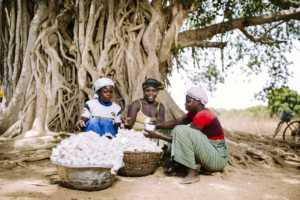
Burkina Faso is a landlocked, Sub-Saharan country in West Africa. Of the 20 million people residing there, 50.3 percent are female. Women and girls in Burkina Faso are likely to suffer from sexual or violent assault, experience forced marriage, be sold as property, die from unsafe pregnancy or abortion and/or undergo genitalia mutilation.
More than 85 percent of the population in the area supports the idea that these practices should discontinue. The government reformation of the constitution in 2016 claiming to strengthen women’s and children’s rights reflects this support. Unfortunately, women living in West Africa are still in immediate need of medical aid in order to live safe and healthy lives.
The organization Lighting the Path launched a new Women’s Aid Fund (WAF) to accomplish just that by helping women and girls in the fight for life. To gain further insight into how WAF is changing the lives of those living in Burkina Faso, The Borgen Project interviewed Dawn Malcolm, founder of Lighting the Path.
Life for Females in Burkina Faso
While the country’s government has put a policy into motion that promotes gender equality, the women and girls in Burkina Faso still face many unfair and cruel practices.
According to a Country Gender Profile by Japan International Cooperation Agency, when it comes to education, it is “socially ingrained that girls should be doing household chores rather than going to school.” In 2018, Burkina Faso saw a mere 32 percent of the female population enroll in schools.
Additionally, it is likely that women and girls in Burkina Faso will experience sexual assault from other students or teachers. In 1998, a Medical Research Council Survey found that 37.7 percent of girls in South Africa said that a school teacher or principal had raped them.
Additionally, there is an issue of forced marriage, including underaged young women. Families force more than half of all girls under the legal age of 17 into unregistered marriage.
Gender-based violence (GBV) is also extremely prevalent in Burkina Faso. Specifically, female genital mutilation (FGM) is a common practice for the nation. Despite the fact that Burkina Faso banned this practice in 1996 and the majority of the population is aware of the harmful effects, 76 percent of females between the ages of 15 and 49 have undergone mutilation.
Finally, women’s economic status in the country is far below that of men’s status. This occurs for three main reasons. Firstly, many in the country do not value women’s right to own property. Secondly, the right of succession does not apply to women. Thirdly, women cannot seem to buy or inherit the land. All of these economic issues make women reliable for men for a sustainable way of life, continuing the suppressive cycle.
Behind Lighting the Path
Dawn Malcolm founded Lighting the Path with the main goal of ending extreme poverty. The organization works with outreach programs and finds people in poverty who suffer from a lack of food, health care or education. The organization offers support through teaching business and entrepreneurship skills, which Malcolm believes is the best way to help. “Women and the people in poverty have to be empowered to help with the process of writing them out of poverty,” she says. “It can’t just be hand-outs all the time.” One example of this enterprise production model was teaching the women and girls in Burkina Faso to make soap out of the shea butter readily available to them in the village.
LTP is currently working on five fundraising projects: The Girls for Girls Project, The School for Girls Project, The Giving Hope Project, Empowerment Work in Burkina Faso and Microfinancing projects. For sustainable development, building the school for girls is the main focus of LTP’s future, as of now.
The Women’s Aid Fund
The Women’s Aid Fund is a new project that Lighting the Path has had success with. It formed while Malcolm was in Burkina Faso teaching women to make the shea butter soap. While working there, she recognized that women and girls had untreated medical issues. “Women there are husbands’ property, so they’re not always taken care of. Plus, if there’s any money, [the women] would take care of their children before they would get themselves cared for,” Malcolm told The Borgen Project. She typically saw injuries that occurred from FGM or injuries that occurred from fistulas that had not received treatment. Fistulas develop when the body is not ready for birth; in this case, the underaged girls who entered marriage unwillingly commonly developed fistulas.
Most of the things Malcolm witnessed were widespread, occurring on a daily basis and would likely require more than one group’s intervention for eradication. During her time, Malcolm encountered one woman with an injury she knew she could help with if she had the right amount of resources.
A woman named Elizabeth had lost her arm in a domestic dispute with her husband. “Life is very, very difficult [there]. It’s a lot of work, and it’s very hard there already, so when a woman has an injury, or an illness or wound that compromises her further, it just compounds the difficulty of life,” she said. Malcolm saw that by simply purchasing a prosthetic arm, she and Lighting the Path could change Elizabeth’s life for the better.
The WAF formulated with the goal of buying Elizabeth the prosthetic arm. The arm cost about $1,700 but Lighting the Path decided that was not enough. Not stopping at the prosthetic, WAF is continuing to help other women and girls in Burkina Faso who have disabilities or need medical attention. Malcolm says that even small things—a cut on the finger, for example—can sometimes become septic and lead to death if it does not receive treatment. There will always be ways we can help the women and girls in Burkina Faso. Malcolm said, “There’s always going to be women in need of some support to get some treatment or some care that they can’t otherwise afford.”
Sadly, things like sexual assault, FGM, illegal marriage and unsafe abortion still happen to women and girls in Burkina Faso. Change may come in the future, but it is likely that everyday women and girls in the country are experiencing harm while waiting for that change to arrive. Thankfully, organizations like Lighting the Path and funds like the WAF are improving the way these women heal.
– Marlee Septak
Photo: Flickr

Elon Musk’s Starlink Satellite System
As the world progresses through the 21st century, the internet has become an invaluable tool. In the United States, people widely use it for educational purposes. Unfortunately, the developing world is not so lucky. With Elon Musk’s Starlink satellite system, people across the planet should be able to gain access to high-speed internet.
The primary challenge with providing high-speed internet across the globe lies with the cost of fiber optic cables. It is very expensive to obtain and supply to certain areas of the world. On the other hand, using a satellite system to create connections in a vacuum is around 47 percent more efficient and does not require the use of fiber optic cables.
How Starlink Will Connect the World
Musk’s plan is to send 42,000 satellites into orbit. This substantial goal by SpaceX might be a dream, but a large number is necessary to ensure fast and widespread connections across the planet.
People who use the Starlink satellite system would require a device called a Starlink Terminal in their homes. It is a simple tool that they would plug in and point towards the sky. For those in hard-to-reach areas and whose internet connections are slow, this is fantastic news.
Ultimately, the hope is to provide all those who cannot obtain a strong internet connection with the means to connect with the world. The first step of the plan is to provide broadband internet to the west first and expand it into the developing world shortly thereafter.
The Global Impact of a Connected World
Global connectivity would provide an opportunity for anyone to receive the same education despite geographical location. Some of the latest reports regarding primary school-aged children in sub-Saharan Africa have indicated that 59 percent drop out of school.
Additionally, the quality of education is poor; many children across the globe are unable to read at a basic level. The main concerns surrounding the lack of education include cost, quality of teaching and a lack of schools and teachers. Fortunately, the Starlink satellite system could provide connectivity to reduce cost, provide proper tools and improve access to education.
The Starlink Terminal would cost between $100-$300 and several people could conceivably share it. A shared cost between multiple people, perhaps a school, would increase the affordability of the Starlink satellite system and terminal.
A growing global economy would likely also result from the Starlink satellite system. Specifically, the system has an extremely low latency for information transfer. This could give people in developing areas of the world more opportunity to participate in local and global stock markets.
Further, since the Starlink satellite system would likely be the fastest internet connection in the world, most of the financial markets would undoubtedly use it. Financial organizations using the system would provide customers the ability to send and receive money at the same rate, no matter the geographic location. Ultimately, the use of the Starlink satellite system would aid in the fight against global poverty by allowing the communities to participate in activities that developed nations regularly have access to.
The Timeline
As of right now, 362 Starlink satellites are orbiting the world and more should launch every other week. However, the recent pandemic might slow down the time frame.
Prior to COVID-19, the expectation was to have all 42,000 satellites orbiting by the end of 2021. Eventually, there will be enough satellites in orbit to provide global coverage. Even if the Starlink satellite system implementation takes more time than Elon Musk originally intended, the potential benefits are difficult to ignore.
The Starlink satellite system has the capacity to connect the entire world, changing the way people around the globe interact with one another.
– Drew Pinney
Photo: Wikimedia
Examining Poverty in the Maldives
People might know the Maldives for its clean blue waters, luxurious resorts and the millions of tourists who visit the archipelago but may not know that the small island nation continues to tussle for its economy and against poverty. Poverty in the Maldives dates back to the early 1980s when it became part of a list of the 20 poorest countries in the world. The 2004 tsunami further weakened the economy of the island nation, which consists of 1,192 tropical islands. A global financial crisis emerged in 2008, putting the country in a vulnerable position.
Current Scenario
Statistics from the World Bank state that the GDP in the Maldives rose to $5.3 billion in 2018 from a mere $42.46 million in 1980. Wealth inequality does not persist in the Maldives and poverty rates vary across geographic locations. The GDP growth slowed down from 8% in 2018 to 6.8% in 2019. Poverty in the Maldives is no longer a crisis, but the risks remain high.
Sustainable Development Goals (SDGs)
The country has had some success in achieving a few of its Sustainable Development Goals (SDGs). The tourism industry, fisheries and other sources have played a significant role in strengthening the economy and employment rate. Half of the economy of the island nation comes from tourism and another 12% comes from the fisheries across the islands.
There might be people with very low incomes but there are no urban beggars or slum dwellers, even with an increase in the rural-urban migration rates. Recently, literacy rates in the Maldives have reached around 100%. There are no major causes of diseases and infections in the Maldives. The starvation rate is zero as well.
Unemployment
In 2018, the unemployment rate was 5.9%, with youth unemployment making up 15.5%. More than half of the working strata of people are employees in the tourism sector or fisheries, which often makes them fall sick. About 8.2% of the total population falls below the national poverty line.
Life Span
The life spans of citizens have increased considerably thanks to the rapid and drastic expansion in the economy and infrastructure. According to the World Bank, the Maldives’ life expectancy in 2018 reached 77.2 years. Meanwhile, life expectancy was only 69.2 years in the year 2000. The increase in life expectancy has been considerable. However, there is a certain limitation to that as well since the island nation has limited infrastructure and resources.
Although the GDP increases every year, this pattern in economic growth is quite irregular. New establishments in the tourism industry and infrastructure should bring the GDP to 5.5% in 2020.
There is no denying that the country has made drastic improvements to help the situation of poverty in the Maldives. However, the situation continues to be fragile and vulnerable. If the Maldives continues to grow its tourism industry and infrastructure, it should be able to continue to reduce poverty in the future.
– Astha Mamtani
Photo: Flickr
7 Facts About Tech Startups in Latin America
According to the Vice President for Finance and World Bank Controller Jorge Familiar, “We should adopt and promote technology and innovation to boost economic growth, poverty reduction and increase opportunities for all, rather than planning barriers.” In recent years, Latin America has followed Familiar’s advice as it has seen a dramatic rise in access to technology and a sense of entrepreneurship. Below are seven facts about tech startups in Latin America.
7 Facts About Tech Startups in Latin America
The growth in the number and size of tech startups in Latin America is key for several reasons. One key reason is the opening of foreign markets and the attraction of foreign investment and businesses. This not only leads to increased “investible resources and capital formation” but “a means of transferring production technology, skills, innovative capacity and organizational and managerial practices between locations, as well as of accessing international marketing networks.”
– Scott Boyce
Photo: Flickr
The Success of Healthcare in Malaysia
Past Healthcare Accomplishments
In October 2018, Malaysia became the first country in the Western Pacific region of the globe to eliminate mother-to-child transmission of the diseases HIV and syphilis. Prior to this accomplishment, about 1,000 Malaysians were born with HIV/AIDS in 2007. According to the World Health Organization, Malaysia began the effort to combat HIV/AIDS transmission in 1998 with antenatal screenings.
Ms. Sherene Azli, Chief Executive Officer, Malaysia Healthcare Travel Council, shared with The Borgen Project that healthcare in Malaysia has three selling points: it is high quality, cheap and the doctors speak English. Not only are most medical staff fluent in English, but some hospitals have translators for over 22 languages. International Living recognized Malaysia as the “best nation in the world for healthcare” from 2015 to 2019 and ranked the nation as the seventh-best place to retire in 2020. Healthcare in Malaysia is highly affordable, said Azli, and therefore, it is very competitive compared to the Western world. Healthcare costs can be anywhere from 40 to 70 percent cheaper compared to the U.S. or U.K.
Further, healthcare in Malaysia adheres to Muslim standards, and therefore it can accommodate any citizen or medical tourist with strict religious restrictions. Azli told The Borgen Project that “Malaysia is a Global Halal Hub, which is good news for Muslim healthcare travelers. Malaysian society is Muslim-friendly. All Malaysian hospitals serve halal food and provide prayer facilities. Porcine-free medical products, such as sutures and vaccines, are also available at medical facilities. Many Malaysian medical professionals and personnel are Muslims too.”
Malaysia is one of two Muslim nations in Southeast Asia; Indonesia is the other Muslim nation in Southeast Asia. Due to the superior accommodations to Muslim populations, Indonesians make up 60 percent of total healthcare arrivals, according to the Malaysia Healthcare Travel Council (MHTC).
Medical Tourism as a Thriving Industry
The MHTC is an initiative under the Malaysian Ministry of Finance that works to grow the healthcare travel industry by building Public-Private Partnerships (PPP) that combine state-run industries with private companies. From a conversation with the MHTC, the organization spoke about a planned campaign for healthcare travel throughout the year 2020. Unfortunately, in March 2020, MHTC announced the program’s deferment to the following year.
“We serve as a driver and catalyst towards positioning the country as the leading global destination for healthcare,” said Sherene Azli. “Malaysia is one of the few countries in the world where healthcare travel is a government-supported industry while being driven by the private sector.”
Many people from surrounding countries come to Malaysia for healthcare needs. Most of the doctors have Western training and speak English, making healthcare in Malaysia perfect for tourists and expatriates. The Malaysia Healthcare Travel Council reported an increase in 2011 from 643,000 medical tourists to over 1 million in 2018. Some in-demand fields are cardiology, oncology and in-vitro fertilization (IVF).
“In 2018, Malaysia Healthcare attained RM1.5 billion [Malaysian ringgit] in hospital receipts which resulted in an economic impact of RM6.4 billion as stated in the Malaysia Healthcare Chronicles,” Azli said.
Healthcare in Malaysia in Response to COVID-19
Much like the shelter-in-place orders in the U.S., Malaysia imposed a Movement Control Order (MCO) after the outbreak of COVID-19. This movement restriction encourages Malaysians to practice social distancing. The nation was the first in the region to impose such restrictions. As a result of these orders, the MHTC reported a 45 percent recovery rate.
The government has scrambled to help its citizens. For example, shelters have been providing protection for the nation’s homeless from the virus. The Malaysian government is also collaborating with the United Nations High Commissioner for Refugees to protect people in Malaysia with refugee status. In addition to these actions, Malaysia passed RM260 billion as a stimulus package for the nation’s people.
The largest glove manufacturer in the world, Top Glove Corporation, resides in Malaysia. It manufactures one in five gloves around the world. Malaysian manufacturers are working to help flatten the curve of COVID-19 by converting facilities and providing more PPE. Top Glove Corporation plans to produce face masks in two months at a facility that retrofitted itself for the new product. Another company, Karex, will convert two lubricant lines into hand sanitizer manufacturing.
Although the MHTC acknowledges the hardships the pandemic has caused and will continue to cause the industry, it should continue to prepare for an economic rebound. “Over the next five years, Malaysia healthcare will focus on three key initiatives namely, the Fertility and Cardiology Hubs, being the Centre of Excellence for Oncology, as well as the Flagship Medical Tourism Hospital Programme,” Azli said.
Going forward, it remains a priority to position healthcare in Malaysia first so that it can prevail as a global medical leader.
– Annie Kate Raglow
Photo: Flickr
Examining 8 Facts About Fuel Poverty
8 Facts About Fuel Poverty
Hopefully, these facts about fuel poverty have provided some fundamental knowledge about the topic. One can easily overlook fuel poverty, but it forces people to make difficult sacrifices and can sometimes result in negative health consequences. The issue has been coming into the light more in recent years as politicians and organizations work to help those who cannot afford to maintain a safe and comfortable home.
– Lindsey Shinkle
Photo: Pixabay
3 Parts of the World Tackling Poverty Alleviation
China
China has made considerable progress in tackling poverty alleviation by bringing citizens out of traditional rural lifestyles. In 2018, around 41 percent of China’s rural population was living in impoverished countrysides. In 2013, China set policies to promote socio-economic development. By registering individuals into a database, China implemented rapid strategies and programs to benefit the entire nation. Meanwhile, Beijing launched an anti-poverty campaign to bring these citizens into more urban locations.
Committing to development with infrastructure and improving tourism, the government helped villagers tremendously. The government strengthened financial support by providing proper funding for health, education, industrial development and agricultural modernization and better access to the internet. Specifically, the 2007 health reform addressed poverty alleviation by providing health care centers for men and women and improving the quality of these centers.
Additionally, the Guizhou Province gave millions of dollars to poor students in 2015 to provide meals to children during the day. Feeding the children increases confidence and improves performance in the classroom. China also built schools in rural and mountain areas to accommodate male and female students. Educating the young means future generations should be able to rise out of poverty as well.
Poverty alleviation also occurs from supporting livestock and crop production in regard to trade partners. Improving farming practices also decreases pollution throughout the country. The Ministry of Agriculture has fully invested in increasing sustainability within agricultural and technological development.
Africa
Government resources in Africa have been vital to the 13 percent poverty alleviation from 1990 to 2015. To combat corruption, Uganda created an anti-corruption action plan through the Ministry of Ethics and Integrity. Tanzania even followed these steps with a National Anti-Corruption Strategy and Action Plan. Other programs directed toward social welfare have also contributed to economic growth. By providing conditional cash-transfers, African citizens have more financial security. Promoting governmental transparency through the 2003 Extractive Industries Transparency Initiative (EITI) has protected citizens from violence at a political level.
Further, education for youngsters, with a target for girls and women, have slowed economic poverty; gender inequalities have traditionally set back girls and women in society. The Africa Educational Trust (AET) program focuses on self-empowerment and providing education for all, and is breaking the glass ceiling for African women. Improving inclusivity within communities by removing these women and girls from traditional societal roles inevitably protects from violence. Not only do women get the opportunity to progress in society, but fertility and child mortality rates decline through improved prenatal nutrition.
Finally, agricultural investments through governmental incentives have enhanced food production. South Africa’s Expanded Public Works Program (EPWP) launched in 2004 with the aim of expanding job and industrialization practices. Access to clean water through sanitation reforms has drastically improved health status throughout the continent. In Nigeria, the Third National Urban Water Sector Reform Project tackles the water-scarcity issue by investing in water treatment, disease prevention and enhanced water distribution strategies.
El Salvador
El Salvador stands out as one of the more impoverished countries in Latin America. However, in 2013, the poverty rate dropped from 40 percent to 28.9 percent. The government transformed the national debt by addressing historical conflicts that damaged the economy. Tensions between the government and gang warfare affected 16 percent of the country’s annual GDP. Addressing gang violence through the Youth Employability and Opportunities initiative gives children a future involving better education without the pressure of joining a gang to survive.
The Civil War from 1980-1992 also put an enormous strain on the country’s safety. The Safe El Salvador plan addresses poverty alleviation by strengthening community bonds.
Additionally, health care and job investments have aided the country’s endeavors of poverty alleviation. The Strengthening Public Health Care System project invested in health services that have declined mortality rates and have improved disease prevention. Further, the El Salvador government partnered with the Millennium Challenge Corporation (MCC) in 2014 to focus on the youth by providing infrastructure and skills to stabilize the economy.
The Social Protection Universal System in 2014 assisted in the protection of the country’s citizens regarding human rights. Another danger to the country is natural disasters, which take a massive toll on the environment and safety of the large population. The government created the El Salvador Disaster Risk Management program to prepare for emergencies such as earthquakes and tropical storms, but it also addressed the recovery process after they hit.
Despite slower progress in some regions of the world, these three parts of the world are continuing to make tackling poverty alleviation a main focus. Investing in the wellbeing of people is a common practice in maintaining human dignity and saving countless lives every day. By establishing attainable goals and understanding the nature of poverty, countries can make significant changes for the future of the globe.
– Sydney Stokes
Photo: Pixabay
7 Facts About Sanitation in Rwanda
Rwanda is a developing country located in central Africa. After a genocide left Rwanda in extreme poverty, the country is fighting to improve living conditions and life expectancy. Here are seven facts about sanitation in Rwanda.
7 Facts About Sanitation in Rwanda
Proper sanitation is necessary for economic development. Access to clean water and education on basic hygienic practices directly affects the rest of a country’s ability to thrive. Many cost-benefit analysis studies show that poor sanitation leads to a larger economic loss. As a result, developing countries should put preventative measures in place.
– Molly Moline
Photo: Flickr
4 NGOs Fighting Poverty in Jamaica
4 NGOs Fighting Poverty in Jamaica
These four NGOs are all fighting poverty in Jamaica in addition to the World Bank and the Jamaican government. Through these combined efforts, poverty in Jamaica has substantially declined and the economic climate has improved.
– Tiara Wilson
Photo: Pixabay
10 Facts About Poverty in Syria
With a population of 18.4 million people, Syria ranked as a rapidly developing mid-sized country before the Syrian civil war broke out. Today, 11.7 million Syrian people have experienced displacement from their homes. Schools, health care facilities and small businesses have suffered greatly. As a result, the Syrian economy has collapsed, placing more than half of Syrian people in poverty. Children are at an especially high risk of poverty and displacement. The war has a stranglehold on the Syrian economy. It has caused significant damage to the country’s infrastructure and wreaked havoc on the lives of civilians. However, global aid has significantly improved Syrian peoples’ educational and employment opportunities, as well as access to food, water, shelter and health care. Here are 10 facts about poverty in Syria.
10 Facts About Poverty in Syria
These 10 facts about poverty in Syria show that the current situation in Syria is bleak, as poverty and displacement affect nearly the entire population. However, foreign policy and intervention can help end the war. Additionally, foreign aid can support education, health care and small businesses. Ideally, Syria will stabilize in the years to come.
– Elise Ghitman
Photo: Flickr
Aiding Women and Girls in Burkina Faso
Burkina Faso is a landlocked, Sub-Saharan country in West Africa. Of the 20 million people residing there, 50.3 percent are female. Women and girls in Burkina Faso are likely to suffer from sexual or violent assault, experience forced marriage, be sold as property, die from unsafe pregnancy or abortion and/or undergo genitalia mutilation.
More than 85 percent of the population in the area supports the idea that these practices should discontinue. The government reformation of the constitution in 2016 claiming to strengthen women’s and children’s rights reflects this support. Unfortunately, women living in West Africa are still in immediate need of medical aid in order to live safe and healthy lives.
The organization Lighting the Path launched a new Women’s Aid Fund (WAF) to accomplish just that by helping women and girls in the fight for life. To gain further insight into how WAF is changing the lives of those living in Burkina Faso, The Borgen Project interviewed Dawn Malcolm, founder of Lighting the Path.
Life for Females in Burkina Faso
While the country’s government has put a policy into motion that promotes gender equality, the women and girls in Burkina Faso still face many unfair and cruel practices.
According to a Country Gender Profile by Japan International Cooperation Agency, when it comes to education, it is “socially ingrained that girls should be doing household chores rather than going to school.” In 2018, Burkina Faso saw a mere 32 percent of the female population enroll in schools.
Additionally, it is likely that women and girls in Burkina Faso will experience sexual assault from other students or teachers. In 1998, a Medical Research Council Survey found that 37.7 percent of girls in South Africa said that a school teacher or principal had raped them.
Additionally, there is an issue of forced marriage, including underaged young women. Families force more than half of all girls under the legal age of 17 into unregistered marriage.
Gender-based violence (GBV) is also extremely prevalent in Burkina Faso. Specifically, female genital mutilation (FGM) is a common practice for the nation. Despite the fact that Burkina Faso banned this practice in 1996 and the majority of the population is aware of the harmful effects, 76 percent of females between the ages of 15 and 49 have undergone mutilation.
Finally, women’s economic status in the country is far below that of men’s status. This occurs for three main reasons. Firstly, many in the country do not value women’s right to own property. Secondly, the right of succession does not apply to women. Thirdly, women cannot seem to buy or inherit the land. All of these economic issues make women reliable for men for a sustainable way of life, continuing the suppressive cycle.
Behind Lighting the Path
Dawn Malcolm founded Lighting the Path with the main goal of ending extreme poverty. The organization works with outreach programs and finds people in poverty who suffer from a lack of food, health care or education. The organization offers support through teaching business and entrepreneurship skills, which Malcolm believes is the best way to help. “Women and the people in poverty have to be empowered to help with the process of writing them out of poverty,” she says. “It can’t just be hand-outs all the time.” One example of this enterprise production model was teaching the women and girls in Burkina Faso to make soap out of the shea butter readily available to them in the village.
LTP is currently working on five fundraising projects: The Girls for Girls Project, The School for Girls Project, The Giving Hope Project, Empowerment Work in Burkina Faso and Microfinancing projects. For sustainable development, building the school for girls is the main focus of LTP’s future, as of now.
The Women’s Aid Fund
The Women’s Aid Fund is a new project that Lighting the Path has had success with. It formed while Malcolm was in Burkina Faso teaching women to make the shea butter soap. While working there, she recognized that women and girls had untreated medical issues. “Women there are husbands’ property, so they’re not always taken care of. Plus, if there’s any money, [the women] would take care of their children before they would get themselves cared for,” Malcolm told The Borgen Project. She typically saw injuries that occurred from FGM or injuries that occurred from fistulas that had not received treatment. Fistulas develop when the body is not ready for birth; in this case, the underaged girls who entered marriage unwillingly commonly developed fistulas.
Most of the things Malcolm witnessed were widespread, occurring on a daily basis and would likely require more than one group’s intervention for eradication. During her time, Malcolm encountered one woman with an injury she knew she could help with if she had the right amount of resources.
A woman named Elizabeth had lost her arm in a domestic dispute with her husband. “Life is very, very difficult [there]. It’s a lot of work, and it’s very hard there already, so when a woman has an injury, or an illness or wound that compromises her further, it just compounds the difficulty of life,” she said. Malcolm saw that by simply purchasing a prosthetic arm, she and Lighting the Path could change Elizabeth’s life for the better.
The WAF formulated with the goal of buying Elizabeth the prosthetic arm. The arm cost about $1,700 but Lighting the Path decided that was not enough. Not stopping at the prosthetic, WAF is continuing to help other women and girls in Burkina Faso who have disabilities or need medical attention. Malcolm says that even small things—a cut on the finger, for example—can sometimes become septic and lead to death if it does not receive treatment. There will always be ways we can help the women and girls in Burkina Faso. Malcolm said, “There’s always going to be women in need of some support to get some treatment or some care that they can’t otherwise afford.”
Sadly, things like sexual assault, FGM, illegal marriage and unsafe abortion still happen to women and girls in Burkina Faso. Change may come in the future, but it is likely that everyday women and girls in the country are experiencing harm while waiting for that change to arrive. Thankfully, organizations like Lighting the Path and funds like the WAF are improving the way these women heal.
– Marlee Septak
Photo: Flickr