Aiding Women and Girls in Burkina Faso
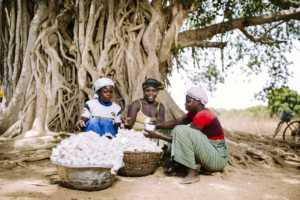
Burkina Faso is a landlocked, Sub-Saharan country in West Africa. Of the 20 million people residing there, 50.3 percent are female. Women and girls in Burkina Faso are likely to suffer from sexual or violent assault, experience forced marriage, be sold as property, die from unsafe pregnancy or abortion and/or undergo genitalia mutilation.
More than 85 percent of the population in the area supports the idea that these practices should discontinue. The government reformation of the constitution in 2016 claiming to strengthen women’s and children’s rights reflects this support. Unfortunately, women living in West Africa are still in immediate need of medical aid in order to live safe and healthy lives.
The organization Lighting the Path launched a new Women’s Aid Fund (WAF) to accomplish just that by helping women and girls in the fight for life. To gain further insight into how WAF is changing the lives of those living in Burkina Faso, The Borgen Project interviewed Dawn Malcolm, founder of Lighting the Path.
Life for Females in Burkina Faso
While the country’s government has put a policy into motion that promotes gender equality, the women and girls in Burkina Faso still face many unfair and cruel practices.
According to a Country Gender Profile by Japan International Cooperation Agency, when it comes to education, it is “socially ingrained that girls should be doing household chores rather than going to school.” In 2018, Burkina Faso saw a mere 32 percent of the female population enroll in schools.
Additionally, it is likely that women and girls in Burkina Faso will experience sexual assault from other students or teachers. In 1998, a Medical Research Council Survey found that 37.7 percent of girls in South Africa said that a school teacher or principal had raped them.
Additionally, there is an issue of forced marriage, including underaged young women. Families force more than half of all girls under the legal age of 17 into unregistered marriage.
Gender-based violence (GBV) is also extremely prevalent in Burkina Faso. Specifically, female genital mutilation (FGM) is a common practice for the nation. Despite the fact that Burkina Faso banned this practice in 1996 and the majority of the population is aware of the harmful effects, 76 percent of females between the ages of 15 and 49 have undergone mutilation.
Finally, women’s economic status in the country is far below that of men’s status. This occurs for three main reasons. Firstly, many in the country do not value women’s right to own property. Secondly, the right of succession does not apply to women. Thirdly, women cannot seem to buy or inherit the land. All of these economic issues make women reliable for men for a sustainable way of life, continuing the suppressive cycle.
Behind Lighting the Path
Dawn Malcolm founded Lighting the Path with the main goal of ending extreme poverty. The organization works with outreach programs and finds people in poverty who suffer from a lack of food, health care or education. The organization offers support through teaching business and entrepreneurship skills, which Malcolm believes is the best way to help. “Women and the people in poverty have to be empowered to help with the process of writing them out of poverty,” she says. “It can’t just be hand-outs all the time.” One example of this enterprise production model was teaching the women and girls in Burkina Faso to make soap out of the shea butter readily available to them in the village.
LTP is currently working on five fundraising projects: The Girls for Girls Project, The School for Girls Project, The Giving Hope Project, Empowerment Work in Burkina Faso and Microfinancing projects. For sustainable development, building the school for girls is the main focus of LTP’s future, as of now.
The Women’s Aid Fund
The Women’s Aid Fund is a new project that Lighting the Path has had success with. It formed while Malcolm was in Burkina Faso teaching women to make the shea butter soap. While working there, she recognized that women and girls had untreated medical issues. “Women there are husbands’ property, so they’re not always taken care of. Plus, if there’s any money, [the women] would take care of their children before they would get themselves cared for,” Malcolm told The Borgen Project. She typically saw injuries that occurred from FGM or injuries that occurred from fistulas that had not received treatment. Fistulas develop when the body is not ready for birth; in this case, the underaged girls who entered marriage unwillingly commonly developed fistulas.
Most of the things Malcolm witnessed were widespread, occurring on a daily basis and would likely require more than one group’s intervention for eradication. During her time, Malcolm encountered one woman with an injury she knew she could help with if she had the right amount of resources.
A woman named Elizabeth had lost her arm in a domestic dispute with her husband. “Life is very, very difficult [there]. It’s a lot of work, and it’s very hard there already, so when a woman has an injury, or an illness or wound that compromises her further, it just compounds the difficulty of life,” she said. Malcolm saw that by simply purchasing a prosthetic arm, she and Lighting the Path could change Elizabeth’s life for the better.
The WAF formulated with the goal of buying Elizabeth the prosthetic arm. The arm cost about $1,700 but Lighting the Path decided that was not enough. Not stopping at the prosthetic, WAF is continuing to help other women and girls in Burkina Faso who have disabilities or need medical attention. Malcolm says that even small things—a cut on the finger, for example—can sometimes become septic and lead to death if it does not receive treatment. There will always be ways we can help the women and girls in Burkina Faso. Malcolm said, “There’s always going to be women in need of some support to get some treatment or some care that they can’t otherwise afford.”
Sadly, things like sexual assault, FGM, illegal marriage and unsafe abortion still happen to women and girls in Burkina Faso. Change may come in the future, but it is likely that everyday women and girls in the country are experiencing harm while waiting for that change to arrive. Thankfully, organizations like Lighting the Path and funds like the WAF are improving the way these women heal.
– Marlee Septak
Photo: Flickr
