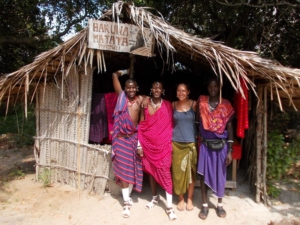
Today, and for the longest time throughout its history, homelessness in Tanzania represents an uncompromising problem to solve. With an ever-increasing population of roughly 60 million people, and with one in 10 of the population living below the poverty line, homelessness requires urgent action.
The Current State of Homelessness in Tanzania
Homelessness in any nation has a connection to poverty, and in Tanzania, this is no exception. Poverty in Tanzania has seen a steady, but albeit ambiguous level in progress in recent times. According to the World Bank, significant economic growth within the last 20 years has moved the nation along, “culminating in its transition from low-income to lower-middle income status in July 2020.”
According to the United Nations Development Programme (UNDP), as of last year’s Multidimensional Poverty Index (MPI), which determines a nation’s level of poverty through three key factors in health, education and standard of living, Tanzania possesses an MPI value of 0.284. Making up Tanzania’s rating on the MPI are 10 indicators, such as nutrition and access to electricity. Housing deprivation was at 9.3% as of 2021.
The current rate of homelessness in Tanzania represents a significant obstacle to overcome for the nation. The housing demand across Tanzania continues to rise on an annual basis, as according to Shelter Afrique, 3 million units with an additional 200,000 more units are expected every year.
The Primary Causes of Tanzania’s Homelessness Problem
The root of Tanzania’s homelessness problem is not due to a sole contributing factor. A questionnaire to National Human Rights Institutions, which the Office of the High Commissioner for Human Rights presented, identified six key factors as causes of homelessness in Tanzania. These are:
“Poverty among the people.
Unlawful eviction causes people to be homeless.
Gender stereotypes and discrimination based on social construct between gender.
Discrimination and inequality based on culture, customary law and informal justice.
Natural hazards such as floods fire break.
The urbanization process transcends an idea that in cities there are good lives.”
A leading contributor to homelessness in Tanzania is the right to residency throughout the nation. In accordance with the United Republic of Tanzania’s Constitution of 1977, there is no clear mention that housing is considered a basic human right. Tanzania’s lack of legal right to housing manifests a situation in which millions of citizens cannot afford basic housing.
Affordability of housing in Tanzania represents a significant problem, with the average annual salary per person in Tanzania at $1,140 as of 2021. Affordability, absence of the legal right to housing and the lack of housing are problems that Tanzania’s frequent natural disasters aggravate. The nation experienced 46 natural disasters between 2008 and 2021, which led to the displacement of nearly 250,000 people.
Solutions to Tanzania’s Homelessness Problem
The continued work of multiple nonprofit organizations in Tanzania is proving to be a catalyst for progress. Habitat for Humanity, for example, began working in Tanzania in 1986 and focuses on offering housing opportunities through microfinancing, as well as advocating for effective housing policy, and addressing water, hygiene and sanitation concerns. Habitat for Humanity’s microfinancing program started in July 2009 and has proven to be a continued success in providing affordable means of housing. In the fiscal year of 2018, 2,340 individuals received direct assistance for Habitat for Humanity’s work on the ground.
The World Food Programme (WFP) began working in Tanzania in 1963 with the goals to provide food for the most vulnerable, incentivize food production for agricultural workers and set up social protection systems that play a vital role in supplying basic supplies after natural disasters. WFP’s current operation in Tanzania, which provides $16 million in funding, started in July 2022 and will run until December. One of its primary objectives during this six-month period is to provide care and assistance to 202,540 refugees.
The continued work of nonprofit organizations such as Habitat for Humanity and the World Food Programme provides an essential service to the millions of Tanzanians in desperate need due to the homelessness crisis.
https://borgenproject.org/wp-content/uploads/borgen-project-logo.svg00Jennifer Philipphttps://borgenproject.org/wp-content/uploads/borgen-project-logo.svgJennifer Philipp2022-08-25 01:30:572022-08-23 06:31:19Homelessness in Tanzania
The Baobab Network is an investment company dedicated to empowering small business owners across the African continent. Many countries in Africa including Ethiopia, have incredibly fast-growing economies. While aid has been a long-standing form of economic assistance to many of the low-income countries in Africa, small entrepreneurs in Africa often lack access, connections and funding to reap those benefits. The Baobab Network does more than just throw money into the economy. The company gets tech-focused businesses off the ground to sustain their communities.
The Baobab Network’s Mission
The baobab tree is infamous across sub-Saharan Africa and a true symbol of the company’s philosophy. With an emphasis on the power of technology, The Baobab Network seeks to build sustainability in the untapped marketplaces. What’s more, these solutions are working to solve some of the continent’s most pressing issues.
The strategy used by The Baobab Network to build up small businesses is three-pronged. The strategy starts with a $50,000 investment, an intensive venture consulting regimen and access to an entire network of experts, investors and potential business partners. Capital is necessary for small businesses, especially those looking to break into a market where there was little opportunity as the technology and service sectors are underdeveloped in many regions of sub-Saharan Africa. This funding can be used to invest in the right people, the right equipment and the right business plan. Continued involvement in the early stages of the businesses that The Baobab Network supports ensures that growth is achieved. Capacity-building in the beginning, coupled with lifetime access to global support allows business owners in Africa to continue to grow their companies and contribute to the development of their communities.
Portfolio Companies
The companies that The Baobab network has invested in are achieving creative, groundbreaking solutions. For example, FXKudi, a company started by Abioye Oyetunji, Adetunji Afeez and Kodjo Kevin is connecting the West African marketplace through technology. FXKudi operates in six countries and allows people to spend, send and receive money through an app on their phone, allowing buyers and sellers to interact across borders. While countries in West Africa are close together geographically, they lack a strong interconnectedness, especially in their economies. This has shifted in recent years, and Brookings reports that cross-cultural engagement in Africa can be a vessel for economic rebuilding.
Thola is another successful company in The Baobab Network, started by a woman named Nneile based in South Africa. Thola champions “peer-to-peer lending,” connecting small business owners including livestock farmers to access to capital without the discouraging red tape. The company believes that simplifying relationships between lenders and investors is the best way to build community and achieve growth.
A number of other Baobab Network companies are doing great things including creating education marketplaces and digitizing manufacturing industries. The company focuses exclusively on African candidates and yet many of the companies are reaching a worldwide audience.
A Look Ahead
The Baobab Network is doing important work all over the continent. African entrepreneurs from Ethiopia to Sudan have the opportunity to secure investment and change their futures. Additionally, it is clear that the growth of self-sustaining businesses that are looking to the future of technology will have positive implications for the growth of the entire economy. Empowering one empowers many and The Baobab Network’s portfolio of successful companies could be changing the world.
https://borgenproject.org/wp-content/uploads/borgen-project-logo.svg00Jennifer Philipphttps://borgenproject.org/wp-content/uploads/borgen-project-logo.svgJennifer Philipp2022-08-25 01:30:412022-08-25 03:34:24How One Company Empowers Entrepreneurs in Africa
The region of sub-Saharan Africa encompasses an aggregate of nations with diverse geographies, histories and cultures. Furthermore, the countries composing sub-Saharan Africa have diverse needs. From unaffordable health care to regional conflict, the issues besetting sub-Saharan Africa have left many of its inhabitants in poverty. Fortunately, philanthropic organizations have stepped up to the plate to remedy the many challenges affecting sub-Saharan Africa. Three organizations, in particular, have shown that there is not a universal methodology for combating poverty in sub-Saharan Africa.
Poverty in Sub-Saharan Africa
According to the World Bank, in 2017, two-thirds of the “global extreme poor population” lived in sub-Saharan Africa. While poverty is actually slowly declining in the region, a rapid rise in population growth is stalling a reduction in the number of impoverished people in sub-Saharan Africa.
However, there are differences among sub-Saharan Africa’s constituent countries. According to the World Bank’s 2018 data, in the Democratic Republic of Congo, 73% of people lived on less than $1.90 per day, the international poverty line. Additionally, the World Bank predicted that 27% of Ethiopians lived below the international poverty line in 2019. Finally, a 2020 U.N. report indicates that 18.9% of South Africans live on less than $1.90 a day.
Agrarian Communities “Grow Together” with Nanmo
Nanmo is an Arabic word meaning “growing together.” This word is the spirit of the partnership between the Bill & Melinda Gates Foundation and the Qatar Fund for Development’s $200 million investment in sub-Saharan Africa.
Nanmo’s goal is to provide adaptive ways for rural farmers, especially women, to respond to climate-related difficulties. Mark Suzman, CEO of the Gates Foundation, told the Gulf Times that a “Majority of the poorest living in sub-Saharan Africa are the rural folk. They depend on agriculture…in parts of the world that are seeing much greater temperature fluctuation with frequent floods or frequent droughts.” The collaborative organization gives agrarian communities innovative technologies that can bolster their pathway to food security.
Suzman said that Nanmo was not confined to one country. However, a pilot program in Nigeria and Ethiopia showed an auspicious sign for the future of Nanmo in combating poverty in sub-Saharan Africa.
Efficiency for Access: Ameliorating Poverty through Clean Energy Solutions
In sub-Saharan Africa, more than 600 million people lack a connection to their country’s energy grid. Efficiency for Access, a coalition coordinated by CLASP and Energy Saving Trust, is working to bring life-changing, clean-energy appliances to vulnerable communities.
Bridging the gap between those on and off the energy grid could lead to improved agricultural productivity and thus poverty alleviation. Mike Maina from CLASP told FairPlanet that “In sub-Saharan Africa, 60% to 70% of the population is involved in agricultural livelihoods with the least mechanization in the world. This is a region where using renewable energy can have a big impact, especially on low-income populations.”
In addition to agricultural appliances like solar water pumps, Efficiency for Access also supplies products such as solar-powered refrigerators, electric pressure cookers and fans. As CLASP conveyed to FairPlanet, its theory is to provide people with a livelihood and not just a light bulb.
Zoetis Provides Veterinary Care to Farmers’ Livestock
Despite sub-Saharan Africa’s sizable livestock population, it has the “lowest productivity per animal” of any region. According to Poultry World, Zoetis, an animal health company, is improving the health of livestock through its A.L.P.H.A. initiative. Inaugurated in 2017, this program provides accessible veterinary services to farmers across the region.
Throughout its five years in operation, Zoetis has worked with 128 million animals and educated 26,000 individuals, according to Poultry World. By supplying inoculations and medical training to communities in sub-Saharan Africa, the African Livestock Health and Productivity Advancement program has been a boon for food security in sub-Saharan Africa.
Zoetis’s activity in the region has enabled African communities to produce safer food while reducing the economic burden of raising livestock. Thus, the A.L.P.H.A. initiative has been successfully combating poverty in sub-Saharan Africa.
A Glimpse into the Region’s Future
These three organizations are just some of the numerous charitable entities working on combating poverty in sub-Saharan Africa. While these organizations exemplify a propitious future for the region, it still requires more work.
Governments and NGOs alike need to work in harmony to ensure that the region’s sundry needs are met. However, these three organizations demonstrate that there is no “one size fits all” approach to combating poverty in sub-Saharan Africa. Despite the need for more concerted and adaptable action on behalf of the world’s poor, these three organizations provide a bright glimpse into the future for sub-Saharan Africa.
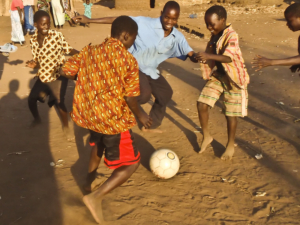
“The [human trafficking] situation was much worse than we first envisaged,” says Maxwell Matewere from the United Nations Office of Drugs and Crime (UNODC) in Malawi. “I even witnessed a kind of Sunday market, where people come to buy children who were then exploited in situations of forced labor and prostitution,” he says to the U.N. The place in question is Malawi’s Dzaleka Refugee Camp. Created in 1994, the U.N. Refugee Agency (UNHCR) built the camp to accommodate 10,000 refugees escaping war and violence from neighboring countries. It now houses more than 50,000 refugees with even more refugees forced to return to the camp because of the government’s decree. The UNODC and Malawian Police Service have uncovered instances of human trafficking in Malawi’s Dzaleka Refugee Camp.
Human Trafficking in the Refugee Camp
Human trafficking in Malawi’s Dzaleka Refugee Camp takes many forms. Traffickers force men into hard labor while women and girls face sexual exploitation inside the camp or traffickers move them to the city or other countries in southern Africa. Traffickers even recruit children for farm labor and domestic work. Oftentimes, traffickers require refugees to pay off a debt accumulated from “being smuggled into Malawi.” Traffickers then force the victims into labor or prostitution to pay off the debt. The UNODC suspects that the camp may even be a transitory point for larger international human trafficking networks.
Why Human Trafficking Persists
Since the discovery of human trafficking in Dzaleka, the UNODC has taken measures to dismantle the organizations, identify and rescue victims as well as prosecute the perpetrators. However, several factors make dismantling human trafficking networks exceptionally difficult.
Victims are Afraid of Testifying. According to the Malawian Police Service, prosecution is difficult because many victims are afraid to testify in court. According to the U.N., the primary reason is that victims fear that traffickers may target them or their families. In some cases, victims related to the trafficker will object to testifying out of a remaining “sense of love or loyalty.” Furthermore, victims are sometimes reluctant to cooperate because they do not trust the officials.
Distrust of Law Enforcement. Many victims have difficulty trusting law enforcement. Not only does this make victims reluctant to testify but this also makes it more difficult to identify and rescue victims. According to Deutsche Welle, the basis of distrust comes from a history of corruption among Malawian officials. As Caleb Ng’ombo from People Serving Girls at Risk (PSGR) said, “We still have high levels of corruption, and so most of the trafficking cases are thriving… The people entrusted to do their job cannot do it because someone is paying them under the table.” With an underlying sense of distrust, victims from Malawi’s refugee camps may doubt the intentions of undercover police officers attempting a rescue, complicating the process.
Untrained Staff. Upon the discovery of human trafficking in Malawi’s refugee camp, the UNODC held an initial training at Dzaleka to train the staff on identifying and preventing human trafficking. According to Matewere, “There’s very little knowledge of human trafficking among the camp staff.” In fact, after initial training, some members experienced feelings of guilt when they realized the prevalence of trafficking within the camp. Now, the camp has implemented the Protocol on Trafficking in Persons in order to effectively prevent and respond to incidences of human trafficking.
Anti-Trafficking Measures
Despite the difficulty of dismantling human trafficking in Malawi’s Dzaleka Refugee Camp, the UNODC and UNHCR are determined in their goals. Not only have they implemented new training and anti-trafficking procedures, but they have also coached 28 camp officials who will train their colleagues in turn. Furthermore, with U.N. intervention, victims now reside in safe houses instead of being placed in jail alongside perpetrators. With these steps in place, the UNODC has rescued more than 90 victims from the Dzaleka Refugee Camp as of June 2022.
Numerous NGOs are also working on the ground in Malawi. People Serving Girls at Risk (PSGR), for example, cares for women and girls who have faced trafficking or exploitation and handles more than 200 cases a year.
An undercover policeman trained by the UNODC identified and rescued a 16-year-old Congolese girl from forced prostitution. Trafficked at just 10 years old, she came to the camp in 2009 after leaving the DRC due to conflict and violence. At first, she did not trust the officer, but, eventually, he gained her trust. “That evening, I had been beaten by one of my clients for refusing to have sex due to a cut that was bleeding. I was in pain and it was visible. The officer was friendly and he took me to a safe house,” she said to the U.N. Now, she is taking computer literacy lessons and hopes to reunite with her family.
Looking Ahead
Although the path to eradicating human trafficking in Malawi’s Dzaleka Refugee Camp is complex, progress is visible. Hopefully, with the combined efforts of the U.N. and the government, Malawi can eradicate human trafficking in the refugee camp.
On July 2, 2022, Martín Guzmán announced his resignation from his position as Argentina’s economy minister, which he held since December 2019, through a seven-page letter posted on his Twitter account. The decision arrived amid conflict in the government concerning the country’s current economic crisis and Argentinian Vice President Cristina Fernández de Kirchner pushing for Guzmán to leave his position. Guzmán alluded to recent disagreements “within the government coalition” as a reason for his departure. Many members of his team have also resigned.
Guzmán’s Career
On December 6, 2019, Argentine President (then-president-elect) Alberto Fernández designated Guzmán as Argentina’s economy minister. At the start of this career, the newly appointed Brown graduate had his first bill approved by the Senate just 11 days after his first day in office. The bill imposed tax increases in specific areas of the middle and upper class while providing tax benefits to the impoverished.
In early August 2020, the Argentine economy minister struck a deal to restructure $65 billion in foreign bonds. Most notably, the former minister engineered a $45 billion debt deal with the International Monetary Fund (IMF). The agreement aims to “promote growth and protect social programs” to tackle Argentina’s economic crisis.
Before resigning, Guzmán planned to head to France to discuss a $2 billion debt deal with the Paris Club of sovereign lenders.
Argentina’s Economic Crisis
Argentina’s economy has been suffering for decades. In July 2022, many Argentine sovereign bonds were worth as low as 20 cents on the dollar — a stark difference from higher rates in October 2020. Inflation in Argentina is staggeringly high, moving toward 70% by the end of 2022. As of July 2022, one United States dollar is worth about 126 Argentine pesos and this exchange rate is still increasing.
An economic disruptor includes truck drivers’ strikes, which have halted delivery of grain, “one of Argentina’s main imports,” to ports. In addition to the COVID-19 pandemic, the devaluation of the peso and a sizeable foreign debt of more than $323 billion by 2020 have sent Argentina into further economic turmoil.
Alongside these struggles, Argentina’s poverty levels are sharply increasing. Due to the severe inflation, the poverty rate in urban centers stood at 37% in the latter half of 2021 and is expected to increase to 39% after the first six months of 2022. This would equate to 500,000 more impoverished people.
The Economy’s Future
Guzmán’s resignation has raised concerns over the economy’s trajectory, most fearing it will head in an even worse direction. Other concerns regard Guzmán’s IMF deal and whether Argentina can meet these needs without the architect of the deal.
On July 3, 2022, one day after Guzmán’s resignation, President Fernández named Silvina Batakis Argentina’s new economy minister. Batakis previously served as the Secretary of Provinces in the Ministry of the Interior and as economy minister of the Buenos Aires province from 2011 to 2015. This week, she stated her belief in “fiscal balance” and her intention to follow President Fernández’s economic program.
In June 2022, the deal with the IMF that former minister Guzmán crafted underwent its first review. This is a sign that the deal may indeed make progress and ultimately come to fruition. A press release regarding this step stated that the program’s policies “will be critical to support Argentina’s economic recovery.”
There are other solutions and aids to Argentina’s economic crisis besides the appointment of a new economy minister — foreign aid. Amid this instability, at least 48 NGO projects in Argentina aim to improve the lives of the country’s poor. A notable organization is Fundación Integrar (Integrate Foundation). The foundation helps young Buenos Aires and La Pampa citizens living in poverty complete their higher education by providing financial aid and guidance to students. With the help of donations, the foundation has given higher education scholarships to 140 students to date.
In office, Argentina’s new economy minister Batakis will need to address the nation’s high inflation rate and foreign debt along with an increasing poverty rate. Yet, she is not alone in this fight — a deal with the IMF is underway and tens of organizations are serving the country’s poor.
“I have heard of a friend who had six to seven children. Although some of them, husband and wife earn RM2,000- RM3,000 per month, they do not seem to offer to help their parents; at least RM200 is sufficient. But instead, they tell their mother, ‘I need RM200 from you, I want to pay for my house, my car and my children’s education.’ You have this kind of people. That is considered financial abuse.” This is a quote from a 68-year-old elder in Malaysia who participated in a study published by the ASM Science Journal. His words reflect the situation of elderly poverty in Malaysia and the intergenerational problem the society faces as the population ages. Here are three facts about elderly poverty in Malasyia.
3 Facts About Elderly Poverty in Malaysia
Aging populations have few sources of income. Malaysia is a nation located in Southeast Asia and like many high-income countries, its population is rapidly aging. In fact, according to the World Bank, Malaysia will transition from its current state of an “aging” society to an “aged” society in the next two decades, going from 7% of the population being older than 65 to 14% by 2044. However, according to Dr. Soon Ting Kueh, “We feel Malaysia is not quite prepared for an aging society and hope the government will look into these problems soon.” Exacerbated by the relatively low minimum retirement age in Malaysia, only 45.2% of the population between the age of 55 and 64 has a job. Although people in this age group are more likely to be self-employed or work part-time, oftentimes, they no longer have a source of income.
Financial security is harder for women. According to the World Bank, the gap in the employment rate is most obvious in the 50 to 60 age group. In Malaysia, only 17.9% of women in this demographic have a job compared to 59.7% of men. This may also be because more women are self-employed or work at home without pay. However, because of their unemployment status, women often have less coverage in terms of social insurance. One measurement of social security for the elderly in Malaysia is their Employees Provident Fund (EPF) balance, or how much money they were able to invest in a federal savings and retirement plan. According to the World Bank, men tend to have around RM233,000 ($51,260) in their EPF account compared to RM177,000 ($39,000) for women. This highlights the differences between the two groups and how financial security is harder to obtain for elderly women, which contributes to elderly poverty in Malaysia.
Lack of geriatric care. Because older people are more vulnerable to diseases (chronic or not), they make up over 20% of admissions to Malaysia’s public hospitals. However, the development of geriatric care and health facilities has not kept up with the rate at which Malaysia’s population is aging. Not only is there a lack of geriatric infrastructure, but there is also a lack of community care, home care and other rehabilitation services. According to The Gerontologist, this may be because elders in Malaysia traditionally depended on the “family support system” that many Asian cultures emphasize. However, with the passage of time and modernization, these responsibilities have slowly transferred from the family to social structures, putting a large demand on public health care that is currently unavailable in this country. Coupled with the larger vulnerability to illnesses, the amount of money the elderly must pay for health care also depletes their savings and contributes to elderly poverty in Malaysia.
Making a Change
As the quote in the beginning suggests, the elderly are especially vulnerable when it comes to financial stability because, after retirement, many must financially rely on their children for income, or in some cases even fund their children’s expenditures.
Thankfully, NGOs such as The National Council of Senior Citizens Organizations Malaysia (NACSCOM) are rallying for the elderly of Malaysia. Established in 1990, NACSCOM has around 20,000 members worldwide and cooperates with the Ministry of Women, Family and Community Development of Malaysia to push government action and legislation in areas such as elderly health care.
The Old Folks Home they established in 2007 currently has 20 residents, and three day centers that were established across Malaysia continuously provide learning programs for the elderly.
As the population ages, elderly poverty in Malaysia may become an even more difficult issue. Coupled with the lack of quality health care, elderly people sometimes have to engage in part-time jobs or self-employment in order to escape elderly poverty. However, with the combined efforts of NGOs and the government, geriatric infrastructure and reforms for accessible health care may not be far from the future. With this in mind, hopefully, senior citizens could soon be able to live without financial vulnerability in Malaysia.
https://borgenproject.org/wp-content/uploads/borgen-project-logo.svg00Jennifer Philipphttps://borgenproject.org/wp-content/uploads/borgen-project-logo.svgJennifer Philipp2022-08-20 01:30:402024-05-30 22:30:003 Facts About Elderly Poverty in Malaysia
Founded in 2018, Living With Hope is an organization that is devoted to providing resources and training for people with disabilities in Africa. South Sudan native Michael Panther was left in a wheelchair due to illness and war in his country. After receiving care himself, Panther built Living With Hope to offer support for this often marginalized demographic.
People living with disabilities anywhere in the world face challenges, but these challenges are especially tough for those living in Africa. Approximately 80 million people in Africa are living with mental or physical disabilities and the barriers that they face every day have fundamental impacts. Some families in Africa feel ashamed of members who have disabilities and will sometimes hide them from the community to avoid social stigmas, discrimination and even death. There is a substantial lack of medical care or services to help people with disabilities in Africa and the widespread poverty in the country means that the needs of able-bodied people are put before those of disabled people.
The Treatment of People with Disabilities in Africa
The treatment of people with disabilities is not only lacking in comparison to the rest of the population, but also in comparison to each other. A study published in the 2016 African Disability Rights yearbook found that parents of girls in Africa with disabilities are more likely to abandon or kill their daughters at birth and the girls who survive are more likely to be victims of abuse as they grow up. Women with disabilities are three times more likely to have unmet needs for health care and two times less likely to find jobs.
Mental and physical disabilities disproportionately affect African people living in poverty as this population has little to no access to medical care. Around 20% of people with disabilities are living in the poorer regions of Africa. Additionally, 35 million people who require a wheelchair do not have access to one and are not granted the mobility to attend school or work, surrendering them to a life in poverty.
Mobility Device Distribution from Living with Hope
Living With Hope is helping people with disabilities in Africa by teaching them skills that will help them achieve their potential and live independently. It collaborates with other international disability ministries to change the conversation surrounding people with disabilities by reaching out to families, schools, churches and local organizations to strengthen awareness and action. Living With Hope mainly focuses on mobility device distribution, such as manual wheelchairs, crutches, walkers and canes, as well as wheelchair cushions and trays. It allows donors in various locations to drop off any mobility device they are willing to donate or make a payment to the organization so that they can purchase one. Living With Hope is also helping people with disabilities in Africa by working to raise funds to send affected children to school, so that they may grow up to participate in society as adults.
A Look Ahead
Africans facing the challenges that come with having a mental or physical disability are severely under-acknowledged and underserved. Very little research has been done on this population, which is necessary to design effective intervention plans. Organizations similar to Living With Hope are trying to help people with disabilities in Africa by raising awareness for and expanding the discussion surrounding this community.
https://borgenproject.org/wp-content/uploads/borgen-project-logo.svg00Jennifer Philipphttps://borgenproject.org/wp-content/uploads/borgen-project-logo.svgJennifer Philipp2022-08-19 01:30:482024-06-04 01:08:53How Living With Hope is Helping People with Disabilities in Africa
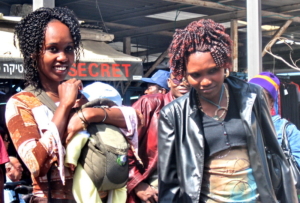
Although the COVID-19 pandemic has caused a severe setback in consumer spending in Africa, data shows that historically, sub-Saharan Africa has been in a much better economic standing than before COVID-19. Consumer spending in 1981 was $145.64 billion, whereas in 2021 it was over $1.2 trillion. This is a stark difference. Overall, there has been a 3.9% compound annual growth rate (CAGR) in consumer expenditure in Africa since 2010 and this momentum shows no signs of stopping. An industry that is exploiting the enormous market potential of 1.7 billion people is Africa’s beauty industry. The market growth in the industry is estimated to be $1.26 billion between 2020 and 2025, with a CAGR of 2%.
Africa’s Burgeoning Youth and Urbanization
High fertility rates coupled with lower mortality rates have led to Africa having the world’s youngest population. About 70% of sub-Saharan Africa’s population is less than 30 years old. Beauty and personal care products are favored by a younger demographic, who want to invest in fashion trends and their looks. This gives Africa the perfect leverage to boost its beauty and cosmetics industry.
It is estimated that by 2025, 45% of Africa’s population will be living in urban areas. According to McKinsey & Company, “per capita consumption spending in large cities in Africa is on average 79% higher at the city level than at the national level.”
Furthermore, as the country continues to develop, there is a shift from spending in informal markets (e.g., roadside stalls) to spending in more formal sectors, such as department stores, supermarkets, etc, according to Brookings. This is boosting beauty product sales.
Higher Purchasing Power
Over the last three decades, Africa’s middle class has tripled in size. By 2025, roughly 65% of African households will be earning more than $5,000, according to McKinsey & Company.
The increase in the number of people in the “discretionary spending income bracket” is likely to result in consumers increasing their spending on luxury items. This shift may also be due to a growing sense of personal hygiene among people and realizing the significant role that products such as soap, shampoo, etc. play in it. Africa’s beauty industry may help customers to realize and fulfill their body care goals.
It is no surprise that Africa’s beauty industry mainly caters to and is dominated by women. Greater access to education and high-paying jobs have increased the disposable income of African women. According to Beauty Africa, “…a significant chunk of [their] spending goes to the beauty and personal care products.”
Growth of E-Commerce
The GSM Association projects that by 2025, 615 million sub-Saharan Africans will subscribe to mobile services, 28% will have a 4G connection and 3% will have a 5G connection.
This will allow consumers to make electronic payments. In fact, mobile money “is growing five times faster in Africa than in any other region,” according to McKinsey & Company.
The evolution of e-commerce and fintech has made purchasing beauty products faster and easier. Additionally, technological advancements allow companies to better track market trends and profile customers, according to The Exchange.
Key Market Players
Nigeria’s beauty industry is attracting foreign direct investment because of its growing modern, fashion-conscious, female population. Her Imports, a U.S.-based hair-extension company, opened an outlet in Lagos, Nigeria in 2014. Patrick Terry, the CEO, said that their products were “performing sensationally in Africa,” according to Africa Business Pages.
According to The Guardian, the projected income for Her Imports from Africa “topped $100 million.”
South Africa is also a key market player. Between 2020-2025, it is expected that 53% of the market growth in Africa’s beauty industry will come from South Africa.
Many international companies are only now realizing Africa’s untapped potential. On May 27, 2022, global pop star Rihanna launched her beauty line, Fenty, in “South Africa, Botswana, Ghana, Kenya, Namibia, Nigeria, Zambia and Zimbabwe.” The launch of this premium brand comes as great news for African women who wanted a better representation of their skin tones.
Infrastructure and Poverty Alleviation Projects Helping
Infrastructure helps connect supply-demand chains, allows goods and services to move easily across borders and enhances overall efficiency in the production and consumption system. Improved infrastructure in the beauty and personal care industry not only generates more employment but also hikes up the sector’s growth rate, according to The Exchange. This increase in growth in turn attracts more investments for additional upgrades in infrastructure. This forms a continuous cycle that ultimately boosts the economic growth of Africa’s beauty industry.
Poverty alleviation projects could help people climb to the middle-income group and have greater purchasing power. Also, closing the gender gap and providing more women with education and equal opportunities could help them to earn income and spend it on the beauty and cosmetics market.
More private investment, advanced technology, improved infrastructure and greater contributions to poverty alleviation projects could help expand Africa’s beauty industry while keeping in line with United Nations Sustainable Development Goals and the African Union’s Agenda 2063.
https://borgenproject.org/wp-content/uploads/borgen-project-logo.svg00Jennifer Philipphttps://borgenproject.org/wp-content/uploads/borgen-project-logo.svgJennifer Philipp2022-08-18 01:30:262024-06-11 23:16:53Africa’s Beauty Industry is Booming with Potential
The World Food Programme (WFP) Somalia developed the WFP e-Shop to combat food insecurity in Somalia where 4.1 million people were in need of food assistance in 2021. The online food-ordering e-Shop fights food insecurity using a delivery system that helps those facing hunger in Somalia access nutritious, affordable food.
Food Insecurity in Somalia
The food insecurity crisis in Somalia has only worsened in recent years, with COVID-19 threatening to double the number of people suffering from acute hunger in just one year alone. Some of the causes of this troubling trend include:
Conflict.Armed conflict in 2021 led to the displacement of women and girls in Somalia, making it difficult to access basic necessities including food.
Climatic shocks. Extreme weather patterns such as drought and flooding have resulted in widespread crop damage. In addition, Somalia endured a desert locust infestation that depleted the remaining crops and pasture in 2019 and significantly reduced food availability.
COVID-19. The COVID-19 pandemic reduced remittances due to global lockdowns, ultimately slowing food production and increasing rates of food insecurity.
Russia-Ukraine war. “Nearly all the wheat sold in Somalia comes from Ukraine and Russia, which have halted exports through the Black Sea since Moscow waged war on its neighbor on Feb. 24,” AP reports.
WFP Intervention
The WFP estimated that if the rainy season fails, Somalia could suffer from famine by the middle of 2022. A quarter of a million lives were lost when the last famine hit Somalia in 2011. To prevent another crisis, the WFP scaled up its emergency food and nutrition response to reach 3 million people. However, there is a large relief funding gap of $192 million, which means the organization has less than a third of the funding it needs to save lives.
A Technical Response
Trying out a new approach, the WFP in Somalia decided to go technical and launch the WFP e-Shop in 2018, a digital food assistance system. First, users can download the WFP e-Shop on a mobile device. Then, the app enables users to receive food vouchers to shop online from local grocery stores. In 2020, the WFP added a feature that delivers food purchases on the e-Shop to users’ homes. The e-Shop fights food insecurity in five major Somalian cities– Hargeisa, Mogadishu, Kismayo, Baidoa and Galkayo.
The e-Shop app is especially useful in light of the COVID-19 pandemic. During social distancing, online ordering and delivery helped Somalians obtain food while still following protocols. That way, Somalians facing food insecurity can be safe and remain well-fed at the same time. Speaking on the benefits of the e-Shop app during COVID-19, one WFP beneficiary remarked, “It has changed many things in my life such as bringing the food into our houses due to precautions taken for coronavirus, so I am very grateful.” Thus, the e-Shop fights food insecurity in a way that is amenable to changing conditions.
Two years after the launch of the e-Shop, the app completed more than 43,000 successful deliveries with more than 90,000 registered users and 1,100 retailers, according to CTG. More importantly, though, the e-Shop app has greatly empowered local communities and economies. With 100% of the proceeds from the platform going to local businesses, the local economy benefits and bolsters up in the fight against food insecurity. Ultimately, as the innovative WFP e-Shop fights food insecurity, the flexibility and profitability of the app are crucial to changing the tide of the food crisis in Somalia.
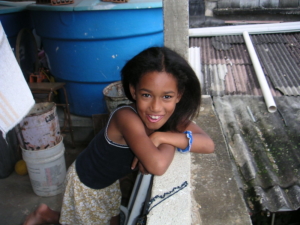
In the working-class area of Rio de Janeiro, Brazil, the largest urban garden in Latin America has plans to become the biggest in the world. The produce goes towards families in the area, helping to remedy food insecurity and hunger in Brazil.
Hunger in Brazil
Brazil is a large nation with a sizeable population of 212 million, so any social safety net shortcomings reflect on a larger scale, affecting millions. As of 2022, 60% of families in Brazil face some form of food insecurity; this equates to 125 million people.
The situation is not improving either as the number of those facing hunger doubled from 19.1 million to 33.1 million over the past two years, according to The Brazilian Report. Hunger in Brazil now is similar to rates from 30 years ago.
Urban Garden in Rio de Janeiro
Beginning in 2013, the Manguinhos community garden started in a patch of land previously used as part of the Rio Olympics. Around one football field of land became a workable garden thus far, BBC reports. Prior to its transformation, the land was infamous for being a slum, home to many displaced persons struggling with addiction.
There are currently 35 gardeners who assist in managing the land. They receive a monthly stipend of $95 in addition to access to fresh produce which they can take for free. The majority of the produce, however, goes to the tables of families in need in the area. Currently, the garden feeds 800 families a month. The food is always pesticide free, a rare option in the area.
Julio Cesar Barros, a soil and crop expert leading much of the project, stresses the importance of providing organic food in low-income areas. “Why do poor people have to be doomed to eating poisoned food? My goal is to stop organic food from just being for the elite,” he says.
Plans for the Future
The Manguinhos urban garden does not plan to stop at being the largest urban garden in Latin America. By the end of the year, the garden could expand to nearly 27 acres, according to BBC. This development would make it the largest urban garden in the world.
The plan is to donate half of the produce to those in the area in need, while the other half will be sold at inexpensive prices. All of the money will be divided amongst the gardeners, according to BBC. As such, the garden acts both as a means of accessible fresh and healthy food and as a source of income for those that dedicate their time to maintaining the land.
The Manguinhos urban garden is an innovative and sustainable way for Rio de Janeiro to combat growing food insecurity in Brazil. Once expanded, the garden should be able to feed 50,000 local families by 2024.
https://borgenproject.org/wp-content/uploads/borgen-project-logo.svg00Jennifer Philipphttps://borgenproject.org/wp-content/uploads/borgen-project-logo.svgJennifer Philipp2022-08-17 01:30:062022-08-16 15:48:24World’s Largest Urban Garden in Progress to Fight Hunger in Brazil
 Today, and for the longest time throughout its history, homelessness in Tanzania represents an uncompromising problem to solve. With an ever-increasing population of roughly 60 million people, and with one in 10 of the population living below the poverty line, homelessness requires urgent action.
 The
The 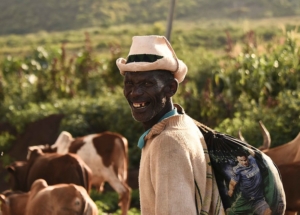 The region of sub-Saharan Africa encompasses an aggregate of nations with diverse geographies, histories and cultures. Furthermore, the countries composing sub-Saharan Africa have diverse needs. From unaffordable health care to regional conflict, the issues besetting sub-Saharan Africa have left many of its inhabitants in poverty. Fortunately, philanthropic organizations have stepped up to the plate to remedy the many challenges affecting sub-Saharan Africa. Three organizations, in particular, have shown that there is not a universal methodology for combating poverty in sub-Saharan Africa.
 “The [human trafficking] situation was much worse than we first envisaged,”
  On July 2, 2022,
 “I have heard of a friend who had six to seven children. Although some of them, husband and wife earn RM2,000- RM3,000 per month, they do not seem to offer to help their parents; at least RM200 is sufficient. But instead, they tell their mother, ‘I need RM200 from you, I want to pay for my house, my car and my children’s education.’ You have this kind of people. That is considered financial abuse.” This is a quote from a
  Founded in 2018,
  Although the COVID-19 pandemic has caused a severe setback in consumer spending in Africa, data shows that historically, sub-Saharan Africa has been in a much better economic standing than before COVID-19. Consumer spending in 1981 was $145.64 billion, whereas in 2021 it was
  The World Food Programme (WFP) Somalia developed the WFP e-Shop to combat food insecurity in Somalia where
  In the working-class area of Rio de Janeiro, Brazil, the