• Link to X
  • Link to Facebook
  • Link to Instagram
  • Link to TikTok
  • Link to Youtube
  • About
    • About Us
      • President
      • Board of Directors
      • Board of Advisors
      • Financials
      • Our Methodology
      • Success Tracker
      • Contact
  • Act Now
    • 30 Ways to Help
      • Email Congress
      • Call Congress
      • Volunteer
      • Courses & Certificates
      • Be a Donor
    • Internships
      • In-Office Internships
      • Remote Internships
    • Legislation
      • Politics 101
  • The Blog
  • The Podcast
  • Magazine
  • Donate
  • Click to open the search input field Click to open the search input field Search
  • Menu Menu

Tag Archive for: Poverty

Information and news about poverty

Posts

COVID-19, Developing Countries, Development, Education, Global Poverty, Health

The Necessity of Vaccine Diplomacy

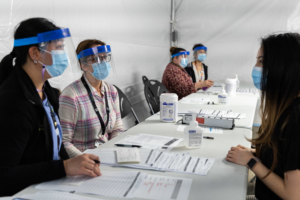
Vaccine DiplomacyWhile the COVID-19 vaccine has helped to reduce destruction and devastation from the pandemic, the virus is still spreading across the globe. According to Dr. Peter Hotez “organized hostility against the scientific community,” may be public health’s biggest enemy. However, on a global scale, the most serious threat is the lack of vaccine diplomacy and effective health care in geopolitics. Solving this crisis requires the United States and other western countries to prioritize the distribution of pandemic response resources so that everyone can lead healthy, safe lives regardless of their location.

Inequities of Vaccine Resources

The COVID-19 pandemic has increased the global death rate by 20%, shut down economies and dismantled health care systems across the world. Despite the fact that the COVID-19 vaccine is now readily available in many developed countries, many low-income countries remain highly unvaccinated while the United States eases pandemic funding. With monkeypox cases on the rise, the fight against global health crises has hit a major roadblock, as low-income countries are scrambling for vaccine resources amid slowing economies.

Developed countries have a humanitarian responsibility to ensure that low-income countries have access to the healthcare resources that North American and European countries have. Additionally, novel variants of COVID-19 often arise from unvaccinated populations, which means that the pandemic will only worsen unless we make a concerted effort to fully vaccinate developing and low-income countries, according to Dr. Hotez.

Making a Commitment to Vaccine Diplomacy

Today, less than 20% of people in low-income countries have received their first dose of a COVID-19 vaccine. The next step is for the United States and other world leaders to provide more resources to help get shots into people’s arms in developing countries. According to The Borgen Project’s action center, “This essential funding will go towards vaccines, tests, last-mile efforts and treatment so we can continue vaccinating the rest of the world, save lives and prevent new variants from emerging.” It’s an important investment that will not only save the lives of people in the most vulnerable places across the globe but will also help to protect the well-being of Americans.

Overall, vaccine diplomacy is also necessary to conquer vaccine skepticism, which is keeping millions of people from getting vaccinated. In order to effectively fight against the worsening global health crisis of COVID-19 and monkeypox, the United States and other economic powerhouses should prioritize geopolitical cooperation with developing countries to collaborate on equitably distributing vaccine resources.

– Ella DeVries
Photo: Flickr

August 1, 2022
https://borgenproject.org/wp-content/uploads/borgen-project-logo.svg 0 0 Jennifer Philipp https://borgenproject.org/wp-content/uploads/borgen-project-logo.svg Jennifer Philipp2022-08-01 01:30:432022-09-01 01:38:45The Necessity of Vaccine Diplomacy
Developing Countries, Development, Global Poverty, Health

7 Key Points from the USGLC Global Impact Forum 2022

USGLC Global Impact ForumOn June 13, 2022, the U.S. Global Leadership Coalition’s (USGLC) Global Impact Forum took place. The USGLC Global Impact Forum 2022 entailed conversations with leading stakeholders and policymakers surrounding the role of the U.S. in the global sphere.
7 Key Discussions of the USGLC Global Impact Forum 2022

  1. Current Humanitarian Crises in Numbers. Across the globe, as many as 323 million people endure acute hunger and 100 million people have been forcibly displaced. In addition, just 17% of people in low-income nations have received one COVID-19 vaccine dose.
  2. Local Impact of Global Events. In simple terms, what happens globally impacts the U.S. domestically. An evident example of this is the spread of the COVID-19 pandemic. Current spikes in food prices in the U.S. reflect how the pandemic impacts the United States on a national level. The Russian invasion of Ukraine has also led to wheat export blocks, causing food shortages in countries in the Middle East and Africa. Famine can create instability and unrest, which can translate into conflict, and while conflict is a problem in itself, it also creates more problems like displacement and forced migration. Rising food prices across the world highlight the interconnectedness of the global food supply chain.
  3. Vaccines. Sen. Chris Coons (D-DE) has said “America might be done with the pandemic, but the global pandemic is not done with the world.” With COVID restrictions easing and life gradually going back to normal, it is easy to believe that there are no more obstacles to surpass. Unfortunately, this is not the case. Though the U.S. has committed to supplying roughly 1.2 billion vaccines globally, there remain issues with manufacturing and distribution. Less than 1% of vaccines consumed in Africa are manufactured locally, therefore, vaccine distribution is critical to effectively tackle COVID-19 and future pandemics. Similarly, despite the heavy exports of vaccines, funding is still necessary to facilitate the process of getting doses into people’s arms.
  4. Food Insecurity. Secretary Tom Vilsack from the U.S. Department of Agriculture simplified the issue of food insecurity into three C’s: “COVID, Climate, Conflict.” Three factors that all contribute to the ongoing food crisis. USAID is actively working across the world to invest in urban agriculture, reduce food waste and increase domestic cropping and production of fertilizers and other inputs. As farmers stand at the center of the food system, they require support to enable the U.S. to keep markets open to supply fertilizers and other goods globally. At the moment, the focus is on the Ukrainian conflict — helping citizens in Ukraine as well as providing support to other countries affected by the reduced production capacity in Ukraine.
  5. Extreme Weather Patterns. President Biden has called on all federal agencies to also prioritize efforts to tackle extreme weather events. USAID launched a climate strategy in April 2022 that seeks to decrease carbon emissions by 6 billion tonnes and aims to invest $150 billion in climate-smart efforts, among other initiatives. This is critical considering that extreme weather events go hand-in-hand with economic insecurity, habitat destruction, internal and external migration and climate refugees.
  6. The Importance of Funding. For all the government officials, companies and NGOs present at the forum, the general consensus is that more funding is necessary to tackle the aforementioned global threats. More aid is needed from federal sources but also from the private sector which can benefit from these investments as well.
  7. Benefits for the U.S. A common misconception among U.S. citizens is that foreign aid solely benefits the recipient, but the USGLC Global Impact Forum 2022 showcased that foreign aid is mutually beneficial. Coca-Cola representative Joanna Price shared that 95% of consumers are based outside of the United States, making it critical to invest in the markets of tomorrow. U.S. companies have to maintain and grow connections globally as this will strengthen the global economy and secure democracy and stability. Domestically, supplying aid should be viewed opportunistically, as it can create a business environment and generate jobs for Americans to help partners abroad.

The USGLC Global Impact Forum reminds the U.S. about the importance of remaining engaged globally and providing adequate foreign aid for those in need.

– Claudia Efemini
Photo: Flickr

July 20, 2022
https://borgenproject.org/wp-content/uploads/borgen-project-logo.svg 0 0 Kim Thelwell https://borgenproject.org/wp-content/uploads/borgen-project-logo.svg Kim Thelwell2022-07-20 01:30:492022-08-09 06:39:447 Key Points from the USGLC Global Impact Forum 2022
Children, Developing Countries, Development, Global Poverty, Health

Renewable Energy in Ghana

Renewable Energy in GhanaTechnological innovation has always been an important determinant of economic growth. Now, renewable energy in Ghana is paving the way for a better nation. On May 25, 2022, the government of Ghana signed a grant agreement with the African Development Fund, as well as a financing agreement with the Swiss government, for the Ghana Mini-Grid and Solar Photovoltaic Net Metering project.

The Impact of the Agreement

In order to bring about renewable energy in Ghana, Ghana adopted the United Nations Sustainable Development Goals (SDGs) and strives to fulfill Sustainable Development Goal 7, which ensures that the population has access to energy-related services that are modern, affordable, reliable and sustainable. In the recent decade, Ghana has seen a growth in energy demand that has surpassed that of supply. According to an article from Sage Journals, despite the fact that Ghana has adopted the U.N. SDGs, the country’s primary energy sources are still nonrenewable.

According to the World Bank, poverty in Ghana stood at 25.5% in 2020. Ghana can use energy to improve the quality of life for the population, however, Ghana has a vast renewable energy potential that is currently underutilized. According to the World Bank, in 2020, 85.9% of the population had access to electricity.

In order to help the remaining 14.1%, the nation is considering the role of renewable energy in meeting energy needs by replacing traditional fuels with clean and reliable energy sources. This push for renewable energy is geared toward enhancing economic growth. The project will help schools, health facilities and communities throughout Ghana as electricity will be readily accessible to people within the population.

Technological plan

The relevant parties will implement this project within three years beginning in May 2022 and ending in December 2025. The agreement calls for the construction of “35 mini-grids in the Volta Lake region and the deployment of 12,000 units of roof-mounted net-metered solar PV systems.”

These solar cells will convert sunlight into electricity directly. “The systems will power 750 small medium-sized enterprises, 400 schools, 200 health centers, and the energy service systems in 100 communities in the Volta Lake region and Northern region of Ghana.”

Overall, the project aims to “bring sustainable and affordable electricity to [more than] 6,000 small and medium-sized enterprises and almost 5,000 households, besides 1,100 public buildings.”

Next Steps

It is clear to see that technology continues to influence Ghana to plan a more sustainable future that benefits the population. The authorities remain firm in their commitment to transition to renewable energy in Ghana. One of the country’s goals is to have 10% of renewable energy in the mix of electricity generation by 2025. According to an article from The Finder, the 12,000 units of roof-mounted net-metered solar PV will lead to the reduction of the public sector’s power debt and lower the costs of electricity for households and smaller businesses.

According to an article on Hindawi, Ghana has an undeniable potential to considerably increase local energy production and enhance the efficiency of energy distribution networks. Renewable energy in Ghana will provide energy access to the poor, which will improve their quality of life.

– Frema Mensah
Photo: Unsplash

July 14, 2022
https://borgenproject.org/wp-content/uploads/borgen-project-logo.svg 0 0 Kim Thelwell https://borgenproject.org/wp-content/uploads/borgen-project-logo.svg Kim Thelwell2022-07-14 01:30:352022-07-08 16:38:49Renewable Energy in Ghana
Children, Development, Global Poverty, Health

Iraq’s CCHF Outbreak

Iraq’s CCHF OutbreakIraq has confirmed 212 cases of Crimean-Congo Hemorrhagic Fever (CCHF) between the months of January 2022 and May 2022, 27 of which resulted in death. In April and May alone, Iraq reported 169 of these cases to the World Health Organization (WHO). CCHF is a viral tick-borne disease “transmitted to humans by bites of infected ticks and by direct contact with blood or tissues from infected humans and livestock.” The viral disease is endemic in Africa, the Balkans, the Middle East and some Asian countries. Iraq’s CCHF outbreak is not the nation’s first, but it is the most recent and among the deadliest. Iraq and the WHO are taking measures to slow the spread and help the infected, including dispatching an epidemiological investigation team to a heavily infected region and treating animals suspected of carrying the disease. There is currently no vaccine available but health care professionals can treat the disease with the antiviral drug ribavirin, though its full effectiveness is unknown.

A Brief Crimean-Congo Hemorrhagic Fever Overview

CCHF is a tick-borne disease and most commonly arises from exposure to livestock, meaning that people working in the industry, such as farmers and butchers, are at increased risk. The first experienced symptoms of the virus include headache, fever, back and joint pain, stomach pain, vomiting and a flushed face. People who have had the virus for longer may experience severe bruising and nosebleeds, which could lead to hospitilization.

CCHF In Iraq

The Middle Eastern country of Iraq has a long history of contact with the virus and considers it a year-round threat. However, this recent outbreak has proven to be widespread, reaching many regions of the country and taking lives along the way. Iraq’s CCHF outbreak has earned the attention of the WHO, which is working with Iraq’s Ministry of Health to help contain and treat the outbreak.

The WHO has released a risk assessment, stating that people living in rural areas of Iraq are at a greater risk of contracting the disease, since livestock is abundant. The WHO also warns that the upcoming religious holiday Eid al-Adha may worsen the outbreak considering that citizens will slaughter more livestock for the holiday and there may be cross-border transportation of animals.

Solutions

The collaboration between the Ministry of Health and the WHO during Iraq’s CCHF outbreak is a cause for hope. An epidemiological investigation team is currently working to locate the original point of contact for the current outbreak, which will hopefully lead to more focused treatment. The WHO conducted a three-day workshop in March 2022 with local physicians, veterinarians, lab technicians, health workers and disease investigators, designed to increase the capacity of Iraq’s rapid response team. The training served as a source of information, better preparing the country to handle future outbreaks of CCHF.

The WHO has released many recommendations to the people of Iraq to help curb the spread of the virus and has provided resources for obtaining information and treatment. Since CCHF is a year-round threat in Iraq, the nation is prepared to treat cases of the virus, but the sudden influx of patients proved to be overwhelming. With the backing of the WHO, it is likely that this outbreak will soon slow and become manageable once again.

– Thomas Schneider
Photo: Flickr

July 11, 2022
https://borgenproject.org/wp-content/uploads/borgen-project-logo.svg 0 0 Kim Thelwell https://borgenproject.org/wp-content/uploads/borgen-project-logo.svg Kim Thelwell2022-07-11 07:30:592024-05-30 22:29:46Iraq’s CCHF Outbreak
Children, Developing Countries, Development, Global Poverty, Health

Fighting Play Poverty Around the Globe 

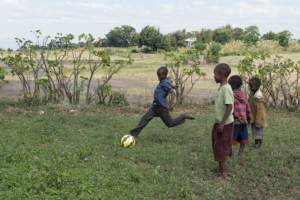
Play PovertyThe Chilean poet Pablo Neruda once said that “a child who does not play is not a child.” Play, as defined by the World Economic Forum, is “freedom for children to engage with and learn from the world that surrounds them.” However, for millions of children in poverty, play is “an elusive luxury.” “Play poverty” is a term describing this scarcity of play among socio-economically disadvantaged children.
With rising research on the benefits of play on child development and performance, “play poverty” has become the focus of several NGOs and well-known organizations, such as FIFA.

The Power of Play

The World Economic Forum states that “Play is the rocket fuel of child development.” Psychologists believe play is crucial for brain development. Specifically, play “promotes connections between nerve cells, helps develop motor skills and coordination” and trains the brain to make sound decisions at an early age. As a result, the brain develops the “cognitive, emotional and social intelligence” that adults rely on.

In poor regions, many children are forced to forego their education to work or care for their families. In the regions most prone to low enrolment rates and the harsh realities of life, “time for play is often displaced by the chores and responsibilities that are so familiar to children growing up in poverty.” According to Right to Play, an NGO aiming to empower vulnerable children, play helps children stay in school while protecting them from exploitation and benefiting their future. Additionally, play helps children escape from “their harsh reality” of poverty, war and natural disasters.

Current Efforts by FIFA and Adidas

Adidas, FIFA and the FIFA Fan Movement, an organization connecting FIFA and the people, have collaborated to give ball donations to NGOs fighting for social good. The pandemic has left thousands of footballs unused; with sustainability in mind, the FIFA Fan Movement nominated 34 NGOs around the world and nine were selected. FIFA believes that their donation will help support “sport as a tool for building life skills such as teamwork, communication, hard work, discipline and a healthy outlet of physical activity.”

Case Study: Tanzania

In Tanzania, despite no school fees since 2015 in lower through secondary school, roughly 2 million children under the age of 13 are currently not enrolled or attending school.  About 70% of Tanzanian children between the ages of 14 and 17 are not enrolled in secondary education. Unsurprisingly, UNICEF found that “primary school-aged children from the poorest families are three times less likely to attend school than those from the wealthiest households.” The children are not out-of-school due to the financial burdens of education it is partially free. The reason is that Tanzanian parents often rely on their children to be a further source of income or guardianship. Unfortunately, this often forces children into vulnerable positions such as working under hazardous conditions or early child marriage. In fact, two out of five Tanzanian girls get married before the age of 18.

Jambo for Development

Luckily, Jambo for Development, a Tanzanian-based NGO, is one of the nine organizations to receive 108 footballs from FIFA. The NGO’s mission, which has a long history of support from FIFA, is to enable all children to have an equal opportunity at achieving their dreams. With FIFA’s help, Jambo for Development has a good chance at making some Tanzanian children’s dreams come true, as they will be equipped “with the skills and tools to address and embrace the new realities of tomorrow.”

– Lena Maassen 
Photo: Flickr

July 11, 2022
https://borgenproject.org/wp-content/uploads/borgen-project-logo.svg 0 0 Jennifer Philipp https://borgenproject.org/wp-content/uploads/borgen-project-logo.svg Jennifer Philipp2022-07-11 01:30:462024-05-30 22:29:45Fighting Play Poverty Around the Globe 
Development, Global Poverty, Health

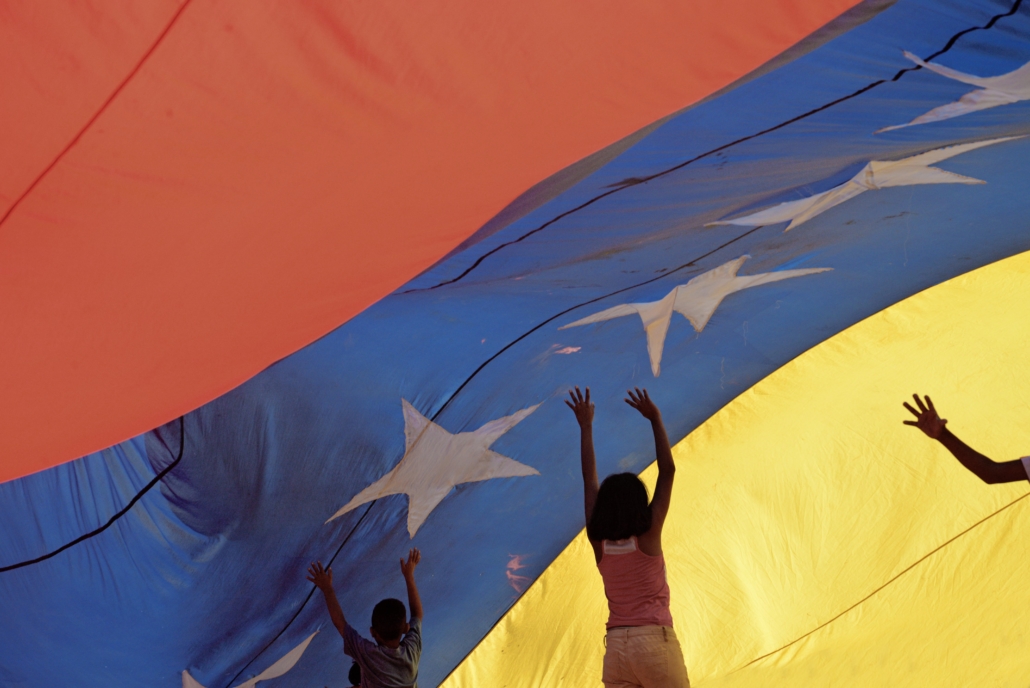
HIV/AIDS in Venezuela

HIV/AIDS in Venezuela
Efforts to address HIV/AIDs in Venezuela are facing barriers as the country is grappling with limited access to medications, health care and products to maintain sexual health. Due to the Venezuelan economic and political crisis, medical workers are pouring out of the country. Additionally, the Pharmaceutical Federation of Venezuela has estimated that the country has had an 85% shortage of medicine as of 2018, making HIV/AIDs in Venezuela difficult to prevent and treat.

Venezuela’s Health Care System

Venezuela’s collapsing medical system has led to dire sexual education and limited condom access; many citizens have claimed that condoms are scarce at clinics, or egregiously expensive. In 2019, a pack of condoms was about $170 in Venezuela and people had to wait in long lines to purchase them.

The cost of condoms is a huge burden, as more than three-quarters of Venezuelans have been living in extreme poverty as of 2021. This has made Venezuela very vulnerable to sexually transmitted disease (STDs) transmission, including HIV, the deadliest STD there is. Therefore, HIV/AIDS in Venezuela has become an urgent humanitarian concern.

Understanding HIV/AIDS Treatment and Prevention

To prevent the spread of HIV, which is an STD that is highly preventable through condom use, individuals can get tested to limit the spread of the infection. In the case of treatment, antiviral drugs, or so-called “anti-HIV cocktails,” are highly successful in keeping HIV at bay so people do not subsequently contract AIDS.

AIDS is quite deadly and emerges at the point where the HIV virus has destroyed its host’s immune system. Although HIV is impossible to eliminate from the human body, a patient with the virus has about the same expected life expectancy as a patient without it. However, this is only true if the HIV-positive patient is receiving proper access to health care and HIV antiretroviral therapy. Otherwise, 90% of patients with the virus can expect to contract AIDS, which is fatal in eight to 10 years on average.

Venezuela’s HIV Crisis

Thus, HIV/AIDS in Venezuela has become a crisis precipitously with the country’s economic crisis. In a proper contagious disease protocol, citizens would have proper access to HIV testing. However, in a country with a medicine and health care shortage, this is hard to come by. Additionally, since many people with HIV experience discrimination, they often experience embarrassment at the possibility of testing. As of 2020, UNAIDS estimated that approximately 120,000 Venezuelans were HIV positive, which is about 0.3% of the country’s population.

HIV-Positive Refugees

HIV/AIDS in Venezuela is forcing citizens to leave to save their lives and obtain access to antiviral drugs elsewhere. The Venezuelan Network of Positive People has estimated that 10,000 Venezuelans had to leave due to poor HIV treatment options as a result of the economic crisis that has been ongoing since 2019. The only option HIV-positive Venezuelans have is to leave their homes to get the health care they need.

HIV and Venezuela’s Economic and Political Crisis

This situation is quite new for Venezuela. In fact, the country used to be a leading place for HIV treatment in the early 2000s. Since 1999, those with HIV/AIDS in Venezuela had access to free, government-funded treatment. Its public health system specifically targeted citizens that often experienced discrimination such as sex workers and other minority groups. However, under the political control of Hugo Chavez and his successors, such a program does not exist any longer. Unfortunately, political stability may be necessary before HIV-positive Venezuelans can receive treatment again.

Infected Venezuelan Refugees Find Hope in Colombia

About 1.7 million Venezuelans, or 37% of all Venezuelans, were living in Colombia as of 2021. Since Colombia has the highest Venezuelan refugee population, Colombian HIV/AIDS organizations are specifically targeting HIV-positive Venezuelans immigrating to the country.

The nonprofit Colombia AIDS Health care Foundation, founded in 2018 is one such example. Since its founding, it has provided HIV testing, condom delivery, outreach and treatment for HIV-positive persons. The organization provided antiretroviral drugs to 1,850 Colombians, mostly Venezuelan migrants, at a time as of 2021. The nonprofit works with the Colombian government, which provides free HIV treatment to documented migrants and undocumented migrants in emergency situations.

It is inspiring to see a country do so much to help its neighbors during an emergency. With other countries being not only willing to take in Venezuelan refugees but also to give them the medical care they need, there is hope for many Venezuelans.

– Mikaela Marinis
Photo: Unsplash

July 2, 2022
https://borgenproject.org/wp-content/uploads/borgen-project-logo.svg 0 0 Kim Thelwell https://borgenproject.org/wp-content/uploads/borgen-project-logo.svg Kim Thelwell2022-07-02 13:53:312024-05-30 22:29:52HIV/AIDS in Venezuela
Global Poverty

3 Organizations Improving Mental Health in Vietnam

Mental Health in VietnamWhile Vietnam’s growth and development have led to investments in infrastructure, but unfortunately not within the health sector, specifically in terms of mental health care. A 2011 study of “144 low and middle-income countries” ranked Vietnam last in terms of “the availability of mental health care,” with only “1.7 psychiatrists and 11.5 psychosocial care providers” for every 100,000 people. Recognizing the dire need for change, domestic and international organizations are working to improve mental health in Vietnam.

Beautiful Mind Vietnam

Beautiful Mind Vietnam is a nonprofit organization founded in 2015 with a goal of promoting mental health well-being across Vietnamese society. The organization offers cost-free “peer consultation” to people struggling with mental health issues. The organization specifically focuses on the mental health well-being of youth between the ages of 16 and 25 years old.

As Vietnamese society still stigmatizes mental health illnesses, Beautiful Mind Vietnam’s staff members consist of young people seeking to turn the tide of mental health stigma. From diverse backgrounds, the team “[specializes] in psychology, counseling, mental health, biomedicine and pharmacology.” Operating under the guidance of “professional psychologists and psychiatrists,” the organization aims to raise public awareness about mental health “and provide free support for people with mental health concerns.”

Beautiful Mind Vietnam raises awareness on mental health issues and provides educational information to the public “by translating and writing high quality and reliable articles about mental health, mental disorders and related issues that are relevant to Vietnamese context.” In addition to the peer counseling support the organization offers, Beautiful Mind Vietnam offers a safe space for people to express themselves and feel heard. The organizations also sets up mental health workshops and seminars within communities in order to increase mental health awareness and share practices to promote positive mental health.

BasicNeeds Vietnam

BasicNeeds Vietnam is a non-governmental organization that facilitates the elimination of stress and emotional pain and emphasizes “joy and positive energy” in the Vietnamese mental health landscape. Founded in 2010, the organization seeks “to establish a system that supports community development,” nurtures people’s mental health well-being and educates the public on mental health. Through these goals, BasicNeeds Vietnam ensures that Vietnamese people have a deeper understanding of mental health along with tools to manage their stress and mental issues.

BasicNeeds Vietnam intends to provide accurate scientific information on mental and psychological health, contribute to developing Vietnam’s mental health care and advance “basic mental health knowledge professionally.” The organization develops training workshops for the public, provides mental services to those in need and collaborates with other organizations to better facilitate the conversation surrounding mental health. Through these efforts, the organization envisions a Vietnam where everyone can access proper mental health services.

Medical Committee Netherlands­-Vietnam (MCNV)

MCNV is a non-governmental organization founded “in the Netherlands in 1968 to support health development in Vietnam.” The organization seeks to confront the mental health services gap that the Vietnamese government struggles to address while combating mental health stigma in communities. To improve the quality of life for people with mental illness and their families, MCNV partners with “the INGO Global Initiative for Psychiatry and the Provincial Health departments” to implement community-based mental health care in several districts. This community-based model involves training health workers in order to advance their mental health care skills, among other efforts.

These efforts have seen success. The mental health services of health workers who received training improved and “home-based care and counseling” ensured more people can access mental health services. The development of self-help groups in communities helped provide “social support” to people suffering from mental health conditions while reducing societal stigma associated with mental health conditions.

Together, these three NGOs are fighting to improve mental health in Vietnam. Through these combined efforts, Vietnamese people struggling with mental health issues will receive the help they need.

– Tri Truong
Photo: Flickr

November 15, 2021
https://borgenproject.org/wp-content/uploads/borgen-project-logo.svg 0 0 Kim Thelwell https://borgenproject.org/wp-content/uploads/borgen-project-logo.svg Kim Thelwell2021-11-15 07:30:502024-12-13 18:02:363 Organizations Improving Mental Health in Vietnam
Children, Global Poverty

Local Rice Barter-System Fights Hunger in Bali

Hunger in BaliWhen the COVID-19 pandemic limited human connection and disrupted everyday life, human unity and kindness were more valuable than ever. Since the confirmation of its first case in February 2020, Indonesia has recorded more than 4 million coronavirus cases and over 140,000 deaths. The prevalence of COVID-19 in Bali, in particular, harmed the nation’s economy, resulting in a growth in hunger. Fortunately, a new community-based program seeks to help hunger in Bali by helping individuals experiencing food insecurity while also combatting plastic waste.
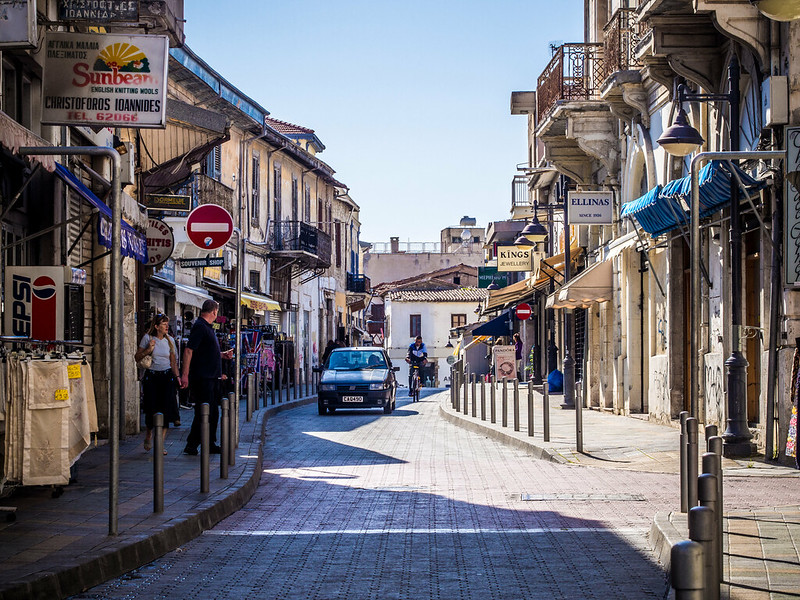
Effects of COVID-19 on Bali’s Economy

Tourism is an important facet of Bali’s economy. Before the pandemic, Bali welcomed over 6 million visitors per year. However, until the rates of COVID-19 in Bali had sufficiently lowered, tourists could not visit the island. While Bali’s travel ban intended to keep people safe, hunger in Bali grew due to this financial halt. Approximately 92,000 people who worked in the tourism industry were laid off during the pandemic, having little to no means of supporting their families. With this complete loss of income, many tourism employees turned to agricultural business to make ends meet, though workers would sometimes only get $4 a day, barely enough to purchase a single bucket of rice.

Development of Plastic Exchange

Vegan restaurant owner Made Janur Yasa saw the grueling circumstances of unemployed people in his home village of Ubud. He wanted to use and donate his services and resources as sustainably as possible to avoid creating more plastic waste in an already excessively polluted place. Yasa explained to CNN, “I got to thinking, inside the challenge, there is an opportunity.” Thus, the impetus and conception for Plastic Exchange or Plastic for Rice were born. Yasa’s initiative, Plastic Exchange, isn’t just a means of feeding families who couldn’t afford rice, though. It encourages participants to travel down to their local parks and beaches to collect plastic waste. Plastic Exchange upholds three core values: dignity, prosperity, and environment. The first value of dignity is a noteworthy cause, as it is important to sustain a sense of self-worth in individuals who suffered the economic effects of COVID-19 in Bali. Its second core value ties in nicely with the first since people cannot thrive in their environment unless their most fundamental needs are met. Lastly, the hands-on initiative towards alleviating Bali’s plastic waste problem teaches citizens the importance of caring for their planet, reiterating that sustainability is achievable in the direst of circumstances.

Plans for Plastic Exchange

According to a report from the Bali Tribune, in August of 2021, a Plastic Exchange initiative in a village called Saba collected two tons of plastic within a timeframe of two hours. The positive results from plastic exchange programs have inspired Indonesian villagers to embrace small-scale acts as catalysts for large-scale sustainable improvements. Not only is this exchange of plastic an excellent means of recycling — Yasa sends the plastic waste to the island of Java, with a tremendous amount of infrastructure — but it is also a means of stabilizing the island’s economy. Local rice farmers and planters receive a more consistent income again as islanders can afford larger rice supplies again, which also combats high hunger rates in Bali. With more than 500 tons of plastic collected, Yasa is eager to take his successful initiative and encourage its operation in other Indonesian villages and potentially other countries as well.

Conclusion

Plastic Exchange’s website opens with a sped-up count of how many Bali villages have participated in the program, how many kilograms of plastic were collected, and how many kilograms of rice were distributed. It is overwhelming in the best way possible. There is also a PayPal link to donate towards the cause. For example, a $50 donation can buy 50kg of rice that feeds 200 people per day. Ultimately, plastic exchanges are a promising solution to end hunger and plastic waste in Bali.

– Maia Nuñez
Photo: Flickr

November 15, 2021
https://borgenproject.org/wp-content/uploads/borgen-project-logo.svg 0 0 Jennifer Philipp https://borgenproject.org/wp-content/uploads/borgen-project-logo.svg Jennifer Philipp2021-11-15 01:30:152024-06-11 23:16:25Local Rice Barter-System Fights Hunger in Bali
Global Poverty

The Impact of COVID-19 on Poverty in Cyprus

Impact of COVID-19 in CyprusSituated south of Turkey in the Mediterranean Sea, Cyprus is a small island with a population of 1.2 million, increasing modestly. Approximately 15.3% of the population is vulnerable to poverty or social exclusion — and given the impact of COVID-19 on poverty in Cyprus, this percentage is only rising.
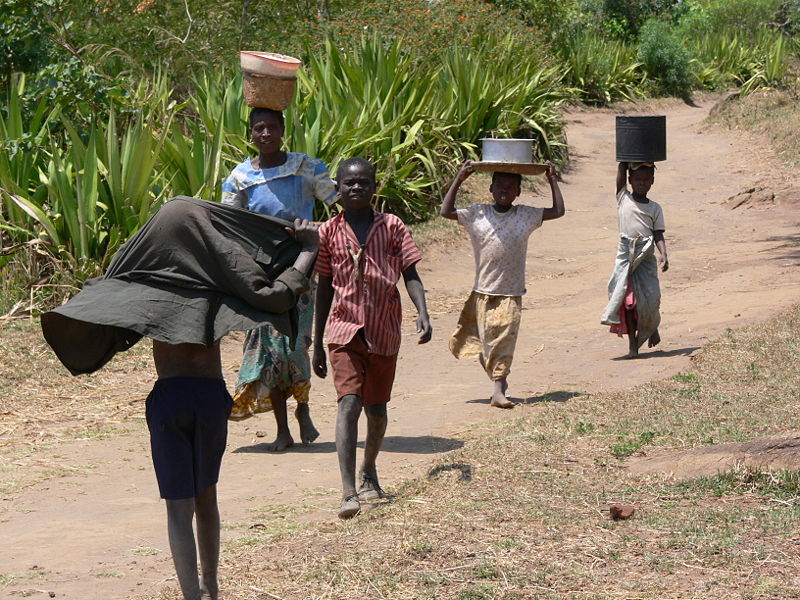
Cyprus Before the Virus

Poverty existed in Cyprus before the COVID-19 pandemic. This is due in part to the country’s political divisions, which include the Northern Republic of Cyprus, a Turkish de facto state that has controlled one-third of the island since 1974, and the Southern Republic of Cyprus. With such a stark division, the Cypriot government has found it difficult to track its impoverished population and provide assistance where it is needed.

A recent survey found that in 2019, just one year before the advent of the pandemic, “194,400 Cyprus residents were living in households with disposable income below the at-risk-of-poverty line.” Cyprus’s ethnic division also accounts for this, in that dense Greek-Cypriot populations in the South have tight-knit familial relationships. If one person in these families falls into financial difficulty, they are likely to not have another stable family member to fall back on. This leaves unsupported people like immigrants, single mothers and the elderly most vulnerable to poverty.

Impact of COVID-19 on Poverty in Cyprus

As one of the most popular destinations in Europe, tourism is a vital component of Cyprus’s economy. Prior to COVID-19, Cyprus had three consecutive record years of tourist arrivals, topping 4 million annual tourists. International travel bans that were implemented in March 2020 stagnated the country’s economy and exacerbated the impact of COVID-19 on poverty in Cyprus. In that vein, domestic quarantine restrictions also halted the progression of potential reunification talks between Turkish-Cypriot President Ersin Tatar and Greek-Cypriot President Nicos Anastasiades.

Cyprus also saw a surge in unemployment rates at the height of the pandemic. According to the most recent data on Cyprus’s unemployment rate, unemployment rates were at a low of 6.3% in July 2019, but jumped to 10.2% a year later, just a year after the pandemic hit.

Taking Initiative: Caritas Cyprus

Despite these drawbacks, fellowships have been able to make a dent in combating the impact of COVID-19 on poverty in Cyprus. Organizations like Caritas Cyprus were among the first to do so.

Since its inception in 1986, Caritas Cyprus, a member of the Caritas Internationalis confederation, has worked at the grassroots level. It aims to end poverty, promote justice and restore dignity by “responding to humanitarian needs on the island with the aim of providing compassionate care and support to the poor, dispossessed and marginalized.”

Caritas Cyprus primarily works through local parish initiatives as well as cross-island programs that focus on migrants, local needs (diaconia) and youth engagement. The Migrant Sector typically affords support to hundreds of refugees, asylum seekers and migrants through the operation of two centers. In light of the COVID-19 pandemic and quarantine restrictions, these two centers weren’t able to operate at full capacity. Nonetheless, the organization still provided sufficient aid through its two other sectors.

The Diaconia Sector provided extensive relief for Cyprus’s unemployed population amid the pandemic. Job Search Program connected jobseekers with potential employers using networks within the community.

Following the relaxation of quarantine restrictions, the Youth Sector encouraged the country’s youth to participate in volunteering, fundraising, social events and other humanitarian efforts to raise awareness for groups that bore the brunt of the pandemic’s poverty.

Looking Ahead

As of October 2021, Cyprus has administered more than 1.1 million doses of COVID vaccines; assuming that every person requires two doses, that’s enough to have vaccinated nearly half of the country’s population. Though the impact of COVID-19 on poverty in Cyprus has posed an acute setback on the country’s economic progress, hope still exists that the country can recover. The rapid distribution of vaccines, assistance from organizations and potential reunification talks between Northern and Southern Cyprus can not only suppress the spread of COVID-19, but ultimately make headway in eradicating poverty.

– Tiffany Grapsas
Photo: Flickr

November 3, 2021
https://borgenproject.org/wp-content/uploads/borgen-project-logo.svg 0 0 Lynsey Alexander https://borgenproject.org/wp-content/uploads/borgen-project-logo.svg Lynsey Alexander2021-11-03 07:30:562024-05-30 22:25:19The Impact of COVID-19 on Poverty in Cyprus
COVID-19, COVID-19, Education, Global Poverty, Health

COVID-19 in Malawi

Covid -19 in Malawi
Malawi, a landlocked southeastern nation in Africa, faces hardship during the COVID-19 pandemic. As of October 2021, COVID-19 in Malawi say a rise in over 61,700 COVID-19 cases and over 2,200 deaths. The biggest spike that Malawi experienced began on January 25, 2021, with a seven-week average case count of 994. The cases diminished significantly by September 2021, with most 7-week average counts bordering 40 cases. Already deep in poverty, Malawians certainly did not benefit from imposed lockdowns and a rising unemployment rate.

Effects on Poverty

Malawi continues to be one of the poorest countries in the world. It ranks 222 of 225 countries in terms of the greatest GDP per capita, with 526.93 in December 2020. Additionally, Malawi’s poverty rates can be attributed to its economy, which employs about 80% of the population in the agricultural sector. The COVID-19 pandemic greatly affected most urban areas and forced services and businesses to terminate.

The last demographic statistics of Malawi dates back to 2016 and recorded a poverty rate of 69.2%, which increased from the previous statistic of 62.4% in 1997. This means that this population lives with an income averaging below the extreme poverty line of $1.90 per day. Though no definitive statistics of Malawi’s current poverty rate exist, experts estimate it to be near or greater than the last census of 69.2% due to the unemployment rates caused by COVID-19. The unemployment rate of Malawi increased from 5.6% in 2019 to 6% in 2020, accounting for the jobs terminated by COVID-19.

Economic Development

As mentioned previously, the agriculture business in Malawi accounts for 80% of jobs. However, agricultural production is not necessarily abundant. By September 2020, over 2.6 million Malawians suffered food shortages from a combination of COVID-19 and weather complications.

Prior to the COVID-19 pandemic, Malawi experienced economic development with 3.5% economic growth in 2018 and 4.4% in 2019. The Malawi Growth and Development Strategy (MGDS) was created in 2017 to aid Malawi in several different sectors, including industry, health and poverty. However, the pandemic abruptly paused the project, and some fear that the effects of COVID-19 in Malawi will reverse the progress made in previous years. The Malawi Economic Monitor (MEM) predicts long-term and widespread negative effects from the pandemic, even though measures such as the Emergency Liquidity Assistance should mitigate some of the damage. If the effects do not worsen by the end of COVID-19 in Malawi, the nation will likely be able to reconstruct its economy with the 5-year installment plans within the MGDS.

Social Conditions

One of the greatest worldwide challenges of the pandemic continues to be providing schooling for students at home. With Malawi’s poor standards for education, where only 8% of students finish secondary school, the pandemic posed a great challenge. In a survey of 100 parents of school-attending children, 86% reported that they had no contact with any teachers or the school throughout the lockdown. Additionally, there is a lack of school materials in Malawi, making learning at home even more difficult.

Another social issue due to COVID-19 in Malawi is the rise in suicide rates. The lack of professional services available for mental health in Malawi resulted in drastically increased suicide rates. In 2020, the Malawi police service reported an increase of up to 57% during the pandemic. Additionally, statistics found that 92% of suicides in Malawi during this period were men, with 8% being women. Certain psychologists associate this with the loss of jobs and rising poverty levels in Malawi. These struggles place intense pressure on the men of a household to provide for their family during drastic times.

All Is Not Lost

Though it may seem like the current conditions in Malawi are beyond hope, there is still a chance that Malawi can recover from the pandemic and return to its course of economic improvement. With COVID-19 cases lowering, Malawi may be seeing the end of the pandemic. Also, the implementation of The Malawi Growth and Development Strategy will help with Malawi’s economic reset and assist the country in its recovery.

– Andra Fofuca
Photo: Wikimedia


October 25, 2021
https://borgenproject.org/wp-content/uploads/borgen-project-logo.svg 0 0 Lynsey Alexander https://borgenproject.org/wp-content/uploads/borgen-project-logo.svg Lynsey Alexander2021-10-25 07:30:162021-10-22 10:31:29COVID-19 in Malawi
Page 10 of 102«‹89101112›»

Get Smarter

  • Global Poverty 101
  • Global Poverty… The Good News
  • Global Poverty & U.S. Jobs
  • Global Poverty and National Security
  • Innovative Solutions to Poverty
  • Global Poverty & Aid FAQ’s
Search Search

Take Action

  • Call Congress
  • Email Congress
  • Donate
  • 30 Ways to Help
  • Volunteer Ops
  • Internships
  • Courses & Certificates
  • The Podcast
Borgen Project

“The Borgen Project is an incredible nonprofit organization that is addressing poverty and hunger and working towards ending them.”

-The Huffington Post

Inside The Borgen Project

  • Contact
  • About
  • Financials
  • President
  • Board of Directors
  • Board of Advisors

International Links

  • UK Email Parliament
  • UK Donate
  • Canada Email Parliament

Get Smarter

  • Global Poverty 101
  • Global Poverty… The Good News
  • Global Poverty & U.S. Jobs
  • Global Poverty and National Security
  • Innovative Solutions to Poverty
  • Global Poverty & Aid FAQ’s

Ways to Help

  • Call Congress
  • Email Congress
  • Donate
  • 30 Ways to Help
  • Volunteer Ops
  • Internships
  • Courses & Certificates
  • The Podcast
Scroll to top Scroll to top Scroll to top