• Link to X
  • Link to Facebook
  • Link to Instagram
  • Link to TikTok
  • Link to Youtube
  • About
    • About Us
      • President
      • Board of Directors
      • Board of Advisors
      • Financials
      • Our Methodology
      • Success Tracker
      • Contact
  • Act Now
    • 30 Ways to Help
      • Email Congress
      • Call Congress
      • Volunteer
      • Courses & Certificates
      • Be a Donor
    • Internships
      • In-Office Internships
      • Remote Internships
    • Legislation
      • Politics 101
  • The Blog
  • The Podcast
  • Magazine
  • Donate
  • Click to open the search input field Click to open the search input field Search
  • Menu Menu

Tag Archive for: Poverty in Madagascar

Posts

Global Poverty, Health, Nonprofit Organizations and NGOs

5 Organizations Advancing Health Care in Madagascar

Health Care in MadagascarHealth care in Madagascar faces significant challenges due to a high poverty rate of more than 75%. The primary concerns are infectious diseases, malnutrition and the environment. Madagascar is currently in a malaria epidemic, particularly in rural coastal areas that experience flooding, which leads to an increase in the mosquito population.

Furthermore, approximately 1.31 million people in Madagascar face high levels of food insecurity and 40% of children face chronic malnutrition. This is often because of natural disasters such as droughts, hurricanes and floods, which negatively impact agriculture growth, increase food prices and loss of jobs, as 80% of the population’s primary source of income is agriculture. Despite these challenges, here are five organizations that are helping advance health care in Madagascar.

The Improved Nutritional Outcomes Project

This organization, established by the United Nations Children’s Fund (UNICEF), provides free health care to mothers and children in Ambositra, a rural area of Madagascar where the nearest health center is often two kilometers away or farther. It has hired 11,000 community health workers to provide care at community sites.

A community worker is a volunteer who promotes health in a village and monitors the health of pregnant, postpartum or breastfeeding mothers. They also track the health of children aged less than 5 by weighing, measuring and diagnosing malnutrition. Community workers also treat children diagnosed with malnutrition and mild diseases; however, in severe and more complicated cases, they transfer children to the nearest health center. The volunteers also promote nutrition education in the communities.

WHO Mobile Health Clinics

The World Health Organization (WHO) uses mobile clinics and epidemiologists to help provide free health care to remote areas. The mobile health clinics provide health services such as vaccinations, medications (for diarrheal diseases, malaria, cholera and more) and health kits. After the devastation of the 2022 hurricane season in Madagascar, the global charity built a storage warehouse for medication to help prevent a repeat of the disaster. It is helping strengthen the country’s preparedness in case of emergencies while simultaneously improving the primary health care structure of Madagascar.

PIVOT

PIVOT is a nongovernmental organization (NGO) that has partnered with Madagascar’s Ministry of Public Health to help improve the health care system in the Ifanadiana district. This charity aims to eventually scale up and provide universal health care to Madagascar and other countries. It works by collecting and analyzing data, identifying gaps in health care and implementing a science-based solution. It employs social workers, doctors, nurses, midwives and other health staff.

PIVOT started in the Ifanadiana district, home to more than 200,000 people and incredibly isolated by mountainous terrain. The nonprofit chose this location because of the more than doubled maternal and less than 5 mortality rates compared with the national estimate. The organization uses a data-driven strategy to create a resilient health care system that can address the community’s immediate needs while also building its long-term goal of gaining trust within a community that once viewed hospitals as where people went to die.

Since its start in 2014, it has brought universal health coverage to 95,000 people in seven communities. It continues to advocate for free universal health care, decent wages for health workers and science-focused solutions in Madagascar.

ACF or Action Against Hunger

This organization was started in 1979 as an international nongovernmental organization used to fight hunger. Currently, it is in Madagascar in response to the severe droughts and cyclones in the Southeast regions and the worsening nutritional and food situation in the Grand Sud. With the help of its partners, Action Contre la Faim (ACF) is implementing an emergency intervention and development strategy. This will include medical and malnutrition support, such as creating mobile health teams to address acute malnutrition, childhood illnesses, gender-based violence and psychosocial support.

The nonprofit will also rebuild the water supply and provide drinking water with tanker trucks. Next, it will provide 80,000 people with emergency food aid through cash transfers. Finally, agricultural recovery will be supported for next season’s harvest and a crisis exit strategy will be implemented to help anticipate crises like hurricanes and floods. At the same time, ACF is also doing multiple developmental programs to help support the health system, reducing chronic malnutrition in children aged less than 5 and enhancing food security in Madagascar. An example is the CONFLUENCES 2 Project, which supports the health system in the Atsimo-Andrefana region of Grand Sud.

CARE International

CARE International first arrived in Madagascar in 1992 to reduce poverty. One of its key programs focuses on the right to health. This program aims to enable 50 million people to exercise their right to health and dignity by 2030. It emphasizes building equitable and resilient health care systems that can resist and respond to shocks and crises.

CARE International takes an equity and rights-based approach to advancing health systems by collaborating with community groups, leaders and health authorities. It emphasizes supporting marginalized groups, increasing access to quality health care in Madagascar and being prepared to respond to public health emergencies.

CARE International also promotes vaccinations with its Fast and Fair Vaccine campaign. It has successfully vaccinated 126 million people while informing 263 million people about accurate vaccination information.

Conclusion

Madagascar’s health care system still faces significant challenges in achieving affordable and effective medical services, yet the efforts of these five organizations could one day enable health care in Madagascar to provide accessible and high-quality medical care to all its citizens.

– Gabrielle Schwartz

Gabrielle is based in Pembroke Pines, FL, USA and focuses on Global Health for The Borgen Project.

Photo: Flickr
May 23, 2024
https://borgenproject.org/wp-content/uploads/borgen-project-logo.svg 0 0 Hemant Gupta https://borgenproject.org/wp-content/uploads/borgen-project-logo.svg Hemant Gupta2024-05-23 07:30:032024-05-23 01:17:445 Organizations Advancing Health Care in Madagascar
Developing Countries, Education, Global Poverty

Educational Programs Combat Extreme Poverty

Educational ProgramsResearch has proven that education is a powerful tool in significantly reducing the effects of poverty. In addition, activists and those on the ground have begun to use educational programs to improve social mobility, especially in the most poverty-stricken countries where citizens endure extreme social and economic conditions.

Educational Disparities 

For many citizens, a lack of education could be the source of many factors, including marginalization and poverty. Inequalities arise according to an individual’s socioeconomic status and how far-developed a country is. In developing and developed countries, it varies whether or not the ruling government is stable enough to sustain an equitable education system for its citizens.

Poverty remains one of the more persistent barriers, a seemingly neverending cycle. Poverty perpetuates lower literacy rates and such limitations reap consequences. According to the United Nations Children’s Fund (UNICEF), more than “600 million children worldwide are unable to attain minimum proficiency levels in reading and mathematics, even though two-thirds of them are in school.” This is attributed to a need for more developed foundational skills, a direct result of poverty.

Educational Programs in Mitigating Extreme Poverty

Extensive measures from both government and community-based organizations are necessary to mitigate the direct effects of inadequate education on poverty. Such initiatives from the ground are critical because these communities work directly with those impacted by the effects of poverty. Nonprofit organizations provide educational materials and programs to the country’s most vulnerable and marginalized populations. That said, here are some educational initiatives working to end extreme poverty.

SEED Madagascar

Sustainable Environment, Education & Development (SEED) in Madagascar is a British nonprofit organization operating in Southeast Madagascar. According to its mission statement, this organization builds community and environmental resilience by focusing on critical elements, including education. One project the organization prioritizes is education infrastructure. In the Anosy Region, where the organization completes most of its projects, the chances of children completing primary school could be higher. Through its work, SEED Madagascar has already completed educational projects: repairing existing buildings, building new schools and providing facilities and furniture to schools that lack them.

What makes this organization stand out is the implementation of better health practices for the students who attend these schools. Students can expand and build their literacy skills while learning how to improve their health. According to a 2023 report conducted by the organization, “Programme Sekoly,” increased access to water, sanitation and hygiene resources and education for more than 400 students and more than 10 teachers in Sainte Luce Primary School. This action was taken to curb the spread of diseases and fatalities associated with inadequate access to water, sanitation and proper hygiene facilities, all of which are connected to poverty.

Pratham USA

This organization was founded in 1995 to provide education to Mumbai slums. It is recognized as one of India’s largest and most successful nongovernmental agencies. Pratham works extensively in developing initiatives that help bridge the gaps in the education system. Filling such gaps includes solutions based on technology, where children are experiencing increased access to digital learning options in their curriculum. According to an evaluation conducted by the program, around 80% of children could do basic arithmetic after six to eight weeks of instruction provided through a learning camp. Ultimately, the nonprofit has reached more than more than 75 million children and youth since its inception.

Looking Ahead

Government infrastructure is often severely limited in most underdeveloped countries. Recognizing and acknowledging organizations’ ground-level work in combating poverty may help increase awareness of education’s role in breaking poverty cycles. Just as a lack of education can cause poverty, education can also drastically change it. Education opens windows of opportunity related to achieving higher education and an increase in economic resources and jobs.

– Dominic Samaniego
Photo: Flickr

April 8, 2024
https://borgenproject.org/wp-content/uploads/borgen-project-logo.svg 0 0 Hemant Gupta https://borgenproject.org/wp-content/uploads/borgen-project-logo.svg Hemant Gupta2024-04-08 01:30:522024-04-07 13:56:00Educational Programs Combat Extreme Poverty
Poverty

4 Things You Didn’t Know About Poverty in Madagascar

Poverty in MadagascarMadagascar is one of the poorest countries in the world that is not struggling with ongoing conflict. In fact, it has one of the highest poverty rates in the world, with 75% reaching above the national poverty line in 2022. While many factors have contributed to the issue of poverty, its impact has affected various aspects of life. Here are four facts that you didn’t know about poverty in Madagascar.

Education

Despite poverty levels in Madagascar. the country makes excellent efforts to ensure that a proper education is provided to all. School is compulsory for all children between the ages of 6 and 14. The school year begins and ends in October. Primary school lasts five years, followed by a 4-year post-primary schooling system, with upper secondary school ending at age 18. However, according to statistics, almost 40% of girls of secondary school age are absent from school, compared to 37% of boys of the same age. The biggest disparity between those attending and those not attending is between rich children and poor children.

Health Care

The health care system in Madagascar fights to provide for the country’s growing population. About 60% of its citizens live within 5 kilometers of a health center. However, this can be an issue for those living in remote areas, as the centers are often in difficult-to-reach locations. Many people walk 5 to 10 kilometers to access the nearest health center.

In the ’70s, Madagascar launched its Primary Health Care Drive. This initiative provides health care to the inhabitants of the country through the help of health aides who travel on foot or bicycle, thereby making health care accessible to those who would otherwise not be able to access it.

Nature

Madagascar has suffered huge food shortages, bringing people to the brink of famine in a drought that has been the worst in over 40 years. In 2023, Tropical Cyclone Freddy dealt a severe blow to the eastern part of Madagascar and the population continues to endure the lingering effects. Madagascar’s National Policy to Combat Climate Change, launched in 2010, is doing everything to battle the losses and devastation the cyclone has caused.

Wildlife

Madagascar’s wildlife, particularly the lives of lemurs, have suffered significantly due to the impact of poverty. Although lemurs are considered sacred, the lack of food has led to increased hunting of the species. This, accompanied by dry forests and harsh living conditions, has made life very difficult for the animals.

Surveys show that hunting pressure has led to the threat of extinction of the largest living lemur. Initiatives like the Wildlife Conservation Society (WCS) have carried out significant research on the consumption of lemurs and note the major threat that illegal hunting of wildlife species has caused those endangered species. A 2019 survey highlighted that 53% of 659 households had eaten lemur meat. It is revealed that while hunters are not seeking to break the laws that protect these animals, they are mostly people who have fallen to survival tactics to help feed the villagers.

Final Remark

Although Madagascar is one of the poorest countries in the world, making poverty in Madagascar a large problem to tackle, it is making tangible efforts towards developing its health care system and educational sector and protecting its wildlife.

– Éadaoin O’Leary
Photo: Wikimedia Commons

January 27, 2024
https://borgenproject.org/wp-content/uploads/borgen-project-logo.svg 0 0 Hemant Gupta https://borgenproject.org/wp-content/uploads/borgen-project-logo.svg Hemant Gupta2024-01-27 07:30:322026-04-16 10:12:534 Things You Didn’t Know About Poverty in Madagascar
Global Poverty

Driving Positive Change: The Madagascar Development Fund

Madagascar Development FundIn the heart of the Indian Ocean lies an abundance of biodiversity and cultural richness—Madagascar. However, this island nation faces numerous challenges, ranging from environmental threats to socioeconomic disparities. Despite having gained independence from France for more than five decades, Madagascar continues to endure as one of the world’s poorest nations, with 78% of its population living in extreme poverty as of 2021. Amid these challenges, a radiant beacon of hope emerges—the Madagascar Development Fund (MDF). Former British Embassy employees in Antananarivo, Madagascar, founded the MDF in 2008 to replace a similar scheme funded by the U.K. Department for International Development (DFID). The original scheme concluded with the closure of the British Embassy in the country in 2005. 

Empowering Communities

Community empowerment is at the core of the MDF’s mission. The organization recognizes that sustainable development must start at the grassroots level. By engaging with local communities, the MDF works collaboratively to identify needs and implement projects that address critical issues such as education, health care and infrastructure. This approach ensures that initiatives are not imposed from the outside but are instead driven by the needs and aspirations of the communities themselves.

A noteworthy initiative is the MDF’s commitment to education. In Madagascar, 40% of children have no access to education and 70% of students drop out before the final grade of primary school. According to UNICEF’s October 2020 summary, children born to mothers with no education are nearly five times more likely to experience extreme poverty, with a rate of 42%. In contrast, children whose mothers have received at least secondary or higher education exhibit a significantly lower likelihood, standing at 8.5%. Recognizing education as a crucial driver of change, the MDF has played a pivotal role in establishing schools, providing resources and fostering a supportive learning environment.

Funding

According to the MDF 2021 report, it has successfully renovated and/or extended 166 state primary schools. The key to MDF’s success lies in its strong partnerships and a particularly instrumental collaboration has been with the Belfast-based Adsum Foundation since 2011. Together, they have constructed and equipped 191 new classrooms across 60 primary schools, installing latrines and boys’ urinals at each location. Additionally, they have erected three school canteens, offering occasional essential meals to students.

The collaborative effort extends to the provision of books, school kits, footballs and skipping ropes to enhance the educational experience in each school. This not only provides essential skills for young people but also helps to break the cycle of poverty. Most of MDF’s funding comes from both organizations and individuals. For instance, a young girl in North London opted to forgo traditional gifts for her bar mitzvah, urging her friends to donate to MDF instead. The funds gathered from her initiative enabled MDF to undertake critical renovations on a deteriorating water project and provide a waterproof roof for a primary school. 

Health Care Access for All

Access to health care is a fundamental human right, yet many communities in Madagascar lack adequate medical facilities and resources. More than 60% of Madagascar citizens usually walk more than five kilometers to receive treatment. “Since there is no government-funded health care system, medical services have to be paid in advance even if the patient’s life is in danger,” states the United States Agency for International Development (USAID). The MDF addresses this disparity by investing in health care infrastructure and promoting health education. Mobile clinics, community health programs and the establishment of 17 health care centers are just a few examples of MDF’s impactful interventions. By improving health care access, the organization not only enhances the wellbeing of individuals but also strengthens the overall resilience of communities.

Sustainable Economic Development

Economic empowerment is a key pillar of MDF’s strategy. The initiative enables local entrepreneurs to build sustainable livelihoods through the creation of community craft workshops and training programs. This approach not only lifts individuals out of poverty but also fosters economic resilience, ensuring that communities can withstand external shocks.

Global Collaboration for Lasting Impact

The MDF understands the importance of global collaboration in tackling complex issues. By fostering partnerships with international organizations, governments and NGOs, the MDF amplifies its impact and leverages resources to address multifaceted challenges. Through these collaborations, the fund gains access to expertise, technology and funding, enhancing its ability to implement large-scale projects. The continual expansion of its network of contacts and partnerships is a strategic move that ensures the ripple effect of positive change initiated by the MDF extends well beyond the confines of the island.

Looking Ahead

The MDF’s commitment to community empowerment, environmental conservation, health care access and economic development has exemplified how a focused and collaborative approach can bring about lasting positive change. The strides made by the MDF suggest that driving positive change requires collective efforts that aim to shape a better future for all.

– Sophie Higham
Photo: Unsplash

January 27, 2024
https://borgenproject.org/wp-content/uploads/borgen-project-logo.svg 0 0 Yana Chukur https://borgenproject.org/wp-content/uploads/borgen-project-logo.svg Yana Chukur2024-01-27 01:30:032024-01-26 04:36:44Driving Positive Change: The Madagascar Development Fund
Global Poverty

The UK Forms Strategy to Combat Severe Poverty in Madagascar

Severe Poverty in MadagascarMadagascar is among the poorest countries that are not involved in ongoing conflict or affected by political violence in the world. An astronomical 75% of its 29 million people are living in poverty, which is a figure often aggravated by its vulnerability to changing weather patterns and frequent weather disasters. Over the past 35 years, Madagascar has been victim to more than 50 natural disasters varying from droughts, floods and cyclones, all of which exacerbate conditions for those living in poverty in Madagascar. 

The UK’s Development Strategy

The U.K. government found that, if current trajectories continue, by 2045, Madagascar will likely be third in the list of African countries hosting the greatest number of poor people. It cites “governance failings and high population growth (2.4% a year) as key factors.”

The strategy to reverse long-term decline and improve biodiversity, while also avoiding further humanitarian crises, consists of four main elements: humanitarian and disaster preparedness, freedom and democracy, climate and nature, and women and girls. By tackling each of these, the U.K. hopes to kick-start sustainable change that will have a positive long-term impact on those living in poverty in Madagascar. 

Humanitarian and Disaster Preparedness

To help minimize the impacts of natural disasters on those living in poverty, the U.K. is aiming to strengthen the region’s ability to cope when droughts and cyclones strike. The U.K. has funded the START Network, which is designed to act in response to forecasted extreme weather events and ensure that communities that are likely to be affected are adequately prepared. Alongside this, U.K. scientists are working to assess the effect of changing weather patterns on cyclone strength in Madagascar and will use this data to create more accurate warning systems.

The U.K. supports the Africa Risk Capacity financing mechanism and provides insurance pay-outs to the government to provide immediate support in the wake of natural disasters.

Freedom and Democracy

The U.K. government has been working with the Madagascar government and interacting with opposition parties and the national electoral commission to ensure that the presidential electoral process of 2023 is peaceful and fair, minimizing the chances of a political crisis that would exacerbate the stability of the country and the lives of those in poverty.

Climate and Nature

The U.K. was appointed to lead and host the 26th United Nations Climate Change Conference (COP26) in November 2021. As part of this, the U.K. encouraged Madagascar to implement planning to achieve its climate commitments as the Nationally Determined Contributions and National Adaptation Plan dictated.

The U.K. government is also working to create more progress on the carbon market by engaging with the World Bank and USAID.

Women and Girls

In 2020, there were 3,500 maternal deaths in Madagascar. The U.K. government will support the government to facilitate better dialogue on reducing preventable maternal deaths through changes to legislation. 

By providing crucial aid, technical expertise and resources, the U.K. government is playing a vital role in addressing the urgent humanitarian needs in Madagascar. This support not only helps to alleviate immediate crises, such as food insecurity and health care challenges but also contributes to long-term resilience-building efforts.

– Maia Winter
Photo: Flickr

November 13, 2023
https://borgenproject.org/wp-content/uploads/borgen-project-logo.svg 0 0 Yuki https://borgenproject.org/wp-content/uploads/borgen-project-logo.svg Yuki2023-11-13 07:30:402023-11-09 13:18:43The UK Forms Strategy to Combat Severe Poverty in Madagascar
Education, Global Poverty, Health

Limitations of Geography: Poverty in Madagascar

Poverty in MadagascarPoverty levels in Madagascar have remained persistently high for an extended period. In 2012, an alarming 80.7% of the population lived below the international extreme poverty line of $2.15 per day. A decade later, there has been only a slight decrease to an estimated 80.2%. While factors such as the impact of the COVID-19 pandemic and the Russian invasion of Ukraine may have contributed to this, it’s evident that progress in reducing poverty in Madagascar has been remarkably slow. This article explores how geographic factors have played a crucial role in impeding Madagascar’s efforts to combat poverty and the strategies it has employed to address this challenge.

The Geographic Poverty Trap

Madagascar is an island nation off the coast of Southern Africa and is one of the biggest islands in the world. However, Madagascar’s terrain is varied, with most of the country’s surface covered in dense forests, arid highlands or relatively short mountain ranges. This rough terrain, combined with the fact that around 60% of the population lives in rural areas, offers insight into the slow poverty reduction rate in Madagascar.

As economist Jeffrey Sachs has identified, this terrain makes transportation and infrastructure development costs much more expensive. This, in turn, creates more difficulties when looking to reduce poverty in these areas, as trade is fully dependent on challenging and costly transportation. 

Madagascar, however, faces an exacerbated version of this geographic burden, as most of this rural population lives under the extreme poverty line of $2.15 a day. Furthermore, Madagascar mostly depends on subsistence farming techniques that are vulnerable to the extreme climates that have become so characteristic of the island. 

Madagascar faces recurring challenges such as droughts, floods, and cyclones each year. These natural disasters often devastate the crops of subsistence farmers, who make up a significant portion of the population. As a result, many Malagasy people live in isolated areas, trapped in a cycle of poverty. The level of poverty is so severe that the people struggle to save money for investments in transportation, trade or increased productivity. The combination of geographical isolation, reliance on subsistence farming, and the frequent impact of natural disasters has made poverty in Madagascar incredibly resilient. This has made it difficult to achieve meaningful progress in poverty alleviation efforts.

Solutions

These issues have not gone unnoticed. Madagascar received more than $1 billion in Official Development Aid in 2021, and a flourishing NGO sector works in Madagascar to turn the tide and help accelerate poverty reduction in the country. Madagascar receives a relatively small share of GDP compared to other island nations. However, there is room for improvement in the assistance provided to the country.

Despite this, there are increasing efforts on the side of NGOs striving to reduce poverty in Madagascar. Most of these center around teaching improved farming methods, natural disaster recovery and boosting education programs all over the country. Noticeable among these is SEED Madagascar, a U.K.-based NGO that is active in tackling all aspects of poverty through health, education, productivity and cultural programs.

Looking to The Future

While Madagascar’s persistent poverty challenges may be rooted in its geographic factors and economic limitations, there is hope on the horizon. The recognition of these obstacles has led to increased international aid and the dedicated efforts of NGOs like SEED Madagascar, working on multiple fronts to empower communities with improved farming techniques, disaster recovery strategies and education programs. With these ongoing initiatives and a growing commitment to combating poverty, Madagascar could well be on a path toward a brighter future.

– Daniel Pereda
Photo: Flickr

October 21, 2023
https://borgenproject.org/wp-content/uploads/borgen-project-logo.svg 0 0 Yuki https://borgenproject.org/wp-content/uploads/borgen-project-logo.svg Yuki2023-10-21 07:30:112023-10-18 02:23:00Limitations of Geography: Poverty in Madagascar
Global Poverty, USAID

How USAID Programs in Madagascar Are Combating Poverty

USAID Programs in MadagascarWith the extreme poverty rate (<$1.90 per day) climbing to 78% in 2021, USAID programs in Madagascar are needed more than ever. USAID, the United States Agency for International Development, is the American-operated organization that delivers foreign aid and development assistance. In Madagascar, the agency is focused on health, energy, governance, food security and the environment. 

Health

Through USAID programs in Madagascar, the country has successfully seen a 25% decrease in malaria cases in its population. Through efforts like providing insecticide-treated mosquito nets and insecticide sprays to households and granting preventive treatments to pregnant women, this feat did not take very long to accomplish — this reduction occurred over the course of just one year. 

Energy

USAID programs in Madagascar stem out further than the country’s respective borders, finding partnerships in initiatives like the Southern Africa Energy Program. This plan was active for roughly five years, from March 2017 until March 2022, and strove to increase the investment in electricity within southern Africa as a whole. Their endeavors ultimately resulted in them acquiring over $3 million to accomplish such feats, along with the ongoing supervision from Madagascar’s government.

Governance

In 2021, USAID launched a public project dedicated to Madagascar’s Court of Accounts, with a budget of roughly $4 million and a lifespan of five years. With its successful establishment, the court now operates through its Annual Work Program for 2023, focusing on providing audits in areas like the environment, economic growth, governance and others.

Food Security

Malnourishment is also a major concern for Madagascar’s communities, with roughly 1.64 million people in need of food aid. In the year 2020, USAID provided $45.8 million to the southern regions of Madagascar, to provide them with emergency food aid and further develop miscellaneous assistance. This investment is only part of the program’s partnership with the World Food Programme (WFP), — the U.S. has provided over $100 million to the WFP in the last two years.

Environment

Lastly, Madagascar’s environment is prone to seasonal disasters that affect its wildlife, ranging from natural processes such as erosion to man-made catastrophes like deforestation. Since 2013, however, USAID has provided $56 million to local programs in Madagascar that combat such destruction and improve overall management. The Conservation and Communities Project also plays a role as part of USAID, operating through its Nature, Wealth and Power paradigm that allows them to conserve the country’s biodiversity and promote alternative natural resource management plans.

Madagascar faces plenty of troublesome issues. Through USAID programs, however, improvements are being made every day.

– Nathan Bronk
Photo: Unsplash

August 28, 2023
https://borgenproject.org/wp-content/uploads/borgen-project-logo.svg 0 0 Lynsey Alexander https://borgenproject.org/wp-content/uploads/borgen-project-logo.svg Lynsey Alexander2023-08-28 01:30:222023-09-04 12:38:54How USAID Programs in Madagascar Are Combating Poverty
Global Poverty, USAID

Living on Less Than $1.90 Per Day in Madagascar

Poverty in MadagascarMadagascar is an island located in the Indian Ocean off the coast of South Africa. Established as an independent country in 1960, Madagascar is known for its diverse culture of French, Indian, Chinese and Arabic influences, along with many others. The island is home to about 27 million people. The majority of these people are currently living in extreme poverty in Madagascar.

Poverty Rates in Madagascar

According to the World Bank, 75% of people in Madagascar are estimated to be living on less than $1.90 per day as of 2019. This number has decreased since the last official statistic in 2012 (when 77.6% were living in poverty in Madagascar). Still, this remains one of the highest poverty rates in the world. For comparison, in the U.S., 1.2% of people lived on $1.90 or less per day in 2016. According to data from 2015, 10% of the world’s population lives on $1.90 or less per day.

Additionally, in Madagascar, approximately 85% of homes do not have access to electricity. Almost one-half of children in Madagascar are likely to experience stunting as a result of undernutrition. One in 16 children dies before the age of five. As an island, Madagascar is at a high risk of natural disasters and climate change effects, experiencing an average of three natural disasters per year. These are responsible for approximately $400 million in damages.

Georgette Raharimalala is a Malagasy mother to three in Betafo, Madagascar. On average, women in Madagascar have five children. Raharimalala, known as Zety, primarily makes her money by working in the fields in her village with her children, buying and reselling peanuts and occasionally gardening where she can find space on her small property. “Life is very hard,” she said. “As soon as we make a bit of money, we buy food.”

However, poverty in Madagascar continues to improve. There are many programs in place to provide economic assistance to low-income countries like Madagascar.

World Bank’s IDA Program Helps the Economy

Zety is eligible for financial assistance from the International Development Association (IDA) on a bi-monthly basis. The IDA is part of the World Bank, which distributes loans and grants to 74 of the world’s poorest countries. The bank aims to improve local economies, reduce inequalities and improve living situations. This IDA program requires Zety to take her children to the wellness center in her village for a checkup once a month to ensure they are properly nourished. She also learns how to cook and provide proper diets for her children. Children in families receiving financial assistance must also be enrolled in (and remain in) school. As a result of the IDA program:

  • 1.3 million children have had access to free healthcare
  • 347 healthcare centers have been refurbished
  • Over 700,000 mothers and children have improved nutrition

The Support of the US

In addition to programs like the IDA, the United States supports Madagascar on its own. In fact, the U.S. is the largest donor country to Madagascar. It has provided foreign aid in the following areas to help reduce poverty in Madagascar:

  • Food: The U.S. was the largest donor of food following the severe drought on the island.
  • Development: The U.S. provides aid in areas that USAID refers to as “WASH,” or water, sanitation and health.
  • Biodiversity Conservation: Madagascar is known for its incredible diversity and has more unique species than the entirety of Africa, which U.S. aid supports.

The U.S. has dedicated $109.91 million to Madagascar for the year 2020, a small percentage of its total foreign aid budget.

While the struggle for basic healthcare, education and income is still prominent for many Malagasy citizens, conditions are continuing to improve for people like Zety and her children due to a combination of national and international policy and aid efforts. Though there is always room for improvement, poverty in Madagascar is being reduced and fewer are living with less than $1.90 per day.

– Sydney Bazilian
Photo: Unsplash

August 28, 2020
https://borgenproject.org/wp-content/uploads/borgen-project-logo.svg 0 0 Kim Thelwell https://borgenproject.org/wp-content/uploads/borgen-project-logo.svg Kim Thelwell2020-08-28 16:32:522024-12-13 18:02:09Living on Less Than $1.90 Per Day in Madagascar
Children, Global Poverty, Health, Poverty Reduction

10 Facts About Poverty in Madagascar

poverty in Madagascar

Madagascar is the fourth-largest island in the world and boasts an array of natural resources. Despite this, poverty in Madagascar ranks among the highest in the world. Due to an upturn in the economy, things may be looking up. However, much work is necessary before conditions truly improve. Here are 10 facts about poverty in Madagascar.

  1. The majority of people in Madagascar live in extreme poverty. Currently, 80.7% of the population lives on less than $2.15 per day. This means that more than three-fourths of the 30.3 million inhabitants live beneath the international poverty line, as defined by the World Bank.
  2. Poverty in Madagascar hits children the hardest. In fact, more than 80% of those aged less than 18 in Madagascar live in extreme poverty. Additionally, the United Nations Children’s Fund (UNICEF) declares that chronic malnutrition affects almost half of children less than 5 years old, with stunted growth being a major concern.
  3. Extreme poverty pushes children in Madagascar into child labor. Approximately 43% of children in Madagascar, about half of the population younger than 15, participate in labor of some kind. Many of these children work instead of attending school.
  4. The island nation’s unique and isolated geography is also a contributing factor to poverty. Environmental challenges have been particularly detrimental to the country’s rural poor, who largely subsist on farming and fishing. Water levels continue to rise and Madagascar’s location makes it very susceptible to cyclones. These factors lead to drought and food insecurity in the already vulnerable nation.
  5. Though 60.4% of Madagascar’s residents live in rural areas, the country is not currently able to sustain itself. Madagascar has to import 15% of essentials like rice and milk. Furthermore, Slash-and-burn farming techniques and over-farming have led to deforestation on a large scale. As a result, only 10% of Madagascar’s original rainforest is still intact.
  6. Madagascar’s poor infrastructure also negatively affects its economy. Of the more than 30,000 miles of roads in the country, only about 19% are paved. Many of these roads become impossible to pass during the nation’s rainy season. Furthermore, railroads are not in much better shape; there are two unconnected lines in poor condition.
  7. Despite the woes above, Madagascar has seen rapid economic growth in the past few years. The year 2018 saw a growth of 5.1%, bringing with it a 2% increase in per capita income. Sectors such as exports, transportation and finance drive this economic growth. However, poverty continues to decrease at a slow rate: only about 3% since 2012. This slow rate most likely results from the majority of the population working in agriculture.
  8. Water scarcity and sanitation are significant problems in Madagascar. Only about half of the population has access to clean water. In places with limited access to water, women and girls often bear the brunt of the work of collecting it. This time-consuming and physically difficult work hinders their ability to attend school and earn income. In Southern Madagascar, 90% of houses lack basic sanitation needs. Open defecation is common, leading to the prevalence of waterborne diseases such as diarrhea.
  9. WaterAid is an organization that seeks to give everyone across the globe access to clean water, toilets and proper hygiene, including those in Madagascar. The organization launched its water, sanitation and hygiene (WASH) plan in Madagascar and coordinated with local authorities to improve conditions across the nation. Similarly, the National Action Plan, launched in 2017, hopes to reduce growth stunting in children less than 5 by nearly 10%. It also aims to increase access to drinking water and proper sanitation to 65% and 30% of households, respectively.
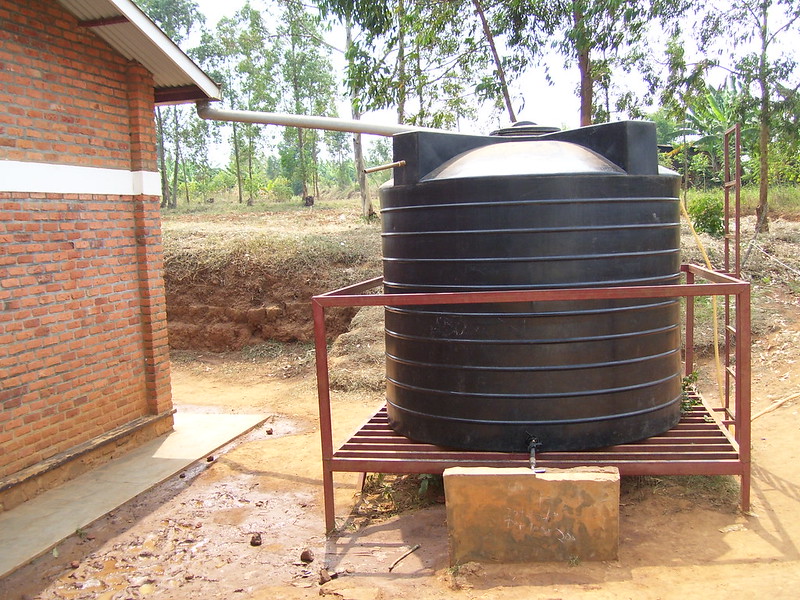
  10. SEED Madagascar is a nongovernmental organization (NGO) that works specifically in the Anosy region of Southeast Madagascar. The organization creates projects related to education, community health, environmental conservation and sustainable livelihoods. In one such project, a 20,000-liter rainwater harvesting system placed on the roof of a primary school in Ambandrika provided clean water for 144 schoolchildren and 750 members of the wider community. Additional benefits of SEED’s work include allowing more time to create marketable goods as well as more time to care for children.

Looking Ahead

Poverty in Madagascar is widespread and the situation will not improve if it is ignored. Economic growth and organizations like SEED Madagascar and WaterAid are taking important steps. However, the issue must continue to be addressed.

– Joshua Roberts
Photo: Flickr

Updated: June 11, 2024

May 21, 2020
https://borgenproject.org/wp-content/uploads/borgen-project-logo.svg 0 0 Kim Thelwell https://borgenproject.org/wp-content/uploads/borgen-project-logo.svg Kim Thelwell2020-05-21 06:30:382024-06-11 01:52:5510 Facts About Poverty in Madagascar
Global Poverty, Politics, Poverty Reduction, Sanitation

Poverty in Madagascar

Poverty in Madagascar
Even with the 2013 election of a new president that ended a five-year political deadlock, poverty in Madagascar was still a huge problem. Electing Hery Rajaonarimampianina brought fresh hope to the people of Madagascar. However, the National Assembly voted to impeach him after just 18 months of his presidency because they did not feel that he was following through with his campaign promises. Ultimately, they were unsuccessful, but the political situation remains unbalanced. Even though Madagascar has rich soil for crops and a wide variety of wildlife, political turmoil has damaged it for years. Due to this, poverty remains an ongoing issue.

Political and Economic Instability

The restoration of political stability could mean great things for Madagascar. John Stremlau, the vice president of peace programs at the Carter Center in the United States said after the 2013 election, “It has great resources, it has great promise, but it has been hurt by the sanctions that have been in place now for five years. The per capita income is very low, down to less than a dollar a day for 90% of the people, so that this is a new beginning, an opportunity, but the hard work of building a democratic process has only just begun.”

The best way for Madagascar to reduce poverty is to utilize economic growth. Harsh weather hit multiple cities in 2017, which affected agriculture in the areas. In fact, the weather ruined rice crops, a popular trade food and export item. The production of rice fell while the price of it increased. While working on repairing the damage from lost crops, the country has increased economically in other ways.

Besides rice, items like cloves, vanilla, cocoa beans and essential oils have flourished, increasing the performance of goods exported to other countries. Economic growth has increased from 4.2% to 5% from 2017 to 2018. With this growth, the country is more likely to achieve its goal of reducing the number of people living below the poverty line by the year 2020. The next step is to provide financial inclusion to those without access to financial services to further ensure the rise out of poverty.

Poverty and Malnutrition

Food poverty affects the children of Madagascar much more than the adults of the country. More than half of Madagascar’s children are chronically malnourished, creating an effect called “stunting.” They are half the size they should be, and some children will not even make it to secondary school, let alone adulthood. Malnutrition damages the body and mind, sometimes irreversibly.

Malnutrition is an increasing concern for parents. “They are seven, they should be much bigger,” said Rasoanandranson, a mother of five children. Her boys at eight years of age resemble 5-year-old children. Families grow small quantities of crops rich in nutrients like sweet potato, avocado and maize, but the harvest only lasts two to three months tops. Unfortunately, mothers like Rasoanandranson eventually have to sell their food for other much-needed household items, hygiene items and school supplies.

Hope still exists for these families and in the near future. In May 2017, the country set out to achieve its goal of reducing malnutrition from 47% to 38% by 2021. It can achieve this goal by building more nutrition centers and recruiting more volunteers to educate villages on proper nutrition. There is another player to this game that will help fight malnutrition, and that is clean water and sanitation services.

Hygiene and Sanitation

Poverty in Madagascar has affected the water and sanitation systems as well. More than half of the people in Madagascar do not have sanitation systems or access to clean drinking water. There seems to be plenty of water in the capital city of Antananarivo and other nearby cities, but the water has experienced severe contamination. Trash lines the edges of rivers and streams, and heavy rains wash away street debris into the water supplies. Waste from households without proper sanitation systems also washes away into the water supply.

On top of contaminated water, the piping systems that were previously installed are defective and leak at least 40% of clean water. With the population rising, conditions will only worsen; however, volunteers are working to improve the piping systems and educate people about safe water practices and sanitation. They have even started facilities to wash clothing to prevent people from further polluting the river by washing their clothes in it.

Programs like USAID, WaterAid and WASH are trying to improve conditions by first educating the community about food security and environmental programs. Secondly, they plan to improve local, community-based governance of water and sanitation resources. Thirdly, they will roll out a program called Triggering Health Seeking Behavior Change to promote good hygiene at the household level. The final process is access to credit for the people to microfinance products for clean water and sanitation systems. With all the issues from malnutrition and contaminated water, how is Madagascar’s health care?

The Health Care System in Madagascar

In the capital city Antananarivo, there are public and private hospitals that provide basic medical treatments and small operations. However, for more complex surgeries, patients are transferred to a hospital in South Africa. Although medical services are actually free to the community, people who can afford them often receive the advice to take out private, international health insurance for different situations such as going to a larger hospital for more extensive surgeries.

The most common diseases in Madagascar are malaria, leprosy and tuberculosis. The health care system is working to combat these diseases and, going back to the lack of clean water, it is strongly advised that people boil tap water before drinking or using it to cook. Though most of the hospitals are in cities and towns, Christian missionaries run hospitals in rural areas in case some people can not make it to town, but they cannot reach all areas.

Nonprofit organizations and volunteers are currently working to improve access to proper education about nutrition, sanitation and financial stability. Madagascar is on its way to becoming a better country for its people. Hopefully, the political situation will improve, and the government will begin doing its part to end poverty in Madagascar.

– Kayla Cammarota

Photo: Flickr

March 22, 2019
https://borgenproject.org/wp-content/uploads/borgen-project-logo.svg 0 0 Kim Thelwell https://borgenproject.org/wp-content/uploads/borgen-project-logo.svg Kim Thelwell2019-03-22 07:30:352022-04-28 06:21:17Poverty in Madagascar
Page 3 of 41234

Get Smarter

  • Global Poverty 101
  • Global Poverty… The Good News
  • Global Poverty & U.S. Jobs
  • Global Poverty and National Security
  • Innovative Solutions to Poverty
  • Global Poverty & Aid FAQ’s
Search Search

Take Action

  • Call Congress
  • Email Congress
  • Donate
  • 30 Ways to Help
  • Volunteer Ops
  • Internships
  • Courses & Certificates
  • The Podcast
Borgen Project

“The Borgen Project is an incredible nonprofit organization that is addressing poverty and hunger and working towards ending them.”

-The Huffington Post

Inside The Borgen Project

  • Contact
  • About
  • Financials
  • President
  • Board of Directors
  • Board of Advisors

International Links

  • UK Email Parliament
  • UK Donate
  • Canada Email Parliament

Get Smarter

  • Global Poverty 101
  • Global Poverty… The Good News
  • Global Poverty & U.S. Jobs
  • Global Poverty and National Security
  • Innovative Solutions to Poverty
  • Global Poverty & Aid FAQ’s

Ways to Help

  • Call Congress
  • Email Congress
  • Donate
  • 30 Ways to Help
  • Volunteer Ops
  • Internships
  • Courses & Certificates
  • The Podcast
Scroll to top Scroll to top Scroll to top