• Link to X
  • Link to Facebook
  • Link to Instagram
  • Link to TikTok
  • Link to Youtube
  • About
    • About Us
      • President
      • Board of Directors
      • Board of Advisors
      • Financials
      • Our Methodology
      • Success Tracker
      • Contact
  • Act Now
    • 30 Ways to Help
      • Email Congress
      • Call Congress
      • Volunteer
      • Courses & Certificates
      • Be a Donor
    • Internships
      • In-Office Internships
      • Remote Internships
    • Legislation
      • Politics 101
  • The Blog
  • The Podcast
  • Magazine
  • Donate
  • Click to open the search input field Click to open the search input field Search
  • Menu Menu

Tag Archive for: Extreme Poverty

Posts

Extreme Poverty

End to Extreme Poverty is Within Grasp

jim-yong-kim-within-our-grasp
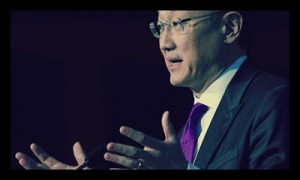
On April 2, President of the World Bank Group Jim Yong Kim gave a speech at Georgetown University outlining the goals and actions the world must to take to reach the 2030 Millennial Development Goals and eliminate global poverty. The President encouraged listeners to “seize the opportunity to end extreme poverty” because the goal is “within our grasp.”

Amid various challenges that threaten the elimination of poverty, such as inequality, global climate change, and an increasing number of natural disasters, Kim remains hopeful. However, to ensure that progress continues, he believes that we must change the way we work together. Kim outlined two lessons learned in the last decades of poverty reduction. By accelerating the end of extreme poverty and boosting shared prosperity, he believes that poverty can be reduced below 3% within the next generation of activists. The role of the World Bank Group becomes critical in reducing and eliminating world poverty as it encourages the cohesion of these two lessons through its mission and focuses on equity. “We must collectively work to help all vulnerable people everywhere lift themselves well above the poverty line,” said Kim.

While working together is essential, Kim outlined four roles that the World Bank Group will play in reducing poverty. Identifying worthy projects, closely monitoring these projects, conveying advocacy to policymakers, and working with partners to share knowledge are essential aspects to making progress and meeting the Millennial Development Goals.

In closing, Kim noted that April 5 marked 1,000 days to execute the Millennial Development Goals. While he acknowledged the challenges that poverty reduction faces, he remained confident that these goals and the ultimate elimination of poverty are within grasp. To view the transcript of Kim’s speech, visit The World Bank website.

– Kira Maixner

Source: The World Bank
Photo: The Guardian

May 11, 2013
https://borgenproject.org/wp-content/uploads/borgen-project-logo.svg 0 0 Borgen Project https://borgenproject.org/wp-content/uploads/borgen-project-logo.svg Borgen Project2013-05-11 10:00:102020-05-26 09:05:18End to Extreme Poverty is Within Grasp
Extreme Poverty, Global Poverty

Les Misérables

LesMiserables
The World Bank’s Director of Economic Policy and Poverty Reduction Programs for Africa, Marcelo Giugale, recently wrote about the current progress and development around the world in regards to extreme poverty. He explains that the 2013 World Development Indicators (WDI) have recently been released, evincing the status and evolution of people who live on $1.25 or less. Giugale’s detailed description of what it would be like to live on such a meager number really captures the essence of poverty and contrasts it with the expectations, advancement, and materialism of the 21st century. It allows the reader to visualize life in another light, one that is much different than what would be expected from the 21st century. Giugale writes, “If you had something that could be called a house — [it] would have no electricity, gas, running water or sewer.”

Out of the world’s human population of 7 billion, 1.2 billion live in extreme poverty. However, Giugale expresses his optimism in commenting on how it has been proven through one region’s shift away from poverty that rapid economic growth can tackle poverty. For example, in the past 20 years through 2010, China’s fast economic growth played the main and most prominent role in lifting approximately 700 million people out of poverty. Giugale also sheds light on the fallacy that the 2008-2009 global financial crisis raised extreme poverty; that is not true, according to Giugale. The financial crisis “if anything…only slowed [down] temporarily the downward trend that extreme poverty had been on.”

The Director also shares that although almost half of all Africans still live in extreme poverty, the rate of poverty declined from 60% in 1993 to 48% in 2010. Taking into account economic growth while noting that Africa is home for a third of the world’s extreme poor emphasizes that growth is not enough; that much more can be done. Finally, he comments that, according to the World Development Indicators’ predictions, 250 million people will be lifted from poverty by 2015 (mainly people in South and East Asia).

It is intriguing to note the title of Marcelo Giugale’s article, Les Misérables, because it denotes a certain theme. In Victor Hugo’s novel Les Misérables, the story’s structure is described as a “progress from evil to good, from injustice to justice, from falsehood to truth, from night to day, from appetite to consciousness, from corruption to life.” Those deep words parallel Giugale’s point that more can be done, and that it is not costly for governments of countries with plenty of natural resources to alleviate their people’s misery. It is time to progress from injustice to justice, from hell into heaven.

– Leen Abdallah

Source: Huffington Post, Liturgy
Photo: Google

May 3, 2013
https://borgenproject.org/wp-content/uploads/borgen-project-logo.svg 0 0 Borgen Project https://borgenproject.org/wp-content/uploads/borgen-project-logo.svg Borgen Project2013-05-03 16:33:432020-05-26 08:04:25Les Misérables
Extreme Poverty, Global Poverty

Ben Affleck Lives Below the Line

Academy Award winner actor Ben Affleck is taking part in the Living Below the Line challenge. Next week, he will be living on just 1 dollar and 50 cents a day. The challenge requires participants to bid farewell to their comfortable and stable lives for 5 days to experience poverty on a personal scale. Living Below the Line was “cofounded in 2009 by Rich Fleming from the Global Poverty Project and Nick Allardice from the Oaktree Foundation in Australia.”

The U.S. Country Director of the Global Poverty Project, Michael Trainer, said that last year approximately 15,000 people were part of this Living Below the Line challenge and more than 3 million dollars were raised. According to the Yahoo report, Ben Affleck’s participation will build awareness and raise funds for the Global Poverty Project. The Project’s main emphasis is to get people to recognize their potential effectiveness by coming together and fighting to end global poverty. Next week anyone can be, and everyone should be, in solidarity with the poor with this humbling poverty experience.

–Leen Abdallah
Source: Examiner

May 2, 2013
https://borgenproject.org/wp-content/uploads/borgen-project-logo.svg 0 0 Borgen Project https://borgenproject.org/wp-content/uploads/borgen-project-logo.svg Borgen Project2013-05-02 09:00:472020-05-26 07:59:51Ben Affleck Lives Below the Line
Global Poverty

IMF and World Bank Back Bold Poverty Agenda

IMF and World Bank Back Bold Poverty Agenda
On Saturday both the IMF and World Bank backed a bold poverty agenda to eradicate extreme poverty within a generation. The goal comes from the Development Committee – a subcommittee of both the IMF and the World Bank.

This bold poverty agenda serves as a “historic opportunity” to make a difference. World Bank president Jim Yong Kim has called the initiative an important step towards the eradication of world poverty, but one that will require focus, innovation, and commitments from everyone in order to succeed.

The logistics of the Development Committee’s plan include reducing the percentage of people who currently live on less than $1.25 a day to three percent of the global population by 2030. Additionally, the committee would like to work towards raising the incomes of the poorest 40 percent of people in each country.

While this seems to be a noble and necessary goal, the committee did note the obstacles they will need to overcome to be successful. The committee and agenda will need to be supported by strong growth across the developing world, as well as an unmatched translation of growth into poverty reduction in several of the world’s poorest countries.

Among the aforementioned challenges, the committee has also recognized the institutional and governance challenges that will have to be overcome, along with substantial investments in infrastructure and agricultural productivity. All of the above challenges, while difficult to overcome, express the World Bank and IMF’s renewed commitment to eradicate extreme poverty.

The committee’s exuberance for this goal stems from Dr. Kim’s passion for eradicating global poverty. The committee members have supported Dr. Kim’s vision. Committee chairman, Marek Belka, explains that Dr. Kim has been very influential in expressing the World Bank Group as a partner in the fight against extreme poverty.

This announcement aligns closely with the World Bank’s core mission of creating a world free of poverty and follows the recent spring meetings in Washington.

– Caitlin Zusy 

Source: AFP
Photo: Google

April 24, 2013
https://borgenproject.org/wp-content/uploads/borgen-project-logo.svg 0 0 Borgen Project https://borgenproject.org/wp-content/uploads/borgen-project-logo.svg Borgen Project2013-04-24 08:24:542020-06-12 23:15:48IMF and World Bank Back Bold Poverty Agenda
USAID

Neglected Tropical Diseases

Neglected Tropical DiseasesNeglected tropical diseases, which are chronic and barely heard of by the public, have been proven to cause poverty and destabilize communities. Neglected tropical diseases generally affect people in poor regions, primarily those living on one dollar a day. However, recent research shows that the worst neglected tropical diseases, NTDs, happen to the poorest people living in “large emerging market economies that comprise the G-20,” which have a GDP close to that of Western European countries. NTDs cause various things including, “greusome limb disfigurement and skin sores to bladder and liver cancers to neurological damage,” and they tend to last for years or decades.

India, Brazil, China, and Italy are the world’s leading G-20 countries where more than 2/3 of cases of visceral leishmaniasis (this disease causes a chronic illness like leukemia) are reported. In addition to that, G-20 countries and Nigeria account for “almost half of the world’s cases of hookworm infection, while…schistosomiasis cases [which are] responsible for chronic renal disease, female genital ulcers, and liver disease – are [found largely] in Nigeria, South Africa, Brazil, China, and Saudi Arabia.” There are also several types of NTDs including Chagas, which is a type of heart disease, that are found in Eastern and Southern Europe and Southern U.S. Therefore, it is safe to say that NTDs exist everywhere in the world but affect those who suffer from extreme poverty, as opposed to assuming that these diseases are exclusive to poor developing nations only where GDP is low.

The good news is that USAID support led to low-cost packages of necessary medicines that will tackle such diseases to be delivered, and their access is enabled, to more than 250 million people in low and middle-income nations. However, other countries besides the U.S. and Britain, are barely contributing to defeat these diseases. Thus, there is a need to pressure G-20 countries to commit to what the World Health Organization (WHO) labels “preventive chemotherapy,” referring to these medicines that would help fight NTDs. Preventive chemotherapy is proven to be extremely cost-efficient because it typically costs about $ 0.50 per person a year. According to the World Health Organization, 1.9 billion people need such preventive chemotherapy measures and only 700 million are currently receiving these medicines.

– Leen Abdallah

April 11, 2013
https://borgenproject.org/wp-content/uploads/borgen-project-logo.svg 0 0 Borgen Project https://borgenproject.org/wp-content/uploads/borgen-project-logo.svg Borgen Project2013-04-11 10:22:142020-06-07 21:54:48Neglected Tropical Diseases
Aid Effectiveness & Reform, Development

6 Factors for Successful Development

economic-development-sustainability
Since 1945 the United Nations has established the contemporary global, obligation to address the economic and social well-being of ordinary citizens. A very new concept when written into their charter: “The United Nations shall promote higher standards of living, full employment, and conditions of progress and development in the economic and social order.”

Over time, for at least economists and policy makers, this development agenda has become synonymous with “improving economic opportunities through increased production of goods and services.” The implicit assumption is that economic growth will increase quality of life standards, life expectancy, improve nutrition and health.

Since 1945, there have been impressive advancements in the elimination of extreme poverty, but still many professionals wonder how to accelerate growth even more throughout the world – particularly in Africa and South Asia, two regions with a great number of poor. The issue has prompted economists and policymakers to analyze the importance of several factors, policies and institutions, finding six factors for successful development:

1. Social inclusion – With a healthier and more educated population, nations can enjoy a more effective economic and political life. Illiteracy is a major barrier to participation in the economy. Without widespread education, citizens are more easily manipulated by un-just governments – allowing for the empowerment of counter-productive leadership.
2. Quality management – Governments must manage their national macro-economic environment; if there is no over-arching/holistic governance, the nation loses its credibility both in private sector business, and the citizenry. The “political capital” of a country cannot be wasted, and moreover, if public resources and urgent needs are not continually addressed, then the country falls into a burden of “catch up” where they are always behind in development, comparatively.
3. Transparency and accountability – Transparency is essential to prevent corruption and financial fraud, and promotes citizen participation. Experience shows that trust in one’s government encourages citizens and businesses to pay their taxes, thus advancing development and social services. Companies invest and expand more, creating greater confidence in the government and a “virtuous circle” of development ensues.
 4. Technology and innovation – Economic production is no longer just about capital and labor, now knowledge and innovation are just as important. It has been proven that technology gaps can explain the disparity in productivity between different countries. Technological adoption, knowledge dissemination and information communication technology (ICT) are imperative for national competitiveness.
5. Economic opportunities – Increasing the access and use economic resources to citizens is imperative. Free and open access to markets can contribute significantly to development; access to goods, labor and financial markets for personal use, production and exchange; especially the promotion of small-businesses.
6. Administrative Infrastructure – Business and society often come down to bureaucratic needs:  issuance of licenses, permits, birth certificate, passport, filing taxes, starting a business, registering a title, property rights, contract settlements, foreign trade authorization, hiring an employee, use the public health services, etc. The efficiency of bureaucracy is pertinent to advancing greater and more equal access to public resources.
 – Mary Purcell

Source: ITC
Photo: amateurinafrica.com

April 5, 2013
https://borgenproject.org/wp-content/uploads/borgen-project-logo.svg 0 0 Borgen Project https://borgenproject.org/wp-content/uploads/borgen-project-logo.svg Borgen Project2013-04-05 13:11:012024-05-24 23:46:376 Factors for Successful Development
Global Poverty

The Unequal Reality

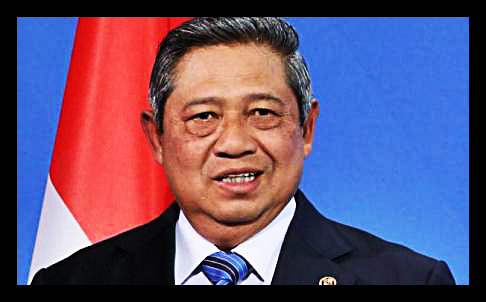
The Unequal RealityThe next global development agenda has been set. The President of Indonesia, Susilo Bambang Yudhoyono, hosted the meeting to determine such an agenda; he also served as the co-chairman to the UN High-Level Panel for the post-2015 plan with an emphasis on eradicating extreme poverty. Despite the general success of the UN Millennium Development Goals which includes pulling people out of poverty since the 1990s, an increasing number of children are attending schools, and much fewer children are dying due to curable causes: “political will and commitment can bring about real change.”

The issue is that the majority of these successes are happening on the surface, on the “aggregate” levels as opposed to on the extremely low levels. A report done by Save the Children evinces the hidden inequality behind improvements arguing that only wealthier parts have been directly affected by these successes. For example, rich women in Indonesia now have a skilled attendant; however, between 2007 and 2010, children in poorer households continued to experience severe malnutrition despite overall nutrition improvements.

“Aggregate targets” are dictating such unequal distribution of improvement vs. worsening because governments are naturally choosing to aid and invest in what is easier to help; “this means that those close to the poverty line experience improvements while the very poorest are left behind.” Children are the most vulnerable group affected by such inequality because they are dependent on others for development and growth. Therefore, price increases affect their meal intakes, health budget cuts could cause deaths, and low-quality schools have the potential of keeping these children in poverty. In order to fight off inequality, there is a need for quality services such as availability and equal access to schools and health facilities to all kinds of people.

– Leen Abdallah

Source: South China Morning Post

April 2, 2013
https://borgenproject.org/wp-content/uploads/borgen-project-logo.svg 0 0 Borgen Project https://borgenproject.org/wp-content/uploads/borgen-project-logo.svg Borgen Project2013-04-02 12:00:042020-06-01 06:00:15The Unequal Reality
Aid Effectiveness & Reform, Extreme Poverty

Bono’s TED Talk

Bono’s TED Talk has compacted twenty-five years of anti-poverty campaigning into a ten minute presentation for a TED conference which was held this past February. The result is a passionate call for people to stay involved and stay informed about all the great work that is and has been happening in the fight against extreme poverty.

Much of the progress that has been made does not make the news but Bono sees how people, technology, and the sharing of information is turning inequality on its head; sighting the Arab Spring as a momentous shift in history. He emphasizes how facts change minds and hearts, bring new awareness and action, bring better action, and bring change in a phenomenon he names “factivism.”

Here are some facts. Since 2000:

  • Eight million AIDS patients have been receiving retroviral drugs
  • Malaria deaths have been cut in some countries by 75%
  • Child mortality rate of children under the age of 5 is down by 2.65 million deaths per year
  • 7,256 children’s lives are saved each day

The global rate of extreme poverty has declined from 43% in 1990 to 21% in 2010.

The population of people living on less than $1.25 per day has been cut in half in the last 20 years, and the facts show that this extreme poverty can be cut to virtually zero within a generation — worldwide. Bono encourages everyone to continue their efforts for lasting progress by:

  • Telling politicians not to cut foreign aid funding
  • Join campaigns that make sure all natural resources (and their profits) are shared with the people of that country
  • Continue citizen participation by demanding transparency of government spending (anti-corruption)
  • Become a “factivist” – share the facts with others about successes and hardships within global inequality

– Mary Purcell

Source: ONE.org

March 17, 2013
https://borgenproject.org/wp-content/uploads/borgen-project-logo.svg 0 0 Borgen Project https://borgenproject.org/wp-content/uploads/borgen-project-logo.svg Borgen Project2013-03-17 13:00:262016-05-11 11:02:07Bono’s TED Talk
Extreme Poverty, Poverty Reduction

UN Warns Environmental Threats Increase Poverty

UN Warns Environmental Threats Increase PovertyA report released by the UN warns that the number of people in extreme poverty could rise by 3 billion in 2050 unless immediate action is taken to combat environmental threats.

The 2013 Human Development Report had stated that more than 40 countries have shown significant improvement on health, wealth and education with rapid increases in Brazil, China, India as well as many other developing countries. The percentage of those living in extreme poverty, or living on $1.25 a day or less, had fallen from 43% to 22% from 1990 to 2008. This is attributed to significant successes in poverty reduction and economic growth in China and India. In response to this statistic, the World Bank has said that the Millennium Development Goal of decreasing extreme poverty by half by 2015 was ahead of schedule.

However, the UN had also reported that if environmental challenges such as climate change, deforestation, and air and water pollution were left unaddressed, human development progress in the poorest countries could come to a halt and possibly be reversed. Environmental threats and ecosystem losses are worsening the living situations and hindering the livelihood opportunities of many poor people. Building on the 2011 edition of the report arguing for sustainable development, the UN warns that unless coordinated global action is taken to combat environmental issues, the number of people in extreme poverty could rise.

“Environmental threats are among the gravest impediments to lifting human development,” the report says. “The longer action is delayed, the higher costs will be.”

– Rafael Panlilio

Source: Flickr

March 16, 2013
https://borgenproject.org/wp-content/uploads/borgen-project-logo.svg 0 0 Borgen Project https://borgenproject.org/wp-content/uploads/borgen-project-logo.svg Borgen Project2013-03-16 22:15:312020-05-24 23:36:05UN Warns Environmental Threats Increase Poverty
Page 6 of 6«‹456

Get Smarter

  • Global Poverty 101
  • Global Poverty… The Good News
  • Global Poverty & U.S. Jobs
  • Global Poverty and National Security
  • Innovative Solutions to Poverty
  • Global Poverty & Aid FAQ’s
Search Search

Take Action

  • Call Congress
  • Email Congress
  • Donate
  • 30 Ways to Help
  • Volunteer Ops
  • Internships
  • Courses & Certificates
  • The Podcast
Borgen Project

“The Borgen Project is an incredible nonprofit organization that is addressing poverty and hunger and working towards ending them.”

-The Huffington Post

Inside The Borgen Project

  • Contact
  • About
  • Financials
  • President
  • Board of Directors
  • Board of Advisors

International Links

  • UK Email Parliament
  • UK Donate
  • Canada Email Parliament

Get Smarter

  • Global Poverty 101
  • Global Poverty… The Good News
  • Global Poverty & U.S. Jobs
  • Global Poverty and National Security
  • Innovative Solutions to Poverty
  • Global Poverty & Aid FAQ’s

Ways to Help

  • Call Congress
  • Email Congress
  • Donate
  • 30 Ways to Help
  • Volunteer Ops
  • Internships
  • Courses & Certificates
  • The Podcast
Scroll to top Scroll to top Scroll to top