• Link to X
  • Link to Facebook
  • Link to Instagram
  • Link to TikTok
  • Link to Youtube
  • About
    • About Us
      • President
      • Board of Directors
      • Board of Advisors
      • Financials
      • Our Methodology
      • Success Tracker
      • Contact
  • Act Now
    • 30 Ways to Help
      • Email Congress
      • Call Congress
      • Volunteer
      • Courses & Certificates
      • Be a Donor
    • Internships
      • In-Office Internships
      • Remote Internships
    • Legislation
      • Politics 101
  • The Blog
  • The Podcast
  • Magazine
  • Donate
  • Click to open the search input field Click to open the search input field Search
  • Menu Menu
Blog - Latest News
Global Poverty, Migration

What is the Current State of Poverty in Haiti?
What is the Current State of Poverty in Haiti?

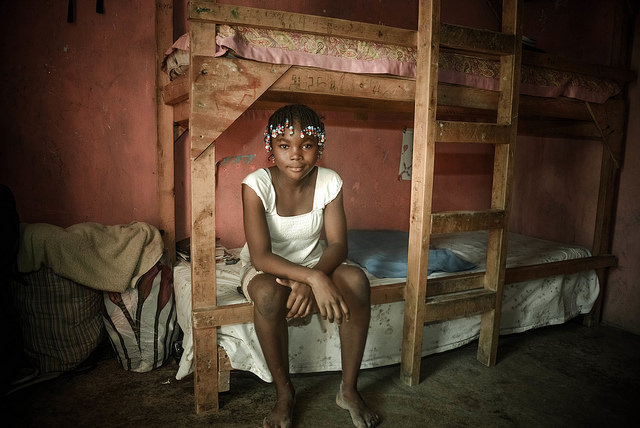
Haiti is the poorest country in the Western Hemisphere and one of the most poverty-stricken countries in the developing world. Despite this, the Trump Administration is abruptly ending the Temporary Protected Status for Haitians. The humanitarian program allowed about 59,000 Haitians to live and work in the U.S. since the 2010 earthquake which killed 150,000 people.

Haitians will be expected to leave the U.S. by July 2019 or face deportation. This is devastating news for Haitians who earn money in the U.S. to send to their families and for those receiving an education.

Poverty in Haiti

According to the World Bank, life expectancy for Haitians is only 57 years. Less than half of the population is literate and only about one child in five of secondary-school age actually attends secondary school.

Health conditions are poor and about one-fourth of the population has access to safe water. The population continues to grow at a high rate, estimated at almost 200,000 people per year, with the overwhelming majority living in extreme poverty.

Key factors of poverty in Haiti include political instability, inadequate growth in private investment, underinvestment in human capital, and poverty traps including environmental degradation, crime, systematic human rights violations, and outward migration.

Steps to be taken

  1. Strengthen essential public sector institutions, improve coordination and consultation within government, and re-establish and consolidate political stability.
  2. Strengthen macroeconomic stability and reduce distortions in order to encourage private sector investment and increase productivity.
  3. Improve the quality of government spending, invest in the provision of basic human needs, and raise the level of human capital.
  4. Ration the assistance provided by external donors.

There is clearly a lot of work to be done, but instead of abandoning Haitians when they need help the most, the U.S. needs to directly help with overturning their situation of dire poverty.

– Julia Lee

Photo: Flickr

March 19, 2018
Share this entry
  • Share on Facebook
  • Share on X
  • Share on WhatsApp
  • Share on Pinterest
  • Share on LinkedIn
  • Share on Tumblr
  • Share on Vk
  • Share on Reddit
  • Share by Mail
https://borgenproject.org/wp-content/uploads/borgen-project-logo.svg 0 0 Borgen Project https://borgenproject.org/wp-content/uploads/borgen-project-logo.svg Borgen Project2018-03-19 09:29:572024-12-13 17:58:34What is the Current State of Poverty in Haiti?

Get Smarter

  • Global Poverty 101
  • Global Poverty… The Good News
  • Global Poverty & U.S. Jobs
  • Global Poverty and National Security
  • Innovative Solutions to Poverty
  • Global Poverty & Aid FAQ’s
Search Search

Take Action

  • Call Congress
  • Email Congress
  • Donate
  • 30 Ways to Help
  • Volunteer Ops
  • Internships
  • Courses & Certificates
  • The Podcast
Borgen Project

“The Borgen Project is an incredible nonprofit organization that is addressing poverty and hunger and working towards ending them.”

-The Huffington Post

Inside The Borgen Project

  • Contact
  • About
  • Financials
  • President
  • Board of Directors
  • Board of Advisors

International Links

  • UK Email Parliament
  • UK Donate
  • Canada Email Parliament

Get Smarter

  • Global Poverty 101
  • Global Poverty… The Good News
  • Global Poverty & U.S. Jobs
  • Global Poverty and National Security
  • Innovative Solutions to Poverty
  • Global Poverty & Aid FAQ’s

Ways to Help

  • Call Congress
  • Email Congress
  • Donate
  • 30 Ways to Help
  • Volunteer Ops
  • Internships
  • Courses & Certificates
  • The Podcast
Link to: The Top 10 Need-to-Know Poverty in Singapore Facts Link to: The Top 10 Need-to-Know Poverty in Singapore Facts The Top 10 Need-to-Know Poverty in Singapore Facts Link to: Fighting Malaria Fights Poverty: Malaria Prevention in Ghana Link to: Fighting Malaria Fights Poverty: Malaria Prevention in Ghana Fighting Malaria Fights Poverty: Malaria Prevention in Ghana
Scroll to top Scroll to top Scroll to top