• Link to X
  • Link to Facebook
  • Link to Instagram
  • Link to TikTok
  • Link to Youtube
  • About
    • About Us
      • President
      • Board of Directors
      • Board of Advisors
      • Financials
      • Our Methodology
      • Success Tracker
      • Contact
  • Act Now
    • 30 Ways to Help
      • Email Congress
      • Call Congress
      • Volunteer
      • Courses & Certificates
      • Be a Donor
    • Internships
      • In-Office Internships
      • Remote Internships
    • Legislation
      • Politics 101
  • The Blog
  • The Podcast
  • Magazine
  • Donate
  • Click to open the search input field Click to open the search input field Search
  • Menu Menu

Archive for category: Women and Female Empowerment

information and Stories about woman and female empowerment.

Children, Global Poverty, Women

Increasing Access to Child Care in South Africa Supports Women

Child Care in South AfricaIn South Africa, women are disproportionately affected by unemployment, with the rate for women at 35.1% in 2023, compared to 31% for men. However, progress is being made in areas such as child care. Around 70% of care in Africa is provided by female relatives, with just 3% of care involving paid work. Africa has the highest amount of unpaid care work globally. This unpaid care work is a barrier to women’s participation in the labor force. Approximately 34% of women in Africa reported that unpaid care work prevented them from having a paid job, compared to 3.9% of men.

In South Africa, many waste pickers and domestic workers leave their children with neighbors as a form of child care. In Durban, a group of waste pickers collectively pays an elderly couple for child care, choosing this option for its affordability and flexibility in payment terms. The female caregiver accepts materials collected by the waste pickers as part of the payment. Following the COVID-19 pandemic, 68% of child care workers in South Africa said they were in danger of closing permanently due to rising costs. This threatened to decrease the number of child care options available further. However, different initiatives are addressing child care in South Africa.

Child Care South Africa

Child Care South Africa is one initiative aiming to provide quality child care in the country. Between 2017 and 2019, the Cash Plus Care (Qhawekazi) project was established to empower women aged 19 to 24. A total of 5,087 young women completed all 12 Cash Plus Care Empowerment sessions, highlighting the project’s extensive impact on their lives.

SmartStart

Furthermore, SmartStart provides communities in South Africa with access to high-quality early learning programs for children aged 3 to 4. About 80% of lower-income families in South Africa lack access to early learning for children younger than 5, making child care crucial not only for mothers but also for children’s futures.

One of SmartStart’s goals is to create a women-led care economy by empowering them to become early learning practitioners. Since 2015, a community of 9,000 practitioners has emerged. These Early Learning Practitioners are trained to secure government funding as microentrepreneurs.

South Africa’s Expanded Public Works Program

Started in 2004, South Africa’s Expanded Public Works Program (EPWP) trains unemployed beneficiaries, mostly women, in areas such as day care activities. By 2015, approximately 20,000 care practitioners had been trained. Reports indicated that this scheme contributed to income growth more than any other similar project. Women particularly benefited from paid care work, as they represented 90% of the home-based care workers who participated in the program.

The ECCE Program

By 2030, the government in South Africa aims for all children aged 0 to 5 able to access an early childhood care and education (ECCE) program. The National Integrated Early Childhood Development Policy (ECD) allows more women to have paid jobs because it alleviates the need for women to be responsible for child care during working hours. The following three benefits arise from supporting ECCE services:

  • More paid jobs in the care economy.
  • More women can form part of the labor force.
  • More assistance for children’s development.

The Future

The highlighted initiatives aim to increase the amount and quality of child care in South Africa. The additional support enables women to engage with the economy. This will improve the position of women while also benefiting the wider community and combating poverty by raising household income levels.

– Amy Fox

Amy is based in Birmingham, UK. and focuses on Good News for The Borgen Project.

Photo: Unsplash

July 28, 2024
https://borgenproject.org/wp-content/uploads/borgen-project-logo.svg 0 0 Lynsey 2 https://borgenproject.org/wp-content/uploads/borgen-project-logo.svg Lynsey 22024-07-28 03:00:052024-07-27 09:43:30Increasing Access to Child Care in South Africa Supports Women
Global Poverty, Women

Reducing Elderly Poverty in Costa Rica

Elderly Poverty in Costa RicaPoverty in the Latin American and Caribbean region remains prevalent post-pandemic, with more than 180 million people unable to afford basic necessities. Despite having the lowest inflation rate in the region, 21.8% of people in Costa Rica live below the poverty line. The elderly demographic consists of 9% of Costa Rica’s population, a figure that could double by 2050. Elderly poverty in Costa Rica is linked to the average life expectancy of 75.5 years, often necessitating assistance due to age-related health issues. Other factors contributing to poverty among seniors include ageism, which leads to exclusion, discrimination, abuse, violence and exploitation.

Reform Strategies

Reform strategies, such as the 2002 Regional Implementation Strategy for Latin America and the Caribbean, focused on mitigating violence-related issues affecting the elderly by promoting conversations between pertinent parties and forming networks for the elderly’s safety. The “Ciudadano de Oro” or “Gold Citizen” award program by the Caja system ensures the rights of citizens 65 years and older are respected. With the Gold Citizen award, the elderly have access to certain medical services, financial aid, discounted activities and community engagement.

Poverty persists among the elderly in Costa Rica, with 23% facing economic hardships as of 2019. Additionally, elderly women have lower earnings-related pension income and longer life expectancy. Patriarchal systems that have historically relegated women to home care roles or supportive jobs rather than leadership positions in society have exacerbated this vulnerability. 

Initiatives to Reduce Elderly Poverty

Costa Rica Red de Cuido subsidizes 80% of care costs for elders below the poverty line through local networks. Elders have access to social care, community centers, hygiene, housing services and a long-term care system. The program is funded by taxes on beer, liquor and cigarettes, aiming to alleviate financial stress on poorer older adults and adapt to sociocultural changes in family care.

The National Council for Older Adults (CONAPAM) oversees private residential care through non-organization funds. Elders who are dependent on family, facing neglect, lack access to private centres or lack social and economic assistance can access these funds. In 2018, more than 2,155 beneficiaries have received care. Additionally, CONAPDIS (National Council for Persons with Disabilities) catered to 1,350 people through non-profit residential organizations in 2018.

Elderly Day Care Centers focus on those 65 years and over from low-income backgrounds through external non-profit associations. They provide meals, recreational therapy, social integration activities and psychological support, encouraging youth volunteers to assist. In 2018, centres have supported more than 1,500 people with a subsidy of $175 per month. Home Care, managed by COPANAM, provided services to 13,900 beneficiaries at risk of poverty and adverse social conditions through 59 civil associations, according to a 2022 article.

Providing Economic Stability

Costa Rica’s rapidly growing elderly population highlights the importance of boosting economic stability by reducing elderly poverty. The silver economy—economic activities, products and services for people older than 50—contributes to a more stable economy. Government and non-profit organizations are working to reduce elderly poverty through financial and health care schemes, ensuring a more economically stable Costa Rica.

– Lydie Udofia

Lydie is based in Switzerland and focuses on World News for The Borgen Project.

Photo: Pexels

July 20, 2024
https://borgenproject.org/wp-content/uploads/borgen-project-logo.svg 0 0 Jennifer Philipp https://borgenproject.org/wp-content/uploads/borgen-project-logo.svg Jennifer Philipp2024-07-20 01:30:002024-07-19 03:18:08Reducing Elderly Poverty in Costa Rica
Developing Countries, Global Poverty, Period Poverty, Poverty, Women

Experiencing Period Poverty in gaza

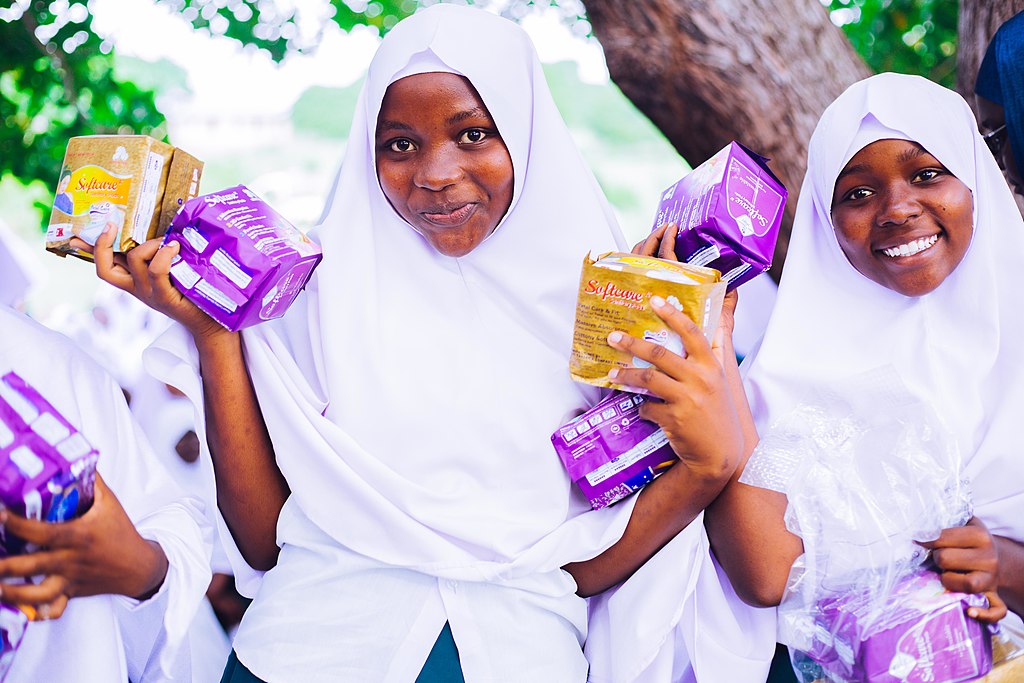
Period Poverty In gazaSince the events of October 7, Israel has tightened its grip on the Gaza Strip. It has made it increasingly difficult for aid to enter the territory. Israel’s blockade has, therefore, left many pharmacy and shop shelves barren. One product in particular has become increasingly sparse on the shelves of various pharmacies across Gaza: menstruation pads. On the rare occasion that pads make their way on a shelf, they are sold at nearly five to six times their original price. For many unemployed and homeless Gazan women, such an expense is unthinkable. This, combined with limited water supply, lack of privacy and indoor plumbing, has compelled women to take measures into their own hands. As the rate of period poverty continues to mount within the Gaza Strip, its female residents prove that there is no shortage of resilience and ingenuity.

Period Poverty among Women and Girls in Gaza

In a study conducted by the United Nations (U.N.), an estimated total of 700,000 Gazan women and girls menstruate but do not have access to hygiene products, such as pads and toilet paper. Even more troubling is their barred access to toilets and running water. Various shelters run by The United Nations Relief and Works Agency (UNRWA), the U.N. aid agency for Palestinians, say there is only one roll of toilet paper per 498 people. Within these same shelters, more than 400 residents share a single bathroom.

The situation is no better for women who live in shared apartment complexes with extended family. Limited access to water forces many to restrict the times they flush the toilet– only doing so when deemed necessary. Three functioning water pipelines remain for the whole of Gaza, thus making it increasingly difficult for women to wash themselves. Showering has become a luxury only some women can afford. Many women rise early and queue in front of hospitals in the hopes of showering before the water supply is cut for that day. Others are there to use the bathroom. Queues can number from up to 1,000 people.

Current Experiences

Owda is a Gazan woman documenting her experience online. She shared a video of one of many makeshift bathrooms found within the displacement camps. She points to the toilet in question, a garbage basket on the ground inside a meager tent and says to the camera: “There is no water. There is nothing around them. There is no infrastructure. They’re living in just a tent and they need bathroom(s). They’re humans.” The U.N. indicates that these sanitary conditions leave many Gazan women at risk of contracting reproductive and urinary tract infections. The sanitary pads that are at the disposal of Gazan women are poorly crafted and only further increase their risk of infection.

Gazan women and girls, therefore, are no longer afforded any privacy in tending to their menstrual hygiene. This issue has put a strain on the psychological health of many women within the strip. Some women share that the mounting stress they are experiencing has caused their menstrual cycles to come twice a month, further exacerbating the issue. As political tensions continue to rise, period poverty within the Gaza Strip only becomes a more pressing matter.

With Extreme Circumstances Comes Extreme Measures

The difficulty in obtaining female hygiene products has forced many Gazan women to resort to dangerous measures. Some women wash previously used pads to cope with the lack. Others have opted for old shreds of clothing, towels and ripped pieces of the tents they are using as shelter as substitutes for pads. Adult diapers and measly tissues are also on the list of items used as surrogates. The use of these substitutions may cause skin irritation, infection and deadly toxic shock syndrome. Though they pose great risks to their health, Gazan women have few other options.

Birth control has become a favored remedy among Gazan women, who would rather delay their cycle than deal with the physical and psychological burden that comes with it. Contrary to pads, the pill is readily available and far less expensive than hygiene products. A month’s supply’s worth of birth control costs approximately $3. The extreme measures Gazan women are reduced to take speak of the gravity of the situation. Furthermore, it highlights how women, once again, bear the blows of war. Gaza’s ongoing period poverty epidemic confirms the previous statement.

An International Call for Change

The international community has noticed Gaza’s shortage of menstrual hygiene products and has done its best to aid the crisis. Anera, a nonprofit organization, has provided hygiene kits, which include pads, underwear and wet wipes, to more than 20,000 women and girls. ActionAid has also supported the women in Gaza by preparing hygiene packages with a month’s worth of supplies. Despite their admirable efforts, more has to be done to aid the women in Gaza and stop the rate of period poverty from rising.

– Yasmine Nowroozi

Yasmine is based in Laval, Quebec, Canada and focuses on Global Health and Politics for The Borgen Project.

Photo: Flickr

July 16, 2024
https://borgenproject.org/wp-content/uploads/borgen-project-logo.svg 0 0 Lynsey 2 https://borgenproject.org/wp-content/uploads/borgen-project-logo.svg Lynsey 22024-07-16 03:00:212024-07-15 05:35:10Experiencing Period Poverty in gaza
Employment, Global Poverty, Women and Female Empowerment

Women’s Cooperatives in India

Women's Cooperatives in IndiaIndia’s female population constitutes 48.4% of the total population. As of 2023, only 28.7% of the female population was in the labor force and according to the International Labor Organization (ILO), 81.8% of working women in India are employed in the informal sector. Workers in the informal sector do not enjoy job security or benefits. Legal frameworks do not protect them and they do not possess worker rights compared to those employed in the formal sector.

Women’s cooperatives in India aim to mend this employment disparity by providing legal employment and financial independence to impoverished women working in the informal sector. This thereby empowers them to sustain themselves by participating in social and economic activities. Two significant women’s cooperatives in India are the Self-Employed Women’s Association (SEWA) Cooperative Federation and the Indian Cooperative Network for Women (ICNW).

SEWA

India’s first women’s cooperative, SEWA, was founded in Gujarat by Ela Bhatt in 1972. SEWA brings together women employed in the informal sector and strives to improve their economic conditions, “drive social change,” and fight for female workers’ rights. SEWA’s vision and mission is to empower poor women by ensuring that they achieve “full employment and self-reliance at the collective and the member level.”

As of 2024, SEWA consists of 300,000 women workers, 112 women’s cooperatives and operations running more than six sectors. The organization provides “fair employment and decent work” for women, catering to their needs as female workers. Through its cooperatives, SEWA provides financial, health care, insurance, communication, production and housing services, among others, to benefit women in the informal sector. Overall, SEWA aims to provide economic and social security to poor women through income, employment, access to credit, improved housing, education and access to health care.

ICNW

Initiated by Jaya Arunachalam in 1981, the ICNW is the first South-Indian women’s cooperative “for, by and of poor women.” It provides opportunities for poor women to learn new skills, secure employment and obtain easy access to credit. The cooperative’s vision, mission and objective are to alleviate female poverty, give marginalized women a voice and support women by empowering them to be financially self-reliant.

The ICNW has lent loans amounting to Rs.3,456 million (approximately $41 million) to more than 500,000 women from thousands of slums and villages in three South Indian states: Tamil Nadu, Andhra Pradesh and Karnataka. The group has 14 cooperative branches spread across South India, ensuring that women working in the informal sector become financially independent, receive credit at low interest rates, learn to fight for their rights as female workers and lead the way to mobilize other women to achieve socioeconomic stability.

Final Remark

As Dr. Patel and Dr. Sethi from the National Institute for Transforming India (NITI) Aayog state, encouraging “cooperative models that integrate capacity building, education, skill, training, engagement of youth and women” can help achieve the “dual targets of [India] becoming a $5 trillion economy while fulfilling commitments of U.N.-SDGs targets.”

Many such women’s cooperatives in India have taken the initiative to lift vulnerable women out of poverty by making them socially and economically self-reliant. SEWA and ICNW are two examples of organizations working toward improving the quality of life of women in India’s informal sector.

– Adya Umesh

Adya is based in Bangalore, Karnataka, India and focuses on Good News for The Borgen Project.

Photo: Pexels

July 9, 2024
https://borgenproject.org/wp-content/uploads/borgen-project-logo.svg 0 0 Lynsey 2 https://borgenproject.org/wp-content/uploads/borgen-project-logo.svg Lynsey 22024-07-09 07:30:012024-07-09 03:37:38Women’s Cooperatives in India
Gender Wage Inequality, Global Poverty, Women and Female Empowerment

Single Elderly Women in Japan Struggle with Poverty

Single Elderly Women in Japan Struggle with PovertyA recent survey conducted by Tokyo Metropolitan University Professor Aya Abe reveals that 44.1% of single women aged 65 and older in Japan are living in poverty. This rate is notably higher than their male counterparts and is nearly equivalent to the 44.5% poverty rate among working-age single-parent households.

Japan faces growing concerns about its aging population, particularly single elderly women who are at a higher risk of poverty. Current data suggests a stark contrast in poverty risks between genders and marital statuses, with elderly women more likely to struggle financially. Projections indicate that poverty rates for elderly women could increase from 22% to 25% and for divorced or unmarried women, the rate could spike to 50%. In contrast, only about 10% of elderly men are expected to fall into poverty. Widowhood offers limited financial relief, often restricted to bereaved family pensions.

Economic Inequality and Labor Market Challenges

The 2022 Ministry of Health, Labour and Welfare report in Japan reveals significant gender and age disparities in “one-person households.” Men constitute 35.9% of these households, with the largest age group being 70 to 74 years old, accounting for 28.7% of single male households. In contrast, women make up 64.1% of one-person households, with the largest demographic being those aged 85 and over, representing 24.1% of single female households.

Despite a doubling of income over the past two decades, Japanese women still earn significantly less than their male counterparts. As of Feb. 2023, the Statistics Bureau of Japan reported that the average monthly income for women was ¥83,896 ($630), compared to ¥345,645 for men. This disparity is exacerbated by the fact that 70% of female workers hold part-time or nonpermanent positions, which typically offer lower pay and limited opportunities for advancement. Consequently, Japan’s ranking suffered in the World Economic Forum’s 2022 Global Gender Gap report, ranking 116th out of 146 countries, primarily due to wage inequality and a scarcity of women in senior management roles.

Societal Norms and Systemic Disadvantages

“Social norms that assume women are being supported by men have led to a system that doesn’t consider women living alone—and persist even today,” said Abe, “Attention on ‘women’s poverty’ often focuses on young women and single mothers. Policies also revolve around child support and are not essentially supporting women.” This disparity stems from the post-war pension system, which was based on the assumption that women would leave the workforce to raise children while men, employed full-time, would secure generous benefits. Consequently, the system inadequately supports single, divorced or never-married women in their later years.

Policy Recommendations and Future Directions

In Japan, the public pension system covers individuals from age 20 to 59, with basic pension benefits starting at age 65, contingent on a minimum of 10 years of contributions. Full benefits are available after 40 years of contributions. Enhancing the income security function of this system can potentially mitigate the risk of elderly poverty.

A RIETI report recommended three frameworks for improving Japan’s pension system. Firstly, it suggested expanding employee health insurance to cover nonpermanent, part-time workers, thereby ensuring more comprehensive protection and reducing the risk of exclusion from the pension safety net. Secondly, raising the pensionable age could increase benefits for those currently receiving low amounts, more effectively addressing elderly poverty. Finally, implementing partial reforms to the existing system could significantly alleviate poverty without the need for a complete overhaul.

The Japanese government is actively promoting “lifelong work” to alleviate the country’s significant labor shortage and to encourage elderly citizens to contribute more toward their medical and nursing care expenses. To support this initiative, the Fiscal System Council is evaluating a proposal to raise the pensionable age to 68. Although the official retirement age in Japan is 65, the country has the world’s second-highest rate of senior employment, with many older adults working informal part-time jobs to supplement their pensions.

Looking Ahead

Japan’s aging population, especially single elderly women, faces severe economic challenges. Despite efforts to improve income security, significant disparities remain in wages and employment opportunities. With proposed reforms like raising the pensionable age and expanding insurance coverage, Japan aims to address these ongoing issues and enhance financial stability for its elderly citizens, striving to reduce poverty and improve their quality of life.

– Cindy Hong

Cindy is based in Milpitas, CA, USA and focuses on Global Health for The Borgen Project.

Photo: Unsplash

July 9, 2024
https://borgenproject.org/wp-content/uploads/borgen-project-logo.svg 0 0 Precious Sheidu https://borgenproject.org/wp-content/uploads/borgen-project-logo.svg Precious Sheidu2024-07-09 03:00:172024-07-09 03:08:11Single Elderly Women in Japan Struggle with Poverty
Education, Global Poverty, Women and Female Empowerment

Barefoot College India – Women Becoming Solar Engineers

Barefoot CollegeThe Barefoot College in Rajasthan, India, is working to help women who would not have previously had the chance to study and progress as engineers. It offers women from all over the world from impoverished backgrounds the opportunity to study, progress their skills and, therefore, progress their careers. Not only this, but it is also helping to create sustainable energy options for local communities that are better placed for the future.  It is proving to be good for both economic development and helping to change the narrative, specifically of the role of what women can do to help reduce poverty and to provide solutions to the issues surrounding poverty in India and wider afield.

Background

The college was first created in 1972 and is based in Rajasthan, specifically Tilonia. The Barefoot College supports women in attending classes and gaining qualifications that help their future careers, specifically in engineering. The college has helped 1,708 women from 96 countries become qualified engineers and are then referred to as “solar mamas.” The organization also assists local communities in becoming self-sufficient. It has successfully collected more than 70 million liters of water from storage tanks and ponds, providing safe water.

Empowerment

The women involved with Barefoot College become qualified not only when they graduate from the college but also when they are empowered to change their lives and those of others in the community. This, in turn, changes the social hierarchy of what women can do. Specifically, when looking at their income and careers in India, they can offer financial support to help lift their families and others out of poverty. The college is helping to drastically change the narrative for women and provide solutions to poverty.

Sustainable Energy

Women entering the workforce isn’t the only positive outcome; local communities also benefit from more sustainable energy sources. Barefoot College has played a vital role in this transformation, providing safe drinking water, electrifying 75,000 houses and 1,300 villages using solar power and preventing the pollution of approximately 45 million liters of kerosene.

Economic Development

The college also benefits the economy of India and local cities in the area. The economy benefits from more women qualified to work. The country benefits from having more people working and the college helps significantly, with the majority of its college students being women who would not previously have worked. In addition, the college offers support to other countries through its research.

Progress for the Future for Women and India

As shown, Barefoot College helps not only women or the local communities but also India in general. It helps women, in particular, pursue careers in engineering and local communities benefit from this effort. The initiative also offers advice to other countries to help develop local communities there. So, it is not only helping Indian women thrive in poverty but also aims to help other cities and countries thrive with sustainable options.

– Rosie Miller

Rosie is based in Edinburgh, Scotland and focuses on Good News and Politics for The Borgen Project.

Photo: Flickr
July 7, 2024
https://borgenproject.org/wp-content/uploads/borgen-project-logo.svg 0 0 Lynsey 2 https://borgenproject.org/wp-content/uploads/borgen-project-logo.svg Lynsey 22024-07-07 07:30:212024-07-07 00:28:03Barefoot College India – Women Becoming Solar Engineers
Global Poverty, Period Poverty, Women and Female Empowerment

Menstrual Organizations Fighting Period Poverty

Organizations Fighting Period PovertyGlobally, about 500 million females suffer from period poverty, which involves a lack of access to menstrual products and appropriate facilities. Consequently, many resort to using cheap materials such as newspapers, rags and socks. Unfortunately, these alternatives often pose serious health risks, including infections. Beyond health risks, period poverty obstructs education for girls and women. Many girls miss school during their menstrual periods due to a lack of access to required menstrual products. On average, girls menstruate for four to five days each month, totaling about 50 days per year. Missing school can have lifelong impacts, including reduced employment opportunities and diminished equality with men. As things stand, menstrual equity, which ensures the affordability, accessibility and safety of menstrual products for those who menstruate could be crucial for ending period poverty.

Period Poverty in Ghana, Algeria and Nigeria

Heavy taxation on menstrual products such as pads and tampons is a growing concern in Ghana. Most menstrual products carry a 20% import tax, leading women to report that these items consume nearly 25% of their income. With the minimum wage in Ghana at 14 cedis, a single pad can cost between 15 and 40 cedis. Consequently, many Ghanaian women resort to using alternatives like cloth and newspapers.

In Algeria, the situation is dire, as it ranks as the worst country for period affordability with an average monthly cost of $34.05 spent on menstrual products. In contrast, South Korea’s average is $25, but it benefits from much higher wages. Nigeria ranks third among countries with the least affordable menstrual products.

Indoni Yamnzi

In South Africa, widely known for its significant gender-based violence issues, the impact extends into aspects of daily life, including education and health. The country reports numerous rape cases daily, reflecting broader systemic issues around women’s rights. This environment contributes to a lack of attention to other significant issues, such as menstrual health, leading to one in three girls missing school during their menstrual period. Addressing this is Indoni Yamnzi, one of the nonprofit organizations fighting period poverty in South Africa. The organization is stepping in to provide crucial support. They offer free menstrual products and educational programs, including reusable safe pads, monthly period packages and empowerment workshops. Unathi, one of the founders, who grew up in Cape Town amid violence, was driven by her more fortunate personal circumstances—including a supportive family and the opportunity for higher education—to create a safer environment and empower girls across South Africa.

MENstruation Foundation

This nonprofit foundation fighting period poverty is also based in South Africa. Founded by Sib Ngesi, a South African actor and producer said: “If men bled once a month, sanitary products would be free. Condoms are free and sanitary products are not, it is a failure of justice.” Until now the foundation has installed 128 sanitary pad dispensing machines and provided girls in school tokens that can be exchanged at the Machine for up to eight sanitary pads per month.

Padbank Nigeria

Ibrahim Faleye, an undergraduate studying biology, founded this nongovernmental organization to educate boys about menstruation and prevent them from shaming girls. Raised with his mother and sisters, Faleye was familiar with menstruation from a young age but recognized that discussing it publicly was considered embarrassing. Determined to dismantle this menstrual stigma, he included boys in conversations about menstruation. After receiving education through Faleye’s program, 14-year-old Opeyemi Adedeji stopped teasing his female classmates about menstruating. He learned that menstruation involves more than just blood—it’s a crucial biological process where eggs are released. Opeyemi even began offering help to his classmates suffering from menstrual cramps.

Breaking the Period Stigma

While contributions through volunteering and donations are valuable, experts say that addressing the deeper issue of period stigma is crucial. This stigma, which shames those who menstruate, has historical roots in ancient religious beliefs that labeled menstruating women as unclean and dangerous, necessitating their separation from men. This archaic view persists, making menstruation a taboo topic. Many individuals feel compelled to speak in hushed tones or use euphemisms like “Aunt Flow” or “Code Red” when discussing menstruation, treating it as an embarrassing subject. To combat this stigma, advocates and organizations fighting period poverty argue that society must accept menstruation as a natural and normal bodily function, open to discussion without embarrassment. Encouraging open dialogue about menstruation across all genders, they suggest, can normalize the topic, reducing the stigma and promoting a more inclusive understanding.

Looking Ahead

Addressing period poverty remains critical, especially in regions where high costs and lack of access to menstrual products exacerbate inequalities and health risks. Organizations fighting period poverty like Indoni Yamnzi, the MENstruation Foundation and Padbank Nigeria are taking significant steps to provide resources and education, whilst also highlighting the urgent need for broader systemic changes. By promoting menstrual equity and challenging the stigma associated with menstruation, these initiatives aim to improve access to essential products, enabling girls and women to lead healthier, more empowered lives.

– Eunsung Koh

Eunsung is based in Seoul, South Korea and focuses on Global Health for The Borgen Project.

Photo: Unsplash

July 2, 2024
https://borgenproject.org/wp-content/uploads/borgen-project-logo.svg 0 0 Precious Sheidu https://borgenproject.org/wp-content/uploads/borgen-project-logo.svg Precious Sheidu2024-07-02 07:30:402024-07-02 05:02:21Menstrual Organizations Fighting Period Poverty
Global Poverty, NGOs, Women and Female Empowerment

Remedy for Period Poverty in Ghana Fosters Circular Economy

Remedy for Period Poverty Fosters Circular Economy in GhanaPeriod poverty, a significant issue in Ghana, describes the inability of women to afford menstrual products, which can significantly impact various aspects of their lives. The absence of basic sanitary needs often prevents individuals from attending work or school, adversely affecting the prospects of low-income individuals. Young girls are particularly vulnerable to the negative impacts of period poverty, which often prevents them from attending school. Girls who lack the financial resources to buy sanitary products may miss up to a week of school each month. This amounts to about a fifth of their school year annually. Ghana’s sustainable solution to period poverty aims to create an economically beneficial circular economy.

Taxation and Economic Burden

In Ghana, period poverty is exacerbated by some of the highest taxation rates on menstrual hygiene products in the world. The Ghana Revenue Authority classifies these products as Finished Goods– otherwise known as final consumer goods, subjecting them to a 20% import tax plus a 15% Value Added Tax.

Research indicates that the average minimum wage for women in Ghana is about $26 a month, while period products can cost between $3 and $7 for just eight pads. This means that out of every 80 cedis earned, 11 cedis are spent solely on menstrual products. This calculation does not consider the number of family members these women need to support with essentials like water, food and clothing. Additionally, families often have more than one member who menstruates, compounding the financial burden, as the 80 to 11 ratio applies to each menstruating individual.

Despite the high rates of period poverty in countries like Ghana, communities and advocates are actively working to address these ongoing challenges and alleviate the financial strain that menstrual products impose on women.

Kodu Technology’s Innovative Solution

Kodu Technology, an organization focused on eradicating period poverty in rural communities through eco-friendly products, actively works to ease the stress of menstruation using banana fibers.

Umar Farouk Mubraka, Co-Founder of Kodu, explains how the company initially intended to make paper from banana fiber. During its research, it discovered that banana and plantain fibers have high absorption capabilities, leading to the development of a new type of sanitary pad. This innovation utilizes by-products from the agricultural industry, fostering a circular economy that benefits local farmers and minimizes waste. Farouk added, “{this project is} positioned as a catalyst for positive environmental and socio-economic change,” in addition to helping the economy and proactively working against poverty. 

Farouk, born in Wa, a town in the Upper West Region of Ghana, is a licensed nutritionist who dedicates her time to facilitating this circular economy and alleviating period poverty. In 2023, Kodu received more than $8,000 after winning the Circular Economy Competition. Circular economies are increasingly seen as a guiding principle in today’s world, helping to generate economic revenue in impoverished nations and sustainably reusing materials to benefit the environment.

Looking Ahead

Ghana’s innovative approach to addressing period poverty through sustainable practices exemplifies the potential for creating impactful change. Initiatives like eco-friendly menstrual products made from locally sourced materials are making menstrual hygiene more accessible and affordable. These ongoing efforts contribute not only to improving the lives of women and girls but also to fostering economic resilience and environmental sustainability.

– Hailey Nurry

Hailey is based in PA, USA and focuses on Good News and Global Health for The Borgen Project.

Photo: Flickr

July 2, 2024
https://borgenproject.org/wp-content/uploads/borgen-project-logo.svg 0 0 Precious Sheidu https://borgenproject.org/wp-content/uploads/borgen-project-logo.svg Precious Sheidu2024-07-02 01:30:002024-07-01 07:08:30Remedy for Period Poverty in Ghana Fosters Circular Economy
Developing Countries, Global Poverty, Women and Female Empowerment

The UN Is Helping Women Fight the Gender Pay Gap in Rwanda

Gender Pay Gap in RwandaRwanda is a fascinating country in terms of women’s rights. Even though it’s one of the poorest countries in the world, it ranks fifth in the Global Gender Gap Index, beating even the United States. The main reason for that is due to the genocide that happened in the country in 1994, which killed most of the male population, forcing women to take on most of the available jobs. Today, women constitute 86% of the workforce (as opposed to only 56% in the U.S.). Additionally, 61% of the Rwandan Parliament and 50% of the President’s cabinet are women. However, this high participation rate does not translate to wage parity: women in Rwanda earn approximately 88 cents for every dollar men earn. As such, the gender pay gap in Rwanda remains a significant challenge to the country, despite its progressive gender policies.

Main Causes behind the Pay Gap

Several factors contribute to the gender pay gap in Rwanda, such as discrimination in hiring practices and educational disparities between men and women. Nevertheless, the main reason is that women disproportionately shoulder unpaid domestic and care responsibilities, limiting their availability for paid work and career advancement opportunities. In Rwanda, for every hour a man spends on care work, a woman spends three hours.

Addressing the gender pay gap involves multifaceted approaches, one of the most impactful being economic empowerment programs. These initiatives aim to provide women with the skills, resources and opportunities to enhance their financial situation. Economic empowerment programs in Rwanda focus on various aspects such as access to finance, entrepreneurship training and creating supportive environments for women to balance work and family responsibilities.

One notable initiative is the U.N. Women’s partnership with local districts to establish Early Childhood Development Centres (ECDs). These centres offer affordable childcare services, allowing women to engage in income-generating activities without the burden of unpaid care work. In the Nyaruguru district, the establishment of three ECDs has enabled more than 200 women to participate in the labor market, significantly improving their productivity and income.

Impact Stories

The power of this noble measure to diminish the gender pay gap in Rwanda is best illustrated through the personal experiences of the women it benefits. For instance, Christine Mukamana faced the challenge of balancing her farming duties with the demands of raising five children. The introduction of an ECD in her community allowed Christine to enrol her youngest children, ensuring they received proper care and education while she focused on her work, according to the U.N. Women. This support significantly boosted her productivity on the farm, leading to increased income and improved living conditions for her family.

Another example is Dative Mfitumukiza, a woman living with a physical disability in Musanze, Rwanda. Despite the numerous challenges posed by her condition, Dative was determined to pursue a business venture to support herself and her children. She participated in a U.N. Women’s training program that provided her with essential business skills and financial support. Through this program, Dative was able to start a cassava flour business, which now generates a steady income, U.N. Women reports. Her success story highlights the importance of inclusive economic empowerment initiatives that cater to the diverse needs of women, including those with disabilities.

Collaborative Efforts for Greater Impact

The success of these programs depends on collaboration between various stakeholders, including government agencies, non-governmental organizations and international partners. For instance, the “Safe Rural Public Spaces” project, funded by partners such as the Republic of Korea, aims to create safe environments for women to pursue economic activities. Additionally, partnerships with organizations like the Rwanda Men’s Resource Centre (RWAMREC) and Action Aid are crucial in addressing cultural and social barriers that deter women’s economic participation, according to U.N. Women.

These partnerships are particularly essential to challenging harmful social norms about gender roles, a pivotal step to bridging the gender pay gap in Rwanda.​​ These collaborations promote gender equality training and awareness campaigns, encouraging men to support and share domestic responsibilities, thus enabling women to contribute more effectively to the economy.

Moreover, access to financial resources is a critical component of economic empowerment. Programs that provide women with microloans, business training and financial literacy are making a significant difference. The partnership between U.N. Women and ADEPE Rwanda, supported by the Swiss Agency for Development and Cooperation, has reached more than 2,500 women, including marginalized groups such as former sex workers and adolescent mothers, U.N. Women reports. These women have received training in entrepreneurship and financial management, with about 80% starting or expanding their businesses​.

A Model for Gender Equality

Economic empowerment programs are playing a pivotal role in closing the gender pay gap in Rwanda and promoting gender equality. By providing women with the necessary tools and resources, these initiatives are enabling them to become economically independent and contribute meaningfully to their communities. The success of these programs demonstrates that with the right support and collaboration, significant steps can be made toward achieving not only gender parity but also unlocking the full potential of the country’s workforce, driving sustainable economic growth and development.

With efforts from government, businesses and civil society to continuously invest in such programs, coupled with efforts to change societal attitudes towards gender roles, Rwanda can continue to serve as a model for gender equality in Africa and beyond.

– Clara Tripodi

Clara is based in Salvador, Bahia, Brazil and focuses on Business and Technology for The Borgen Project.

Photo: Flickr
June 30, 2024
https://borgenproject.org/wp-content/uploads/borgen-project-logo.svg 0 0 Jennifer Philipp https://borgenproject.org/wp-content/uploads/borgen-project-logo.svg Jennifer Philipp2024-06-30 01:30:362026-04-16 09:59:54The UN Is Helping Women Fight the Gender Pay Gap in Rwanda
Child Marriage, Global Poverty, Women and Female Empowerment

Addressing Child Marriage in Ghana

Child Marriage in GhanaChild marriage, a human rights violation disproportionally affecting girls, is deeply ingrained within Ghanaian life. Despite the 1992 constitution unequivocally outlawing the practice, 5% of girls in Ghana are married before their 15th birthday and 20% before the age of 18.

A Multifaceted Issue

Child marriage is difficult to eradicate in Ghana because it is rooted in cultural norms and is a symptom of deep-seated gender inequality that commodifies girls and women. Parents may betroth their young daughters to evade the risk of out-of-wedlock pregnancy, which is intertwined with notions of family honor, or in exchange for a bride price. These practices affect girls from rural communities more than twice as much as those residing in urban areas.

Financial hardship is a powerful catalyst for marriage because the latter often acts as an economic harbor for girls and their families; 33% of female minors from Ghana’s poorest wealth quintile marry before they turn 18, compared with 5% from the richest. Moreover, child marriage in Ghana often comes with a lack of formal education. In the absence of alternative prospects, 43% of Ghanaian girls who have not completed secondary education marry as children, compared with 13% who have, UNICEF reports.

The Impacts of Child Marriage in Ghana

With more than 90% of child brides in Ghana aged between 15 and 17 out of school, compared with 18% of their peers, according to UNICEF data, child marriage disempowers girls by cutting them off from their potential and preventing them from engaging in their communities and Ghana’s labor market. Despite the temporary financial relief the practice may offer, it keeps generations of young women stagnated in poverty and in turn hampers Ghana’s socioeconomic development.

Furthermore, beyond the violating nature of the practice itself, child brides are more likely to experience intimate partner violence than women who marry as adults. Globally, girls who marry before 15 are 50% more at risk. With one in five child brides in Ghana married to a man 10 or more years their senior, according to UNICEF data, severely imbalanced power dynamics, combined with reduced access to personal development through education, could leave them vulnerable to continued exploitation. Those who become pregnant also find themselves at a heightened risk of related health complications and maternal death.

Efforts to Protect Girls

The government has shown a strong commitment to eliminating child marriage in Ghana, which is reflected in tangible progress. The proportion of girls married as minors fell from 34% in 1993 to 19% in 2018, according to UNICEF, placing Ghana ahead of the vast majority of other West and Central African nations.

In 2014, the Ministry of Gender, Children and Social Protection instituted the Child Marriage Unit, which champions new initiatives and coordinates national efforts to end the practice. Furthermore, in 2016 the government launched its 10-year National Strategic Framework on Ending Child Marriage in Ghana, which sets clear goals and provides direction to all institutions involved, creating a holistic action plan, according to UNICEF.

A 2019 survey revealed a consensus in Ghana that authorities could better enforce the law when it comes to child marriage and that local chiefs should make greater use of their platforms to speak up against it. ActionAid Ghana is one of many NGOs to recognize the necessity of uprooting the practice on a local level, training community-led anti-violence teams that work to bring the issue to light and commune with the authorities to impose justice on the perpetrators.

Education as a Pathway

The UNFPA-UNICEF Global Programme to End Child Marriage has partnered with Girls Not Brides to develop the Child Marriage Research to Action Network (CRANK), which gathers the latest and most robust data on child marriage, and advocates for policy changes and initiatives addressing these findings. The most recent report identifies education as fundamental to steering girls clear of the practice and promoting other protective factors such as engagement with health services.

CAMFED is one of several NGOs working in this area. In addition to providing financial backing to female students living in impoverished rural areas, it has implemented several initiatives centered on community development. The Learner Guides Program trains female graduates and former beneficiaries of CAMFED’s support as mentors for girls in their districts. They learn how to deliver the My Better World program, which empowers girls by helping them to set goals and develop skills that will aid them in future life. Learner Guides also act as empathetic role models, providing pastoral support and health information and connecting vulnerable girls to the appropriate services. They can also access interest-free loans through the program, allowing them to start local businesses and in turn increase their prospects and generate jobs.

CAMFED Ghana has helped more than 248,000 girls access school through donor funds, and its community initiatives and members of the CAMFED Association, a growing network of young women from various backgrounds spearheading CAMFED’s projects, have supported more than 846,000. Its work addresses several other priority areas that the latest CRANK report highlights, such as the importance of female entrepreneurship and of creating safe spaces to empower and inform girls.

Moving Forward

Despite significant progress, child marriage in Ghana persists and more remains to be done to change this. However, momentum characterizes the country’s fight against the practice. Hope is strong for a future where child marriage cannot extinguish the light of childhood for any more of Ghana’s girls.

– Leila Powles

Leila is based in Cheltenham, UK and focuses on Global Health and World News for The Borgen Project.

Photo: Flickr

June 22, 2024
https://borgenproject.org/wp-content/uploads/borgen-project-logo.svg 0 0 Jennifer Philipp https://borgenproject.org/wp-content/uploads/borgen-project-logo.svg Jennifer Philipp2024-06-22 07:30:102024-06-21 08:43:52Addressing Child Marriage in Ghana
Page 8 of 82«‹678910›»

Get Smarter

  • Global Poverty 101
  • Global Poverty… The Good News
  • Global Poverty & U.S. Jobs
  • Global Poverty and National Security
  • Innovative Solutions to Poverty
  • Global Poverty & Aid FAQ’s
Search Search

Take Action

  • Call Congress
  • Email Congress
  • Donate
  • 30 Ways to Help
  • Volunteer Ops
  • Internships
  • Courses & Certificates
  • The Podcast
Borgen Project

“The Borgen Project is an incredible nonprofit organization that is addressing poverty and hunger and working towards ending them.”

-The Huffington Post

Inside The Borgen Project

  • Contact
  • About
  • Financials
  • President
  • Board of Directors
  • Board of Advisors

International Links

  • UK Email Parliament
  • UK Donate
  • Canada Email Parliament

Get Smarter

  • Global Poverty 101
  • Global Poverty… The Good News
  • Global Poverty & U.S. Jobs
  • Global Poverty and National Security
  • Innovative Solutions to Poverty
  • Global Poverty & Aid FAQ’s

Ways to Help

  • Call Congress
  • Email Congress
  • Donate
  • 30 Ways to Help
  • Volunteer Ops
  • Internships
  • Courses & Certificates
  • The Podcast
Scroll to top Scroll to top Scroll to top