• Link to X
  • Link to Facebook
  • Link to Instagram
  • Link to TikTok
  • Link to Youtube
  • About
    • About Us
      • President
      • Board of Directors
      • Board of Advisors
      • Financials
      • Our Methodology
      • Success Tracker
      • Contact
  • Act Now
    • 30 Ways to Help
      • Contact Your Leader
      • Volunteer
      • Courses & Certificates
      • Be a Donor
    • Internships
      • In-Office Internships
      • Remote Internships
    • Legislation
      • Politics 101
  • The Blog
  • The Podcast
  • Magazine
  • Donate
  • Click to open the search input field Click to open the search input field Search
  • Menu Menu

Archive for category: Women and Female Empowerment

information and Stories about woman and female empowerment.

Global Poverty, USAID, Women

UNFPA-UNICEF: Supporting Adolescent Girls in West Africa

UNFPA-UNICEFIn the heart of West Africa during September 2024, floods devastated large portions of northeastern Nigeria. Millions of Nigerians were displaced and thousands of children and adolescents lost their belongings, including clothes, school bags, uniforms and shoes.

Yasmin Sherif, the Executive Director of Education Cannot Wait, described how disruptions caused by natural disasters like this have serious consequences for adolescent girls in West Africa. These girls already face high rates of gender-based violence (GBV) such as abduction and sexual violence, as well as child, early and forced marriage (CEFM).

CEFM in West Africa

An estimated 30% of adolescent girls in Nigeria are married before the age of 18 and approximately 27% of girls aren’t in school. With rooted cultural beliefs already limiting the participation of adolescent girls in West African society, the Malala Fund found that CEFM further reduces their opportunities. It decreases women and girls’ chances of finishing secondary or higher education by 23%.

In 2018, CEFM affected between 30% and 40% of adolescent girls in Liberia and Mauritania. The rates were higher in Nigeria at about 40%. Well-paying job opportunities for teenage girls in West Africa decline even further when they are blocked from education.

Female Genital Mutilation

Female Genital Mutilation (FMG) is a human rights violation with long-lasting consequences on psychological and physical health, with an especially high prevalence in West Africa. Roughly 18% of adolescent girls are affected in Nigeria, 38% in Liberia, 75% in Burkina Faso, 83% in Sierra Leone, 88.6% in Mali and 94.5% in Guinea. As a consequence of social norms, gender biases and false beliefs about female genitalia, the practice is often a prerequisite for adolescent girls’ passage into adulthood or marriage.

UNFPA-UNICEF Joint Program on FGM Elimination

The United Nations Population Fund (UNFPA) and the United Nations Children’s Fund (UNICEF) coordinate the Joint Program, utilizing funding from nations around the world to provide technical assistance. The U.S. was the second largest contributor in 2023, with $5 million donated and $29.2 million raised, outpacing the European Union and Canada.

Collaboration is at the heart of the program from the grassroots to the national levels. It enables it to be the world’s largest FGM elimination effort. The Joint Program’s primary mission seeks to partner with national governments, NGOs and private sector entities to “shift underlying social norms within affected communities.” To protect millions of adolescent girls in West Africa, the Joint Program leads advocacy efforts and supports national and subnational-level policymaking.

It also provides financial assistance to help countries address the issue directly. Other efforts include establishing community surveillance systems, mass media messaging to garner international attention, organizing grassroots entities into powerful coalitions and developing prevention and protection services. Thousands of arrests have sprung from the Joint Program’s enforcement and FGM legislation support.

When the program launched in 2008, FGM affected 30% of girls and women aged 15 to 49 in Nigeria. A decade later, the prevalence dropped to 20%. Burkina Faso is an especially successful example wherein FGM rates were consistently between 72% and 76% from 1999 to 2010, falling to 68% in 2015 and 56% in 2020. Unfortunately, the rate in Mali from 2008 to 2019 fluctuated between 85% and 91%, highlighting the need for further support.

UNFPA-UNICEF Global Program To End Child Marriage

The U.S. contributed $500,000 to the Global Program in 2023, which began in 2016 and is scheduled to end in 2030. It is now in the third and final phase (2024-2030). This program focuses its efforts in West and Central Africa, where six of the top 10 nations affected by child marriage reside.

By supporting school retention rates, mobilizing communities and delivering cost-effective services, the program empowers adolescent girls in West Africa. Through direct advocacy for national policy frameworks and assistance to governments in implementing them, the program further helps them become independent members of society.

As a direct result, multiple nations within the African Union have endorsed the African Common Position to End Child Marriage and the Campaign to End Child Marriage in Africa. Moreover, several African states have begun developing and executing their national strategies and action plans to end CEFM, with the assistance of UNICEF and UNFPA.

The European Union and Canada were the largest contributors to the Global Program in 2023. However, U.S. funding directly benefits adolescent girls in West Africa by expanding resource and opportunity access, empowering young girls and women and securing government commitment to protection from GBV.

The Future of US Support for West African Girls

The U.S. has contributed to significant efforts at reducing GBV, CEFM and FGM among adolescent girls in West Africa. Established programs continue to increase girls’ access to education, expand their economic participation and reduce their exposure to incidents of violence and oppression. While CEFM and FGM rates continue to decline globally, adolescent girls in West Africa still persistently suffer from the highest rates of occurrence. This trend has been consistent over the last 25 years.

Since the release of the U.S.’s 2016 Global Strategy to Empower Adolescent Girls, new challenges have arisen in humanitarian conflicts, natural disasters, crises and access to digital technologies. In the updated 2024 report, the U.S. Office of Global Women’s Issues declared that Africa’s child population will be “an essential determinant of any success in achieving greater economic growth, democracy and stability.” The U.S. thus reaffirmed its commitment to empower adolescent girls in West Africa and around the globe.

– Shea Dickson

Shea is based in Newton, MA, USA and focuses on Politics for The Borgen Project.

Photo: Pexels
October 9, 2025
https://borgenproject.org/wp-content/uploads/borgen-project-logo.svg 0 0 Lynsey 2 https://borgenproject.org/wp-content/uploads/borgen-project-logo.svg Lynsey 22025-10-09 07:30:222025-10-09 02:58:09UNFPA-UNICEF: Supporting Adolescent Girls in West Africa
Global Poverty, Health, Women

Telehealth: An Initiative To End Maternal Mortality in Honduras

Maternal Mortality in HondurasThe historic site of Cópan, located in the western highlands of Honduras, is world-renowned for its magnificent ancient Mayan ruins, but behind the famous carved stone monuments and hieroglyphic stairs, the region suffers from extremely high maternal mortality rates and a lack of access to health care services. This development reflects a greater trend of inequality and misinformation, which presents a life-threatening problem for Honduran mothers and their infants.

Maternal Mortality in Honduras: A Grave Problem

As of 2024, the maternal mortality rate in Honduras clocked in at 58 per 100,000 live births. One significant contributing factor to these alarmingly high rates is a widespread lack of access to health care, especially in rural areas. Honduras ranks among the nations with the lowest physician density in Latin America. However, approximately 57% of live births occur in rural regions. Consequently, a dangerous shortage of medical assistance and knowledge exists in highland regions like Cópan, which is a five-hour drive away from Guatemala City, the nearest metropolitan area.

Even though Honduras has taken strides in reducing maternal deaths in the past few years, its rates still surpass those of comparable countries such as Mexico, Nicaragua and El Salvador. The statistics are grim. Approximately 4.2% of all deaths in women ages 15-49 are due to maternal complications, more than double that in the United States. The majority of these deaths are the result of severe bleeding and infections, which could be prevented if not for the lack of quality health care in rural areas.

Misconceptions Impacting Infant Health

The neonatal mortality rate in Honduras is correspondingly high, at an average of nine deaths for every 1,000 live births. Without their mothers, many infants are subject to neglect and other potentially harmful practices, which include feeding the infant with a damp, honeyed cloth and wrapping a band around its umbilical cord. In villages where the nearest medical facility is hundreds of miles away, it’s easy for dangerous misconceptions like these to spread.

However, researchers theorized that educating community members could bridge the knowledge gap and increase awareness of healthy postpartum practices. A health care intervention system was implemented in more than 5,000 households in the Cópan region to test this notion. During this period, families were regularly visited by community health care workers who instructed them on birth-related topics such as infant care, illness prevention and reproductive health.

Along with increasing parents’ likelihood to visit a health facility and breastfeed the infant shortly after birth, the intervention also decreased potentially dangerous practices. The study showed that providing health care services can significantly increase maternal and infant health, demonstrating an urgent need to implement medical services in rural areas.

The Pan American Health Organization

The Pan American Health Organization (PAHO) is an international public health agency comprising 35 member countries in North, Central and South America. Since its founding in 1902, it has collaborated with governments and other organizations to address key problems in Latin American health care. Its achievements are lengthy and include extending the hemisphere’s life expectancy, eliminating numerous fatal diseases and spearheading the world’s first global immunization week. However, the organization’s work is far from over.

An interview with PAHO director Jarbas Barbosa illustrates exactly how the organization’s innovative solutions propel it into a new era of health and connection. Barbosa is no stranger to hard work; soon after obtaining his master’s degree and PhD from the University of Campinas in São Paulo, he embarked on a decades-long journey in public health.

Upon interviewing him about the PAHO’s vision for the future, his passion for improving the lives of others is clear in his promise that, “as director, I am committed to expanding our engagement to improve the health and well-being of all people in the Americas.” He believes that by investing in solutions that address common health problems, PAHO can address the root causes of other prevalent issues affecting Latin America, from political corruption to climate instability.

However, he emphasizes that the PAHO can’t expect to do this independently; instead, “Successfully meeting all these challenges requires effective coordination across sectors.” To do this, PAHO collaborates with influential groups like the World Bank and invests in new research and technology to best address the needs of the Latin American population.

PAHO’s Maternal Telehealth Initiative

So, what do scientific studies on rural health care intervention and the PAHO’s goal of technological collaboration mean for maternal health in Honduras? The answer is a groundbreaking telehealth initiative that enables essential medical assistance for pregnant women living in rural areas.

In collaboration with the Latin American Center for Perinatology, the PAHO has established a teleconsultation pilot, in which women are provided with routine blood-pressure testing and virtual check-ins throughout their pregnancy. As a result, potential maternal complications can be addressed before they become life-threatening.

The program also utilizes the help of community volunteers, who are trained to take vital readings and spread information about immunizations and healthy habits to their community. Bremen de Mucio, a Regional Maternal Health Advisor at PAHO, calls the initiative “a standout example of collaborating to address health care challenges and improve health equality.” While it is too early to observe its long-term effects, telehealth is undoubtedly a significant step in identifying warning signs and reducing pregnancy-related deaths.

– Grace Gonzalez

Grace is based in Oakton, VA, USA and focuses on Business and Global Health for The Borgen Project.

Photo: Flickr

October 8, 2025
https://borgenproject.org/wp-content/uploads/borgen-project-logo.svg 0 0 Lynsey 2 https://borgenproject.org/wp-content/uploads/borgen-project-logo.svg Lynsey 22025-10-08 03:00:112025-10-07 23:32:28Telehealth: An Initiative To End Maternal Mortality in Honduras
Education, Global Poverty, Women and Female Empowerment

Higher Education in The Gambia

Higher Education in the GambiaIn the smallest nation on continental Africa, The Gambia, higher education is only a recent political priority. Only 7% of those aged 15-35 have some form of tertiary education, contributing to a youth unemployment rate of 45%. However, President Adama Barrow has made education a priority of his government. Recognizing the importance of education in combating poverty, higher education in The Gambia is growing, creating pathways for the country’s youth to escape the vicious cycle of poverty.

Poverty in The Gambia

More than half of The Gambia’s population is considered poor. Data from the 2020/21 household survey shows that 53.1% of the population is unable to afford the basic cost of living. The country’s poor are predominantly rural, with a 76% poverty rate compared to 34% in urban districts. Many people are trapped in a poverty cycle, with 80% of the poorest households employed in low-income agriculture. This dependence on irregular income from rainfed agriculture leads many young people to emigrate and seek employment abroad, allowing them to support their families with regular remittances. These payments from abroad make up 45% of the income of the poorest Gambian households.

Beginnings of Higher Education in The Gambia

The first tertiary institution, the University of The Gambia (UTG) opened in 1999. Before this, students seeking higher education would have to emigrate to neighboring Senegal, or further to Europe. In 2007, the Ministry of Higher Education, Research and Technology (MoHERST) opened, with the stated aim of advancing The Gambia’s sustainable socio-economic development through tertiary and higher education. Since 1999, a further eight institutions of higher education have opened, alongside 79 accredited tertiary institutions. These offer a range of vocational courses.

Higher Education in The Gambia Today

Education is an undeniably effective tool in the fight against poverty. In The Gambia, those who have completed some form of tertiary education or vocational training are 15% more likely to participate in the labor market than those who have not. However, many graduates still struggle to find employment in a weak entrepreneurial ecosystem where their graduate skills often do not match demand.

Demand for places is high, however, structural restraints remain. Cost still represents a major challenge for prospective students. Annual tuition fees at the public University of The Gambia are 40,000 Dalasi, or $550 USD, with private institutions charging even higher fees. In a country with a GDP per capita of just $900 USD, this represents a serious investment and a barrier to low-income families.

Madrassahs

One of the main barriers preventing young people from enrolling in tertiary institutions is a lack of transferability between primary and secondary education and universities. In The Gambia, this is a particularly large issue thanks to the prevalence of Madrassahs. Madrassahs are Islamic religious schools that focus on teaching the Qur’an. These schools, where Arabic is the language of instruction, account for 22% of all schools in The Gambia. This creates an issue when Madrassah students enter the tertiary education sector, as many lack the English skills and STEM literacy skills to effectively integrate.

Madrassah Integration Strategy

To combat this issue, the government of The Gambia launched the Madrassah Integration Strategy on June 10th, 2025. This strategy aims to integrate the Madrassah system into the public education system, providing more than 400 Madrassah schools with resources to prepare students for integration into the tertiary education system and the labor market. Backed by World Bank funding, this will ensure that no young person in The Gambia is left behind due to religion or economic status. This aligns with the Sustainable Development Goal (SDG) on inclusive and equitable quality education, allowing every student to reap the rewards of the investment in higher education.

Plans for the Future

Alongside the Madrassah Integration Strategy, the government of The Gambia has many initiatives for the future of higher education. The emphasis placed on higher education is evident, with the inauguration of the first permanent campus of UTG in March of 2024 and the planned inauguration of the University of Science, Engineering and Technology campus. Indeed, this is part of the government’s larger Recovery Focused-National Development Plan 2023-2027, which features five key priorities for tertiary and higher education:

  1. Equitable access and retention in Tertiary and Higher Education
  2. Quality and relevance of all education and training programs
  3. Research, innovation and development
  4. STEM (Science, Technology, Engineering and Mathematics – including Agriculture)
  5. TVET (Technical and Vocational Education and Training)

To address the skills mismatch hindering graduates from entering the labor market, the government is investing heavily in vocational training centers. These provide students with specific skills that align with job market demand. This coincides with major initiatives to encourage women and girls into STEM and TVET, tackling the issue of gender inequality.

Final Notes

While issues persist in making higher education affordable for Gambians, the government’s drive to expand the tertiary education infrastructure is a positive sign for the country. Integrating Madrassah students into the mainstream education system will reduce inequality and investment in TVET will stimulate an economy desperate for skilled workers. Continued investment and innovation will be key to ensuring accessibility and affordability for all.

– Henry Weiser

Henry is based in Liskeard, Cornwall, UK and focuses on Technology and Politics for The Borgen Project.

Photo: Wikimedia Commons

September 25, 2025
https://borgenproject.org/wp-content/uploads/borgen-project-logo.svg 0 0 Jennifer Philipp https://borgenproject.org/wp-content/uploads/borgen-project-logo.svg Jennifer Philipp2025-09-25 01:30:062025-09-24 23:44:52Higher Education in The Gambia
Agriculture, Global Poverty, Women

Eco-Friendly Agricultural Innovations Led by Women in Kenya

Women in KenyaIn 2018, a group of women in Kenya formed the Habsa Women’s Group to combat the effects of climate instability and food insecurity in their community. In the small town of Malkadaka, the effects of unstable climatic conditions have been disastrous. Droughts and floods kill livestock and crops, making multiple families have limited access to food and suffer from malnutrition and hunger. Innovations led by women in Kenya aimed to make food more accessible by improving their farming tactics with new agricultural innovations. 

Assistance From Action Against Hunger

The group partnered with Action Against Hunger to achieve its goal of creating a more sustainable agricultural system. The women began by learning the basics of crop cultivation, starting with corn and later expanded to onions and kale. Their progress faced numerous obstacles, including limited access to farming equipment and funds, as well as recurring droughts and infestations, all of which made achieving success significantly more challenging.

With the assistance of Action Against Hunger, the organization provided training on maintaining crops, pest management, rotational farming and drought-resistant seeds. It focused on eco-friendly strategies like intercropping, sunken garden beds and innovations in building a solar-powered water pump to help increase water retention during severe weather conditions. A fence was constructed to keep unwanted pests out of the crops.

Growing Success

Thanks to the hard work of these women in Kenya and with support from Action Against Hunger, the harvest successfully produced tomatoes, onions, sweet potatoes, hot peppers, kale and more. The Habsa Women’s Group earned a profit of approximately $463. This profit allowed the group to invest in improved farming tools and enhance its members’ livelihoods.

Women in Kenya often face restrictive gender roles that limit their income opportunities. Through this project, they helped reduce food insecurity and challenged these norms. Action Against Hunger further supported the Habsa Women’s Group, empowering the women to teach others about farming and nutrition.

The Village Savings and Loan Association

Action Against Hunger established the Village Savings and Loan Association (VSLA), providing women with financial literacy training and encouraging independence. With new confidence and knowledge, they learned to manage earnings, plan for the future and strengthen their community’s economic foundation.

Participating in financial decision-making enables women to earn more. It ensures most of their income supports their families, improving overall health and well-being. Building on the success of the innovations led by women in Kenya and the Habsa Women’s Group, Action Against Hunger is expanding support to nearby communities, connecting them to additional markets in Isiolo County to increase income and business reach.

The organization also aims to boost crop yields, raise profits and enable more sustainable livelihoods for women and their families.

Looking Ahead

The success of the Habsa Women’s Group shows the great potential of eco-friendly alternatives in agriculture. It seems promising that the group will continue to grow. The use of climate-smart technology will continue to spread throughout Kenya, hopefully eventually ending the ongoing food insecurity crisis with nutritious food grown by local people in the community.

– Bowie Aldrich

Bowie is based in Syracuse, NY, USA and focuses on Good News and Global Health for The Borgen Project.

Photo: Unsplash

September 21, 2025
https://borgenproject.org/wp-content/uploads/borgen-project-logo.svg 0 0 Lynsey 2 https://borgenproject.org/wp-content/uploads/borgen-project-logo.svg Lynsey 22025-09-21 03:00:112025-09-21 02:44:37Eco-Friendly Agricultural Innovations Led by Women in Kenya
Global Poverty, Health, Women

Pregnancy Crisis in Gaza

Pregnancy Crisis in Gaza

A lack of access to food, water, medical care and safety has brought on the pregnancy crisis in Gaza. Since October 7, 2023, thousands of women have been at risk in every stage, including during pregnancy, childbirth and the postpartum period. Hospitals along the Gaza Strip, including in its biggest cities like Rafah and Khan Younis, have been facing severe bombings and shortages of every kind, from fuel to food to trained medical staff. The ongoing pregnancy crisis in Gaza has made carrying a healthy pregnancy to term nearly impossible.

International humanitarian organizations such as Doctors Without Borders, the United Nations (U.N.), Project HOPE and many more have aided women in Gaza. However, they are currently facing difficulties due to a blockade. Without the necessary aid, thousands of pregnant women in Gaza are at risk of starvation, infection and complications.

Facts About the Pregnancy Crisis in Gaza

  1. There are an estimated 55,000 pregnant women in Gaza, according to the United Nations Population Fund (UNFPA). Approximately 11,000 of those women are at risk of famine. One in three pregnancies is now considered high risk. One in five babies is born prematurely or underweight. It is estimated that 17,000 pregnant women will need to be treated for malnutrition within the following year.
  2. Postpartum hemorrhage is one of the leading causes of death among pregnant women in Gaza. Due to a lack of accessible medical care, most pregnant women do not receive prenatal checkups, which are essential for monitoring the health of both the fetus and the mother. Without access to the care they need, expectant mothers in Gaza are unable to detect conditions like preeclampsia and eclampsia, both of which can lead to postpartum hemorrhage.
  3. According to Human Rights Watch, as of January 2025, only seven of the 18 remaining functioning hospitals along the Gaza Strip offer emergency obstetric and newborn care. Out of 11 field hospitals, only four offer obstetric and newborn care. This has led to encampments becoming impromptu birthing centers. These centers lack trained medical personnel and adequate resources to support a healthy birth. Without a secure birthing place available, pregnant women are at risk of severe infection during childbirth.
  4. Since October 7, 2023, the rate of pregnant women miscarrying in Gaza has risen 300%, according to the International Planned Parenthood Foundation. About 15% of pregnant women in Gaza require emergency obstetric care to maintain a healthy pregnancy.
  5. Currently in Gaza, 15% of babies born require intensive care. Recent formula shortages and a lack of adequate food for the expectant mothers have caused that number to increase rapidly. It is estimated that 71,000 children in Gaza will need to be treated for malnutrition within the next 11 months.
  6. Several humanitarian organizations have been doing everything they can to provide aid to the women of Gaza. However, they have been facing difficulties due to a blockade. Within the two months of the ceasefire, UNFPA estimates that it reached 146,000 women and girls with reproductive health services. Project HOPE established three antenatal clinics in Gaza, treating women for malnutrition, hepatitis, miscarriage and other afflictions.

Conclusion

Due to the ongoing war, Gaza’s infrastructure has been destroyed, including the remaining hospitals in Rafah and Khan Younis, further worsening the current pregnancy crisis in Gaza. With support from UNFPA and Project HOPE, the current humanitarian crisis and its effects can be reversed.

– Zoe Alatsas

Zoe is based in Brooklyn, NY, USA and focuses on Global Health and Politics for The Borgen Project.

Photo: Pexels
September 15, 2025
https://borgenproject.org/wp-content/uploads/borgen-project-logo.svg 0 0 Lynsey 2 https://borgenproject.org/wp-content/uploads/borgen-project-logo.svg Lynsey 22025-09-15 03:00:372025-09-15 02:21:46Pregnancy Crisis in Gaza
Gender Equality, Global Poverty, Women

Economic Development and Gender Equality in Croatia

Gender equality in CroatiaCroatia is a country with a strong tourism sector. This makes the country an ideal place for European trade and the ultimate tourist location, with the Adriatic Coast attracting millions of visitors annually. It has also been a member of the European Union (EU) since 2013.

Although Croatia provides universal health care and public education, social inequalities persist, especially between people who live in rural and urban areas. Women in Croatia often face underrepresentation in leadership, wage gaps and limited job opportunities.

Women in the Workforce of Croatia

In the past decade, the labor market for Croatian women has improved significantly, with many indicators nearing EU averages. As of 2023, only 19.4% of women in Croatia aged 15–24 were employed, compared to an EU unemployment rate of about 33% for the same age group. Among women in the later stages of their careers, the employment-to-population ratio was 47.5%, below the EU average of 58.0%.

There is significant pressure for Croatian women, especially those in rural areas, to conform to traditional gender norms; family and caregiving responsibilities primarily fall on them. Combined with the fact that Croatian women are more likely to work in nonstandard forms of employment and earn less than men, this remains a major factor in the gender employment gap. As of 2023, more than 1.7 million people were active in Croatia’s labor market, with the employment rate at 62.1% for women and 69.4% for men.

Croatian women are making waves in the job market, dominating fields like education, entrepreneurship and services. Notable examples include:

  • Danijela Kleskovic, named Women Entrepreneur of the Year 2024 in Dubrovnik.
  • Hajdi Cenar, CEO of Airt (a deep-tech startup) and an active figure in startup networks and the Croatian AI scene.
  • Michela Magas, awarded Innovator of the Year for her contributions to music technology solutions.

Gender Equality Strategy

The EU Gender Equality Strategy is a program implemented from 2020 to 2025, aiming to make Europe “gender-equal.” Its key objectives include:

  • Challenging gender stereotypes.
  • Ending gender-based violence.
  • Achieving equal participation across different sectors of the economy.
  • Closing gender gaps in the labor market.
  • Addressing the gender pay and pension gaps.

The program also focuses on boosting leadership, along with combating gender-based violence and protecting and supporting victims. In Croatia, gender equality is first guaranteed under the Constitution of the Republic of Croatia and then further discussed in the Gender Equality Act.

The U.N. Women’s Regional Office for Europe and Central Asia has introduced several initiatives to advance gender equality across the region, aiming to address discrimination, poverty and exploitation faced by women. One such initiative is the Women’s Entrepreneurial Expo, launched in 2021 in partnership with the European Bank for Reconstruction and Development.

The Expo has raised awareness of women’s achievements in entrepreneurship while fostering a vibrant community where women support one another. It has helped entrepreneurs build relationships, engage in peer learning, network, collaborate and explore opportunities for business growth. The initiative highlights women-led enterprises and promotes inclusive markets that empower and sustain women entrepreneurs.

Conclusion

Croatia’s social progress and economic growth are closely linked to the participation of its women in the workforce. While it has made significant strides in health care access, education and EU integration, the gender gap persists and limits women’s economic potential.

For Croatian women, closing the gender gap is crucial, as gender equality brings significant financial benefits. It drives community development, fosters innovation and boosts GDP by increasing the total value of goods and services. Advancing gender equality would empower women and contribute to broader poverty reduction and sustainable development.

By promoting women’s entrepreneurship and supporting policies that close wage disparities, Croatia can tap into the full potential of its population. This ensures that women are not just participants, but active leaders in shaping the nation’s economic future.

– Madyn Lewis

Madyn is based in Chicago, IL, USA and focuses on Good News and Global Health for The Borgen Project.

Photo: Flickr

September 11, 2025
https://borgenproject.org/wp-content/uploads/borgen-project-logo.svg 0 0 Lynsey 2 https://borgenproject.org/wp-content/uploads/borgen-project-logo.svg Lynsey 22025-09-11 01:30:222025-09-11 00:28:34Economic Development and Gender Equality in Croatia
Charity, Global Poverty, Women

IRFF UK: Combating Period Poverty in Africa

Period Poverty in AfricaPeriod poverty is a global issue affecting an estimated 500 million people worldwide. It is defined as when girls and women do not have access to menstrual products, water and basic sanitation, or have not been educated on menstrual health and hygiene. When denied these necessities, they are more likely to miss school and work, trapping them in a vicious cycle of inequality and poverty.

However, many organizations are committed to ending this issue, such as International Relief Friendship Foundation (IRFF) U.K., a charity focused on combating period poverty in Africa.

Period Poverty in Africa

Although period poverty affects girls and women around the world, it is particularly prevalent in Africa. One in 10 African girls misses school due to their periods and 10% of families are unable to afford safe and hygienic menstrual products. However, affordability is not the only cause of period poverty.

According to the U.N. Women, stigma and the subsequent lack of education around menstrual health are also significant drivers of period poverty. This is not only because, in some countries, the stigma around periods is so severe that those who are menstruating are restricted from certain places and isolated. It is also because many girls are unprepared and uneducated about menstruation. For example, in Egypt, 66% of girls had not been informed of menstruation before they got their first period.

IRFF UK

IRFF U.K., a charity established in 1980 to provide “education, relief and improved health support to disadvantaged people,” is now more firmly focused on improving education and combating period poverty in Africa. The charity works by providing assistance and funding to programs already working in Africa to eradicate period poverty and improve access to education for its 1,600 beneficiaries.

Since IRFF U.K. shifted its focus to period poverty in 2023, it has started supporting and establishing projects in three African countries: Ghana, Uganda and South Africa.

  • Ghana. IRFF U.K. built upon previous programs and established the production and distribution of inexpensive reusable pads. It distributed these pads to 570 girls, which has been crucial in keeping them in school, as without them they were missing up to five days each month.
  • South Africa. IRFF U.K. has supported the Walmer Angels’ program in consistently distributing pads to 170 schoolgirls. This, combined with menstrual health and hygiene education, has been crucial in lifting them out of period poverty.
  • Uganda. IRFF U.K. has focused on period poverty and education by building Destiny School in 2009. IRFF U.K. then worked with the head teacher to identify 180 girls from Destiny School and a neighboring school who would benefit from regular pad distribution and menstrual health education provided by trained medical professionals.

Looking Forward

IRFF U.K. has developed a sustainable and effective model for combating period poverty in Africa, allowing more girls to stay in school, breaking the cycle of inequality and poverty.

– Victoria Adrados

Victoria is based in London and focuses on Technology and Global Health for The Borgen Project.

Photo: Flickr

September 7, 2025
https://borgenproject.org/wp-content/uploads/borgen-project-logo.svg 0 0 Lynsey 2 https://borgenproject.org/wp-content/uploads/borgen-project-logo.svg Lynsey 22025-09-07 07:30:222025-09-07 01:40:40IRFF UK: Combating Period Poverty in Africa
Global Poverty, Women and Female Empowerment

A Voice for Gender Equity: Spotlighting Dr Murabit

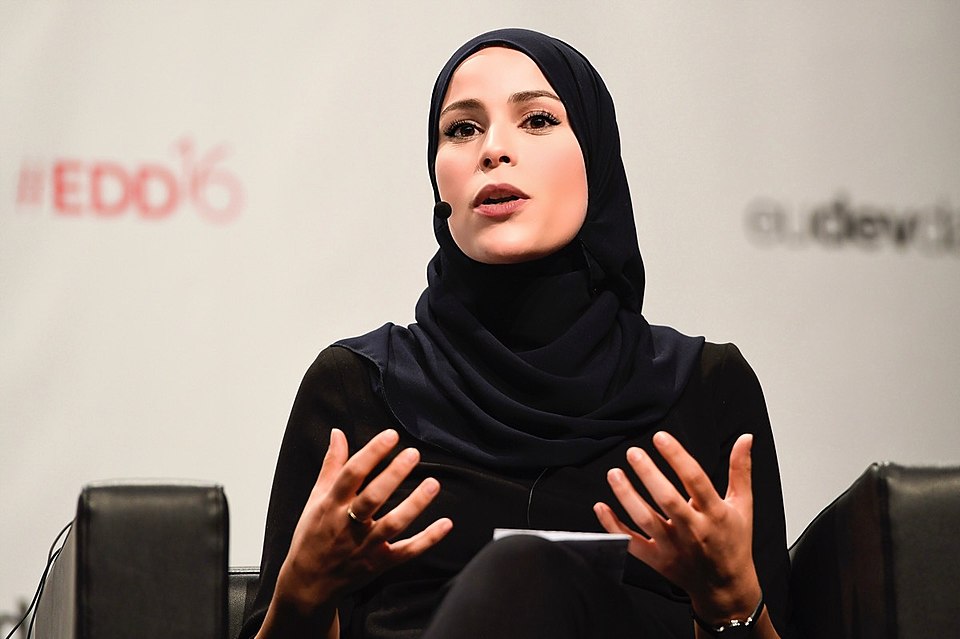
Alaa MurabitIn a society that prioritizes the rights, freedoms, power, and authority of men, women and girls are all too often pushed to the margins. Due to socio-cultural values and systems that view women as disposable and distill their contributions to society to their reproductive capacity, women experience disenfranchisement and inequality across sectors.
Background

Unfortunately, the North African country of Libya is not excluded from its involvement in gender disparities and violence. The U.N. reports that the most prominent obstacles to gender equality are:

  • “Women face high rates of unemployment due to the lack of recognition of their contribution to the economy.”
  • “Women are significantly underrepresented in politics, humanitarian response, conflict resolution and peacebuilding.”
  • Women and girls experience violence and the current legal framework does not have adequate resources to protect these communities from the various forms of gender-based violence.
  • Humanitarian and protection crises often impact the most vulnerable populations at disproportionate rates, including women.

Transforming Communities

With the knowledge of the harm so many girls and women encounter daily purely because of their gender and where they come from, activists have invested in transformative work focused on giving gender equity the platform it deserves, showcasing it as necessary to the protection and livelihood of women globally. Global Strategist and activist, Dr Alaa Murabit, has done just this.

As a Canadian-born woman of Libyan descent, Murabit, from a young age, has been focused on social justice. Her work now stems from organizations, programs, and initiatives worldwide centered on health, innovation, equity, security and peace. Indeed, as the founder of Voice for Libyan Women, Murabit has first-hand experience in global policy and programs invested in gender equity, sustainable development, and more.

A Voice to be Heard

Dr Murabit founded the Voice of Libyan Women (VLW) in 2011, when she was 21. Having established the organization in response to the Libyan Revolt of 2011, Murabit described the VLW as a women’s rights organization that focuses on peace and security.

With this vision, the youth-led group invited girls and women of all backgrounds to radically imagine a different Libya where they were a part of political participation. These women envisioned gender equity by increasing political participation, economic empowerment and speaking out against gender-based violence.

In an article she wrote for New America Weekly and Yes! Solutions Journalism, Dr Murabit shared why it was so imperative to adopt a dialogue-driven approach for VLW. She writes, “It hands the community words and tools to fight against violence, poverty, fear, and corruption—weapons of strength and self-actualization. It offers youth weapons of peace against an enemy that wants to drag them into war.” This approach not only empowers girls and women, allowing them agency and the opportunity to use their voices towards social change, but also prioritizes dialogue as integral to international peace.

Supporting Rising Leaders

In addition to the Voice of Libyan Women, Dr Murabit is one of the founding leaders of The NewNow. Similar to the VLW, through collective action, The NewNow “tackles the world’s toughest challenges by amplifying, supporting, and developing” rising leaders. With a vested focus on the Global South, the mission of the organization includes:

  • Amplifying and supporting the voices of young leaders in their commitments to global transformation.
  • Challenging the status quo.
  • Sharing knowledge and approaches fostering “systems-thinking.”

As much of Murabit’s work illustrates, the perspective and methodology of The NewNow interrogates the systems of power that make up our society and cultures. Furthermore, by analyzing the disparities that emerge from these structures, leaders are better able to understand how the obstacles and challenges that foster poverty, climate change, racial discrimination, gender inequality, etc., are interlocking and interconnected.

Through a grassroots approach, the nonprofit empowers and supports young people in their mission to cultivate a sustainable, equitable future.

There is No Future Without Women

In a 2023 keynote speech for One Young World Manchester, Dr Murabit stresses the expansive effect and reach of devaluing women and girls. She says, “We cannot resolve poverty if women cannot access a bank account. […] And, we cannot build beyond COVID-19 or build back from it if women and girls don’t have access to health care.”

This exclusion and devaluing of women extends far beyond a so-called “single issue” or “women’s issue.” Gender inequality permeates all facets of life, shaping our socio-cultural, political, and environmental landscape. It is a matter of human rights and survivability.

The Future

Through her work, Dr Murabit asks of herself and of us, “Are you leveraging your sphere of power to create justice and opportunity and space for others?” Dr. Murabit is not the only one in this work. Indeed, worldwide, every day, people are taking action and speaking out to fill the gaps of disparity. Every day, human rights and our collective survival are at stake. And, voices speaking out against injustice have the power to make a lasting impact.

– McKenzie Rentie

McKenzie is based in Dallas, Texas, USA and focuses on Celebs and Politics for The Borgen Project.

Photo: Wikimedia Commons

September 4, 2025
https://borgenproject.org/wp-content/uploads/borgen-project-logo.svg 0 0 Lynsey Alexander https://borgenproject.org/wp-content/uploads/borgen-project-logo.svg Lynsey Alexander2025-09-04 07:30:142025-09-04 03:31:32A Voice for Gender Equity: Spotlighting Dr Murabit
Child Marriage, Global Poverty, Women and Female Empowerment

Addressing Child Marriage in Guatemala  

Child Marriage in GuatemalaChild marriage in Guatemala is a serious issue that has devastating repercussions for young girls. Education is no longer seen as a priority, so often girls are forced to leave school early. Without adequate support or oversight, many face mental, physical and sexual abuse. Their underdeveloped bodies, combined with a reliance on homebirths, leave both young mothers and their infants at a heightened risk of maternal and infant mortality. Reducing and ultimately eradicating child marriage is therefore a crucial step in safeguarding girls’ futures.

Thankfully, Guatemala banned child marriage in 2017. This legislation and the continued work of both global and local organizations have already helped protect many vulnerable girls. However, despite the recent ban, Girls not Brides found that, as of 2022, 30% of young girls in Guatemala are still victims of child marriage. There are multiple and complex reasons for the continuation of such a damaging practice.

Key Factors Behind the Persistence of Child Marriage in Guatemala

  1. Rural Areas Make Monitoring Difficult: There are numerous tight-knit communities in Guatemala that are extremely rural and so informally govern themselves. Many communities still support child marriage; to avoid monitoring and legal consequences, they hold unofficial unions. The indigenous Maya community, who often live in rural areas, experience higher rates of child marriage than the rest of the country.
  2. COVID-19: Governments across the world struggled to monitor vulnerable children during the COVID-19 pandemic. This led to a worldwide increase of 10 million additional girls susceptible to child marriage.
  3. Poverty: In 2020, 68% of Guatemalan children were living in poverty. Many families use dowries to ease their situation, while at the same time reducing the number of mouths to feed. Some girls, desperate to escape their destitute home lives, choose to marry while still young. They hope marriage will offer a more stable and secure life, unaware of just how vulnerable it can leave them.
  4. Teenage Pregnancies: Due to lack of sex education, pregnancy among adolescent Guatemalans is fairly common. Between January 2020 and December 2020, there were 99,656 recorded teenage pregnancies in Guatemala. Many families hold traditional values, so they believe their daughters should be married immediately if they are pregnant. This often overlooks the circumstances under which the pregnancy occurred, placing young survivors of rape in particularly harmful and unjust situations.

Efforts to Eradicate Child Marriage in Guatemala

Although there are still many issues that need to be addressed when tackling child marriage in Guatemala, the country is heading in the right direction. UN Women, UNFPA and UNICEF are working to reduce the number of young Guatemalan brides. They are implementing a Regional Program in the Latin American and Caribbean region. These organizations are currently focusing on Colombia, Mexico, Guatemala, El Salvador and the Dominican Republic. They aim to raise awareness of child marriage and its harmful effects on young people, while also empowering young girls and providing opportunities for them to build a better future for themselves.

There is also the Women’s Justice Initiative (WJI), a Guatemalan-based organization founded in 2011, that is dedicated to combating gender inequality and ending violence against women and girls, especially in rural communities. They run multiple programs to help Guatemalan women and girls. These include:

  • Legal Services: They offer free, legal support to women and girls in a variety of vulnerable positions such as domestic abuse, child marriage and divorce.
  • The Women’s Rights Education Program: It is a three-month program educating women on topics related to women’s issues. This includes property rights and domestic and sexual violence.
  • The Adolescent Girls Program: The Adolescent Girls Program is a six month course to teach girls about their rights, female empowerment and to provide them with leadership skills so that they have more opportunities open to them in the future.
  • The Community Advocates Program: This program provides Maya women with the knowledge and skills to transform their community firsthand. They begin by taking part in a two-year training program, where they deepen their understanding of women’s rights and develop leadership skills. With this knowledge, they go on to support, educate and guide other Guatemalan women and girls.

Looking Ahead

The WJI has had an astounding impact in helping to reduce child marriage in Guatemala. While larger organizations, such as the U.N., can influence the country (and region) as a whole, smaller ones like WJI work face-to-face in remote and often overlooked communities. By addressing child marriage in these hidden, hard-to-track areas, they gradually dismantle the problem at its roots. For many Maya women in rural areas, this organization is the only way for them to seek support.

With varied and determined organizations at the forefront of tackling women’s and girls’ issues in Guatemala, child marriage is slowly but steadily declining. It is the work of individuals that can and will bring an end to child marriage in Guatemala.

Until Guatemala completely eradicates child marriage, the fight continues. WJI makes a meaningful difference in the lives of vulnerable women and girls.

– Lysia Wright

Lysia is based in Derby, UK and focuses on Global Health for The Borgen Project.

Photo: Wikimedia Commons

September 3, 2025
https://borgenproject.org/wp-content/uploads/borgen-project-logo.svg 0 0 Jennifer Philipp https://borgenproject.org/wp-content/uploads/borgen-project-logo.svg Jennifer Philipp2025-09-03 07:30:312025-09-02 14:27:11Addressing Child Marriage in Guatemala  
Global Poverty, Health, Women

Guam Fights Maternal Mortality Through Guahan Doula Project

Guahan Doula ProjectThe maternal mortality rate in Guam (a U.S. island territory in Micronesia) is high, mainly due to the lack of obstetric care available on the island. As of 2021, the maternal mortality rate in Guam was 30.4 per 1,000 births. An extreme lack of OBGYN providers is believed to be the cause of the high mortality rates for mothers. The Guahan Doula Project seeks to rectify this gap in care by providing a program in which women can become certified as doulas and assist in pregnancy care.

Lack of Access to Hospitals Restricts Medical Care

Guam has only three hospitals, one of which is located on the Guam Naval Base, which exclusively provides care to those serving and their families. The Guam Regional Medical City, located in Dededo, is a private hospital. This leaves only one public hospital, Guam Memorial Hospital in Tamuning, where most people in Guam can obtain medical care. It is also the only hospital with a labor and delivery wing.

Those residing in the southernmost parts of the island face up to an hour-long drive to the Guam Memorial Hospital. If there are any complications during labor and delivery, the distance may increase the odds of fatality for the mother or baby.

Due to the difficulties accessing health care, the Health Resources and Services Administration deems Guam a Medically Underserved Area. Specialized care, such as obstetrics, is even harder to access. More than half of maternity-related deaths are due to hemorrhage and pregnancy-induced high blood pressure. Both are less likely to be fatal with routine, preventative doctor visits.

Provider Shortages

According to OBGYN Dr. Tom Shieh, there are only 6.5 OBGYNs left to handle the delivery of the roughly 250 babies born monthly. This shortage of medical professionals, coupled with the lack of hospitals, undoubtedly increases maternal mortality in Guam.

Guam, with a population of 167,777, has only 6.5 practicing OB-GYNs—far too few to adequately meet the needs of expecting and delivering mothers.

Guahan Doula Project

Bill 318-47 seeks to address the maternal mortality in Guam through certifying doulas. The bill proposes allocating $400,000 to the Bureau of Women’s Affairs’ Guahan Doula Project. Doulas can provide pregnancy care to help fill the gap that the lack of OBGYNs and gynecologists leaves. There are 13 doulas in Guam as of February 2025, but that number would surely increase if the bill passes.

Doulas are not licensed medical professionals in the same way that doctors are. However, they provide support and knowledge of the birthing process that has been proven to reduce maternal mortality rates, shorten labor times and reduce emergency cesarean sections.

More doulas would offer more possibilities of access to care than the Guam Memorial Hospital does alone. Practices can be set up anywhere and don’t need to be based in a hospital. This allows more women the opportunity to receive some pregnancy care before, during and after birth.

Doulas Supplement Maternal Care

Increasing access to prenatal and postnatal care will decrease the rates of maternal mortality in Guam. Medical problems that may prove fatal are more likely to be caught and treated if the expectant woman can be seen by a provider regularly.

– Sydney Uhl

Sydney is based in Vancouver, WA, USA and focuses on Good News and Technology for The Borgen Project.

Photo: Pixabay

August 24, 2025
https://borgenproject.org/wp-content/uploads/borgen-project-logo.svg 0 0 Lynsey 2 https://borgenproject.org/wp-content/uploads/borgen-project-logo.svg Lynsey 22025-08-24 20:49:322025-09-18 07:24:00Guam Fights Maternal Mortality Through Guahan Doula Project
Page 6 of 84«‹45678›»

Get Smarter

  • Global Poverty 101
  • Global Poverty… The Good News
  • Global Poverty & U.S. Jobs
  • Global Poverty and National Security
  • Innovative Solutions to Poverty
  • Global Poverty & Aid FAQ’s
Search Search

Take Action

  • Contact Your Leader
  • Donate
  • 30 Ways to Help
  • Volunteer Ops
  • Internships
  • Courses & Certificates
  • The Podcast
Borgen Project

“The Borgen Project is an incredible nonprofit organization that is addressing poverty and hunger and working towards ending them.”

-The Huffington Post

Inside The Borgen Project

  • Contact
  • About
  • Financials
  • President
  • Board of Directors
  • Board of Advisors

Get Smarter

  • Global Poverty 101
  • Global Poverty… The Good News
  • Global Poverty & U.S. Jobs
  • Global Poverty and National Security
  • Innovative Solutions to Poverty
  • Global Poverty & Aid FAQ’s

Ways to Help

  • Contact Your Leader
  • Donate
  • 30 Ways to Help
  • Volunteer Ops
  • Internships
  • Courses & Certificates
  • The Podcast
Scroll to top Scroll to top Scroll to top