Pregnancy Crisis in Gaza
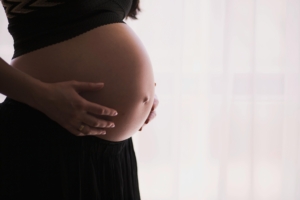
A lack of access to food, water, medical care and safety has brought on the pregnancy crisis in Gaza. Since October 7, 2023, thousands of women have been at risk in every stage, including during pregnancy, childbirth and the postpartum period. Hospitals along the Gaza Strip, including in its biggest cities like Rafah and Khan Younis, have been facing severe bombings and shortages of every kind, from fuel to food to trained medical staff. The ongoing pregnancy crisis in Gaza has made carrying a healthy pregnancy to term nearly impossible.
International humanitarian organizations such as Doctors Without Borders, the United Nations (U.N.), Project HOPE and many more have aided women in Gaza. However, they are currently facing difficulties due to a blockade. Without the necessary aid, thousands of pregnant women in Gaza are at risk of starvation, infection and complications.
Facts About the Pregnancy Crisis in Gaza
- There are an estimated 55,000 pregnant women in Gaza, according to the United Nations Population Fund (UNFPA). Approximately 11,000 of those women are at risk of famine. One in three pregnancies is now considered high risk. One in five babies is born prematurely or underweight. It is estimated that 17,000 pregnant women will need to be treated for malnutrition within the following year.
- Postpartum hemorrhage is one of the leading causes of death among pregnant women in Gaza. Due to a lack of accessible medical care, most pregnant women do not receive prenatal checkups, which are essential for monitoring the health of both the fetus and the mother. Without access to the care they need, expectant mothers in Gaza are unable to detect conditions like preeclampsia and eclampsia, both of which can lead to postpartum hemorrhage.
- According to Human Rights Watch, as of January 2025, only seven of the 18 remaining functioning hospitals along the Gaza Strip offer emergency obstetric and newborn care. Out of 11 field hospitals, only four offer obstetric and newborn care. This has led to encampments becoming impromptu birthing centers. These centers lack trained medical personnel and adequate resources to support a healthy birth. Without a secure birthing place available, pregnant women are at risk of severe infection during childbirth.
- Since October 7, 2023, the rate of pregnant women miscarrying in Gaza has risen 300%, according to the International Planned Parenthood Foundation. About 15% of pregnant women in Gaza require emergency obstetric care to maintain a healthy pregnancy.
- Currently in Gaza, 15% of babies born require intensive care. Recent formula shortages and a lack of adequate food for the expectant mothers have caused that number to increase rapidly. It is estimated that 71,000 children in Gaza will need to be treated for malnutrition within the next 11 months.
- Several humanitarian organizations have been doing everything they can to provide aid to the women of Gaza. However, they have been facing difficulties due to a blockade. Within the two months of the ceasefire, UNFPA estimates that it reached 146,000 women and girls with reproductive health services. Project HOPE established three antenatal clinics in Gaza, treating women for malnutrition, hepatitis, miscarriage and other afflictions.
Conclusion
Due to the ongoing war, Gaza’s infrastructure has been destroyed, including the remaining hospitals in Rafah and Khan Younis, further worsening the current pregnancy crisis in Gaza. With support from UNFPA and Project HOPE, the current humanitarian crisis and its effects can be reversed.
– Zoe Alatsas
Zoe is based in Brooklyn, NY, USA and focuses on Global Health and Politics for The Borgen Project.
Photo: Pexels
