• Link to X
  • Link to Facebook
  • Link to Instagram
  • Link to TikTok
  • Link to Youtube
  • About
    • About Us
      • President
      • Board of Directors
      • Board of Advisors
      • Financials
      • Our Methodology
      • Success Tracker
      • Contact
  • Act Now
    • 30 Ways to Help
      • Email Congress
      • Call Congress
      • Volunteer
      • Courses & Certificates
      • Be a Donor
    • Internships
      • In-Office Internships
      • Remote Internships
    • Legislation
      • Politics 101
  • The Blog
  • The Podcast
  • Magazine
  • Donate
  • Click to open the search input field Click to open the search input field Search
  • Menu Menu

Archive for category: Technology

Information and stories about technology news.

Global Poverty, Technology

Google Leads the Digital Charge With Tech Jobs for 20,000 Nigerians

Tech Jobs
On June 26, 2023, Nigeria’s Vice-President, Kashim Shettima, announced plans to create 1 million tech jobs. Media outlets did not see fit to report this development, presumably because brazen government targets are neither uncommon nor guaranteed to come to pass. 

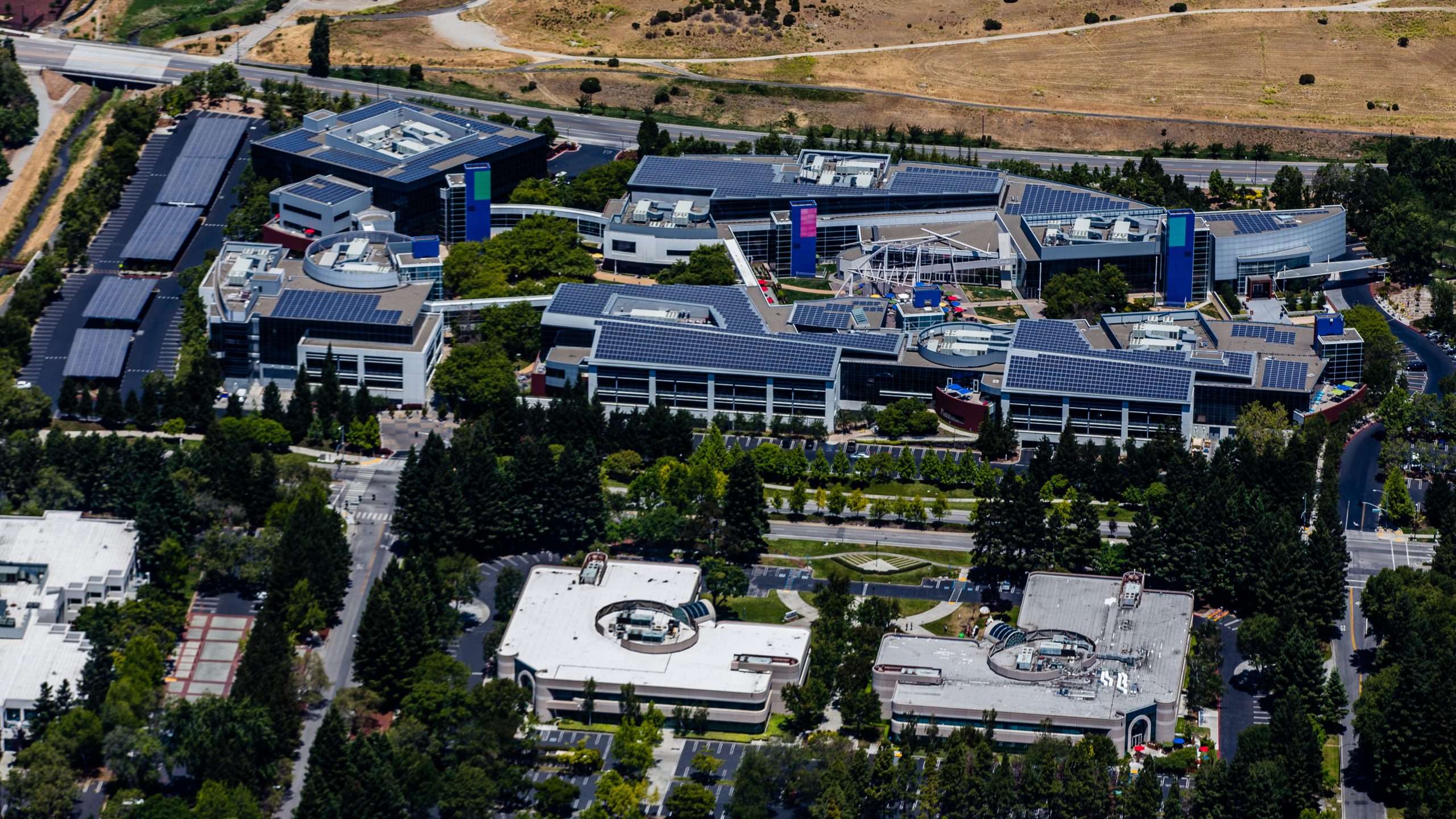
Fast forward to August 2023, and global tech giant Google has joined the digital charge. Committed to Shettima’s vision, Google’s Director for West Africa, Olumide Balogu, pledged to equip 20,000 Nigerian women and young people with digital skills on behalf of the U.S. firm. A $1.6 million payment is also set to go directly to the Nigerian government to help make Shettima’s vision a reality. 

A Step in the Right Direction

There are a plethora of potential advantages of the scheme, ranging from enriching individual lives to boosting Nigeria’s Gross Domestic Product (GDP) to promoting a global economy. 

  • Harnessing Potential: Vice-President Shettima spoke out about the significance of Nigeria’s young demographic. “Seventy-five percent of Nigerians are below the age of 35,” he said, going on to stress the “unique position” Nigeria is in to bring talent to the world “because ours is a young nation.” For perspective, the median age in the U.S. is 38.9 years. With such a young pool of talent to draw from, tapping into Nigeria’s young population would unlock the budding potential of an oftentimes overlooked nation.
  • Poverty Reduction: Google is a colossus in the corporate realm and has great influence as a result. Publicly investing in Nigeria’s technology sector paves the way for other multinational corporations to follow suit. Google is not a nonprofit. In fact, profit motivates it. Alphabet, Google’s parent company, generated $282.836 billion in revenue in 2022 alone. It can therefore be safely assumed that the U.S. firm has seen the mutual benefit of having a foothold in Nigeria. Google has a new pool of employees and consumers to draw from, Nigeria sees GDP growth as a result, and Nigerians are equipped with the digital skills necessary to lift them out of poverty.
  • Embracing a Digitized World: Nigerian President, Bola Tinubu, expressed his willingness to support the digital development of Nigeria. “You have answered our call on digital innovation and to help our youths,” Tinubu told the visiting Google executive. Corruption plagued Nigeria’s development. A PWC study found that “corruption in Nigeria could cost up to 37% of Gross Domestic Products (GDP) by 2030.” With the world watching, Nigeria’s willingness to embrace a digitized world is certainly a step in the right direction.

A Realistic Project?

At this stage, no clear timeframe has been laid out by either Google or Nigerian officials for the scaling up of tech jobs in the region. Such uncertainty runs the risk of bold targets never coming to fruition. For a developing nation like Nigeria, a burgeoning technology sector would transform lives. It is important that Nigerians do not fall victim to false or propagandist promises. 

Looking Forward

With Google at the helm and a Nigerian government committed to development, the partnership has the promise to not only grow the digital sector but transform Nigerian life prospects. At present, the World Bank estimates place as many as four in 10 Nigerians below the poverty line. It may transpire that most of these individuals are not funneled into tech jobs, or reached at all by the scheme. However, a collaboration with Google sets the cogs in motion for changing the narrative — one citizen at a time. 

– Imogen Townsend
Photo: Unsplash

October 20, 2023
https://borgenproject.org/wp-content/uploads/borgen-project-logo.svg 0 0 Yuki https://borgenproject.org/wp-content/uploads/borgen-project-logo.svg Yuki2023-10-20 01:30:482023-10-16 14:50:24Google Leads the Digital Charge With Tech Jobs for 20,000 Nigerians
Global Poverty, Technology

How Karya is Helping Alleviate Poverty in India 

Karya is Helping Alleviate Poverty in India
India is a developing country in Asia that has a complicated and vast financial history. For many centuries, India has struggled with poverty. From pre- to post-independence, India has seen much struggle and growth. To this day, India has one of the fastest-growing economies. Like many other countries, parts of India struggle more than others. Regional disparities are common in India and create economic gaps. Many organizations have been focusing on closing these gaps and targeting the less developed locations in India. Karya is a foundation focused on advancing citizens’ economic status in India. The foundation uses technology to create economic opportunities and promote growth. Karya is helping alleviate poverty in India.

The Karya Foundation 

The Karya Foundation launched in 2021 to create a better India. Co-founders Manu Chopra and Vivek Seshadri saw the opportunity to change lives with technology. The foundation uses data cooperation to generate money for the citizens of India. 

The Karya Foundation believes everyone deserves access to the skills, resources and opportunities that lead to a happy and fulfilling life. Living in poverty means there are few education opportunities. In India, the rural workforce needs more education to succeed in their professions. Karya pointed out that the rural workforce in India has less than 5% of its workers adequately trained and skilled. Fixing this statistic was Karya’s first step to alleviating poverty in India. As a result, it created an app.

How the App Works to Alleviate Poverty in India

Anyone who owns a smartphone can utilize the Karya app. Karya is an entirely digital tool used from anywhere, even without the internet. All someone has to do is speak their native language on the app. Karya captures this data and breaks it down. The data is then validated and synthesized into high-quality sets. These sets get sold to tech companies, and Karya receives profit. Karya prides itself in giving back the majority of this profit to the sender. The app helps Indians profit instead of big tech companies who hold most of the money. The app connects technology with innovation to transform people’s lives.

Karya prioritizes communities living below the poverty line to ensure the app reaches those who need it most. Developing communities in India are overlooked regarding economic opportunities, but Karya gives them a chance. 

The app is a stepping stone for people. It has a cut-off of $1,500, which gives Indians the economic stability they need. Karya gives Indians the financial opportunity to create a better life for themselves. The app is changing the world for the better.

The Impact 

Although a new technological advancement, Karya is already alleviating poverty in India. The hourly wage in India is about $2.14. Karya pays its employees a minimum of $5 per hour. On top of that, Karya employees make a profit anytime someone uses their recordings. This increase in economic opportunity helps alleviate poverty in India by allowing citizens to access more resources and advance their lives. 

Since the start of Karya, Indians have completed 30 million paid digital tasks. These came from more than 30,000 workers who utilized the app’s opportunities. Karya has partnered with amazing organizations like the Bill & Melinda Gates Foundation, Bloomberg, Microsoft Research and many more. More than 100 districts in India have used Karya. In the upcoming years, this outreach is bound to expand.

Moving Forward

Karya continues to expand and reach new parts of India. The foundation is still working on clearing all citizens’ paths to gain economic stability. With organizations like Karya, people can make a change. With a vision and a dedicated staff, much good can happen. New languages and data sets are updated frequently on the website to reach new opportunities. Karya is raising awareness around poverty in India and making a difference in the world. The foundation looks to be an industry leader in ethical data collection today and in the future.

– Madison Rogers
Photo: Flickr

October 10, 2023
https://borgenproject.org/wp-content/uploads/borgen-project-logo.svg 0 0 Jennifer Philipp https://borgenproject.org/wp-content/uploads/borgen-project-logo.svg Jennifer Philipp2023-10-10 01:30:092024-05-30 22:32:24How Karya is Helping Alleviate Poverty in India 
Global Poverty, Technology

How Technology is Reducing Poverty in Mozambique

Reducing Poverty in Mozambique
The southern African nation Mozambique stretches across the Indian Ocean coastline, hosting picturesque beaches and crystal-clear waters. Yet, despite the beautiful nature of this country, the extreme poverty rate is prevalent in Mozambique. Roughly 62% of the population is multidimensionally poor, about 21 million people. However, there is hope, with the extreme poverty rate projected to decrease to 57% by 2025. The assistance of technology is making reducing poverty in Mozambique a reality.

The Situation

Over the past five years, there has been an obvious increase in poverty rates in Mozambique. With a crisis generated by decreasing foreign direct investment, military attacks and natural disasters, it is not hard to see why Mozambique is struggling. The discovery of hidden debts incurred by the government in 2013 led to a retraction of foreign aid, food price spikes and a reduction in household consumption. This multiplier effect has led to the number of Mozambicans living in extreme poverty increasing by 55% to 60%. 

How Mozambique’s Digital Transformation Has Helped

Mozambique’s digital transformation has developed hugely since 2020, yet still only 21.7% of the population are internet users as of 2021. However, the percentage of people who have internet access has more than doubled from 15 to 32% between 2015 and 2021. COVID-19 aided companies to move to these online platforms and remain sustainable, being further supported by the World Bank, which offered Mozambique a $150 million grant to support the Digital Governance and Economy Project. The project intends to improve digital business opportunities and public services to provide job opportunities and increase the quality of life for Mozambicans. This is just one of the examples of the many initiatives using technology to reduce poverty in Mozambique. 

Another impressive initiative using technology to aid poverty in Mozambique is the Mozambique Digital Acceleration Project. The project is a collaboration between the Government of Mozambique and the World Bank Group to ensure Mozambicans are able to access the internet and increase their earning potential. The goals include the expansion of mobile broadband networks to cover more than 2 million people in deeply rural areas, free public Wi-Fi access points, policy reforms in the telecom sector and investments in the core digital infrastructure. 

Barriers to Reducing Poverty in Mozambique

However, there are major barriers to technology reducing poverty in Mozambique. The high cost of devices, unfamiliarity with the Internet and a low (48%) literacy rate obstruct Mozambicans from achieving technological advancement. Limited access to electricity and financial services alongside the emerging mining projects that continue to drive ICT infrastructure investments disadvantage many rural areas. 

Ultimately, these technological improvements will be life-changing for many Mozambicans. Increased digitization of the economy will pave the way for a more empowered and resilient country. The International Telecommunications Union estimates that every 10% increase in mobile broadband penetration in Africa leads to an additional 2.5% growth in GDP per capita. The positive multiplier effects of implementing technology will be endless, helping to move the economy away from natural resource extraction, expanding opportunities for business development and even providing better warnings of natural disasters. 

– Gracie Gobat
Photo: Flickr

September 9, 2023
https://borgenproject.org/wp-content/uploads/borgen-project-logo.svg 0 0 Lynsey Alexander https://borgenproject.org/wp-content/uploads/borgen-project-logo.svg Lynsey Alexander2023-09-09 07:30:372023-09-05 13:40:27How Technology is Reducing Poverty in Mozambique
Education, Global Poverty, Technology

Education Technology Solutions: Bridging the Global Education Gap

Education TechnologyAs the world continues to grapple with persistent inequalities in access to quality education, the emergence of innovative education technology (EdTech) offers renewed hope for bridging the global education gap. Socioeconomic disparities and geographical barriers continue to undermine the universal right to education, leaving a vast number of children and youth out of school. EdTech solutions, including diverse initiatives such as open online courses and interactive digital learning platforms, have begun to demonstrate their potential to make education more accessible and widen the scope of high-quality learning opportunities across the globe.

The Global Education Gap: EdTech as a Solution

According to UNESCO, more than 258 million children and youth were out of school in 2019. This figure represents a significant hindrance to global development, worsening both poverty and inequality. Therefore, bridging this gap is an urgent global priority that demands immediate and comprehensive interventions.

In response to this pressing need, EdTech has emerged as a potential game-changer for education across the globe. These technologies include an array of educational initiatives ranging from open online courses to interactive digital learning platforms. Not only do these platforms make learning more engaging and personalized, but they also hold the potential to make education more accessible. In overcoming physical, social and economic barriers, bridging the education gap becomes more attainable.

The Interplay of EdTech and Poverty Alleviation

Beyond its potential in education, EdTech is playing a crucial role in poverty reduction. When efficiently incorporated into educational systems, technology can empower individuals and communities, ultimately enabling social mobility. The World Bank affirms that EdTech can foster economic transformations by shifting toward knowledge-based models. These models are not only more sustainable but also foster equitable growth in the long run. 

Ensuring Inclusive Adoption of EdTech

While the adoption of education technology is rapidly gaining momentum, it’s crucial to ensure that these advances do not inadvertently exacerbate existing inequalities. To maximize the potential benefits of EdTech, there is a pressing need for a coordinated, holistic approach. Governments, NGOs and private sectors must collaborate to ensure that these technologies are accessible and beneficial to all learners, preventing the emergence of a digital divide in education.

EdTech in Action

Taking the digital leap, programs like Samsung’s Smart Class are playing a pivotal role in rural India. Samsung India’s initiative provides classrooms with Wi-Fi and necessary training for teachers to effectively employ advanced digital tools like interactive Smartboards, laptops and tablets. The result is a noteworthy increase in student engagement and comfort with technology. On the African continent, two significant projects, BraceKids and Africa Code Week, are introducing coding to hundreds of thousands of children. These programs provide programming language workshops, equipping young minds with important digital skills for the future.

Efforts are also underway to promote diversity in tech education. Nonprofits like Rails Girls, founded in Finland, offer worldwide training in basic programming, sketching and prototyping to encourage women to engage with technology. Another example of this is with the Ministries of Education, which is exploring virtual reality (VR) for classrooms, globally. In Singapore, the Rails Girls is partnering with a local company to create virtual field trips, meant to supplement, not replace, traditional learning. Early results show students’ insights have improved with this tool. These initiatives exemplify the potential of EdTech in bridging the global education gap. By demonstrating how technology can help facilitate education and provide quality learning opportunities, these efforts shine a light on the path toward a more digitally inclusive educational future.

Education technology holds remarkable potential to bridge the global education gap and to fundamentally reshape the future of learning. However, the journey to realizing this vision is complex and requires meticulous planning and execution. Successfully rising to the challenge opens the path for EdTech to revolutionize the education landscape, extend learning opportunities to those previously left behind and make a significant contribution to global poverty alleviation efforts.

– Mari Caitlin Riggles 
Photo: Flickr

August 21, 2023
https://borgenproject.org/wp-content/uploads/borgen-project-logo.svg 0 0 Lynsey Alexander https://borgenproject.org/wp-content/uploads/borgen-project-logo.svg Lynsey Alexander2023-08-21 07:48:132023-09-01 03:56:15Education Technology Solutions: Bridging the Global Education Gap
Global Poverty, Poverty Reduction, Technology

4 Ways Blockchain Technology Aids Poverty Alleviation in Nigeria

Poverty Alleviation in NigeriaWith approximately 4 in 10 Nigerians living below the national poverty line, the “Giant of Africa” needs effective strategies to tackle these alarming rates and promote inclusive growth. In an era defined by rapid technological advancement, innovative solutions empower impoverished communities. Blockchain technology offers the potential to be one technological game-changer in the process of achieving poverty alleviation in Nigeria.

What is Blockchain technology?

Blockchain technology is a decentralized digital ledger that securely records transactions across multiple computers. It operates on a peer-to-peer network, where each transaction, or “block,” is linked to the previous one, forming an immutable chain. This technology ensures transparency, security and trust as all participants in the network have access to the same information, eliminating the need for intermediaries and enhancing efficiency.

4 Ways Blockchain Technology Helps Poverty Alleviation in Nigeria

  1. Advancements in Financial Inclusion: Initiatives such as “Project GIANT” by the Central Bank of Nigeria (CBN) aim to leverage blockchain technology to enhance financial inclusion in the country. Under Project GIANT, the CBN has partnered with financial institutions and technology companies to develop a blockchain-based solution for Know Your Customer (KYC) verification. KYC is a crucial process for accessing financial services, but it can be challenging for individuals in underserved areas who lack formal identification documents. By utilizing blockchain technology, Project GIANT enables individuals to create and manage their digital identities securely fostering sustainable change for poverty alleviation in Nigeria.
  2. Transparent Governance and Anti-Corruption Efforts: By implementing blockchain-based systems for public service delivery, procurement processes and records management, Nigeria can increase transparency and reduce corruption. This ultimately allows for an efficient utilization of public resources and poverty alleviation in Nigeria. One successful example is the “Abuja Electronic Government Records and Document Management System” (E-Records System) implemented by the Federal Capital Territory Administration (FCTA. Through the E-Records System, government agencies in Abuja can securely store and manage various types of documents, including land titles, property records, permits, licenses and official correspondences. The decentralized nature of blockchain ensures that no single entity can manipulate or falsify records, reducing the potential for corrupt practices.
  3. Secure and Transparent Social Programs: Using Blockchain’s transparency and tamper-resistant features, Nigeria can guarantee that aid reaches its intended beneficiaries, minimizing leakages and improving the effectiveness of poverty alleviation in Nigeria. The “Building Blocks” initiative by the World Food Programme (WFP) was piloted in collaboration with the government of Nigeria and focused on providing food assistance to vulnerable populations, particularly internally displaced persons (IDPs) affected by conflict. WFP currently distributes food and money (including mobile-phone-based transfers) to 1.2 million people each month in Yobe, Adamawa and Borno. They profited off blockchain technology to improve the delivery of food assistance by enhancing transparency, reducing fraud and ensuring aid reached the intended beneficiaries.
  4. Access to Funding and Investments: Blockchain-based crowdfunding and tokenization platforms can democratize access to funding and investments. Entrepreneurs, including those in underserved areas, can showcase their ideas and projects to a global pool of investors, potentially attracting financial support for business ventures that can generate employment and economic growth. One notable example is the Nigerian “Farmcrowdy” platform that connects small-scale farmers with investors through a blockchain-based crowdfunding model. The platform enables individuals to invest in various agricultural projects, such as poultry, crop farming and fish farming, by providing funds for inputs, equipment and other farming needs. The impact on poverty alleviation in Nigeria has been significant, with farmers’ incomes increasing by an average of 50% per hectare in two years after registration and 500,000 new jobs in the areas of processing, transport and warehousing and cooling.

A Positive Impact

Overall, Blockchain technology presents a transformative opportunity for Nigeria to alleviate poverty and achieve sustainable development. It’s a promise of progress that can boost the Nigerian economy by $29 billion by 2030. While it continues to evolve and demonstrate its potential, its impact on Nigeria’s development and poverty alleviation efforts can inspire other nations to explore and adopt similar solutions tailored to their specific contexts and challenges.

– Miriam Schuller
Photo: Pixabay

August 20, 2023
https://borgenproject.org/wp-content/uploads/borgen-project-logo.svg 0 0 Lynsey Alexander https://borgenproject.org/wp-content/uploads/borgen-project-logo.svg Lynsey Alexander2023-08-20 15:00:172024-05-30 22:32:144 Ways Blockchain Technology Aids Poverty Alleviation in Nigeria
Global Poverty, Human Trafficking, Technology

The Role of Technology in Human Trafficking

Technology in Human Trafficking
For years, technology has pervaded trafficking spaces as a dangerous tool that traffickers use for surreptitious recruitment, advertisement and exploitation of victims. With reports illustrating the online inventories traffickers utilize to exhibit their victims as commodities that others can purchase and exploit, it is evident that the role of technology in human trafficking is one that provides perpetrators with an unsettling advantage. There is a strong link between poverty and human trafficking as traffickers often target the most vulnerable, marginalized and impoverished people.

How Traffickers Utilize Technology

The threatening reach of perpetrators even extends to children. According to the Shiva Foundation, online demand depicts that there could be as many as 750,000 users across the globe seeking to sexually exploit children online. Social media also plays a role in enabling traffickers to target, contact and lure potential victims into exploitative deals, as indicated by the 2018 United Nations Office on Drugs and Crime (UNODC) Global Report on Trafficking in Persons.

In addition, GPS software in phones, alongside video surveillance and live streaming technology, assists perpetrators in keeping constant control of their victims’ movements. Furthermore, post-captivity, victims who have permanent images and reminders of their sexual exploitation etched in the online space may struggle with recovery.

The Role of Technology in Human Trafficking Amid COVID-19

The virtual recruitment of trafficking victims has become significantly more prevalent with time, as outlined by the Global Initiative Against Transnational Organized Crime. Particularly, following the global outbreak of COVID-19 in 2020, people around the world began relying on technology and social media to interact with others amid social distancing protocols. During this time, traffickers used online social media platforms to lure victims. This danger rendered offenders more difficult to trace to a concrete physical location.

In Save the Children’s 11th edition of the report “Little Invisible Slaves,” which documents child trafficking, the organization highlighted that, in 2020, Western and Southern Europe noted the highest number of confirmed child trafficking cases globally—a total of 4,168 child victims. Furthermore, numerous cases involved the sexual exploitation of young women, with 27.5% of incidents hailing from Tunisia. The report also marked a rise in the cases of trafficked women with children, primarily from Nigeria, which rose to 12% in 2020 in contrast to 6% in 2016.

In 2020, the National Human Trafficking Hotline in the U.S. saw a “125% increase in reports of recruitment into trafficking through Facebook and a 95% increase in reports of recruitment on Instagram compared to the previous year.” Considering this link between technology and human trafficking, the National Human Trafficking Hotline reports the “internet as the top recruitment location for all forms of trafficking.”

The Positive Role of Technology in Human Trafficking

While social media can be a dangerous space for traffickers to gather intel on and recruit victims, it can also be beneficial in raising awareness, informing and educating the general populace on the issue. Technology plays a crucial role in undercutting human trafficking through techniques such as data aggregation, which refers to the synthesis of relevant online trends. For instance, in 2022, Thomas Reuters collaborated with the Organization for Security and Cooperation in Europe (OSCE) to examine whether an online demand exists for the exploitation of particularly vulnerable groups, such as Ukrainian women facing the impacts of the conflict in Ukraine.

The results of their investigation pointed to a spike of up to 300% in online interest in the sexualization of Ukrainian women following Russia’s invasion of Ukraine in 2022. As Ukrainian women face high risks of becoming victims of trafficking n their attempts to escape wartime strife, this illustrates the necessity of technology and data aggregation in identifying online trends and in victim identification.

Moreover, through the use of data analysis and aggregation to pinpoint vulnerable groups, technology can provide a platform for the launching of campaigns that promote safety and spread awareness. Notably, in light of the increased risk of trafficking for Ukrainian women, the OSCE and Thomson Reuters launched the “Be Safe” campaign in 2022. The online awareness campaign targeting Ukrainians critically outlines warning signs of trafficking, minimizes the risk and guides potential victims to local sources of assistance.

Using Technology in Anti-Human Trafficking Efforts

Love Justice International, funded by the United Nations Voluntary Trust Fund for Victims of Human Trafficking (UNVTF), uses technology to intercept trafficking situations. “By combining its own data on previous potential victims with road network graphs from OpenStreetMap (a collaborative open-source geographic database), [Love Justice International] has created route heatmaps showing the road segments that are likely to be most heavily used for human trafficking in certain areas,” the UNODC website explains.

Love Justice International establishes transit monitoring stations to identify potential victims of trafficking and intervene before the trafficking occurs. In 2006, the organization began its human trafficking interception work at the border of India and Nepal and in Bangladesh. Since then, it has established transit monitoring sites in several countries with high human trafficking rates. In 2022, monitoring extended to Romania, Moldova, Ethiopia, Ecuador, Burundi, Mexico and Indonesia. Love Justice International now has 78 transit monitoring sites and has intercepted more than 46,000 potential victims of trafficking. The organization’s trafficking work has led to more than 1,300 arrests.

In July 2023 in a video message published on the UNODC website, Ghada Waly, executive director of the UNODC, says, “To protect people, we need to protect digital spaces from criminal abuse.” Exploring the role of technology in human trafficking shows that technology does provide certain advantages to traffickers. However, as seen in the activities of Love Justice International and other organizations, technology also plays a significant role in efforts to combat human trafficking.

– Katrina Girod
Photo: Flickr

July 21, 2023
https://borgenproject.org/wp-content/uploads/borgen-project-logo.svg 0 0 Kim Thelwell https://borgenproject.org/wp-content/uploads/borgen-project-logo.svg Kim Thelwell2023-07-21 06:49:082024-05-30 22:32:16The Role of Technology in Human Trafficking
Foreign Aid, Global Poverty, Technology

The Use of Biometric Technology in the Fight Against Aid Fraud

Biometric Technology
Delivering foreign assistance presents formidable challenges, particularly in regions affected by conflict, where corruption, fraud and theft undermine the integrity of aid programs. Shockingly, an estimated 5% to 15% of foreign aid is lost due to fraudulent activities and diversions. To address these issues, biometric technology has emerged as a crucial tool in the fight against aid fraud.

Aid Theft and Fraud

Last month, Ethiopian officials and fighters stole food aid, leading the U.S. and UN to suspend aid to Ethiopia, a nation recovering from a two-year war. Although the food aid aims to benefit needy families, the relevant authorities discovered massive volumes of aid in commercial mills or markets. In March 2023, authorities found enough stolen food aid to feed 134,000 people for a month in a single town.

Additionally, individuals and groups sometimes use fake identities to steal aid from those truly in need of assistance. In 2018, Ugandan officials created false identities to unlawfully obtain millions of dollars in aid meant for refugees.

In other regions, terrorists have attempted to radicalize individuals and bolster recruitment efforts by diverting foreign assistance. From 2015 to 2019, the USAID Inspector General documented more than 350 allegations of fraud, armed group interference, and other issues involving aid in Syria and Iraq alone.

A Biometric Solution

Amid the challenges in providing aid, a technological solution has emerged: biometric technology. This technology automates the recognition of a person’s identity using unique physical characteristics. Aid officials document aid recipients’ biometric data, such as fingerprints or iris scans and use this data to verify beneficiaries’ identities during aid collection. As a result, biometric technology effectively reduces aid fraud and diversion.

Proponents assert that biometric technology simplifies registration processes because many individuals in need of assistance lack formal identification documents. Moreover, they consider users’ biometric data more reliable than paper documentation, which can be manipulated or copied, as it is unique to each individual’s body.

This technology ensures that assistance reaches its intended recipients, preventing unauthorized users or those using false identities from stealing aid. As a result, organizations can utilize biometric systems to enhance the effectiveness of foreign assistance programs worldwide and to increase accountability.

Implementation

Biometric solutions have undergone implementation in areas desperately in need of humanitarian aid, such as Jordan and Uganda, and have delivered encouraging results in these regions.

In 2012, UNHCR Jordan piloted the first cash assistance program using iris scans to confirm the identities of Syrian refugees in Jordan and facilitate cash transfers. By 2014, the iris scan cash assistance program achieved a 20% reduction in the number of families living below the 50 JOD/month ($71) poverty threshold. Moreover, the program proved to be highly cost-effective, with $95 of each $100 donated directly benefiting refugees.

A similar program in Jordan later integrated the same iris scan technology, allowing more than 100,000 Syrian refugees to purchase groceries using aid from the World Food Programme (WFP).

In Uganda, which is home to the largest refugee population in Africa, approximately 1.1 million asylum-seekers have undergone biometric registration, representing 75% of the population who sought asylum there before the program’s initiation. The introduction of biometric verification technology has facilitated the implementation of biometric checks at food distribution and collection sites, thereby enhancing credibility and ensuring that aid reaches those genuinely in need.

Criticism

Despite success stories, critics have raised concerns about the usage of biometric technology in foreign assistance programs. Their focus lies on issues such as privacy, data protection, false positives and the potential exclusion of certain groups from assistance programs.

The criticism has resulted in delays and prevented the implementation of biometric technology in specific regions. For example, the Houthi rebel group in Yemen opposes the use of biometrics in assistance programs, as they argue that it could undermine sovereignty and lead to the dangerous control of information. Due to this opposition, the Houthis have resisted the adoption of biometric technology in a region where more than 24 million people require humanitarian assistance.

Looking Forward

Until now, aid officials have utilized biometric recognition software to register 4.4 million refugees in 48 countries worldwide and the utilization of this technology continues to expand. As technology advances rapidly, biometrics should offer an even greater potential for a positive humanitarian impact globally.

– Abigail Hill
Photo: Flickr

July 15, 2023
https://borgenproject.org/wp-content/uploads/borgen-project-logo.svg 0 0 Kim Thelwell https://borgenproject.org/wp-content/uploads/borgen-project-logo.svg Kim Thelwell2023-07-15 16:39:012023-08-17 08:45:44The Use of Biometric Technology in the Fight Against Aid Fraud
Global Poverty, Technology

Colab Uses Technology to Empower Communities in Brazil

Empower Communities in BrazilBrazil, a land of contrasts, boasts natural beauty and cultural richness alongside daunting challenges like poverty and inequality. According to the World Bank, in 2021, 12.5 million people in Brazil lived under the international poverty line. And, in 2021, Brazil had a Gini index score of 52.9%, making it one of the most unequal countries in the world in terms of income inequality. With headquarters in Brazil, Colab is a civic engagement platform that allows government bodies and citizens to engage with each other in order to empower communities in Brazil while addressing pressing issues.

Birth of Colab

Hailing from São Paulo, entrepreneurs Paulo Pandolfi and Gustavo Maia conceived Colab in 2013. The co-founders strongly believe in technology’s potential to drive positive societal change. This vision led to the creation of an app or online platform in 2018 that facilitates connections among Brazilian communities, allowing them to report concerns and access local resources.

This online platform aims to empower citizens across Brazil’s 5,570 cities to share insights about their city’s current status. The goal is to enable local authorities and decision-makers to develop responsive public policies amid urbanization challenges. Despite well-developed urban infrastructure, major Brazilian cities grapple with issues such as traffic congestion, waste management and inadequate public services in certain areas. By tapping into the perspectives of city residents, the platform seeks to foster efficient and integrated approaches to tackle the intricate demands of urbanization. Utilizing technology, particularly the Colab app, becomes pivotal in addressing these issues and helping to empower communities in Brazil.

Reporting Empowers Communities in Brazil

The Colab app empowers users to report urban issues like potholes and broken streetlights. Colab helps to connect users with government bodies and community organizations for prompt solutions. Beyond this, its social network fosters collaboration on urban development and civic engagement initiatives. Users can track the status and progress of their reported issues, ensuring that authorities address their concerns in a timely fashion. This feature cultivates accountability on the part of local authorities.

Widespread Impact

More than 500,000 users spanning 150,000 municipalities in Brazil now use the Colab platform. Colab stands as an effective platform for the resolution of various issues impacting communities while nurturing citizen engagement, accountability and effective governance.

Colab’s success is marked by impressive achievements:

  • Colab resolved as many as 450,000 claims.
  • More than 4,500 public managers use the Colab platform.
  • Colab helped to carry out at least 300 public consultations.
  • Around 700,000 participants in public consultations.

Bridging the Citizen-Government Divide

Colab’s unique characteristic lies in bridging the divide between citizens and government, nurturing transparency and responsiveness. Through a platform for voicing concerns and monitoring progress, it fosters trust and accountability between residents and public officials.

Colab stands as a notable example of how technology can empower communities, propel social change and elevate community standards. Through mobile apps, social networks and data analytics, the app establishes avenues for civic engagement, accountability and economic prospects.

Nevertheless, Colab’s success underscores the imperative for more investment and support for technology startups committed to social transformation. Addressing challenges like funding, regulations and developing-country infrastructure necessitates collaborative efforts among governments, investors and civil society.

Tackling these challenges mandates an enabling environment for tech startups, encompassing policies that foster innovation, incentives for investors and partnerships for resource and expertise sharing. Colab’s achievements hinge on society’s recognition and valuation of its contributions to societal change. By endorsing such initiatives, nations can lay the foundation for an inclusive, prosperous future, fostering equitable and sustainable development.

–  Eva O’Donovan
Photo: Flickr

July 15, 2023
https://borgenproject.org/wp-content/uploads/borgen-project-logo.svg 0 0 Kim Thelwell https://borgenproject.org/wp-content/uploads/borgen-project-logo.svg Kim Thelwell2023-07-15 07:19:102023-09-05 06:26:30Colab Uses Technology to Empower Communities in Brazil
Education, Global Poverty, Technology

Partnerships Increasing Education and Technology Developments in Mauritania

Technology Developments in Mauritania
Mauritania is a country in North West Africa that sits in the Sahara desert. It has one of the smallest populations in West Africa but it is one of the largest countries. Mauritania’s economy is largely agricultural, with scattered settlements of people throughout the desert. According to the latest official estimates from 2014, 31% of the population lived under the poverty line. The World Bank says income and employment losses due to the COVID-19 pandemic forced 48,000 people in Mauritania into conditions of extreme poverty. Education and technology developments in Mauritania will help stimulate the economy and alleviate systemic poverty.

Education in Mauritania

The Islamic Republic of Mauritania has tried to increase its standards and practices of education in the country, and following COVID-19, technological advancements came inevitably. In terms of access to education, USAID notes the primary school net enrolment rate as 76.86% in 2019, but for upper secondary schools, this rate stood at just 38.87%. The average Mauritanian is expected to receive just seven years of education from birth to the age of 18. Fortunately, the youth literacy rate stood at 76.49% in 2021, a number that international organizations and the Mauritanian government would like to increase.

The World Bank explains that poor education in Mauritania has a direct adverse impact on the economy and that efforts to improve education are necessary. Education and technology developments in Mauritania could strengthen human capital.

The Support of Grants

In March 2020, UNICEF Mauritania received a grant from the Global Partnership of Education to the value of $70,000 to assist the Ministry of Education in developing a strategy to address the impacts of the pandemic on children’s education. Between 2020 and 2022, the Islamic Development Bank gave Mauritania $3.5 million in grants to strengthen the education sector amid the pandemic.

The grants went toward ensuring the continuation of education through distance learning, for example, through radio and TV broadcasts and digital learning platforms. Funding also went toward establishing “remedial and accelerated learning programs” to address learning losses arising from school closures.

The introduction of digital technology into education systems also formed an imperative part of reforms. The grants also funded awareness campaigns to “address the barriers that stop children from going to school” and give more attention to vulnerable impoverished children. Teachers also received training in psychosocial support, with an emphasis on supporting girls.

Developments in Technology

More than 40% of the people in Mauritania live in rural areas, which are often remote with little access to infrastructure. In 2017, only 21% of Mauritanians utilized the internet, rendering much of the population inactive on the internet. Increasing internet and digital education is a large part of the country’s national development plan going forward.

The High-Level Digital Council (HCN) and the Ministry of Digital Transition, Innovation and Public Sector Modernisation (MNTIMA) look toward “digital transformation” solutions to strengthen “regulation, infrastructure, e-government, digital business, sectoral transformation and human capital.”

The West Africa Regional Communications Infrastructure Program (WARCIP) has delivered new programs and launched initiatives as well. WARCIP has put down 1,700 km of fiber optic cable to provide internet connectivity and access in previously inaccessible areas of Mauritania since 2012 when the project began.

These broadband networks are working to lower the cost of communication in Mauritania. WARCIP recognizes Mauritania’s geographical potential to be a center of economic activity and hopes to expand the growth of information and communications technology to spur economic growth and job creation.

Education and technology developments in Mauritania play a large role in economic growth and communications advancement. These areas suffered during COVID-19 but have seen an uptick in funding that must continue in order for the country to thrive.

– Anna Richardson
Photo: Flickr

February 13, 2023
https://borgenproject.org/wp-content/uploads/borgen-project-logo.svg 0 0 Kim Thelwell https://borgenproject.org/wp-content/uploads/borgen-project-logo.svg Kim Thelwell2023-02-13 07:30:322023-02-10 08:21:22Partnerships Increasing Education and Technology Developments in Mauritania
Disease, Global Poverty, Technology

Tackling Diseases in Nigeria with the Help of Technology

Diseases in Nigeria
In today’s digital age, technology has become an integral tool in Nigeria’s fight against various diseases. From improving access to health care to building health care capacity, technology has played a vital role in the effort to combat disease. Here are 10 ways technology assists in tackling diseases in Nigeria.

Tackling Diseases in Nigeria with the Help of Technology

  1. One of the major ways technology is helping to combat diseases in Nigeria is through an electronic case-based reporting system. This system allows for real-time tracking of disease cases and outbreaks, which helps detect potential outbreaks early and respond quickly. All 774 local government areas in Nigeria have implemented this system through the Field Epidemiology and Laboratory Training Programs (FELTP).
  2. Technology is also helping to fight tuberculosis (TB) and HIV in Nigeria. More than 1,000 health facilities have implemented electronic medical record systems, providing data for program decision-making. A national repository of de-identified patient records for more than 1.9 million HIV patients has also emerged and more than 500 facilities have implemented systems for automated and instant transmission of viral load results to aid in the exchange of health information related to HIV.
  3. Technology has played a key role in the fight against vaccine-preventable diseases by using innovative software and messaging systems. Nigeria has implemented a national software system for routine immunization along with an SMS texting system for weekly reporting in 18 states. Additionally, an electronic data management system is aiding COVID-19 vaccination efforts, allowing for more efficient tracking and distribution of vaccines.
  4. The COVID-19 pandemic has highlighted the importance of technology in the fight against disease in Nigeria. The integration of COVID-19 testing into the national laboratory network enabled the country to conduct more than 5.5 million tests between 2020 and 2022. A state response coordination mechanism has emerged, allowing for weekly virtual meetings among the 52 national rapid response teams. Additionally, digital training materials are helping to support infection prevention and control efforts among 1,000 frontline health care workers.
  5. Funmi Adewara and her company, MobiHealth International, are using digital technology to combat the pandemic. They are doing this by providing patients with access to thousands of doctors in multiple languages through a smartphone app, toll-free line or mobile, solar-powered telehealth clinic across Nigeria. Additionally, the company has launched a free telemedicine hotline in partnership with the Nigeria Institute of Medical Research to provide remote communities with COVID-19 screening and testing.
  6. Technology is also aiding in training volunteers who spread information about COVID-19 through digital media platforms such as Zoom. This allows for effective communication and dissemination of information about the virus to a wider audience, which increases public awareness and understanding of the disease.
  7. Technology is also beneficial for surveillance and response to diseases. The power of technology has greatly enhanced the speed and effectiveness of activating public health emergency operations centers in Nigeria. The country has 36 sub-national public health EOCs spread across its six geopolitical zones, all of which are connected to the National EOC.
  8. Additionally, technology is helping to improve surveillance systems for tracking and preventing infectious diseases, such as polio and measles, in Nigeria by monitoring vaccines’ side effects. In the fight against Ebola, technology has played a crucial role in early detection and response. Examples include thermal scanners at airports, mobile phone technology for reporting, and public health informatics tools for data collection and analysis, which have helped overcome challenges in Lagos and Port Harcourt.
  9. The African CDC is using technology to improve disease monitoring in Africa, including Nigeria, through Digital Disease Surveillance. This method involves tracking and monitoring illnesses and outbreaks by utilizing data from online sources such as search engines, social media and mobile phones, allowing for real-time tracking of disease spread and targeted efforts by health care professionals.
  10. Technology is helping enhance health care delivery in Nigeria by utilizing Information and Communication Technologies (ICTs). This includes the utilization of ICTs to improve health care services and record keeping by implementing remote monitoring systems for patients to track their health, using advanced equipment and machinery in laboratories to better understand diseases and their causes and utilizing telemedicine and artificial intelligence.

Looking Ahead

In conclusion, technology is playing a vital role in the fight against diseases in Nigeria. From electronic case-based reporting systems to digital surveillance and telemedicine, technology is improving disease monitoring and responsiveness, enhancing health care delivery and increasing health care access for all Nigerians. The implementation of these technologies has enabled real-time tracking of disease cases, early detection of outbreaks and efficient distribution of vaccines. The use of technology has also helped to overcome challenges in the fight against diseases such as COVID-19, TB, HIV and polio. Moreover, it has greatly enhanced the speed and effectiveness of activating public health emergency operations centers. As technology continues to advance, it will become an even more important tool in the fight against diseases in Nigeria.

– Nkechi First
Photo: Flickr

February 12, 2023
https://borgenproject.org/wp-content/uploads/borgen-project-logo.svg 0 0 Jennifer Philipp https://borgenproject.org/wp-content/uploads/borgen-project-logo.svg Jennifer Philipp2023-02-12 01:30:492024-05-30 22:30:47Tackling Diseases in Nigeria with the Help of Technology
Page 23 of 89«‹2122232425›»

Get Smarter

  • Global Poverty 101
  • Global Poverty… The Good News
  • Global Poverty & U.S. Jobs
  • Global Poverty and National Security
  • Innovative Solutions to Poverty
  • Global Poverty & Aid FAQ’s
Search Search

Take Action

  • Call Congress
  • Email Congress
  • Donate
  • 30 Ways to Help
  • Volunteer Ops
  • Internships
  • Courses & Certificates
  • The Podcast
Borgen Project

“The Borgen Project is an incredible nonprofit organization that is addressing poverty and hunger and working towards ending them.”

-The Huffington Post

Inside The Borgen Project

  • Contact
  • About
  • Financials
  • President
  • Board of Directors
  • Board of Advisors

International Links

  • UK Email Parliament
  • UK Donate
  • Canada Email Parliament

Get Smarter

  • Global Poverty 101
  • Global Poverty… The Good News
  • Global Poverty & U.S. Jobs
  • Global Poverty and National Security
  • Innovative Solutions to Poverty
  • Global Poverty & Aid FAQ’s

Ways to Help

  • Call Congress
  • Email Congress
  • Donate
  • 30 Ways to Help
  • Volunteer Ops
  • Internships
  • Courses & Certificates
  • The Podcast
Scroll to top Scroll to top Scroll to top