The Role of Technology for Rural Health Care in India
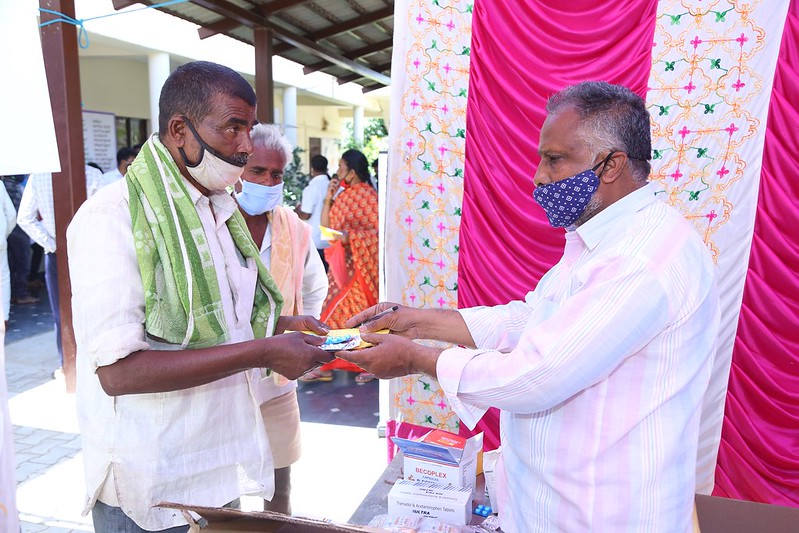 In India’s vast and diverse health care landscape, technology emerges as a powerful tool to bridge the existing gaps, especially for the rural poor grappling with the challenges of poverty. As India endeavors to provide comprehensive medical care to all its citizens, leveraging technology for rural health care becomes imperative and a lifeline for those living on the fringes.
The Nexus of Poverty and Health Care Disparities in Rural India
Despite its rapid economic growth, India continues to face significant poverty-related challenges. According to the World Bank, more than 40% of Indians still live in moderate poverty. This poverty is particularly acute in rural areas, where access to quality health care remains a persistent challenge due to inadequate infrastructure, lack of medical facilities and geographical remoteness. After the COVID-19 pandemic, India has made several strides to make technology for rural health care more accessible.
Empowering Rural Healthcare Through Telemedicine
Telemedicine, a key player in the technological revolution in health care, has shown remarkable success in connecting remote communities with essential medical services. Statistics from the Ministry of Health and Family Welfare reveal that, as of 2021, approximately 10 million teleconsultations were conducted in rural areas with the eSanjeevani telemedicine platform, emphasizing the growing impact of technology on health care delivery.
Apollo TeleHealth Services, a pioneer in this domain, anticipates that telehealth services can largely supplement in-person consultations in rural India. This is especially significant in light of the yawning gap in the number of doctors serving in rural areas (30%) vis-a-vis the population in these areas (60%). This could potentially enhance the reach of health care services and directly address the challenges exacerbated by poverty in rural India.
Mobile Health (mHealth) Solutions: A Lifeline for Rural Communities
The ubiquity of mobile phones in India has opened up new avenues for health care delivery in rural areas. Mobile health (mHealth) solutions leverage mobile devices to provide health care information, facilitate remote consultations and enable health monitoring. For India’s poor, who often lack direct access to health care facilities, mHealth is a lifeline.
Organizations like SevaMob have been at the forefront of implementing mHealth solutions tailored for rural India. By employing a mobile-based healthcare platform, SevaMob has reached underserved communities by offering virtual consultations, health education and medication reminders. These initiatives not only enhance accessibility but also empower individuals to take control of their health.
Digitizing Healthcare Records for Seamless Patient Care
The Ayushman Bharat Digital Mission aims to digitize health records and provide citizens with a unique health ID, bringing a paradigm shift to health care delivery. The need for such digital interventions becomes even more pronounced in rural areas, where a lack of organized health records compounds the challenges posed by poverty.
Studies indicate that digitizing health care records can lead to substantial improvement in health care delivery efficiency. In rural India, where poverty often hampers access to organized health care, this efficiency gain is not just a statistic but a tangible improvement in the lives of the underserved.
Innovations in Diagnostic Technology for Rural Areas
Access to timely and accurate diagnostics is a cornerstone of adequate healthcare. The lack of advanced diagnostic facilities compounds the healthcare challenges in rural areas struggling with poverty. However, point-of-care diagnostic devices have brought about a notable change in the rural Indian setting.
Implementing such devices in rural healthcare settings leads to a marked reduction in diagnostic turnaround time. This not only enables faster and more accurate diagnoses but also serves as an equalizer for those in poverty, ensuring that they receive prompt and efficient healthcare services.
Challenges and Opportunities: The Road Ahead
While the statistics and success stories demonstrate the significant impact of technology on rural health care, challenges persist. The digital divide, limited internet connectivity and inadequate technology infrastructure in some regions remain hurdles, particularly in impoverished rural areas. However, the correlation between poverty and health care disparities underscores the urgency of addressing these challenges to ensure equitable access to required resources. By leveraging technology for rural health care, India has the potential to build a robust and inclusive system.
– Srishti Arora
Photo: Flickr
