• Link to X
  • Link to Facebook
  • Link to Instagram
  • Link to TikTok
  • Link to Youtube
  • About
    • About Us
      • President
      • Board of Directors
      • Board of Advisors
      • Financials
      • Our Methodology
      • Success Tracker
      • Contact
  • Act Now
    • 30 Ways to Help
      • Email Congress
      • Call Congress
      • Volunteer
      • Courses & Certificates
      • Be a Donor
    • Internships
      • In-Office Internships
      • Remote Internships
    • Legislation
      • Politics 101
  • The Blog
  • The Podcast
  • Magazine
  • Donate
  • Click to open the search input field Click to open the search input field Search
  • Menu Menu

Archive for category: Technology

Information and stories about technology news.

Global Poverty, Technology

Technology Investments Across Asia Spur Economic Growth

Technology Investments

It is often presumed that a few powerhouse economies, such as the United States, China and the United Kingdom, steer the technological landscape, especially in artificial intelligence (AI). While this is true to an extent, a deeper dive into the ever-evolving AI market reveals a new narrative — one where emerging economies and smaller nations are making significant strides in the realm of AI technology.

Unveiling the Global AI Landscape

The global AI market hit a staggering $454.12 billion in 2022, showcasing the immense growth and potential of this field. To truly understand the significance of this figure, it is crucial to analyze which countries are driving and benefiting the most from this surging industry. 

The Global AI Index is the first benchmark to assess nations based on their investment, innovation and implementation of AI. This comprehensive dataset delves into various factors that influence the AI industry, breaking them down into critical quantitative categories.

Top Players

Unsurprisingly, the top spots in AI innovation are claimed by dominant economies, including the United States, China, the United Kingdom, Singapore and Canada. These countries have long been recognized as key players in global trade and innovation, contributing significantly to several markets and industries, including the AI market’s growth and development. However, what is intriguing is the recent surge in the involvement of smaller, developing economies in the AI market, particularly across South and Southeast Asian countries.

Emerging Tech Frontiers in Asia

Recent developments in tech partnerships and advancements within various Asian countries have caught the attention of the global tech community. Several Asian nations are now showcasing remarkable e-commerce and development partnerships, as well as innovations and collaborations in the AI and tech spheres, highlighting the growing importance of technology investments across Asia. These countries include Indonesia, Malaysia, Vietnam, India and South Korea.

Indonesia: E-commerce Meets Social Media

Indonesia’s tech giant, GoTo, is in discussions for an extensive partnership with TikTok, a leading short-form video social media platform. The country’s e-commerce market is forecasted to soar to approximately $160 billion by 2030, indicating a monumental growth trajectory driven by technology investments across Asia. This advancement not only reflects economic growth, but also the potential for social impact by creating job opportunities and empowering small businesses, contributing to poverty alleviation.

Malaysia: Nvidia’s Multibillion-Dollar AI Project

Nvidia’s collaboration with Malaysia’s YTL Power in a $4.3 billion AI development venture signifies Malaysia’s goal to become a pivotal player in global tech advancements, supported by substantial technology investments across Asia. The move also solidifies Malaysia’s position as a significant hub for Southeast Asia’s computing and semiconductor industry, as Nvidia’s CEO noted. 

The decision to invest in Malaysia marks that foreign investors, especially technology giants, continue to make the country a primary market of choice in the region. The move not only positions Malaysia as a significant hub for technology, but also holds the promise of uplifting local communities by providing employment and fostering skill development, actively combating poverty and decreasing the percentage of ‘the working poor’ in the market. 

Vietnam: Nvidia’s Strategic Chip Deals and Apple’s iPad Engineering Investment

Vietnam is strategically exploring semiconductor industry expansion, leveraging partnerships with tech giants like Nvidia, which makes AI chips and graphics processing units. Nvidia has existing partnerships with Vietnam’s leading tech companies to deploy AI in the cloud. Now, the country’s ambitions in chip designing and manufacturing signal a potential shift in the global tech supply chain. 

This Southeast Asian country is already home to large chip assembling factories, including Intel’s largest global factory. This expansion into chip designing and making opens up the high-skilled labor market, creates job opportunities and increases trade possibilities for the nation, contributing significantly to economic inclusivity and poverty reduction in the region.

Apple also has its sights set on Vietnam, relocating key iPad engineering to the country and therefore bolstering high-skilled labor and job opportunities. This marks the first time the company has shifted this caliber of core product resource to the nation.

India: Apple’s Production Commitment

Apple is increasing its presence in South Asia, with a commitment to produce more than 50 million iPhones annually in India. This demonstrates the country’s growing significance in tech manufacturing, stimulating the economy and serving as a reliable source of job opportunities in the coming years. This move not only enhances India’s tech manufacturing capabilities but also presents a pathway toward economic empowerment by creating a robust job market, fostering skill development and contributing to poverty alleviation efforts.

South Korea: Naver Cloud’s AI Export Surge

South Korea’s Naver Cloud is witnessing a substantial surge in AI exports, showcasing the country’s skill in offering tailored AI solutions to global markets. The South Korean company expects its exports to at least double in the next three years, and the country is one of the few to establish its own fundamental AI models.

Conclusion

The global tech and AI landscape is undergoing a transformation from traditional powerhouses to emerging economies that are actively shaping the technological frontier. As smaller nations across Asia increase their stake in e-commerce — especially AI development, production, innovation and implementation — they are setting new benchmarks that redefine the global narrative of technological innovation and progress. These expanding technology investments across Asia are not only driving innovation, but also spurring substantial economic growth, job opportunities and developments across these nations, contributing to economic inclusivity and, in turn, poverty reduction.

– Kailey Schwinghammer
Photo: Flickr

January 5, 2024
https://borgenproject.org/wp-content/uploads/borgen-project-logo.svg 0 0 Lynsey 2 https://borgenproject.org/wp-content/uploads/borgen-project-logo.svg Lynsey 22024-01-05 07:30:412024-01-02 11:08:21Technology Investments Across Asia Spur Economic Growth
Global Poverty, Technology

Key Technologies in the Fight Against Hunger in Brazil

Hunger in BrazilThe global report on the State of Food Security and Nutrition in the World, released by five specialized agencies of the United Nations (U.N.), revealed that between 2020 and 2022, 4.7% of Brazilian citizens, or 10.1 million people, experienced the most extreme form of food insecurity, known as chronic hunger. Additionally, the study indicated that 9.9% of Brazilians faced severe food insecurity during this period, and approximately 32.8% of the population fell into the categories of severe or moderate food insecurity. Taken along with data from 2014 through 2016, this indicates an ongoing deterioration of food security in the country. In the relentless battle against hunger in Brazil, numerous innovative technologies are emerging to address this issue. Leveraging advanced solutions, organizations and initiatives have made significant strides in tackling the root causes of hunger and poverty.

The Landscape

With its gigantic population and diverse socio-economic landscape, Brazil has been grappling with the challenges of hunger and poverty for many years. According to the World Bank, approximately 21.4% of the population in Brazil lives below the national poverty line. This alarming figure underscores the pressing need for comprehensive initiatives to address the multifaceted issues of hunger and poverty.

The Technologies

A notable initiative that has gained traction is the use of advanced data analytics and artificial intelligence (AI) to identify and target areas with the highest prevalence of hunger. By analyzing various socio-economic indicators, such as income levels, employment rates and access to education, organizations can strategically deploy resources where they are needed most. The implementation of such technologies has already shown promising results, with a 15% reduction in hunger rates reported in targeted regions.

Another key technology is the development of sustainable agriculture practices. Brazil’s vast agricultural sector plays a crucial role in the nation’s economy, but traditional farming methods often contribute to environmental degradation and intensify poverty. Through the integration of precision farming techniques and the use of eco-friendly fertilizers, initiatives have managed to increase crop yields while minimizing environmental impact. As a result, more than 200,000 farmers have experienced improved livelihoods, marking a significant step toward sustainable development.

In addition to these advancements, the implementation of blockchain technology has streamlined the distribution of aid and resources to fight hunger in Brazil. By creating transparent and tamper-proof ledgers, organizations can ensure that assistance reaches its intended recipients efficiently. This has led to a 30% reduction in logistical inefficiencies, allowing aid organizations to allocate resources more effectively.

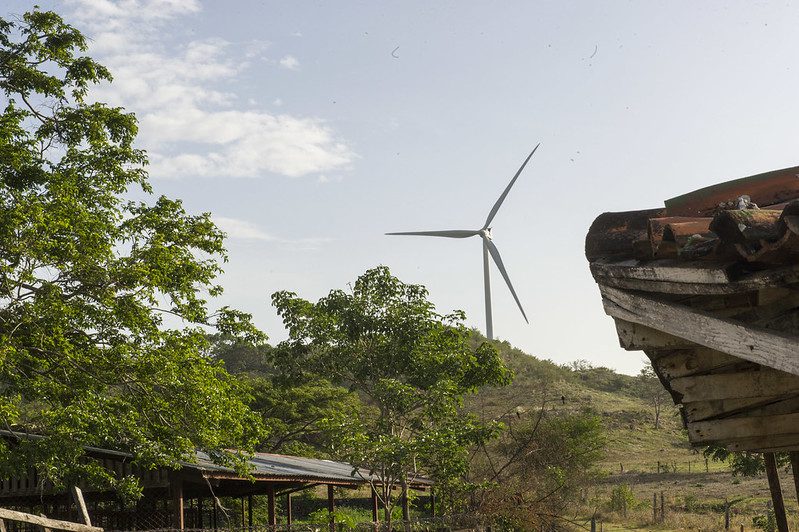
Brazil has also seen the integration of solar-powered technologies to address energy poverty in rural areas. Access to electricity is a critical factor in improving living conditions and supporting economic activities. Solar-powered solutions, such as portable solar lamps and solar-powered water pumps, have brought light and clean water to more than 500,000 people in remote regions, contributing to a substantial improvement in their overall well-being.

Innovations in biotechnology have played a pivotal role in enhancing the nutritional value of staple crops. Recent advancements in biofortification, the process of enhancing the nutrient content of crops through breeding or genetic modification, have resulted in crops with higher levels of essential vitamins and minerals. This approach has had a direct impact on addressing malnutrition, with an estimated 25% decrease in vitamin deficiencies reported in targeted populations.

The Impact

To dig into the impact of these technologies, it is crucial to emphasize the importance of metrics and measurable outcomes. The success of these initiatives can be quantified by the tangible improvements experienced by the communities they serve. For instance, the data-driven approach using AI has directly contributed to a 20% increase in school attendance among children in targeted areas, breaking the cycle of poverty through access to education.

In sustainable agriculture, there was a 15% increase in income reported by farmers who adopted the new precision farming practices. This not only lifts individuals out of poverty but also creates a ripple effect within communities, fostering economic growth and resilience.

The impact of implementing blockchain is evident not only in efficiency gains but also in the increased trust and accountability it brings to aid distribution. By ensuring that aid reaches its intended recipients, organizations have witnessed a 25% rise in community engagement and participation in local development initiatives.

These transformative technologies are not only making significant strides in the fight against hunger in Brazil, but they are also providing a blueprint for scalable and sustainable solutions. The convergence of data analytics, AI, sustainable agriculture, blockchain, solar power and biotechnology showcases the power of innovation in driving positive change.

Hope for the Future

Reflecting on the measurable outcomes and the impact these technologies have had on communities across Brazil, it is evident that the path to a hunger-free nation is not an insurmountable challenge. By embracing these innovative solutions and continually refining approaches, there’s hope for creating a future where hunger and poverty are relegated to the annals of history.

The journey toward a hunger-free Brazil is ongoing, pushed by the concerted efforts of organizations and initiatives that leverage transformative technologies. The measurable outcomes of these efforts serve as a testament to the power of innovation in addressing complex societal challenges.

– Osvaldo Bugelli Neto
Photo: Flickr

December 30, 2023
https://borgenproject.org/wp-content/uploads/borgen-project-logo.svg 0 0 Lynsey 2 https://borgenproject.org/wp-content/uploads/borgen-project-logo.svg Lynsey 22023-12-30 07:30:072024-01-01 05:50:14Key Technologies in the Fight Against Hunger in Brazil
Global Poverty, Technology

The Role of Technology for Rural Health Care in India

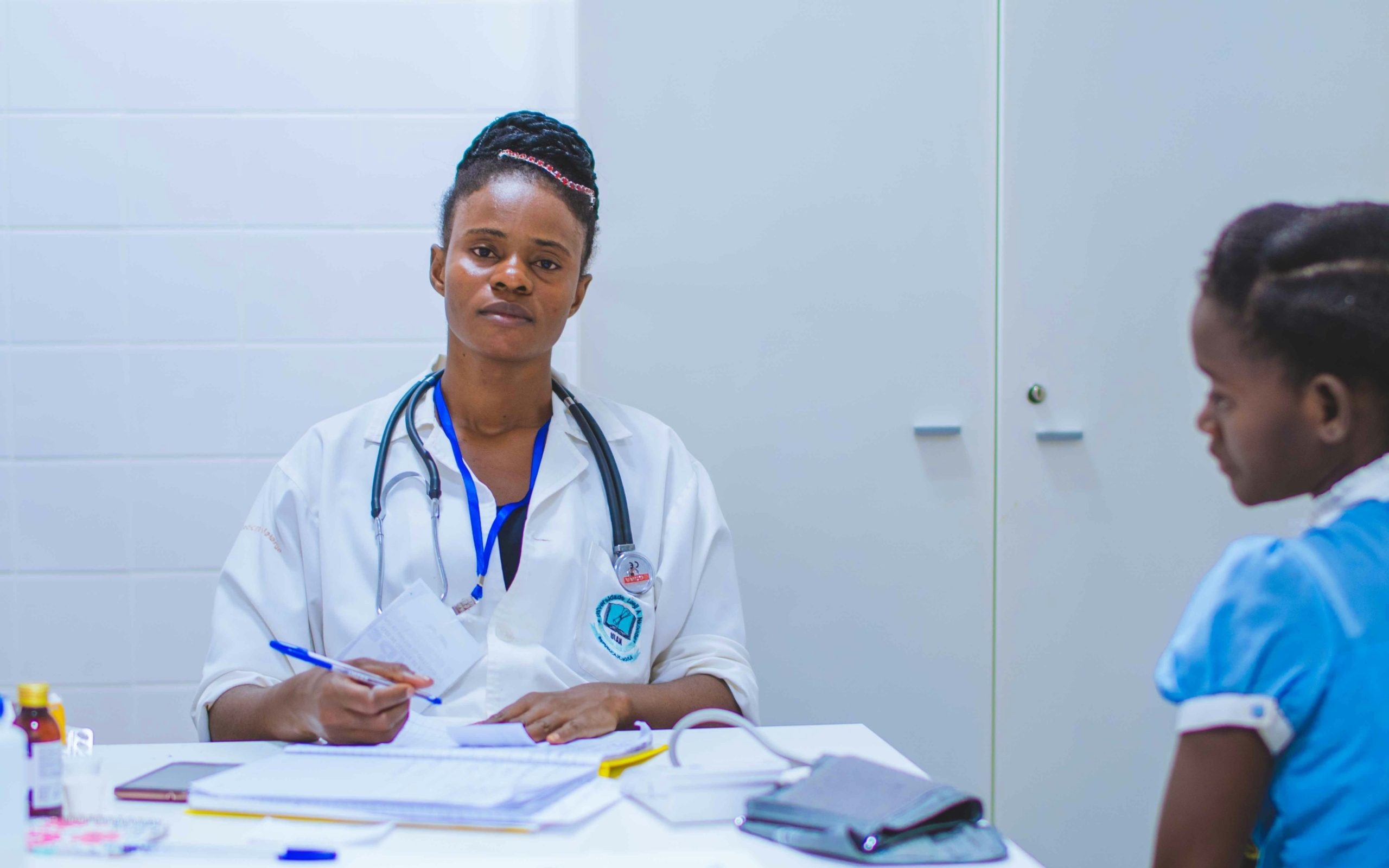
Rural Health Care in IndiaIn India’s vast and diverse health care landscape, technology emerges as a powerful tool to bridge the existing gaps, especially for the rural poor grappling with the challenges of poverty. As India endeavors to provide comprehensive medical care to all its citizens, leveraging technology for rural health care becomes imperative and a lifeline for those living on the fringes.

The Nexus of Poverty and Health Care Disparities in Rural India

Despite its rapid economic growth, India continues to face significant poverty-related challenges. According to the World Bank, more than 40% of Indians still live in moderate poverty. This poverty is particularly acute in rural areas, where access to quality health care remains a persistent challenge due to inadequate infrastructure, lack of medical facilities and geographical remoteness. After the COVID-19 pandemic, India has made several strides to make technology for rural health care more accessible.

Empowering Rural Healthcare Through Telemedicine

Telemedicine, a key player in the technological revolution in health care, has shown remarkable success in connecting remote communities with essential medical services. Statistics from the Ministry of Health and Family Welfare reveal that, as of 2021, approximately 10 million teleconsultations were conducted in rural areas with the eSanjeevani telemedicine platform, emphasizing the growing impact of technology on health care delivery.

Apollo TeleHealth Services, a pioneer in this domain, anticipates that telehealth services can largely supplement in-person consultations in rural India. This is especially significant in light of the yawning gap in the number of doctors serving in rural areas (30%) vis-a-vis the population in these areas (60%). This could potentially enhance the reach of health care services and directly address the challenges exacerbated by poverty in rural India.

Mobile Health (mHealth) Solutions: A Lifeline for Rural Communities

The ubiquity of mobile phones in India has opened up new avenues for health care delivery in rural areas. Mobile health (mHealth) solutions leverage mobile devices to provide health care information, facilitate remote consultations and enable health monitoring. For India’s poor, who often lack direct access to health care facilities, mHealth is a lifeline.

Organizations like SevaMob have been at the forefront of implementing mHealth solutions tailored for rural India. By employing a mobile-based healthcare platform, SevaMob has reached underserved communities by offering virtual consultations, health education and medication reminders. These initiatives not only enhance accessibility but also empower individuals to take control of their health.

Digitizing Healthcare Records for Seamless Patient Care

The Ayushman Bharat Digital Mission aims to digitize health records and provide citizens with a unique health ID, bringing a paradigm shift to health care delivery. The need for such digital interventions becomes even more pronounced in rural areas, where a lack of organized health records compounds the challenges posed by poverty.

Studies indicate that digitizing health care records can lead to substantial improvement in health care delivery efficiency. In rural India, where poverty often hampers access to organized health care, this efficiency gain is not just a statistic but a tangible improvement in the lives of the underserved.

Innovations in Diagnostic Technology for Rural Areas

Access to timely and accurate diagnostics is a cornerstone of adequate healthcare. The lack of advanced diagnostic facilities compounds the healthcare challenges in rural areas struggling with poverty. However, point-of-care diagnostic devices have brought about a notable change in the rural Indian setting.

Implementing such devices in rural healthcare settings leads to a marked reduction in diagnostic turnaround time. This not only enables faster and more accurate diagnoses but also serves as an equalizer for those in poverty, ensuring that they receive prompt and efficient healthcare services.

Challenges and Opportunities: The Road Ahead

While the statistics and success stories demonstrate the significant impact of technology on rural health care, challenges persist. The digital divide, limited internet connectivity and inadequate technology infrastructure in some regions remain hurdles, particularly in impoverished rural areas. However, the correlation between poverty and health care disparities underscores the urgency of addressing these challenges to ensure equitable access to required resources. By leveraging technology for rural health care, India has the potential to build a robust and inclusive system.

– Srishti Arora
Photo: Flickr

December 22, 2023
https://borgenproject.org/wp-content/uploads/borgen-project-logo.svg 0 0 Kim Thelwell https://borgenproject.org/wp-content/uploads/borgen-project-logo.svg Kim Thelwell2023-12-22 07:30:012026-04-16 10:06:41The Role of Technology for Rural Health Care in India
Global Poverty, Technology

South Africa’s AI Employment Revolution And Skill Development

AI Employment
On October 30, 2023, Microsoft held its “AI: A New Era” event and announced its plans to partner with Presidential Youth Employment Services (YES) to catalyze South Africa’s AI employment revolution. As reported by Engineering News, the collaboration’s goal is to implement an artificial intelligence (AI) platform into the work sphere, ultimately increasing job opportunities. The AI training initiative will directly empower 300,000 young South Africans, with an aim to certify 30 million Africans in AI-related skills by 2025.

What is the Plan and Who is Behind it?

“AI is the defining technology of our time and is rapidly gaining momentum in the country. We are seeing many organizations exploring the use of this technology to drive innovation and growth,” said Microsoft South Africa CEO Kalane Rampai. The partnership aims to boost job creation and enhance overall employability by properly educating participants and creating a digitally inclusive economy. 

While South Africa is considered the most industrialized country in Africa, it has one of the highest youth unemployment rates in the world. According to government agency Statistics South Africa, as of November 2023, 61% of citizens ages 15–24 are unemployed. The overall unemployment rate for South Africa is 33%. Unfortunately, it rises to 35% for high school graduates.

Youth Employment Service is a nonprofit organization that offers young South Africans a salaried, one-year apprenticeship in a corporate job, including intensive professional training. As Microsoft reported, the CEO of YES, Ravi Naidoo, states that the organization is “a business-led response to the unemployment crisis in South Africa and inequality in hiring…funded by the companies that provide apprenticeships.” The goal is to identify driven young employed citizens from disadvantaged backgrounds and provide them with skills to excel in new careers. 

AI Training Projected Improvements

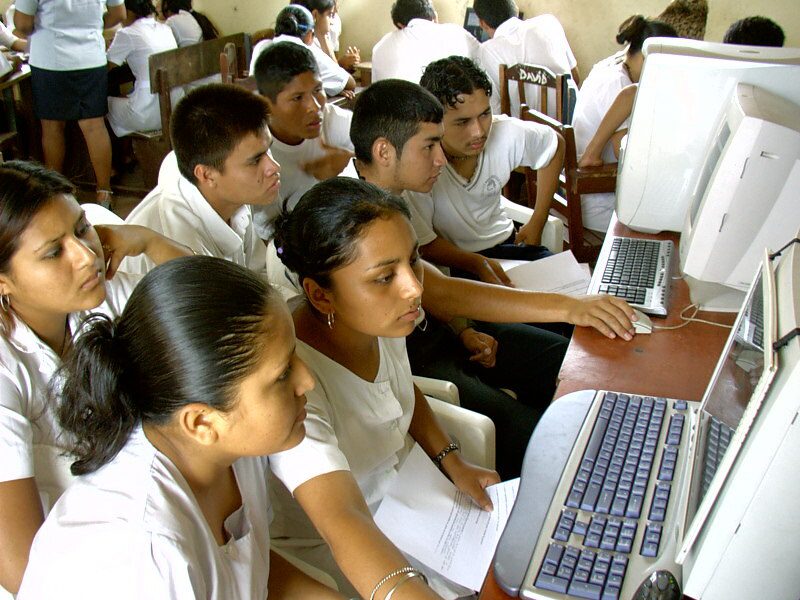
A country that suffers immensely from youth unemployment, South Africa was chosen to launch AI skill development, which will hopefully act as an incentive. All YES employment program participants gain access to the platform and will become equipped with digital and technological skills, encouraging a job-creation revolution in Africa. The artificial intelligence training includes an introductory course that progresses participants into advanced AI programming, opening up employment opportunities. 

According to Engineering News, AI skill development has four focuses: “providing essential infrastructure, building skills and capacity, supporting small and medium-sized enterprises, and enabling innovation.” Microsoft and YES believe that this technology can give an upward trajectory to the African economy. Analysts predict that South Africa’s AI development can increase Africa’s economy by 50% by 2030. Further, Microsoft’s technological education and employability programs have certified more than four million young people in Africa over the past five years and aim to certify 30 million people in AI skills in Africa by the end of 2025.

Growth for Africa

This new AI skill development will enable thousands of South Africa’s youth with essential digital and technological skills. It not only opens doors to diverse employment options but also paves the way for a future of increased income and sustained economic empowerment. Lillian Barnard, President of Microsoft Africa, notes that the collaboration with YES will focus on youth unemployment and creating a culture of innovation and employability through digital skill development. 

– Samantha J. Rentfro
Photo: Flickr

November 29, 2023
https://borgenproject.org/wp-content/uploads/borgen-project-logo.svg 0 0 Yuki https://borgenproject.org/wp-content/uploads/borgen-project-logo.svg Yuki2023-11-29 07:30:182023-11-27 10:05:28South Africa’s AI Employment Revolution And Skill Development
Global Poverty, Technology

These 5 Agricultural Technologies Are Eradicating Global Poverty

Agricultural TechnologiesWith a rapidly growing human population and dependency on agriculture, it is more apparent than ever how crucial agricultural technologies are to help end global poverty. Reports suggest that “by 2050, the global population size will have increased by 46%, requiring increased agricultural production to ensure food security.” The primary victims will be the global citizens already living below the poverty line. Still, this potential reality will simultaneously pull families that have never experienced poverty into poverty. 

Here are five agricultural technologies that will help fight back against these threatening projections and statistics.

  1. Agricultural Data Platforms: Agricultural data platforms combine many crucial aspects of agricultural data in one accessible platform. These platforms not only provide farmers with essential information such as crop health and soil moisture but can also help provide policymakers and legislators with real-time information, which can help inform accurate decisions regarding policy seeking to alleviate the effects of poverty. A case study from Spain highlights the positive impact of a data-sharing platform on the fruit and vegetable district. The farmers reported that the platform allows them to aggregate farm data, public data on climatic conditions, plant diseases and market conditions into a single space. This consolidated information is available for various queries, fostering improvements within the agricultural community. The success of this platform demonstrates its potential applicability for the benefit of farmers in different regions.
  2. Land Optimization Modeling: Land optimization modeling relies on computational techniques to guide decisions on crop types and planting locations, much like agricultural data platforms. Unfortunately, farmers’ land use is often influenced more by stakeholders than by scientific considerations. According to Liu et al., land-use coordination is a multiple stakeholder game, involving different interests in local land-use competition. The modeling helps rectify this power imbalance, returning financial control to farmers who frequently live below the global poverty line. A study along the Yangtze River in China highlights the benefits of land optimization modeling. The system adjusted production, living and ecological land proportions to 59.85%, 8.34% and 31.81%, respectively, better aligning with future demands for food security and ecological protection.
  3. E-extension Platforms: E-extension or electronic extension platforms use the internet and various Information and Communication Technologies, or ICTs, to support rural agricultural communities primarily through education and training initiatives. By training the people involved in growing, maintaining and harvesting crops, E-extension platforms help enable a sense of autonomy within the local community. They can open up opportunities for further financial stability. The Sasakawa Africa Association (SAA) operates in 16 different African countries. In Uganda, the SAA helped train young farmers to become agricultural commodities teachers, leading to increased agricultural productivity overall.
  4. Market Information Systems: Market Information Systems focus on providing farmers with real-time financial information so they know how much to sell their crops for and whom to sell them to. In fact, these systems help make the financial markets more transparent to farmers who may have limited access to or do not understand how the markets operate. This component is essential to ensuring farmers and their communities are paid accurately rather than being taken advantage of by stakeholders or corporations. Market information systems have become more and more popular in the 21st century. For example, in India, the Indian Agribusiness Systems Private Limited (IASL) has helped farmers better understand and interact with stocks, arrivals, prices, forecasting and more.
  5. Small-Scale Irrigation Technologies: Small-scale irrigation technologies vary in many ways, but the primary goal of each is to provide water to small-scale farms sustainably. This change is especially beneficial to developing regions that battle scarce rainfall and/or droughts and, therefore, lack stable crop access. These technologies include drip irrigation, rainwater collection, solar-powered pumps, community irrigation schemes and more. In a study done on the impacts of small-scale irrigation in Ethiopia, it was found that “…participation in small-scale irrigation has a positive effect on the majority of household livelihood diversification, and expanding irrigation schemes improves rural farm households’ livelihoods.”

Looking Ahead

These agricultural technologies, despite facing criticism, exhibit significant promise and are currently implemented successfully worldwide.

By empowering farmers and local communities, these technologies provide better financial prospects and agency. Simultaneously, on a global scale, they contribute to a more stable food supply, preventing a rise in poverty rates.

– Piper Jenkins
Photo: Unsplash

November 24, 2023
https://borgenproject.org/wp-content/uploads/borgen-project-logo.svg 0 0 Yuki https://borgenproject.org/wp-content/uploads/borgen-project-logo.svg Yuki2023-11-24 01:30:212023-11-20 01:28:32These 5 Agricultural Technologies Are Eradicating Global Poverty
Education, Global Poverty, Inequality, Technology

Reducing Poverty Through Technological Development

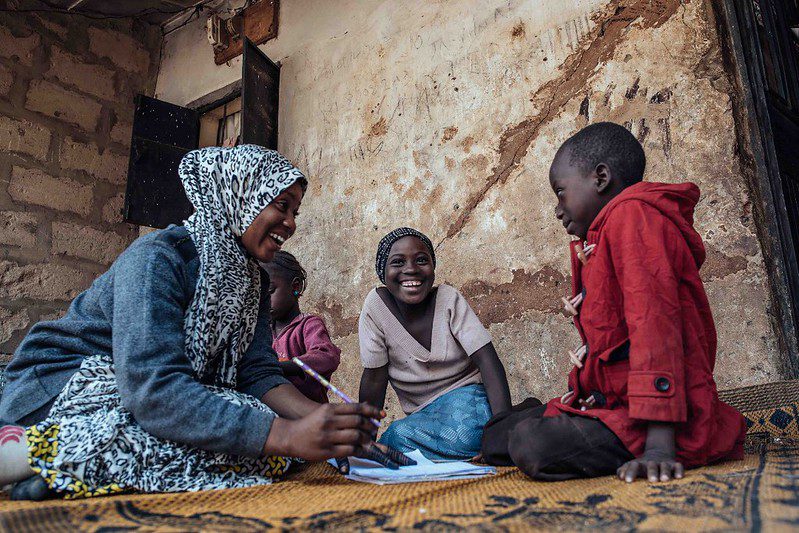
Technological DevelopmentIn a world increasingly reliant on science and technology, lack of access is a significant concern for those living in poverty. To help develop those regions suffering from lack of development, there needs to be a greater push for education in these fields, as well as greater access to technology itself.

This is where the UN Technology Bank comes in, a global organization that is “dedicated to enhancing the contribution of science, technology and innovation for sustainable development in the world’s least developed countries.” In essence, this branch of the UN works to eradicate global poverty and inequality through technological development.

Between 1820 and 2002, the level of global inequality rose to 85%, mainly due to technological growth in certain countries. Despite the necessity of modern technology for modern economies to thrive, many developing countries need to catch up in its adoption, with a 2016 Pew survey finding only 54% of the population in 29 emerging countries could access the internet while only 37% owned a smartphone. However, now is the perfect time for developing countries to not only catch up on technological development but also get ahead on emerging sectors such as green technology, a potentially $9.5 trillion industry. Thankfully, the UN Technology Bank is here to help them achieve their goals.

The First Few Years

Headquartered in Gebze, Turkey, the organization was officially launched in 2018. However, its roots go back several years earlier. In 2011, the UN adopted the Istanbul Programme of Action for Least Developed Countries, which explicitly called for an organization to facilitate technological development in impoverished nations.

The UN laid the foundations for the organization after its leaders recognized that science and technology play a paramount role in lifting least developed countries out of poverty. In doing research for the Istanbul Programme, it found that LDCs needed “forward-looking science, technology and innovation policy frameworks to upgrade and align the skills base with market requirements,” which are vital in spurring economic development in these nations where around 30% of working people on average live below the poverty line.

The Tech Bank also aims to further the UN Sustainable Development Agenda for 2030. This set of 17 goals, adopted in 2015, serves as a blueprint for global development. Among its major aims is eliminating poverty and hunger.

During its first three years, the Tech Bank focused on building partnerships at the national and international level. In addition, it also examined the current state of science and technology in least-developed countries to determine how to establish innovation networks and begin technology transfer.

In a 2018 interview, Technology Bank Council Member Bitrina Diyamett explained why the UN is trying to help LDCs. “The bank starts from the premise that these countries are poor – to a large extent – because they lack capabilities in science, technology and innovation. Therefore, based on the UN principle of “leaving no one behind” in sustainable development, there is no other alternative to achieving the Agenda but by building such capabilities.”

The Work

Since its founding, the Technology Bank has worked on several projects and activities in least-developed countries around the globe.

With this work, it hopes to help these countries achieve several important sustainable development goals. Chief among these goals is economic self-reliance. As least-developed nations acquire new technology and the skills necessary to support it, they will then have the ability to grow their market considerably and lift people out of poverty. Other important goals include sustainable access to health technologies, sustainable industrialization, education and academic cooperation.

Once the Technology Bank decides which country to work with, it takes a four-step approach to help them achieve their goals. The first and arguably most crucial step is beginning the Technology Needs Assessment. Here, Tech Bank researchers identify essential technological development needs, understand the key challenges to that development and create an action plan to achieve greater technical capacity.

At the same time, it begins working on technology transfers. As the name implies, workers and researchers try to facilitate the transfer of essential technology to the countries in which they operate. An example of this may be the building of eco-friendly and affordable shelters or the creation of technology labs to educate young people with the skills necessary to build, operate and maintain using modern science and technology.

Finally, the Tech Bank works on the country’s policy and capacity development and forming strategic partnerships and advocacy. In this final step, the focus is on creating and advocating for national policies that support the capacity for science and technology while forming strategic partnerships with other nations and organizations.

Current Results and Future Outlook

The UN Tech Bank has assisted development in 11 different countries with ongoing projects in four more, including Bangladesh and Benin. Its ultimate goal is to utilize science and technology to help develop the 46 least developed nations.

In March 2022, Tech Bank leader Taffere Tesfachew called on all countries to help those living in the least developed ones. While thanking Turkey for its continued support for the Tech Bank, he stated he was “Hoping other countries would join, like China, also advanced countries like Germany.” And though only the future can tell how successful the Tech Bank will be, thus far, its efforts have proved fruitful, and if other countries answer the call, it is sure to achieve its mission of lifting the most vulnerable out of poverty.

– Jonathon Crecelius
Photo: Flickr

November 17, 2023
https://borgenproject.org/wp-content/uploads/borgen-project-logo.svg 0 0 Yuki https://borgenproject.org/wp-content/uploads/borgen-project-logo.svg Yuki2023-11-17 07:30:462023-11-14 10:35:59Reducing Poverty Through Technological Development
Global Poverty, Technology

Cybertech Africa 2023: How Technology Can Impact Poverty

Cybertech Africa 2023
Cybertech Africa 2023, hosted at the Kigali Convention Center in Kigali, Rwanda on the first two days of August, was the first-ever Cybertech Global gathering in Africa. The convention demonstrated the rapid development of technology and innovation in Africa and illustrated the impact technology is having on the economic status of many African countries. 

For example, certain countries such as Seychelles have seen a recent tech boom that, despite the country’s small size, has been dramatically impactful. Cybertech Africa 2023 is one of many recent signs that point towards technological innovation as a method of helping African countries out of poverty.

What is Cybertech Global?

Cybertech Global is one of the technology industry’s leading business-to-business networking platforms. The goal of Cybertech is to showcase and facilitate global discussion around the most recent innovations in the technology sphere. In particular, the convention’s primary topic is cyber technology, which is a subsection of the industry that focuses on networks, data and cybersecurity. 

Cybertech exhibitions cover recent challenges and potential solutions that exist in the form of technology. Company executives, government officials, and even world leaders often attend these conferences, as technology is one of the most profitable and innovative industries in the world. Cybertech conferences have been held in Tel Aviv, Singapore, Rome, Panama, Tokyo, and, most recently, in Rwanda. 

Seychelles at Cybertech Africa 2023

Cybertech Africa 2023 hosted many officials and executives, including H.E. Ahmed Afif, Vice President of the small isolated nation of Seychelles. Afif spoke at the convention, emphasizing the unique position of Seychelles and how technology has impacted the country. 

“In a small country like Seychelles, with 100,000 people, skills in the health specialist area are very limited,” explained Afif. “But what you find is that when a surgeon has to carry out an operation, now with digital technology you can have specialists around the world following the surgery. This is revolutionary.” 

Afif also stressed the importance of the Data Protection Act of 2023, which the government of Seychelles passed on June 22, 2023. The bill brings Seychelles closer to a modern cybersecurity infrastructure akin to that of the United States. This further demonstrates the rapid technological growth seen in Seychelles and, much like Cybertech Africa, is representative of Africa’s technological progress as a whole. 

What Does Cybertech Africa Mean for Poverty?

Cybertech Africa 2023 showcases the rapid technological development of African nations. Advanced technological infrastructure has become a necessity in the modern world. Likewise, technology is a massive industry; the more development and focus put into technology, the more a country will see considerable economic returns. This is compounded by technological demand.

Countries like the Seychelles are now major consumers in the technology sphere. This leads to a feedback loop in which both industrial giants and burgeoning African countries can benefit. Cybertech Africa 2023 already demonstrates progress in this regard, and further emphasis on technology and the digital age will result in a higher quality of life for all those living in African countries.

– Liam Kahan
Photo: Flickr

October 30, 2023
https://borgenproject.org/wp-content/uploads/borgen-project-logo.svg 0 0 Yuki https://borgenproject.org/wp-content/uploads/borgen-project-logo.svg Yuki2023-10-30 01:30:272023-10-25 20:03:46Cybertech Africa 2023: How Technology Can Impact Poverty
Global Poverty, Technology

Health care Technology in Developing Countries

Health care Technology in developing countriesEconomic disparities have created many barriers to quality medical services for low-income communities. Innovative technologies are now dismantling these barriers, making health care more accessible and affordable for disadvantaged populations. This article will cover advancements in health care technology in developing countries.

Health Tech: Breaking Distance Barriers

Telemedicine and other health care technology have emerged as game-changers in health care accessibility. Low-income communities often lack nearby health care facilities, forcing residents to travel long distances for medical consultations. Telemedicine platforms enable virtual consultations with health care professionals. Through a simple smartphone or computer, individuals can connect with doctors, nurses or specialists, receiving expert advice without the financial burden of travel expenses. These platforms are particularly beneficial for managing chronic conditions, allowing patients to receive ongoing care remotely.

M-TIBA

Created by a financial tech company in Kenya, M-TIBA is a digital wallet that allows patients to make mobile payments for health care services. The name of the product is special; the “m” stands for mobile, while the word “tiba” means “treatment” in Swahili. The original concept behind M-TIBA was to ensure that patients received health care donations and to encourage its users to save for health care costs. To date, M-TIBA has over 4 million registered users, and its creators boast that claims filed with it are processed in a third of the time of traditional health care claims.

SORMAS

The COVID-19 epidemic proved that being able to monitor the transmission of communicable diseases was an essential part of health care. The Surveillance and Outbreak Response Management and Analysis System (SORMAS) was created via a partnership between the Nigeria Centre for Disease Control and the Helmholtz Centre for Infection Research in Germany. It was invented to survey disease outbreaks and epidemics, enabling epidemiologists to use real-time health data to track diseases. SORMAS is used in countries throughout Africa, Asia and Europe.

MomConnect

The South African National Department of Health started MomConnect to help address disparities in maternal health. The service is free, and it can be downloaded via an app to a cell phone. It helps connect expectant mothers with health resources in their communities. The app helps people register their pregnancies in the public health system and access information about how to maintain their health during pregnancy and after birth. MomConnect was launched in 2014, and by 2017, more than 900,000 had received MomConnect messages. )

Improving access to health care technology in low-income communities helps empower those communities and helps them lead healthier lives. Enhancing access to medical services through telemedicine, mobile apps and other technology helps level the health care playing field. The combination of digital innovation and health care is creating a future where everyone can enjoy the benefits of quality health care. 

– Joy Loving
Photo: Unsplash

October 26, 2023
https://borgenproject.org/wp-content/uploads/borgen-project-logo.svg 0 0 Yuki https://borgenproject.org/wp-content/uploads/borgen-project-logo.svg Yuki2023-10-26 09:51:472024-05-30 22:32:34Health care Technology in Developing Countries
Global Poverty, Technology

How WRC-23 Reduces Poverty

WRC-23 Reduces Poverty
The modern age of the internet has shaped nearly every facet of modern-day life. However, access to this revolutionary technology still needs to catch up. It may appear obvious, but widespread communication and the internet are efficient ways to bring the entire globe into a prosperous age. The World Radiocommunication Conference (WRC) is an international event that occurs every three to four years to set and revise global standards used for international radio and communication. This year’s conference, WRC-23 in Dubai, maintained a focal point of improving communication and internet access across developing nations. This year, the conference aimed efforts at areas across southeast Asia and Africa. WRC-23 reduces poverty using tools like 5G and internet bands (GHz). 

While the internet and communication may seem like commodities compared to adequate food and housing when examining poverty, a case study in Mexico found that inequitable access to the internet and communication was a driving force for poverty. Access to these factors bolstered education, health care and other factors. The study showed that people lacking access, on average, had less access to health care, housing and education. This case study in Mexico displays how WRC-23 reduces poverty using developed technologies with fair access to create advantages for people. 

5G and the Internet in Asia

For the greater Pacific-Asia region, WRC-23 presents the opportunity to revolutionize radio frequency. The main idea is to use 6Ghz — a high-speed internet band — to skyrocket the accessibility and sustainability of 5G. An astounding 5 billion people use mobile phones every day, and increasing its capacity presents further opportunities for education and health care — key pillars in fighting poverty. Furthermore, the European Investment Banks predicts that 5G can reduce energy consumption by 50% to 95%. Increasing the availability and reducing the cost of energy can have a massive effect on ways the WRC-23 reduces poverty. 

China has already committed to this new wave of 5G and began implementation on July 1st. Other countries in Southeast Asia, such as Cambodia, China, Mongolia and Myanmar, have also demonstrated interest in using 6Ghz to improve mobile access. This innovation could potentially reach 1.5 billion people and improve the lives of many. 

Mobile in Africa 

On a global scale, 45% of the world lacks access to the internet. Those disconnected fall into two groups. Some fall into the coverage gap: people who live in areas with zero mobile networks. Others fall into the usage gap: people without broadband access but who create a mobile footprint. Africa houses a disproportionate number of disconnected who fall into the coverage gap group, 61% of people lack access to mobile networks. The chief causes of this are the usage and affordability of networks. 

Causes being discussed at WRC-23. The conference is focused on using low and mid-band spectrums to tackle the coverage gap. Low and mid-band spectrums being discussed in WRC-23 contain massive impacts on digital access in Africa. The continued use of 3.5GHz and the expansion of 3.8 GHz has the potential to create a dream vision for mobile in Africa, echoing massive benefits for those in poverty. The addition of the lower band 470-694 MHz can also further bolster the impacts of improved access. Powerful potential is being forged helping the WRC-23 reduce poverty. 

Looking Forward 

It is evident that the projects at WRC-23 can make massive strides in the fight against global poverty. All it takes is the approval of countries participating in the conference for improvements in the lives of many.

The GMSA is a global network of more than 1,000 operators that focuses on improving sustainability and equality in the mobile industry. It has identified three actions to make change. It is urging countries to:

  1. Allocate the 470-694 MHz band. 
  2. Identify the 3.3-3.8 GHz band3. 
  3. Start up the 6GHz band. 

These actions will have massive ramifications for assisting the WRC-23 to reduce poverty. 

– Aditya Arora
Photo: Flickr

October 23, 2023
https://borgenproject.org/wp-content/uploads/borgen-project-logo.svg 0 0 Yuki https://borgenproject.org/wp-content/uploads/borgen-project-logo.svg Yuki2023-10-23 07:30:222023-10-18 20:20:39How WRC-23 Reduces Poverty
Global Poverty, Technology, Water

How China Helped More Than 800 Million People Out of Poverty

Out of PovertyIn 1978, Deng Xiaoping, the leader of the Chinese Communist Party, changed the course of millions of lives when he declared, “Poverty is not socialism; socialism means eliminating poverty.” Beginning China’s stride to eradicate poverty, Xiaoping focused on boosting China’s economy through agricultural and social reforms to improve living conditions. Here are three changes Deng Xiaoping implemented to tackle poverty in China.

1. Open Door Policy

China was one of the poorest countries in the world in 1978, with a GDP of $156 and home to 40% of the world’s population living in extreme poverty. Compared to neighboring Asian economies, China appeared vulnerable as the communist regime had failed to generate economic growth. Recognizing the risk to the communist party if China could not raise its people out of poverty, Deng Xiapoing committed to improving the living standards of the Chinese people through economic growth.

The Open Door Policy actively introduced foreign capital and technology to China as foreign investments were made into multiple zones such as the special economic zones, peninsula open zones, open border cities, high-tech industry development zones, etc. These zones sparked substantial foreign investment while China continued to promote its socialist market economy concept, whereby state-owned businesses and privately-owned businesses could co-exist.

Implementing The Open Door policy allowed China to use its huge labor resources and land to move away from the damage of the Cultural Revolution and towards rapid economic growth. Within 10 years, China’s GDP per capita had grown to $284, and within 20, it reached $829. The progressive industrialization of China created more and better jobs, as the laborers who were no longer needed in agriculture moved to the consumer goods and services sectors, initiating global investments while providing further job opportunities.

2. Agricultural Reform

During Mao’s time in power, collective farming had been enforced on the rural population. This enforcement meant pooling farms from hundreds of families together to create one large farm. The upper and middle-class farmers had to give up possession of their land to the state, decreasing their morale. In contrast, the lower-class farmers lost motivation to work in the large, impersonal collectives where it was practically impossible to monitor the work individuals completed.

Although some farmers favored collective farming, by 1979, Xiaoping’s de-collectivization effort to incentivize more production and increase economic prosperity for rural workers began spreading across China. Farmers had their land restored to them or were assigned contracts to work on certain areas of land, needing to produce a specified grain quota for the state at a low fixed price of rent. After delivering this grain, farmers were free to consume, trade or sell on the open market and grow whatever they wanted. To further encourage production in rural China, the purchase price for compulsory grain deliveries to the state increased by 20% while the price for excess grain increased by 50%. Overall, increased state prices and the opening of free markets resulted in a substantial rise in food production and average rural family incomes.

3. Targeted Poverty Reduction

As part of the anti-poverty campaign established at the end of 2012 and headed by President Xi Jinping, China made Targeted Poverty Reduction efforts. Jinping believed, “The CPC cadres should pay inspection tours to identify the truly poor. Poverty reduction must reach intended hands or those who truly need it, and poverty must be eradicated completely.”

In January 2014, the guideline on Promoting Poverty Reduction in Rural Areas with Innovative Policies was released, detailing targeted poverty relief across China. The CPC collected and used data to identify the most poverty-stricken areas and their requirements. Hard infrastructure, such as electricity access, water supply, roads and railways, were upgraded, boosting agricultural productivity, raising people’s standards of living and connecting villages to cities.

The effective irrigated area now covers more than 5.35 million hectares, water supply capacity increased by 18.1 billion cubic meters, and more than 98% of poor villages gained access to 4G and optical fiber technology. Soft infrastructure such as health care, education and social security also improved. For example, 108,000 rural schools were renovated to support compulsory education. At the same time, 98% of hospitals in poor countries have a minimum of one competent hospital that can treat 90% of diseases treated at similar hospitals.

China’s dedication to eradicating extreme poverty through government reforms is a remarkable feat that has provided a blueprint for tackling poverty globally. Through economic growth, agricultural prosperity and targeted efforts such as improved infrastructure in the poorest areas, China has demonstrated it is possible to lift millions of people, 40% of the world’s extreme poor, out of poverty in only four decades.

– Alice Isola
Photo: Unsplash

October 20, 2023
https://borgenproject.org/wp-content/uploads/borgen-project-logo.svg 0 0 Yuki https://borgenproject.org/wp-content/uploads/borgen-project-logo.svg Yuki2023-10-20 01:30:492024-06-11 00:17:55How China Helped More Than 800 Million People Out of Poverty
Page 22 of 89«‹2021222324›»

Get Smarter

  • Global Poverty 101
  • Global Poverty… The Good News
  • Global Poverty & U.S. Jobs
  • Global Poverty and National Security
  • Innovative Solutions to Poverty
  • Global Poverty & Aid FAQ’s
Search Search

Take Action

  • Call Congress
  • Email Congress
  • Donate
  • 30 Ways to Help
  • Volunteer Ops
  • Internships
  • Courses & Certificates
  • The Podcast
Borgen Project

“The Borgen Project is an incredible nonprofit organization that is addressing poverty and hunger and working towards ending them.”

-The Huffington Post

Inside The Borgen Project

  • Contact
  • About
  • Financials
  • President
  • Board of Directors
  • Board of Advisors

International Links

  • UK Email Parliament
  • UK Donate
  • Canada Email Parliament

Get Smarter

  • Global Poverty 101
  • Global Poverty… The Good News
  • Global Poverty & U.S. Jobs
  • Global Poverty and National Security
  • Innovative Solutions to Poverty
  • Global Poverty & Aid FAQ’s

Ways to Help

  • Call Congress
  • Email Congress
  • Donate
  • 30 Ways to Help
  • Volunteer Ops
  • Internships
  • Courses & Certificates
  • The Podcast
Scroll to top Scroll to top Scroll to top