In 2000, the United Nations set out to complete a long list of goals with the ultimate goal of ending global poverty. This year marks the expiration of the so-called Millennium Development Goals and the advent of the United Nations’ latest set of Sustainable Development Goals.
The United Nations set in motion eight core goals at the start of the new millennia, each with individualized target goals and ideal success rates. These broad goals were:
1) Eradicate extreme poverty and hunger
2) Achieve universal primary education
3) Promote gender equality and empower women
4) Reduce child mortality
5) Improve maternal health
6) Combat HIV/AIDS, malaria and other diseases
7) Ensure environmental sustainability
8) Global partnership for development
Some of the specific rates of success targeted under individual goals include: halving the number of people living on less than $1.25 a day and the number of people suffering from hunger, eliminating gender disparity in education, reducing child mortality by two-thirds and stopping the spread of HIV/AIDS. These targets were supposed to have been met by 2015.
While great strides have been made in the last decade and a half, the United Nations was not 100 percent successful in reaching their goals. With the 2000 set of goals expiring, a new set of updated goals was drafted to continue their focus effort toward ending global poverty.
The Sustainable Development Goals of 2015 build upon the foundation laid by the Millennium Development Goals of 2000 and “seek to complete the unfinished business of the MDGs, and respond to new challenges,” according to the proposal statement from the Sustainable Development Knowledge Platform.
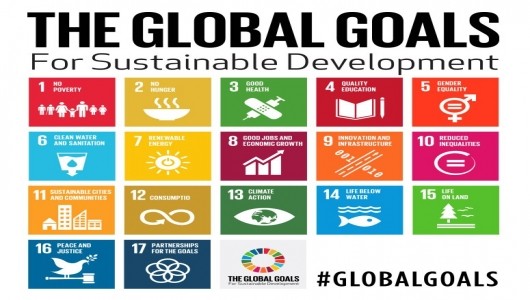
The 2015 set of goals expands and goes beyond the original goals, addressing an updated list of challenges faced by people of developing nations. The new set of goals includes:
1) End poverty in all forms everywhere
2) End hunger, achieve food security and improved nutrition and promote sustainable agriculture
3) Ensure healthy lives and promote well-being for all ages
4) Ensure inclusive and equitable quality education and promote lifelong learning opportunities for all
5) Achieve gender equality and empower all women and girls
6) Ensure availability and sustainable management of water and sanitation
7) Ensure access to affordable, reliable, sustainable and modern energy for all
8) Promote sustained, inclusive and sustainable economic growth, full and productive employment and decent work for all
9) Build resilient infrastructure, promote inclusive and sustainable industrialization and foster innovation
10) Reduce inequality within and among countries
11) Make cities and human settlements inclusive, safe, resilient and sustainable
12) Ensure sustainable consumption and production patterns
13) Take urgent action to combat climate change and its impacts
14) Conserve and sustainably use the oceans, seas and marine resources for sustainable development
15) Protect, restore and promote sustainable use of terrestrial ecosystems, sustainably manage forests, combat desertification and halt and reverse land degradation and halt biodiversity loss
16) Promote peaceful and inclusive societies for sustainable development, provide access to justice for all and build effective, accountable and inclusive institutions at all levels
17) Strengthen the means of implementation and revitalize the global partnership for sustainable development
The new and expanded list retains many of the original target goals of the Millennium Development Goals, including ending global poverty (established as living on less than $1.25 a day), ending global hunger, expanding education and enhancing women’s rights, as well as encouraging a focus on sustainable development options.
As with the Millennium Development Goals, the United Nations hopes to meet their Sustainable Development Goals in fifteen years, by the year 2030.
– Gina Lehner
Sources: UN, Sustainable Development
Photo: Daily Development
 On July 15, leaders from all over the world will gather at a global financing conference in Addis Ababa,