• Link to X
  • Link to Facebook
  • Link to Instagram
  • Link to TikTok
  • Link to Youtube
  • About
    • About Us
      • President
      • Board of Directors
      • Board of Advisors
      • Financials
      • Our Methodology
      • Success Tracker
      • Contact
  • Act Now
    • 30 Ways to Help
      • Email Congress
      • Call Congress
      • Volunteer
      • Courses & Certificates
      • Be a Donor
    • Internships
      • In-Office Internships
      • Remote Internships
    • Legislation
      • Politics 101
  • The Blog
  • The Podcast
  • Magazine
  • Donate
  • Click to open the search input field Click to open the search input field Search
  • Menu Menu

Archive for category: Poverty Reduction

Information and stories about poverty reduction.

Charity, Developing Countries, Global Poverty, Poverty Reduction

Spotlight on Danceaid

DanceaidDanceaid is a charity based in the United Kingdom (U.K.) that uses the energy of dance to transform the lives of children. Using dance-based activities, the charity raises funds to alleviate certain hardships that are often experienced by orphaned, poor and disabled children, both in the U.K. and abroad. The programs it runs focus on things such as food insecurity and education, with the aim of helping children in need reach their full potential.

Founded in 2009, Danceaid uses slogans such as “dance a little, live a little, save a life” and wants to get everyone involved, from “tiny tots to groovy grannies shaking a leg to make a difference.” DanceAid runs a whole range of dance-based events and activities to raise funds. For example, it runs dance competitions and shows, a “design your own medal hanger” scheme, triathlons and danceathons and has celebrity endorsement from JLS star Aston Merrygold.

The Main Aim of the Charity

The main aims of the charity are education and training, the prevention and relief of poverty, overseas aid and famine relief. It does this by providing finance, human resources, buildings, facilities, open space and aid services. The charity primarily operates throughout England and Wales, the Philippines, South Africa, Syria, Turkey and Ukraine.

Impacts

A key example of Danceaid’s work is in the city of Manila, the capital of the Philippines. In Manila, children are forced to live and work in the streets from as young as 3 years old and face serious problems such as food insecurity. In August 2013, Danceaid launched a “feeding program,” just after the city had been hit by monsoon floods, leaving the community without food. The charity currently feeds 100 children every day in Manila. A year later, in 2014, it launched a feeding and support program for Manila entitled Mama and Me. This program is for mothers who are so malnourished that they cannot produce breast milk and for babies who are malnourished, underweight and unwell.

Danceaid also runs projects in rural South Africa, with a focus on young people affected by HIV and AIDS. Its preschool for children aged 3 to 6 provides children with food, toys, books, education on topics such as colors, numbers and patterns and language education in both local languages and English. The charity also runs a drop-in center for affected families, which not only provides cooking utensils and food but also basic fuel to cook.

Also in South Africa, Danceaid currently runs a football program for 100 young boys, with under 13, under 15 and senior teams. The funds Danceaid raises get to put toward footballs, football boots, registration fees for players, transport to games and a healthy meal before engaging in the sport. Since Danceaid initiated this program, one of its players has subsequently been elevated to the South African Premiership, indicating its significant success.

– Eva McMonigle
Photo: Pexels

April 14, 2024
https://borgenproject.org/wp-content/uploads/borgen-project-logo.svg 0 0 Hemant Gupta https://borgenproject.org/wp-content/uploads/borgen-project-logo.svg Hemant Gupta2024-04-14 01:30:292024-04-14 00:35:55Spotlight on Danceaid
Developing Countries, Global Poverty, Poverty Reduction

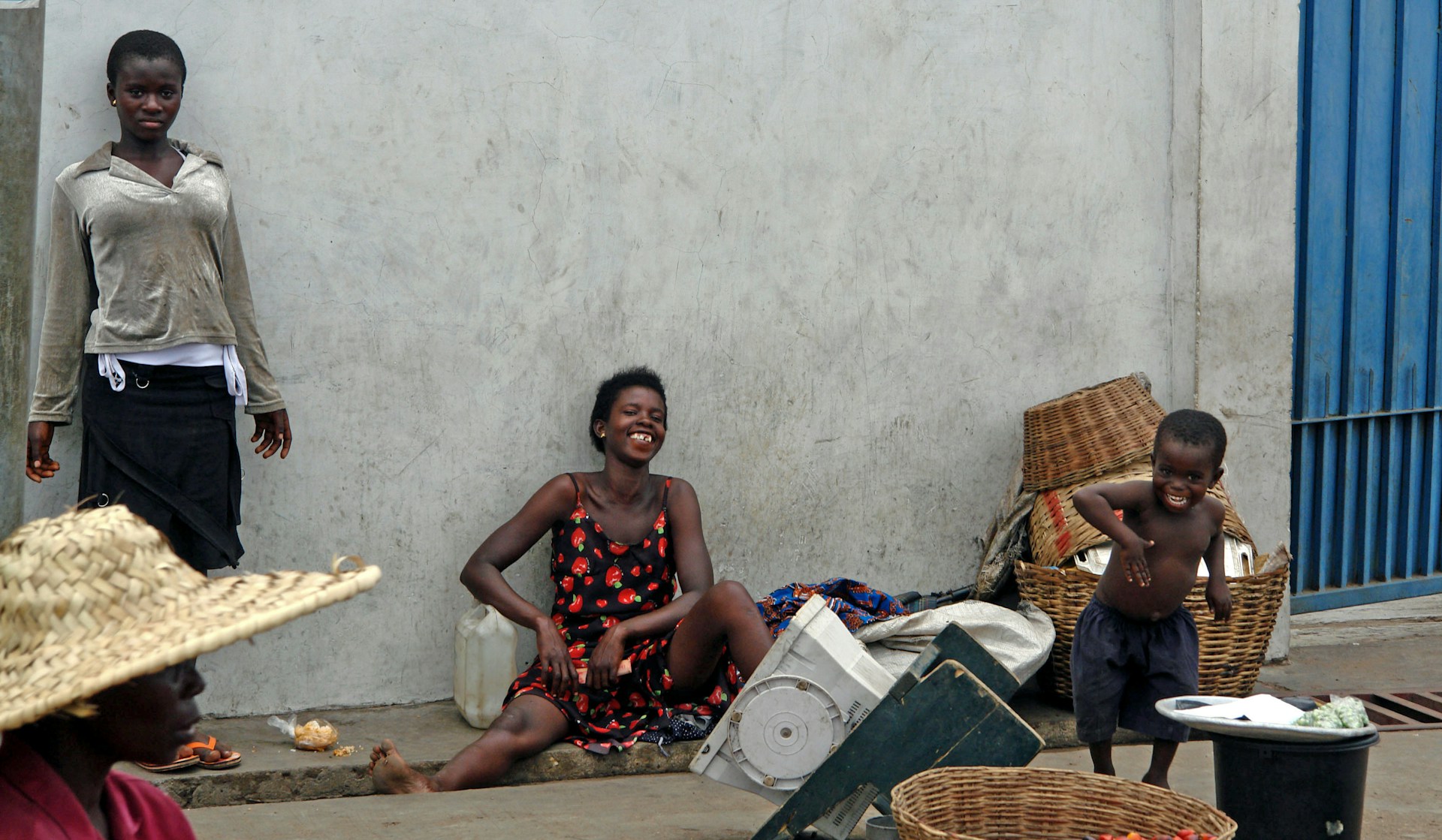
Poverty in Ghana: Challenges and Solutions

The Ripple Effects of Poverty in Ghana: Challenges and SolutionsGhana, known as the “island of peace,” is located on the West Coast of Africa, an area often described as one of the most chaotic regions in the world. Agriculture, the nation’s primary sector, employs about 40% of the workforce. However, the country continues to face challenges, with a 2022 World Bank report revealing that approximately 27% of Ghanaians lived below the poverty line due to high inflation and slow economic growth. In an interview with Joyce Bingham, the Borgen Project delves into poverty in Ghana, examining its consequences, obstacles and feasible remedies.

Agricultural Reliance and Poverty in Ghana

In Ghana, the United Nations International Children’s Emergency Fund (UNICEF) reports indicate significant nutritional deficiencies among children. It highlights that one in five children experience stunted growth, while two-thirds of those aged 6 months to 2 years lack sufficient nutrition. Malnutrition compromises their immunity, increases susceptibility to infections, impacts brain development and can be fatal. Hence, the World Food Program (WFP) partners with Ghana’s government to bolster food security and nutrition, mitigate malnutrition and improve the food system. This initiative is vital, as the visible undernourishment of many Ghanaian children underscores poverty’s profound effect on youth.

Joyce Bingham, a representative for the Church of Jesus Christ of Latter-Day Saints, lived in Ghana for two years with her husband Thomas. The Borgen Project spoke with Joyce about the local diet in Abomosu, a small village located in the eastern region of Ghana. According to her, “most families ate one meal a day and it was made out of cassava, which is a root that they would tend to have on farms, chickens or pig fat used for energy.” In addition, approximately 90% of Ghanaian families rely on agriculture to feed their children, with cassava as a crucial source of calories and carbohydrates. The fact that many families can afford only one meal a day highlights the impact of poverty in the country. To combat this, the U.S. Agency for International Development (USAID) has supported more than 63,000 farms, emphasizing the importance of agricultural aid in poverty reduction.

Water Accessibility and Housing Conditions

UNICEF reports that one in 10 Ghanaians spends more than 30 minutes to access clean water. Additionally, around 76% of households in Ghana face the risk of consuming water contaminated with fecal matter, yet only 4% properly treat their water before drinking. According to Joyce, “Women would come with their big buckets, and fill it with clean water and put it on their head and carry it for miles to have clean water in their home.” Therefore, access to clean water in Ghana is challenging, prompting UNICEF to partner with the Ghanaian government to ensure safe drinking water for all citizens. This initiative addresses the significant role water plays in the poverty experienced across the country.

In Ghana, many homes are constructed from makeshift materials such as cardboard boxes or tin sheets discarded from trucks, leading to unsafe living conditions. These environments can cause health issues including asthma, poisoning, injuries and respiratory infections. Hence, addressing Ghana’s housing crisis is crucial, and various organizations alongside the Ghanaian government are taking steps to improve the situation. The government has introduced a revised national affordable housing program aimed at reducing the housing deficit, which is a significant step toward ensuring safer living conditions.

Overcoming Educational Barriers

Thousands of children in Ghana miss out on education due to overcrowded classrooms, a shortage of supplies and textbooks and often, teachers lack adequate training. Joyce stated, “They have to pay for their education, it wasn’t free. So only those who had a farm would fund their children.” Given this, UNICEF collaborates with Ghana’s Ministry of Education and Ghana Education Service to ensure all children can access and benefit from education, addressing financial barriers to schooling. This initiative is crucial as education directly influences poverty reduction in Ghana.

Guardians in Abomosu aspire to provide their children with broad opportunities. Joyce highlighted, “Most of the time if you are born in Abomosu, you die in Abomosu. Parents wanted their children to know that there was a better world outside of the village.” Parents in Ghana make great sacrifices to send their children on educational field trips to Accra, recognizing the value of learning and experiencing life beyond their village.

Moreover, such opportunities are crucial for children’s development, offering insights into the world outside their immediate surroundings and playing a key role in building a better future. These experiences are instrumental in combating the cycle of poverty in Ghana by broadening children’s horizons and enhancing their educational journey.

Addressing Adolescent Pregnancy

Ghana faces significant challenges with adolescent pregnancy, especially among girls aged 15 to 19, with a birth rate of nearly 76 out of 1,000 births in this age group. In addition, these early pregnancies often lead to health risks and limited support resources. The Ghana Education Services and the Girls Education Unit are collaborating to develop guidelines aimed at preventing pregnancy and assisting young mothers in returning to school, thereby reducing the impact of poverty through educational support for young women.

Poverty in Ghana: Future Impact

Ghana’s concerted efforts to address agricultural reliance, water accessibility, housing conditions, educational barriers and adolescent pregnancy lay the groundwork for significant advancements in overcoming poverty. Moreover, these initiatives promise a brighter future where every Ghanaian can access the essentials for a healthy and productive life, breaking the cycle of poverty and opening new pathways for the nation’s growth.

– Abby Trussell

Abby is based in Rexburg, ID, USA and focuses on World News for The Borgen Project.

Photo: Unsplash

April 2, 2024
https://borgenproject.org/wp-content/uploads/borgen-project-logo.svg 0 0 Precious Sheidu https://borgenproject.org/wp-content/uploads/borgen-project-logo.svg Precious Sheidu2024-04-02 07:30:212024-04-01 05:33:24Poverty in Ghana: Challenges and Solutions
Global Poverty, Hunger, Poverty Reduction

Hunger in Tokelau

Hunger in TokelauTokelau, a Polynesian territory of New Zealand, boasts three small atolls fringed by crystal-clear waters and vibrant coral reefs. Despite this idyllic image, a hidden struggle with food security persists for many residents. While official reports indicate neither extreme poverty nor hunger on the island nation (data from 2014 shows no Tokelauans living below the basic needs poverty line), a 2016 census revealed a different story. About 22% of households reported feeling they have insufficient income. This discrepancy in hunger in Tokelau highlights the limitations of traditional poverty metrics. It underscores the importance of Sustainable Development Goal 2 (SDG 2): Zero Hunger.

Life on the Remote Atolls

About 1,500 people live on the coast of the three atolls: Atafu, Nukunonu and Fakaofo. The remote islands depend on boats and planes for transportation and trade. This makes it hard for them to get food from other places and limits their economic opportunities. Most people rely on fishing and subsistence farming for their livelihoods. However, these are threatened by changing weather patterns and environmental degradation.

Nutritional Challenges in Tokelau

Shifting weather patterns, a grim consequence of the changing climate, dramatically reshape Tokelau’s once-predictable island life. Rising sea levels fueled by warming waters threaten coastal areas with erosion and flooding. Droughts and storms, once infrequent visitors, have become unwelcome regulars, disrupting freshwater supplies and agricultural practices. Saltwater intrusion, a silent invader, contaminates freshwater sources and soils, jeopardizing food security and traditional livelihoods. 

Addressing the impact of changing weather patterns on Tokelau’s small atolls requires a multifaceted approach, including a shift in community mindsets and behavior. The island needs adaptation measures for essential service provision and increased capital investment to strengthen infrastructure against the changing climate.

Further, recent decades have witnessed a cultural shift that has contributed to hunger in Tokelau. Increased access to imported, processed foods has led to the gradual loss of traditional knowledge and skills for growing and preparing local fare. While often cheaper and more convenient, these imported options are laden with sugar, fat and salt, lacking essential vitamins and minerals.

This shift has fueled a rise in diet-related diseases like obesity, diabetes and heart problems, with children most susceptible due to their critical need for proper nutrition for growth and development. A United Nations Children’s Fund (UNICEF) situation analysis of children in Tokelau found that obesity and related non-communicable diseases are major public health concerns. Data from 2010 suggests that 74% of the population aged more than 16 and 33% of children aged 0-15 were obese.

Initiatives To Fight Hunger in Tokelau

Despite the challenges, there is hope for Tokelau to overcome hunger and achieve food security. The Food and Agriculture Organization of the United Nations (FAO) initiatives and programs address the problem from different angles. FAO has been partnering with Tokelau since 2011 as an Associate Member. The organization’s assistance to Tekolau has helped sustain natural resources and food security in the past few years.

FAO tailors its aid to Tokelau through the 2013-2017 Country Programming Framework. This framework addresses the regional needs of 14 Pacific Island Countries, including Tokelau, while focusing on five key areas: 

  • Strengthening policies and legislation 
  • Fostering sustainable agriculture 
  • Ensuring food safety
  • Boosting production and marketing
  • Protecting biodiversity 

In Tokelau specifically, FAO prioritizes building food security and climate resilience through two outcomes. The organization works to integrate environmental sustainability and adaptation to the changing climate into policies. Also, it wants to enhance environmental sustainability and resilience through improved coastal area management and sustainable land-use planning.

Tokelau’s Land Management Challenges and FAO’s Support

Tokelau’s low-lying atolls (three to five meters above sea level) face significant challenges due to coastal erosion. The limited land fertility and few natural resources further complicate food security and sustainable development.

Recognizing these challenges, FAO provided technical assistance to develop Tokelau’s first land-use plan. This plan, informed by land resource assessments and alternative scenarios, outlines sustainable land management practices and designates specific areas for various purposes, including tree planting, agriculture, infrastructure, housing, protected reserves and coastal development. 

The Future of Tokelau

Tokelau’s struggle with hunger exemplifies the global need to achieve SDG 2. By working towards this goal, the international community can support vulnerable communities like Tokelau in building a future free from hunger and malnutrition, ensuring a healthy and sustainable future for all.

– Adewumi Adewale
Photo: Flickr

March 31, 2024
https://borgenproject.org/wp-content/uploads/borgen-project-logo.svg 0 0 Jennifer Philipp https://borgenproject.org/wp-content/uploads/borgen-project-logo.svg Jennifer Philipp2024-03-31 01:30:282024-03-30 02:32:52Hunger in Tokelau
Developing Countries, Global Poverty, Poverty Reduction

Understanding Poverty Reduction in the Philippines

Poverty Reduction in the PhilippinesIn the Philippines, poverty has been prevalent in the lives of millions, with 22.4% of its population living below the national poverty line and 9.79 million Filipinos unable to meet their basic food needs. However, due to the efforts of poverty reduction in the Philippines, there has been a notable decrease from 2021, which saw a poverty rate of 23.7%.

With increasing urbanization and a growing middle class, poverty reduction in the Philippines is a crucial pathway toward understanding development goals and uncovering opportunities for advancement. This article will delve into the multifaceted approaches in the Philippines’ poverty reduction, analyze the strategies put in place so far and identify challenges to achieving President Ferdinand Marcos Jr’s plan to bring poverty in the Philippines down to 9% by 2028.

Current State

As evidenced by the Philippine Statistics Authority (PSA) and the Asian Development Bank (ADB), the current state of poverty in the Philippines is one of slow but resilient progress. According to the PSA, the Proportion of Poor among families has fallen from 18% to 16.4% between 2021 and 2023, highlighting some initial progress in poverty reduction efforts.

However, the PSA’s data also indicates that urban areas, such as Manila, which has a Poverty Incidence of 5.7%, have much lower levels of poverty than rural areas, such as Leyte, which has a Poverty Incidence of 31.3%, indicating a significant urban-rural gap. By addressing factors such as access to education, health care and employment opportunities and recognizing these disparities between urban and rural areas, we can implement effective policies to foster inclusive poverty reduction in the Philippines.

Government Initiatives

Regarding government initiatives, the Philippines’ Department of Social Welfare and Development (DSWD) has implemented a program known as the Pantawid Pamilyang Pilipino Program (4Ps). This program promises to provide conditional cash grants to poorer households to improve the health and education of children living below the national poverty line. As of August 2015, program recipients received P27.15 billion ($0.48 billion) in cash grants.

Meanwhile, another government initiative, the Sustainable Livelihood Program (SLP), started in 2011. This program generated employment among poor households and moved highly vulnerable households into more sustainable livelihoods, intending to expand poverty reduction in the Philippines. The program has grown from serving 46,000 families in 2011 to serving 166,000 families in 2017. Despite these efforts, challenges such as limited resources persist. However, sustainable poverty reduction is possible through monitoring and evaluating program performance and fostering transparency.

Nongovernmental Efforts

In addition to government initiatives, several nongovernmental organizations (NGOs) play a crucial role in poverty reduction in the Philippines. Organizations such as the Zero Extreme Poverty PH 2030 (ZEP) are actively involved in addressing the root causes of poverty, focusing on eight themes: Health, Education, Environment, Livelihood and Employment, Agriculture and Fisheries, Housing and Shelter, Peace and Human Security and Social Justice.

Zero Poverty PH has achieved many notable accomplishments in poverty reduction efforts. It installed a water system in Tayabasan, benefiting more than 215 families by giving them clean drinking water. Moreover, its goal to have two million Opportunity Youth in employment or self-employment by 2030 is already in progress. For example, Jonalyn, age 17, who had to drop out of school to support her family, is now receiving support from ZEP to continue her education at Hilamonan Elementary School, along with 300 other students. By working closely with communities, nongovernmental organizations can implement targeted goals that address specific needs and challenges.

Economic Challenges and Future Directions

However, alongside socioeconomic disparities, the Philippines also faces several environmental challenges from changing weather patterns, like typhoons and floods. These disasters have tragic consequences for people experiencing poverty, resulting in loss of livelihoods or homes and further deprivation. Furthermore, environmental factors such as pollution and deforestation threaten food security and create health risks.

As the lead plastic polluter in 2019, the Philippines is responsible for 36.38% of global oceanic plastic waste. Undoubtedly, this is having dire effects on those in poverty. Whether through water-transmitted illnesses or threats to livestock due to the endocrine-disrupting chemicals in the plastic, which are linked to several issues such as infertility, cancer, diabetes and increased risk of cardiovascular disease and strokes.

Moreover, government initiatives such as the Extended Producer Responsibility Act (EPRA), introduced in 2022, which requires companies to create EPR programs for plastic waste reduction, recovery and diversion, have set an expectation for an 80% decline in their plastic product footprint. Furthermore, the Philippine government has implemented a National Plan of Action for the Prevention, Reduction and Management of Marine Litter to achieve zero waste in Philippine waters by 2040. This plan will create a wide range of policies, such as improving public awareness about marine pollution and participating in international coastal clean-ups, highlighting a wide approach towards their goal.

This is important for poverty reduction as plastic pollution can affect health through cancer, cardiovascular disease and more. Furthermore, plastic pollution affects farm animals and fish through choking or entanglement, which affects not only the amount of food around but also causes a massive dip in income for those who rely on this livelihood and fishing for income.

Final Remark

Poverty reduction in the Philippines requires multifaceted approaches that cover social, economic and environmental angles. While progress is being made through government and NGO initiatives, challenges continue to persevere. By prioritizing inclusive and sustainable policies, there is a strong chance that the Philippines will continue striving toward a prosperous future.

– Emily Weir
Photo: Flickr

March 30, 2024
https://borgenproject.org/wp-content/uploads/borgen-project-logo.svg 0 0 Jennifer Philipp https://borgenproject.org/wp-content/uploads/borgen-project-logo.svg Jennifer Philipp2024-03-30 01:30:142024-03-29 05:36:39Understanding Poverty Reduction in the Philippines
Africa, Global Poverty, Poverty Reduction

A Music Tour Reducing Poverty in Africa

Poverty in AfricaRwanda is a small landlocked country in East Africa that has remarkably reduced extreme poverty from 40% to 16% since 2000. However, as a young country with 45% of the population under the age of 18, childhood poverty remains a significant challenge. To recognize the efforts of those working to alleviate poverty in Africa, the “Move Afrika: Rwanda” concert was held at Kigali’s BK arena on December 6, 2023.

Poverty in Rwanda

Despite significant efforts and successes in reducing poverty in Rwanda, the challenges for children and their families remain substantial. Of 1,000 children born in Rwanda, 50 do not survive to 5 years old. Moreover, 75% of these deaths come in the first months of life. While chronic malnutrition has declined, poor water quality and access to hygiene facilities still leave children suffering from stunting and low birth weight. This challenge is compounded by the fact that only 64% of households have their own latrine and 5% have hand-washing facilities with soap and water.

In terms of education, 13% of children are enrolled in early education, with a large disparity weighted against children living in rural areas compared to urban ones–a common trend when analyzing child poverty rates globally. Despite these challenges, poverty reduction efforts in Rwanda merit celebrating and supporting further. Hence, the American creative communications company pgLang, in partnership with Grammy Award winner Kendrick Lamar, the Rwanda Development Board and Global Citizen, imagined an original music event for the region.

Move Afrika: Rwanda

“Move Afrika: Rwanda” supports an advocacy campaign that urged world leaders to make bold pledges on significant issues, aiming to reduce poverty in Africa. The campaign focused on key areas such as increasing resources for health campaigns that particularly benefit women and young girls, addressing food scarcity within the continent and providing greater access to economic opportunities. During the event, local communities were supported with training to support the concert. This included stage management and security skills training. Furthermore, Rwandan culture was front and center, with traditional Agaseke peace baskets a focal point on the stage. These were crafted by 20 artisans from the Nyamirambo Women’s Centre.

In celebrating those people fighting to reduce poverty in Rwanda, the works of nonprofits and civil society workers who came together in nationwide community service to plant more than 1,000 trees on Mount Rebero were recognized. In attendance also were 30 health care workers who were allowed to highlight their work in health equity and access. Move Afrika has also made a lasting pledge to continue to support local entrepreneurs and help them access longer-term job opportunities in the future. By giving internationally recognizable performers such as Kendrick Lamar a platform, Move Afrika is exposing countries like Rwanda to fighting poverty with international support.

The Future of Move Afrika?

“The Move Afrika: Rwanda” music tour was a success. So much so that it will be repeated next year; this time, it will be held in Ghana. Ghanaian President Nana Akufo-Addo said, “Global Citizen is known for leveraging live music events to engage youth while creating social and economic impact. Today, we celebrate this milestone for Ghana.”

“We look forward to future announcements on this growing cohort of Move Afrika destinations,” he added. With Move Afrika at the beginning of its journey to reduce poverty in Africa, there is no telling where this innovative and engaging project will end up.

– Thomas Field
Photo: Flickr

March 29, 2024
https://borgenproject.org/wp-content/uploads/borgen-project-logo.svg 0 0 Hemant Gupta https://borgenproject.org/wp-content/uploads/borgen-project-logo.svg Hemant Gupta2024-03-29 07:30:502024-03-28 04:19:47A Music Tour Reducing Poverty in Africa
Developing Countries, Global Poverty, Poverty, Poverty Reduction

Disability and Poverty in Russia

Disability and Poverty in RussiaRussia’s poverty rate across all demographics sits at 12.1% as of 2020, per the World Bank. Further, 13 million Russians have disabilities, which is roughly 9% of the total population. In lower and middle-income countries, which includes Russia, disabled people are twice as likely to live in poverty than non-disabled people. As with many countries, disability and poverty in Russia are linked to each other; Russia’s history of discrimination against disabled people relegates many of them to live in poverty and this marginalized demographic faces discrimination in modern-day Russia.

History

Historically, the Russian government has treated its disabled citizens with disregard for their well-being. The current Russian Federation’s former governing state, the Soviet Union, outright denied their existence in the country, infamously declining to participate in the first iteration of the Paralympic Games in 1980, claiming that no disabled people existed in the country.

Before this, the Soviet government assigned disabled World War II veterans to low-paying jobs upon their return from war, thus relegated to poverty. These new jobs assigned to the now-disabled Russian veterans often disregarded their previous careers and skill sets. They reduced them to being defined by their disability.

This practice of job reassignment created an association between poverty and disability in Russia and disabled citizens were given little opportunity to better their conditions beyond their low-wage occupations.

Modern Problems

In addition to the higher rates of poverty among disabled Russians, discrimination against people with disabilities is still pervasive in the country. In 1995, the Russian Federation passed a law outlining a federal definition of disability, a step forward from the Soviet Union’s denial of disabled Russians.

Despite the federal acknowledgment of disabled citizens, the country still lacks adequate resources for them. Disabled people in Russia, particularly children with disabilities, are mistreated. For example, according to Human Rights Watch (HRW), Russian orphanages have been caught transferring their disabled residents to state-run institutions without their consent once they have turned 18 when they instead should be transitioned into living independently.

This comes in tandem with allegations of abuse inside Russian orphanages, where an estimated 30% of disabled Russian children live. These orphanages hold children for extended periods despite being intended only for temporary stays. Former residents have accused these children’s homes of tying patients to beds, sedating them and temporarily transferring them to mental institutions against their will as punishment.

Solutions

The violence and adversity faced by disabled people are still pervasive. However, some organizations are working to alleviate the issues that come from disability and poverty in Russia. To combat the adversity faced by disabled Russians, some citizens have started their own charities and nonprofits to improve the quality of life for people with disabilities and give support to their families.

For example, Perspektiva is a Russian nonprofit that works to improve the quality of life for people with disabilities, including helping them find employment to diminish the number of people living with both disability and poverty in Russia. Perspektiva has helped Russians with disabilities complete internships with international companies, such as Ernst and Young, L’Oreal and SAP and it lists hundreds of jobs on its employment portal for disabled job applicants.

Final Remark

The social acknowledgment of disabled Russians and the work of charities like Perspektiva have helped improve the status of disabled Russians living in poverty. However, this vulnerable demographic still needs assistance and advocacy to improve further.

– Elizabeth Nelms
Photo: Wikimedia Commons

March 29, 2024
https://borgenproject.org/wp-content/uploads/borgen-project-logo.svg 0 0 Jennifer Philipp https://borgenproject.org/wp-content/uploads/borgen-project-logo.svg Jennifer Philipp2024-03-29 01:30:332024-03-28 03:58:30Disability and Poverty in Russia
Global Poverty, Poverty Reduction

Innovations in Poverty Eradication in Fiji

Poverty Eradication in FijiPoverty is a significant issue in the islands of Fiji. However, instead of giving up, the country is actively seeking new and innovative ways to assist those who are struggling. Through both small community projects and large-scale government plans, Fiji is leading the way in the fight against poverty. The country is making great strides towards achieving the Millennium Development Goals (MDG) in Education, Health, Environmental Sustainability and Global Partnership for Development (GDP), especially compared to most Pacific developing member states.

Oxygen Access Helps Poverty Eradication in Fiji

In Fiji, oxygen access was one of the biggest health issues due to the lack of a consistent and reliable supply of medicinal oxygen. To tackle this problem and achieve poverty eradication in the nation, the Ministry of Health, in partnership with Cure Kids, launched an exciting initiative called the Oxygen Project to improve oxygen access. The Oxygen Project distributes oxygen concentrators to health care facilities all over Fiji. Oxygen concentrators are small, lightweight devices that filter the air and concentrate the oxygen, ensuring that patients receive pure, medicinal-quality oxygen.

This initiative eliminates the need for bulky oxygen tanks that require transportation between health centers. Solar power systems installed in health facilities enabled the concentrators to operate without traditional power sources. Most importantly, the project will train biomedical engineers, solar engineers and nurses in operating, maintaining, monitoring and repairing solar panels and concentrator systems.

Telecommunication Technology

Fiji is connected to major telecommunication hubs and nearby Pacific Island nations through a vast network of underwater cables. Amalgamated Telecom Holdings (ATH), which the Fiji National Provident Fund primarily owns, owns Fiji’s telecommunication providers, including Vodafone, Telecom Fiji and Fiji International Telecommunications Ltd.

The second significant player in the market is Digicel. At the same time, Starlink, a satellite internet provider and a subsidiary of SpaceX, has received government approval and is soon anticipated to launch in Fiji. Due to a lack of infrastructure development in rural areas, about 5% of the country still lacks mobile network coverage.

Due to a lack of infrastructure development in rural areas, about 5% of the country still lacks mobile network coverage. Telecommunications play an essential role in poverty eradication in Fiji because they expand access to information, enhance communication networks, create economic opportunities, support education and skills development and improve health care access.

The World Bank’s Role in Sustainable Recovery

The World Bank’s executive directors approved an operation to support Fiji’s ongoing efforts to recover from the impacts of COVID-19 and multiple tropical cyclones. The World Bank’s Fiji Recovery and Resilience First Development Policy Operation (DPO) with a Catastrophe-Deferred Drawdown Option (Cat-DDO) will accelerate the nation’s recovery while enhancing economic, social and climate resilience.

Fiji experienced a severe economic contraction that left one-third of its workforce without full-time employment. The project perfectly aligns with the recently authorised World Bank Group Country Partnership Framework for Fiji (2021–2024) and the Fijian National Development Plan. Enhancing Fiji’s debt and public financial management is a top priority for the operation, which also encourages women’s participation and breaks down barriers between the sexes in industries where males predominate.

Furthermore, the operation supports the creation of a Social Assistance Policy that will enhance the effectiveness and targeting of social assistance programs for numerous impoverished and vulnerable groups in Fiji, as well as the private sector-led economic recovery supported by the International Finance Corporation (IFC).

Conclusion

Innovative methods for poverty eradication in Fiji are starting to emerge to meet the multifaceted issues that disadvantaged communities face. These include projects like social enterprise development, digital technology, community-based tourism, climate-smart agriculture, microfinance and financial inclusion, social protection programs and participatory planning and governance.

These inventions seek to strengthen livelihoods, empower communities and increase resistance to environmental difficulties and economic shocks. These poverty innovations support inclusive growth and sustainable development in Fiji by integrating business models with social impact goals and encouraging local ownership and cooperation.

– AuiCha Conley
Photo: Unsplash

March 22, 2024
https://borgenproject.org/wp-content/uploads/borgen-project-logo.svg 0 0 Hemant Gupta https://borgenproject.org/wp-content/uploads/borgen-project-logo.svg Hemant Gupta2024-03-22 07:30:362024-03-21 04:37:37Innovations in Poverty Eradication in Fiji
Global Poverty, Health, Poverty Reduction

Possible Health Reducing Poverty in Rural Nepal

Rural NepalIn the rugged terrain of rural Nepal, where access to health care is out of reach for many, Possible Health has emerged as a ray of hope. Founded by Dr. Duncan Maru and his team, Possible Health is not just a healthcare organization but a catalyst for reducing poverty in rural Nepal. With a mission to provide comprehensive primary healthcare services and a commitment to sustainability and community empowerment, the initiative transforms lives in rural Nepal. 

Founding

Possible Health traces its roots back to 2008, when Maru, Dr. Sanjay Basu, Dr. Jason Andrews and public health expert Bibhav Acharya realized the dire need for accessible and affordable health care in rural Nepal. When confronted by the limitations of traditional aid models, these men envisioned a more holistic approach to health care delivery. 

This approach would address immediate medical needs and the underlying factors contributing to poor health outcomes and poverty in rural Nepal. Therefore, Possible Health was created with the fundamental vision that health care is a human right, regardless of one’s socioeconomic status or geographic location.  

Health Care For All

In remote rural Nepal, the initiative’s operations are strategically placed clinics managed by a dedicated team of local healthcare workers, including doctors, nurses and community health workers. These clinics serve as essential centers of health and healing, offering specialized medical care that meets the unique healthcare needs of the local population. In addition, these clinics also contribute to reducing poverty by improving the overall health and productivity of the community.

One fundamental aspect of Possible Health’s approach lies in its commitment to harnessing technology to overcome geographical barriers and enhance healthcare accessibility in rural Nepal. Through the implementation of mobile health solutions, for example, healthcare workers can easily communicate, gather data and coordinate patient care, even in the most isolated regions. This innovative use of technology increases the efficiency of health care delivery and ensures that every individual in rural Nepal, regardless of their remoteness, receives the care they urgently need.  

Empowering Communities for Sustainable Change 

Beyond providing these healthcare services, Possible Health is deeply committed to fostering sustainable change and empowering communities to take charge of their own health and well-being. By training and employing local healthcare workers, for example, Possible Health creates opportunities for economic prosperity and self-reliance to help individuals and families out of poverty. 

In addition, the foundation actively involves community members in decision-making processes, ensuring that all programs are responsive to local needs in rural Nepal. Possible Health’s efforts in reducing poverty in rural Nepal have had a significant impact beyond its clinics’ walls. The organization has initiated programs focused on education and community development, building a foundation for long-term prosperity and resilience. By addressing the root causes of poverty and inequality, Possible Health is improving health outcomes and creating opportunities for individuals and communities to thrive. 

Poverty Reduction 

By prioritizing preventive health care through services such as maternal and child health check-ups and immunizations, Possible Health empowers individuals with the knowledge and tools to maintain good health. This approach reduces the financial burden of preventable illnesses and helps lift households out of poverty. 

Additionally, by training and employing local healthcare workers and involving community members in decision-making processes, Possible Health creates economic opportunities and fosters self-reliance, contributing to long-term prosperity and reducing poverty in rural Nepal.

The Path Forward 

As Possible Health continues to expand its reach and impact, the organization remains committed to its founding principles. With a visionary team guiding the organization and a network of dedicated supporters, Possible Health can make even more significant steps toward reducing rural Nepal’s poverty. By utilizing the power of health care as a force for change, the program is paving the way for a brighter and healthier future for individuals in rural Nepal. 

– Olivia Pitrof 
Photo: Flickr

March 20, 2024
https://borgenproject.org/wp-content/uploads/borgen-project-logo.svg 0 0 Hemant Gupta https://borgenproject.org/wp-content/uploads/borgen-project-logo.svg Hemant Gupta2024-03-20 01:30:042024-03-19 03:41:03Possible Health Reducing Poverty in Rural Nepal
Africa, Global Poverty, Poverty Reduction

How a USAID Program Is Protecting Fisheries in Ghana

Fisheries in GhanaIn Ghana, sustainable management of fisheries plays a crucial role not only in preserving the Ghanaian environment but also in reducing poverty. Ghana is situated in West Africa along the Atlantic coast and has significant poverty levels. As of 2023, 27% of Ghanaians live below the international poverty line and anticipated projections suggest that this figure may increase due to the economic crisis that began in 2022. Consequently, coastal communities have an escalating reliance on Ghanaian fisheries as fishing becomes a primary source of sustenance and employment.

Given this scenario, initiatives like the Feed the Future Ghana Fisheries Recovery Activity (GFRA) are instrumental in sustainably combating poverty in Ghana while safeguarding the fisheries crucial to the livelihoods of many.

Sustainable Fisheries Management for Poverty Alleviation

The United States Agency for International Development (USAID) funds GFRA in partnership with the Ghanaian government. A five-year program launched in 2021 aims to mitigate the near collapse of Ghana’s small pelagic fisheries like sardines, mackerel and anchovies by establishing a foundation for their ecological recovery. Sustainably managing these fisheries and preventing overfishing is crucial for protecting marine ecosystem biodiversity. Similarly, maintaining a source of employment and food for coastal Ghanaian communities alleviates poverty.

Approach To Sustainable Fisheries Management

The USAID-funded program employs a diverse approach to sustainable fisheries management. Tetra Tech, an engineering and consulting firm, administers the program, which focuses on water, environmental conservation, sustainable infrastructure, renewable energy and international development. It adopts a multifaceted strategy in eco-friendly fishing management.

Since the program’s inception, one measure implemented has supported establishing a Marine Protected Zone (MPA) in Ghanaian waters. This zone restricts fishing activities within its boundaries and is slated for establishment by the Ghanaian government by 2025. Additionally, the Government of Ghana has committed to mandating the monitoring of all fishing vessels. They ensure compliance with regulations and preserve the health and sustainability of these fisheries.

USAID Bolsters Funding for Ghana Fisheries Program

Amid the declining state of Ghana’s economy since the initiation of GFRA, USAID has taken proactive measures by injecting an additional $6 million in 2023 into the program. This initiative indicates a significant 33% increase, elevating the program’s budget from $17.8 million to $23.8 million. The increased financing has gone toward joint projects with the Ghanaian government and projects meant to diversify the economies of coastal communities away from fishing.

These programs aim to lessen Ghanaians’ excessive reliance on coastal fishing for subsistence, focusing on empowering women and youth. This strategic shift aims to enhance fisheries’ health and bolsters these communities’ economic resilience in adversity.

Moreover, GFRA funding extends to bolstering Ghanaian partners involved in the project. It includes support for organizations like Hεn Mpoano, a Ghanaian nonprofit dedicated to coastal regulation. The Centre for Coastal Management – Africa Centre of Excellence in Coastal Resilience (CCM-ACECoR) established a partnership to support ecological recovery at the University of Cape Coast. These partners will be pivotal in spearheading training programs and conducting research essential to the project’s success.

Conclusion

Collaborating organizations from the United States (U.S.) and Ghana are actively pursuing the GFRA’s mission to safeguard Ghana’s fisheries. They are focused on sustaining local communities nutritionally and economically in the long term. As this program persists amid Ghana’s enduring economic challenges, anticipation builds regarding its transformative impact on its economy, poverty rates and environmental well-being.

– Lyle Seeligson
Photo: Wikimedia Commons

March 15, 2024
https://borgenproject.org/wp-content/uploads/borgen-project-logo.svg 0 0 Hemant Gupta https://borgenproject.org/wp-content/uploads/borgen-project-logo.svg Hemant Gupta2024-03-15 07:30:592024-03-15 03:44:49How a USAID Program Is Protecting Fisheries in Ghana
Global Poverty, Human Trafficking, Poverty Reduction

Human Trafficking: 5 Companies Fighting It

Human TraffickingThe fight against human trafficking stands as one of the most important causes in the modern world. Every year, it is estimated that some form of international slave trade traffics 600,000 to 800,000 people. Therefore, the fight is essential because it champions providing basic human rights to everyone and aids impoverished countries in improving. 

While not every single person has the capacity to stop slave labor physically, everyone can contribute in many ways, even by simply purchasing useful or pretty products. Here, we list five interesting products and companies that help stop human trafficking.

Purpose Jewelry

Purpose Jewelry is a company that sells handmade jewelry made by survivors of human trafficking. The company rescues the girls from brothels and sends them to live in its trademarked “Sanctuaries,” where it trains them to make jewelry. It also provides them with health care, mental care and education. The girls also earn full salaries for their work. The company invests 100% of its profit back into helping the victims. Currently, the company assists victims from Mumbai, Cebu, Kampala and Tijuana. 

Elegantees

Elegantees creates casual but stylish clothes that any woman can wear. Its priority is sustainability, using cotton and deadstock materials. Most importantly, the employees are primarily girls who are survivors or at risk for human trafficking from Nepal or India. “The Nepal-India border is one of the busiest human trafficking gateways in the world,” with a report showcasing that around 50 women are illegally transported from Nepal to India daily.

The company explains very simply that poor girls often get tricked into brothels because they are looking for jobs. If companies quickly provide safe jobs, human trafficking intermediaries are cut out. All workers are adults, earn a livable wage and receive overtime, vacation and any other benefits you would expect from normal working conditions.

Dignity Coconuts

Dignity Coconuts is a company tackling a unique poverty-related problem in the Philippines. Coconuts are the country’s largest crops grown, with both large plantations and small-scale farmers involved in their production. However, this has resulted in a serious issue known as “copra slavery.” Many companies and countries prefer to purchase products from large-scale farmers, which often drives smaller farmers into poverty. This leaves them vulnerable to human trafficking and at the mercy of larger farms. 

As a result, they are usually forced to beg for loans that they will never be able to repay. Dignity Coconuts changes this dynamic by enabling customers to purchase coconut oil directly from the farmers in the Philippines. The organization has more than 150 farmers on board, which means 150 farms providing jobs for people, protecting them from poverty and desperation that might lead them to trafficking jobs, including running the slave trade.

The Starfish Project

The Starfish Project is an organization that rescues girls from brothels and provides them with training in making jewelry and crafts. Additionally, the girls can continue their education while working there. They can move up in the company hierarchy from crafting to having full careers in fields such as accounting and photography. It is worth noting that the Starfish Project focuses on rescuing rather than prevention. More than 180 women have been able to escape human trafficking situations and turn their lives around thanks to the Starfish Project’s efforts.

Good Paper

Good Paper is a company that creates handcrafted cards for various occasions. The cards are produced in two locations: one in the Philippines, which supports victims of sex trafficking and the other in Rwanda, which helps victims of genocide. 

The Philippines is one of the highest-risk countries for trafficking, with 60,000 to 100,000 children being the victims of sex trafficking. You can make a difference in someone’s life by purchasing a card from Good Paper. Each card is signed by the person whose life you have helped change by supporting this company.

The above products are available for purchase by the average consumer. By buying them, you can help support victims of human trafficking and prevent more people from falling into this terrible crime. Furthermore, improving the economic situation of the victims can help reduce poverty overall.

– Varsha Pai
Photo: Pixabay

March 13, 2024
https://borgenproject.org/wp-content/uploads/borgen-project-logo.svg 0 0 Hemant Gupta https://borgenproject.org/wp-content/uploads/borgen-project-logo.svg Hemant Gupta2024-03-13 23:30:082024-05-09 06:44:33Human Trafficking: 5 Companies Fighting It
Page 9 of 63«‹7891011›»

Get Smarter

  • Global Poverty 101
  • Global Poverty… The Good News
  • Global Poverty & U.S. Jobs
  • Global Poverty and National Security
  • Innovative Solutions to Poverty
  • Global Poverty & Aid FAQ’s
Search Search

Take Action

  • Call Congress
  • Email Congress
  • Donate
  • 30 Ways to Help
  • Volunteer Ops
  • Internships
  • Courses & Certificates
  • The Podcast
Borgen Project

“The Borgen Project is an incredible nonprofit organization that is addressing poverty and hunger and working towards ending them.”

-The Huffington Post

Inside The Borgen Project

  • Contact
  • About
  • Financials
  • President
  • Board of Directors
  • Board of Advisors

International Links

  • UK Email Parliament
  • UK Donate
  • Canada Email Parliament

Get Smarter

  • Global Poverty 101
  • Global Poverty… The Good News
  • Global Poverty & U.S. Jobs
  • Global Poverty and National Security
  • Innovative Solutions to Poverty
  • Global Poverty & Aid FAQ’s

Ways to Help

  • Call Congress
  • Email Congress
  • Donate
  • 30 Ways to Help
  • Volunteer Ops
  • Internships
  • Courses & Certificates
  • The Podcast
Scroll to top Scroll to top Scroll to top