10 Low-Cost Innovations Saving Lives
 While large-scale governmental action is of paramount importance in tackling poverty, grassroots innovations still play a critical role. Access to nutritious food, clean water, sanitation and medical supplies can spread further through grassroots products that are inexpensive and use local resources. Here are 10 low-cost innovations that save lives by reducing malnutrition, waterborne diseases, back and foot injuries and infant hypothermia.
1. The Shoe That Grows
The first of these low-cost innovations is The Shoe That Grows. This rubber sandal is designed with expanding straps and buckles, designed to fit a growing child’s feet from the age of five up to nine years old. Not only do these shoes save parents money, they prevent foot injuries among growing children and protect against soil-transmitted diseases, parasites, and bites from snakes and scorpions. Children in more than 97 countries have already received a pair.
2. Flo
Flo is a reusable kit of menstrual products, including washable pads, a pouch to carry them in and a container for them to be washed and dried in. A menstrual hygiene kit allows girls to keep attending school throughout their periods. On average, girls in Kenya miss four days of school every month because they do not have the products or the facilities necessary at school. Additionally, a reusable design means women can reuse the products for multiple years, which is better for the planet.
3. SafariSeat
This is an all-terrain wheelchair modified from the design of a traditional wheelchair to suit mountainous roads and off-roading. Made from recycled bicycle parts and designed to be manufactured and fixed in developing countries, the SafariSeat is a cyclical product requiring few inputs. Two hand levers propel the wheelchair, keeping the users’ hands clean from dust and dirt that collect on the wheels. The Accessibility Institute, the company that developed the SafariSeat, is now manufacturing a cart that can be added.
4. NIFTY Cup
The NIFTY cup is a small plastic cup that allows for easy collection of breastmilk to feed babies with a cleft palate or other difficulty with breastfeeding. This reusable cup prevents malnutrition in places where an infant’s ability to nurse is the difference between life and death. Only costing $1 to produce, what the NIFTY cup lacks in size it makes up for in use.
5. The Life Saving Dot
Women across rural Bangladesh suffer from iodine deficiency, which can cause fibrocystic disease, breast cancer and complications with pregnancy and childbirth. The Life Saving Dot is a variation on a traditional bindi, worn by women between the eyebrows, and provides women with the recommended dose of iodine. This is an affordable innovation for rural households, as each pack costs only two rupees.
6. Lucky Iron Fish
Iron is another common deficiency, especially among menstruating women, with roughly 3.5 billion suffering worldwide. This life-changing innovation is a fish-shaped iron object that is put into boiling water before vegetables are added to increase their iron content. This can prevent anemia and boost concentration levels and energy.
7. Life Straw
The LifeStraw filters water through a specially designed fabric, making it safer to drink and can prevent water-borne diseases such as cholera and typhoid. The company that makes them donates straws to communities that need them, in addition to providing filtration systems.
8. Embrace Warmer
The Embrace Warmer is a special sleeping bag for babies, to prevent them from catching hypothermia, a common cause of death among infants in developing countries. It stays at optimum body temperature for four hours, takes in heat from the baby who is too hot and gives out heat if the baby’s temperature drops. Low-cost and reusable, it is a great innovation for areas with high infant mortality rates, with many babies around India and Africa having used the embrace warmer so far.
9. Hippo Roller
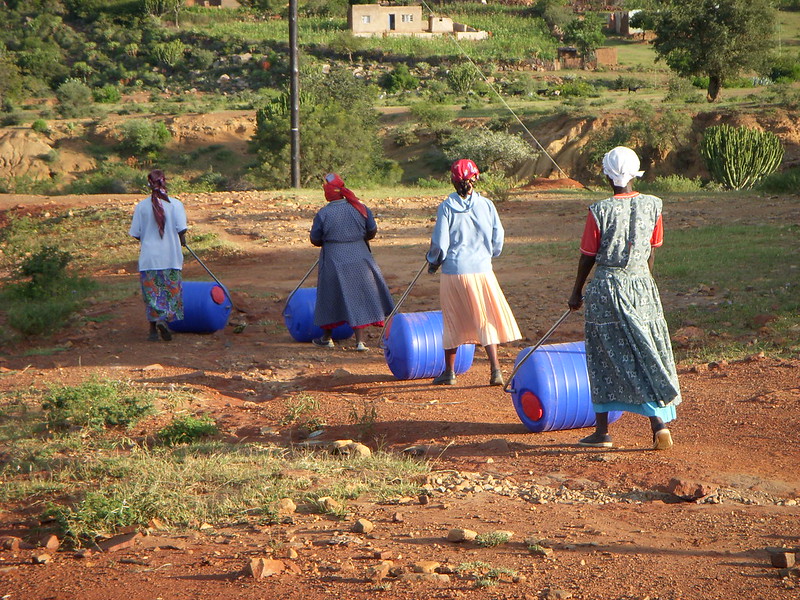
Carrying water can cause long-term health effects to women, who often bear the responsibility of collecting a household’s supply. The Hippo Roller is essentially a plastic barrel with a metal handle, allowing users to roll a day’s worth of water for their household along the ground, instead of carrying it. This also protects women who are at risk of sexual assault or violence as they can collect water during the day, when it is safer. Currently, Hippo Rollers are used in 56 countries to transport 2 billion liters of water every year.
10. Hemafuse
The Hemafuse makes blood transfusions simpler in areas without access to storage banks. Acting like a large syringe, it allows a doctor to collect blood from a hemorrhage, filter it and replace blood back into the patient’s own body. This improves hygiene in remote areas which don’t have access to high-tech medical supplies, saving lives in emergency situations and childbirth.
Looking Ahead
These low-cost innovations play a huge role in tackling poverty, especially for people in developing countries, helping them overcome their everyday struggles such as access to clean water, nutritious food and health care. Hopefully, both governments and NGOs will focus on low-cost innovations in the future as well, providing help to more and more people every day.
– Lydia Greene
Photo: Flickr
