Hunger Crisis in Nigeria
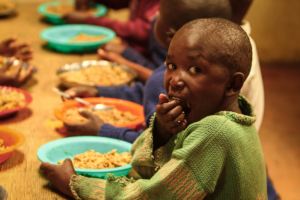 Nigeria, a multiethnic country with more than 200 million people, has one of the largest youth populations globally. However, severe malnutrition and starvation are prevalent due to hunger and famine. Food insecurity in Nigeria increases the risk of malnutrition, stunted growth and developmental problems in children. Even more, poor nutrition and lack of access to primary health care have led to higher rates of infectious diseases.
The Food and Agriculture Organization (FAO) estimates that approximately 25 million Nigerians are experiencing a hunger epidemic. The ongoing conflict in northeastern Nigeria, alongside a population boom, has exceeded the capacity for food production and economic development. The northeast region of Nigeria relies on agriculture and subsistence farming. Nonetheless, they face difficulties in harvesting their crops due to several factors.
Climate Crisis
Severe climate conditions have negatively impacted Nigeria’s food supply chain. Nigeria experiences intense and erratic rainfall, which is a recurring problem. In 2022, flooding damaged approximately 676,000 acres of agricultural land, contributing to rising levels of hunger and malnutrition, per the National Emergency Management Agency (NEMA).
Food production and agriculture have declined due to flooding, landslides and soil erosion. With high food prices, the limited supply remains unaffordable for most individuals. Additionally, water pollution exacerbates the situation, posing a threat to the environment and the health of local populations.
Armed Conflict and Violence
In Nigeria’s northeast, security concerns have resulted in violence between farming communities and herders, causing significant disruptions to the local food supply. The conflict and drought have prevented many farmers from growing crops, making it challenging for Nigerians to make ends meet and further straining the economy.
Gender Inequality
Gender inequality is a contributing factor to food insecurity in Nigeria. Women lack access to necessary resources and services to provide food security for their families, increasing food insecurity. According to the International Monetary Fund (IMF), reducing gender disparities would lead to higher economic growth, more efficient economic operations and a more stable economic environment.
Poverty
Poverty in Nigeria is primarily due to unemployment. The lack of job opportunities leaves many individuals without the means to support themselves and their families. Additionally, the deficient education system exacerbates the issue of the hunger epidemic threatening Nigerians.
Corruption at governmental levels has prevented investment in job creation and education initiatives, thereby worsening the poverty problem. This has resulted in stagnant economic growth and an increased income gap between the rich and the poor. The financial crisis has caused a decline in living standards for Nigerians.
Current Efforts and Solutions
Through its Nutrition & Health Programs, Action Against Hunger managed to reach 1.8 million people. Using its innovative program, “Porridge Moms,” homeless women and refugees learned how to prepare nutritious meals for their children, thereby preventing malnutrition. As part of the effort to prevent and treat malnutrition, approximately 822,000 pregnant women, breastfeeding mothers and children under 5 years of age got access to water, sanitation and hygiene programs.
The Nigeria Erosion and Watershed Management Project (NEWMAP) has been actively implementing an Environmental and Social Management Plan (ESMP) to prepare the country for natural hazards and climate risks. Furthermore, the ESMP has improved the efficiency and effectiveness of environmental management and aimed to achieve greater ecological compliance.
As a result of the ESMP, agricultural lands previously degraded have been restored for agricultural purposes, leading to increased productivity and reduced hunger. Despite the negative impacts of climate change on farming land, vegetation and forests, the restoration process has led to the introduction of innovative employment methods.
Food vouchers and cash transfers are part of Save the Children’s support program to help families recover and settle. Several food system exchanges have been initiated by the Nigerian government in order to maintain weather information on a timely basis. Furthermore, the government aims to implement the Social Protection Law to identify and assist disaster victims.
What’s Next?
Initiatives that aid vulnerable populations improve market access and subsidize agriculture could accelerate progress in the fight against food insecurity in Nigeria. Additionally, promoting sustainable agricultural practices carry the potential to increase food production and reduce hunger.
– Simran Raghav
Photo: Flickr
