3 Ways Genetically Modified Rice Can Help Solve Hunger
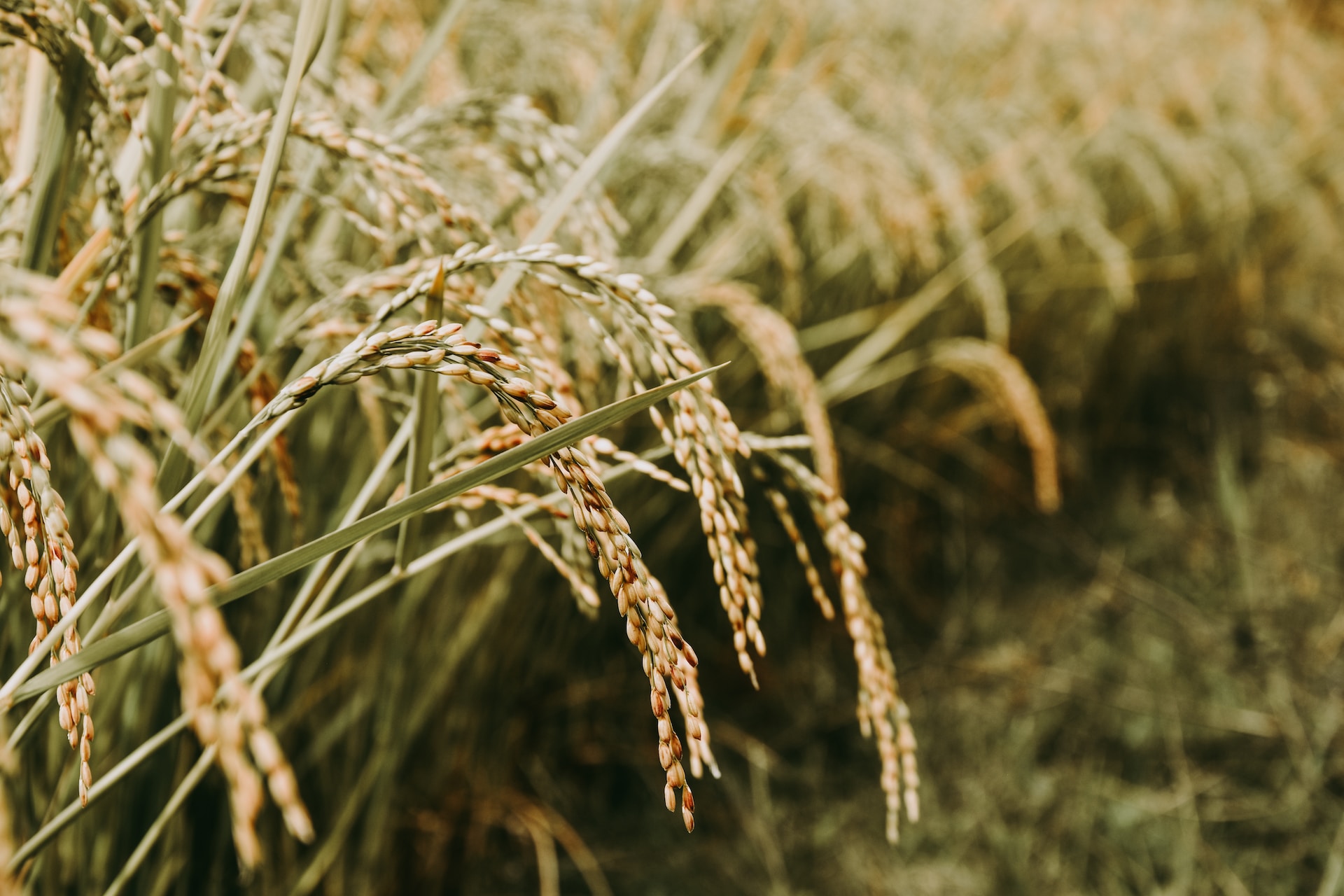 Rice is a staple grain for much of the world, accounting for the majority of the daily diets of 50% of people globally, and is the third-most grown grain in the world. For those in Asia struggling with hunger and malnutrition, rice can be a saving grace — its high yield, nutrients and culinary flexibility make it an outstanding crop. However, artificial selection and genetic modification have improved this versatile food beyond its original capabilities, transforming it into a force that can fight hunger and malnutrition in unprecedented ways. Here’s how.
It Has a Higher Yield
Genetically modified rice seeds are capable of producing more food per plant. By duplicating a certain gene in a standard variety of rice, Chinese scientists were able to increase the crop yield by 40% — a massive bonus. This strain of rice does not take up more land, instead producing rice at a higher density than standard, naturally occurring rice. The individual grains are also significantly larger. Producing significantly more rice on the same amount of land reduces labor and costs, and boosts the effectiveness of rice as a major nutrition source. Even certain species of rice that have been genetically modified for resistance (such as to heat waves) also produce up to 20% higher yield, meaning that genetic modification can accomplish many goals simultaneously.
It’s More Resilient
Climate change, pests and natural disasters all threaten food production, especially in struggling nations. Fortunately, genetically modified rice can be more resistant to these challenges. An excessive heat wave in the Shanghai region killed off rice plants en masse, damaging the plants’ ability to produce a certain protein complex called D1. By engineering the plants to produce more of this protein, scientists found that the rice could thrive at temperatures that would kill unmodified rice quickly.
Meanwhile, in the fight against pests, biologists were able to graft a gene from a common soil bacteria into a different strain of rice plant, making it resistant to the damage caused by lepidopteran insects — a group that includes butterflies and moths, but more importantly the younger caterpillar versions of the insects. With modified resistance to these crop killers, farmers can forgo pesticides, and the overall crop yield is increased by a whopping 60% in some cases.
In a similar vein, German scientists were able to make another strain of rice resistant to herbicide, allowing farmers to use plant-killing agents on the entire crop to battle weeds that could threaten the yield. Monsoon season can pose a particular challenge to rice farmers, as the floods of contaminated salt water can increase the salinity of the water in the rice paddies, essentially poisoning the plants. To solve this problem, Chinese scientists successfully developed genetically modified rice plants that can survive harsh salty conditions.
It’s More Nutritious — Much More
Naturally occurring rice is already a valuable part of a balanced diet, providing a variety of vitamins, proteins and antioxidants. In fact, populations that consume rice as their main grain have lower rates of cancer and obesity. But genetic modification can take this even further. The Golden Rice Project successfully designed a strain of rice that can supply beta-carotene, a mineral that the human body can draw from to produce Vitamin A, an essential vitamin for survival.
Vitamin A deficiency (VAD) affects 250 million children worldwide, causing blindness and in severe cases, death. Some strains of golden rice have up to five times the recommended daily value of beta-carotene in a serving — providing millions of children with vital nutrition that could save up to 2.7 million lives yearly. Golden Rice was developed in 2000, but not adopted due to some logistical issues and many unfounded criticisms. However, in 2021, the Philippines finally approved the crop for trial production, with other nations surely soon to follow.
Genetically Modified Rice and the Fight Against Hunger
Genetic modification has transformed rice into a powerful tool to combat hunger and malnutrition. These modified rice varieties offer higher yields, greater resilience to climate challenges and pests, and enhanced nutrition. Golden Rice, with its ability to provide essential Vitamin A, represents a significant breakthrough in addressing global nutritional deficiencies. As more nations adopt these innovations, genetically modified rice is poised to play a crucial role in our ongoing battle against world hunger.
– Cheyenne Astarita
Photo: Unsplash
