Human Trafficking in Montenegro
Montenegro is a country located in the Balkan peninsula. Montenegro has close ties and relations with Serbia. Along with corruption and organized crime, human trafficking is a very common enterprise throughout the country. Due to the frequency of human trafficking in Montenegro, The U.S. Department of State classifies the nation as a Tier 2 country.
Human Trafficking in Montenegro
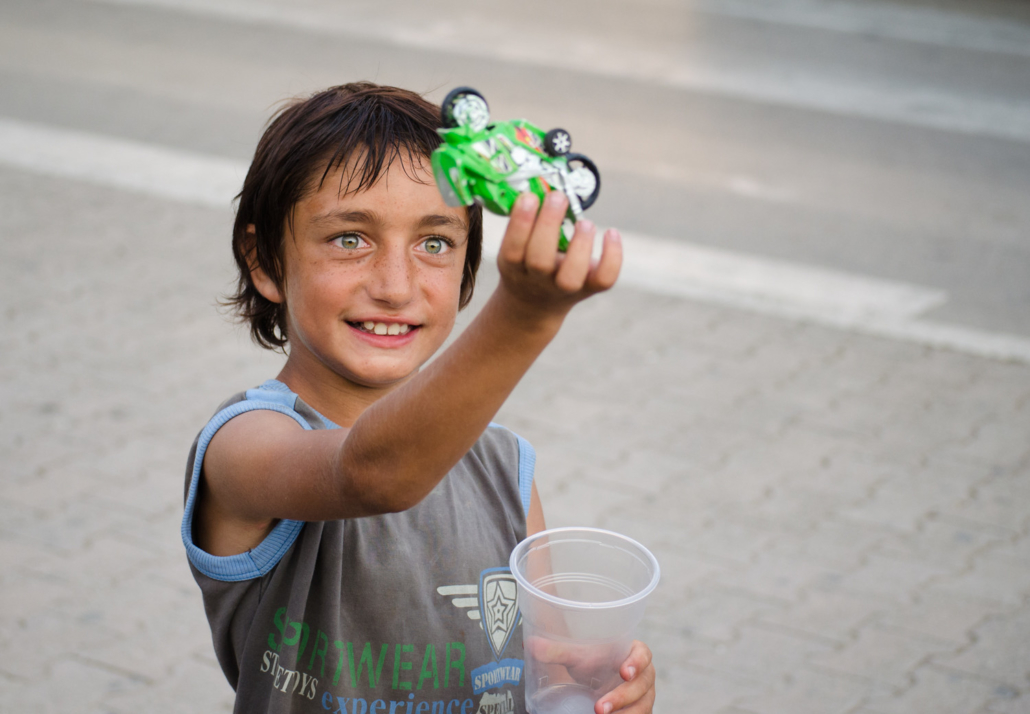
Because of the prevalence of human trafficking in Montenegro, everyone living there and in surrounding Balkan countries is extremely vulnerable to becoming a victim. Traffickers smuggle people of all genders and ages into Montenegro from nearby Balkan countries. Trafficking victims often become street beggars and forced laborers.
In 2020, the U.S. Department of State identified 48 victims of human trafficking in Montenegro. This is an uptick from the 39 official victims in 2019. Of those 48 victims, at least 46 individuals ended up in forced labor. Of those 46, seven became beggars. Meanwhile, 17 of the 48 victims were female, 31 were male and at least seven were children.
According to the U.S. Embassy in Montenegro, women and girls from Montenegro are more likely to be victims of sex trafficking. In Montenegro, Roma teenagers have often worked as prostitutes and at least a few of them were sex trafficking victims. Boys and men, on the other hand, are more likely to become forced laborers. Since the construction industry is rapidly growing in Montenegro, traffickers are moving more boys and men from foreign countries to work in Montenegro’s booming industry.
Aida Petrovic, the founder and executive director of Montenegro Women’s Lobby – a non-governmental agency that helps to support victims of trafficking in Montenegro – found that traffickers were forcing girls as young as 13 into forced prostitution. These were not isolated findings, however, as Petrovic also found that the majority of the victims of forced prostitution were underaged.
Addressing the Problem
Since the U.S. Department of State ranked Montenegro as a Tier 2 country, many preventive measures have been put into place to address human trafficking in Montenegro. In 2011, the government established a hotline to support victims of human trafficking. In 2020, the support hotline received at least 1,657 phone calls. About five possible victims of human trafficking also made calls to the hotline. Moreover, the Ministry of Finance and Social Welfare opened a new shelter for trafficking victims in 2020. For this new shelter, the Ministry of Finance and Social Welfare allocated $82,860, including $49,080 in operating expenses and up to $310 per month for every victim living at the shelter.
In 2019, Maria Grazia Giammarinaro, U.N. Special Rapporteur on trafficking in persons, introduced new operational strategies in collaboration with the International Organization for Migration to help identify trafficking victims. She also helped develop “guidance on the implementation of the non-punishment of victims” in collaboration with the Organization for Security and Cooperation in Europe (OSCE). Lastly, a fund dedicated to compensating victims also underwent establishment.
The Road Ahead
It is imperative that victims of human trafficking receive psychological, financial and medical support for the trauma they have endured. The government of Montenegro is making strides in helping victims and preventing future trafficking, but it still has a long way to go in its fight against human trafficking.
– Yonina Anglin
Photo: Flickr
