Rights and Realities: A Closer Look at Human Rights in India
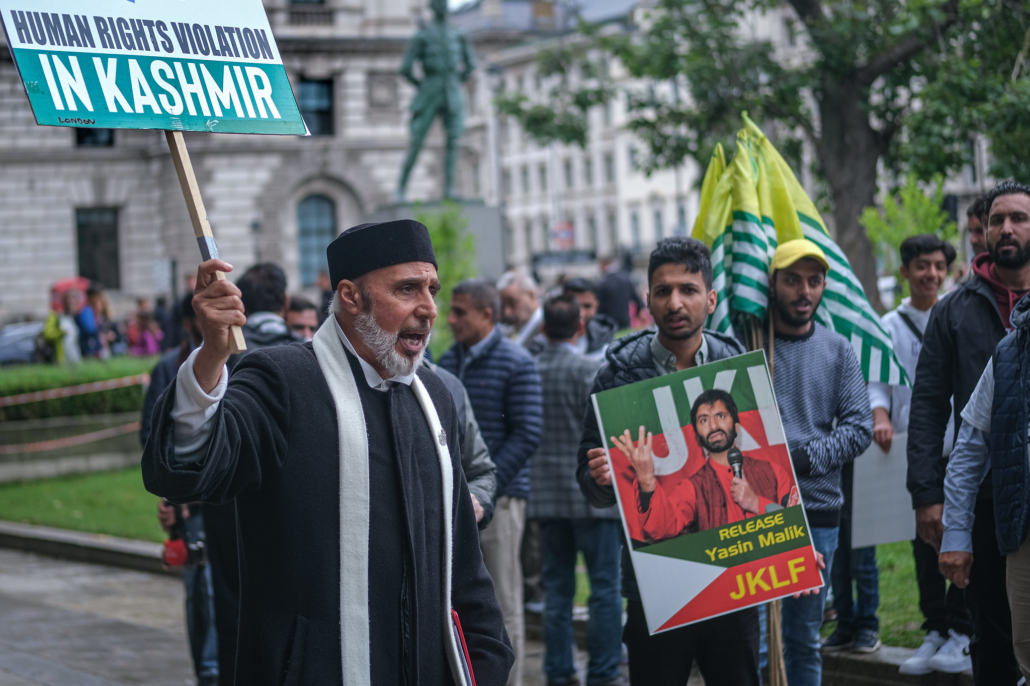
The provision of basic human rights in India at the national level is growing increasingly vulnerable, with credible reports indicating instances of “extrajudicial killings; torture or cruel, inhuman or degrading treatment or punishment by police and prison officials; political prisoners or detainees; and unjustified arrests or prosecutions of journalists.” This article investigates the extremities of these circumstances, the facts behind the crisis and the efforts and commitments being made nationally and internationally for eradication.
Navigating the Concern: The State of Human Rights in India
In 2023, India officially became the World’s most populous country per UN estimates, knocking China off the top spot for the first time since 1950 when UN records first began. With a population of around 1.4 billion people, the protection and development of systems that effectively endorse human rights are critical. Indications of the severity of the crisis were only amplified when in early 2022 the U.S. Secretary of State publicly declared the nation was monitoring the rise in human rights abuses in India. This was significant due to the United State’s close economic ties, and relations regarding China, with India.
The U.S. Department of State produced a comprehensive report on the state of human rights in India for 2022, which vividly articulates the extent and severity of the problem. A lack of an effective system for accountability has allowed for the erosion of rights for minorities and human rights defenders, with peaceful protestors being treated as threats to public order; businesses and family homes being unapologetically ransacked without impunity; public officials going unchecked when explicitly advocating discriminatory hate; and unlawful means of surveillance being applied to activists and protestors through Pegasus spyware.
Unveiling the Data: Human Rights Statistics in India
The Armed Forces (Special Powers) Act (AFSPA) came into being in 1958 and essentially grants the Indian Armed Forces to take the “necessary” means to maintain public order. Despite the Indian government reducing the number of districts subject to this act in March 2023, 43 of the 90 northeastern districts remain monitored. Consequently, “the National Human Rights Commission registered 147 deaths in police custody, 1,882 deaths in judicial custody, and 119 alleged extrajudicial killings in the first nine months in 2022.”
From 2021 to June 2022, India’s anti-corruption ombudsman reported receiving 169 formal corruption complaints. Often these complaints concerned the payment of bribes for benefits such as water supply, police protection and school admission per NGO reports. Women and children remain especially vulnerable with National Research Centre for Banana (NRCB) data reporting north of 1,000 cases registered under the Prohibition of Child Marriage Act and at least 428,000 crimes against women being reported in 2021. The NRCB also documented 50,900 against Scheduled Castes, i.e., officially designated groups of people among the most disadvantaged socio-economic groups in India, for the same period.
Time for Change: Indications of Progress
Despite the onslaught of seemingly perpetual human rights frailties in India, there are signs of promise. In September 2023, the Indian Supreme Court directed the Union of India and the government of Manipur to distribute basic supplies of food materials, medicines and other essentials to regions most vulnerable to violence so that “there is no denial of basic human facilities.” Human Rights organizations and NGOs worldwide continue to show determined support for India’s struggle, with the likes of Amnesty International, Human Rights Watch and the UN regularly advocating demands for considerable improvement.
Despite these efforts, ultimately it is the responsibility of the Modi government to enforce real change and uphold the founding principles of democracy. Instead, it has become commonplace for Prime Minister Narendra Modi to actively work against these criticisms, noted on such occasions as in 2021 when speaking in parliament he described peaceful protestors as “parasites” and downplayed international criticism of growing authoritarianism in India as “foreign destructive ideology.” Until proper measures of accountability are imposed on the Modi administration and incorporated into India’s political culture more generally, means for real change will remain finite.
– Ruairí Greene
Photo: Flickr
