Safe and Sustainable Housing for Rural Communities in Cambodia
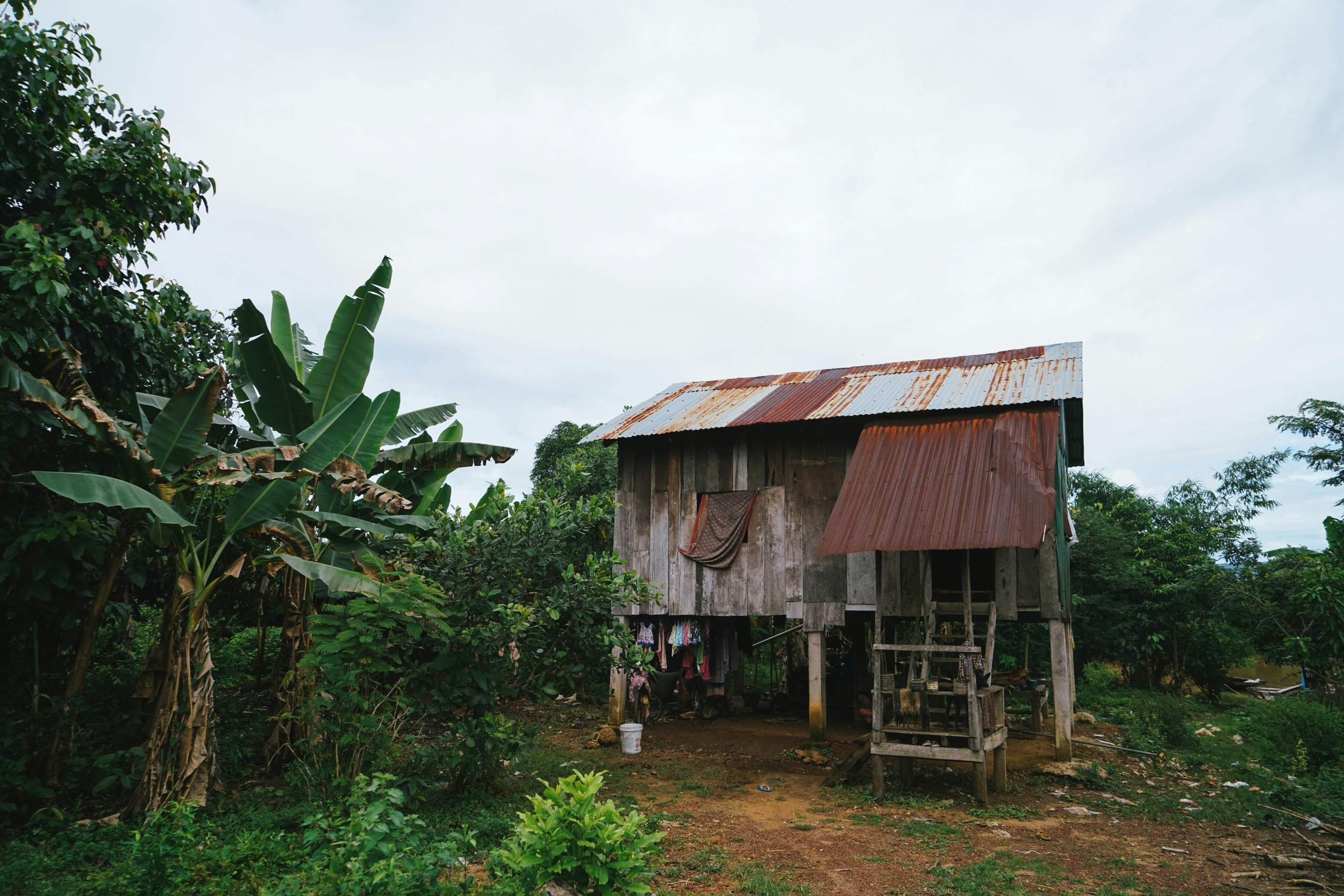 Despite the stunning natural landscapes and architecture, Cambodia struggles with poverty among its population. According to the Asian Development Bank (ADB), 17.8% of the population lived below the poverty line in 2019, while “the proportion of employed population below $2.15 purchasing power parity a day in 2023 was 20.5%.” Additionally, 24 per 1,000 children die before the age of 5 and the country struggles with a housing crisis, with many families not having access to safe and sustainable housing.
Planète Enfants & Dèveloppment (PE&D)
Some of the areas that the housing crisis affects the most are rural villages outside of major cities. Two of the biggest factors include habitat and living conditions and a lack of safe and sustainable housing. Planète Enfants & Dèveloppment (PE&D) launched the Habitat and Living Conditions Improvement project in the hope of helping poor communities in Phnom Penh in 2018.
This project builds on a previous partnership with local partner Samathepel Khnom Organisation (SKO) and aims to support residents living in informal settlements around the Phnom Penh area. Its primary goal is to improve the security of homes and develop community organization and action. Family support and training also added to the project and this includes domestic and gender-related violence.
PE&D is a child protection organization that focuses on the safeguarding of vulnerable children. By providing support, education and resources, it focuses on responding to the urgent needs of children in danger to educate, grow and integrate them as the future of the world. For almost 40 years, PE&D’s goal has been to alleviate children from poverty and give them a chance to grow and develop into adults.
Working With Local Authorities
Another branch of PE&D’s project includes working with local NGOs and meeting with local authorities every six months to strengthen ties with these rural communities and build trust, according to the Urban Sustainability Exchange (USE). A better relationship with local authorities and supporting residence groups enables communities to improve their living conditions and also campaign for land rights to push the government to recognise the basic right for people to have housing.
In Cambodia, land rights complications make enforcing and practising upgrading housing difficult. However, this project tries to give residents access to finances so that they can make home improvements themselves. This housing project is also addressing issues of gender-based violence inequalities, a theme which PE&D specializes in.
Through its connections with local aid groups and NGOs, the PE&D project involves eight large informal settlements which are home to around 10,000 people. Vulnerable families are given priority to housing, especially those who are either currently living in unsafe homes and women at risk of or who are experiencing domestic violence, according to the World Habitat.
Sustainability Training
So far, the project has improved 88 homes and upgraded them to structurally safe, trained 297 people (190 women) to use sustainable construction methods and provided social support to 206 families in the area, the World Habitat reports.
PE&D’s work has also allowed 152 people, 124 of which are women to get Participatory Approach for Safe Shelter Awareness (PASSA) training, which refers to a specific method of disaster risk prevention of shelter safety. These people also get supplementary training relating to financial education and gender issues for 140 people, 100 of those being women. Other training topics include savings, credit groups and family support, according to the World Habitat.
Housing and Poverty
Housing is vital to alleviating poverty around the world. Every human should have a basic right to safe and sustainable housing and this project aims to bring just that to struggling communities in Cambodia. Without housing, it is difficult to find a stable income and provide essentials for families such as food and water.
Unstable living arrangements also often mean an increased risk of domestic violence, health issues, depression, child abuse, neglect and food insecurity. Safer and sustainable living arrangements for people suffering from poverty give them a greater chance of getting out of their current situation.
Before PE&D started its project, in the around 300 informal settlements in and around Phnom Penh, poverty was everywhere and most homes consisted of precarious and makeshift housing. Other issues with these rural communities include poor sanitation and hygiene, makeshift housing, a lack of land for people to live on, high unemployment, and a lack of security and services, according to the World Habitat.
Projects like this are helping alleviate poverty around the world and are providing humans with their right to essentials such as food, water, hygiene and safe and sustainable housing.
– Lachlan Wellington
Lachlan is based in Fareham, Hampshire, UK and focuses on Technology and Global Health for The Borgen Project.
Photo: Unsplash
