• Link to X
  • Link to Facebook
  • Link to Instagram
  • Link to TikTok
  • Link to Youtube
  • About
    • About Us
      • President
      • Board of Directors
      • Board of Advisors
      • Financials
      • Our Methodology
      • Success Tracker
      • Contact
  • Act Now
    • 30 Ways to Help
      • Email Congress
      • Call Congress
      • Volunteer
      • Courses & Certificates
      • Be a Donor
    • Internships
      • In-Office Internships
      • Remote Internships
    • Legislation
      • Politics 101
  • The Blog
  • The Podcast
  • Magazine
  • Donate
  • Click to open the search input field Click to open the search input field Search
  • Menu Menu

Archive for category: Homelessness

Global Poverty, Homelessness

The Push to End Youth Homelessness in Ireland

Youth homelessness in IrelandIreland has been working to reduce homelessness and improve emergency services for its disadvantaged citizens for years. Current structures and policies help the homeless but leave out the struggling youth. The forgotten young people of Ireland have been ignored by social housing programs and blocked from receiving full welfare payments. To end youth homelessness in Ireland, the government is looking at the gaps in policies that allow young people to slip into poverty.

The Problem

Youth homelessness in Ireland has increased by 90% in the last three years, leaving more than 850 people aged 18-24 without a place to call home. Just five years earlier, only 450 young adults were homeless, exemplifying the growing issue in Ireland. The Department of Housing Planning, Community and Local Government (DHPCLG) provides these statistics, but the data is incomplete.

In addition to these figures, there is also a prevalence of the “hidden homeless” among Irish youth. The hidden homeless include those couch surfing, squatting or residing anywhere that is not sustainable. Because these young homeless people are not utilizing state services or shelters, they are excluded from data on youth homelessness in Ireland.

In 2016, the number of young people still living at home with their parents increased by 19%, reflecting the rise in rent and lack of affordable housing available. However, children that come from broken, abusive or absent families have no one to care for them once they reach 18.

The Tusla Child and Family Agency cares for homeless or impoverished minors. However, just like parents, they have no legal responsibility to take care of the children after the age of 18. These policies neglect to account for transition periods, leaving young people alone the moment they reach legal adulthood.

The Cause of Youth Homelessness in Ireland

Currently, Ireland’s approach to its homeless situation is mostly emergency, reactive services. To reduce youth homelessness in Ireland, the focus must pivot to prevention and intervention for at-risk young people. The factors that force young people into homelessness often begin in their childhoods. They experience poverty, traumatic life events, family conflict and general instability from a young age and are not given the tools to transition successfully into adulthood.

Young people are at the bottom of the list to get accommodations in social housing. After being bounced around between social housing, emergency shelters and other temporary government accommodations, young people often give up on the system because they become tired of the repeated placement circuit. Landlords often reject young people due to a lack of finances and references or simply because they find young tenants undesirable. This age discrimination is one of the main causes of youth homelessness in Ireland.

The Consequences for Homeless Youth

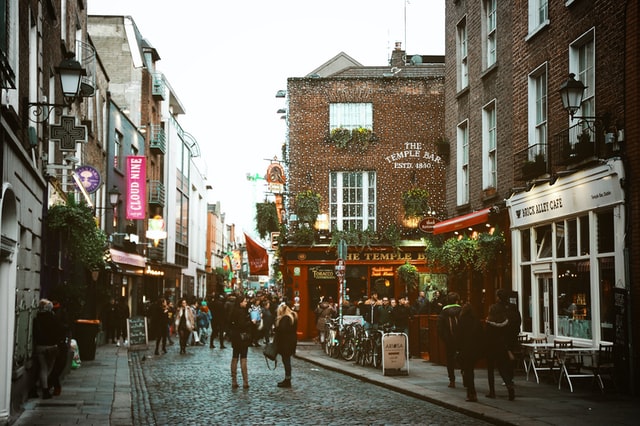
Citizens younger than the age of 26 are not eligible for full welfare payments and can only receive reduced payments, if they receive anything. Stifling the financial welfare of people from such young age rather than offering support leads to long-term poverty and increased homelessness in the community. Two-thirds of young homeless people in Ireland reside in Dublin. Here, many living spaces are used as Airbnbs. As more short-term rentals pop up and crowd the city with tourists, more young citizens are forced to sleep on the streets.

A six-year study into youth homelessness in Ireland focused on 40 young people between the ages of 14 and 22. The majority of these participants came from situations where they experienced trauma and severe poverty, leading them to drop out of school early. More than half of the participants in the study reported they had tried heroin and have a criminal record, showing the severe consequences when disadvantaged young adults have no support system. Most of them had experienced homelessness by the age of 15, illustrating the need for early intervention in these tumultuous situations.

The Coalition to End Youth Homelessness

The Coalition to End Youth Homelessness in Ireland is comprised of 16 organizations and charities dedicated to getting young people off the streets. This issue has been forgotten for many years. Still, all of these organizations are stepping up to end the neglect of the country’s young and bring awareness to the issue.

The Coalition to End Youth Homelessness recommends the Irish Government invest in mediation, counseling and mentoring services for minors that live in instability. Through intervening in difficult family situations early, the government can provide tools to children to facilitate a smooth transition from a rocky childhood to successful adulthood.

Housing First for Youth

Housing First for Youth offers safe housing for young adults ages 18-24 and ongoing aftercare. The organization also supports the full transition into adult life. Without an aftercare plan and a sense of support, the odds of a young individual falling back into homelessness are high. Housing First for Youth facilitates positive, supportive relationships between the young homeless and their caseworkers, ensuring youth feel less alone in the world.

To help young people exit homelessness and live independently, they need safe housing and continued support. There are currently no social housing programs specifically for young individuals. There are risks when young people reside in accommodations inhabited by adults including intimidation, exploitation and exposure to criminal behaviors.

Efforts From Other Organizations

Other organizations in Ireland have recognized the prevalence of youth homelessness and made efforts to provide safe spaces and support for disadvantaged young people. Good Shepard Cork caters to homeless individuals ages 15-19, specifically focusing on women and children that are susceptible to fall back into homelessness. Continued support is essential to ending youth homelessness in Ireland and lifting these young people out of poverty permanently.

The six-year study published by the Health Research Board illustrates the effects of an impoverished childhood. By conducting research such as this long-term study, officials can pinpoint the early causes that lead to a life of poverty and find ways to intervene. Ensuring that struggling youth remain in school and receive ongoing support can help to reduce youth homelessness in Ireland.

Prioritizing Homeless Youth

Investing in community and school-based prevention methods has helped reduce youth homelessness by 40% in Australia and Canada. To reduce youth homelessness in Ireland, the government must follow their lead and pivot toward prevention rather than emergency services. By prioritizing the homeless youth in government policies and services, the state can prevent long-term homelessness and reduce overall poverty rates in the country.

– Veronica Booth
Photo: Unsplash
August 3, 2021
https://borgenproject.org/wp-content/uploads/borgen-project-logo.svg 0 0 Kim Thelwell https://borgenproject.org/wp-content/uploads/borgen-project-logo.svg Kim Thelwell2021-08-03 11:21:132024-05-30 22:23:10The Push to End Youth Homelessness in Ireland
Global Poverty, Homelessness

Providing Housing Solutions for the Philippines

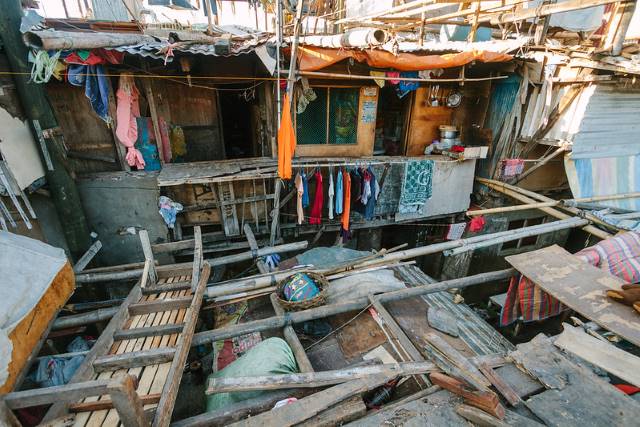
housing solutions for the PhilippinesThe homeless population in the Philippines is a staggering 4.5 million, representing about 4% of the population. This number is expected to rise to 12 million by 2030 if no action takes place to address the issue. Manila, the capital of the Philippines, is where a significant portion of homeless Filipinos reside. For this reason, activists often center efforts around increasing housing solutions for the Filipinos in Manila. Hope in solving the housing crisis is rising as efforts begin introducing creative solutions to cater to the Philippines’ unique needs.

Bamboo Houses

EarthTech, an innovative development agency focused on sustainability, recognizes the Philippines’ housing problem as a crisis. EarthTech has proposed an affordable, sustainable and efficient solution: modular homes made out of bamboo. Unlike other housing solutions for the Philippines, CUBO Modular, the designer of the homes, prefabricates them off-site. This means that the homes can be put together on-site in just four hours. The engineered bamboo lasts up to 50 years and absorbs carbon rather than produces it. This makes bamboo a durable and environmentally friendly material.

Solar Paneled Homes

The Philippines has one of the highest household electricity rates in Southeast Asia, often creating a financial burden for low-income houses. Imperial Homes Corporation (IFC) has been tackling this problem through the development of “energy-efficient communities” like Via Verde Homes.

Via Verde houses consume about 25% less water and roughly 40% less energy in contrast to standard housing. IFC also installed solar panels on the roofs of all Via Verde Homes. The solar panels substantially cut down families’ electricity bills, allowing them to afford other essential needs. The IFC continues to work on building low-income, solar-paneled homes in the Metro Manila area. The innovative company has received international attention, winning the ASEAN Business Award for Green Technology in 2017.

Resistant Housing

The Philippines Archipelago experiences an average of 22 typhoons a year. Normally, five to nine of those typhoons cause serious damage. Typhoon Sisang in 1987 demolished more than 200,000 homes, after which the Department of Social Welfare and Development initiated the Core Shelter Housing Project. The Project teaches the Filipino community how to construct their own weather-resistant homes. The Project has created more than 41,000 low-cost houses for people whose homes have been destroyed by annual typhoons. Each home costs about $300 to build. Construction of the homes focuses on resistance, and when finished, can withstand typhoons up to 180 kph. Furthermore, the shelters are built with locally available materials such as concrete and steel. This makes the shelters one of the most ideal housing solutions for the Philippines.

Long-Lasting and Inclusive Urban Development

The Philippines Housing and Urban Coordinating Council, a governmental organization, released a statement addressing the growing homeless population in Manila and other cities in the Philippines. The Council stressed the need for community input regarding housing solutions in the Philippines. Bringing the community into the conversation means leaders can better understand the root problems that affect a particular area.

The Council would focus on long-lasting urban development, meaning permanent housing solutions rather than more temporary and unstable shelters. The statement also addressed the need for increased water and job availability. The Council believes this would holistically solve the Philippines’ housing crisis.

Advocacy and Sustainability

Habitat for Humanity runs a Habitat Young Leaders Build movement that mobilizes youth to speak out in support of homeless communities, build houses and raise funds for housing solutions. Habitat Philippines is advocating the Presidential Proclamations to implement tenure policies for informal settlers who reside in illegal, unused housing, making them vulnerable to losing shelter.

This organization, along with the Department of Human Settlements and Urban Development, is in the process of implementing the New Urban Agenda into the development strategy of the Philippines. This Agenda is a document outlining standards and policies necessary for sustainable urban development. Thus, the implementation of the New Urban Agenda would provide the foundation for permanent housing solutions for the Philippines and other urban programs.

Moving Forward

In order to create permanent housing solutions for the Philippines, urban development that includes resources and programs to keep Filipinos out of homelessness and poverty is needed. Housing that is sustainable, resistant to natural disasters and affordable to purchase and maintain will ensure the basic right to shelter for many Filipinos.

– Sarah Eichstadt
Photo: Flickr

August 1, 2021
https://borgenproject.org/wp-content/uploads/borgen-project-logo.svg 0 0 Yuki https://borgenproject.org/wp-content/uploads/borgen-project-logo.svg Yuki2021-08-01 01:30:412024-12-13 18:02:33Providing Housing Solutions for the Philippines
Global Poverty, Homelessness

Addressing Homelessness In Sri Lanka

Homelessness In Sri Lanka
Nestled off the southeastern coast of India, Sri Lanka is a beautiful island country. It has long beaches, beautiful greenery and a rich cultural history, making it a popular tourist destination. Sri Lanka has a population of almost 22 million people and the country boasts a relatively low crime rate. Yet, inside Colombo city and across the country, Sri Lanka has many homeless individuals. Though exact numbers of the homeless population in Sri Lanka are unavailable, 1.5 million Sri Lankans do not own land, a factor that certainly impacts homelessness. The homeless inhabit bus shelters and street corners around Colombo city and are often located in rural regions. Homelessness in Sri Lanka remains one of the most visible forms of poverty in the country.

Poverty and Homelessness

Sri Lanka, a country that was traded between colonial powers like the Dutch and the British, only gained its independence in 1948. Agriculture remains the largest industry, employing anywhere from 25% to more than 35% of the entire population, according to varying estimates. In addition, 80% of the population lives in rural areas, making Sri Lanka one of the top five least urbanized countries.

The Sri Lankan Civil War, which lasted from 1983 to 2009, has had a lasting impact on poverty and land ownership in the country. The conflict displaced thousands of Sri Lankans, many of whom still feel the impacts of the war today.

Land is a valuable resource to those who have it, a fact that more than 1.5 million Sri Lankans living and working without land are well aware of. Legally, those who do not own land lack many basic human rights. Without an address, Sri Lankans cannot claim state welfare assistance. They also cannot send their children to school or vote in national and local elections. Restrictions are placed on activities in homes controlled by landlords, largely because landlords do not have a lot of oversight. The homeless in Sri Lanka, especially the elderly, remain the most vulnerable. Unfortunately, the COVID-19 pandemic has only exacerbated this crisis.

The Good News

In response to the COVID-19 pandemic, Sri Lankan government officials are ensuring the protection of the homeless living in the capital city of Colombo. When the government implemented a curfew in March 2020, many of the homeless remained living on the streets. With the help of local police, more than 300 homeless individuals living in Colombo have been housed in quarantine shelters with food and basic necessities provided for them. Senior deputy inspector general of police for Western Province, Deshabandu Tennakoon, notes that it is not safe for people to be living on the streets with a respiratory virus circulating the globe.

Homelessness in Sri Lanka is a persistent issue that impacts the country. While the COVID-19 pandemic has prompted more awareness, there is a long way to go to eradicate homelessness. Moving forward, the government of Sri Lanka and other humanitarian organizations must make homelessness in Sri Lanka a priority.

– Alex Pinamang
Photo: Flickr

July 26, 2021
https://borgenproject.org/wp-content/uploads/borgen-project-logo.svg 0 0 Jennifer Philipp https://borgenproject.org/wp-content/uploads/borgen-project-logo.svg Jennifer Philipp2021-07-26 07:30:022021-07-26 03:14:15Addressing Homelessness In Sri Lanka
COVID-19, Food Insecurity, Global Poverty, Homelessness

COVID-19 and Poverty in Japan

COVID-19 and Poverty in JapanThe COVID-19 pandemic has negatively impacted the 15% of people living in poverty in Japan, a figure already on the rise in recent years due to lower consumer spending and a shift to part-time employment. Citizens living below the poverty line are suffering from increased rates of food and housing insecurities. So, as the Japanese government prepares for the Olympics in the summer of 2021, it is also securing opportunities to combat rising poverty.
COVID-19 in Japan

Many policies in place at the beginning of the pandemic neglected the needs of Japan’s impoverished communities. For example, children could no longer receive government-funded meals due to school closures for public health safety. The pandemic has put pressure on the Japanese government to address preexisting social issues and the results will have a lasting positive impact. Collaborating with charitable organizations and businesses, the government has worked around traditional laws and regulations to alleviate the impact of COVID-19 on poverty in Japan.

Food Aid

One initial roadblock to COVID-19 relief was restrictions on who could receive food aid. After a poor harvest of rice in 1993, the Japanese government holds stockpiles of the grain in case of emergency. As part of a program called “food education,” the government releases a portion of this stockpile to schools each year in order to provide school lunches and emphasize the value of food. However, regulations made it difficult to release stockpiles to others in need during the pandemic, especially childless people.

The government is working to find loopholes in the 1993 stockpile law to ensure food security for Japan’s impoverished communities. Stockpiles are now allowed to release 300 kg of uncooked rice per year to each organization, compared to the 60 kg cap in previous years.

Charitable organizations such as Minoshima Megumi no Le in Fukuoka and volunteers at St. Ignatius Church in Tokyo have also worked to promote food security for families, refugees and other groups not covered by initial government distributions.

Housing Aid

The pandemic has threatened the safety of Japan’s homeless population. Initially, without adequate access to face coverings or sanitation, more than 4,500 citizens were at serious risk of catching the virus. While the Japanese government offers Livelihood Protection, a program designed to guarantee a minimum standard of living for all citizens, it is difficult to access for some populations in need, including homeless people.

Groups outside the government have also taken the initiative to limit the spread of the virus by providing housing. Across the country, hotels and inns are working to offer affordable shelter. One hotel chain based in Osaka currently offers rooms for ¥390 (about $4) per night. Rooms include a private bed and bath, amenities not found in the Livelihood Protection quarters. This offer helps 100 people at a time find safe living quarters, helping combat the pandemic while also dedicating a space for Japan’s homeless to take refuge for months to come.

Small Businesses and Labor Aid

Japan’s economy depends heavily on human resources, of which, small businesses represent 70%. When stay-at-home orders were implemented, tourist activity halted and consumer spending decreased and the country experienced its first large economic decline since 2015. By February 2021, 1,000 small businesses had closed with 25% located in Tokyo alone. These closures left more than 100,000 people without work, especially in retail, restaurants and manufacturing industries.

The Japanese government passed a record-setting COVID-19 stimulus package equivalent to 40% of Japan’s GDP to protect businesses and their employees. The stimulus allows the government to offer temporary no-interest loan plans to more affected businesses, opening the door for more citizens to receive the aid they need.

In Summary

Pressure from the pandemic has prompted Japan to address existing problems. The government, independent businesses and charities have taken an initiative to help manage the impact of COVID-19 on poverty in Japan. Such movements have the potential to continue even after the pandemic, advancing the country’s standard of living for years to come.

– Julia Fadanelli
Photo: Flickr

July 18, 2021
https://borgenproject.org/wp-content/uploads/borgen-project-logo.svg 0 0 Jennifer Philipp https://borgenproject.org/wp-content/uploads/borgen-project-logo.svg Jennifer Philipp2021-07-18 01:30:332024-05-30 22:23:49COVID-19 and Poverty in Japan
Global Poverty, Homelessness, Refugees and Displaced Persons

Homelessness in Bosnia and Herzegovina

Homelessness in Bosnia and Herzegovina
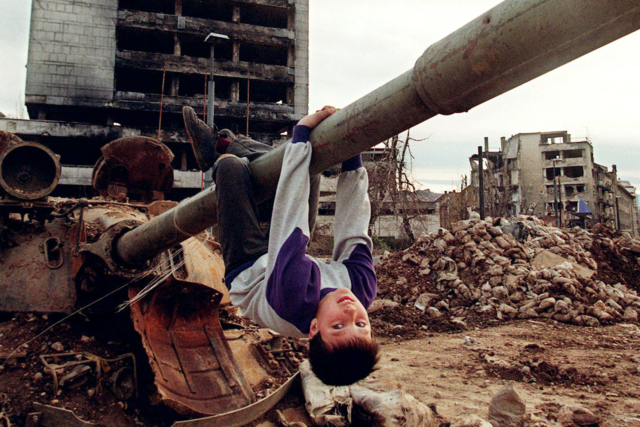
The Bosnian War ended in 1995 with the signing of the Dayton Peace Accords, yet its impact reverberates throughout the country today. The Bosnian War was a three-year conflict between ethnic groups comprising of the former Republic of Yugoslavia, Bosnian Muslims (Bosniaks), Serbs and Croats. According to the United Nations High Commissioner for Refugees (UNHCR), roughly 80% of Bosniaks died during the war. As a result of the war, homelessness in Bosnia and Herzegovina became rampant, leaving thousands without shelter. As of 2018, more than 90,000 refugees of the Bosnian War remain internally displaced, many of whom currently live in collective centers across the country. Homelessness in Bosnia and Herzegovina became a harsh reminder of the trauma endured more than two decades ago. It also serves as a reminder of the enduring challenges of post-war reconstruction.

Homelessness Statistics in Bosnia-Herzegovina

Data regarding the extent of homelessness in Bosnia and Herzegovina is elusive. There has only been one census completed since the conclusion of the war, limiting the government’s ability to support the homeless. Refugees and internally displaced persons are eligible for housing assistance under the Dayton Peace Accords. However, government monitoring makes the accessibility of these resources difficult.

A study by Hilfswerk Austria International, one of the few studies about the need for social housing in Bosnia, revealed data about the thousands of families who are not eligible for aid under the Dayton Accords. As of 2010, 395 families were living in collective centers. Meanwhile, another 553 families were living in temporary housing such as barracks. Roughly 359 families lived in improvised shelters and 219 families lived on the street without shelter.  Since 2010, social programs have emerged to support the homeless in Bosnia and Herzegovina.

The Regional Housing Programme

Under the Dayton Accords, the government pledged to close down collective centers by 2020 to find more permanent housing solutions for refugees and internally displaced persons. In the last decade, the Regional Housing Programme has worked to do just that. By 2018, the program had already changed the lives of about 14,000 people. The program has six specific sub-projects with particular goals.

  • BiH1: Securing more than €2 million worth of grant funding, this project provided building materials to 20 families and “reconstruction assistance to 150 families.” The project reached completion in 2018.
  • BiH2: Securing more than €10 million worth of grant funding, this project reconstructed 30 family houses for Croatian refugees with an additional 750 family houses for others. The initiative finished in 2019.
  • BiH3: With an estimated cost of more than €17 million, this project constructed 552 flats for refugees and internally displaced persons (IDPs). The initiative reached completion in 2019.
  • BiH4: Securing more than €2 million, this project reconstructed 435 houses for returning refugees. It also constructed 90 houses to support community integration of IDPs. The project finalized in 2019.
  • BiH5: With an estimated cost of more than €10 million, this project reconstructed 550 family houses. The project finished in late 2020.
  • BiH6: With an estimated cost of more than €18 million, 235 family houses were reconstructed and 380 flats were developed for returning refugees and IDPs. The project reached completion in late 2020.

Project Success

In July 2018, Ambassador Lars-Gunnar Wigemark, head of the EU Delegation to Bosnia and Herzegovina, visited the newly constructed apartment buildings. “The Regional Housing Programme contributes to the building of peace and coexistence in the region,” Lars-Gunnar Wigemark stated. The ambassador also explained the EU’s plans to continue work on similar projects in Bosnia and Herzegovina, including the housing market. Since the Bosnian War, the Regional Housing Programme has made significant progress in addressing homelessness in Bosnia and Herzegovina.

Another Refugee Crisis

While Bosnia-Herzegovina continues to address its poverty following the Bosnian War, a new refugee crisis threatens the country’s progress. Since 2018, an estimated 60,000 migrants arrived in Bosnia and Herzegovina. About 8,000 migrants are currently in Bosnia due to immigration restrictions during the COVID-19 pandemic. As of January 2021, 6,000 of the refugees are in housing centers. Now, Around 2,000 homeless people are trying to survive the severe winter in the country.

In December 2020, the situation became increasingly worse, as a fire destroyed a migrant camp called Lipa in the northwestern part of Bosnia-Herzegovina. The other major camp in Bihac, just 15 miles north of the Lipa camp, closed in the fall of 2020. Despite the dangerous conditions at the destroyed Lipa camp and requests from the European Union, the mayor of Bihac still refuses to reopen the Bihac camp.

The European Union was specifically concerned with the freezing Bosnian temperatures as migrants who previously resided at Lipa now lacked shelter. In response, the Bosnian military set up 20 heated tents to accommodate hundreds of these migrants. Additionally, NGOs have also been working to support those displaced. Fresh Response, a volunteer-driven humanitarian organization has been aiding refugees in Bosnia and Herzegovina since 2019. The organization provides information, referrals for medical support and resources such as sleeping bags, jackets and blankets to those in need.

Moving Forward

Homelessness in Bosnia and Herzegovina is largely a tale of two converging refugee crises. Social programs and NGOs are working hard to provide for those displaced and have made major progress in helping the country’s homeless population. In the future, a collaboration between the European Union, advocacy groups and different Bosnian cantons will be able to increase safety, security and shelter for homeless people, hopefully ending the crisis for refugees.

– Brittany Granquist
Photo: Flickr

June 26, 2021
https://borgenproject.org/wp-content/uploads/borgen-project-logo.svg 0 0 Kim Thelwell https://borgenproject.org/wp-content/uploads/borgen-project-logo.svg Kim Thelwell2021-06-26 01:30:312021-06-28 06:14:47Homelessness in Bosnia and Herzegovina
Global Poverty, Homelessness, Poverty Reduction

Gjenge Makers Reduces Poverty With Plastic Bricks

Gjenge MakersGjenge Makers is a Nairobi-based startup company that offers a sustainable, practical and affordable solution to combat poverty in Kenya. The company sells affordable alternative building materials. Its products, which include an assortment of bricks with different functionalities and styles, are forged from recycled plastic and sand. These plastic bricks can help reduce poverty and plastic waste in Africa.
The Plastics Waste Crisis in Kenya

Garbage is quickly accumulating all around the globe and Africa is bearing the brunt of rising waste levels. Governments in resource-rich regions typically have the capacity to pare the trash down into a flaky substance, slashing the amount of physical space it occupies. This process is time-consuming and expensive. However, several countries such as Kenya instead address the issue by implementing a series of plastic bans.

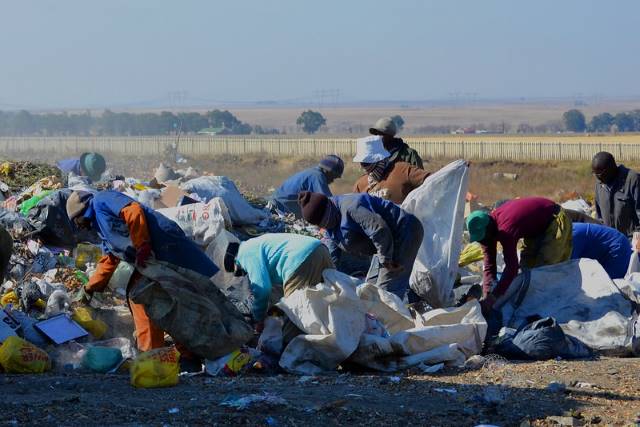
Plastic ban policies typically have socioeconomic and environmental consequences. Throughout the state are large piles of waste that have built up as a result of excessive plastic use, such as the infamous Dandora dump in Nairobi. “Plastic traders” scour these junkyards for limited resources like bottles and certain compounds that can be exchanged for money. Many at the lower end of the disparity are also disproportionately affected by policing under these laws as plastic bag distribution, manufacturing and usage are subject to a fine and/or prison sentence. Additionally, some businesses will generally relocate to other states to avoid such strict laws, damaging economic interests and employment numbers.

Kenya had been taking a slow-moving approach in curtailing the plastics crisis when Gjenge Makers founder, Nzambi Matee, decided to take matters into her own hands. The entrepreneur experimented with mixing recyclables with sand in her mother’s backyard and eventually composed a formula to build a brick five to seven times stronger than concrete. Her products are now a core economic ingredient toward upturning poverty and improving infrastructure at the community level.

The Housing Crisis in Kenya

Kenya is currently undergoing a severe housing deficit, with homelessness numbers rapidly escalating under the pandemic. The estimated housing deficit stood at two million in 2012 but factors such as limited resources are further distending the issue. With limited support and a lack of housing, many families are struggling to survive.

How Gjenge Makers Helps

Gjenge Makers address both the plastic waste and housing crisis through its plastic brick solution. In accordance with its “Build Alternatively, Build Affordably” model, it seeks to contribute a key product that could empower individual communities by giving them the resource needed to rise out of poverty. Matee has declared eradicating poverty a personal goal of hers and her new innovation can help build more shelters to combat the housing crisis. The company also seeks to make its products accessible to essential learning institutions such as schools.

Gjenge Makers currently receives plastic through a multipronged approach. It collects from factories and recyclers seeking to discard their trash, whether at a price or for free. It also uses a mobile application that incentivizes rewards and allows homeowners to notify Gjenge Makers when they have available plastic. The formula to build the bricks requires a particular type of plastic compound, often labeled on the products themselves.

Gjenge Makers is a champion of eco-friendly, economic empowerment in a crisis that is widespread throughout the continent of Africa. Though the startup is currently based in Nairobi, it seeks to eventually expand and support other African states as well. So far, Gjenge Makers recycled 20 tons of plastic and created a total of 112 jobs.

– Danielle Han
Photo: Flickr

May 6, 2021
https://borgenproject.org/wp-content/uploads/borgen-project-logo.svg 0 0 Kim Thelwell https://borgenproject.org/wp-content/uploads/borgen-project-logo.svg Kim Thelwell2021-05-06 07:31:032024-05-30 22:23:19Gjenge Makers Reduces Poverty With Plastic Bricks
Global Poverty, Homelessness

Combating Homelessness in Indonesia

Homelessness in Indonesia
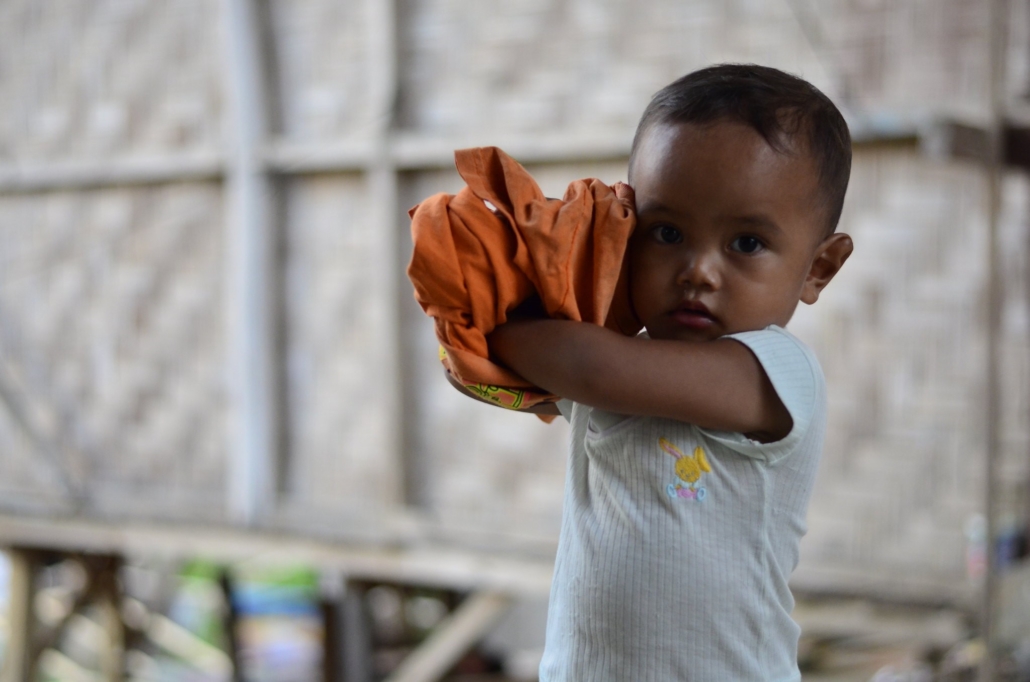
Despite Indonesia’s continuous growth both socially and economically, homelessness in Indonesia has been increasing and the coronavirus pandemic has only exacerbated this rise. According to the Homeless World Cup, 3 million people of Indonesia’s population are homeless. Moreover, with a multitude of factors such as natural disasters, urbanization and economic impacts due to the coronavirus pandemic, millions more are potentially vulnerable to losing their homes. However, Indonesia’s homeless continue to face challenges – the government does little to help those who are on the brink of losing their homes, and its policies even limit the homeless’ ability to regain financial stability.

The Government’s Action

Historically, the Indonesian government has done little to combat homelessness in Indonesia, instead opting for more harsh policies which only limit homeless peoples’ ability to financially recover and stabilize, even labeling the homeless as criminals. For example, the Indonesian Criminal Code mandates punishments of up to three months in prison against the homeless, while the sentence of those traveling in a group can receive an extension of six months. The bill, which Indonesia modeled after the Dutch law system during Indonesia’s colonial period, has not undergone modification since 1981, failing to accommodate the massive changes Indonesia has experienced over the past four decades.

Furthermore, the Indonesian government has also outlawed informal settlements (more commonly referred to as slums), a housing alternative that 25 million Indonesians utilize to prevent themselves from falling into homelessness. In the country’s capital, Jakarta, extensive urbanization has occurred, spurring the building of structures like malls, skyscrapers and landmarks. However, this urban growth has taken a toll on the population of the 17th densest city in the world. These developments have increased the scarcity of land, limiting the number of settlements available and making them a hot commodity, driving up prices and forcing the larger population that cannot afford homes to look elsewhere.

Through its criminalizing of homelessness, the Indonesian government essentially suppresses its own people. As Gita Damayana, executive director at the Center for Indonesian Law and Policy Studies, articulates, labeling the homeless as criminals also limits their abilities to procure jobs, only pushing them further down the rabbit hole of poverty. Even though homelessness in Indonesia has become a growing threat to its larger population, the government’s hardline stance against it has only worsened the situation for its already-struggling population.

Solutions for Homelessness in Indonesia

Despite the fact that the Indonesian government has maintained an indifferent stance in assisting its homeless, measures have still occurred to ensure that Indonesians in need can receive assistance. Since 1997, the NGO Habitat for Humanity has been extremely active in maintaining stable homes for Indonesians through projects such as building homes and repairing essential infrastructure like water pipelines, ensuring that families can live in a secure home. Its efforts have been instrumental in aiding over 40,000 families across the country attain safe housing.

Furthermore, Indonesia’s homeless have been the focal point of films and social media campaigns, helping to raise global awareness towards homelessness in Indonesia and empowering them to tell their stories. However, these actions will only be a fraction as effective as they could be as long as the Indonesian government criminalizes homelessness. But in the present, the government will not be taking action anytime soon.

– Nathan Mo
Photo: Flickr

May 3, 2021
https://borgenproject.org/wp-content/uploads/borgen-project-logo.svg 0 0 Jennifer Philipp https://borgenproject.org/wp-content/uploads/borgen-project-logo.svg Jennifer Philipp2021-05-03 01:31:062024-05-30 22:23:28Combating Homelessness in Indonesia
Global Poverty, Homelessness

ASC Addresses the Housing Crisis in Venice

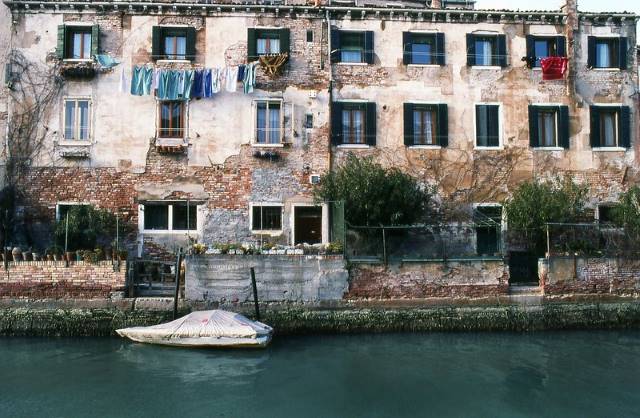
Housing Crisis in VeniceVenice’s resident population is drastically shrinking, from around 175,000 people within its boundaries after World War II to about 50,000 today. Despite this small number, the high cost of housing and the lucrativeness of the tourism industry leads to many homeowners turning properties into short-term tourist rentals. Estimates indicate that 25 million people visit Venice every year and 14 million of those people only stay for a day. This precarious economy reliant on tourism increasingly proves itself to be unsustainable due to high housing costs relative to resident income. Fortunately, Nicola Ussardi, the co-founder of Social Assembly for the House (ASC) is trying to address the housing crisis in Venice.
The Housing Crisis in Venice

In a nutshell, Venice has become the “world capital” of tourism which has predictably led to overtourism — a term the World Tourism Organization uses to describe “the impact of tourism on a destination, or parts thereof, that excessively influences perceived quality of life of citizens and/or quality of visitor experiences in a negative way.” To put this into perspective, more than 20 million tourists visit Venice per year but loses about 1,000 residents in the same span of time. The remaining citizens face tough financial situations with regard to housing costs. Property owners have the option to keep their buildings affordable for locals or transform their properties into short-term rentals and make a potential windfall profit.

More than 8,000 Airbnb apartments in the city point to a frustrating reality of the housing crisis in Venice that Ussardi’s grassroots movement concerns itself with. For ages, Venice has relied on mass tourism for the overall well-being of the country but it is increasingly obvious that it also has a negative impact on citizens. Ussardi’s plan to provide housing circumvents traditional methods of applying for and receiving public housing. Ussardi says that many public housing properties have fallen into disrepair. Even abandoned convents become hotels instead of public housing.

Assembly for the House (ASC)

Assembly for the House is a housing community that focuses on finding homes for Venetians who have to leave their residences due to the rising cost of rent. People who lose their homes can count on ASC to locate uninhabited, abandoned or dilapidated spaces, repair them for occupancy and move them in. ASC also works with residents to block evictions.

In essence, ASC not only lobbies the government for fairer housing practices but also finds abandoned homes for people to occupy. This applies a communal face to the crisis in a kind, albeit unconventional approach to ensuring shelter for the people of Venice.

How Assembly for the House Helps

Assembly for the House hosts 150 people in Cannaregio and Giudecca, two working-class neighborhoods in Venice. Emanuela Lanzarin is a social services assessor for the region and plainly admits that while ASC’s actions are illegal, there are also not enough public houses to meet demand. Shockingly, 2011 is the last time a Venetian received a public apartment.

For people like Simonetta Boni and Davide de Polo, two Venice residents who lost their homes after steep rent increases and ineffective social services, ASC provided housing spaces at a crucial time. De Polo said, “We [occupiers] are the alternative to the death of Venice.” The Assembly for the House is helping facilitate that alternative.

This uncommon approach from a nonprofit focused on ending the housing crisis in Venice is providing necessary housing assistance to citizens who otherwise would not have a roof over their heads. Ussardi is an inspiring example of a citizen taking action to solve a crisis that the government has overlooked.

– Spencer Daniels
Photo: Flickr

April 16, 2021
https://borgenproject.org/wp-content/uploads/borgen-project-logo.svg 0 0 Kim Thelwell https://borgenproject.org/wp-content/uploads/borgen-project-logo.svg Kim Thelwell2021-04-16 01:30:072024-12-13 18:02:26ASC Addresses the Housing Crisis in Venice
Global Poverty, Homelessness

Addressing Homelessness in São Paulo

Homelessness in Sao Paulo
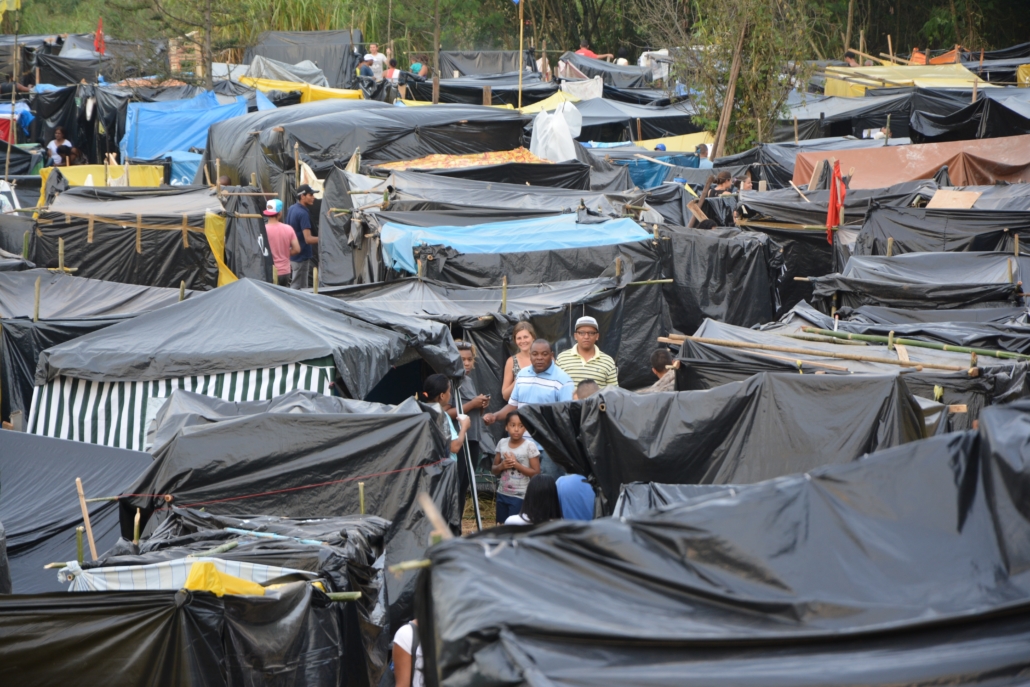
Under far-right President Jair Bolsonaro, Brazil has experienced devastating economic and human loss in its response to the COVID-19 pandemic. From his initial downplaying of the seriousness of the novel coronavirus and spreading of misinformation about treatments, Bolsonaro has now taken on an apathetic role in the crisis. His attitude persists in the midst of the country’s highest daily death toll counts and hospitalization rates. The failure of Bolsonaro’s government to lead the charge in Brazil’s COVID-19 response has created an urgent need for communities to step in. Community action is necessary to help deal with the growing homelessness in São Paulo and other major cities. Furthermore, many in Brazil’s middle class are at risk of falling into poverty due to COVID-19’s long-term effects on the economy. This includes layoffs, a lack of jobs and a lack of financial support from the government.

Rise in Homelessness

São Paulo, the largest city in Latin America, was already struggling with high rates of homelessness prior to COVID-19. In the four years leading up to the pandemic, São Paulo’s homeless population increased by 65%, totaling an estimated 24,000 people. Aid workers believe the true number is likely much higher. Many of the newly homeless during the pandemic were already living day-to-day in crowded favelas, while some previously had employment in middle-class jobs, such as teachers.

The protracted issue of homelessness in São Paulo has created much frustration. Violence has occurred as police have recently attempted to disperse large homeless settlements notorious for open-air drug use in central neighborhoods of the city. Wealthy citizens increasingly isolate themselves from issues of poverty in São Paulo. Meanwhile, the middle classes face increasing economic instability and coexisting with a growing homeless population.

Community Approaches

Community action has been a lifeline for São Paulo’s homeless population before and during the pandemic. Two common approaches local NGOs and community leaders are advocating for are Universal Basic Income (UBI) and housing. A law guaranteeing UBI in Brazil underwent signature during the presidency of Lula da Silva several years ago, but to date, the country has not put it into action.

The Gaspar Garcia Center of Human Rights

The Gaspar Garcia Center of Human Rights advocates for the right to decent housing in São Paulo. The center provides legal guidance for citizens in precarious living situations. It also has programs for job training to work in the formal sector. One program the center has created is a recycling collective, which has employed 150 formerly-homeless Brazilians. The center also raises awareness for the rights of informal workers and provides legal guidance.

The Catholic Church

The Catholic Church has had a long-standing presence in the homeless communities of São Paulo. Father Júlio Lancellotti of the São Miguel Arcanjo parish has garnered media attention during the pandemic for distributing meals and hygiene products to over 400 homeless citizens on a daily basis. For his activism, he has been subject to death threats and harassment by some. This highlights the complexities of public opinion towards the homeless in São Paulo.

The Homeless Workers Movement

On the political side, an up-and-coming Socialist politician named Guilherme Boulos recently ran for mayor of São Paulo. Although he lost, expectations have determined that he will be a leftist challenger in wider Brazilian politics in the near future. Boulos is a leader of the Homeless Workers Movement, a group that demands housing for the city’s homeless population. The group takes over abandoned buildings in the city center. By doing so, it demonstrates its potential use for public housing in acts of civil disobedience. Boulos has support from the controversial but still widely popular former Brazilian President Lula da Silva.

Conclusion

Homelessness was already an important issue in São Paulo prior to COVID-19, and it will remain one. Without more governmental assistance to community organizations, inequality and homelessness will continue to escalate. President Bolsonaro has shown a general lack of empathy for impoverished Brazilians. Instead, he chooses to exude strength and use harsh law enforcement tactics to address societal issues. Fortunately, community action in São Paulo has shown that many have not given up on trying to help vulnerable populations during these challenging times.

– Matthew Brown
Photo: Flickr

April 2, 2021
https://borgenproject.org/wp-content/uploads/borgen-project-logo.svg 0 0 Kim Thelwell https://borgenproject.org/wp-content/uploads/borgen-project-logo.svg Kim Thelwell2021-04-02 01:30:222021-03-30 15:52:52Addressing Homelessness in São Paulo
Global Poverty, Homelessness

SAYes – Helping Young South Africans

South African Orphans
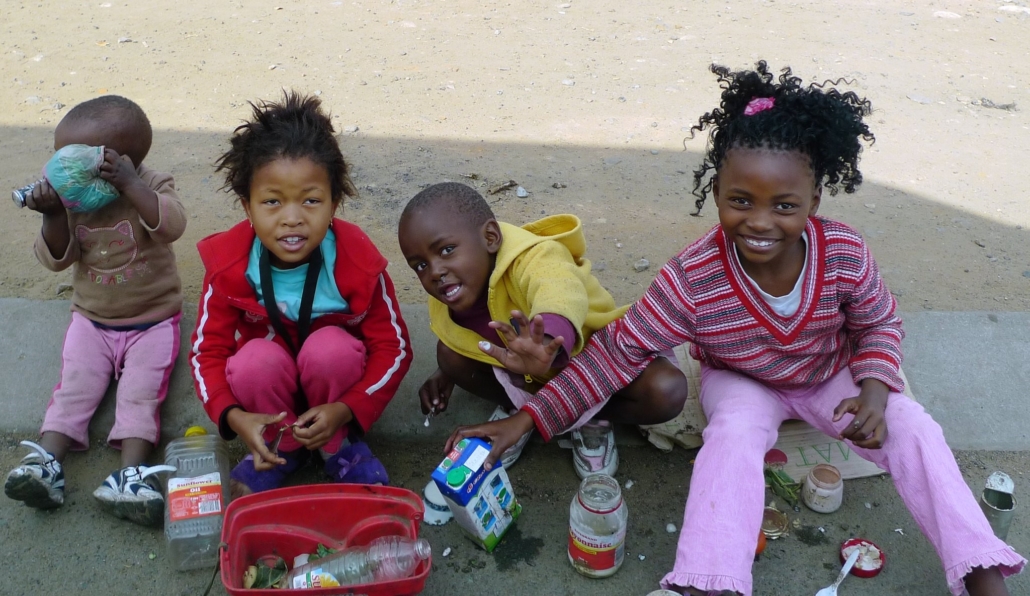
In 2005, Michelle Potter traveled to Cape Town, South Africa, as a volunteer football coach. Some of her players on the team were homeless and resorted to begging on the streets to get by. Having left home at age 16, Potter was able to relate to the loneliness of entering adulthood without familial support and she wanted to help. In 2008, SAYes Transition Mentoring began. SAYes is a Transition to Independent Living (TIL) program that assists young South Africans, either living in or recently out of children’s homes, who are on the precipice of life on their own.

What SAYes Transition Mentoring Does

Governmental assistance for young South Africans living in children’s homes ends at age 18 and many do not have anywhere to go. SAYes Transition Mentoring pairs each participant with a highly trained mentor to offer support during this vulnerable transition period. Participants range from 14-25 years of age, giving priority to older youth, as they are the ones who are soon leaving or have already left residential care. Mentors work one-to-one with mentees for at least an hour a week during the nine-month program. The role of a mentor is to be a stable and non-judgmental ally. In many cases, this is the first positive relationship participants will have with an adult.

The Situation in South Africa

In 2019, South Africa ranked as the most economically unequal country in the world. This essentially means that the economy does not benefit all its people. In fact, the richest 20% of South Africans have control over almost 70% of the country’s resources.

SAYes is a program that emerged for those who are not fortunate enough to be in that top 20%. Many participants have had to leave their homes as a last resort because of abusive family situations. Some suffer from neglect, addiction, prostitution or an array of other adversities.

How SAYes Transition Mentoring Works

SAYes TIL care is specific to each participant depending on their age and developmental needs. The mentor offers guidance in education, housing, employment, personal development and community reintegration. One mentor, Mashudu Matshili, described the importance of mentorship with an old African saying: “If you want to know directions to a place, you need to ask those that have already reached the destination.”

The first few weeks, they get to know each other and find common ground. If the mentee is interested in a specific career field, the mentor might help facilitate an internship or job-shadowing opportunity. The mentor is a friend first, and then a guide to building the skills to live responsibly and independently.

Speaking fondly of his mentor, participant Destino Nzonzidi said, “I always say, I can forget away my pains, but not forget Tony for what he has done.” Many of the SAYes participants continue their relationship with their mentors long beyond the nine-month program and consider them family. More often than not, charities focus on young kids, not young adults. The benefit of SAYes Youth Mentoring has been huge and the proof in the success stories. SAYes Transition Mentoring serves over 100 young South Africans a year.

– Sarah Ottosen
Photo: Flickr

April 1, 2021
https://borgenproject.org/wp-content/uploads/borgen-project-logo.svg 0 0 Kim Thelwell https://borgenproject.org/wp-content/uploads/borgen-project-logo.svg Kim Thelwell2021-04-01 07:30:392024-12-13 18:02:24SAYes – Helping Young South Africans
Page 6 of 20«‹45678›»

Get Smarter

  • Global Poverty 101
  • Global Poverty… The Good News
  • Global Poverty & U.S. Jobs
  • Global Poverty and National Security
  • Innovative Solutions to Poverty
  • Global Poverty & Aid FAQ’s
Search Search

Take Action

  • Call Congress
  • Email Congress
  • Donate
  • 30 Ways to Help
  • Volunteer Ops
  • Internships
  • Courses & Certificates
  • The Podcast
Borgen Project

“The Borgen Project is an incredible nonprofit organization that is addressing poverty and hunger and working towards ending them.”

-The Huffington Post

Inside The Borgen Project

  • Contact
  • About
  • Financials
  • President
  • Board of Directors
  • Board of Advisors

International Links

  • UK Email Parliament
  • UK Donate
  • Canada Email Parliament

Get Smarter

  • Global Poverty 101
  • Global Poverty… The Good News
  • Global Poverty & U.S. Jobs
  • Global Poverty and National Security
  • Innovative Solutions to Poverty
  • Global Poverty & Aid FAQ’s

Ways to Help

  • Call Congress
  • Email Congress
  • Donate
  • 30 Ways to Help
  • Volunteer Ops
  • Internships
  • Courses & Certificates
  • The Podcast
Scroll to top Scroll to top Scroll to top