• Link to X
  • Link to Facebook
  • Link to Instagram
  • Link to TikTok
  • Link to Youtube
  • About
    • About Us
      • President
      • Board of Directors
      • Board of Advisors
      • Financials
      • Our Methodology
      • Success Tracker
      • Contact
  • Act Now
    • 30 Ways to Help
      • Email Congress
      • Call Congress
      • Volunteer
      • Courses & Certificates
      • Be a Donor
    • Internships
      • In-Office Internships
      • Remote Internships
    • Legislation
      • Politics 101
  • The Blog
  • The Podcast
  • Magazine
  • Donate
  • Click to open the search input field Click to open the search input field Search
  • Menu Menu

Archive for category: HIV/AIDS

Africa, Global Poverty, HIV/AIDS

Fighting HIV in Lesotho

hiv in lesothoLesotho, a small country in southern Africa, is making notable progress in tackling HIV and addressing the poverty it creates. With an HIV prevalence rate of approximately 24.6% among adults aged 15-49, Lesotho faces one of the highest infection rates globally. This epidemic continues to impact the country’s economic and social development. Through innovative programs and global partnerships, Lesotho shows that progress is achievable and impactful.

Universal HIV Treatment: Lesotho’s Test and Start Policy

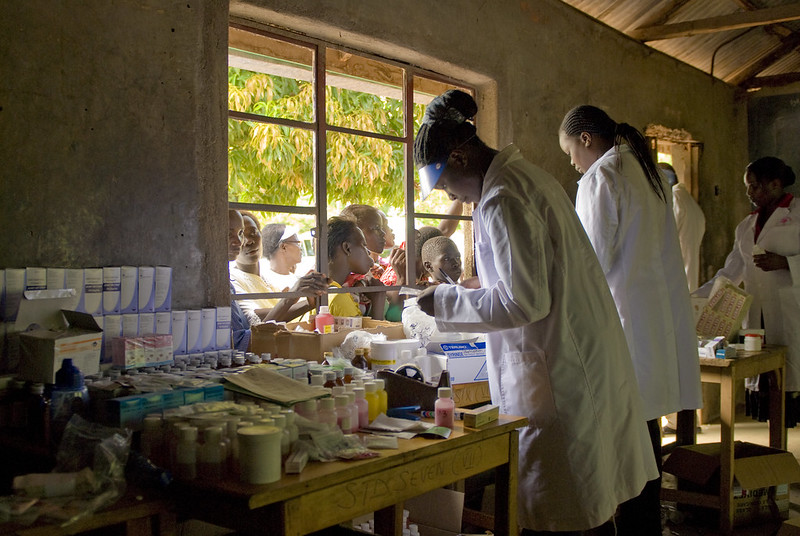
In April 2016, Lesotho became the first country in sub-Saharan Africa to implement the “Test and Start” policy, which offers antiretroviral therapy (ART) to all HIV-positive individuals regardless of their CD4 count. This approach ensures early intervention, preventing the virus from progressing and reducing transmission rates. As of 2020, approximately 273,000 adults living with HIV in Lesotho were receiving antiretroviral therapy (ART), representing about 84% of the total HIV-positive adult population. Community-based testing initiatives have also played a key role. These programs bring services to rural areas through mobile clinics and health workers, enabling more individuals to know their HIV status and connect with treatment. Such efforts are vital in addressing HIV in Lesotho.

Advancing HIV Care Through Global Partnerships

International partnerships and government initiatives have significantly contributed to Lesotho’s HIV response. For the fiscal year 2024/2025, the Government of Lesotho allocated 233 million Maloti (approximately $15 million) for antiretroviral therapy (ART) procurement, demonstrating its commitment to a sustainable HIV response.

In 2022, PEPFAR contributed $75 million to support Lesotho’s HIV/AIDS response. This funding has been crucial in providing resources for HIV testing, prevention, and treatment, helping the country make significant progress toward achieving its UNAIDS 95-95-95 targets

These combined efforts, along with support from organizations like the Global Fund, have helped Lesotho progress toward the UNAIDS 95-95-95 targets. By 2020, 94% of people living with HIV in Lesotho knew their status. Additionally, 91% were receiving treatment, and 98% of those on treatment achieved viral suppression.

Using Technology to Improve HIV Care

Lesotho’s use of technology is revolutionizing HIV care and improving treatment outcomes. Electronic medical records (EMRs), implemented across healthcare facilities, improve patient tracking and continuity of care. For instance, HIV-positive pregnant women benefit from care recorded in EMRs linked to national health systems, ensuring more efficient service delivery.

Mobile health (mHealth) interventions, such as text message reminders, have also improved treatment adherence. A study in Lesotho found that patients receiving SMS reminders for medications and appointments demonstrated a 20% increase in adherence rates.

Digital tools have further enhanced public education campaigns, raising awareness about HIV prevention and reducing stigma. Mobile platforms ensure critical information reaches even the most remote communities.

Empowering Lives Through Comprehensive Care

Lesotho’s HIV programs are not limited to medical care—they also address the economic and social impacts of the epidemic. Many ART clinics now provide additional services, including food assistance and vocational training. These initiatives ensure patients remain healthy and economically active, reducing the cycle of poverty linked to HIV in Lesotho.

By addressing broader community needs, these programs empower individuals to lead productive lives and strengthen local economies. In rural areas, access to healthcare and economic support has helped families remain stable despite the challenges of living with HIV.

A Model for Global Progress

Lesotho’s progress provides a powerful example of how innovation and partnerships can transform a nation. By prioritizing health and integrating it with poverty reduction efforts, Lesotho demonstrates what can be achieved through collective action and sustained investment.

With continued collaboration and funding, Lesotho’s success story can serve as a model for other developing nations facing similar challenges. Indeed, as the global fight against HIV continues, HIV in Lesotho stands as a testament to the power of progress in overcoming an epidemic and its broader impacts on poverty.

– Fiza Meeraj

Fiza is based in London, UK and focuses on Good News for The Borgen Project.

Photo: Unsplash

January 14, 2025
https://borgenproject.org/wp-content/uploads/borgen-project-logo.svg 0 0 Naida Jahic https://borgenproject.org/wp-content/uploads/borgen-project-logo.svg Naida Jahic2025-01-14 07:30:522025-01-14 00:17:29Fighting HIV in Lesotho
Global Poverty, Health, HIV/AIDS

HIV/AIDS in Syria

HIV/AIDS in SyriaHealth care in Syria has experienced significant disruption due to the ongoing civil war, which first began in March 2011. The conflict has resulted in a cumulative diminishment of the health care system to a partly-functioning institution. Medical facilities and hospitals have been targeted, with nearly 15 million people in desperate need of medical attention. 

Despite HIV prevalence remaining low in Syria and just 762 people diagnosed with HIV/AIDS in Syria between 1987 and 2011, the Middle East is one of the only regions in the world where HIV/AIDS infection is spiking. This spike can be attributed to factors such as increasing rates of poverty, labor migration and human trafficking, which can potentially manifest in an HIV/AIDS epidemic. 

Vulnerable, marginalized groups such as female sex workers and intravenous drug users are at a significantly higher risk of contracting HIV than the general population. Therefore, the response to HIV/AIDS in Syria has to focus on these groups, as their behaviors have the potential to kickstart an epidemic.

Health Care in Syria

The Syrian health care system impairs many citizens’ ability to access medical professionals and treatment. As a result of the war, approximately 70% of health care professionals have left the country. Similarly, 50% of health care facilities have been obliterated. Consequently, Syria lacks the necessary staff, facilities, treatment options, funding and capacity to manage health problems effectively. This shortfall significantly affects the handling and control of communicable diseases such as HIV.

The country’s response to HIV/AIDS remains significantly lower than global targets in terms of preventative measures, diagnosis, testing and treatment. Those living with HIV/AIDS in Syria are significantly impacted by the lack of health care, as sexual and reproductive issues are often overlooked.

The civil war has induced unrest in the form of human rights violations, financial decline and environmental crises. health care costs have skyrocketed, with medical treatments and private care becoming increasingly inaccessible to the general public. In northwest Syria, approximately 2.3 million women and girls do not have access to medical care, including reproductive and sexual health, such as treatment for HIV/AIDS.

Stigma Surrounding HIV/AIDS in Syria

The availability of treatment for sexually transmitted infections (STIs) such as HIV is the least attainable because of the stigma attached to sexual diseases. This stigma affects the likelihood of certain groups being informed about HIV and understanding how to prevent infection. HIV/AIDS in Syria is most prevalent among intravenous drug users and female sex workers. These marginalized groups often face negative identity prejudice, which can hinder their access to HIV/AIDS education and health care due to discrimination.

A study by the United Nations Development Programme (UNDP) found that adequate knowledge among female sex workers, intravenous drug users and prisoners of HIV/AIDS was below 30%. Additionally, the study showed that despite the subgroups being predominantly aware of HIV/AIDS, the participants’ overall knowledge and understanding of risk factors was insufficient. They experienced very little exposure to HIV/AIDS health campaigns. 

Tackling HIV/AIDS in Syria

To address HIV/AIDS in Syria, the Ministry of Information launched a nationwide media campaign across television, the press and radio stations. The campaign intended to raise awareness and improve knowledge about HIV/AIDS, empowering people to make better-informed decisions.

The Syrian Family Planning Association also implemented a program to improve HIV awareness among Syrians. This initiative included a peer education component designed explicitly for vulnerable groups such as young people, female sex workers and prisoners, aiming to educate them about HIV/AIDS and encourage safer choices.

These programs offer a foundational approach to HIV/AIDS education by providing valuable and potentially life-saving information that equips citizens with the knowledge to make well-informed decisions. Ultimately, this will contribute to the curbing of a war-induced HIV/AIDS epidemic.

– Ella Dorman

Ella is based in Worcestershire, UK and focuses on Global Health for The Borgen Project. 

Photo: Wikimedia Commons

December 23, 2024
https://borgenproject.org/wp-content/uploads/borgen-project-logo.svg 0 0 Hemant Gupta https://borgenproject.org/wp-content/uploads/borgen-project-logo.svg Hemant Gupta2024-12-23 07:30:332024-12-23 02:34:39HIV/AIDS in Syria
Aid, Health, HIV/AIDS, Women and Children

Efforts to Stop Mother-to-Child HIV Transmission in Indonesia

Mother-to-Child HIV Transmission in indonesiaIn 2023, about 570,000 people in Indonesia were living with HIV. Recognizing the urgency, the Indonesian government intensified its efforts to support individuals and prevent mother-to-child HIV transmission. Community organizations play a crucial role in this endeavor, providing care and treatment access to those in need.

The Situation in Indonesia

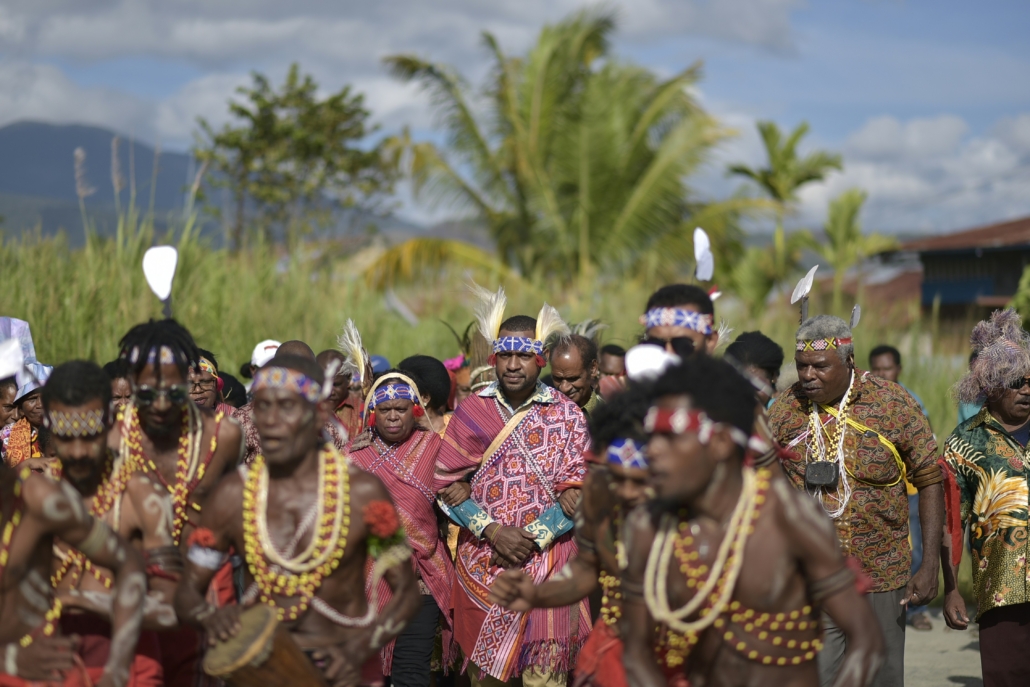
Since 2008, UNICEF has supported the governments of Papua and West Papua in Indonesia in establishing a Prevention of Mother-to-Child Transmission of HIV (PMTCT) program. This program emphasizes HIV prevention, diagnosis and treatment within communities. Providing antiretroviral treatment during pregnancy can significantly reduce the risk of mother-to-child transmission. Ideally, since 2009, HIV testing should be part of antenatal care for pregnant women in Indonesia. However, more than a decade later, 37% of pregnant women still do not receive HIV screening. In 2022, only 18% of mothers with HIV accessed antiretroviral therapy.

Current Action to Prevent HIV Transmission

The National Alliance to End AIDS in Children, established in 2023, unites government, international organizations and civil society to improve access to health services and mental support for women and children living with HIV. The alliance focuses on three primary priorities:

  1. Advocating for the specific needs of adolescent girls and children living with HIV.
  2. Raising awareness by disseminating information about PMTCT (Prevention of Mother-to-Child Transmission), Early Infant Diagnosis and sexual education.
  3. Empowering communities to support children living with HIV effectively.

Importance of the Community

With renewed political commitment, supporting community-based services becomes crucial to providing necessary care and support for women and children living with HIV. Mobilizing community health workers is essential not only to prevent transmission but also to assist those affected by the disease. Organizations like Lentera Anak Pelangi (LAP), operating since 2009, play a vital role in this effort. As Indonesia’s first multidisciplinary service provider focusing on children with HIV, LAP collaborates with volunteers, sponsors and partners to enhance the quality of life for those living with the disease.

Key Focuses of LAP

  • Improving the Quality of Health and Nutrition. LAP offers health and nutrition assessments, family counseling and support during child hospitalizations. The organization also educates on sanitation and hygiene. Additionally, LAP provides monthly free medical checkups, non-BPJS laboratory testing and financial support for medications.
  • Advocating for ARV treatment. Its program raises public awareness about treatment options and conditions through training, social media campaigns and mass media efforts. It also extends its outreach to schools by educating both staff and students.
  • Ensuring the psychosocial well-being of children and their families. The program teaches children life skills and includes a school that monitors their development. It offers vocational training tailored to each child’s talents and interests. Additionally, the organization facilitates peer support groups for parents.

Providing a Community

A mother describes how her daughter’s confidence has grown since joining LAP, highlighting the friendships they have both formed with others in similar situations. Another parent comments on the bonds her son has created and the benefits he has received from LAP’s educational and nutritional support. Despite the stigma in Indonesia, where 33.5% of adults believe children with HIV should not attend school with uninfected children, programs like LAP play a crucial role. They counter isolation and stigma while ensuring families receive necessary support and help prevent the disease’s spread.

– Amelia Short

Amelia is based in Bradford, UK and focuses on Global Health for The Borgen Project.

Photo: Flickr

November 23, 2024
https://borgenproject.org/wp-content/uploads/borgen-project-logo.svg 0 0 Precious Sheidu https://borgenproject.org/wp-content/uploads/borgen-project-logo.svg Precious Sheidu2024-11-23 07:30:022024-11-23 02:24:55Efforts to Stop Mother-to-Child HIV Transmission in Indonesia
Global Poverty, HIV/AIDS, Mental Health

Mental Health in Namibia 

Mental Health In Namibia
Extreme poverty looms over Namibia, negatively affecting its population of 2.6 million and keeping living standards low. These high levels of socioeconomic hardship often cause people to overlook the country’s mental health issues, although illnesses such as anxiety, depression, Post-Traumatic Stress Disorder (PTSD), trauma, bipolar disorders and psychosis affect 25.6% of its population and the number could double by 2025. Here is information about the correlation between poverty and mental health in Namibia.

Poverty and Mental Health in Namibia

Namibia has a poverty rate of 47% and 46% of its youth workforce is unemployed, according to ISS African Futures. These factors contribute to a lack of financial resources and constant pressure to earn more, leading to high stress and anxiety levels. The Namibian reported that “approximately 70% of Namibians suffer from stress and chronic health conditions.” Additionally, people with low incomes often have limited access to mental health services, further worsening their situations.

The country suffers from a traumatic history. From 1915 to 1990, apartheid South Africa occupied Namibia, during which many of the latter’s citizens were killed and displaced. The country only gained independence in 1990, after a long, drawn-out war, which caused 20,000 to 25,000 deaths.

HIV and Psychological Issues

Furthermore, Human Immunodeficiency Virus (HIV) is quite prevalent in Namibia. According to the World Bank, the virus infects 11% of adults aged 15 to 49 years in the country.

Studies have shown that HIV has a direct link to mental health; it causes damage to brain cells and leads to a variety of neurocognitive disorders. Living with HIV also causes acute psychological distress and depression, both for the patient and their loved ones. A 2024 study found that depression affects 24.6% of HIV patients and 17% suffer from anxiety.

Approximately 9.3% of Namibians die from HIV. The burden of carrying the disease and the discrimination against it also increases the risk of suicide. From April 2020 to March 2023, 1,542 Namibians committed suicide, 82% being men. 

Cultural Influences

Another factor that further complicates mental health in Namibia is the stigma and cultural beliefs toward mental health issues. Many Namibians consider mental illness to be a sign of weakness or low willpower. Because of this, people go undiagnosed and there is less availability of treatments. A 2020 study showed that the level of public prejudice against mental health was 41% on the Community Attitudes towards Mental Illness (CAMI) scale.

The country has only two major mental institutions: Windhoek Central Hospital, which dedicates only 220 beds to mental health care, and Intermediate Hospital Oshakati, which offers 60 beds but often deals with 200 patients at once.

Solace in Drugs and Alcohol

Citizens affected by poor mental health in Namibia often cope through substance abuse. However, this can further exacerbate their condition and can result in psychosis, bipolar disorders, and depression, along with a decline in physiological health as well.

 The United Nations Office on Drugs and Crime reported that: “in 2020, the Government of Namibia confiscated 843,892 kg of cannabis, 4,930 tablets of mandrax, 2,922 grams of crystal meth, and 1,072 grams of cocaine.” Also, in 2023, WHO stated that Namibia drinks “2.38 of pure alcohol per capita amongst people aged 15 or above.”

Alleviating These Issues

Despite all these challenges, there is still a ray of hope for Namibians. Countless organizations have stepped up to advocate for mental health awareness and solutions. Established in 1980, Lifeline/Childline focuses on supporting emotional wellness and child protection in Namibia. It now has wide-reaching services all across the country and has gained international recognition from organizations such as USAID and UNICEF.

Lifeline/Childline operates a free counselling helpline that is available 24/7, providing mental health support to individuals suffering from a wide range of issues such as anxiety, depression and trauma. The organization provides counselling via telephone, text message or in person, making them accessible to a large sum of the population. From April 2024 to June 2024, its toll-free helpline answered 10,101 calls.

The non-profit also runs awareness programs that aim to reduce the stigma regarding mental health in Namibia and the importance of seeking help through social media campaigns, educational workshops, community outreach programs and its radio show.

Even though Namibia seems to be struggling in the face of these challenges, it’s important to acknowledge the fact that non-profits such as Lifeline/Childline are making a palpable difference and are changing people’s lives for the better. With more progress from the country’s numerous non-profits and government, mental illness rates in Namibia will likely decline and its citizens will be able to have bright, optimistic futures.

– Mustafa Tareen

Mustafa is based in Lahore, Punjab, Pakistan and focuses on Global Heath and Celebs for The Borgen Project.

Photo: Flickr

November 7, 2024
https://borgenproject.org/wp-content/uploads/borgen-project-logo.svg 0 0 Jennifer Philipp https://borgenproject.org/wp-content/uploads/borgen-project-logo.svg Jennifer Philipp2024-11-07 01:30:182024-11-06 23:50:10Mental Health in Namibia 
Global Health, Global Poverty, HIV/AIDS

HIV/AIDs in Indonesia

HIV/AIDs in Indonesia Nearly 39.9 million people are currently living with HIV/AIDs today. Human Immunodeficiency Virus (HIV) attacks cells that protect the body from infections, leading to increased vulnerability to infections and diseases within the human body. HIV can lead to Acquired Immunodeficiency Syndrome (AIDs), which often signifies a highly impaired immune system and can heavily reduce the predicted lifespan. While there is no standalone procedure for HIV, patients can receive antiretroviral therapy (ART), which is an ongoing treatment that uses viral suppression to decrease the amount of HIV in the blood. Some medicines can help prevent people from contracting HIV before a certain activity or experience (sex, drugs, etc.). However, without testing opportunities, it is nearly impossible to detect the presence of HIV, which is why having structured programs and opportunities for testing and treatment is crucial to our livelihoods

HIV/AIDs in Indonesia: Barriers

In 2023, 570,000 people were living with HIV/AIDs in Indonesia. Indonesia is the fifth most vulnerable (to HIV/AIDs) country in Asia. The main causes of HIV/AIDs transmission in Indonesia are unprotected sexual activities, unsanitary drug injection and communal needle use. The leading cause is sexual transmission, which accounts for nearly 89% of all cases. Not enough information is available among the Indonesian population, leading to an absolute lack of awareness.

Currently, the largest barrier regarding HIV/AIDs treatment in Indonesia is financial access to health care. Most Indonesians are unaware of their status (regarding the virus) and do not have access to testing or cannot afford treatment. Additionally, there is the social fear of rejection that many living with HIV/AIDs face. Having HIV/AIDs, though out of people’s control, often leads to social rejection and distancing. People may fear having ties cut between them and their family or friends, disallowing them from sharing their status and getting help.

Treatment of HIV/AIDs in Indonesia

As of February 2024, nearly 130,000 people are receiving ARP therapy in Indonesia, which is a great start, according to the 2024 Frontiers Article. With the help of UNAIDS, Indonesia is now much more intensive on HIV testing (so people living with HIV/AIDs are aware of their status and can get help) and treating those with HIV as well. Additionally, the government is attempting to put HIV or STI services into health benefits packages, so more people can access them, according to the 2024 Frontiers Article. The Indonesian Government is also taking the World Health Organization (WHO) guidelines much more seriously and attempting to implement them in more facets of the country.

According to the 2024 Frontiers Article, Indonesia is also actively trying to involve private health care providers and diversify treatment to increase its outreach.

IAC and AHF

Based in Jakarta, the Indonesian AIDs Coalition (IAC) primarily helps communities and locals. It has specifically worked on the financial aspects of treatment (increasing accessibility) and allowing for a more inclusive and accepting space for those living with HIV/AIDs in Indonesia, according to the 2024 Frontiers Article. The IAC holds the Global Fund Principal Recipient status and used the Global Fund to Fight AIDs, Tuberculosis and Malaria’s grant for HIV in Indonesia.

AIDS Healthcare Foundation (AHF) has been conducting HIV testing to help people figure out their status. It helps with treatment, specifically by offering free ARV drugs, according to the 2024 Frontiers Article. AHF has also begun focusing on “housing, food security, and pandemic response and preparedness” as well.

LAP, SWING and UNAIDS

One Child One Life program by Lentera Anak Pelangi (LAP) primarily focuses on psychological support for adolescents and children. This program specifically offers mental support along with educating younger people who have HIV/AIDs, according to the 2024 Frontiers Article. By providing an environment of people with similar circumstances, LAP can provide solidarity to children with HIV and build their confidence. The program is especially good at helping those with HIV/AIDs return to school and continue their normal lives.

Service Workers in Group Foundation (SWING) focuses on working with female sex workers. In the process, the group tries to highlight the dangers of HIV/AIDs and how to protect themselves and others from the disease,  according to the 2024 Frontiers Article. Often, sex workers are not able to access health clinics (due to working hours and schedule), though they need to check their health and stay in good condition. Considering that their job provides many opportunities for contraction of diseases (such as HIV/AIDs), getting tested is incredibly important.

Along with the US Government, UNAIDS has partnered with the Indonesian Government to partake in PEFPAR, to help Indonesia reach its HIV targets and improve treatment. One of UNAIDS’s many focuses is eradicating stigma or discrimination towards those living with HIV, and fostering a more accepting community, according to its website.

Overall, there is so much being done to increase HIV testing, improve treatment, and address and eliminate stigma around HIV in Indonesia. With these groups working together and in tandem with the Indonesian government, Indonesia is getting closer and closer to reaching its goal of HIV eradication!

– Lakshya Anand

Lakshya is based in Bellevue, Washington, USA and focuses on Global Health for The Borgen Project.

Photo: Unsplash

November 2, 2024
https://borgenproject.org/wp-content/uploads/borgen-project-logo.svg 0 0 Naida Jahic https://borgenproject.org/wp-content/uploads/borgen-project-logo.svg Naida Jahic2024-11-02 01:30:082024-11-02 02:14:36HIV/AIDs in Indonesia
Global Poverty, Health, HIV/AIDS

EpiC in Laos: HIV/AIDS Prevention for Marginalized Communities

EpiC in LaosThe Meeting Targets and Maintaining Epidemic Control (EpiC) is an eight-year project (2019-2027) funded by the United States President’s Emergency Plan for AIDS Relief (PEPFAR) and the United States Agency for International Development (USAID). EpiC’s goal is to achieve control over the HIV/AIDS epidemic by enhancing technology and service access to key populations.

EpiC is led by FHI 360, a global organization that rallies technology, research and relations to improve global health. FHI 360 is present in more than 60 countries. Its EpiC project has been implemented in 35 countries, from Laos to Central Asia and Africa. With a budget of $4.2 million for 35 countries, including Laos, EpiC has seen success in controlling HIV/AIDS and improving the living conditions of those affected.

HIV/AIDS in Laos

Laos, located in the heart of Southeast Asia, borders Myanmar, Thailand, Vietnam and China. The country has a population of 7.5 million. The first case of HIV in Laos was recorded in 1992, involving a female sex worker who frequently traveled to Bokeo at the northern border of Laos and Thailand. Since then, Laos has maintained a low HIV prevalence, with an infection rate of 0.3%, affecting approximately 20,000 people by 2022.

The epidemic has a death toll due to the disease of less than 500. However, among the cases, 39.2% are female sex workers (FSM) and 11.5% are men who have sex with men (MSM). Approximately 11.682 cases of HIV/AIDS are on antiretroviral therapy (ART). Furthermore, 9,910 instances received a viral load test within the past 12 months.

EpiC’s Initiatives

EpiC is different from past HIV/AIDS control projects because it identifies that support for high-risk individuals is its target. High-risk populations include sex workers, pregnant women who have HIV and children whose one parent has HIV. Building on existing HIV/AIDS relief programs, EpiC improves management, accurate health information and funding.

Rolling out HIV testing and pre-exposure prophylaxis (PrEP), setting up a total market for open access to condoms and ART and decentralizing access to HIV/AIDS-related services to local and private sectors with appropriate funding health care providers to smaller regions are current EpiC’s actions. EpiC also prioritizes providing services to lessen the stigma and violence surrounding HIV/AIDS in health care and law enforcement.

EpiC’s Success

In 2022, EpiC achieved its goal of 95-95-95 in Laos. This means that 95% of people living with HIV/AIDS are aware of their health status. Additionally, 95% of those receive treatment and among individuals who receive treatment, 95% have suppressed viral infection and have no risk of passing the virus to others.

Moving Forward

With EpiC strategically set in place, the future is looking bright for HIV/AIDS patients and the health condition of developing countries, especially Laos. EpiC has made positive changes toward open access to HIV/AIDS control services to vulnerable communities through joint efforts and critical strategies.

– Jimmy Nguyen

Jimmy is based in Savannah, GA, USA and focuses on Global Health for The Borgen Project.

Photo: Flickr

September 28, 2024
https://borgenproject.org/wp-content/uploads/borgen-project-logo.svg 0 0 Hemant Gupta https://borgenproject.org/wp-content/uploads/borgen-project-logo.svg Hemant Gupta2024-09-28 01:30:192024-09-28 00:24:20EpiC in Laos: HIV/AIDS Prevention for Marginalized Communities
Global Health, Global Poverty, HIV/AIDS

The Response to HIV/AIDS in Croatia

CroatiaHuman immunodeficiency virus (HIV) and its advanced stage, Acquired immunodeficiency syndrome (AIDS), are significant global public health issues. According to the World Health Organization (WHO), by the end of 2023, HIV had infected 39.9 million people. The virus targets white blood cells in the body, resulting in a weaker immune system and various complications. A case study conducted in Croatia and four other countries aims to track the virus and those it affects and make care more accessible for the well-being of their citizens.

HIV/AIDS in Croatia

Croatia, a country nestled between Slovenia and Bosnia and Herzegovina, launched a national response to the ongoing HIV/AIDS crisis within its borders. Starting in 1985, the surveillance of the virus gradually improved as testing and programs were established to combat its spread. Between 1985 and 2015, there were approximately 77 to 116 new cases reported annually. The majority of transmissions occurring through sexual contact in male-homosexual relationships.

The government’s response to HIV/AIDS in Croatia included implementing certain educational and health care pillars to maintain and promote the declining spread of the virus. The pillars of the program include easy access to care for people living with HIV/AIDS. Additionally, youth education is targeted, as well as introducing more protective behaviors in order to stay safe. Making sure that blood or blood-related products are clean and safe are also a key priority.

EmERGE

Part of the easy access to care included investigating the cost-effectiveness of a program called EmERGE, which offers support to those who are in a stable condition with the virus. This program has three primary goals:

  1. To gather insights into living with HIV and providing care for individuals with HIV.
  2. To determine which mHealth features are viewed as valuable in HIV care.
  3. To explore potential advantages and address concerns related to mHealth.

One of five clinics was opened in Zagreb, Croatia, where a study soon ensued with 309 initial participants, which later fell to 293 participants. The clinics collected outpatient data one year before and one year after the EmERGE program was implemented. The results of the case study were very promising, as outpatient visits declined by 17%. They led to decreases in all other areas, such as annual costs and costs related to anti-retroviral drugs.

The Future

Croatia’s response to HIV/AIDS has made great progress in making care more accessible. Results from the patients showed that they appreciated the autonomy that it gave them as well as reducing travel and waiting times. The only downside is the safety of the participants’ phones; should privacy not be protected, the information could leak. However, further efforts are being implemented to study and expand mHealth and EmERGE to cover a more broad range of needs.

The effort that has been put in to monitor and reduce HIV will save lives in the future. Croatia’s national plan will further the health and safety of its citizens and create new educated generations who will be less likely to contract the virus. Furthermore, with the success of Emerge, other countries may adopt a similar institution to combat the HIV/AIDS crisis. While the case study focused on five countries, Croatia’s success may inspire others to follow.

– Isabella Chavez

Isabella is based in Swampscott, MA, USA and focuses on Global Health for The Borgen Project.

Photo: Pexels

September 20, 2024
https://borgenproject.org/wp-content/uploads/borgen-project-logo.svg 0 0 Hemant Gupta https://borgenproject.org/wp-content/uploads/borgen-project-logo.svg Hemant Gupta2024-09-20 07:30:362024-09-20 00:46:10The Response to HIV/AIDS in Croatia
Global Health, Global Poverty, HIV/AIDS

Suniti Solomon: Pioneering HIV/AIDS Researcher and Activist

suniti solomonSuniti Solomon neatly laid out photographs of prospective brides and grooms on her small desk, carefully tucking them under a stainless-steel cup and saucer and away from the force of the wind. Over filter coffee, and with her colleagues’ help, she was going to play matchmaker.

But what was evolving in this unassuming house on a quiet street in Chennai’s otherwise bustling T. Nagar was far from an ordinary arranged marriage. It was a result of Dr. Solomon’s affection for everyone who knocked on the door of her NGO. Deeply involved with her patients’ lives, she understood how their suffering was compounded by social stigma. She was working hard to remedy their lack of matrimonial opportunities by matching them with each other.

Suniti Solomon’s Discovery of HIV in India

Dr. Solomon joined the Madras Medical College in 1971 for her postgraduate degree in microbiology, after having trained in London and Chicago. As a member of its faculty in the early 1980s, she read papers across international medical journals detailing the quick spread of what many considered a mysterious disease then: HIV, according to The Hindu.

Working against the government’s HIV-denying narrative at the time, Dr. Solomon, along with her student Selleppan Nirmala, collected blood samples from 100 members of the sex worker community in Chennai in 1986. As she had anticipated, six samples tested positive for HIV. This was possibly indicative of a much larger epidemic across the country, given the size of India’s population.

This shocking finding catapulted the government into action. It braced for a crisis like no other, given the prevalence of poverty and lack of access to quality health care in the country. However, remarkably enough, this disaster was averted: India’s incidence rate has remained below 0.3%. The annual number of people newly infected with HIV declined by close to half between 2010 and 2021 in India.

This progress is thanks to the successful control of contagion in India. This has been achieved with free antiretroviral therapy, awareness initiatives and effective engagement with civil society. But it is also due, at least in part, to Dr. Solomon’s efforts.

Treating the Disease and Healing the Individual

Thoroughly attuned to patients’ stories of struggle – from the case of an infected 13-year-old to a family whose members died by suicide when news of their diagnosis spread, Dr. Solomon opened India’s very first voluntary HIV testing and counseling center at Madras Medical College. She transitioned to independently running her own NGO in 1993, the Y.R. Gaitonde Centre for AIDS Research and Education (YRG CARE).

With this, Dr. Solomon built a safe and nurturing space for every person living with HIV who had fallen through the cracks in public health care. YRG CARE started with just three employees. However, it now has a 1,000-member-strong workforce, spread throughout India’s 28 states, according to the American Society for Microbiology. It pioneered HIV awareness programs in schools and colleges. It has provided care to nearly 2 million people living with HIV, from easier access to specialized pharmaceutical drugs to recuperation facilities at in-patient centers.

Suniti Solomon: Legacy

Dr. Suniti Solomon received many accolades when she was alive, from an honorary Doctor of Medical Science degree from Brown University to a Lifetime Achievement Award by the Tamil Nadu AIDS Control Society. She passed away in 2015, at the age of 76. Many people, including The New Yorker’s Michael Specter, remember her as warm, empathetic and soft-spoken. Old interviews reflect her feistily unorthodox and good-humoured spirit. Colleagues recall that she inspired hope and courage in them. The government of India posthumously awarded her with the Padma Shri, India’s fourth-highest civilian honor, in 2017.

– Shiveka Bakshi

Shiveka is based in London, UK and focuses on Good News, Global Health for The Borgen Project.

Photo: Flickr

September 17, 2024
https://borgenproject.org/wp-content/uploads/borgen-project-logo.svg 0 0 Naida Jahic https://borgenproject.org/wp-content/uploads/borgen-project-logo.svg Naida Jahic2024-09-17 07:30:342024-09-17 01:52:39Suniti Solomon: Pioneering HIV/AIDS Researcher and Activist
Africa, Global Poverty, HIV/AIDS

USAID Programs in Eswatini

USAID Programs in EswatiniEswatini, due to its geographical location, relies on South Africa for the majority of its trade, with 65% of its exports and 75% of its imports going to South Africa, meaning that this is a large contributor to Eswatini’s economy. Despite the GDP per capita in Eswatini remaining relatively high, standing at $3,823 in 2023, nearly 70% of the population lives in poverty, with diseases such as HIV and AIDS having a devastating impact on citizens. With education quality being insufficient, alongside access to education, many do not receive an education that will prepare them for the workplace.

USAID Programs in Eswatini

Whilst there are several USAID programs in Eswatini, most of its work in Eswatini, and Southern Africa as a whole has been a part of the President’s Emergency Plan for HIV/AIDs Relief (PEPFAR), which works to control the HIV/AIDS pandemic in at least 50 countries across the world. The project has four main priorities within its operation: making progress towards HIV/AIDS control in more than 50 countries across the world, helping partner countries in spending every dollar they receive on creating data-driven policies, giving access to support to the populations that the by HIV/AIDs impacts the most and providing them with innovative solutions that are appropriate to their situations while utilizing partnerships in several different sectors to increase their impact.

After partnering with USAID and PEPFAR in 2007, Eswatini’s first Swaziland HIV Incidence Measurement Survey (SHIMS) in 2011 proved HIV rates in Eswatini were relatively high. Only less than 62% of the infected population aged between 18 and 49 knew their status, and out of those, only 73.1% were undergoing treatment and were virally suppressed. However, after SHIMS3 in 2021, these figures had improved significantly, with 93.7% of the population living with HIV knowing their status, and of this, 96.2% were undergoing treatment

DREAMS

USAID introduced the Determined, Resilient, Empowered, AIDS-free, Mentored and Safe (DREAMS) program in Eswatini with help from PEPFAR in 2015, to help teenage girls and young women by addressing factors that make them susceptible to HIV/AIDS. The program offers services such as access to pre-exposure prophylaxis (a drug that can prevent the acquisition of HIV), education subsidies and wider access to HIV screening, testing and counselling. In Eswatini, young girls also have access to business mentorship with Cabrini Ministries, as youth unemployment currently stands at 58%, and this mentorship provides young girls with employment opportunities in a social climate where job opportunities for women are sparse.

In 2024, PEPFAR announced that it is looking to roll out DREAMS NextGen, in partnership with USAID, which will aim to take a specific approach for the situation in each country, by expanding the services already in place and specific services for women in each partner country. This USAID program in Eswatini is the next step within the DREAMS program, which aims to create “supportive environments” for teenage girls and young women, with aims including strengthening families with social protection with subsidized education costs and parent and caregiver programs and mobilizing local communities to promote change through a roll-out of school and community HIV and violence awareness and prevention.

The Future

It is clear that with the help of USAID programs in Eswatini and schemes such as the PEPFAR, the country will be able to sustainably develop beyond USAID programs and control the HIV/AIDs pandemic. With further support from both of these organizations, the people of Eswatini will be able to prosper, with access to things like better and subsidized education that will better prepare young people for the workplace and better healthcare to improve their quality of life.

– Freyja Stone

Freyja is based in Manchester, UK and focuses on Global Health and Politics for The Borgen Project.

Photo: Unsplash

September 13, 2024
https://borgenproject.org/wp-content/uploads/borgen-project-logo.svg 0 0 Naida Jahic https://borgenproject.org/wp-content/uploads/borgen-project-logo.svg Naida Jahic2024-09-13 01:30:542024-09-12 03:18:01USAID Programs in Eswatini
Global Poverty, HIV/AIDS

HIV in India: Working Towards Improving the Health Care

hiv in indiaMore than two decades ago, Bill and Melinda Gates learned about the contagious Rotavirus, present in several countries. The more they learned, the more devoted they became to helping. Higher-income countries could treat rotavirus with ease, but lower-income countries struggled with it, leading to many casualties. Hearing this, the Bill and Melinda Gates Foundation started working in India in 2003. The foundation launched the Avahan Program, which targeted HIV prevention. Avahan was incredibly successful in its endeavors, eliminating nearly 600,000 infections.

The Bill and Melinda Gates Foundation also partnered with others to help the Indian government in defacing polio. These efforts were not easy; nearly 2.3 million volunteers helped with vaccination efforts, and their labors were fruitful. The efforts helped provide vaccines to 170 million children finally eradicating polio in India in 2014, according to the foundation’s website.

CDC in India

In 2001, the Centers for Disease Control and Prevention (CDC) established its first Indian office in New Delhi. Establishing this office was one of the first steps to their end goal: eliminating any presence of HIV in India by 2030.

The CDC, partnering with National AIDS Control Organization (NACO) began advancing HIV treatment in India. They improved accessibility to antiretroviral therapy (ART) and viral load (VL) testing. With CDC, NACO created 740 ART centers in India, all providing specialized care, disease management and ART, according to a 2024 CDC report.

Regarding their laboratories, the CDC has worked on reaching remote areas through community-led testing, and access to PLHIV. Additionally, the CDC is collaborating with the Indian Government to create systems within their laboratories, dedicated to the early detection and management of HIV, along with continued care regarding cervical cancer, according to the same report.

The CDC and the Indian Government have partnered together regarding testing, targeting districts with a high HIV prevalence, including Mumbai, Mizoram, Manipur, Nagaland, and Andhra Pradesh, according to the CDC. This partnership has led to an increased awareness and understanding regarding HIV.

USAID Project

Additionally, USAID and the Johns Hopkins University School of Medicine started a project to make HIV treatment available in socially remote areas. This program has opened several centers that help with treatment. There are centers dedicated to teenagers, where they have access to “sports, music, and life-skills programs, while also accessing counselling, social services and peer support on their HIV journey.”

This mix of services allows them to navigate life and challenges as they live with HIV. There are also centers for transgender people, that provide specialized treatment for HIV along with general healthcare services as well. In these specific centers, they provide stigma-free care, allowing for a more accepting, safe atmosphere for patients. There are also online platforms such as SafeZindagi.in, which can often be a faster or easier option for patients. It provides confidential care and counselling for those living with HIV.

HIV in India: The Future

Having centers like these available to the general public is a game-changer. Factors that may inhibit people from seeking care include stigma, transportation accessibility, cost, lack of awareness, and more. Programs like these, along with the work from the CDC and Indian government, are slowly tackling these issues and working towards a healthier India.

Now, around 2.5 million people are living with HIV in India, compared to the 39.9 million people living globally with HIV. Thanks to the efforts from the CDC, the Indian Government and USAID, HIV prevention in India is advancing in an upward trajectory.

– Lakshya Anand

Lakshya is based in Bellevue, WA, USA and focuses on Global Health for The Borgen Project.

Photo: Unsplash

September 8, 2024
https://borgenproject.org/wp-content/uploads/borgen-project-logo.svg 0 0 Naida Jahic https://borgenproject.org/wp-content/uploads/borgen-project-logo.svg Naida Jahic2024-09-08 03:00:242024-09-08 01:26:26HIV in India: Working Towards Improving the Health Care
Page 6 of 8«‹45678›»

Get Smarter

  • Global Poverty 101
  • Global Poverty… The Good News
  • Global Poverty & U.S. Jobs
  • Global Poverty and National Security
  • Innovative Solutions to Poverty
  • Global Poverty & Aid FAQ’s
Search Search

Take Action

  • Call Congress
  • Email Congress
  • Donate
  • 30 Ways to Help
  • Volunteer Ops
  • Internships
  • Courses & Certificates
  • The Podcast
Borgen Project

“The Borgen Project is an incredible nonprofit organization that is addressing poverty and hunger and working towards ending them.”

-The Huffington Post

Inside The Borgen Project

  • Contact
  • About
  • Financials
  • President
  • Board of Directors
  • Board of Advisors

International Links

  • UK Email Parliament
  • UK Donate
  • Canada Email Parliament

Get Smarter

  • Global Poverty 101
  • Global Poverty… The Good News
  • Global Poverty & U.S. Jobs
  • Global Poverty and National Security
  • Innovative Solutions to Poverty
  • Global Poverty & Aid FAQ’s

Ways to Help

  • Call Congress
  • Email Congress
  • Donate
  • 30 Ways to Help
  • Volunteer Ops
  • Internships
  • Courses & Certificates
  • The Podcast
Scroll to top Scroll to top Scroll to top