• Link to X
  • Link to Facebook
  • Link to Instagram
  • Link to TikTok
  • Link to Youtube
  • About
    • About Us
      • President
      • Board of Directors
      • Board of Advisors
      • Financials
      • Our Methodology
      • Success Tracker
      • Contact
  • Act Now
    • 30 Ways to Help
      • Email Congress
      • Call Congress
      • Volunteer
      • Courses & Certificates
      • Be a Donor
    • Internships
      • In-Office Internships
      • Remote Internships
    • Legislation
      • Politics 101
  • The Blog
  • The Podcast
  • Magazine
  • Donate
  • Click to open the search input field Click to open the search input field Search
  • Menu Menu

Archive for category: HIV/AIDS

Global Poverty, Health, HIV/AIDS

Prevention Strategy: HIV/AIDS in Cambodia

CambodiaCambodia, a Southeast Asian nation with a population of approximately 16.8 million people, has achieved significant progress in controlling HIV infection rates since the peak of the epidemic in 1996. In 2022, the Joint United Nations Programme on HIV/AIDS (UNAIDS) reported that public health interventions had achieved a 91% reduction in HIV infection rates across the population. Specifically, the estimated number of infections dropped to 1,400 from 15,000 in the past three decades.

Correlation Between HDI and the Rate of HIV Incidence

According to a study into the correlation between the Human Development Index (HDI) and the rate of HIV incidence, populations with a higher average socioeconomic strength are more likely to avoid outbreaks of HIV infections. For Cambodia, the country’s HDI has doubled since the ’90s, currently at 0.600 (148th worldwide), supporting the conclusions found in the study.

Ultimately, to satisfy the conditions of the UNAIDS 95-95-95 HIV prevention scheme by the end of the decade, support for the most vulnerable has to be further reassured. These key populations include pregnant mothers, sex workers, people injecting and children living with HIV in impoverished communities. Integrated in 2023, the National Social Assistance Fund (NSAF) envelops efforts to support impoverished individuals living with HIV/AIDS in Cambodia.

Covering Medical Costs for Vulnerable Families

In 2023, Hun Manet’s newly elected government launched the NSAF to centralize health care planning, targeting protection toward the more economically vulnerable across all provinces of Cambodia. Broadly, the fund provides crucial health care benefits for older adults, retired civil servants and those living in impoverished communities.

The social safety nets this fund provides include insurance or cash transfers to cover existing medical costs. While health care is not guaranteed as a dedicated right, it is subsidized based on the approval of a government grant through an application process. This safety net is HIV-sensitive, meaning that individuals living with HIV receive prioritized access. Statistics dating back from 2019 show that beneficiaries of the insurance support amounted to nearly 350,000 pregnant women and children aged less than 2. Recipients of the cash bank transfer scheme were approximately 17,000 impoverished or disabled people.

Tia Phalla, Deputy Director of the National AIDS Authority in Cambodia, argues that people living with HIV can benefit more from financial coverage. She states that nutritional and wage support are as integral as medicinal support and both are offered effectively with economic aid.

Seeking Treatment Anonymously

The new government has nevertheless outlined a new priority to provide upward of 450,000 vulnerable families with health care cards to offer them complete health services coverage. As of December 2023, 13,600 people living with HIV have registered for health care coverage schemes using IDPoor, a smartphone application that alerts HIV treatment centers when a family member is living with the virus. By notifying health care professionals of their status, registrants become eligible for an Equity Card.

This card provides a straightforward and universal way to share their HIV status with treatment centers and other officials. A significant obstacle during the HIV crisis has been the stigmatization of the virus by some uninformed members of the public. The IDPoor registration addresses this issue by offering anonymity to people living with HIV seeking treatment, as their status is revealed through the platform without disclosing their identity publicly.

Final Thoughts

UNAIDS and nonprofit organizations combating HIV/AIDS in Cambodia highlight that an effective health care strategy to counteract increasing HIV infection rates needs to include the following:

  • Fair and inexpensive access to antiretroviral medication.
  • Anonymous services to access treatment and information.
  • A viable social safety net to financially support those unable to work due to illness.

Continued efforts in these areas will be essential for maintaining the progress made and ensuring Cambodia’s HIV/AIDS protection strategy is effective. By prioritizing vulnerable populations and strengthening health care infrastructures, Cambodia can move closer to achieving the UNAIDS 95-95-95 targets and eventually eradicating HIV/AIDS in Cambodia.

– Ramiro Ruiz Martinez

Ramiro is based in Edinburgh, Scotland and focuses on Technology and Global Health for The Borgen Project.

Photo: Flickr

September 3, 2024
https://borgenproject.org/wp-content/uploads/borgen-project-logo.svg 0 0 Hemant Gupta https://borgenproject.org/wp-content/uploads/borgen-project-logo.svg Hemant Gupta2024-09-03 01:30:152024-09-03 01:19:06Prevention Strategy: HIV/AIDS in Cambodia
Global Poverty, HIV/AIDS, Women's Empowerment

South African Women: The Young Women for Life Movement

South African WomenThe socioeconomic system set in place during South Africa’s apartheid era continues to pervade the country today. HIV’s disproportionate impacts Black South Africans, particularly women, is but one example. South African girls and women are disproportionately impacted by HIV due in part to gender- and race-based inequality. South Africa’s 2023 strategic plan for HIV, Tuberculosis (TB) and sexually transmitted diseases (STDs) reports that nearly two-thirds of all new HIV infections occur in women.

According to the International Journal for Equity in Health, the low socioeconomic status of women, especially Black women, in the country places them at greater risk of contracting HIV. Poverty — which in South Africa is the result of historical inequalities — is a “significant factor” in the way HIV/AIDS spreads — the majority of people living with HIV/AIDS are experiencing poverty. In response, the Young Women for Life Movement works with girls and women who are affected by poverty, marginalization, gender-based violence and HIV/AIDs, helping them to “break free of the cycle of poverty and violence.”

Cape Town’s Young Women for Life Movement

The Young Women for Life Movement was founded in 2019 when 80 adolescent girls and young women came together in a backyard in Cape Town. The program receives support from the United Nations (U.N.) Women, the Joint United Nations Program on HIV/AIDS (UNAIDS) and the Southern Africa Catholics Bishops Conference and Peace Commission. With their support, the program has grown and, as of June 2024, has impacted 8,000 women and girls in South Africa.

Women can grow within the program as it provides financial literacy training, skills-building training in business and entrepreneurship, leadership dialogues and peer support through a network of women and girls who face similar circumstances. The Young Women for Life Movement “models a unique approach to building resilience against gender-based violence and HIV among young women,” stated U.N. Women HIV/AIDS Specialist Jacqueline Utamuriza-Nsizabira. The movement also helps women influence policy through advocacy. It has grown into a “powerful network for influencing policies,” Utamuriza-Nsizabira said.

Overcoming Stigma

According to a 2023 study published in the National Library of Medicine, stigma and discriminatory attitudes against individuals with HIV are “persistent” throughout communities in South Africa, both urban and rural. HIV stigma in South Africa is correlated with HIV-affected individuals undergoing less medical treatment in terms of voluntary HIV antibody testing, palliative care and counseling — subsequently increasing HIV transmission. According to AVAC, HIV stigma is “deleterious to health-care use and delivery behaviors in South Africa.”

AVAC also stated that Black women living with HIV in South Africa experience significant trauma, with their positive HIV status adding further stress to their lives. Extreme cases of HIV stigma can manifest as violent behavior. The Madridge Journal of AIDS reports that stigma affects South African adolescent girls and women “socially, economically and mentally,” undermining their chances of seeking health care and improving their quality of life.

The Young Women for Life Movement helps girls and women “break through” this stigma and fear of discrimination, providing a sense of community where women and girls feel safe to disclose their HIV status and are encouraged to seek proper care. Program coordinator Phindile Maseko informed U.N. Women that some young women and girls in the Cape Town movement are living with HIV. “They were so discouraged when we met them that they had even stopped taking antiretroviral medication,” she said. But now, they have hope and are fighting for a better future.”

Overcoming the Cycle of Poverty

Maseko met Gugulethu Mdoba, who had gotten pregnant when she was 18 and struggled to raise her child, encouraging her to join the program. When Mdoba joined the Young Women for Life Movement, she sold baked goods to raise money to support her child. After gaining support and learning business skills through the program, she now has a bakery and recently began to teach other girls and young women how to bake.

“My business has grown a lot,” said Mdoba. “I have many customers now. I deliver my products to salons and shops. Sometimes I just walk a short distance and my muffins are sold out because people pre-order them and I deliver them the next day.” By providing girls and women with financial literacy, the initiative empowers them to access better health care and support services, which can improve their health outcomes and overall well-being. With increased economic stability, they are better equipped to confront and challenge stigma, reducing their social isolation and improving their ability to live openly and confidently.

Closing Thought

By empowering South African girls and women living with HIV/AIDS to break through stigma and the cycle of poverty, the Young Women for Life Movement promotes resilience, promotes better health outcomes and enhances their overall quality of life.

– Ahna Fleming

Ahna is based in Minneapolis, MN, USA and focuses on Business and Good News for The Borgen Project.

Photo: Flickr

August 14, 2024
https://borgenproject.org/wp-content/uploads/borgen-project-logo.svg 0 0 Hemant Gupta https://borgenproject.org/wp-content/uploads/borgen-project-logo.svg Hemant Gupta2024-08-14 01:30:382024-08-14 01:04:33South African Women: The Young Women for Life Movement
Africa, Global Poverty, HIV/AIDS

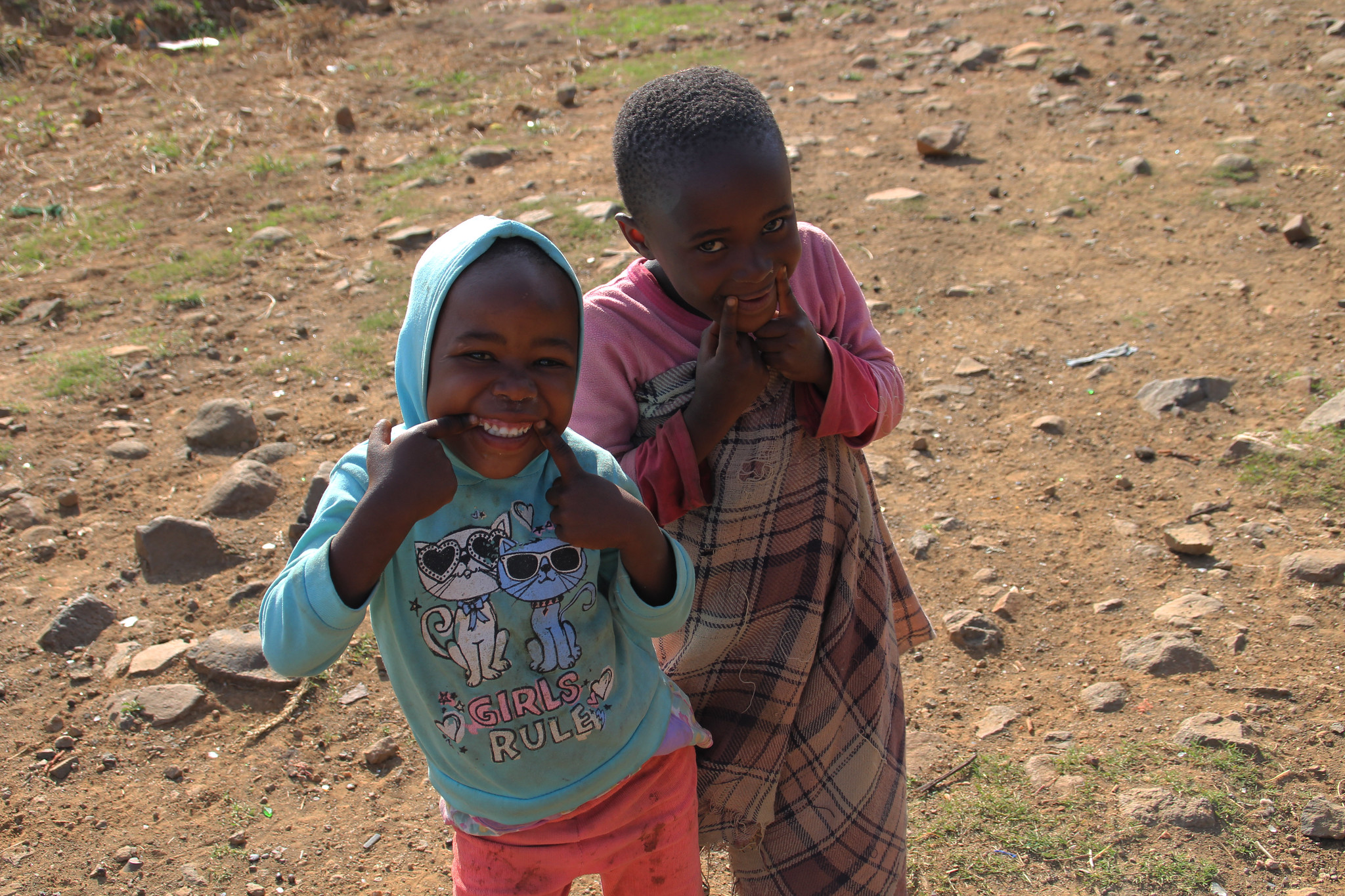
Prevention and Development: HIV in Eswatini

HIV in EswatiniThe priority of health and well-being is a privilege not all nations can embrace. Eswatini, located in the Southwest of the African continent, has faced significant setbacks in its quest for a healthier nation due to the devastating effects of an HIV epidemic in recent years. With a population of roughly 1.2 million, Eswatini has one of the highest HIV rates globally, leading to widespread suffering, death and low life expectancy. However, development and aid efforts, both governmental and global, are advancing steadily, bringing the prospect of a healthier nation within reach.

HIV in Eswatini

Eswatini has been at the top of the charts in regard to HIV prevalence in the past years. During the peak of the HIV epidemic in 2015, almost one out of every three people in the nation were living with HIV. Although treatment for HIV existed during the mid-’90s, not many citizens in Eswatini had access to the treatment. In 1995, no treatment was made available for the Swazis, leading to 73,000 people contracting the disease and 2,400 people dying that very same year.

The fight for controlling the epidemic has been difficult in the following years, with the implementation of various programs and treatments failing on a widespread level. Currently, the life expectancy for the Swazi people is 54.6 years. Although low in regards to the global comparison, this is actually progress for the nation. In Eswatini, the life expectancy in 2000 was 47 years, which means that it has improved by 7.55 years in the past 24 years.

Relief and Aid

A primary factor in the improvement of controlling the HIV epidemic, as well as increasing the life expectancy of the Swazis, has to do with the partnership between the Government of Eswatini and the United States (U.S.) Presidential Emergency Plan for AIDS Relief, more commonly known as PEPFAR. PEPFAR is the largest commitment by any nation addressing HIV in history, enabled by the support of the U.S. Congress, presidential administrations and many other powerful figures in the U.S. political sphere.

PEPFAR-funded programs such as the REACH and REACH II programs have focused on developing local organizations in the community. These organizations, such as Umliba Loya Embili and Insika ya Kusasa, have aided in the fight against HIV, addressing risks such as miseducation, poverty, child protection and more.

The increase in Swazis taking preventative medication for HIV has also been a major success in the decrease in HIV rates in recent years. The dissemination of drugs, in particular, pre-exposure prophylaxis, more commonly known as PrEP, has been a milestone in aiding the risk and containment of HIV. In 2016, the World Health Organization (WHO) globally recommended the introduction of PrEP among people at high risk of contracting HIV, including adolescent girls, young women and sex workers.

Eswatini was one of these countries and now the number of PrEP users is increasing yearly, going from 2,200 in 2018 to 32,750 in 2022. The increase in protection being available for citizens at their local clinic is a positive step in the right direction, which is openly decreasing the potential for Swazis to contract HIV.

The Future of Eswatini

Addressing the HIV epidemic in Eswatini will be a slow and incremental process, given that large-scale relief and aid have only recently been introduced. The transition from a lack of relief, education and medication to a growing support system marks progress in the fight against high HIV rates. Continued funding for education and medical care is essential for building a healthier future for the people of Eswatini.

– Oliver Martin

Oliver is based in Honolulu, HI, USA and focuses on Global Health for The Borgen Project.

Photo: Flickr
August 10, 2024
https://borgenproject.org/wp-content/uploads/borgen-project-logo.svg 0 0 Hemant Gupta https://borgenproject.org/wp-content/uploads/borgen-project-logo.svg Hemant Gupta2024-08-10 01:30:502024-08-09 08:01:18Prevention and Development: HIV in Eswatini
Global Poverty, Health, HIV/AIDS

HIV/AIDS in Singapore

HIV/AIDS in SingaporeSingapore is a country at the tip of the Malaysian peninsula in Southeast Asia. The country gained independence from Malaysia in 1965 and has a population of around 5 million. While Singapore is an extremely wealthy country with a thriving economy and a world-class health care system, the nation still faces public health challenges. HIV/AIDS continues to cause significant harm and impact in Singapore.

A Recent Spike in HIV Cases

Between 2007 and 2017, the average number of HIV diagnoses remained around 400 to 500 cases per year. In the years following 2017, the number of cases decreased to around 300 per year. More than 50% of diagnosed cases were late-stage HIV, and 93% of cases resulted from sexual intercourse.

In 2023, after a few years of significantly low numbers of cases, the number of cases spiked again. In the first 10 months of 2023, there were 10% more HIV detections than last year.

Although the number of cases in Singapore is relatively low, the Singapore government has responded to the slight spike in cases. In a public advisory report, a representative from the Ministry of Health stated that every adult should do HIV testing at least once in their life. In addition, sexually active adults should get regular testing once every six months and wear protection during sexual activities, according to Channel News Asia (CNA).

Promoting Testing by Reducing Fears

Due to the rise in cases, the Singapore government is placing a large emphasis on HIV testing. With more people testing, the government hopes to make more diagnoses, resulting in more people getting the proper treatment. To encourage more testing, the Singapore government has changed a law, making it no longer necessary for individuals to disclose their HIV status to their sexual partners. This law, however, only applies to individuals with an “undetectable viral load.”

This law change will reduce the fear many Singapore residents face when deciding whether or not to get tested, according to The Straits Times. Individuals will no longer have to worry about telling their partners if their HIV test comes back positive. They will be able to treat it or reduce symptoms and then return to their regular sexual behaviours if they are no longer contagious. The government recognized that high-risk individuals feared getting tested because they would be obligated to inform their partners of their potential positive HIV status.

Action for AIDS

In addition to government support, Action for AIDS, an active nonprofit organization since 1988, has been working to mitigate the issue of HIV/AIDS in Singapore. Many Singaporeans have not received proper HIV/AIDS prevention education, so Action for AIDS fundraises to ensure that everyone, regardless of their financial situation, can get education and testing. Individuals in poverty or with lower incomes are less likely to be properly educated about HIV/AIDS and less likely to know when to get tested.

So far, Action for AIDS has brought sex education to a wider audience and encouraged many Singaporeans to undergo more frequent testing. Through increased education and promoting more testing for all, this organization aims to end HIV/AIDS in Singapore.

Conclusion

While the slight spike in HIV cases in Singapore is concerning, the government’s proactive measures demonstrate a commitment to tackling this public health issue. By reducing the common fear that arises when individuals make a decision about testing, Singapore is revising legislation to promote more frequent testing. The goal of increased testing is that everyone who needs treatment will receive it. This approach reflects the Singapore government’s dedication to maintaining the health of its population, ensuring that the country continues to thrive even in the face of public health challenges.

– Poppy Duggal

Poppy is based in Concord, NH, USA and focuses on Global Health for The Borgen Project.

Photo: Pixabay

July 4, 2024
https://borgenproject.org/wp-content/uploads/borgen-project-logo.svg 0 0 Jennifer Philipp https://borgenproject.org/wp-content/uploads/borgen-project-logo.svg Jennifer Philipp2024-07-04 01:30:152024-07-03 05:08:50HIV/AIDS in Singapore
Global Health, Global Poverty, HIV/AIDS

Addressing HIV/AIDS in Moldova

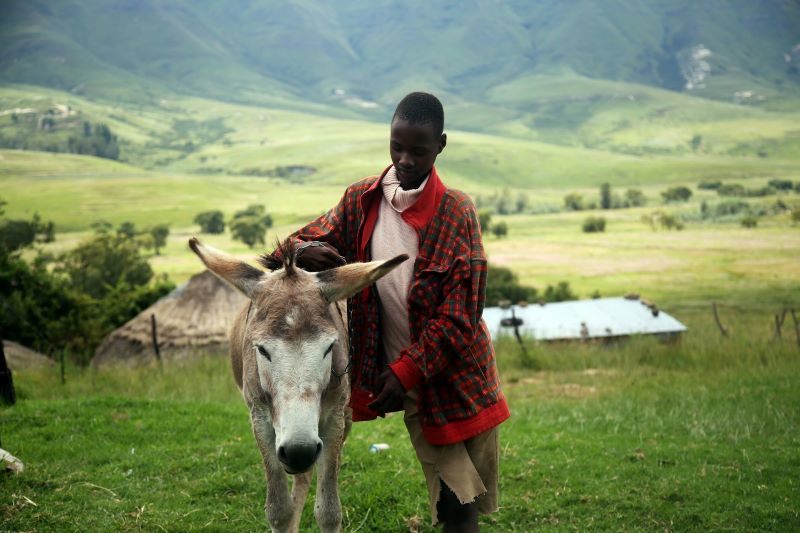
HIV/AIDS in MoldovaThe quicker the response to a medical epidemic the better. This proved to be the case for Moldova in their response to the HIV/AIDS epidemic. An effective response is one to be learned, repeated and implemented for future use.

Moldova’s Problem

HIV and AIDS cases were the highest in Moldova around the 1990s and began to decrease progressively after Moldova’s response to the epidemic.  The National Institute of Health found that in the “Republic of Moldova during 1987-2013, there were 8,557 reported HIV+ cases, of which 2,464 (28.8%) developed AIDS, 1,752 (20.5%) died.” This is compared to more recent statistics showing that “AIDS was confirmed in 286 cases…Of these, in 168 cases (58.74%) AIDS disease was confirmed in persons diagnosed with HIV in 2019.”

The epidemic originally affected select groups of people and only spread from there. Efforts occurred to target treatments to these select groups; however, more work is necessary to address the problem of HIV/AIDS in Moldova. 

Moldova’s Response to HIV/AIDS

The nation of Moldova began to lead the way in creating services that assist in treating HIV/AIDs quickly. Starting it all was a 1993 law which led to medical reforms and provisions in the Republic of Moldova. According to the International Labor Organization (ILO), “the Law on AIDS Prevention of 1993 guarantees people living with HIV/AIDS the right to medical assistance and social insurance.” This was a crucial step toward protecting Moldova’s citizens from the epidemic and providing them with the help they need.

Moldova’s HIV/AIDS National Programme

This law led to the development of the first National Programme on Prevention and Control of HIV/AIDS and STIs which the country established in 1995. This program focused on prevention, improvement and ensuring safety in medical procedures. Prevention is key in stopping the spread, and according to UNAIDS, the priority is for preventing “infections among youth, vulnerable groups, [and] first of all among injecting drug users.” These concentrated groups are still a large focus for the Program today because of the high rates of infection among drug users along with homosexual men.

The National Programme on Prevention and Control of HIV/AIDS and STIs began initially as a response to national statistics and information concerning HIV/AIDS in Moldova. In more recent years (2016-2020), the program has worked to provide more access to NGO testing and various treatments.  The partnerships with various NGOs have expanded the program’s outreach greatly, allotting for a greater amount of testing. 

Furthermore, the improvement of patients’ conditions is a large focus of the program as well as ensuring safe medical procedures. The trifold purpose of this program is something to learn from. Its aim is to reduce the severity and number of HIV/AIDS cases. Currently, HIV/AIDS in “Moldova is classified as a concentrated/low prevalence country”. This may be due to the effective initiatives the country implemented from the beginning. The quick action to prevent but also serve those affected is something inspiring to implement in the future.  

– Abigail Johnson

Abigail is based in Sapulpa, OK, USA and focuses on Good News and Global Health for The Borgen Project.

Photo: Flickr
July 3, 2024
https://borgenproject.org/wp-content/uploads/borgen-project-logo.svg 0 0 Jennifer Philipp https://borgenproject.org/wp-content/uploads/borgen-project-logo.svg Jennifer Philipp2024-07-03 03:00:222024-07-03 00:59:45Addressing HIV/AIDS in Moldova
Global Health, Global Poverty, HIV/AIDS

HIV/AIDS in Gabon: Everything You Need To Know

HIV/AIDS in GabonDespite having a relatively high prevalence in such a small country, the rate of HIV/AIDS in Gabon has improved significantly. Recent political instability has threatened to curtail the progress being made in the fight against HIV/AIDS in the oil-rich Central African nation. However, there is also plenty of reason to believe Gabon will continue on track to reduce the impact of the disease.

HIV/AIDS Is Still an Epidemic

As of 2023, the World Health Organization (WHO) estimates that 49,000 people are living with HIV/AIDS in Gabon. This number includes 2,300 children and 33,000 women. With a population of 2.3 million people, the infection rate stands at around 3%. While that is lower than many neighboring countries, the number is still far higher than the majority of countries around the world that have infection rates below 1%.

Progress Has Been Made

Although work remains, the rate of HIV/AIDS in Gabon has fallen dramatically over the years. Since 2010, infections have been down 31% and deaths in the same time frame have declined by 30%. The sharp decline in HIV/AIDS in Gabon can be attributed to a vast network of local and international players. Recent efforts include a partnership between The Joint United Nations Programme on HIV and AIDS (UNAIDS) and the Africa Centers for Disease Control and Prevention. In October 2021, these two organizations launched the Partnerships to Accelerate COVID-19 Testing (PACT) initiative. This dual relief program mobilized more than 70 health workers in Gabon’s areas with the highest prevalence of HIV/AIDS and COVID-19.

Additionally, the U.S. Government has been a key ally. Between 2020 and 2024, the U.S. embassy in Gabon donated more than $1.12 million in equipment and HIV prevention training. A further $2 million worth of antiretroviral medication was donated in the past year. More locally, Luc Armel Mkala Mfoulou has been the project director for the Department of Defense HIV/AIDS prevention program since 2020. Under his leadership, the Gabonese military has trained more than 500 health workers, distributed more than 200,000 condoms and provided nearly 25,000 rapid diagnostic tests.

An Uncertain Future

Shortly after a controversial presidential election in 2023, the military overthrew President Ali Bongo. President Bongo’s family had been in power since 1967. New elections have taken place and General Brice Oligui Nguema has been sworn in as president. However, major international powers like the U.S. and France have yet to recognize his legitimacy as the Bongos were considered allies. While the U.S. Department of State announced it would discontinue almost all assistance that directly contributed to the Government of Gabon, it also announced that “humanitarian, health and education funding will continue.”

Reasons for Hope

Despite this recent political shakeup, the fight against HIV/AIDS in Gabon seems to be steadily on track. With one of the highest gross domestic product (GDP) per capita on the continent, there is hope that the oil-producing nation’s wealth will continue to grow and be more evenly distributed among its population. Until then, it is hoped that the work of international players will continue to help tackle HIV/AIDS in Gabon.

– Mason Borden

Mason is based in New York, NY, USA and focuses on Global Health for The Borgen Project.

Photo: Wikimedia Commons

June 30, 2024
https://borgenproject.org/wp-content/uploads/borgen-project-logo.svg 0 0 Hemant Gupta https://borgenproject.org/wp-content/uploads/borgen-project-logo.svg Hemant Gupta2024-06-30 07:30:432024-06-30 01:54:04HIV/AIDS in Gabon: Everything You Need To Know
Africa, Global Health, Global Poverty, HIV/AIDS

Addressing HIV/AIDS in Libya

HIV/AIDS in LibyaIn Libya, the HIV/AIDS epidemic is characterized by a low but concentrated prevalence among drug users. Additionally, political, economic and societal stigma has exacerbated health care system challenges for those suffering. However, recent programs funded by the Joint United Nations Programme on HIV/AIDS (UNAIDS) and the World Health Organization (WHO) have led to progress, contributing to a decline in the rate of infection to 0.07 from 0.13 between 2010 and 2019. Despite this progress, there are still significant challenges.

Historical Context and Challenges

Libya first saw the appearance of the disease in 1986 when a Factor VIII contamination affected 24 hemophilia patients. In 1998, a tragic outbreak affected 400 children in Benghazi Hospital. Before the revolution in spring 2011, UNAIDS reported that international development partners found it difficult to work systematically in Libya. Society did not openly discuss AIDS, nor did it consider it a health priority. New data confirmed that the situation in Libya was worse than what officials previously reported.

Despite the low and concentrated epidemic among drug users in Libya, societal challenges persist. The United States’s (U.S.) 2018 Country Report cites no available information on societal violence toward persons with HIV/AIDS. However, it does mention reports of the Libyan government denying persons with HIV/AIDS permission to marry.

Additionally, it reported instances of segregation of detainees suspected of having the disease from the rest of the population in overcrowded spaces. In these cases, these people were often the last to receive medical treatment. In Libya, there is no specific law prohibiting discrimination based on age, gender, sexual orientation or HIV-positive status.

Interventions and Programs

Various interventions and programs have been implemented to address HIV/AIDS in Libya. In 2012, UNAIDS recommended drug substitution treatment and harm reduction measures such as voluntary, confidential counseling and testing, as well as the prevention of sexual transmission of HIV among drug users. This approach, which was implemented, centered around respecting the rights of drug users and worked to reduce the stigmatization of HIV/AIDS.

Furthermore, the United Nations Office on Drugs and Crime (UNODC) relaunched the second phase of the HIV project in Libya, focusing on the HIV prevention program among people injecting drugs in prison settings. The then-Libyan government funded the project. However, it was suspended in 2011 due to security problems and resumed the following year. Additionally, in 2019, officials implemented a program to prevent mother-to-child transmission (PMTCT). However, ongoing internal conflict and the COVID-19 pandemic have hindered its effectiveness.

Collaboration with UNODC experts also led to an evaluation study on rehabilitation as a component of harm reduction. Trainers educated a group of medical assistants in communities with several committees such as Y-Peer and Libyan Red Crescent. These efforts aimed to support prevention and treatment initiatives at the community level.

Recent Efforts and Recommendations

Despite some progress, significant challenges remain in treating HIV/AIDS in Libya. In 2022, the WHO reported that although Antiretroviral therapy (ART) is free to all Libyan citizens, repeated stockouts have interrupted treatment and led to increasing numbers of people living with HIV being admitted to health facilities with advanced stages of the disease.

Additionally, only four of Libya’s eight ART centers are fully functioning and there are fewer than 10 HIV testing centers in the entire country. The stigma of HIV extends even to health care workers through their association with those who have HIV/AIDS due to misconceptions about the disease.

To improve the response to HIV/AIDS, the WHO has advocated for regular funding for the National Aids Program (NAP) and aligning its activities with the Regional Action Plan on HIV, hepatitis and sexually transmitted infections (STIs).

Final Remark

Continued international support, enhanced infrastructure for testing and robust anti-stigma campaigns are crucial for addressing the HIV/AIDS epidemic in Libya effectively. This could be achieved by collaborating with philanthropic organizations and foundations that focus on global health. By focusing on these areas, Libya can build a stronger, more inclusive response to the HIV/AIDS epidemic, ultimately improving health outcomes for all.

– Nia Willis

Nia is based in Carmarthenshire, UK and focuses on Global Health for The Borgen Project.

Photo: Flickr
June 29, 2024
https://borgenproject.org/wp-content/uploads/borgen-project-logo.svg 0 0 Hemant Gupta https://borgenproject.org/wp-content/uploads/borgen-project-logo.svg Hemant Gupta2024-06-29 03:00:112024-06-29 16:24:43Addressing HIV/AIDS in Libya
Global Health, Global Poverty, HIV/AIDS

HIV/AIDS in Sierra Leone

HIV/AIDS in Sierra LeoneDespite recent reductions in transmission rates of HIV/AIDS in Sierra Leone, the lack of knowledge and stigmatism surrounding the condition, particularly among the younger population, could prevent the country from further minimizing the spread of the disease.

The Prevalence of HIV/AIDS in Sierra Leone

According to UNAIDS, there were 77,000 adults and children living with HIV/AIDS in Sierra Leone in 2022, an incidence of 0.44 per 1,000 of the population. Of these people, 59,000 Sierra Leoneans know their status, shedding light on the increasing awareness of the disease within the nation.

However, this figure is below the 95-95-95 target from the UNAIDS Global AIDS Strategy. This outlines the organization’s aims for 95% of those living with HIV to know their status, 95% of these people to be on ART and 95% of those on treatment to be virally suppressed.

There has been progress towards this goal, however, with the country seeing a 39% reduction in new HIV infections and a 42% reduction in AIDS-related deaths since 2010. Furthermore, almost all of those affected by the disease are on Antiretroviral Therapy (ART), in line with UNAIDS’s strategy and highlighting increased accessibility to the treatment.

Yet the prevalence of HIV/AIDS amongst the younger population of Sierra Leone remains relatively high. The World Bank indicates that 6,700 children aged 0 to 14 are living with the disease, yet only 1,704 are receiving ART, according to UNAIDS.

Gender-Based Inequalities

The gender-based inequalities of HIV/AIDS in Sierra Leone amongst young women are also an issue for the nation. The prevalence rate of the disease is double for women (1%) compared to men (0.5%) and The National Institutes of Health also remarks that over a third of women have encountered at least one HIV risk factor, raising issues surrounding sexual violence towards young women and girls.

In 2019, UNAIDS named Fatima Maada Bio, First Lady of Sierra Leone, as champion for the charity, in hopes of raising awareness of the gender-based inequalities of HIV/AIDS infections. As “a strong advocate for the empowerment of girls and young women,” according to UNAIDS Executive Director Winnie Byanyima, this position will hopefully produce more conversations on this issue, and mobilise the younger generation to become more conscious of the disease. By introducing the Hands Off Our Girls campaign, Maada Bio is striving to protect young women in Sierra Leone from rape and early marriages which are seen to be key factors in the transmission of HIV/AIDS in young women.

The Stigma

Awareness and breaking the stigma surrounding HIV/AIDS in Sierra Leone is key for changing preconceptions of the condition, and will hopefully mobilize more people to seek regular checkups and screenings. UNAIDS data shows that 67.1% of the population would not buy fresh vegetables from a shopkeeper with HIV, and a further 53% do not think that children living with the condition should be able to attend school with children who are HIV-negative. This highlights the social stigmatism towards HIV/AIDS that is still present in Sierra Leone.

Furthermore, amongst the younger Sierra Leoneans aged 15-24, only 29.13% know about HIV prevention. It is therefore imperative that information about the disease is accessible to young people, particularly about transmition, to reduce further infection rates.

With the HIV transmission rates falling, and the First Lady as the new champion of UNAIDS in the country, HIV/AIDS in Sierra Leone could soon reach the goals of the 95-95-95 strategy. However, education amongst the younger population is vital to prevent the further spread of the disease and encourage more to get regular screening to receive life-saving treatment.

– Ben Kane

Ben is based in London, UK and focuses on Global Health for The Borgen Project.

Photo: Flickr

June 25, 2024
https://borgenproject.org/wp-content/uploads/borgen-project-logo.svg 0 0 Jennifer Philipp https://borgenproject.org/wp-content/uploads/borgen-project-logo.svg Jennifer Philipp2024-06-25 03:00:302024-06-24 14:08:37HIV/AIDS in Sierra Leone
Global Health, Global Poverty, HIV/AIDS

Addressing Recent Outbreaks of HIV/AIDS in Venezuela

HIV/AIDS in VenezuelaWith a series of economic and political crises throughout the past decade, Venezuela has become increasingly vulnerable to the rampant spread of HIV with little public accessibility to safe-sex materials and practices. The nation has faced extreme shortages of antiretroviral therapy (ART) in both pharmaceutical and clinical settings, leading to inflated treatment rates. Although there are around 110,000 people expected to be living with HIV/AIDS in Venezuela as of 2020, only 55% have proper access to complete and consistent viral regimens. Tens of thousands of individuals are continuously defenseless to this chronic, deadly virus with many forced to migrate to surrounding nations in the hope of receiving life-saving treatment plans.

Deterioration of Health Care Systems

Venezuela was previously considered one of the most well-suited nations in South America to deter the severity of the HIV/AIDs crisis, instituting free, centralized ART treatment through government funding in 1990s. However, when faced with newfound economic challenges in the early 2010s—the price of oil, a leading export of the nation, drastically plummeting worldwide—many mechanisms necessary for proper maintenance of its healthcare systems began to deteriorate. Hospitals could no longer upkeep effective follow-up and control measures with inaccurate estimations of affected patients.

Amid economic upheaval, the monthly price for ART rose to around $95-100 per month, a burdening cost for low-income citizens. From 2011 to 2015, there was a 75% increase in HIV-related deaths, the greatest amount since 2000. By 2017, there were no hospitals containing ART drugs to distribute, with 85% of pharmacies facing drastic drug shortages. Only 26% of people with HIV were able to acquire regular ART regimens, and more than 90% of individuals who had registered for ART treatment directly through the government did not receive it.

Barriers to Prevention of HIV/AIDS in Venezuela

HIV is a chronic, rapidly evolving virus, with ART serving as a long-term health necessity for those impacted. As many found themselves depleted of sufficient ART treatments, whether due to the heightened cost or sheer unavailability across the nation, they resorted to other temporary strategies to improve their condition: partaking in intermittent treatments or partial-self dosing, oftentimes utilizing expired medication.

Recent research showcased at the 19th European AIDS Conference in 2023 indicated that intermittent dosing of ART drugs increased the overarching rate of virological failure, leading to “concerningly higher” rates of resistance to this therapy. Although intermittent treatment may be beneficial in the short-term, shaping into the next-best option for those unable to obtain regular ART dosages, its long-term sustainability is undermined by these unintended, potentially life-threatening consequences. Even with the 67% coverage of ART for people with HIV reached by 2022, only 7% have obtained an undetectable (un-transmittable) status, speaking to the continued demand for full, regular ART dosages.

The primary preventative measure for HIV/AIDs is the usage of condoms, allowing for the practice of safe sex without the possibility of transmitting the virus. However, inflation has caused the price of condoms in Venezuela to escalate to over three times the monthly minimum wage. Education on HIV prevention is still stigmatized, especially for LGBTQ+ individuals, leading to an inability to navigate and employ fundamental safety measures.

Marginalized Communities

The presence of HIV/AIDS in Venezuela has disproportionately affected marginalized groups, highlighting the ongoing discrepancies in ART access. In 2022, there are an estimated 15,000 transgender individuals in Venezuela, with an HIV prevalence rate of around 35.8%, according to the Humanitarian Practice Network (HPN). Additionally, men who have sex with men (MSM) were found to have an HIV prevalence rate of 23.3%, contrasting the national 0.5% of the total population in Venezuela. Alongside other systemic barriers, many have noted the lack of enforcement of anti-discrimination laws instated throughout the Venezuelan health care system, leaving many LGBTQ+ individuals deprived of proper viral regimens.

The Warao people, the second-largest indigenous group in Venezuela, are another demographic experiencing the severity of the HIV/AIDs crisis. There is an overall prevalence rate of 10% among their population, although many doctors have suggested this rate may be as high as 35% among males. Removed from ART and other treatment measures that can properly manage the virus, many HIV-positive members of the community have ultimately passed away after developing end-stage AIDs.

Solutions for HIV/AIDS in Venezuela

Without acquiring the necessary ART from the government, many people with HIV in Venezuela have been forced to migrate to surrounding nations with more inexpensive treatment options, according to the HPN. And yet, as they relocated, another issue of xenophobia arose: while ART was now objectively more accessible, there were new barriers to treatment including health prejudice and discrimination.

In 2020, UNAIDS established a partnership with UNESCO to allow Venezuelan migrants “health education, prevention, and health promotion,” centering a future-oriented approach to ending the HIV/AIDs crisis. This collaboration emphasizes the physical and mental well-being of Venezuelan migrants, promoting sex education curriculums that prevent the onset of violence and discrimination. Activists have similarly focused on improving care for those living with HIV, such as Nilsa Hernandez, founder of Valientes Por La Vida (Brave for Life). A Venezuelan herself, she crossed the border to Brazil to continue receiving ART after being depleted of immunity for over two years. Hernandez hopes to support other migrants with HIV with guidance on adapting to life in Brazil, providing them with the necessary resources to navigate the country while obtaining access to viral regimens.

The rebuilding of Venezuela’s health care system—with international organizations continuously supporting migrants and other marginalized groups—reveals a hopeful path to mitigating HIV/AIDs in Venezuela by 2030.

– Eileen Lincoln

Eileen is based in Fairfax, VA, USA and focuses on Global Health for The Borgen Project.

Photo: Flickr

June 25, 2024
https://borgenproject.org/wp-content/uploads/borgen-project-logo.svg 0 0 Jennifer Philipp https://borgenproject.org/wp-content/uploads/borgen-project-logo.svg Jennifer Philipp2024-06-25 03:00:152024-06-24 13:29:31Addressing Recent Outbreaks of HIV/AIDS in Venezuela
Global Poverty, Health, HIV/AIDS

Addressing HIV/AIDS in Austria

HIV/AIDS in AustriaIn 1983, the spread of HIV/AIDS made Austria sound its alarm bells. Though the country only saw six cases that year, that number jumped to 381 by 1985. Since then, there have been huge strides in both treatment and acceptance that give HIV/AIDS victims a chance at a normal life.

Every Statistic Represents a Life

The alpine nation of Austria only makes up a small percentage of overall HIV/AIDS infections. According to the Austrian HIV Cohort Study, since the beginning of data collection in 1985, there have approximately been a total of 11,154 HIV diagnoses; 3,510 resulting in AIDS. Overall 2,859 people have succumbed to the disease.

The same study furthermore shows that throughout the years new infections have consistently stayed under 500, hitting their peak in 2008 with 415. In 2023 newly reported cases totaled 114, and currently, Austria ranks 120th worldwide in overall HIV rates in adults.

Like in most other countries, medical treatments and prevention are paramount in the battle against the HIV/AIDS epidemic. In Austria, 98.2% of patients are currently receiving antiretroviral regimens, and in 2022, 232 people were taking non-occupational antiretroviral drugs to impede the spread of the illness. This was an increase from 144 in 2016. Medications such as PrEP have also seen an uptick, from five prescriptions in 2016, when it first became available, to 1,270 in March of 2023, according to the Austrian HIV Cohort Study. Therapeutic advances like the previously mentioned means that contracting HIV/AIDS in Austria, and globally, is no longer a death sentence.

Additionally, expecting mothers get screened for HIV/AIDS as part of the Mother-Child booklet to qualify for childcare allowance. This allows for women to receive financial assistance and should the test be positive, gives providers a chance to provide care for both mom and baby.

Nobody Should Be Left Behind

The government assists citizens who are unable to work due to illnesses or other hardships. This comes in the form of the “Sozialhilfe” (social help) or “Mindestsicherung” (minimum security) to cover basic living costs. However, this keeps people just below the poverty line.

Depending on how the virus progresses, people with HIV/AIDS in Austria can continue to work, and it is illegal for any employer to discriminate against anyone with a positive status or ask any employee if they have HIV/AIDS. These laws are part of the de-stigmatization of the disease, and not ostracizing victims as was the norm during the beginning of the epidemic. Austria never saw the devastating numbers that other countries did, but it soon became a large part of the effort to advocate for more tolerance for people who are afflicted by the virus.

The Life Ball

In 1993, 10 years after the first diagnosis of HIV/AIDS in Austria, Gery Keszler and Torgorm Petrosian founded the organization called AIDS LIFE. In that same year, it held the first Life Ball in Vienna’s city hall. Petrosian himself was affected by the disease and the goal was to raise funds for national efforts to support others suffering from HIV/AIDS. Just one year later, the event already rose to international recognition and now collected donations for international relief.

Always held under a different theme, the ball becomes a magnet for fashion designers like the late Vivienne Westwood. AIDS LIFE then began to expand and in 2001 worked with other international projects, notably The Elton John Aids Foundation. The Life Ball then began to attract more and more celebrities and politicians, who joined the fight against the illness.

Although, wider publicity helped ease the stigma surrounding HIV/AIDS and for those who had contracted the virus, the ball took a pause in 2016 to return in 2017 with a refocused effort not on the spectacle but on “Fighting AIDS & Celebrating Life!” AIDS LIFE also rebranded itself to LIFE+ and launched the Know Your Status campaign to normalize HIV testing.

The fundraiser occurred the last time in 2019 and throughout its 26 years of existence, LIFE+ collected more than $34 million in donations.

For those who are also experiencing homelessness and/or drug addiction there is the Lighthouse organization in Vienna. Since 2000 the nonprofit has run a supported housing project, the only one in the country for people with HIV/AIDS. Its main mission is to highlight the humanity of people cast aside and to help their clients regain their lives.

Looking Ahead

Anybody can make a difference. No matter the cause, no matter how big the challenge, all it takes is one person with an idea. In the case of the Life Ball, it was two people, but Keszler’s and Petrosian’s story shows that small efforts can snowball into positive systemic changes and advances that might not have seemed possible.

– Melissa Harper-France

Melissa is based in Saint Paul, MN, USA and focuses on World News and Global Health for The Borgen Project.

Photo: Flickr

June 20, 2024
https://borgenproject.org/wp-content/uploads/borgen-project-logo.svg 0 0 Jennifer Philipp https://borgenproject.org/wp-content/uploads/borgen-project-logo.svg Jennifer Philipp2024-06-20 01:30:592024-06-19 12:46:26Addressing HIV/AIDS in Austria
Page 7 of 8«‹5678›

Get Smarter

  • Global Poverty 101
  • Global Poverty… The Good News
  • Global Poverty & U.S. Jobs
  • Global Poverty and National Security
  • Innovative Solutions to Poverty
  • Global Poverty & Aid FAQ’s
Search Search

Take Action

  • Call Congress
  • Email Congress
  • Donate
  • 30 Ways to Help
  • Volunteer Ops
  • Internships
  • Courses & Certificates
  • The Podcast
Borgen Project

“The Borgen Project is an incredible nonprofit organization that is addressing poverty and hunger and working towards ending them.”

-The Huffington Post

Inside The Borgen Project

  • Contact
  • About
  • Financials
  • President
  • Board of Directors
  • Board of Advisors

International Links

  • UK Email Parliament
  • UK Donate
  • Canada Email Parliament

Get Smarter

  • Global Poverty 101
  • Global Poverty… The Good News
  • Global Poverty & U.S. Jobs
  • Global Poverty and National Security
  • Innovative Solutions to Poverty
  • Global Poverty & Aid FAQ’s

Ways to Help

  • Call Congress
  • Email Congress
  • Donate
  • 30 Ways to Help
  • Volunteer Ops
  • Internships
  • Courses & Certificates
  • The Podcast
Scroll to top Scroll to top Scroll to top