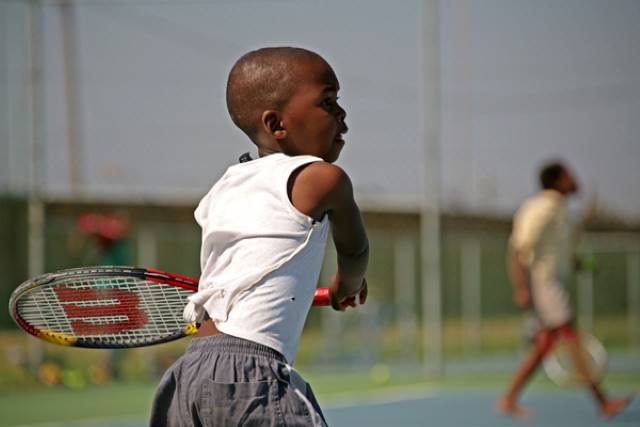
 Roger Federer is one of the most successful tennis players in the world and a humanitarian with a desire to help the less fortunate. In 2003, the Roger Federer Foundation was created with the aim of shaping a brighter future for underprivileged children in southern Africa and Switzerland. Federer believes that education is the most powerful weapon one can have to escape situations of poverty as it has the power to transform lives and propel people into successful and prosperous environments.
The Roger Federer Foundation
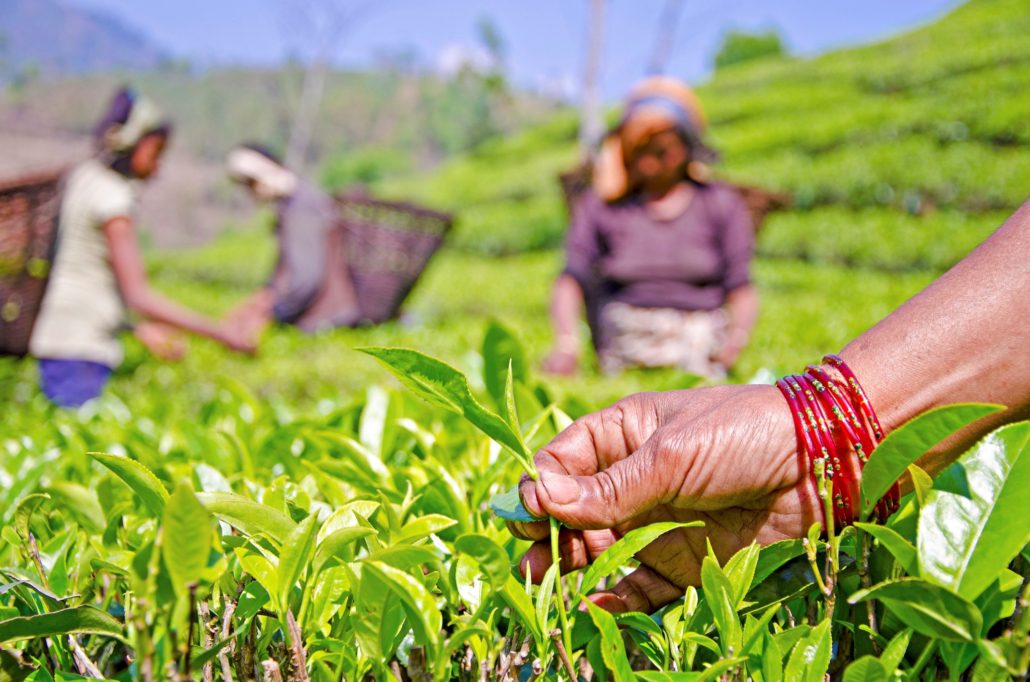
Since its creation, the Foundation invested $52 million on education initiatives in 7,000 kindergartens and elementary schools in order to achieve its mission. Its projects both help get more kids into schools but also help improve the quality of education that children get once they attend school. The Foundation aims to give children control of their destinies, where being born into poverty does not restrict one’s life chances.
Achievements in 2020
Despite an unprecedented global pandemic that sent much of the world into lockdown, the Foundation has had huge successes as documented in the 2020 Roger Federer Foundation Annual Report. As many schools across the world closed, many of the Roger Federer Foundation’s poverty alleviation aims also had to be put on hold as they are closely linked with education. However, the Foundation still managed to create an impact by donating $1 million to support 64,000 children in Africa and their families.
In terms of an impact, the Foundation has seen significant results in 2020. In line with its school readiness strategy, almost 10,000 teachers can now support young students in a manner ideal for their age group. Additionally, almost 90% of preschools and feeder schools have a teacher mentoring program in place to ensure teacher development and improve the quality of education. Furthermore, about 80% of these schools prioritize nutritious meals for the students. A particularly impressive result is that 75% of preprimary school level children have successfully developed in all aspects required for their age group.
Such interventions ensure children in situations of poverty have access to quality education, ensuring that they are ready and equipped to attend school and reap the benefits of education from the very beginning. These are just some of the examples of a very long list of successes of the Roger Federer Foundation in alleviating poverty for children and putting them on track for success. The Foundation has set a goal to introduce the school readiness strategy in six countries in southern Africa and up to 3,000 institutions in each country.
The Future
The Foundation works in line with Sustainable Development Goal 4.2, “Equal access to quality preprimary education.” The organization wants to improve not only children’s school readiness but the readiness of schools as well. The overall goal is to grant more than 1.5 million learners a proper start to their education, early on. Federer shows his commitment even further by using his fame to raise funds for the Foundation. In April 2021, Federer announced that he would be auctioning his personal memorabilia to raise funds for the Foundation to continue its educational efforts. Federer is is an inspiring example of a humanitarian sports star.
– Lizzie Alexander
Photo: Flickr
 The OPEC Fund for International Development fights against poverty by funding projects that improve poverty and spur development. On February 19, 2021, it continued this effort by
  In its 2020


 The Central European country of Hungary is a fairly small nation that has had high rates of poverty in the past. In 2007,