 K-pop idol and actress Bae Suzy, known professionally as Suzy, has made a name for herself in the Korean media industry. The star made her K-pop debut in 2010 and has since transitioned into acting, performing in highly rated K-dramas. In addition to her successes in the entertainment industry, Suzy has also worked to impact others with her philanthropy. Over the years, Suzy has donated to various charities, hoping to alleviate poverty in South Korea.
A History of Donations
One of Suzy’s most notable donations was to the Community Chest of Korea. The Community Chest of Korea is a national network of 16 locally governed organizations. The network works to improve conditions and empower the undeserved through sharing within the community. It is Korea’s largest community impact charity. Suzy has donated more than $100,000 to the organization. It recognized Suzy’s philanthropic efforts when she was made the seventh overall entertainer to join the society.
Another organization that Suzy has donated to is the Babo Nanum foundation. The organization announced that Suzy donated $42,087.90 to its Stars Filled with Dreams campaign. This campaign aims to help children achieve their dreams through education. In particular, Suzy sought to help those who had been affected financially by the COVID-19 pandemic. She had previously donated to other COVID-19 related charities; earlier, she donated $84,175.80 dollars to the Good Neighbors charity, which aids low-income families during the pandemic.
A Variety of Goals through Philanthropy
In addition to the Babo Nanum Foundation, Suzy has donated to other children’s charities. Children’s Day is on May 5 and is considered a national holiday in Korea. This year, the star made headlines for her generous $89,200 gift to the Happy Sharing Taekwondo Federation in honor of the holiday. Happy Sharing Taekwondo Federation is a volunteer organization centered around the principles of support and the sport of taekwondo. The organization will use the money to help less fortunate children in orphanages and young adults who child welfare institutions no longer protect. Her support has also extended to single mothers — she has previously donated $18,584 to the Korean Unwed Mothers Support Network.
Suzy’s philanthropic efforts make impacts across South Korea. She has previously donated $8,520 to a charity managed by the Buk District Council of Gwangju, her hometown community. She has also donated $12,600 to low-income families through the Life Share Association. The organization used the donated money to benefit low-income households by providing daily necessities. She has also donated $84,343 to the International Relief and Development NGO Good Neighbors and the Hope Bridge National Disaster Relief Association. Suzy made these donations last year after torrential rain caused flooding in South Korea. She has also donated about $80,000 to Gangwon Province after forest fires left many people homeless.
Working for a Better Korea
While Korean media has become popular overseas, poverty in South Korea remains prevalent. As of 2019, the poverty rate in Korea was 16.7%. Part-time and dispatched workers, along with the elderly, typically struggle more to earn or secure their financial lives relative to others. Suzy’s philanthropic efforts serve to support the economically emerging nation. Fans around the world eagerly await to see where the philanthropic entertainer will donate next.
– Carly Johnson
Photo: Wikimedia
 Multi-award-winning R&B singer-songwriter Alicia Keys, born
  As the virus rapidly spread across countries, COVID-19 turned the whole world upside down. This inevitably brought many changes to people’s lives, from social interactions and daily activities to health concerns and working habits. The pandemic also heavily affected Iran. According to the Middle East Institute, the unemployment rate rose
 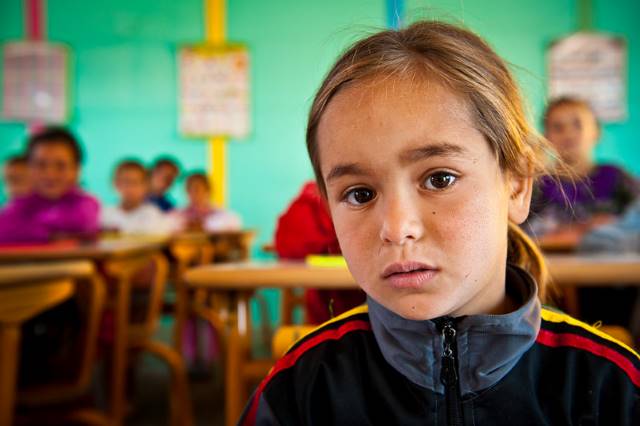 While human trafficking in Morocco persists, this small North African country is working to end it. The U.S. Department of State identifies Morocco as
  The COVID-19 pandemic has proven to be a global risk on many fronts other than health. As lockdowns extend and new variants claim dominance, countries are finding it challenging to fight poverty. In the east, the impact of COVID-19 on poverty in Ukraine could reverse multiple years of joint efforts for the country to gain economic stability. In response, the Ukrainian government is taking action to boost domestic economic value while the World Bank
  MADE51 is a global initiative created by the U.N. Refugee Agency (UNHCR) and the World Free Trade Organization to
  Digital access for all is becoming more and more necessary with the growing digital economy. Ecuadorian
 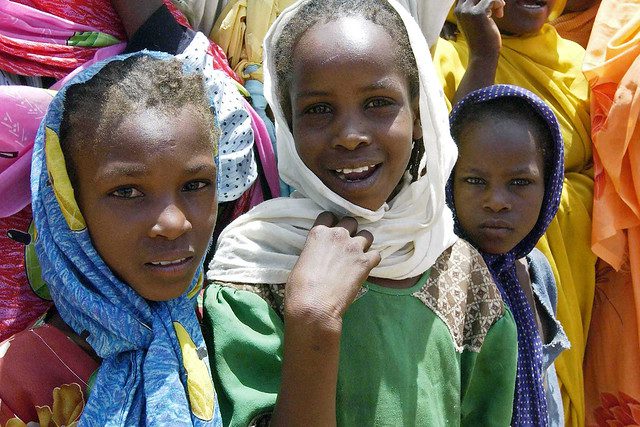 United States Agency for International Development (USAID) assistance to Sudan offers hope to alleviate poverty in the struggling country. Sudan has a population of more than 44 million people, but as of August 2021, approximately 13.4 million Sudanese people require humanitarian aid. Citizens are grappling with conflict, food insecurity, economic crisis and the impact of drought and flooding. The onset of COVID-19 has only exacerbated issues of poverty in the country. Even though there were developmental gains in the past decade, the African country of Sudan is still dealing with widespread poverty, conflict and violence. However, with USAID assistance to Sudan, the country has the potential to make significant strides in reducing poverty.
 In 1997, modern-day crowdfunding
  Brazil has a population of more than 211 million, but