• Link to X
  • Link to Facebook
  • Link to Instagram
  • Link to TikTok
  • Link to Youtube
  • About
    • About Us
      • President
      • Board of Directors
      • Board of Advisors
      • Financials
      • Our Methodology
      • Success Tracker
      • Contact
  • Act Now
    • 30 Ways to Help
      • Email Congress
      • Call Congress
      • Volunteer
      • Courses & Certificates
      • Be a Donor
    • Internships
      • In-Office Internships
      • Remote Internships
    • Legislation
      • Politics 101
  • The Blog
  • The Podcast
  • Magazine
  • Donate
  • Click to open the search input field Click to open the search input field Search
  • Menu Menu

Archive for category: Global Poverty

Key articles and information on global poverty.

Developing Countries, Development, Global Health, Global Poverty

Why Middle-Income Countries Lag Behind

Middle-Income Countries
In 2019, the United States donated $8.1 billion in official development assistance (ODA) to the global health sector, according to the Organization of Economic Co-operation and Development (OECD). This kind of government aid, alongside other contributions, explicitly aims to promote economic development and welfare in developing nations as the OECD has defined. The Development Assistance Committee (DAC) of the OECD, an international forum of some of the largest providers of aid, including the United States, adopted ODA as the “gold standard” of foreign aid in 1969 and continued to be the primary source of financial assistance for development in other nations. Foreign support for health often prioritizes low-income countries over middle-income countries (MICs). According to a policy report, the national average income level for nations fails to reveal poverty and inequality. Millions of people living in poverty in MICs end up behind as donors focus on the poorest countries.

Who are the Middle-Income Countries

According to the World Bank, MICs are home to around 75% of the global population and 62% of the world’s poor. Middle-income countries also have two categories: lower-middle-income and upper-middle-income economies. Finally, the gross national income (GNI) per capita for MICs ranges between $4,046 and $12,535. Middle-income countries are diverse in terms of region, size, population and income level. Countries considered MICs could be nations with small populations such as Belize to larger countries such as China and India. Since the category of MIC expands to a multitude of different nations, there are a variety of other challenges. For those in the lower-middle-income category, one of the most significant issues may be providing citizens with essentials, such as water and electricity. The most critical challenges could potentially be corruption and governance for upper-middle-income nations.

How Health Donors Target Poverty

Duke University’s Center for Policy Impact in Global Health “analyzed donors’ allocation policies to determine if they reflect subnational poverty trends.” In addition, researchers aimed to identify ways funders can adapt their policies to ensure that no one ends up behind.

The researchers found four key features of the allocation policies including an overreliance on national poverty indicators, focus on critical and vulnerable populations, future subnational targeting and health system strengthening.

Health aid funders relied on national-level economic indicators for a country’s aid eligibility. There was also a high correlation to most health donors prioritizing epidemic control over poverty elimination, especially for organizations that target specific diseases. Through targeting diseases, health aid funders define populations by their epidemiological risk profile rather than making an explicit link to subnational poverty that may be causing a higher exposure to the diseases. Many donors also direct their funds to two different pathways of either “a ‘health systems strengthening (HSS) window or a cross-cutting HSS approach.” Organizations including the Global Fund to Fight AIDS, the World Bank’s International Development Association (IDA) and the United States Agency for International Development (USAID) use HSS to reach people considered the poorest. Unfortunately, the organizations do not often track poverty-specific metrics linked to their HSS portfolios even while trying to reduce poverty.

Due to a focus on elements that poverty or national-level economic indicators cause, donors often overlook the poor in middle-income countries.

The Importance of Donors

To ensure impoverished people can benefit from health aid, eliminating poverty should be a central goal for donors. They should use geospatial data sources and methods, consult the citizens living in poverty and use other indicators and factors to assess poverty. This would ensure that donors deliver the best aid to the community. However, donors should also acknowledge that poverty is a “complex, multidimensional and context-dependent social phenomenon that cannot be captured by monetary indicators alone.” Donors have to realize that the value for money approach may not align with the idea of ensuring that no one ends up behind.

Donors should also work alongside domestic policymakers to achieve long-term sustainability for a clear action plan for vulnerable groups. The donors have to define who will receive the program, how these people will access the program and what benchmarks will determine progress. The donors should also ensure that the community involves itself in a meaningful way to create change. In addition, medical interventions including vaccines should have mechanisms in place to set reasonable prices.

The United Nations Conference on Trade and Development (UNCTAD)

Middle-income countries have garnered the attention of the United Nations Conference on Trade and Development (UNCTAD). As U.N. General Assembly President Volkan Bozkir said that “The international community must urgently address the structural obstacles holding back progress…” Specifically, when middle-income countries experience exclusion from relief initiatives, they cannot respond effectively to the COVID-19 pandemic and the other social and economic effects. UNCTAD Acting Secretary-General Isabelle Durant said, “If the international community fails to support middle-income countries, the debt crisis will threaten global efforts to tackle poverty, inequality and climate change for years to come.” To help, UNCTAD developed the Productive Capacities Index (PCI) that would measure “how far productive capacities and benchmark their achievements.” This will help nations to formulate and implement better policies and benchmarks in terms of development and country-specific conditions.

Hope exists that the correct aid will uplift the community and implement sustainable solutions to today’s health issues ranging from parasites to chronic and infectious diseases. Middle-income countries will continue to grow their health infrastructure to give their citizens the best future possible.

– Gaby Mendoza
Photo: Flickr

April 11, 2022
https://borgenproject.org/wp-content/uploads/borgen-project-logo.svg 0 0 Kim Thelwell https://borgenproject.org/wp-content/uploads/borgen-project-logo.svg Kim Thelwell2022-04-11 07:30:222022-04-05 08:14:29Why Middle-Income Countries Lag Behind
Global Poverty

Female Solar Technicians in India

Female Solar Technicians
In February 2022, the United Nations Environment Programme (UNEP) teamed up with Renew Power, the prime renewable energy company in India and the Indian Self-Employed Women’s Association (SEWA) to train 1,000 women in Gujarat, India, to become solar panel and solar pump technicians. The project provides women who previously worked as salt farmers in India with the opportunity to develop fulfilling, well-paying careers in the solar energy industry. The program may eventually extend to other areas of India and help more women gain financial independence and security. Female solar technicians in low-income communities support themselves, their families and their communities by building infrastructure and promoting renewable energy.

From Salt Farmers to Solar Technicians

Salt farmers in Gujarat, India, endure strenuous physical labor to build huts, dig wells and extract brine they sift through to harvest salt. Female salt farmers rarely receive contracts for their work and earn minimal pay. As an alternative to salt farming, the UNEP, SEWA and the state of Gujarat provided about 1,000 women with opportunities to develop constructive skills and careers as solar technicians. The women learn technical skills at SEWA training centers and Renew Power solar facilities throughout the state. The Electronics Sector Skills Council of India has also provided participants in the program with technical training. As solar technicians, women in Gujarat who previously worked as salt farmers are able to develop valuable skills and develop stable career paths to support themselves and their families.

Sustainable Poverty Reduction

In 2019, 759 million people globally did not have access to electricity, a resource that plays a key role in efficient cooking, access to health care, education and more. Low-income families are often unable to afford electricity, so they live without it or purchase unsafe, nonrenewable energy options. Many low-income families rely on kerosene for electricity because they can buy small amounts of it at a time with the money they have.

However, kerosene can cost up to 30% of a family’s total income, according to a 2012 Yale School of the Environment article and it often pollutes the air passed safe levels for human health. Solar panels, on the other hand, provide up to 20 years of renewable electricity, but the initial 10-year investment is too expensive for most low-income families. Female solar technicians in Gujarat benefit from renewable energy careers not just through incomes but also the ability to help their communities by building a sustainable energy infrastructure that can serve low-income areas for decades.

Energy and Gender Equality

Women and girls account for 70% of people who live in energy poverty. Energy poverty has serious consequences for women, especially when it comes to cooking, girls’ education and the success of small businesses. Energy initiatives that improve access to electricity and train female solar technicians in low-income areas have social, economic and environmental benefits. Women participating in these initiatives attain well-paying jobs, gain access to affordable electricity and promote renewable energy in their areas.

Initiatives to employ women and install solar panels can be highly beneficial in low-income areas. Private organizations, companies and governmental institutions can work together to increase access to clean energy in countries around the world. Renewable energy boosts the quality of life while simultaneously conserving the environment.

– Cleo Hudson
Photo: Flickr

April 11, 2022
https://borgenproject.org/wp-content/uploads/borgen-project-logo.svg 0 0 Kim Thelwell https://borgenproject.org/wp-content/uploads/borgen-project-logo.svg Kim Thelwell2022-04-11 01:30:472022-04-05 08:05:02Female Solar Technicians in India
Children, Global Poverty, Sanitation

The Amsha Africa Foundation

Amsha Africa Foundation
The Amsha Africa Foundation is a nonprofit organization that focuses on improving the living conditions “in African slums and villages.” The organization accomplishes this “by supplying these communities with clean water, food, medical aid, hygiene kits and mosquito nets.” In addition, the program also runs literacy and agricultural education programs while prioritizing housing and sanitation. By reconstructing schools and providing these facilities with resources, the Amsha Africa Foundation prioritizes education as a pathway out of poverty. The organization provides this assistance to several disadvantaged communities in several African countries.

The Founding of Amsha Africa Foundation

In 2008, Tony Abuta began the Amsha Africa Foundation. Now residing in the United States, Abuta grew up in Kenya, which is where he found his passion for helping the people of Africa. In an interview with The Borgen Project, Tony Abuta stated, “I needed to do something about [poverty in Africa], especially after moving to the U.S. and making many return visits to Kenya and other [developing] countries.”

After realizing his privileges in the United States, Abuta knew he needed to help the less fortunate. This led to the start of the Amsha Africa Foundation in early 2008. Abuta worked with his mom and sister to start the groundwork in Kenya, which meant teaming up with community groups, local authorities and other nonprofit organizations. On the organization’s website, Abuta recalled that “In May 2008, Amsha Africa Foundation implemented the Nairobi Slums Project that promoted free medical checkups, tree planting, environmental cleanup, training workshops geared to teach the local community about self-help programs, free testing for STDs, eye and dental problems.”

WASH and Child Protection Programs

The Amsha Africa Foundation has several programs to help those living in poverty. One of these programs is its Water, Sanitation and Hygiene (WASH) program. The organization works with community-based groups to provide access to safe water. Currently, the WASH program is building a runoff harvesting system. This would allow a simply constructed water pan to collect rain that falls on roads, bushes or fields. This project includes building water pans to collect water for livestock watering as well as building a plastic-lined underground tank that would provide a space to store water.

Amsha Africa Foundation also works with partner organizations to “stop child abuse and neglect” through its Child Abuse Prevention program. This program provides “free legal services” to African children enduring abuse. The organization also gives “support [to] children who are forced to work for their survival” and partners with local schools to develop “income-generating activities to support children under situations that would lead to neglect and dropouts.” It has supported a minimum of 100 children who have no option but to work in order to survive and has developed child protection teams in rural areas.

Pen Pal Program

The Amsha Africa Foundation also has a “Dear Friend” pen pal program, which allows children from Kenya and the U.S. the opportunity to create relationships. Abuta said that “This project’s aim is to preserve the art of letter writing for our generation’s children, teaching them to communicate well through the written word. At the moment, we have had 275 children participate in this program.”

U.S. children can participate in this program by having an adult email Katie Burke, the special programs director, at katie.burke@amshaafrica.org with the child’s name, age and gender. Burke will then match the child in the U.S. to a child in Kenya.

One of Amsha Africa Foundation’s health care-focused programs is the Eyeglasses Distribution program, which partners with local communities and the nonprofit Eyes on Africa to provide cost-free eyeglasses to those who do not have access to vision care.

Accomplishments and Successes

Amsha Africa Foundation boasts a number of success stories within its many programs. The Child Abuse Prevention program now has a group of 20 lawyers who offer free legal services to children facing abuse and neglect. The lawyers have given cost-free legal services to assist with 42 cases and are currently working on 120 legal cases.

The organization has also implemented aquaponics in rural Kenya as a part of an Eco-Education program. Abuta stated that “We have set up 38 aquaponics systems across Kenya and trained [more than] 235 individuals on sustainable agriculture. These aquaponics systems have provided these communities with a new source of income and sustainable and nutritious food supply.”

When asked about the success of the Amsha Africa Foundation, Abuta cited the success story of the Eyeglasses Distribution program. Abuta said that “Every year, we partner with Eyes on Africa to provide eyeglasses at no cost to Africans through distribution in communities with no access to vision care. At the moment, we have distributed [more than] 23,000 eyeglasses throughout East and Central Africa.”

Through the ongoing efforts of the Amsha Africa Foundation, impoverished Africans can live a better quality of life while becoming empowered with the tools to break cycles of poverty.

– Sierrah Martin
Photo: Flickr

April 10, 2022
https://borgenproject.org/wp-content/uploads/borgen-project-logo.svg 0 0 Kim Thelwell https://borgenproject.org/wp-content/uploads/borgen-project-logo.svg Kim Thelwell2022-04-10 07:30:482024-05-30 22:25:56The Amsha Africa Foundation
Global Poverty, Women

Cash Transfers for Women in Poverty

Cash Transfers for Women in Poverty
The COVID-19 pandemic has thrust about 124 million global citizens into the grips of extreme poverty, “the first increase in extreme poverty” in two decades. This pandemic-induced economic distress disproportionately affects women by essentially forcing them into unemployment or informal labor. Informal work is marked by insecurity and inadequate job protection. Before the pandemic, about 95% of working women in Asia and 89% in sub-Saharan Africa participated in informal work. The World Bank Group said that targeted cash transfers for women in poverty are essential to building a more stable economy after the pandemic.

D3 Framework for Women’s Economic Empowerment

As a response to the growing levels of financial distress globally, governments around the world have launched various social protection programs. Cash transfers made up about 33% of these protection responses. However, in low-income countries, cash-based assistance reached less than 5% of the population, “six times lower” than figures in high-income nations, according to Brookings.

The Bill and Melinda Gates Foundation, World Bank Group, Consultative Group to Assist the Poor and Women’s World Banking have curated guidelines for systems that will provide cash transfers for women in poverty. Developed in 2019 by a group of experts, the D3 framework aims to allow room for adaptation by countries according to their own specific situations.

D3 stands for Digitize, Direct and Design. The “digitize” aspect pertains to the systems of technology that would be most suitable for providing cash transfers directly to the women who need them. Digitizing the system involves using mobile phones or cards that belong to the women receiving the funds. Directing the payments into an account registered to the recipient would ensure that she has direct access and power over the funds.

The design of each cash transfer program will appear different in every country, depending on the current economic status and structure of systems, if existent. In every step of the process, it will be important to listen to the voices of the women affected and to appoint women to positions that will have an influence on decision-making.

Cash Transfer Systems in Multiple Countries

  • Brazil. Brazil’s Programa Bolsa Familia has registered more than 46.9 million people, making it “the largest conditional cash transfer [program] in the world.” Women account for 93% of registered participants.
  • Togo. The West African nation of Togo launched NOVISSI, a digital payment system that provided citizens with almost immediate payments at the beginning of the COVID-19 pandemic. During the two phases of the program, NOVISSI gave $34 million worth of cash transfers to “a quarter of [Togo’s] adult population” in 200 of the most impoverished districts, according to the World Bank Group.
  • India. The South Asian nation of India has a cash transfer plan targeting impoverished women by transferring funds directly to a PMJDY account, which are accounts for unbanked citizens. In just the span of a week, India was able to “distribute three months of cash transfers to approximately 200 million low-income women,” according to the World Bank Group.
  • Pakistan. The country increased payment amounts during the pandemic for existing female beneficiaries in the country’s already established cash transfer program.
  • Turkey. The Middle Eastern nation also has a cash transfer program in place that directs money to women.  However, “new mothers and recent widows” would receive higher amounts, World Bank Group reports.

Evidence for Effectiveness of Cash Transfers

Data shows that disasters disproportionately affect women. Therefore, there should be disaster relief programs, such as government-regulated cash transfers, that prioritize helping women.

Currently, there is not a lot of sex-disaggregated data related to the benefits of cash transfer programs. However, there is existing data that supports the theory that direct cash transfers for women in poverty are beneficial.

Studies have recently proven that cash transfer programs help girls stay in school and help delay young marriage and early pregnancy. There is growing data that shows digital cash transfer programs lead to fewer reported cases of domestic violence against women and improve women’s independence and social status.

Researchers must still collect more sex-disaggregated data; more data will allow governments to plan more effective economic relief systems. By using the D3 network and the existing data, the World Bank Group is encouraging all governments, especially low-income countries, to establish effective cash transfer programs for women in poverty. The goal of these women-focused cash transfer systems is to ‌reach every woman in need, regardless of where they live or their technological capabilities.

– Melissa Hood
Photo: Wikipedia Commons

April 10, 2022
https://borgenproject.org/wp-content/uploads/borgen-project-logo.svg 0 0 Jennifer Philipp https://borgenproject.org/wp-content/uploads/borgen-project-logo.svg Jennifer Philipp2022-04-10 01:30:252022-04-05 07:46:05Cash Transfers for Women in Poverty
Global Poverty

WHO’s Blindness Prevention Strategy

WHO’s Blindness Prevention StrategyThe World Health Organization (WHO) has developed specific strategies to tackle blindness and related diseases through strategies including VISION 2020 and SAFE. Other countries may see progress in eye care support by implementing such strategies after the 74th World Health Assembly introduced a resolution to the improvement and accessibility of eye care services. Governments have adopted the resolution to make greater efforts to incorporate eye care in primary care. Methods from VISION 2020, SAFE and the recent PECI from WHO’s blindness prevention strategy may help bring the resolution to fruition.

Eye Disease: A Global Public Health Issue

WHO reported that at least 2.2 billion people suffer from visual impairment. Nearly half of these cases could have been prevented or have yet to undergo identification. A range of factors, including complications from disease, age, trauma and more can cause eye impairment. Some individuals do not receive timely treatment for preventative eye care, which can result in lifelong damage. Visual impairment can affect every aspect of a person’s life, ranging from career and school opportunities to independence and overall health.

For example, trachoma remains a public health issue in 44 countries. WHO says, using June 2021 data, that 136 million people reside in areas where trachoma is common. The individuals are also at risk of contracting trachoma-related blindness.

Visual impairment, such as blindness, leads to tremendous economic burdens and productivity loss. WHO estimates the cost of productivity losses from blindness and visual impairment at $2.9-5.3 billion per year. Some methods of treatment for visual impairments include surgery, corrective glasses and contacts as well as medication. The advancements in medicine allow more people to live without lifelong damage similar to blindness as such solutions are not as readily available for those living in rural areas or those of low income. VISION 2020 and SAFE are variations of the WHO’s blindness prevention strategy that aim to extend treatment for visual impairment and preventable blindness to regions where treatment is not readily available.

The Package of Eye Care Interventions (PECI)

According to the WHO, those living in developing countries or rural regions face inequities in the quality, rate and accessibility of eye care. Because of limited resources for eye care in low- and middle-income countries, estimates project that 50% of the global population will be living with vision impairment by 2050.

To support countries struggling with cases of vision impairment, some of which are preventable, WHO’s blindness prevention strategy has materialized in various solutions in the past two decades. One recent strategy from WHO is the Package of Eye Care Interventions (PECI) in 2020. This evidence-based approach, if implemented, allows countries to carefully determine where to prioritize budgets and integrate eye care interventions. The strategy will support work competency, fulfill medication and equipment needs and more. However, WHO’s blindness prevention strategy did not begin here.

VISION 2020 “Right to Sight” and SAFE

Before PECI, WHO developed the strategies VISION 2020 “Right to Sight” and SAFE. VISION 2020 began in the hopes of eliminating preventable blindness by the year 2020. Some of the goals of the strategy aimed to safeguard an estimated 100 million people, primarily in developing countries, from avoidable blindness. VISION 2020 also intended to save an estimated $102 billion in lost productivity from the time the strategy was implemented to 2020. This strategy, similar to PECI, focused on developing quality eye care facilities with trained eye care workers, implementing programs that help prevent major causes of blindness and promoting the integration of eye care in primary care.

Since then, WHO has recommended Surgery, Antibiotics, Facial cleanliness and Environmental improvement (SAFE) along with the previously mentioned strategies to prevent avoidable blindness. After the 74th World Health Assembly, more countries that have adopted the resolution may see progress in supporting their citizens with eye care and eliminating preventable eye diseases. By using WHO’s blindness prevention strategy, rates of preventable blindness may reduce.

– Michelanie Allcock
Photo: Flickr

April 9, 2022
https://borgenproject.org/wp-content/uploads/borgen-project-logo.svg 0 0 Jennifer Philipp https://borgenproject.org/wp-content/uploads/borgen-project-logo.svg Jennifer Philipp2022-04-09 07:30:472022-04-11 07:01:37WHO’s Blindness Prevention Strategy
Global Poverty

How the Cold Harms Those in Poverty Globally

Cold Harms Those in Poverty
It may be easy to guess that during the colder months, those in poverty have a much more difficult time surviving than in warmer times. All around the world, people are struggling to stay warm – many in poverty must decide whether it is more important to have “heat or eat.” One cannot underestimate the reality of how the cold harms those in poverty globally.

Why the Cold is So Difficult for Those in Poverty

For many, cold weather signifies the dreaded winter season. According to the World Health Organization (WHO), families who are poor are four to five times more likely to live in cold homes and more than 30% of houses that are lower-income cannot keep their houses warm globally. Especially during the pandemic, families who have lost jobs are struggling now more than ever to keep their households at a decent temperature. Fuel poverty was a term that first emerged after the 1973 oil crisis to mean a period marked by increased prices in fuel which disproportionately affects low-income families. In essence, it is the inability to afford heating for one’s house at a reasonable cost.

Fuel poverty becomes all the more alarming when one considers the ramifications of living in cold homes during the winter. It is unimaginably uncomfortable and the Institute of Health Equity also reports that cold homes lead to higher mortality and morbidity rates. Lancet Planetary Health found that five million people die a year simply from the inability to adjust to temperature changes. Colder temperatures have links to more deaths of those in poverty and the stress of not being able to afford fuel can come in the form of both physical and mental illnesses. Those in poverty sometimes cannot afford the extra expense of fuel and heating for their homes. If they do, the population must sacrifice other aspects of their spending, such as basic nutrition. Thus, it is clear that the cold harms those in poverty much more than the average-income family.

Examples of the Effects of the Cold in Lebanon

Several regions around the world are struggling because of cold, winter weather. Studies have not shown that colder nations are more subject to poverty. However, more people are struggling to pay fuel costs as a result of rising costs due to the pandemic and inflation. Thus, during times of economic peril, low-income families struggle immensely in the cold. Most recently, Storm Hiba has left Lebanese citizens and Syrian refugees in desperate circumstances.

Lebanon’s recent currency crisis has left many families in poverty, thus unable to afford the resources necessary to protect against the cold. Many are burning old clothes and plastic goods to keep warm, while others are simply relying on blankets. Since 90% of the Syrian refugees who live in Lebanon are in poverty, it is clear that the cold is disproportionately targeting them. Costs of wood are five times the minimum wage, while costs of diesel are 10 times what they were in 2019. Thus, those in poverty cannot afford to stay warm.

How Cold Harms Those in Poverty in Kazakhstan and Other Parts of Europe

Several other countries are victims of the cold weather’s effects on those in poverty. Kazakhstan, one of the coldest nations in the world, is deeply reliant on coal for heating. According to a study by Nazarbayez University, 28% of families in Kazakhstan have to spend more than 10% of their income simply on fuel for heating in the winter. This is a major problem for families who are in poverty, especially as energy prices rise.

According to the United Nations Office for the Coordination of Humanitarian Affairs, 6.9 million children have experienced displacement from their homes are at high risk for severe winter weather. The children come from numerous countries, such as Ukraine and Bosnia and Herzegovina. Already, they are trying to keep warm in plastic containers and deaths have occurred as well. Even wealthier nations experience severe cold weather plights due to fuel poverty. National Energy Action found that 9,700 people die in the U.K. from living in cold homes.

Save the Children and the Community Action on Fuel Poverty (CAFP)

Many organizations are trying to help victims of the cold. Save the Children is a U.K.-based organization that seeks to provide aid to children in poverty globally. The organization has continuously been searching for better accommodations for children in severe temperatures and has provided blankets, hygiene baskets and warm clothing to those in desperate need. The Community Action on Fuel Poverty (CAFP) is an organization that seeks to spread awareness of poverty through outreach to everyday people. It hosts workshops and sessions, training and energy-efficient campaigns to promote knowledge about the fuel poverty crisis in different communities in England specifically.

Learning about different benefits to lower the cost of fuel prices and information on legislation affecting fuel costs are what work the CAFP promotes. Also, people can call upon local and international governments to increase awareness of thermal discomfort, especially for poor families during the lockdown. Governments need to make long-term plans for sourcing heat for all families during the winter.

The European Union’s Plans to Address Fuel Poverty

The European Union has developed a program to address fuel poverty, recognizing the budget to prevent fuel poverty has decreased greatly. Its plan “Energy Efficiency in Household Buildings” offers incentives to citizens who meet income criteria to maintain energy-efficient heating and cooling. The “Better Energy Warmer Homes” plan provides energy efficiency measures to low-income households specifically. Similar programs should begin in nations with fuel poverty crises currently as there is a lack of similar government initiatives in countries ranging from Lebanon to Kazakhstan.

While the cold harms those in poverty, there are ways in which poor families can find relief and comfort. Calling on governments to do more and donating to organizations similar to Save the Children can greatly benefit those in the cold.

– Rachel Reardon
Photo: Flickr

April 9, 2022
https://borgenproject.org/wp-content/uploads/borgen-project-logo.svg 0 0 Jennifer Philipp https://borgenproject.org/wp-content/uploads/borgen-project-logo.svg Jennifer Philipp2022-04-09 01:30:322024-05-30 22:25:55How the Cold Harms Those in Poverty Globally
Global Poverty

China’s Global Development Initiative

China’s Global Development Initiative
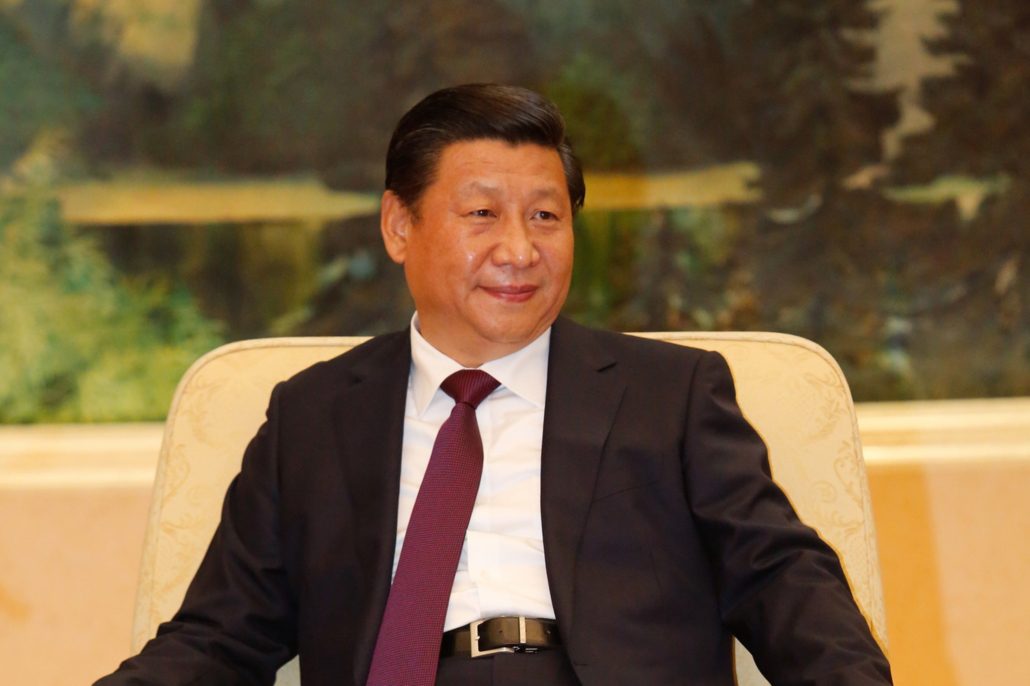
China has proposed global goals for improving the process of global development amid the COVID-19 pandemic. Proposed by Chinese President Xi Jinping at the opening of the 76th session of the U.N. General Assembly in September 2021, China’s Global Development Initiative (GDI) has support from nearly 100 countries and international organizations. Zhang Jun, China’s permanent representative to the United Nations has emphasized that the initiative is just one action of many that will accelerate the U.N. 2030 Agenda for Sustainable Development.

The UN 2030 Agenda for Sustainable Development

The U.N. 2030 Agenda for Sustainable Development has ambitious goals of eradicating poverty and hunger everywhere, combating inequalities, building inclusive societies, promoting human and gender equality and more by 2030. While these goals are hefty and require immense work, China’s Global Development Initiative is opening doors for the U.N.’s 2030 Agenda to become a reality.

In China’s initiative, the goals of “re-prioritizing development, renewing commitments to the Sustainable Development Goals (SDGs), revitalizing global partnerships and reactivating development cooperation” are consistent with the U.N.’s Agenda. Many working with the U.N. greatly support China’s goals. For example, U.N. Deputy Secretary-General Amina Mohammed has remarked that China’s Global Development Initiative will keep the U.N. 2030 Agenda’s pledge of leaving no one behind.

What is China’s GDI?

As with the U.N.’s Sustainable Development agenda, China’s Global Development Initiative involves international cooperation and efforts to support less developed countries, especially those the pandemic hit particularly hard. For example, the initiative’s goals could include alleviating poverty, managing food security, aiding COVID-19 support, financial development, green development and more.

To make the goals successful, the GDI will work with other organizations and countries to build a community-based network to assist struggling countries. Building strong networks will allow the performance and value of countries to flourish. The organization is only beginning to develop plans of synergy and a strong global community to assist fellow countries.

COVID-19 has been the source of tremendous hardship and struggles for many people globally. The World Bank Blog has reported that a 2015-2021 figure of projected poverty in 2021 was estimated to be 613 million pre-COVID-19. Since the pandemic began, that projection has spiked to 711 million people estimated to live in poverty for the same year. That is 98 million more people who could experience poverty as a result of the pandemic.

Numbers in relation to poverty in lower-income countries may see a reduction with help from the GDI, which some have dubbed “China’s contribution to global development, prosperity and humanity.”

Support From UNIDO

One of the organizations supporting the GDI is the United Nations Industrial Development Organization (UNIDO). China has already made connections with UNIDO regarding the initiative. Cooperating with the China International Development Cooperation Agency (CIDCA) developed in 2018, UNIDO’s work with CIDCA would serve as the intent to promote aid to developing countries.

Both organizations see promise in the partnership in support of China’s Global Development Initiative, with the Chairman of CIDCA, Luo Zhaohui, noting that he looks forward to “developing concrete projects together.”

UNIDO’s director-general Gerd Muller commented that the initiative “is in line with UNIDO’s mission to promote inclusive and sustainable industrial development.” UNIDO and China’s Global Development Initiative share similar goals for global community development and both strive toward supporting fellow countries financially.

While to some, the objectives laid out by the U.N.’s 2030 Agenda may seem far-fetched, those working alongside China’s Global Development Initiative believe otherwise. There is hope and promise for those struggling against poverty and hunger and officials around the world are banning together to fight against these issues with tangible optimism.

– Michelanie Allcock
Photo: Flickr

April 8, 2022
https://borgenproject.org/wp-content/uploads/borgen-project-logo.svg 0 0 Jennifer Philipp https://borgenproject.org/wp-content/uploads/borgen-project-logo.svg Jennifer Philipp2022-04-08 07:30:352022-04-02 03:27:47China’s Global Development Initiative
Global Poverty, Human Trafficking

Eradicating Evil: Human Trafficking in Barbados

Human Trafficking in Barbados
The word “pride” appears three times in the first eight lines of the Barbados national anthem and the country has much to be proud of. It gained its independence from the U.K. in 1966, became a republic in November 2021 and is the wealthiest island with the highest per capita income in the Eastern Caribbean. Barbadians may be less proud, though, of their government’s efforts to combat human trafficking. Here is some information about human trafficking in Barbados.

About Human Trafficking in Barbados

The U.S. Department of State’s country narrative on human trafficking in Barbados explains that often sex traffickers from Guyana partner with pimps from Barbados to place migrants into jobs quite different from what they expected. Migrant workers from Jamaica, Guyana and the Dominican Republic may come to the island anticipating agricultural work only to end up in a massage parlor or brothel. Sadly, children are not exempt from this. Traffickers force other migrants into indentured labor. Traffickers control these victims with physical violence, debt servitude and other forms of intimidation.

Assessing Barbados’ Attempts to End Trafficking

The U.S. Department of State designates Barbados as Tier 2, which means the island government’s efforts do not meet the minimum standards for combatting human trafficking. More locally, the Director of the Caribbean Anti Human-Trafficking Foundation Dr. Olivia Smith has indicated that she does not believe the Attorney General of Barbados is taking the problem seriously enough. Smith noted that while she has dealt with nearly 30 suspected trafficking cases since the end of 2020, the AG has investigated just three.

Barbados’ Plan to Deal with Trafficking

Smith’s comments come as the Barbados Office of the Attorney General and Legal Affairs unveiled the Barbados National Action Plan to Combat Human Trafficking, 2021-2023 in March 2021. The government has dedicated $125,000 to financing this plan. Integral to it are the 4Ps:

  • Prevention – As with many problems, prevention is key. Screening vulnerable individuals according to indicators, such as signs of abuse or disconnection from friends and family, prevents potential victimization. Barbados needs this as the number of people screened dropped by 50% during the two-year period from 2018 to 2020.
  • Protection – Traffickers separate their victims from their support system, making victims completely dependent on the trafficker for basic necessities. That is why a dedicated shelter for rescued victims is essential. Currently, Barbados does not have such shelters and those it uses lack appropriate resources.
  • Prosecution – Barbadians have a saying in the Bajan dialect: “Evah pig got he Saturday,” which means “Everyone will pay for his deeds at some point.” Currently, human trafficking laws in Barbados do not reflect that proverb. Barbadian law has a fine-only option for convicted traffickers, has not prosecuted anyone since 2016 and has never secured a conviction. If the “Prosecution” part of the government’s 4P plan has teeth, it will show traffickers that Barbados takes their crimes as seriously as other atrocities including rape.
  • Partnership – Human trafficking is never just a local problem. More transparency with international partners can help Barbados become part of the international fight against human trafficking.

The Barbados National Action Plan to Combat Human Trafficking is an encouraging step in the right direction. Perhaps the “pride” so pervasive in the lyrics of Barbados’ national anthem can soon apply to the country fulfilling the Ps in its plan to eradicate human trafficking.

— Vickie Melograno
Photo: Flickr

April 8, 2022
https://borgenproject.org/wp-content/uploads/borgen-project-logo.svg 0 0 Jennifer Philipp https://borgenproject.org/wp-content/uploads/borgen-project-logo.svg Jennifer Philipp2022-04-08 01:30:362022-04-02 03:18:19Eradicating Evil: Human Trafficking in Barbados
Global Poverty, War

The Impact of the War in Ukraine on Poverty

War in Ukraine
As the war in Ukraine continues, many begin to think about the consequences that are going to result from it. One can already see some of the consequences of the damage done in Ukraine. From a humanitarian perspective, this war will have severe consequences on poverty around the world. The impact war has on poverty does not always get the most attention. However, it is just as important as the other consequences that come from war.

War and Poverty

People often overlook those living in poverty during war as well as how greatly it affects the demographic. For example, damage to infrastructure and the economy can set a country back in the progress previously made in minimizing poverty. It also makes the living conditions of those living in poverty worse. War affects poverty and poverty has impacts on war as well. Countries with lower GDPs have a higher possibility of conflict. Poverty can reduce a government’s ability to prevent conflict as well.

Poverty in Ukraine Before the War

Poverty in Ukraine has always fluctuated. According to a UNICEF article, absolute poverty reached peak values in 2001 and 2015 in Ukraine. Poverty in Ukraine was declining from 2015 to 2019. In 2020, poverty began to rise again in part due to the impacts of the COVID-19 pandemic. 

Impacts on Poverty from the War in Ukraine

The war in Ukraine has already caused damage to infrastructure, economy, unemployment and inflation. According to the New York Times, the damage Russia has caused to Ukraine’s infrastructure is more than $119 billion as of March 14, 2022. The damage caused is detrimental to Ukraine’s infrastructure and poverty rate. The loss of life and displacement of Ukrainian people will cause a rise in poverty. UNDP tweeted that “According to our early projections, almost one-third of Ukrainians could fall into poverty within a year and an additional 62% are at risk of falling into poverty.” Ukraine is not the only country that is going to feel the impacts of this war. Countries all over the world are facing an increase in prices of products and goods such as gas and food. The Center for Global Development stated, “Our analysis suggests the scale of the price spike will push over 40 million into extreme poverty.” The entire world is going to feel the impact of the war in Ukraine.

Solutions

In an effort to help those in Ukraine, the United Nations Foundation has created a link on its webpage so anyone can donate. The U.N. is providing humanitarian assistance by using money from the Central Emergency Response Fund as well as providing assistance on the ground. According to the United Nations Foundation, “The UN is on the ground delivering life-saving humanitarian assistance and support to the people of Ukraine.” Local governments are also creating programs to provide aid. In Northern Virginia, the collection of necessities such as blankets and coats for Ukrainian refugees began on March 23, 2022. The World Food Programme (WFP) has also been providing food assistance. An article from WFP stated that its operation will be working towards providing assistance to people inside of Ukraine and neighboring countries. 

A Look Ahead

The effects of poverty will be more detrimental the longer the war in Ukraine continues. Ukraine was making progress in eliminating poverty before COVID-19 and is now going to see a significant increase in the number of people facing economic hardships. The entire world will be affected by this increase as well.

– Anna Deutsch
Photo: Flickr

April 7, 2022
https://borgenproject.org/wp-content/uploads/borgen-project-logo.svg 0 0 Jennifer Philipp https://borgenproject.org/wp-content/uploads/borgen-project-logo.svg Jennifer Philipp2022-04-07 07:30:152022-04-07 14:37:31The Impact of the War in Ukraine on Poverty
Global Poverty

Assessing Fragility and Rule of Law in Sierra Leone

Rule of Law in Sierra Leone
The Sierra Leone Army experienced a bloody civil war against the Revolutionary United Front from 1991 to 2002. At the time, the state of fragility and rule of law in Sierra Leone was abysmal. The United Nations Mission in Sierra Leone (UNAMSIL) designed to end the civil war, almost collapsed in 2000 after the Revolutionary United Front (RUF) kidnapped hundreds of U.N. peacekeepers. To rescue UNAMSIL, the United Kingdom began a military intervention in Sierra Leone in 2000, bringing the nation away from state failure. This military intervention defeated the RUF, ended Sierra Leone’s civil war and helped Sierra Leone develop a counterinsurgency doctrine. As the civil war ended, Sierra Leone has significantly democratized with three peaceful transfers of power since 2002.

Rule of Law

Today, Sierra Leone’s state of rule of law is magnitudes better than during the Sierra Leone civil war. While the country does have a basic judiciary system to enforce the law, corruption issues and unequal treatment of civilians still plague Sierra Leon’s court and policing system.

Sierra Leone’s police force suffers from a grave lack of accountability for extrajudicial killings and physical abuse. In December 2007, authorities did not hold any police officer to account for shooting and killing two demonstrators protesting a diamond mining company. Additionally, in 2012, authorities did not place blame on any police for the killing of two young men at Calaba Town without evidence that those young men had weapons. Sierra Leone police have also not received blame for shooting dead a motorcyclist they mistook for a bank robber in 2012. Sierra Leone has an endemic issue of police accountability and the Complaint Discipline and Internal Investigations Department (CDIID), a body designed to investigate police complaints is a body exclusively made up of police members. While this body has occasionally taken action for professional misconduct, the department has not investigated serious abuses or any of the abuses above.

Corruption in Sierra Leon’s Judiciary System

While Sierra Leone’s corruption in its judiciary system has improved, Sierra Leone’s court system still suffers from widespread corruption. The Sierra Leonean courts suffer from a lack of legitimacy as 32% of Sierra Leonean citizens say they trust the courts “somewhat” or “a lot” and 47% of Sierra Leone citizens say that “most” or “all” judges and magistrates are corrupt as of 2017. While defendants had the right to legal counsel, many defendants did not receive this right. The attorneys were often overworked and many defendants who could not pay for an outside attorney were not able to obtain pre-trial legal counsel or aid as of 2020. Luckily, Sierra Leone does not hold political prisoners and still maintains a relatively independent judicial system while the law, in theory, provides the right for every defendant in Sierra Leone to have a fair trial.

Fragility

In terms of political institutions, Sierra Leone is relatively stable. Since the end of the civil war, Sierra Leone has had three peaceful transfers of power in democratic elections. While Sierra Leone’s democratic institutions are functioning relatively well for a newer and poorer democracy, the threat of political violence is pervasive as 80% of Sierra Leoneans believe that politics almost always leads to violence.

Sierra Leone has come a long way since 1991. Fragility and rule of law in Sierra Leone today are orders of magnitude better than in 1991. The country has a relatively stable political landscape while suffering from an undercurrent of political violence as of 2022. Corruption permeates Sierra Leone’s criminal justice system and while in theory, every defendant receives the right to legal counsel, the system still does not equally apply it to all defendants in practice. Sierra Leone is relatively democratic with relatively free and fair elections and they have not suffered from mass political violence since the civil war in Sierra Leone.

– Alexander Richter
Photo: Flickr

April 6, 2022
https://borgenproject.org/wp-content/uploads/borgen-project-logo.svg 0 0 Jennifer Philipp https://borgenproject.org/wp-content/uploads/borgen-project-logo.svg Jennifer Philipp2022-04-06 07:30:342024-05-30 22:25:55Assessing Fragility and Rule of Law in Sierra Leone
Page 658 of 2181«‹656657658659660›»

Get Smarter

  • Global Poverty 101
  • Global Poverty… The Good News
  • Global Poverty & U.S. Jobs
  • Global Poverty and National Security
  • Innovative Solutions to Poverty
  • Global Poverty & Aid FAQ’s
Search Search

Take Action

  • Call Congress
  • Email Congress
  • Donate
  • 30 Ways to Help
  • Volunteer Ops
  • Internships
  • Courses & Certificates
  • The Podcast
Borgen Project

“The Borgen Project is an incredible nonprofit organization that is addressing poverty and hunger and working towards ending them.”

-The Huffington Post

Inside The Borgen Project

  • Contact
  • About
  • Financials
  • President
  • Board of Directors
  • Board of Advisors

International Links

  • UK Email Parliament
  • UK Donate
  • Canada Email Parliament

Get Smarter

  • Global Poverty 101
  • Global Poverty… The Good News
  • Global Poverty & U.S. Jobs
  • Global Poverty and National Security
  • Innovative Solutions to Poverty
  • Global Poverty & Aid FAQ’s

Ways to Help

  • Call Congress
  • Email Congress
  • Donate
  • 30 Ways to Help
  • Volunteer Ops
  • Internships
  • Courses & Certificates
  • The Podcast
Scroll to top Scroll to top Scroll to top