• Link to X
  • Link to Facebook
  • Link to Instagram
  • Link to TikTok
  • Link to Youtube
  • About
    • About Us
      • President
      • Board of Directors
      • Board of Advisors
      • Financials
      • Our Methodology
      • Success Tracker
      • Contact
  • Act Now
    • 30 Ways to Help
      • Email Congress
      • Call Congress
      • Volunteer
      • Courses & Certificates
      • Be a Donor
    • Internships
      • In-Office Internships
      • Remote Internships
    • Legislation
      • Politics 101
  • The Blog
  • The Podcast
  • Magazine
  • Donate
  • Click to open the search input field Click to open the search input field Search
  • Menu Menu

Archive for category: Global Poverty

Key articles and information on global poverty.

Global Poverty

India’s Scorched Wheat Crops

India’s Scorched Wheat Crops
An intense recent heatwave in India has scorched a multitude of wheat crops, in the second-largest wheat-growing country in the world. India’s scorched wheat crops have significantly reduced yields for growers and have shaken up the export requirements that they typically produce. This makes it an issue for the rest of the world that is attempting to alleviate a shortage across the globe.

Record High Temperatures

It all started in March 2022, when temperatures reached record highs of 104 degrees Fahrenheit since 1901. In April, the temperatures reached a high of 120 degrees Fahrenheit in some of India’s northern and central regions, where lots of wheat fields can be found in those areas. The damage to their growing cycle began during the winter when they received lots of unseasonable rain this year.

Expert Export Predictions Dropped

India’s scorched wheat crops discourage many as they rely heavily on their exports and shriveled and damaged grains depleted production levels. Last year, with the fiscal year ending in March 2022, India exported 8.7 million tons of wheat, according to CNBC. Its government predicted record-high production this year, amounting to approximately 122 million tons of wheat in 2022. However, the heatwave has caused record high temperatures that have occurred well into the country’s harvest time.

Wheat Becomes Unaffordable

This heatwave is causing an issue for many low-income individuals living in India. Wheat prices will shoot up and become unaffordable for many citizens to purchase. With everything currently going on in Ukraine, prices of Indian crops will also see a record high, as Ukraine and India account for almost a third of wheat exports globally. The United Nations Food and Agricultural Organization (FAO) has predicted that from 2022 to 2023, the number of undernourished individuals will increase by 8 to 13 million people with the largest increases in Asia-Pacific.

Record Low Yields

This event has caused major issues for local Indian farmers as yields reached record lows for a very long time. India’s scorched wheat crops also led to the government’s supplies dropping in quantity as well. Additionally, private traders hoarding wheat intensified the already existing issues, further driving up the prices of wheat and flour by an extra 40% recently, according to The Guardian. Many people who are malnourished face dramatic circumstances that can lead to health issues they cannot afford to control.

Making Changes Immediately

With India’s scorched wheat crops during the wheat’s crucial “grain filling” stage, which is critical for producing large yields, many are left wondering what may happen next. However, many cities in India have learned their lessons from previous heat waves and have created measures that they are taking during this time around. They are limiting office hours for working individuals and applying early warning systems. Schools are going into lock-downs, changing school hours, having annual summer vacations and bringing back the COVID-19 pandemic-era online classes. These measures aim to save the lives of students since fainting is prominent during these heat spells and air-conditioning is unaffordable.

Positive Outlook on the Future

Government officials have learned many lessons because of India’s scorched wheat crops this year. Going forward, they will follow precautions that may help lots of low-income individuals deal with such harsh weather patterns in the future.

– Christina Papas
Photo: Flickr

June 6, 2022
https://borgenproject.org/wp-content/uploads/borgen-project-logo.svg 0 0 Jennifer Philipp https://borgenproject.org/wp-content/uploads/borgen-project-logo.svg Jennifer Philipp2022-06-06 01:30:452022-06-07 08:18:23India’s Scorched Wheat Crops
Global Poverty, Poverty Reduction

Mangrove Conservation in Indonesia Helps Reduce Poverty

Mangrove Conservation in Indonesia
Mangroves grow in salty water and thrive in conditions that most timbers cannot tolerate. The Indonesian government has set up a goal of rehabilitating 600,000 hectares (1.5 million acres) of mangroves by 2024. In 2021, the country had 10.1% of its population living below the national poverty line. Mangrove conservation in Indonesia plays an important role in improving the ecosystem as well as the economy.

Benefits of Mangrove Planting

Mangroves have several environmental benefits. These trees or shrubs provide habitats for different species such as fish, birds, reptiles and mollusks. Mangroves also act as shelters for hatchlings, providing both nutrition and safety.

In 2012, USAID and the Indonesian NGO Yayasan Gajah Sumatera (Yagasu) worked with Rusli, a local fisherman in Paluh Kurau in Langkat, North Sumatra, Indonesia, along with other fishermen. The aim was to create a “community-based mangrove forest restoration effort” and then research the ways coastal villages can derive advantages from mangroves.

Research indicates that mangroves can reduce poverty by generating income. Based on the data from USAID, coastal communities experienced a growth in income by 60% from 2009 to 2016 by means of conserving mangroves. The mangrove planting has led to an increase in the production of other species as well: “[seven] to 12 tons of crab, [three] to [five] tons of shrimp and 500 to 700 tons of fish per week.”

Mangroves provide natural resources to create products that individuals can later sell in the market. Individuals can use the branches and roots of mangroves for the natural coloring of fabrics. With these fabrics, locals can produce dresses and shirts. Furthermore, the fruits from mangroves “can be processed into flour” for baking.

Empowering Indonesian Women

A group of women from Tanjung Rejo and neighboring villages started utilizing natural coloring to create batik fabric and clothing. Yagasu and USAID assisted these women in establishing a business and gave training in “management, design technique and quality control.” Eventually, Yagasu, in partnership with the Livelihoods Fund, flew these women to an exhibition in Paris, France, to display their products. Purchasers for the luxury goods company Hermès liked the women’s colorful designs and signed a contract with the women to provide the company with “high-quality mangrove-colored fabrics.”

In 2014, Hamidah, a housewife in Tanjung Rejo, received USAID training to create batik material and food products using mangroves. She also received business management training to advance her small business and increase her family’s income while helping other community members to increase their business skills too.

MONMANG App for Monitoring Mangroves

The country of Indonesia has the largest mangrove ecosystem globally, with more than 3.5 million hectares of mangroves, which equates to about 23% of the world’s mangrove ecosystem.

The Indonesian Institute of Sciences (LIPI) developed the MONMANG smartphone app to monitor and track mangroves in Indonesia. Through monitoring via the app, data is collected, which researchers can then use to create a Mangrove Health Index (MHI).

The app can be used to “perform data input and analysis directly from the field site while monitoring mangroves.” In addition, the app “provides structural parameters of mangrove communities, such as density, morphological size, frequency [and] dominance.”

The data that MONMANG provided will help to ensure the process of mangrove conservation in Indonesia is on the right track. Therefore, the advent of this android-based app will ensure social and economic stability for communities relying on and living close to mangrove ecosystems. MONMANG plays an imperative role in protecting the coastal environment by collecting and summarizing thousands of data points to inform local and international research on mangroves.

Looking Ahead

Mangrove planting improves the living conditions in Indonesia by reducing poverty and providing natural resources. As the mangrove conservation in Indonesia continues, the nation will reach its 2024 rehabilitation goal and continue exploring the benefits mangroves can bring to the community.

– Jiaying Guo
Photo: Flickr

June 6, 2022
https://borgenproject.org/wp-content/uploads/borgen-project-logo.svg 0 0 Kim Thelwell https://borgenproject.org/wp-content/uploads/borgen-project-logo.svg Kim Thelwell2022-06-06 01:30:062024-05-30 22:26:02Mangrove Conservation in Indonesia Helps Reduce Poverty
Global Poverty, Poverty Eradication, Poverty Reduction

Poverty in the UAE and Sheikh Khalifa’s Death

Poverty in the UAE
The president of the United Arab Emirates, Sheikh Khalifa bin Zayed Al Nahyan, passed away on May 13, 2022, at the age of 73. The leader’s health had been declining since suffering a stroke in 2014. Many expect that his brother and Crown Prince of Abu Dhabi, Sheikh Mohammad bin Zayed, will step into the role of president. Mohammad served as the de facto leader of the UAE since Khalifa’s 2014 stroke, which limited his public appearances.

Khalifa led the UAE through a period of great technological and societal advancement. He strengthened the economy of the nation and secured its place among the other powerful nations of the world. Khalifa also leaned pro-West. He worked to strengthen the connection between the UAE and the U.S. and its allies, a bond that Biden promised to maintain following the leader’s death. The ensuing transition of leadership raises questions, most notably about future policy decisions and poverty in the UAE.

The Policy Impact of Khalifa’s Death

Sheikh Khalifa was a respected and well-liked leader, with many mourning his death in the UAE and around the world. Since the predecessor people expect spent the last eight years handling the majority of presidential matters, not much could change concerning foreign policy. However, the internal politics of the nation may look slightly different.

Being the Crown Prince of Abu Dhabi, Mohammad’s presidency could strengthen the already empowered emirate. Abu Dhabi grew in influence under Khalifa and may grow even more so now. It is likely that Mohammad will not need to consult with the other emirates before coming to any important decisions. This development, though expected, could prove to be divisive.

Poverty in the UAE

Many hope that the new leadership will address the underrecognized prevalence of poverty in the UAE. While the UAE is indeed a very wealthy nation, it is a common misconception that no poverty exists there at all. It is estimated that around 19.5% of Emiratis live below the poverty line. This is an estimation because the UAE does not formally update these statistics themselves. Despite the underreported number of impoverished people in the nation, the government provided support to only 27.1% of Emiratis in 2011.

The high poverty rate derives in part from the nation’s high cost of living, which results from the wealthy stature of the upper class. According to the Beit Al Khair Society, around 17,000 families living in the UAE need help from the government. It is a sad reality that many ordinary people have experienced neglect in the nation’s pursuit of becoming a global powerhouse. UAE invested unprecedented amounts of money into its large cities, particularly Dubai, along with notable developments such as the construction of the Burj Khalifa and The Jumeirah Golf Estates.

The Positives

Poverty in the UAE is far from a lost cause. The government does issue help for those families in need. The government has also formed specialized foundations and ministries to aid with the effects of the high cost of living. Of those families in need of help, few live in completely unbearable conditions. Most just need help to support their families, with the average size of an Emirati family being six people. It is also possible that the poverty rate is lower than estimated because of the underreported statistics. All in all, the UAE is quickly rising up the ranks of world powers. The nation’s economy continues to grow, but people should not ignore the individuals living in poverty in the UAE.

– Thomas Schneider
Photo: Pixabay

June 5, 2022
https://borgenproject.org/wp-content/uploads/borgen-project-logo.svg 0 0 Jennifer Philipp https://borgenproject.org/wp-content/uploads/borgen-project-logo.svg Jennifer Philipp2022-06-05 07:30:482022-06-01 06:18:38Poverty in the UAE and Sheikh Khalifa’s Death
Global Poverty, Poverty Reduction

Poverty Reduction in Indonesia

Poverty Reduction in Indonesia
Indonesia is the world’s fourth most populated country, with growth expected to peak in 2065. Therefore, there will soon be a need to provide more food and job and market opportunities for Indonesia’s coming generations. It is imperative that poverty greatly reduce in order to meet these ends for Indonesia’s future population growth. While poverty reduction in Indonesia faces a myriad of challenges, there is also a pantheon of solutions to meeting this goal.

Poverty in Indonesia

Though Indonesia has a large population and is considered a middle-income country, most of the populace does not have adequate wealth. The richest four men in the country have more wealth than the poorest 100 million combined. This inequality, which includes gender inequality, brings great obstacles to improved infrastructure and economic stability for Indonesia’s future.

Impact of COVID-19

Indonesia had the second-highest number of COVID-19 cases in Southeast Asia (5.91 million), with the impact of the pandemic pushing nearly 5 million more people into poverty throughout Southeast Asia. This has complicated Indonesia’s goal of getting more people out of poverty alongside neighboring countries. The pandemic caused increased unemployment and lowered tourism rates across the region. However, Indonesia is still pressing forward with policy and economic changes to combat the pandemic’s ill effects.

Economic Change

Indonesia’s Finance Minister Sri Mulyani Indrawati is pushing for the World Bank to make major reforms in order to provide more investment into helping nations like Indonesia combat the effects of COVID-19 and climate change well into the future. Most notably, the desired change is the expansion of the forms of responses to monetary crises. These crises are issues ministers like Indrawati claim the World Bank is not currently equipped to handle. Indrawati also said that using mixed leverage of funds from multilateral funds, private investment and government revenue will help Indonesia and its blended finance in order to adequately cover the costs of combating its current issues and cementing institutions to help in future economic and health-related issues.

Environmental Change

Indonesia is a nation consisting of chains of flush forest islands and environmental diversity. This biodiversity has experienced deforestation in the past. The biodiversity is vital to reinforcing Indonesia’s natural infrastructure to counteract the effects of climate change and natural disasters. Therefore, Indonesia has recently experienced decreased deforestation and the integration of local indigenous groups into the maintenance of its forests. These efforts are ensuring natural resources and environments can aid poverty reduction in Indonesia. Efforts like the Green Growth Plan and the BioCarbon Fund Initiative for Sustainable Forest Landscapes are allowing more of the small impoverished communities, such as the Jambi province, to engage in new job and conservation opportunities, fortifying poverty reduction in Indonesia.

Indonesia’s Future

With Indonesia being one of the largest lending partners of the World Bank, there are plenty of opportunities and avenues for the development of future programs to reduce inequality and poverty. The World Bank notes that areas of gender, digitalization, improved infrastructure, human capital, natural asset management and environmental challenges will all be important factors in poverty reduction in Indonesia. However, if the World Bank makes reforms, alongside internal development and recovery, then Indonesia can eliminate poverty.

– Albert Vargas
Photo: Pixabay

June 5, 2022
https://borgenproject.org/wp-content/uploads/borgen-project-logo.svg 0 0 Jennifer Philipp https://borgenproject.org/wp-content/uploads/borgen-project-logo.svg Jennifer Philipp2022-06-05 07:30:312022-05-24 08:45:35Poverty Reduction in Indonesia
Global Poverty

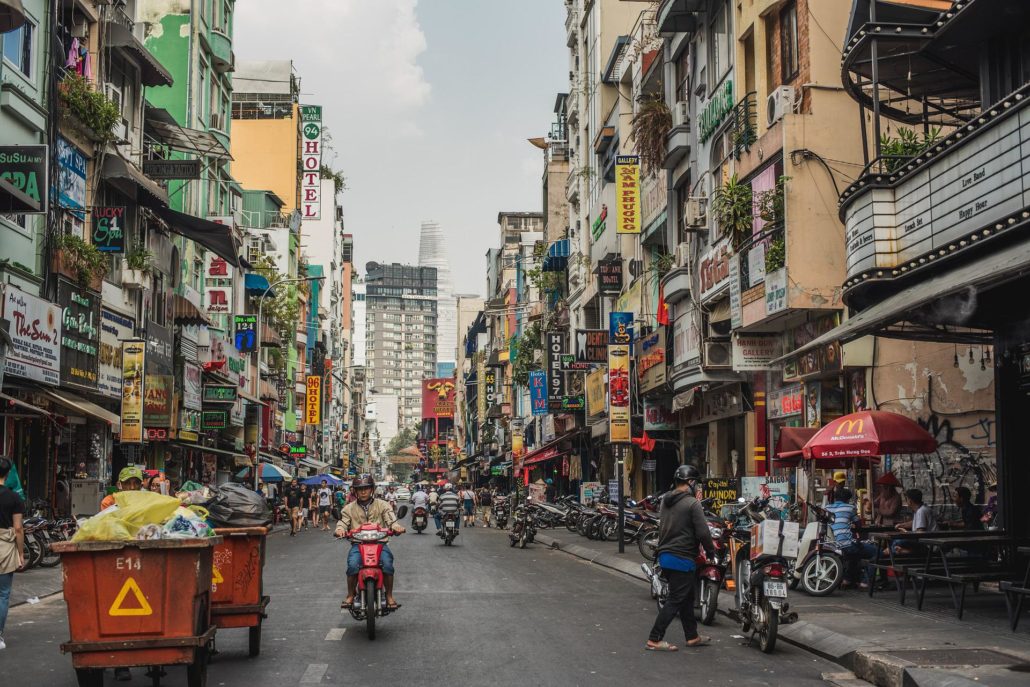
Improving Mental Health in Vietnam

Mental Health in Vietnam
Increased stress levels over shortages of food, medical supplies and long periods of isolation have been rising due to the COVID-19 pandemic. According to an August 2021 pandemic impact survey in Vietnam, 62% of surveyed people reported losing their jobs. Reduced work hours and online homeschooling have a significant impact on mental health in Vietnam.

History of Mental Health in Vietnam

Mental health in Vietnam carries a high level of stigma and taboo. In the Vietnamese culture, many believe that mental health is a misfortune. “Benh tam than” is the phrase that people use for mental illness in Vietnamese society and actually means madness or severe psychiatric disorder. Furthermore, psychiatrists in Vietnam are called “Bac si tam than,” which means “doctors who treat madness.”

This use of words shows that mental health carries a stigma — society considers individuals suffering from mental illness as “wild, unpredictable and dangerous people ” who are “daien” and “khung,” which translates to “crazy” and “nuts.” This stigma reflects the biases toward mental health in Vietnam and makes people suffering from mental health issues in Vietnam reluctant to seek help.

Vietnamese society often believes that negative circumstances, including illnesses, serve as punishments for previous sins. Many also believe that “angry ancestral spirits” possess people suffering from mental illness. Families often feel shame when a member of the family struggles with mental illness.

Statistics

According to the World Health Organization (WHO), more than 100 million people suffer from mental health issues in the Western Pacific Region. In 2014, Vietnam noted 10 common mental disorders in the nation with prevalence rates between 4.2% and 2.45%, according to National Mental Hospital. Veterans who served in the war are most likely to have a higher rate of mental health issues, specifically post-traumatic stress disorder (PTSD).

A 2018 article says government data indicates that around “15% of the population requires mental health care services.” However, independent research suggests that the rate is 20% to 30% of the population. To prevent and cure mental illnesses, mental health needs more attention within the public health area in Vietnam.

Some of the top mental health problems throughout communities in Vietnam are anxiety, depression and alcoholism. More severe mental disorders, such as schizophrenia, are also present in Vietnam, according to We Bloom.

We Bloom

We Bloom is a nonprofit organization based in Indianapolis, Indiana, that understands that communities can grow and develop with access to essential resources and services to address their particular needs. Before starting its adventure in Vietnam, the co-founders of We Bloom, Kevin Espirito and Beth Kreitl, worked with many NGOs in the U.S. Its goal is to support communities in Vietnam with training, networks and fundraising in the areas of public health and education.

When it comes to addressing mental health, We Bloom has three focus areas: prioritizing high-risk populations, “training and developing professionals” and implementing a national awareness campaign.

In order to improve mental health in Vietnam, We Bloom is implementing a community-based mental health project to train professionals in diagnosing mental conditions and providing counseling to patients. To improve the mental health of children, We Bloom is implementing a school-based counseling strategy.

In March 2020, the organization launched a COVID-19 Vietnam Response project raising more than $15,000 for the people affected most by the COVID-19 pandemic. In April 2021, We Bloom officially received its license to work in Vietnam and is hoping to launch more projects in 2022.

Vietnam’s mental health system is still evolving. With the help of current NGOs recognizing the need for change, people struggling with mental health issues in Vietnam will receive better support and resources.

– Alexis King
Photo: Unsplash

June 5, 2022
https://borgenproject.org/wp-content/uploads/borgen-project-logo.svg 0 0 Jennifer Philipp https://borgenproject.org/wp-content/uploads/borgen-project-logo.svg Jennifer Philipp2022-06-05 01:30:582024-05-30 22:26:03Improving Mental Health in Vietnam
Children, COVID-19, Developing Countries, Development, Global Poverty, Health

The Impact of COVID-19 on Poverty in Sudan

Impact of COVID-19 on Poverty in Sudan
The African nation of Sudan has faced ongoing turbulence. The country has endured violent conflict, transfers of power and severe economic turmoil. For Sudanese citizens, one current and very dangerous threat is the impact of COVID-19 on poverty in Sudan.

Political and Economic Challenges in Sudan

In the last 70 years, Sudan has seen two civil wars. The first lasted from 1955 to 1972 and the second began in 1983 and ended in 2005. Six years later, in 2011, Sudan split in two as a portion of the country seceded and became the independently-governed South Sudan. However, the data this article presents is not applicable to South Sudan.

Most of Sudan’s society is tribal and many citizens live in rural nomadic communities. The economy is struggling and COVID-19 has worsened these circumstances. According to the latest available data from UNICEF’s 2018-2021 Country Programme document, about 36% of the population is currently impoverished and a quarter of all Sudanese citizens live in extreme poverty.

Before 2011, oil accounted for 95% of Sudan’s exported goods, but Sudan lost all that revenue when the country split, which damaged the already fragile economy even further. When the South Sudanese civil war broke out in 2013, refugees rushed north and Sudan saw a dramatic increase in refugees. As of September 2021, Sudan hosts more than 1.1 million refugees from other countries, adding to Sudan’s strain.

The Arrival of COVID-19 in Sudan

As is the case with many low-income countries, the arrival of COVID-19 in Sudan presented significant challenges. Limited resources make it difficult to stop outbreaks. Due to minimal resources, case reporting and testing lag behind and the vaccine rollout is small-scale. As of May 1, 2022, Sudan has administered slightly more than 7 million vaccine doses, which covers slightly more than 16% of the population.

April 2019 marked then-President of Sudan Omar al-Bashir’s removal from office, and the following September, a new system of government came into place. Thus, it is unsurprising that when the pandemic began, the new government was ill-equipped to deal with it. Many health services had no choice but to shut down due to high rates of mortality and infection among employees.

After the appearance of the first COVID-19 cases in March 2020, the Sudanese government imposed a lockdown that lasted from April 2020 to July 2020, although this proved ineffective due to community resistance and insufficient law enforcement.

Impact of COVID-19 on Poverty in Sudan

As the second wave of COVID-19 in Sudan hit in November 2020, mortality rates began to rise among citizens of all ages. At the highest mortality point, one out of every five intensive care patients died from COVID-19.

COVID-19 also threatens Sudanese food security. A “survey of 4,032 rural and urban households across the 18 states of Sudan” from June 16, 2020, to July 5, 2020, reveals “the socio-economic impact of COVID-19.” More than 50% of people in Sudan could not access main staple foods. Many people had to change their practices regarding food and almost half of the families surveyed reported food security concerns.

Most people have not received any type of aid from the government. At the time of the survey, around two-thirds of previously employed citizens had not returned to work.

USAID Assists Sudan

Fortunately, the United States is lending a hand, and as of February 2022, USAID has donated more than 1.2 million vaccine doses and $98 million to assist Sudan with COVID-19. Aside from vaccine rollout, USAID is also assisting with food and water distribution, sanitation, COVID-19 testing, clinical management and public information efforts. USAID mission director, Mervyn Farroe, said in a statement, “USAID/Sudan is committed to building back a better world, one that is better prepared to prevent, detect and respond to future biological threats, and where all people can live safe, prosperous and healthy lives.”

Overall, the impact of COVID-19 on poverty in Sudan has been hard-hitting. The country has endured significant stress for decades and recent political events compound issues and place grave strain on the economy. With more than a million refugees, a quarter of the population in extreme poverty and continuing impacts from the secession, COVID-19 in Sudan is the latest in a long list of reasons why Sudan is in dire need of international aid.

– Mia Sharpe
Photo: Flickr

June 5, 2022
https://borgenproject.org/wp-content/uploads/borgen-project-logo.svg 0 0 Kim Thelwell https://borgenproject.org/wp-content/uploads/borgen-project-logo.svg Kim Thelwell2022-06-05 01:30:162024-05-30 22:26:01The Impact of COVID-19 on Poverty in Sudan
COVID-19, Global Poverty

Impact of COVID-19 on Poverty in the UK

Impact of COVID-19 on Poverty in the United Kingdom
Like other countries around the world, the impact of COVID-19 on poverty in the U.K. was substantial. The country witnessed its largest drop in GDP ever recorded during the second quarter of 2020 at a decrease of 20.4%. Comparatively, it was not quite as severe as the 31.7% drop in U.S. GDP during the same quarter, yet still larger than the 7.3% decline in GDP that occurred in India.

COVID-19 Response

The implementation of lockdowns essentially brought the economy to a halt. This means both less production and less consumption as citizens’ livelihoods suddenly changed. As a countermeasure to the subsequent decrease in GDP, the U.K. government was very liberal in its financial aid toward its citizens, corporations and national health care. Financial aid programs that the government implemented aimed to protect businesses and workers in hopes of avoiding massive closures and unemployment. These programs were especially important to keep those in lower-income brackets afloat financially as citizens relied heavily on work to support themselves and their families. A core strategy of the U.K. government was to focus aid allocation toward businesses so they could continue to support their employees who were reliant on work in an effort to reduce the impact of COVID-19 on poverty in the U.K. as much as possible.

Rising Inflation and Increased Interest Rates

These programs helped ease the economic burden on its population, yet now the government must come to terms with rising inflation as a result of increased borrowing and reduced interest rates. The Bank of England reduced interest rates to 0.1% at the beginning of the pandemic to increase borrowing ability. At the end of 2021, The Bank of England finally raised interest rates once again and has steadily increased the rates in the months since.

Tackling inflation is now the primary focus of the U.K. The British pound has followed the trend of other global reserve currencies with a steep increase in inflation. Like the U.S. dollar, the British pound has severely devalued after the decreasing of interest rates by the Bank of England as a response to the unprecedented economic constraints that the COVID-19 pandemic caused. Differently, though, the U.K. government was much more proactive in its raising of interest rates compared to the U.S. government which only in April 2022 implemented rate hikes for the first time since the outbreak of the pandemic in April 2022.

Current State of Poverty in the UK

According to the Parliament’s Commons Library, as of 2021 approximately one in five people in the U.K. are in the relative low-income bracket after accounting for housing costs. This proportion has remained relatively steady pre-pandemic up until now, yet it could increase in the coming years.

During August 2021 which was the first month without comprehensive COVID-19 restrictions in the U.K., its economy saw an increase in GDP of 0.4%. This is substantial yet still not large enough to suggest a comeback/recovery. Perhaps the most noticeable impact of COVID-19 on poverty in the U.K. has been in the cost of living. Ninety-one percent of U.K. adults surveyed in April 2022 noted there has been a noticeable increase in the cost of living within the country. This increase has taken place predominantly across the food and energy sectors. In addition to inflation, this increase in the cost of living can also be due to supply constraints that have been a consequence of the war in Ukraine.

The business-friendly fiscal policies of the U.K. government initially worked but the financial toll of the pandemic has since led to many businesses failing, with the beginning of 2022 witnessing the most business closures in the U.K. since 2017. The retail sector has so far seen the largest number of failed businesses after said supply chain constraints hit them hard.

While many U.K. citizens have found themselves in a tougher financial situation, they should expect to see a short-term increase in the cost of living as the global economy continues its recovery from the pandemic while remaining optimistic about the government’s willingness to raise interest rates to counter rising inflation.

– Devin Welsh
Photo: Flickr

June 4, 2022
https://borgenproject.org/wp-content/uploads/borgen-project-logo.svg 0 0 Jennifer Philipp https://borgenproject.org/wp-content/uploads/borgen-project-logo.svg Jennifer Philipp2022-06-04 07:30:332022-05-24 08:16:12Impact of COVID-19 on Poverty in the UK
Education, Global Poverty

Higher Education in Zimbabwe

Higher Education in Zimbabwe
In 2020, the population in Zimbabwe numbered 14.9 million people. According to education statistics from 2018, 50,699 female students and 43,432 male students enrolled in higher education in Zimbabwe. More female students enroll overall, particularly in universities specializing in the arts, education and social studies. However, male students do outnumber female students in universities that offer exceptional training in science and technology.

Building National Education Reform

Higher education in Zimbabwe plays a significant role in the social, economic and political context of the country. Citizens have long since demanded public-private cooperation from their government in providing higher education. In 1980, Zimbabwe’s new self-government declared national education reform. Since then, the government’s focus has been to provide free and equal education and educational resources. As a result, the number of students in secondary education increases exponentially each following year. The increased number of students attending higher education in Zimbabwe also heightened the need for more teachers. Now, Zimbabwe is home to numerous universities. Of these, the top two are the University of Zimbabwe (UZ) and the National University of Science and Technology (NUST).

Top Universities

The University of Zimbabwe is the oldest university in the country, offering diplomas and certificates in various studies. Located in Harare, it has awarded degrees to more than 75,000 graduates since 1955. Since the foundation stone was first laid on Mount Pleasant and donated land launched the building of the college farm, UZ ranked as an independent institution of higher education and research. Many industries seek out UZ graduates including commerce, government, engineering, veterinary science and more.

The National University of Science and Technology is the second oldest and largest university in Zimbabwe, following UZ. In 1991, the higher education school was a nonprofit public school located in Bulawayo with an enrollment of 270 full-time students. Now sporting some 9,000 students, it offers programs that lead to recognized higher degrees such as bachelor’s, master and doctorate degrees in many areas of study. Specifically, NUST offers specialization in the tools for teaching, research and navigating the industries of sciences and technology.

COVID-19, Education and WhatsApp

Although higher education in Zimbabwe has advanced tremendously over the years, COVID-19 slowed the process down. To save the school year, teachers at a university in Zimbabwe had to come up with a solution to be still able to teach their students. That solution was through WhatsApp. Students use WhatsApp to communicate with their teachers effectively and see lectures during these unexpected times. WhatsApp is a simple solution that was easy to connect the students with and did not hurt anyone financially. WhatsApp has now been an adaption to the postgraduate program.

A Shining Example

Though it has not been easy, Zimbabwe’s path to higher education serves as an inspirational example for nations worldwide. From working towards universal primary education in the 1980s to turning out top university graduates in the 2020s, Zimbabwe serves its population well by offering clear paths to higher education.

– Alexis King
Photo: Wikimedia Commons

June 4, 2022
https://borgenproject.org/wp-content/uploads/borgen-project-logo.svg 0 0 Jennifer Philipp https://borgenproject.org/wp-content/uploads/borgen-project-logo.svg Jennifer Philipp2022-06-04 07:30:002022-06-01 06:17:29Higher Education in Zimbabwe
Global Poverty

Using Trash in Ghana to Reduce Poverty

Trash in Ghana
According to the World Bank in 2016, Ghana’s labor force participation rate stood at 76.7%. However, of the 76.7.% of people employed in Ghana, only 26.8% made up wage or salary workers in the same year. In 2021, Ghana’s population stood at approximately 31 million people, but only 13,701 people participated in the labor force. According to the World Economic Forum (WEF), in 2021, Ghana produced 1.1 million tons of plastic and just 5% is gathered for recycling. This sparks questions regarding where the remaining amount of trash ends up. For many impoverished people in Ghana, collecting trash is a means of survival. It can create a sustainable income to provide for Ghanaian families. Two organizations are working toward reducing trash in Ghana while providing support or employment.

The Urgency of Employment Opportunities

According to Trading Economics, Ghana noted an unemployment rate of 4.1% in 2019, rising by 0.4% by December 2020.

In 2019, the Ghana Living Standards Survey 7 reported that approximately 2.4 million people, 15 years and older, which represents 21.4% of the employed population, face underemployment. Furthermore, in 2019, the average monthly income of employed Ghanaians stood at GH₵972, which equated to about $128.41 as of May 2022.

For people living in poverty in Ghana, employment is crucial. Collecting trash in Ghana serves as a job opportunity that can allow families to become more financially stable. Two organizations in Ghana offer either income or support to those interested in helping to create a more sustainable version of Ghana, giving them opportunities to rise out of poverty.

Global Alliance of Waste Pickers

In 2005, in the City of São Leopoldo, Brazil, Lucía Fernández, the global wastepicker program coordinator at Women in Informal Employment: Globalizing and Organizing (WIEGO), “had the opportunity to help gather a few leaders of waste pickers’ organizations from four Latin American countries.” This led to the eventual establishment of a network, the Global Alliance of Wastepickers, in 2009. After many years, the organization has spread globally and now serves more than 31 countries, including Ghana.

Its mission includes:

  • Fighting for “the social and economic inclusion of the waste picker population.”
  • Supporting more sustainable methods of reducing waste, such as reusing, recycling and composting.
  • “Sharing knowledge, experience and technology” and advocating for improved laws or policies that affect the global waste picker population.

Currently, three waste picker groups in Ghana are part of the Global Alliance of Waste Pickers. For many Ghanaians, collecting trash is a source of income, which provides them with stable jobs and the ability to provide for their families.

Trashy Bags Africa

In 2007, Stuart Gold, a British entrepreneur visited Accra, Ghana. He witnessed the streets overflowing with plastic sachet bags. These sachet bags allow Ghanaians to drink clean water but leave the roads littered with plastic. Gold saw an opportunity to clean up the trash in Ghana while providing jobs. This gave birth to Trashy Bags Africa.

The Trashy Bags Africa website explains that “Each month nearly 200,000 plastic sachets are collected by a network of commercial enterprises, each obtaining an income from their efforts, now giving value to waste.” The sachet bags are then recycled and turned into various items such as reusable bags, pencil pouches and laptop covers.

Since Trashy Bags Africa began in 2007, it has gathered 15 million plastic sachet bags. Without the help of many Ghanaians, this would have been an impossible feat. Trashy Bags Africa has several goals, such as creating employment through sachet collections, washing of sachets and stitching the sachets into new items.

Trashy Bags Africa even offers to pay Ghanaians to turn in used sachet bags for recycling. A CNN article says that, in 2010, Ghanaians could receive 20 cents for each kilogram of water sachets. As of 2010, Trashy Bags Africa had 60 employees and 100 sachet collectors. “For lots of people collecting sachets is their whole livelihood,” said Gold to CNN.

Thanks to the work of several organizations, impoverished Ghanaian waste pickers are able to make a living, gain recognition and receive support in conducting their activities.

– Kaley Anderson
Photo: Flickr

June 4, 2022
https://borgenproject.org/wp-content/uploads/borgen-project-logo.svg 0 0 Jennifer Philipp https://borgenproject.org/wp-content/uploads/borgen-project-logo.svg Jennifer Philipp2022-06-04 01:30:402024-05-30 22:26:04Using Trash in Ghana to Reduce Poverty
Children, Development, Global Poverty, Health, Human Trafficking

Human Trafficking in Kosovo

Human trafficking in Kosovo
Human trafficking in Kosovo has been a focal point of the fight against human trafficking. The main victims within the nation are young girls who traffickers force to work in the sex trade. While this problem still persists, the government is making active efforts to lessen the prevalence of the issue.

The Causes of Kosovo’s Trafficking Epidemic

Ethnic tensions between Serbians and Albanians residing in Kosovo have worked to increase human trafficking in the nation. Speculations determined that peace-keeping forces placed in Kosovo to prevent the two groups from clashing led to a large demand for sex workers. Trafficking rose to meet the demand. Before Kosovo’s official declaration of independence in 2008, young girls, who were trafficking victims, came from neighboring countries. However, independence meant more secure borders. As a result, the traffickers looked inward, targeting young Kosovan girls.

Human trafficking in Kosovo is undoubtedly a profitable business. It is estimated that a female forced into sexual exploitation in Western Europe can create around $67,200 in profit for her captors. Such a profitable industry is not one that many criminals or corrupt officials can ignore. GlobalPost found that Kosovan government officials were profiting from or taking part in the sexual aspect of trafficking in the past, but they never faced any charges.

Fight Against Human Trafficking

According to the U.S. Department of State, Kosovo qualifies as a Tier 2 country, meaning that while it does not meet every standard set for eliminating human trafficking, it is making a solid effort. These efforts include implementing new standard operating procedures, meant to increase prosecution efficiency. The government of Kosovo also dedicated more funds and resources to helping victims of human trafficking. A big part of this was the opening of state-run shelters for these victims.

These new measures are a massive improvement from a government that GlobalPost said is profiting off of the human trafficking industry in the nation. However, the problem is far from disappearing. Despite the high rates of human trafficking in Kosovo, very few traffickers face convictions. Kosovo’s Criminal Code sentences convicted traffickers to five to 12 years in prison. Of those convicted, most only serve between seven and 18 months, according to ONETrack International.

Next Steps

A report that the Council of Europe’s anti-trafficking group, GRETA, published, outlined improvements that Kosovo could make to lessen the prevalence of human trafficking in the nation. GRETA stresses the importance of ensuring the prioritization of trafficking cases in Kosovo’s judicial system. As well as this, GRETA emphasizes identifying victims of human trafficking, specifically child trafficking. A large portion of the trafficking victims in Kosovo are actually from Albania. Partly because of ethnic tensions, the country often deports these children back to their home country before making proper identification, greatly lessening the chance of catching the perpetrator of the crime.

The U.S. Department of State has also outlined recommendations to reduce human trafficking in Kosovo. It again emphasized prosecution and sentencing, with higher conviction rates and longer sentences as key points of discussion. Another measure Kosovo should take into account is the training of judiciary officials in each region so they can properly manage cases of human trafficking. It is unclear if Kosovo plans to implement any of these recommendations, but given the recent successes of the victim shelters and regionally assigned officials, some optimism remains.

– Thomas Schneider
Photo: Flickr

June 4, 2022
https://borgenproject.org/wp-content/uploads/borgen-project-logo.svg 0 0 Jennifer Philipp https://borgenproject.org/wp-content/uploads/borgen-project-logo.svg Jennifer Philipp2022-06-04 01:30:182022-05-20 14:12:08Human Trafficking in Kosovo
Page 630 of 2162«‹628629630631632›»

Get Smarter

  • Global Poverty 101
  • Global Poverty… The Good News
  • Global Poverty & U.S. Jobs
  • Global Poverty and National Security
  • Innovative Solutions to Poverty
  • Global Poverty & Aid FAQ’s
Search Search

Take Action

  • Call Congress
  • Email Congress
  • Donate
  • 30 Ways to Help
  • Volunteer Ops
  • Internships
  • Courses & Certificates
  • The Podcast
Borgen Project

“The Borgen Project is an incredible nonprofit organization that is addressing poverty and hunger and working towards ending them.”

-The Huffington Post

Inside The Borgen Project

  • Contact
  • About
  • Financials
  • President
  • Board of Directors
  • Board of Advisors

International Links

  • UK Email Parliament
  • UK Donate
  • Canada Email Parliament

Get Smarter

  • Global Poverty 101
  • Global Poverty… The Good News
  • Global Poverty & U.S. Jobs
  • Global Poverty and National Security
  • Innovative Solutions to Poverty
  • Global Poverty & Aid FAQ’s

Ways to Help

  • Call Congress
  • Email Congress
  • Donate
  • 30 Ways to Help
  • Volunteer Ops
  • Internships
  • Courses & Certificates
  • The Podcast
Scroll to top Scroll to top Scroll to top