• Link to X
  • Link to Facebook
  • Link to Instagram
  • Link to TikTok
  • Link to Youtube
  • About
    • About Us
      • President
      • Board of Directors
      • Board of Advisors
      • Financials
      • Our Methodology
      • Success Tracker
      • Contact
  • Act Now
    • 30 Ways to Help
      • Email Congress
      • Call Congress
      • Volunteer
      • Courses & Certificates
      • Be a Donor
    • Internships
      • In-Office Internships
      • Remote Internships
    • Legislation
      • Politics 101
  • The Blog
  • The Podcast
  • Magazine
  • Donate
  • Click to open the search input field Click to open the search input field Search
  • Menu Menu

Archive for category: Global Poverty

Key articles and information on global poverty.

Developing Countries, Development, Global Poverty

Minecraft: Building a New Reality Via the Digital World

MinecraftWhen thinking of Minecraft most people will associate it with kids playing something akin to digital Legos, building worlds and if everything goes according to plan, defeating the Ender Dragon. At its core, this view effectively captures the game at the surface level. Partnering with U.N.-Habitat, Minecraft developer Mojang has harnessed the game concept and applied it to sustainable solutions for developing public space and addressing global Sustainable Development Goals (SDGs).

Since 2012, the aim has been to integrate Minecraft into urban planning on a local level, prioritizing the involvement of community members, particularly those that lack a voice in public development initiatives such as women, children, refugees and the elderly. The space they are working with is for the people and designed by the people. Behind the success of the Block by Block methodology lies the simplicity of Minecraft, providing an exceptionally effective lens for visualizing a three-dimensional environment that an untrained eye can make sense of, and propter hoc contribute to.

Block By Block

Pilot ventures in Nairobi and Mumbai in 2013 evolved the methodology into what it is today, built on the central tenet of collaboration. Block by Block provides community residents with the training, tools and platforms to develop and share their ideas on how best to transform public space. The exchange of ideas broadens the considerations of all those involved in the collaborative planning process.

Co-created public spaces come into existence, designed by different people and as such take into consideration the needs and concerns of all those involved in the process, resulting in a ubiquitously accommodating locality. Furthermore, what develops as a by-product is a shared sense of ownership and responsibility for the area, increasing the likelihood of maintenance and endurance, whilst simultaneously strengthening the bonds of the community.

Block by Block selects projects based on financial sustainability, accessibility and potential impact. They tend to target youth empowerment, refugee rights, climate change, accessibility, cultural heritage, social inclusion and human rights involving health and safety.

Kosovo

Following the success of a 2015 project in Pristina, Kosovo, that saw the transformation of an abandoned marketplace into a vibrant public space with a range of facilities including children’s playgrounds and Kosovo’s first skatepark, the Block by Block methodology was implemented once more in Mitrovica, some 40 km north of Pristina.

Located on the banks of the Iber river and divided by The New Bridge, the administrative center of the district is burdened by the ethnic divisions between the Serbian and Albanian communities on either side of the river. A symbol of division, the bridge separates the 80,000 Kosovo Albanians living in the north and the community of 20,000 Serbians in the south. In 2016, Block by Block hosted a workshop bringing together residents of both communities to explore ways how to transform the area and collaboratively design their ideas using Minecraft. The approach aimed to negate the divisions between the communities, changing social attitudes towards the city’s unity through democratizing urban planning’s development process. Construction began in 2017, focused on community interaction and urban redevelopment and has had knock-on effects on intercity cooperation to bring about enduring changes across Kosovo’s socio economic landscape.

Nepal

Dey Pukhu, literally translated to “state pond,” as found in the Kirtipur settlement of the Kathmandu Valley in Nepal, is as one would expect, a pond, typically used for daily gathering and steeped in tradition, having been designed for socio-religious functions. Rapid urbanization across the area threatened the water systems and affected the use of Dey Pukhu for social and traditional gatherings, with other public spaces similarly experiencing some form of deterioration as well. In 2013 Block by Block selected it for restoration with the aim to sustainably revitalize the area and for the methodology to gain traction and lead to further development initiatives across Nepal.

Gathering local stakeholders to propose ideas for restoration and development, the initiative noted the rise in youth engagement with the project and the notion of public space. As Pontus Westberg of U.N.-Habitat outlined, the young people’s confidence, effort and pride in their work was perhaps the most rewarding outcome from the project. The positive response led to further development programs put in place across the Kathmandu metropolitan area.

Noteworthy is the 2015 Kirtipur project that proposed the development of a site with a school, temple and a water system amidst large open areas of green and vegetation. Following designs and finalized models of the site, the earthquake hit Nepal in April 2015, delaying implementation. U.N.-Habitat allocated $50,000 in emergency response, repairing a damaged local school and providing essentials for survival including water tanks and emergency shelter. By June 2016 the project was running again, with a trash-covered hillside converted into an open park with recreational space and access to clean water as well as a Public Space Revitalisation Plan put in place for the entire municipality of Kirtipur.

Successful Stories

The Block by Block applied its methodology to other cities across the Kathmandu Valley and is active in over 35 countries. The examples above have set off a chain reaction in the areas of implementation. More recent projects include the likes of public gardens as safe spaces for women and children in Beit Lahia. The successes are a momentous use of technology for the public good and make one wonder what other global concerns can have a solution in something as simple and commonplace as video games.

– Bojan Ivancic
Photo: Unsplash
December 30, 2022
https://borgenproject.org/wp-content/uploads/borgen-project-logo.svg 0 0 Jennifer Philipp https://borgenproject.org/wp-content/uploads/borgen-project-logo.svg Jennifer Philipp2022-12-30 07:30:092022-12-28 13:50:46Minecraft: Building a New Reality Via the Digital World
Global Poverty

Improving Rural Development In Rwanda

Rural Development in Rwanda
Rwanda’s agricultural sector is the main driving force behind its economic growth and development. About 70% of its population is directly involved in agriculture. With few natural resources and a small mining industry, the landlocked country relies heavily on agriculture. Despite the large involvement and employment of people in agriculture, Rwanda’s agricultural sector accounts for only 33% of its GDP. Smallholder farmers are responsible for producing 75% of Rwanda’s total agricultural production. Most of them are in rural areas, which constitute nearly 98% of the total land area. Although 61% of Rwanda’s soil is ideal for agriculture, several challenges have affected its agricultural sector. Here is some information about how a company called OX Delivers is aiding rural development in Rwanda and improving life for those in rural communities.

Challenges in the Agriculture Sector

Land degradation and soil erosion are existing challenges to Rwanda’s agricultural sector. Land degradation is largely due to human activity as farmers use land multiple times to cultivate different agricultural products. On the other hand, steep slopes partly create soil erosion. It is particularly challenging for Rwanda because 90% of the country’s territory comprises slopes, according to the Food and Agricultural Organization of the United Nations (FAO).

Erosion displaces soil due to the heavy rain that carries away soil particles from one area to another. Large involvement and dependency on agriculture result in forests becoming farm fields. According to World Wildlife Fund (WFF), agricultural crops like coffee, soybeans and wheat that replace trees cannot hold onto the soil which increases soil erosion. Rwanda’s principal crops include coffee and wheat among many others. Most smallholder farmers also struggle to find and access markets for their goods. Rural areas often have poor infrastructure. Roads of poor quality present challenges in making markets more accessible to smallholder farmers. Changing its agrifood market structure is an important task for Rwanda as the country aims to transform its agricultural sector into a value-creating and market-oriented food sector.

Terrace Fields and Market Access

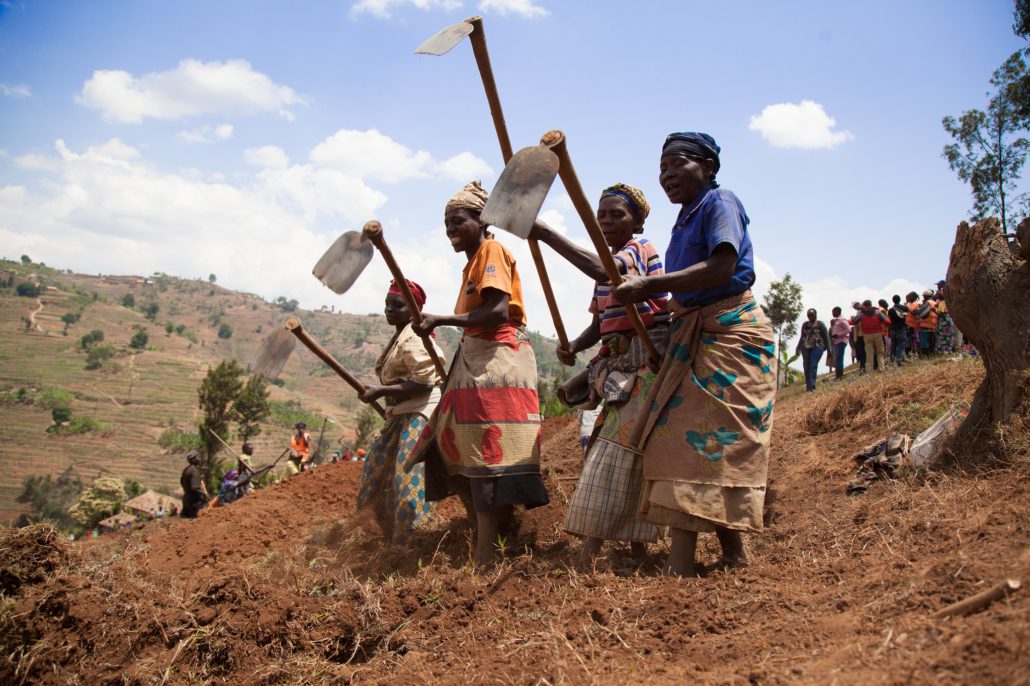
Rwanda has been able to solve its own challenges in the agricultural sector. An innovative solution to land degradation and soil erosion is changing the structure of fields. Instead of working on the steep hills and farmlands, farmers in Rwanda have adapted reverse slope bench terracing. It is a soil and water conservation measure that moves soil to build a reverse slope with bench-like structures. Stable soils characterize the terraces which reduce the risk of landslides. Smallholder farmers also use grass and small trees to stabilize the bench-like structures. Farmers have benefited from higher yields as a result of farming crops on steep slopes.

Delivery companies like OX Delivers are also transforming Rwanda’s agricultural sector. OX Delivers was established in 2020 to improve farmers’ access to rural markets in Rwanda. It uses fully-electric trucks to transport goods in rural areas where transportation is challenging due to rough terrain. OX trucks are reliable for their clean and affordable transport. The company has identified the high transportation costs associated with rural areas and thus, charges customers for only what they need.

Customers, most of whom are smallholder farmers, pay on a per kg per km basis. Customers book space on a truck with the drivers and make payments face-to-face. According to the founder, Simon Davis, OX Delivers is able to charge affordable prices as running on electricity costs 50% less per day compared to diesel engines. What makes OX Delivers unique is that it is solely focused on rural development in Rwanda. The company serves rural smallholder farmers and small-scale traders looking to access markets in Rwanda.

An Improved Agricultural Sector

Innovative solutions like the reverse slope bench terracing method and the electric truck services are transforming Rwanda into a nation with a rich market-oriented food sector. These solutions help to counter problems like soil erosion, land degradation and lack of access to markets in Rwanda. Rural smallholder farmers are able to contribute to rural development in Rwanda by not only farming for their own consumption but also by supplying to markets. Small-scale traders are able to increase their profits as electric trucks improve their access to markets. Farmers are also able to grow their production by successfully farming on steep slopes. With more participation in markets, they can increase production, profit from commercial activities and improve their household incomes.

– Hans Harelimana Hirwa
Photo: Flickr

December 30, 2022
https://borgenproject.org/wp-content/uploads/borgen-project-logo.svg 0 0 Jennifer Philipp https://borgenproject.org/wp-content/uploads/borgen-project-logo.svg Jennifer Philipp2022-12-30 01:30:592022-12-16 08:05:00Improving Rural Development In Rwanda
Child Marriage, Global Poverty

Child Marriage in Liberia

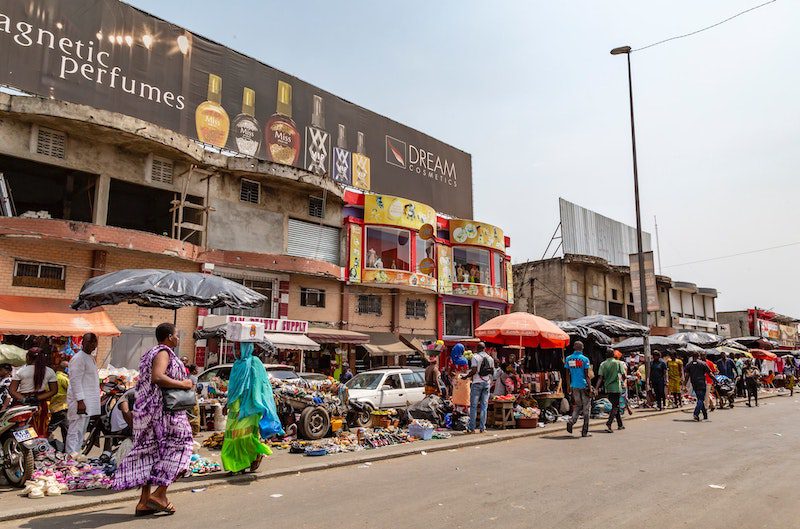
Child Marriage in LiberiaChild marriage in Liberia is not uncommon. According to Girls Not Brides, 36% of girls in Liberia enter into marriage before reaching their 18th birthday and Liberia ranks 20th in the world for the highest rates of child marriage.
UNICEF defines child marriage as “any formal marriage or informal union between a child under the age of 18 and an adult or another child” and warns that the effects extend not only to the girl’s health and future prospects but also to the economy through economic detriment on a national level. A 2017 study by the World Bank and the International Center for Research on Women (ICRW) projects that the prevalence of child marriage “could cost developing countries trillions of dollars by 2030 – the year by which the U.N., through its Sustainable Development Goals (SDGs), calls for the elimination of the practice.”

Child brides are more likely to face domestic violence and early pregnancy before their bodies have even fully developed. Child marriage also increases the risk of HIV among young girls.

The prevalence of child marriage in Liberia will continue to hinder progress toward gender equality in Liberia unless the government introduces legislation and improvements in policy. For as long as child marriage exists, Liberia will not see significant strides in education or the economy.

Reasons for Child Marriage in Liberia

Plan International describes the generalized reasons for child marriage prevalence in countries as systemic gender inequality, poverty and societal customs/traditions, among other reasons. In terms of poverty, according to the World Bank, 34.6% of the population in Liberia lives under the international extreme poverty line ($2.15 per person per day in 2017 PPP). Due to entrenched gender discrimination and inequalities, impoverished families often view daughters as economic burdens. Parents push young daughters into marriage to ease the household’s financial burden and bring in finances in the form of the “bride price.”

Regarding customs, Plan International details that some families push their daughters into child marriage to safeguard family honor by ensuring that sexual relations outside of marriage do not occur. Child marriage in Liberia persists despite domestic legislation setting the legal age of marriage for girls as 18. Humanium explains that “the lack of consistency of customary and statutory laws” and engagement with traditional leaders means people routinely break these laws and forced marriage practices persist.

It is also important to note that while 36% of girls younger than 18 enter into marriage, this figure stands at 5% for boys in Liberia, highlighting obvious gender inequality and disparities that need to be addressed. Gender-based violence and inequality in Liberia extend to female genital mutilation (FGM). According to Equality Now, Liberia is one of the three remaining West African countries that have not legislated FGM as a criminal offense.

Organizations and NGOs Striving to Reduce Child Marriage in Liberia

BIRD-Liberia (Brighter Initiatives for Revitalization and Development) was founded by Sammenie O. Sydney in 2014. The organization’s latest efforts include working with youth activists to eliminate child marriage. BIRD-Liberia began the Power to Girls campaign, in collaboration with Girls Not Brides, to raise awareness of child marriage.

“The activists will go around the country to speak to students and school administrators,” Emmanuel Quiqui, BIRD’s Office Administrator, said to Girls Not Brides. “They’ll go to radio stations around Liberia and meet with the national legislature to spread the campaign message.” Bird-Liberia has trained 10 activists to educate fellow Liberians on the detriment of child marriage with the aim of ending the practice entirely.

Though child marriage persists, activists and organizations on the ground are showing their commitment to ending the practice and safeguarding children’s rights.

– Priya Maiti
Photo: Flickr

December 30, 2022
https://borgenproject.org/wp-content/uploads/borgen-project-logo.svg 0 0 Naida Jahic https://borgenproject.org/wp-content/uploads/borgen-project-logo.svg Naida Jahic2022-12-30 01:30:282024-05-30 22:30:38Child Marriage in Liberia
Global Poverty, Health

Counterfeit Pain Relief in Côte d’Ivoire

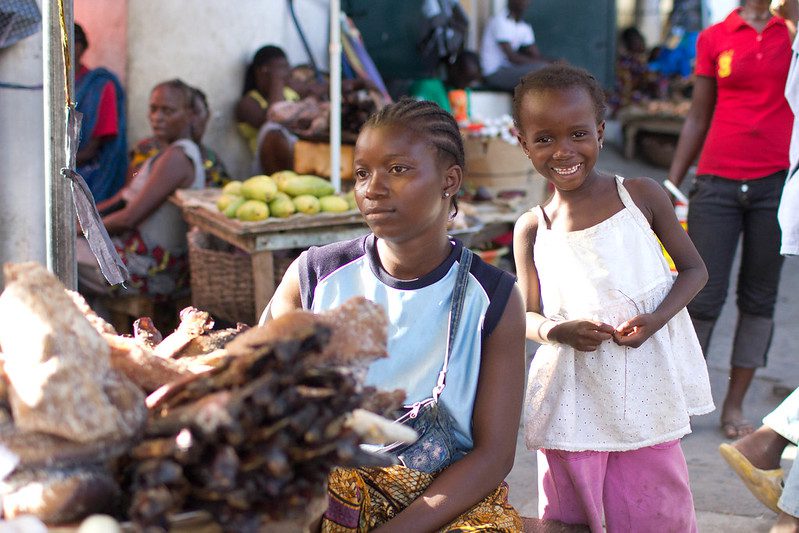
Counterfeit Pain Relief in Côte d'IvoireCôte d’Ivoire — the world’s largest cocoa producer has beautiful landscapes that attract thousands of yearly visitors. It is also a breeding ground for the distribution of counterfeit and illicit drugs. Though the use of counterfeit medicines carries many risks, many Ivorians still seek them out. The growing need for counterfeit pain relief in Côte d’Ivoire has resulted in the expansion of a new sector dominated by adolescents and those in need of a different form of relief.

The Dilemma

In sub-Saharan Africa, counterfeit drugs run rampant, but in Côte d’Ivoire, they run everything. Pharmacies produce only 30% of the drugs circulated in Côte d’Ivoire while the other 70% are counterfeits. Overall, about 42% of the world’s counterfeit drugs were found in Africa, a continent whose inhabitants are the most susceptible to poverty. Since 1998, Côte d’Ivoire’s percentage of counterfeit drug usage has increased by 50%, but the rate of health care availability has remained stagnant.
A 2020 World Bank report found that 33% of Ivorians did not live in close proximity to a hospital or clinic. In two regions, this percentage exceeded 50%. Health care specialists mainly work in major, more developed cities and government spending typically goes for the more developed parts of Côte d’Ivoire. Furthermore, many Ivorians do not have health insurance to aid payments towards their medical bills. As a result, they are at risk of adopting high health expenditures— 74% of it due to their overspending on medications, according to a World Bank report.

Availability

Non-branded or generic medications cost seven times higher than the international standard. Brand-named medications cost 18 more than the international guidelines, according to the same report. The quantity and variety of available medications differ depending on the sector. Just 32% of drugs essential to Côte d’Ivoire’s population made their way into the public sector while 57% of essential drugs are available to the private sector— one that comprises 80% of wealthy Ivorians.

Getting medications after obtaining prescriptions is a time-consuming process. At times, drugs are not readily available for patients. Sometimes, restocking and transferring to neighboring pharmacies can take a while. Consequently, patients will purchase counterfeit drugs from local street vendors as it is a more convenient alternative.
Over a two-year span, law enforcement seized almost 400 tonnes of counterfeit pain relief in Côte d’Ivoire and pharmacies suffered a $173 million loss that was later attributed to the presence of counterfeits. Authentic medications will run the average Ivorian 10,000 CFA or $15. For most, this is too much to pay. Ivorians typically bring in $200 a month.

A Cheaper Alternative

Unlike pharmacies, counterfeit drug markets are open around the clock. Due to the unregulated nature of the informal sector, people in need of medications can purchase any quantity of their desired drug, according to a 2021 research article. A patient in need of just a few pills of their prescription can buy medications individually instead of buying them in a pack like most pharmacies require, further lowering their expenses. However, there are some who take advantage of the cheapness of the drugs and the illegality of counterfeits, buying them to fulfill an addiction, according to the same article. Others buy from counterfeit drug markets because they can’t find traditional forms of medicines in pharmacies, due to cultural or religious reasons.

Many street vendors sell counterfeit pain relief in Côte d’Ivoire to relieve themselves of poverty. Among them are children and teens who function similarly to cashiers, negotiating prices with customers and finding drugs that match a given description.
Counterfeit drugs present buyers with what they perceive to be a cheap alternative with good enough quality. In reality, these drugs are adulterated. Meaning an active pharmaceutical ingredient is present, but is coupled with inferior substance(s). The most common replacement for starchy components found in drugs is flour with water being the substitute for liquid components. Or the counterfeits consist of entirely different substances.
Taking poorly made counterfeits result in the annual deaths of more than 100,000 people in Africa. The cultivation of counterfeit drug products has allowed their effects to go undetected and has started to show signs of the fostering of antimicrobial resistance, according to a WHO study.

Encouraging A New Côte d’Ivoire

Ten years ago Côte d’Ivoire’s government launched a new initiative that provided affordable health care to millions. Unfortunately, it ended up downsizing after government spending exceeded the allocated amount, limiting coverage to women and children under the age of 6.
But in recent years, Côte d’Ivoire began with a universal health coverage plan that is said to broaden the scope of health care and increase its accessibility. The plan includes financial reforms, medical assistance schemes, larger medicinal access and an increased budget to ensure that every Ivorian receives quality health care.
Meditect is a social enterprise that aims to put an end to counterfeit drugs by increasing access to ones of quality. The app tracks the medicine supply from the time it hits the pharmacy to the time it reaches the street, ensuring that the drugs in circulation are authentic and of good quality. It directs patients to a nearby pharmacy that presents them with the best financial and medical options.

Currently, Meditect is available in three francophone countries in West Africa, providing services to the Senegalese, Cameroonian and Ivorian people. Its goal is to expand this initiative to more countries until no African country is facing the issue of the presence of counterfeits.

– Dorothy Quanteh
Photo: Unsplash

December 29, 2022
https://borgenproject.org/wp-content/uploads/borgen-project-logo.svg 0 0 Jennifer Philipp https://borgenproject.org/wp-content/uploads/borgen-project-logo.svg Jennifer Philipp2022-12-29 07:30:252024-05-30 22:30:37Counterfeit Pain Relief in Côte d’Ivoire
Global Poverty

USAID’s Economic Support in Chad

USAID's Economic Support in ChadIn Chad, extreme flooding has caused a massive amount of damage, affecting over 1 million people across the nation. On December 14, 2022, USAID announced that it will be providing an additional $2.5 million in financial support, building on the initial amount of $100,000.

Flooding in Chad

Many countries in Africa are challenged by dry weather conditions and therefore struggle to find resources of water. However, in Chad, heavy rainfall is common in several regions due to the equatorial location of the country. In 2022, it recorded the, “heaviest rainfall in the past 30 years, resulting in rivers overflowing, rupturing the dikes.” This led to extreme flooding in the latter half of the year, affecting 200,000 households by October 31. Rivers running through the country’s most populated regions have a tendency to overflow in times of extreme rainfall, drastically affecting nearby towns.

Damages and Lasting Consequences

On October 19, 2022, Chad’s President Mahamat Idriss Deby declared a state of emergency in reaction to this extreme flooding. At this point, floods destroyed 465,030 hectares of farmland. The destruction of fertile land is a drastic consequence, especially due to the fact that Chad had already been suffering from severe food insecurity. In addition to this, “16,756 households had to flee their homes.” In total, more than 1 million people have been affected in 18 out of Chad’s 23 provinces, according to UNICEF Situation Report.

Inadequate Funding

As a result of the flooding, Chad is in desperate need of humanitarian assistance to support citizens in their time of distress. This funding is necessary for food, housing, and health support on the ground. Because of this, Chad’s government called for additional economic assistance from outside actors.

USAID Economic Support in Chad

At the beginning of the flood, USAID provided $100,000 in support of the country’s relief efforts. However, as the damages continued, it became clear that economic support in Chad was needed to a larger extent. On December 14, 2022, USAID announced that it would provide an additional $2.5 million. In conjunction with UNICEF, the International Organization for Migration (IOM) and the U.N. World Food Program (WFP), this assistance will be able to act as a multifaceted humanitarian effort. The press release states that “This assistance will support broader response efforts providing flood-affected families with cash-based transfers, mental health and psychosocial support services, relief items, shelter supplies, and water, sanitation and hygiene assistance.”

During 2022 alone, USAID’s economic support in Chad reached $73.6 million. This type of funding, coupled with the emergency funding in reaction to the flood, has been able to better the quality of life for those in a struggling country and support them in a time of need.

Overall, economic humanitarian assistance is important to aid countries in states of distress. USAID’s economic support in Chad is an excellent example of the importance of monetary support and has helped the country react to dangerous conditions produced by flooding. This support will lessen the drastic consequences of the flood and allow the country to aid its inhabitants as well as rebuild in the future.

– Hailey Dooley
Photo: Wikimedia Commons

December 29, 2022
https://borgenproject.org/wp-content/uploads/borgen-project-logo.svg 0 0 Naida Jahic https://borgenproject.org/wp-content/uploads/borgen-project-logo.svg Naida Jahic2022-12-29 07:30:142022-12-29 03:30:54USAID’s Economic Support in Chad
Global Poverty, Human Trafficking

Human Trafficking in the Maldives

 Human Trafficking in Maldives
The Maldives is a small island nation in the Indian Ocean that is known for its luxurious vacations. Behind its image of pristine waters and resorts, the country fights against the human trafficking of its people and foreigners. Since 2012, when the Maldives became a member of the International Organization for Migration (IOM), the government has increased efforts to meet international standards in eliminating human trafficking in the Maldives. In 2013, it built on this initiative by passing a bill that criminalized human trafficking and identified fraudulent recruitment, forced labor and sex trafficking as human trafficking.

Human traffickers in the Maldives target and exploit both domestic and foreign workers. Nearly one-third of the Maldives’ population are migrant workers, mainly from Bangladesh and India, who serve in the construction and service sectors. The fraudulent recruitment of undocumented and documented migrant workers leads to the confiscation of identity and travel documents and debt. These false recruitment agencies work with employers and agents in the Maldives to force migrant workers to work with little to no pay. Other victims of human trafficking include Maldivian children and women. They end up in criminal enterprises in which criminal gangs use them to transport drugs. Maldivian and other South Asian women end up in the Maldives under the false pretense of tourism experience.

The Effects of COVID-19

When COVID-19 hit the Maldives in 2020, the inhumane working conditions and treatment of migrant workers worsened. According to the U.S. Department of State’s 2020 Trafficking In Persons report, there were approximately more than 230,000 migrant workers in the Maldives in 2020. Migrant workers often live in cramped collective living accommodations with limited access to water, sanitation and health care. One of those shared accommodation blocks in the capital of Malé experienced 95 positive COVID-19 cases all at once.

As COVID-19 relief rolled out, the government redirected financial and personnel resources away from anti-trafficking efforts as operations focused on the pandemic. This delayed the prosecution of trafficking crimes and the Maldivian government did not convict any traffickers for the second consecutive year. According to the 2022 Trafficking In Persons Report, 27 recruitment agencies were under investigation by the Maldives Police Service (MPS) and Anti-Corruption Commission (ACC). Maldivian authorities are working now with fewer resources due to the pandemic. Hence, foreign and national companies have been called upon to support human rights and stop human trafficking in the Maldives.

A New Action Plan

On March 30, 2020, the Maldives designed the Anti-Human Trafficking National Action Plan to adapt to the reduced resources and accelerate efforts to eliminate human trafficking in the Maldives. The National Anti-Human Trafficking Steering Committee (NAHTSC) oversees the national action plan and focuses on coordinating with the government in its efforts to combat human trafficking. The International Organization for Migration (IOM) and the United States government are both international partners to the NAHTSC. These organizations provided technical assistance and guidance in the formulation of the Anti-Human Trafficking National Action Plan. The action plan’s goal is to achieve three outcomes:

  1. Enhance Anti-Trafficking in Persons Legislation & Policies
  2. Enhance Anti-Trafficking in Persons Sensitization & Awareness
  3. Enhance Anti-Trafficking in Persons Monitoring, Enforcement & Training

Status as of 2022

The U.S. Department of State’s Office to Monitor and Combat Trafficking In Persons categorizes the Maldives as a Tier 2 country. This means that although the government is making significant efforts to eliminate trafficking, it still has not met minimum standards. The Government of Maldives’ efforts during the year 2022 includes criminalizing all forms of sex and labor trafficking, increasing prosecutions of government officials and regulating the presence of foreign workers in the Maldives.

The Maldivian government remains dedicated to implementing anti-trafficking and prevention efforts. However, they still have work to do as the number of foreign workers (specifically the Bangladeshi and Indian workers) trafficked to the Maldives remains high. This persists despite a decrease in the number of overall trafficking investigations and zero reported convictions for the second consecutive year. In addition, a shelter for trafficking victims created in 2021 remains inoperable with no official standard operating procedures (SOPs) to refer victims for support and care services.

Moving Forward

In the 2022 Trafficking in Persons Report for the Maldives, the U.S. Department of State laid out recommendations to further reduce human trafficking in the Maldives. Currently, the areas of victim identification and protection remain weak. It recommends establishing a working trafficking victim shelter with consistent protection services and support for foreign victims. Recommendations include anti-trafficking materials and the availability of support in appropriate languages for migrant workers. Other recommendations for 2023 also involve identifying indicators of human trafficking and holding employers and recruitment agencies accountable for labor violations. Some have also asked the government to increase its cooperation with migrant source countries by establishing memoranda of understanding (MOUs) and monitoring resort and guest homes.

The laws that are already in place serve as a solid foundation for increasing preventative, protective and prosecutive measures that the U.S. Department of State recommends. In addition to these laws, the government’s work is also supported by Non-Governmental Organizations (NGOs) like Mission for Migrant Workers Maldives (MMWM), the first NGO to work exclusively with migrant workers experiencing human-rights violations. With the foundational laws, the incorporation of recommendations and the work of local NGOs, the Maldives can make significant moves toward eliminating human trafficking.

 – Arden Schraff
Photo: Flickr

December 29, 2022
https://borgenproject.org/wp-content/uploads/borgen-project-logo.svg 0 0 Jennifer Philipp https://borgenproject.org/wp-content/uploads/borgen-project-logo.svg Jennifer Philipp2022-12-29 01:30:342022-12-16 08:03:16Human Trafficking in the Maldives
Charity, Global Poverty

5 Charities Operating in Angola

Charities in AngolaAngola is currently one of the fastest-growing economies in the world and the second-largest oil producer in Africa. Despite its eye-catching profile, many challenges plague this sub-Saharan country, from severe humanitarian crises to serious human rights abuses. The country is also struggling to recover from the ruins left behind by a 27-year civil war. Angola’s dark years might not be over yet, but the country is moving in the right direction. A part of this positive momentum is driven by charities operating in Angola. These charities have brought hope, support and development to several marginalized and neglected groups in the country. Here are five charities transforming the lives of Angolans:

RISE International

RISE International was formerly called the African Refugee Committee (ARC). Founded in 2001, ARC started as a nonprofit organization that provided relief and support to people displaced by the Angolan civil war. In 2003, a year after the war ended, ARC changed its name to RISE International.

While RISE continued to provide relief to refugees, it added a new plan: rebuilding Angola by bridging the country’s education gap. RISE builds schools for children in rural areas that receive little to no attention from the Angolan Ministry of Education. Since its inception, the charity has provided education to over 140,000 Angolan children and built 194 schools, with several more underway.

Hope For Our Sisters (HFOS)

Hope For Our Sisters (HFOS) is an advocacy group for women’s health focusing on maternal care. The organization is working to eradicate fistula in Angola, the Democratic Republic of the Congo (DRC) and Nepal.

Various factors can cause fistula depending on its type. This charity mainly focuses on obstetric fistula, caused by prolonged or obstructed labor and traumatic fistula, resulting from sexual violence and trauma. Women suffering from fistula are often abandoned by their loved ones and ostracized from their communities.

HFOS partners with other charities and organizations in Angola to provide rehabilitation, aftercare and empowerment for these shunned women. They also sponsor awareness campaigns to prevent the occurrence of the disease and provide treatments, including repair surgery.

It currently has two ongoing projects in Angola: the Ultrasound Empowerment Program and the Aftercare Program. The Ultrasound Empowerment Program helped 151 and another set of 50 women have been empowered to generate income through the Aftercare program.

Mothers2mothers

Mothers2mothers is an award-winning charity that operates in several sub-Saharan countries. Driven by its commitment to eradicating AIDS and maternal and child deaths, the charity started working in Angola in 2019. Since then, it has partnered with the country’s government and the Ministry of Health to offer aid to more than 10,000 Angolans, as of December 2022.

The charity uses its innovative Mentor Mother Model in local communities to administer HIV tests and treatments to those who need them. This model involves selecting women trusted by their communities and training them to administer necessary medical care. Its efforts have also resulted in the virtual elimination of mother-child transmission of HIV among its beneficiaries.

World Vision International

World Vision is a global leader in humanitarian aid. Created in 1950, the charity’s mission was inspired by a homeless Chinese girl helped by Bob Pierce, its founder. Pierce got the idea to seek a permanent solution to poverty. That idea birthed the World Vision.

Today, the charity has helped over 200 million children escape poverty in over 100 countries worldwide. One of those countries is Angola. World Vision began operating in the sub-Saharan nation in 1989. Its Angola mandate is to improve food security, provide access to water and sanitation services and offer better education opportunities to disadvantaged children.

Every year, about 1 million people in Angola benefit from the charity’s programs each year.

UNICEF

UNICEF’s interventions in Angola have had profound and widespread outcomes over the years. In 2022 alone, the charity reached 214,449 people with clean and safe water and vaccinated over 270,000 children against measles, polio and acute diarrhea. And the list goes on.

Despite its huge success, UNICEF’s humanitarian impact in the sub-Saharan country remains limited due to inadequate funding. The organization currently needs $33 million to cater to the humanitarian needs of 1.5 million Angolans.

Providing a Brighter Future

These five charities operating in Angola have achieved commendable results. The commitment and actions of the nonprofits have helped to revive core sectors of Angola’s economy, including health care, agriculture and education. With more children in schools, Angola can envision a brighter economic future with fewer woes. Thanks to some of these charities, thousands of Angolan women are healthier and safer and can provide for their families and children.

– Amarachi Orjiude
Photo: Flickr

December 29, 2022
https://borgenproject.org/wp-content/uploads/borgen-project-logo.svg 0 0 Kim Thelwell https://borgenproject.org/wp-content/uploads/borgen-project-logo.svg Kim Thelwell2022-12-29 01:30:192024-05-30 22:30:395 Charities Operating in Angola
Global Poverty

The International Ministerial Conference on Preventing Sexual Violence in Conflict

Preventing Sexual Violence in Conflict
The U.K. hosted the International Ministerial Conference on Preventing Sexual Violence in Conflict on November 28, 2022, and November 29, 2022. This meeting is a follow-up to the Global Summit of 2004 and also marks 10 years since the establishment of the Preventing Sexual Violence in Conflict Initiative. About 10 years ago, more than 150 nations made commitments to bring an end to sexual violence in conflict-affected countries. Despite these promises, sufficient actions to address these issues on a global level are lacking.

Angelina Jolie Highlights Barriers

Actress Angelina Jolie, who actually co-hosted the Global Summit of 2004 and is one of the co-founders of the Preventing Sexual Violence in Conflict Initiative, recently called attention to the lack of action to address the issue of sexual violence in conflict.

Jolie has called out funding gaps and what she describes as a “lack of political will,” according to an opinion piece that the Guardian published in November 2022. She also cites abuses of power, declaring that one of the issues is “security council members abusing their veto power, such as in the case of Syria.” Jolie is referring to how Russia “used its security council veto powers 11 times to block action targeting its ally Syria,” the Guardian reports.

Syria is responsible for a variety of war crimes from the use of chemical weapons to the use of sexual violence in conflict as an act of terror. The U.N.’s Commission of Inquiry found that “the Syrian Government and associated militias used rape and other forms of sexual violence as part of a widespread and systematic attack against the civilian population of Syria.”

In her opinion piece for the Guardian, Jolie advocates for the “creation of a permanent international body that can help fill the accountability gap” as well as a “new, permanent, international commission to document and investigate sexual violence in conflict.”

Jolie highlights that these solutions have been a point of discussion for years but no progress is visible. “The conference should not be another moment when survivors have to come forward to explain their pain and suffering again, and to show their willingness to work with governments, only for countries to be unwilling to act on their commitments over the long term,” Jolie said.

Effects on Global Development

Gender-based violence has a harmful effect on global development. Elevated rates of domestic and sexual violence reduce staff output and cause reductions in productivity to the scale of 10 work days annually per employee. The Council on Foreign Relations reports that “In some countries, even pre-pandemic, gender-based violence was estimated to cost up to 3.7[%]of gross domestic product (GDP)— more than double what most governments spend on education.” Lockdowns at the onset of the COVID-19 pandemic heightened cases of gender-based violence across the world.

US Actions and Commitments

Despite these criticisms and the exacerbating effect of the COVID-19 pandemic, the U.S. is taking action to address these issues. Acknowledging the gravity of the issue, in November 2022, the State Department announced that in response to this crisis, the U.S. will increase aid and encourage accountability by “Committing an additional $400,000 to the United State’s annual contribution of $1.75 million to the Office of the U.N. Special Representative to the Secretary General (SRSG) on Sexual Violence in Conflict.”

The U.S. will also expand the Safe from the Start initiative, which prioritizes gender-based violence responses in humanitarian efforts. The U.S. will establish a Presidential Memorandum against sexual violence in conflict, “which will commit the U.S. government to fully exercising existing authorities to promote justice and accountability for acts of conflict-related sexual violence.” Lastly, the U.S. will allocate $10 million to “civil society efforts” for investigations and reporting and $2 million for “survivor-centered, trauma-informed approaches to fostering survivor resilience during and after conflict.”

Positives

While international initiatives to end sexual violence in conflict are facing issues such as funding gaps, security council abuses and a lack of institutional capability, the U.S. is stepping up to address many of these issues in response to the International Ministerial Conference. Jolie calls on the international community to stay true to their commitments long-term to help establish an effective response to conflict-related sexual violence throughout the world.

– Braden Hampton
Photo: Flickr

December 28, 2022
https://borgenproject.org/wp-content/uploads/borgen-project-logo.svg 0 0 Jennifer Philipp https://borgenproject.org/wp-content/uploads/borgen-project-logo.svg Jennifer Philipp2022-12-28 01:30:052022-12-16 08:01:28The International Ministerial Conference on Preventing Sexual Violence in Conflict
Charity, Global Poverty

5 Charities Operating in South Sudan

Charities Operating in South Sudan
South Sudan is a country in dire need of assistance. Having seceded from Sudan over a decade ago, the fledgling nation’s history has been fraught with conflict between its government and armed opposition groups. The fighting stopped in 2018 when South Sudan’s president Salva Kiir and the leader of the main opposition force agreed on a peace deal. The opposition leader became the vice president and he and Kiir have been working toward unity and a new constitution.

However, the South Sudanese people are still in trouble. More than 60% of the population is facing food insecurity, the country is chronically underdeveloped and extensive flooding devastates many areas. Here are five charities operating in South Sudan.

5 Charities Operating in South Sudan

  1. Sudan Relief Fund: The Sudan Relief Fund is a 501(c)(3) nonprofit religious organization founded in 1998 and is dedicated to bringing food, safe drinking water, clothing, shelter and medical attention to the people of South Sudan. The organization seeks to aid in the development of infrastructure necessary for South Sudan’s growth and stability. Some of its accomplishments include the Catholic University of South Sudan, which the organization helped build and continues to fund, and the “Mother of Mercy” hospital which is a full-scale hospital with 400 beds. Moreover, the organization also provided more than $5 million in support to South Sudan in 2021. Many of the South Sudan Relief Fund’s operations and aid efforts take place right in South Sudan, ensuring that most of the donations go right to where people need them.
  2. International Rescue Committee (IRC): The IRC is a global humanitarian aid, relief and development 501 (c)(3) nonprofit. The organization operates in more than 40 crisis-affected countries and has assisted in some of the worst humanitarian crises like Afghanistan and currently Ukraine. South Sudan is one of the countries the IRC aids and the country is under a “crisis watch,” according to the IRC website. On October 17, 2021, the IRC issued a statement about its emergency response to assist the South Sudanese people affected by conflict, disease and flooding.
  3. Helping Hands for South Sudan: Helping Hands for South Sudan is a 501(c)(3) nonprofit charity based in Palo Alto, CA. Its founder, Gabriel Akim Nyok, is a Sudanese refugee and was one of the “Lost Boys and Girls of South Sudan,” the nickname for the 20,000+ children who fled from southern Sudan during the civil war. He came to the United States in 2006 and has since taken multiple trips to South Sudan and Uganda to meet with locals, school officials and refugees. His goal is to help facilitate educational needs in the country and previously sponsored the education of South Sudanese children. Nyok has direct involvement in the charity’s operations as its chairman. About 99% of donations go directly to children and a donation of $500 can sponsor a child’s education for a whole year.
  4. Water for South Sudan: Founded in 2008, Water for South Sudan is a charity that helps provide people with clean and safe water through sustainable means. Its founder, Salva Dut, was also a “Lost Boy,” like Gabriel Nyok. The charity takes a collaborative approach by leveraging its existing resources and using them to work alongside communities in need to build or repair water wells. Its projects also include building latrines and commencing hygiene education programs to improve water practices. According to 2021’s report, the charity received more than $1.9 million in contributions and drilled 48 new wells, rebuilt 48 wells and successfully taught 99 hygienic training practices.
  5. Hope Ofiriha: Hope Ofiriha is an NGO registered in Norway and with the South Sudanese government. It has a 501(c)(3) status in the U.S. Its mission is to assist women and children in overcoming social injustice, disease, poverty and illiteracy in Magwi County, one of the poorest and most remote places in the world. According to Hope Ofiriha’s website, its small-scale grassroots projects aim to act as a “hand-up,” not as handouts. The categories of its projects are education, health care, agriculture, child sponsorship, microcredit and the environment. The NGO was originally founded in 1996 as a group that provided agricultural workshops to widows to give them the skills necessary to become self-reliant. Although the organization has grown tremendously since then, its sentiment of helping women (and now children) become self-sufficient has remained the same.

Concluding Thoughts

These five charities operating in South Sudan are making a substantial difference in the country because of their direct approaches and willingness to garner input from the South Sudanese people.

– Matthew Wikfors
Photo: Flickr

December 27, 2022
https://borgenproject.org/wp-content/uploads/borgen-project-logo.svg 0 0 Naida Jahic https://borgenproject.org/wp-content/uploads/borgen-project-logo.svg Naida Jahic2022-12-27 01:30:472022-12-16 07:59:415 Charities Operating in South Sudan
Global Poverty, Poverty

Measuring the Poverty Level in India

poverty level in IndiaThe measurement of the poverty level in India has been the subject of much debate over the past decade, especially because of the lack of reliable figures and data. This year, following two articles on poverty in India published by the International Monetary Fund and the World Bank, a new debate on poverty in India emerged — the “Great India Poverty Debate 2.0” in reference to the “Great India Poverty Debate 1.0” that existed after the liberalization of India in the 1990s.

Difficulties in Assessing Poverty in India

Since the Indian government has not published any National Sample Survey (NSS) results since 2012, which includes the national statistics regarding poverty in the country, researchers began studies to determine the amount of poverty within India, particularly extreme poverty.

The studies employ different methods to measure the poverty level in India in order to provide more recent estimates. Both studies, the first by Bhalla, Bhasin and Virmani and the second by Roy and van der Weide, arrive at “dramatically different conclusions.” Although each approach has its shortcomings, Ideas for India says the studies “highlight that the real poverty that lies behind the Great Poverty Debate 2.0 is the poverty of data.”

When it comes to assessing poverty in India, despite the lack of official recent statistics on poverty rates, one may consider elements that link to poverty, such as literacy rates or food insecurity, to paint a picture of a country’s overall poverty conditions.

Illiteracy and Food Insecurity as Indicators of Poverty

Indeed, illiteracy is linked to poor financial conditions as poverty often means low-income families are unable to afford quality education for their children. In India, according to 2017-18 data from the National Statistical Office (NSO), the latest literacy rate in India overall stands at about 77.7%. This means the national illiteracy rate stands at 22.3%, which means, in a population of about 1.4 billion people, a significant portion of people cannot read or write. Such a high illiteracy rate correlates to high poverty rates in India.

Regarding food insecurity rates in India, according to the Global Hunger Index (GHI) of 2022, India has regressed by six positions since 2021, ranking 107th out of 121 countries in terms of hunger levels. India scored 29.1, which equates to a “serious” level of hunger. According to data from 2019-2021, 16.3% of India’s population suffers from undernourishment. Furthermore, around 35.5% of Indian children under 5 suffer stunting, a form of malnutrition with detrimental consequences.

End Poverty

End Poverty is an Indian NGO established in 2009 to develop innovative and creative solutions to address poverty in India. Though mandated to work across India, End Poverty currently works in seven Indian states: Rajasthan, Madhya Pradesh, Haryana, Karnataka, Uttar Pradesh, Uttarakhand and Goa.

End Poverty directly supports and empowers the poorest by providing them with opportunities to attain an education, develop skills and secure employment opportunities in order to rise out of poverty. End Poverty has three core programs in place: rural development, dairy development and sustainable agriculture.

The rural development program is important because about 68% of India’s people live in rural areas, according to 2011 data, and poverty is more pronounced in rural areas. The rural development activities include establishing infrastructure and schools, providing opportunities for income generation, strengthening access to education and providing water, hygiene and sanitation services.

Despite the lack of official recent statistics on poverty in India, one can use other indicators, such as the illiteracy rate, to assess the poverty level in India. Moreover, the important work of researchers contributes to a better understanding of the country’s socioeconomic conditions. But, regardless of the precision of statistics, the efforts of organizations help counter poverty by improving the standards of living among the most disadvantaged people.

– Evan Da Costa Marques
Photo: Unsplash

December 26, 2022
https://borgenproject.org/wp-content/uploads/borgen-project-logo.svg 0 0 Kim Thelwell https://borgenproject.org/wp-content/uploads/borgen-project-logo.svg Kim Thelwell2022-12-26 07:30:492022-12-24 01:02:20Measuring the Poverty Level in India
Page 562 of 2181«‹560561562563564›»

Get Smarter

  • Global Poverty 101
  • Global Poverty… The Good News
  • Global Poverty & U.S. Jobs
  • Global Poverty and National Security
  • Innovative Solutions to Poverty
  • Global Poverty & Aid FAQ’s
Search Search

Take Action

  • Call Congress
  • Email Congress
  • Donate
  • 30 Ways to Help
  • Volunteer Ops
  • Internships
  • Courses & Certificates
  • The Podcast
Borgen Project

“The Borgen Project is an incredible nonprofit organization that is addressing poverty and hunger and working towards ending them.”

-The Huffington Post

Inside The Borgen Project

  • Contact
  • About
  • Financials
  • President
  • Board of Directors
  • Board of Advisors

International Links

  • UK Email Parliament
  • UK Donate
  • Canada Email Parliament

Get Smarter

  • Global Poverty 101
  • Global Poverty… The Good News
  • Global Poverty & U.S. Jobs
  • Global Poverty and National Security
  • Innovative Solutions to Poverty
  • Global Poverty & Aid FAQ’s

Ways to Help

  • Call Congress
  • Email Congress
  • Donate
  • 30 Ways to Help
  • Volunteer Ops
  • Internships
  • Courses & Certificates
  • The Podcast
Scroll to top Scroll to top Scroll to top