• Link to X
  • Link to Facebook
  • Link to Instagram
  • Link to TikTok
  • Link to Youtube
  • About
    • About Us
      • President
      • Board of Directors
      • Board of Advisors
      • Financials
      • Our Methodology
      • Success Tracker
      • Contact
  • Act Now
    • 30 Ways to Help
      • Email Congress
      • Call Congress
      • Volunteer
      • Courses & Certificates
      • Be a Donor
    • Internships
      • In-Office Internships
      • Remote Internships
    • Legislation
      • Politics 101
  • The Blog
  • The Podcast
  • Magazine
  • Donate
  • Click to open the search input field Click to open the search input field Search
  • Menu Menu

Archive for category: Global Poverty

Key articles and information on global poverty.

Global Poverty

Tackling Energy Poverty in Italy

Reducing Energy Poverty in Italy Through Solar PV MarketItaly ranks third in Europe for utilizing renewable energy sources to provide for its citizens. With 36% of renewable energy generating electricity, other country leaders are looking towards Italy for the blueprint when it comes to making a greener change. However, Italy’s absolute poverty rate is close to 10%, equating to more than 5 million people. With the help of nonprofit organizations and energy companies, Italy will make green energy accessible to low-income families and guide them through the transition.

Energy Poverty in Italy

Energy poverty has become a serious concern for government officials in Italy, especially since the war between Russia and Ukraine began. The Russia-Ukraine war pushed Italy to work relentlessly towards providing itself with other power sources to become independent of Russian gas. This included record highs of solar panel and heat pump installments to adapt to the crisis.

The elderly, immigrants, low-income and single families have been greatly affected by these circumstances. Especially in places like Naples that have some of the highest poverty rates in the country. According to PresnaLatina.com, “nearly 1.4 million children” live in absolute poverty.

The effects of energy poverty include declining health, inability to pay bills, loss of electricity in the home due to poor energy efficiency, little to no knowledge about renewable energy and inflated prices. This has led to an increase in people having very little access to green living.

Combatting Energy Related Poverty

Italy has introduced the National Resilience and Recovery Plan (NRRP) to increase the usage of renewable energy. The aim is to eliminate coal by 2025 and increase electricity production from renewables by up to 72%. Trade.gov states that “Italy has devoted €59 billion to incentivize renewables between 2021–2026”.

Organizations such as Enco, Fondazione Famiglia di Maria and Legambiente Campania have been working with families to educate them on how to utilize green energy. For example, Fondazione Famiglia di Maria has provided workshops for the children of low-income families to learn about recycling, the difference between fossil fuels and renewable energy, and assisted the children with making plans for creating a greener friendly environment. Meanwhile, Legambiente Campania showed families how to monitor their energy consumption, how to read bills and gave them tips on when to use electric appliances. Also, Enco functions as a start-up that supports renewable energy communities in the making.

The works of Fondazione Famiglia di Maria and Legambiente Campania have allowed neighborhoods like San Giovanni the opportunity to transition into using clean energy for little to no cost. In addition, Fondazione con il Sud, a nonprofit organization, donated over 100,000 dollars to Fondazione Famiglia di Maria and Legambiente to install solar panels in San Giovanni in 2020 which generated about 65,000 kWh for the year which was enough to power 20 homes.

Looking to the Future

Acts of service from organizations like these will help uplift low-income families out of poverty. Increased usage of green energy means more jobs. Plus, the workshops children have been attending will give them the skills needed to be designers, installers, engineers and planners to continue to build green-friendly neighborhoods like those they are creating for themselves.

In addition, it gives families a chance to generate income. With the excess energy produced from their solar panels, they can sell them to local utility companies. This is just the beginning for San Giovanni and similar neighborhoods. The move towards increasing households’ connection to solar power will allow more families to improve their quality of life.

– Zyairah White
Photo: Flickr

May 22, 2020
https://borgenproject.org/wp-content/uploads/borgen-project-logo.svg 0 0 Jennifer Philipp https://borgenproject.org/wp-content/uploads/borgen-project-logo.svg Jennifer Philipp2020-05-22 01:30:172023-05-17 11:25:04Tackling Energy Poverty in Italy
Global Poverty, Health

4 Facts About Maternal Health in Nepal

Maternal health in Nepal Nepal, a landlocked country bordering India and China, has a population of approximately 30 million. In 2015, close to 41 percent of births occurred at home in Nepal. Of those home births, just under half were carried out without a trained professional. Due to the alarming rate of maternal deaths seen in the early 2000s, maternal health in Nepal has been a focal point for many years. Even though complications during births at health centers still occur, the presence of trained professionals during birth remains the best way to avoid preventable deaths. Many organizations have partnered with the Nepalese government and are working hard to bring these numbers down even further every year.

4 Facts About Maternal Health in Nepal

  1. Nepal’s maternal mortality rate decreased about 71 percent between 1990 and 2015. The decline is attributed to free delivery services and transport in rural areas, access to safe delivery services and medicines that prevent hemorrhaging. In rural parts of Nepal, it has historically been much more difficult to receive proper healthcare. Through the combined efforts of various organizations and the Nepalese government, the number of facilities in remote areas has increased. Additionally, the incentive to travel to these facilities has risen. In 2005, the government began giving stipends to pay for transportation costs. Four years later, the government passed the Safe Motherhood Programme, which allowed free delivery services to pregnant women. In 2011, the government continued to promote safe pregnancies by adding another incentive of $5 for attending antenatal checkups. Through these efforts, the government has had an enormous impact on the development of maternal health in Nepal.
  2. Midwifery is one of the most important services for maternal health in Nepal. Fast intervention and postnatal suggestions from a skilled midwife allows for better postnatal care for both mother and child. In Nepal, only about 27 percent of women receive care within 24 hours of giving birth. This increases risk of hemorrhaging and heavy-lifting related injuries shortly after giving birth. It also increases risk of possible complications for the baby during and directly after birth.
  3. Midwifery education ensures that midwives are up to date on the most current practices and procedures for successful pregnancy and birthing. Institutions have partnered with the United Nations Fund for Population Activities (UNFPA) to offer combined education for nursing and midwifery. In 2011, Nepal and the UNFPA committed to training 10,000 birthing attendants. However, in a report about midwifery authored by the UNFPA, midwives do not have specific legislation for their work. Midwives are not completely recognized under the law nor are they regulated, which results in issues with proper training and resources. Therefore, greater recognition and accessibility will allow midwives the resources, training and encouragement that they need for success.
  4. Women of lower socioeconomic status have more complications surrounding maternal health. The National Medical College Teaching Hospital in Nepal published an extensive report of the challenges surrounding maternal health in Nepal. A specific challenge mentioned in this report includes the socioeconomic influencers of maternal health. Due to poor nutritional health in women of lower economic status, issues such as anemia can cause mortalities. Additionally, rural areas record about 280 birth complications per day. Although there has been significant work since then to expand access to cesarean sections and birthing centers in rural areas, there are still around 258 women dying per 100,000 live births.

As maternal health in Nepal becomes more of a focus in the healthcare system, there are certain policies and programs that must be expanded upon. Midwifery education and access to services are the most important programs for successful maternal health in Nepal. Many experts in the field continue to push for individual programs that focus primarily on methods for successful midwifery education and overall increased care for maternal health in Nepal.

– Ashleigh Litcofsky
Photo: Flickr

May 22, 2020
https://borgenproject.org/wp-content/uploads/borgen-project-logo.svg 0 0 Jennifer Philipp https://borgenproject.org/wp-content/uploads/borgen-project-logo.svg Jennifer Philipp2020-05-22 01:30:092024-05-29 23:15:554 Facts About Maternal Health in Nepal
Developing Countries, Global Poverty, Poverty, Poverty Reduction

6 Facts About Poverty in Indonesia

Poverty in Indonesia
Since the devastating impact of the 1997 Asian Financial Crisis (AFC), Indonesia has shown profound economic growth. Since 1998, it has boasted a greater than 5% compound annual GDP growth rate, ahead of the global average of below 3%. Indonesia now ranks as the 16th largest economy in the world, up from 36th in 1998. Concomitant with this economic improvement has been a noticeable reduction in poverty in the country. Most recently, poverty in the country is below 5% of the population versus 67% 30 years ago. By comparison, approximately 10% of the global population lives below the international poverty line. Yet despite this promising data, poverty in Indonesia remains a major issue. Here are six facts about poverty in Indonesia.

6 Facts About Poverty in Indonesia

  1. The rate of poverty reduction is slowing, but poverty is low. Indonesia’s efforts to grow its economy showed great results in the years immediately following the AFC. Rapid industrialization, increased global integration and a focus on domestic infrastructure all helped in this regard. This resulted in relatively dramatic improvements in poverty. After an eight-year period of decline, however, the rate of reduction has slowed to 9% in recent years. Despite a slowing in the rate of reduction, the percentage of the Indonesian population living in poverty is at the lowest level since 1984 (4.6%).
  2. CARE, an international humanitarian agency, has been working to assist Indonesia’s poor particularly during emergencies. Indonesia is prone to natural disasters like earthquakes and floods, so CARE has worked to provide Indonesians with food, shelter, water and medical supplies. After the 2004 Indian Ocean tsunami, CARE aided 350,000 Indonesians and helped them rebuild their communities. Non-governmental organizations like CARE are key to assisting the government in protecting Indonesia’s poor after frequent disasters and emergencies.
  3. Income disparity is growing. Indonesia’s economic growth has flowed disproportionately to the wealthy. The country’s Gini coefficient, a measure of a country’s income disparity, has increased from 28.5 in 2000 to 38.1 in 2017 (lower is better). Oxfam reported that in 2014, the richest 1% of Indonesians owned 50% of the nation’s wealth. Not surprisingly, Indonesia’s rural inhabitants are worse off than their urban counterparts, with about 1.5 times more incidences of poverty on an absolute basis. One can also see this in the geographic distribution of poverty. Eastern Indonesia, the more rural part of the country, fares worse. President Joko Widodo has noted that improving income inequality is one of his top priorities. He has taken some steps to decrease income disparity, including providing direct cash transfers through its Program Keluarga Harapan, creating more social assistance programs, investing in infrastructure and creating health and education protections.
  4. The near-poor are a significant group in Indonesia. While Indonesia’s reduction in poverty is impressive when including those who are near-poor, the results are not as positive. Many in Indonesia live precariously close to the poverty line and are at risk of falling back into poverty. The Asian Development Bank highlights that over half of the poor in Indonesia were not poor the year before. Furthermore, a quarter of Indonesians will suffer from poverty at least once every three years. Even though only 5% of Indonesians live below the poverty line today, as many as 25% live just above it.
  5. Indonesia must watch inflation. Since 2016, inflation in Indonesia has been below 4%. The government and the Bank of Indonesia established the range of 3% to 4%. However, with so many living at or close to poverty, changes in prices can have deleterious impacts, disproportionately so on the poor. Statistics Indonesia notes that food represents a 43% weight in Indonesia’s CPI basket, putting a degree of focus on food prices, especially given their historical volatility. The Indonesian government has focused in this area, recognizing that stable rice prices are essential for steady economic prosperity. Nevertheless, food prices remain exposed to exogenous shocks.
  6. COVID-19 is having a huge impact. The Indonesian government did not impose restrictions relating to the COVID-19 pandemic until April 10, 2020, almost six weeks after the identification of the first case in West Java. Unfortunately, the economic fallout from COVID-19 will have material effects on Indonesia’s poor and near-poor, underlining the fragility of the last 30 years of Indonesia’s efforts. In mid-April 2020, Indonesia’s finance minister predicted that Q2 GDP growth could fall to about 1%, after the weakest rate of growth in nearly 20 years in Q1. COVID-19 cases surged rapidly after President Widodo hesitated to implement a nationwide lockdown. In response, he declared a national health emergency and worked to increase the number of test kits, personal protective equipment and ventilators available in the country. Additionally, he passed a stimulus package worth $8 billion to stimulate the economy, with $324 million going towards helping low-income households.

These six facts about poverty in Indonesia have shown that Indonesia’s government has put much effort into improving the conditions for its poor. Against a backdrop of economic growth, President Widodo increased spending on social assistance, health, education and infrastructure. Additionally, CARE’s continual aid has substantially reduced poverty in Indonesia since the AFC.  However, with so many near the poverty line, those results are fragile. With the unprecedented impact of COVID-19, much of that work could become obsolete.

– Harry Yeung
Photo: Flickr

May 21, 2020
https://borgenproject.org/wp-content/uploads/borgen-project-logo.svg 0 0 Jennifer Philipp https://borgenproject.org/wp-content/uploads/borgen-project-logo.svg Jennifer Philipp2020-05-21 09:45:202024-05-29 23:17:296 Facts About Poverty in Indonesia
Global Poverty, Health

The Response to COVID-19 in Argentina 

COVID-19 in Argentina
As governments all over the world scramble to contain the spread of COVID-19, Argentina’s response has been especially quick and comprehensive. The South American country confirmed its first case on March 3, 2020. Since then, the government has adopted a response plan consisting of strict shelter-in-place orders and travel bans, as well as extensive economic relief. These policies have allowed the administration, led by President Alberto Fernández, to limit both the medical and economic consequences of the pandemic. To date, over 6,000 confirmed cases of COVID-19 in Argentina and over 300 deaths have occurred. These numbers are better than those of comparable countries that had slower or less extensive responses to the virus.

Shelter-in-Place Policy

The Argentine government’s country-wide shelter-in-place policy went into effect 17 days after its first confirmed case. Citizens can only travel to their nearest supermarket or other essential business and otherwise have to stay home. The police are strictly enforcing this national shutdown of non-essential activity. The government emphasizes that social distancing is the most effective way to combat the spread of COVID-19 in Argentina, as the country does not have the resources to do universal testing. Violators of the shelter-in-place order can face jail time. The police began making arrests on the first day the policy officially went into effect.

Argentina has also enacted a travel ban that is among the strictest in the world. The country’s borders have closed to all inbound and outbound travel since March 2020. In late April 2020, the government adopted a policy banning all airline travel into, out of and within the country until the beginning of September 2020. Several South American countries have instituted similar flight bans, but Argentina’s ban will last longer than any of the others. The intention of these policies is to halt the potential spread of COVID-19 in Argentina by limiting people’s travel capabilities. However, many expect that the flight ban will be a significant burden on Argentinian airlines and airports.

Economic Relief

Before the pandemic, the economy of Argentina was in a recession; approximately 40% of people were living below the poverty line. The current administration inherited over $300 billion in debt when it came to power in 2019. To relieve the huge economic pressure that COVID-19 in Argentina caused, and to prevent the country’s economy from falling deeper into recession, the government has instituted multiple economic relief programs. The President issued an emergency decree banning all worker layoffs for two months. This measure should protect Argentina from the huge spikes in unemployment that other countries are experiencing due to the economic slowdown. The expectation is that business leaders will take a financial hit instead of laying off more financially vulnerable workers.

The government has also begun several social welfare programs. The President issued an executive order so that companies do not cut essential services, such as electricity, water and cable television, for retirees or poor households due to lack of payment. Another executive order provides a 10,000 peso emergency family income for domestic and low-income workers. Initially, many citizens had to wait in lines for up to 12 hours to collect their payments. The government has since expedited this process by keeping bank branches open on weekends. In addition, the administration has suspended all evictions and rent hikes until the beginning of September 2020. These policies should ensure that the most vulnerable members of society can maintain their basic necessities as the economy struggles through the pandemic.

While all citizens are enduring the huge impact of COVID-19 in Argentina, these policies have helped move the country closer to being able to return to its normal way of life. Banning international travel and enforcing social distancing are both important methods for minimizing the spread of the virus. Broad economic relief programs have helped limit the damage to an economy that was already struggling. It is impossible to know how long this pandemic will last, so Argentina’s government has been quick and cautious with the policies it has instituted.

– Gabriel Guerin
Photo: Wikimedia

May 21, 2020
https://borgenproject.org/wp-content/uploads/borgen-project-logo.svg 0 0 Jennifer Philipp https://borgenproject.org/wp-content/uploads/borgen-project-logo.svg Jennifer Philipp2020-05-21 09:15:262020-05-21 09:15:26The Response to COVID-19 in Argentina 
Global Poverty, Health, Hunger

Tackling the Challenge of COVID-19 in Egypt

COVID-19 in Egypt
Egypt’s rich history and fantastic architecture, such as the Pyramids of Giza and other attractions, often convince travelers across the globe to visit. However, the recent COVID-19 pandemic has caused tourism, a beneficial economic endeavor in Egypt, to reduce. Those in government positions are working quickly to try and appease the challenges that COVID-19 has caused in Egypt. Here is some information regarding the economic impact of COVID-19 in Egypt and possible solutions to ease the hardships that the population is facing daily.

Tourism

The Egyptian economy heavily relies on tourists between January and March before the summer. The climate temperatures during those months favor travelers who do not wish to encounter the intense heat while exploring the area. This industry makes up 12% of Egypt’s workforce. COVID-19 in Egypt is complicating revenue that tourism generates for Egypt’s economy because of the travel restrictions it caused. In fact, projections have determined that Egypt’s GDP could reduce between 0.7% and 0.8% due to COVID-19 measures such as travel restrictions. The loss of visiting tourists could make up two-thirds of this GDP reduction.

Children

Egypt lies within the North African region’s borders. The United Nations Children’s Fund (UNICEF) says the area contains nearly 25 million children in need, including refugees and internally displaced children. Estimates claim that this area could lose 1.7 million jobs in 2020 because of the virus in the region. Increases in poverty may occur with an additional 8 million, about half being children.

UNICEF in the Middle East and North Africa asked governmental and nongovernmental partners for $93 million in support to help children in the region. Additionally, UNICEF has included Egypt on the list of countries with potentially vulnerable populations due to limited access to nutritional food because of COVID-19. UNICEF’s Regional Nutrition Team will send follow up calls to Egypt to aid those with limited access to food.

Confirmed Cases

As of May 21, 2020, the worldwide cases of COVID-19 reached around 5 million. In Egypt, there are 14,229 COVID-19 cases and there have been 680 deaths. The nation implemented several restrictions to help curb the spread of the virus. For example, the Egyptian government has only allowed essential businesses to remain open following strict guidelines.

Curfew

On March 25, 2020, one of the government’s most restrictive orders included implementing a curfew to combat the virus spread. Enforcement of the curfew remains effective from 7:00 p.m. to 6:00 a.m. Shops that the government has allowed to stay open can operate until 5:00 p.m. During these hours, all forms of transportation are not available to provide service. Violators of the order could receive fines or possible imprisonment. Additionally, the Government of Egypt extended the suspension of incoming commercial passenger flights into Egypt for two weeks beyond March 31, 2020.

One Step at a Time

Egypt is continuing to try to flatten the curve of COVID-19 through the implementation of strict guidelines. Moreover, UNICEF is providing aid to Egypt’s vulnerable people. The nation is diligently working to combat the virus with hopes of having people visit again and see what Egypt’s culture has to offer to the world.

– Donovan Baxter
Photo: Flickr

May 21, 2020
https://borgenproject.org/wp-content/uploads/borgen-project-logo.svg 0 0 Jennifer Philipp https://borgenproject.org/wp-content/uploads/borgen-project-logo.svg Jennifer Philipp2020-05-21 08:38:362020-05-21 08:38:36Tackling the Challenge of COVID-19 in Egypt
Food Security, Global Poverty, Homelessness

Fighting Poverty in Tuvalu Through Community

Poverty in Tuvalu

Tuvalu (pronounced two-vah-loo) is a small island nation in the South Pacific with a population of around 11,733 people. They are the only ones in the world who can speak their native language and their way of life is very remote. The small island nation relies primarily on subsistence living, which completely redefines what poverty means in this setting. Tuvalu is the fourth most impoverished nation in the world. However, it is important to look at this South Pacific island nation from a different perspective. Suppose one measures poverty in terms of income level. In that case, they will view Tuvalu in a much bleaker light than what is appropriate.

Facts About Poverty in Tuvalu

  1. Given the country’s remoteness, little data is available. However, the United Nations Children’s Fund (UNICEF) reports a 20.4% mortality rate among children younger than 5. According to another report, only 37% of the country’s population had access to safely managed sanitation services in 2022.
  2. Factors such as overpopulation affect poverty in Tuvalu because they exacerbate food scarcity. Saltwater intrusion affects the soil in Tuvalu, leading to the death of crops. This intrusion can be detrimental to the crops in the region. For example, pulaka, a native fruit that symbolizes Tuvalu culture, suffers as saltwater infiltrates the limited soil, causing the pulaka pits to die. Consequently, many families have resorted to imported rice instead.
  3. According to the Asian Development Bank (ADB), Tuvalu lacks many of the resources for sustainable growth and poverty reduction. Limited private businesses cause a huge reliance on the public sector. Considering the climate impact as well, storms are commonplace and can have a devastating effect on livelihoods, revenue and fiscal security.
  4. Tuvalu only has one hospital on the capital island, Funafuti. However, there are two more health clinics and eight health centers distributed across the islands.
  5. Although the country comprises nine islands and numerous small islets, it has seen tremendous population growth. According to the Food and Agriculture Organization (FAO), Tuvalu had 10,600 people as of 2017. In one year, this number increased by almost 1,000 people. More people means more mouths to feed. Despite food scarcity, “everybody helps everybody,” according to John Goheen, director of the upcoming documentary “We Are Tuvalu.” “Nobody goes hungry. It’s a country that’s very small, very close-knit,” stated Goheen in an interview with The Borgen Project.
  6. Tuvaluans spend less than $2 on food per day. Ironically, many in Tuvalu are overweight. The population eats about one-fourth of the recommended intake of fruits and vegetables per day. When it comes to food scarcity, it all comes down to what is easily accessible. Tuvalu imports rice and sugary foods, which are cheap to buy, while vegetables are hard to grow and fish are becoming scarce.
  7. Only recently has Tuvalu had to rely on imports. Before, it lived a subsistence lifestyle. Most families own pigs and many own chickens or roosters, but fish remains their main source of protein. However, fish surrounding the islands are becoming scarce. It is getting harder and harder for Tuvalu’s fishermen to come home with a good catch, said Jake Pieczynski, executive producer of “We Are Tuvalu,” when speaking with The Borgen Project. “And that’s primarily caused by changing climatic conditions, specifically, the warming of the ocean. As the temperatures rise, the reefs that surround Tuvalu die. Fish lose their homes; they migrate to other areas.”
  8. Another factor in coral reefs dying is waste from pigs. Pig sites are close to the shoreline, so feces washes into the ocean and kills off some of the coral by the coast. Of course, without coral, fish cannot breed. One solution the government has been putting in place is planting thick, dense grass imported from Fiji to shield much of the pig waste from washing into the water.
  9. In 2017, 35% of the population were youth between the ages of 15 and 35 and 39% of them did not have employment. Culturally, children must take care of their parents once they hit the proper age, which makes that statistic a bit more alarming. Pieczynski talked to the Minister for Labor during his time in Funafuti. He reported that the minister estimated that probably more than half of the population did not have employment. However, Pieczynski also noted that he never observed anyone living on the streets; no one goes homeless. “You don’t really need to have everyone in your household working a full-time job in order to survive and live a good lifestyle in Tuvalu,” Pieczynski said.

Efforts to address poverty in Tuvalu

Significant effort is being made to improve the quality of life for the people of Tuvalu. As Tuvalu is now part of the global economy and depends on imported goods, money holds much more value than before. The Australian dollar is the currency used in Tuvalu and many individuals seek employment abroad to support their families back home.

To address food scarcity, many nongovernmental organizations (NGOs) travel to Tuvalu to re-educate Tuvaluans and help them adapt to changing climate conditions. One such organization is Live and Learn Environmental Education. Its Tuvalu Food Futures program aims to increase local food consumption and decrease reliance on imported goods.

Final Remark

While poverty in Tuvalu may not seem as big a threat as local food scarcity, it is still relevant. Many live without making much money and rely instead on their families. Luckily, there seems to be a strong sense of community on the islands. Hopefully, with the help of NGOs, food scarcity can be reduced through more sustainable agriculture.

– Annie Kate Raglow
Photo: Flickr

Updated: June 11, 2024

May 21, 2020
https://borgenproject.org/wp-content/uploads/borgen-project-logo.svg 0 0 Borgen Project https://borgenproject.org/wp-content/uploads/borgen-project-logo.svg Borgen Project2020-05-21 07:30:452024-06-11 01:56:37Fighting Poverty in Tuvalu Through Community
Global Poverty, Life Expectancy

10 Facts About Life Expectancy in Hungary

Life expectancy in Hungary
Socioeconomic discrepancies and health issues, such as cardiovascular disease and cancer, have contributed to life expectancy in Hungary, a landlocked country in central Europe. Here are 10 facts about life expectancy in Hungary.

10 Facts About Life Expectancy in Hungary

  1. Life Expectancy: Life expectancy at birth in Hungary was approximately 76 years in 2017. Meanwhile, women had a mortality rate of approximately 80 per 1,000 female adults, whereas men had a mortality rate of about 168 per 1,000 male adults.
  2. Regional Differences: While individuals living in Eastern Hungary have higher GDP values, indicative of greater overall economic benefit, those in the western regions of the country are at a greater disadvantage. For example, for those living in Budapest, the GDP per capita was a little more than 5,000 forints per capita, whereas those living in Western Hungary, like Szabolcs-Szatmár-Bereg, had a GDP per capita of fewer than 2,000 forints per capita. Western Hungarian areas, like South Transdanubia, often experience worse economic conditions and poorer health, contributing to lower life expectancy. Men living in Budapest have four years higher life expectancy at birth than males in Szabolcs-Szatmár-Bereg. With regard to female life expectancy at birth, there is a gap of approximately 1.5 years between these two regions.
  3. Socioeconomic Effects: Socioeconomic discrepancies have influenced life expectancy trends in Hungary as well. In comparing the life expectancies of 25-year-old men and women residing in Hungary, those who had access to a university education had life expectancies that exceeded those of individuals who did not finish secondary education by nearly nine years.
  4. Risk Factors: In 2010, dietary risks, followed by high blood pressure, tobacco and smoking, were the leading risk factors of those living in Hungary. For those under the age of 5 and adults between 15 and 49 years old, iron deficiency was a leading risk factor, followed by alcohol use in 2010.
  5. Disease Prevalence: Cardiovascular disease and cancer account for approximately 75% of all deaths in Hungary. Analyzing the effects of these diseases more specifically, ischemic heart disease, lung cancer and stroke caused the majority of deaths and, ultimately, played a significant role in lowering life expectancy.
  6. Health Expenditure: Hungary spent approximately 6.88% of its GDP on health-related services and issues in 2017. This is lower than the worldwide average of approximately 9.896% in the same year.
  7. Quality of Care: With cancer being a leading factor in determining life expectancy, it is essential to examine what Hungary is currently implementing in order to curtail such a disease. Despite having the highest European cancer death rates, Hungary had instituted relatively poor screening programs to lower the prevalence of cancer. In 2015, only 47% of Hungarian women between the ages of 45 and 65 received screening for breast cancer in the previous two years, and the rate of screening for cervical cancer was even lower. In 2017, however, Hungary developed a voluntary colorectal screening to better address the development of cancer among populations.
  8. Hospitalization: A high amount of hospitalizations in Hungary have been the result of preventable health issues. Such a finding is indicative of primary care quality. In making improvements to primary care systems, the number of hospitalizations could decrease, resulting in greater prevention of deaths and potentially higher life expectancies.
  9. Influence of the Pharmaceutical Industry: Approximately 50% of all government funds have gone towards driving the development of the pharmaceutical industry. A readjustment of spending towards making improvements in public procurement practices and encouraging generic medical prescriptions instead would allow for effective means of slowing the development of health conditions that only serve to aggravate life expectancy.
  10. The Impact of Health Worker: With more and more health care workers leaving Hungary to practice in other countries, many communities inevitably experience less access to means of improving health. In order to address this issue, the Hungarian government developed a type of residence scholarship program, in which medical residents received a monthly raise if they committed to public sector work while attaining their specialization. In addition, health professionals who were already working within the system experienced an increase of 20% in their salaries.

With the wide range of issues negatively impacting life expectancy in Hungary, the World Health Organization (WHO) has offered multiple constructive solutions. Due to the fact that Hungary instituted a more hospital-centralized health system, duration of stay, together with preventable hospitalization, have increased in prevalence. This has been evident in the lower effectiveness of primary care providers and an absence of adequate addressing of health issues in communities. In order to prevent the consequences associated with such problems, WHO has emphasized the significance of both improving community health care accessibility and the methods of primary health care workers. Consequently, despite issues with health systems in Hungary, the implementation of such solutions could result in improved health conditions and, ultimately, higher life expectancies.

– Aprile Bertomo
Photo: Flickr

May 21, 2020
https://borgenproject.org/wp-content/uploads/borgen-project-logo.svg 0 0 Jennifer Philipp https://borgenproject.org/wp-content/uploads/borgen-project-logo.svg Jennifer Philipp2020-05-21 06:56:152024-05-29 23:17:3110 Facts About Life Expectancy in Hungary
Children, Global Poverty, Health, Poverty Reduction

10 Facts About Poverty in Madagascar

poverty in Madagascar

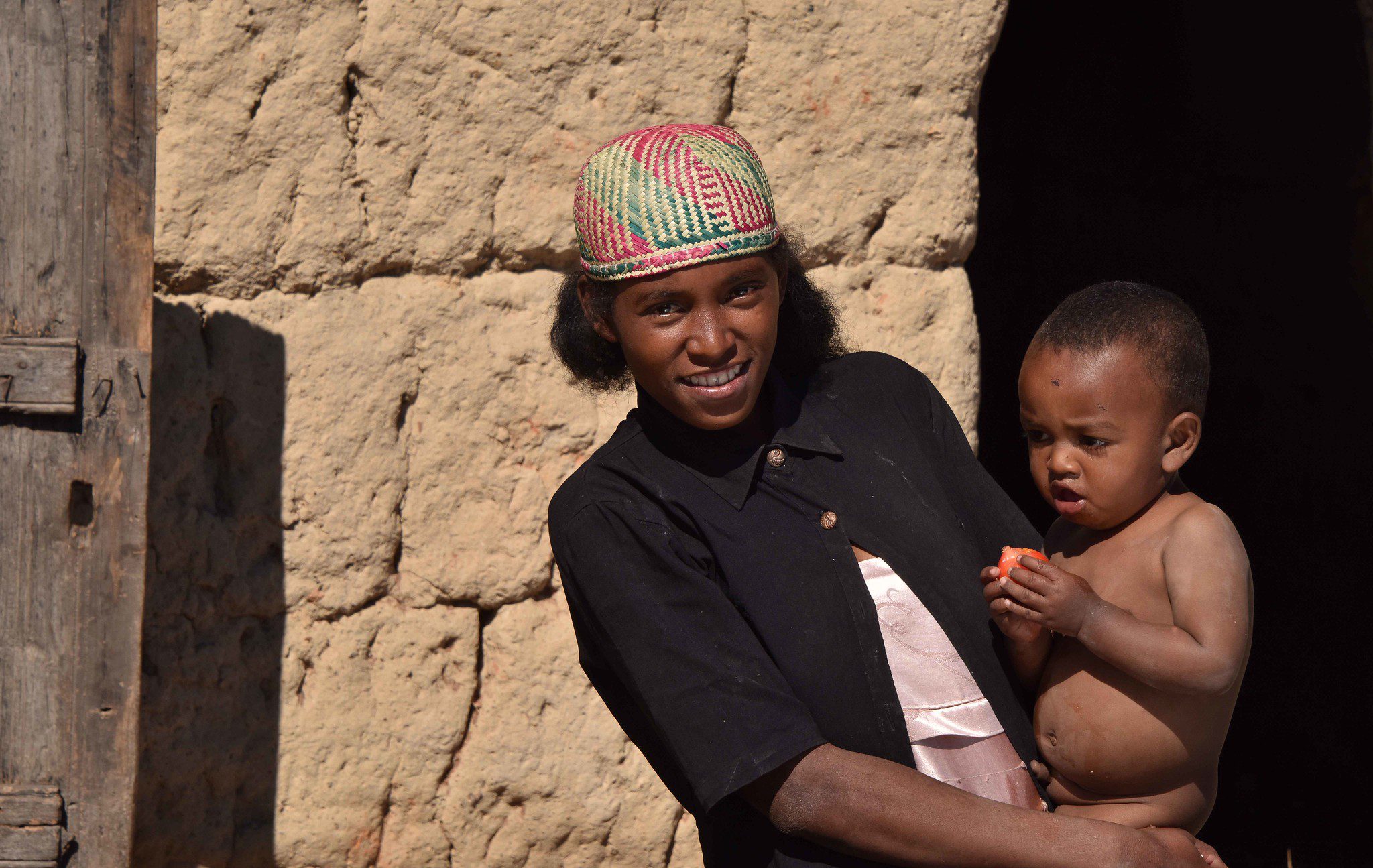
Madagascar is the fourth-largest island in the world and boasts an array of natural resources. Despite this, poverty in Madagascar ranks among the highest in the world. Due to an upturn in the economy, things may be looking up. However, much work is necessary before conditions truly improve. Here are 10 facts about poverty in Madagascar.

  1. The majority of people in Madagascar live in extreme poverty. Currently, 80.7% of the population lives on less than $2.15 per day. This means that more than three-fourths of the 30.3 million inhabitants live beneath the international poverty line, as defined by the World Bank.
  2. Poverty in Madagascar hits children the hardest. In fact, more than 80% of those aged less than 18 in Madagascar live in extreme poverty. Additionally, the United Nations Children’s Fund (UNICEF) declares that chronic malnutrition affects almost half of children less than 5 years old, with stunted growth being a major concern.
  3. Extreme poverty pushes children in Madagascar into child labor. Approximately 43% of children in Madagascar, about half of the population younger than 15, participate in labor of some kind. Many of these children work instead of attending school.
  4. The island nation’s unique and isolated geography is also a contributing factor to poverty. Environmental challenges have been particularly detrimental to the country’s rural poor, who largely subsist on farming and fishing. Water levels continue to rise and Madagascar’s location makes it very susceptible to cyclones. These factors lead to drought and food insecurity in the already vulnerable nation.
  5. Though 60.4% of Madagascar’s residents live in rural areas, the country is not currently able to sustain itself. Madagascar has to import 15% of essentials like rice and milk. Furthermore, Slash-and-burn farming techniques and over-farming have led to deforestation on a large scale. As a result, only 10% of Madagascar’s original rainforest is still intact.
  6. Madagascar’s poor infrastructure also negatively affects its economy. Of the more than 30,000 miles of roads in the country, only about 19% are paved. Many of these roads become impossible to pass during the nation’s rainy season. Furthermore, railroads are not in much better shape; there are two unconnected lines in poor condition.
  7. Despite the woes above, Madagascar has seen rapid economic growth in the past few years. The year 2018 saw a growth of 5.1%, bringing with it a 2% increase in per capita income. Sectors such as exports, transportation and finance drive this economic growth. However, poverty continues to decrease at a slow rate: only about 3% since 2012. This slow rate most likely results from the majority of the population working in agriculture.
  8. Water scarcity and sanitation are significant problems in Madagascar. Only about half of the population has access to clean water. In places with limited access to water, women and girls often bear the brunt of the work of collecting it. This time-consuming and physically difficult work hinders their ability to attend school and earn income. In Southern Madagascar, 90% of houses lack basic sanitation needs. Open defecation is common, leading to the prevalence of waterborne diseases such as diarrhea.
  9. WaterAid is an organization that seeks to give everyone across the globe access to clean water, toilets and proper hygiene, including those in Madagascar. The organization launched its water, sanitation and hygiene (WASH) plan in Madagascar and coordinated with local authorities to improve conditions across the nation. Similarly, the National Action Plan, launched in 2017, hopes to reduce growth stunting in children less than 5 by nearly 10%. It also aims to increase access to drinking water and proper sanitation to 65% and 30% of households, respectively.
  10. SEED Madagascar is a nongovernmental organization (NGO) that works specifically in the Anosy region of Southeast Madagascar. The organization creates projects related to education, community health, environmental conservation and sustainable livelihoods. In one such project, a 20,000-liter rainwater harvesting system placed on the roof of a primary school in Ambandrika provided clean water for 144 schoolchildren and 750 members of the wider community. Additional benefits of SEED’s work include allowing more time to create marketable goods as well as more time to care for children.

Looking Ahead

Poverty in Madagascar is widespread and the situation will not improve if it is ignored. Economic growth and organizations like SEED Madagascar and WaterAid are taking important steps. However, the issue must continue to be addressed.

– Joshua Roberts
Photo: Flickr

Updated: June 11, 2024

May 21, 2020
https://borgenproject.org/wp-content/uploads/borgen-project-logo.svg 0 0 Kim Thelwell https://borgenproject.org/wp-content/uploads/borgen-project-logo.svg Kim Thelwell2020-05-21 06:30:382024-06-11 01:52:5510 Facts About Poverty in Madagascar
Development, Education, Global Poverty

7 Facts About Nigeria’s Youth Unemployment

7 Facts About Nigeria’s Youth UnemploymentNigeria, with a rapid increase in population growth, is suffering from high youth unemployment. Nigeria’s youth unemployment in 2018 reached an all-time time high of 19.68%. Nigeria’s youth population is defined by people between the ages 15-34, which constitutes more than 50% of Nigeria’s overall population. The consequences of youth unemployment are argued to have resulted in criminal activities like armed robbery, kidnapping and social problems such as high poverty rate and prostitution.

Why is the Unemployment Rate in Nigeria High?

  1. Migration and Population Increase. A lot of young people from rural parts of Nigeria are moving to the city for better job opportunities and livelihood. The rural migration to urban Nigeria increases the competition of jobs, making it difficult for young people to get one. In addition, Nigeria’s overall population has been growing rapidly. In 2010, Nigeria’s population was around 150 million people. It is currently 200 million. The country’s population growth is putting pressure on the demand for more jobs.
  2. Lack of Education. Between 2008 and 2012, most of the youth who were unemployed did not finish primary school. In addition, it takes educated youth with a college degree or equivalent, which makes up about 20% of youth unemployment, more than five years after graduation to find a job.
  3. Lack of Adequate Education. Even for those who have an education, unemployed youth may not meet the needs of an employer due to a lack of trained teachers and poor school curriculum (some argue because of liberal-arts bias). In Nigeria, there is a mismatch between the skills individuals acquire from college and the needs of an employer.
  4. Corruption. It is difficult to write about what limits Nigeria’s progress without mentioning corruption. The consequences of corruption in Nigeria results in a lack of investment in key social infrastructure. For example, money allocated to improve Nigeria’s infrastructure are taken by politicians and put in foreign banks for personal gain. In the end, the citizen only sees a trickle of investment.

What’s Being Done to Solve Youth Unemployment?

  1. Vocational and Technical Job Training. In Nigeria, there is a negative perception of jobs like being a painter, nurse, carpenter, electronic technicians, mechanic, etc. Although university degrees are great to have, they are not the only form of education that can get one prepared for the workforce. The problem with this is that this creates a shortage of technical or vocational workers in the country. In addition, there is a lack of investment in vocational and technician job training. To create more jobs and diversify the route to education, both international programs and organizations, like the United Nation Development Program (UNDP) and the United States African Development Foundation, are helping to fund vocational and technical training.
  2. Government Programs and Efforts. In 2012, the government introduced programs such as the Subsidy Reinvestment and Empowerment Program, which offered internship and training opportunities to the unemployed population. For example, 50,000 unemployed graduates got the opportunity to work for a government or private institution for a year. The goal of the program was to give recent college graduates the required skill and experience for further employment.
  3. National Social Investment Program. In 2016, through the office of the Vice President, the National Social Investment Program (NSIP) was created to help the unemployed and the vulnerable people in Nigeria. The NSIP has many different programs that include helping small businesses with loans, job creation and training programs. The job training programs are specifically catered to Nigeria’s youth population and are targeting a variety of different industries from Agriculture to Scriptwriting.

Although Nigeria’s youth unemployment rate is high, it is a problem that the government and the people of Nigeria and its partners are intent on solving. However, there is still much progress that is needed as the Nigerian population continuously increases.

– Joshua Meribole
Photo: Flickr

May 21, 2020
https://borgenproject.org/wp-content/uploads/borgen-project-logo.svg 0 0 Lynsey Alexander https://borgenproject.org/wp-content/uploads/borgen-project-logo.svg Lynsey Alexander2020-05-21 01:30:492024-06-04 01:08:397 Facts About Nigeria’s Youth Unemployment
Global Health, Global Poverty, Government

7 Facts About COVID-19 in Qatar

7 Measures to Tackle COVID-19 in Qatar
Qatar is one of the biggest oil sectors in the Middle East. It has also been the site of a diplomatic crisis after its highly-publicized split from the Gulf Cooperation Council (GCC). COVID-19 in Qatar has spawned a decline in oil prices and in addition, the government has been cracking down on the rights of migrant workers by utilizing digital technology to monitor the spread of the disease. Here are seven facts about COVID-19 in Qatar.

7 Facts About COVID-19 in Qatar

  1. In late March 2020, the government put several square kilometers of industrial zones in Doha, the nation’s capital, on lockdown. The lockdown shut down labor in warehouses, car services and small shops, negatively impacting migrant workers who work in these sectors. In addition, Amnesty International has reported that Qatari authorities are illegally detaining migrant workers and sending them back to their native countries.
  2. Qatar has increased the number of COVID-19 tests by using a drive-through procedure that The Ministry of Public Health (MoPH) developed. While thousands underwent testing and quarantine mid-March in Doha’s Industrial Area, increased testing is now available for volunteers.
  3. As of May 7, 2020, Qatar recorded 12 deaths, 18,890 infections and 2,286 recoveries in a population of 2.8 million. These infection rates surpass that of many other countries. Many migrant workers and poorer families make up the newer cases. They often live in small dormitories with up to 12 people sharing bunk beds, making social distancing a challenge. However, the death rate remains low despite higher rates of infection. This may be due to a mostly young population and the stringent lockdowns that the government enforced.
  4. The Gulf economy relies heavily on oil trade and production. Qatar accounts for 12% of the world’s natural gas and petroleum resources. The value of these resources has dropped drastically since the outbreak of the virus. The ruler of Qatar has now postponed up to $8.2 billion on capital expenditure projects.
  5. A law surrounding domestic work in Qatar stipulates that domestic workers can only take time off if their employers grant it. Domestic workers do not have protection under labor laws like factory workers and other jobs. They cannot intersperse rest breaks into their working hours but must work the same amount of shifts. This furthers the risk of contracting the virus. Domestic workers, primarily women, face especially dire consequences. The families that many of these workers serve sometimes also abuse them, causing rising rates of domestic violence. Domestic workers either risk suffering abuse in these houses or contracting the virus.
  6. Qatar Charity launched an online fundraiser in partnership with the Qatari youth initiative, Lakm Al-Ajr, which translates to “Pays for Pay.” The youth initiative distributes 800 breakfast meals every day throughout the holy month of Ramadan. As a result, it has been able to feed 4,000 industrial migrant workers in Doha per day.
  7. The government increased its use of Artificial Intelligence (AI) technology in order to combat the spread of the pandemic. The technology helps to monitor the spread by closely tracking people who tested positive for the virus via speed cameras, drones and location-based tracking. This limits more exposure in the general population.

Qatar is one of the Gulf Nations that has split from the GCC, creating political disruption. In addition, its migrant workers are still in need of basic necessities like food and medical supplies. The presence of COVID-19 in Qatar puts even more strain on the country and international partners that rely on oil. Qatar Charity has implemented several programs in partnership with other organizations to fund COVID-19 relief and is taking donations for further medical help and assistance in Qatar.

– Isabel Corp
Photo: Good Free Photos

May 20, 2020
https://borgenproject.org/wp-content/uploads/borgen-project-logo.svg 0 0 Jennifer Philipp https://borgenproject.org/wp-content/uploads/borgen-project-logo.svg Jennifer Philipp2020-05-20 13:48:372020-05-20 13:48:377 Facts About COVID-19 in Qatar
Page 1096 of 2161«‹10941095109610971098›»

Get Smarter

  • Global Poverty 101
  • Global Poverty… The Good News
  • Global Poverty & U.S. Jobs
  • Global Poverty and National Security
  • Innovative Solutions to Poverty
  • Global Poverty & Aid FAQ’s
Search Search

Take Action

  • Call Congress
  • Email Congress
  • Donate
  • 30 Ways to Help
  • Volunteer Ops
  • Internships
  • Courses & Certificates
  • The Podcast
Borgen Project

“The Borgen Project is an incredible nonprofit organization that is addressing poverty and hunger and working towards ending them.”

-The Huffington Post

Inside The Borgen Project

  • Contact
  • About
  • Financials
  • President
  • Board of Directors
  • Board of Advisors

International Links

  • UK Email Parliament
  • UK Donate
  • Canada Email Parliament

Get Smarter

  • Global Poverty 101
  • Global Poverty… The Good News
  • Global Poverty & U.S. Jobs
  • Global Poverty and National Security
  • Innovative Solutions to Poverty
  • Global Poverty & Aid FAQ’s

Ways to Help

  • Call Congress
  • Email Congress
  • Donate
  • 30 Ways to Help
  • Volunteer Ops
  • Internships
  • Courses & Certificates
  • The Podcast
Scroll to top Scroll to top Scroll to top