
Nature has become increasingly separated from humanity over time, especially in our cities. However, urban planners around the world are working to reintegrate aspects of the natural environment with our lived spaces. This reimagination of traditional infrastructure has led to the creation of eco-cities. Urban planners are working to make eco-cities in developing countries a reality. The global population is projected to reach 8.5 billion people by 2030, with the majority of the increase coming from the developing world. If city planners continue to answer population growth with an endless sprawl of concrete and few green spaces, the future of our urban centers seems dismal especially for the world’s poor.
The Goal of Eco-Cities
In response to the inequalities and health concerns traditional planning produced, a new generation of urban planners is embedding elements of nature in urban ecosystems. In order to create healthier environments and more equitable communities, planners are:
- Increasing access to public transportation
- Increasing the number of community green spaces
- Building skyscrapers fitted with solar panels to reduce emissions
- Constructing wetlands to filter runoff before it enters the watershed
The Benefits of Eco-Cities
The planning goals of eco-cities will improve the lives of citizens in a few crucial ways. First, Eco-cities promote public transportation and walkability in order to increase mobility and access to economic opportunities for all citizens. Second, eco-cities will reduce emissions and pollution by increasing renewable energy sources, decreasing city traffic and creating parks and other green spaces. These actions will increase air quality and provide citizens with recreational opportunities, ultimately improving the health and wellbeing of citizens.
The use of green spaces in eco-cities demonstrates the range of benefits from an individual planning goal. In general, urban green spaces in traditional cities are only accessible to the wealthy. Eco-cities, however, provide easily accessible green spaces would for all residents, regardless of socioeconomic status. In addition to the environmental benefits, increased access to healthy social and recreational green spaces will improve the mental and physical health of the entire city’s population.
Examples of Eco-Cities
Tianjin, China
There are many compelling examples of eco-cities that exist today in both the developed and developing world. Tianjin, China is an audacious example of using sustainable planning practices to create an eco-city. In 2008, China and Singapore collectively reconstructed Tianjin’s Binhai district to meet a variety of “Key Performance Indicators,” such as the conservation of ecological resources, and enhancement of access to health, education and employment.
In 2018, the Tianjin eco-city celebrated its tenth anniversary, and it is now a functioning district with full-time residents. Since its construction, the city has:
- Constructed a rapid transit rail line
- Restored a wastewater pond into a functional lake
- Aimed to allocate 20% of all housing as public housing for low-income workers by 2035
These projects and policies are aimed to achieve the key performance indicators laid out for the city and ultimately improve the overall quality of life for its citizens.
Curitiba, Brazil
There are already many expiring examples of sustainable planning in developing countries that have improved the wellbeing of its citizens. For instance, Curitiba, Brazil implemented many principles of an eco-city without the resources of a developed country. In Curitiba, city officials have:
- Implemented an inexpensive “Bus Rapid Transit” system and prohibited cars in the city center
- Rehabilitated wetlands instead of constructing expensive levees
- Created a city-wide public recycling system
These projects and programs have improved the city in several ways. First, the “BRT” system increased mobility for citizens of all socioeconomic statuses. As a partial result of this program, income loss due to lack of transportation is 11 times lower in Curitiba than in Sao Paolo. Next, The restoration of wetlands has mitigated the threat of floods at a much lower cost traditional levees. These wetlands have saved numerous homes from flood damage and now serve as public parks. Finally, the public recycling program has created numerous jobs and encouraged 70% of the city’s population to actively recycle.
Following these successes, Curitiba is now widely considered a classic example of excellent urban planning. For this reason, Curitiba’s planning decisions can and should provide a framework to construct eco-cities in developing countries.
Implications for Developing Countries
The countries that will undergo the most urbanization in the next century are developing countries. Currently, 77% of Latin Americans live in urban areas, nearly a quarter of whom live in slums. In sub-Saharan African, 62% of urban citizens live in slums, as do 43% of urban citizens in south-central Asian cities.
By 2030, the urban population of these regions is expected to be double what they were in 2000. Surely, this level of population growth will require the construction and expansion of new and existing cities. Rapid urbanization, and the concentration of urban citizens in slums, affirms the need for a shift in city planning towards sustainable practices.
The inevitable growth of cities to accommodate these populations provides an opportunity to break the 19th-century urban growth models. Traditional urban planning has been prevalent around the world since the Industrial Revolution and is the cause of many public health concerns such as insufficient waste management and air pollution. Instead, developing countries can utilize the eco-city approach to create more equitable and healthy communities.
Supporting the Construction of Ec0-Cities
Eco-city Builders, created in 1972, is one of the most prominent international organizations in the eco-city movement. This non-profit trains urban planners across the world on how to achieve eco-city standards. In Peru for example, the organization taught 75 planners how to use geospatial and community data to design green infrastructure. They also mobilized 800 citizens, academics and politicians to engage in active research regarding the design of their communities.
Since 1990, Eco-city Builders has held 13 different Eco-city World Summits that have taken place in various countries across the globe. These summits host conferences and presentations that reflect on the work already accomplished and look forward to new methods for implementing eco-cities in developing countries.
By providing training for urban planners and achievable standards for what defines sustainability, Eco-city Builders can help local officials in developing countries create more environmentally friendly and equitable communities.
– Christopher Bresnahan
Photo: Flickr

 The World Bank has awarded a grant to improve early childhood development and literacy in Tuvalu. The grant will help Tuvalu provide a better educational infrastructure for its citizens, while also preserving aspects of Tuvaluan culture. There are only 198 teachers on the island leading to a high ratio of pupils to teachers at 18:1. The scarcity of educators creates a
 Technology is constantly evolving in the 21st century and through it, MPOWERD is alleviating the ailments that impoverished communities face. In 2016, 1.6 billion people across the globe lived without energy access. MPOWERD’s mission to bring sustainable technology to all points of the globe through practical, portable and affordable solar power impacts millions of lives each year. A dramatic reduction of communities without electricity as of 2019 suggests that
 While the idea of women being denied property may seem antiquated, it is a modern norm furthering gender inequality in Malawi. In the central and southern regions of Malawi, land is intended to be passed down to women through generations; however, Bridget Matinga-Katunda, a researcher at Stellenbosch University in South Africa, explained that this
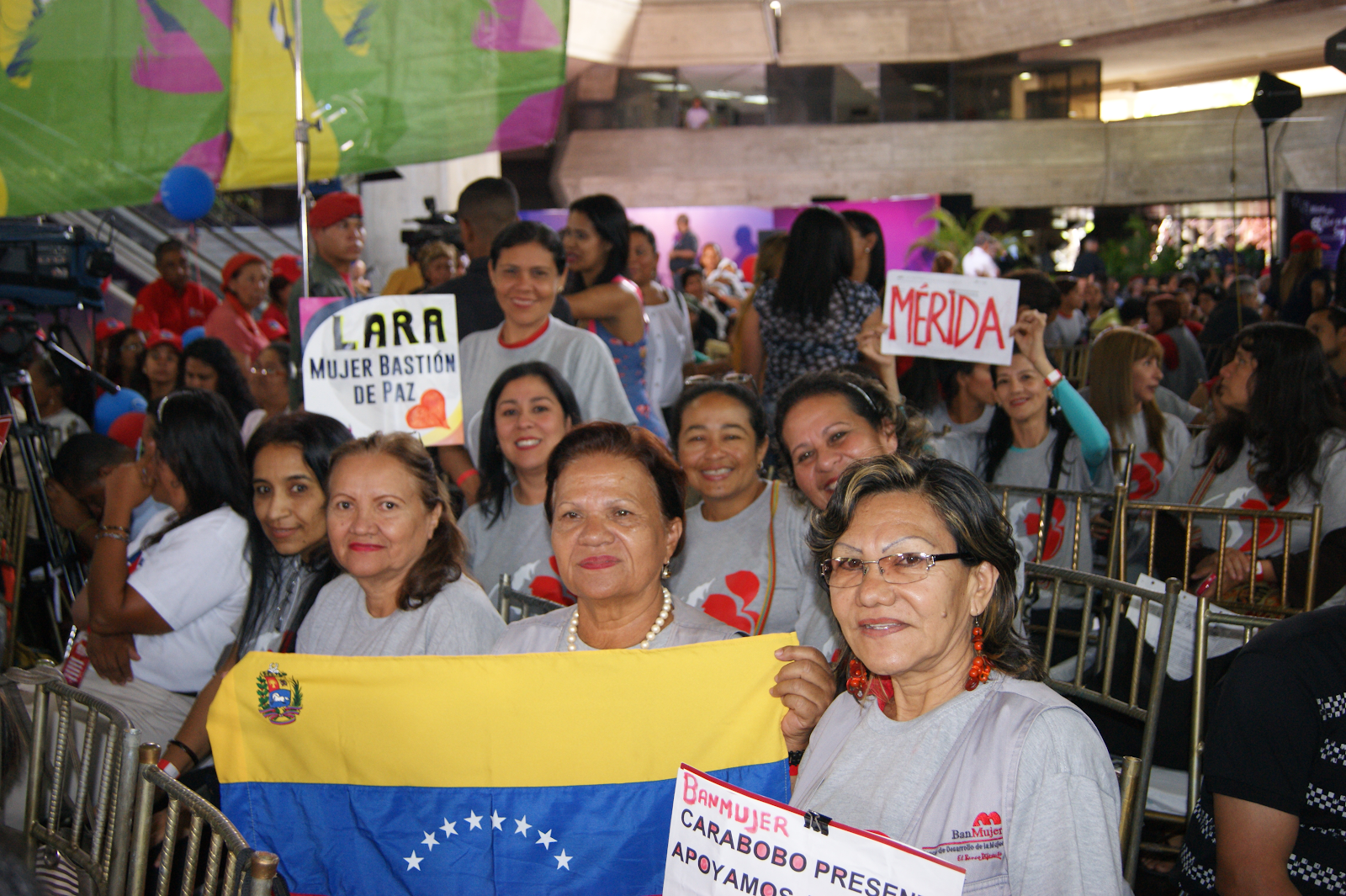 In Venezuela, like other conservative countries, women have often been viewed as the weaker sex, creating vast gender inequalities. In the past few decades, the country has faced severe political turmoil. Women have shouldered the brunt of the force. The