8 Facts about Life Expectancy in Hong Kong
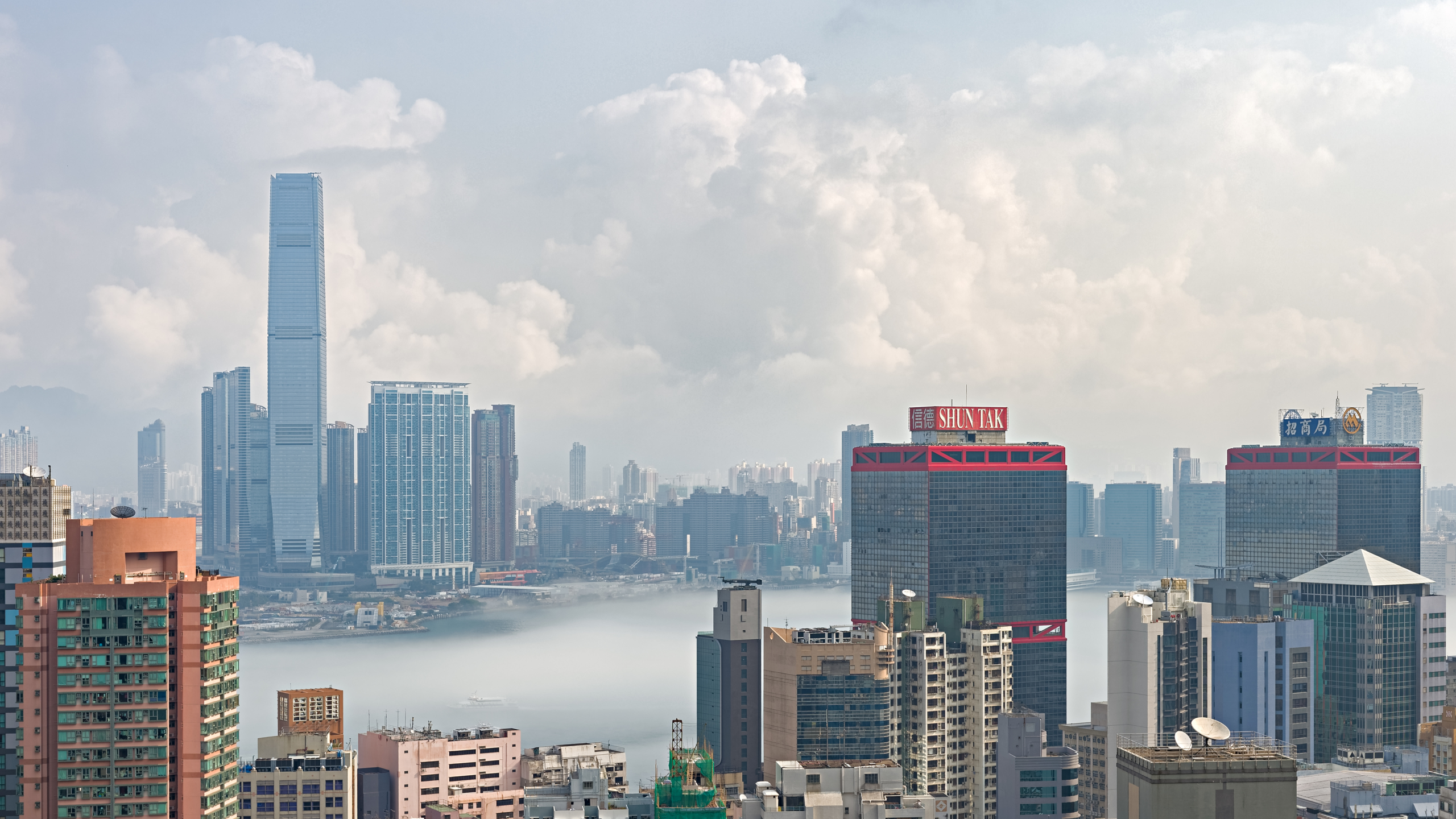 Since being declared a “Special Administrative Region” of China in 1997, Hong Kong has its own judiciary and financial systems, and its residents are granted rights not typically found in China. Guangdong borders the territory to the north and the South China Sea to the east, south and west. While Hong Kong is a region, not a country, it has the highest life expectancy in the world, surpassing Japan. Access to good healthcare coupled with the promotion of healthy living for all ages contributes to longevity in the region. Here are eight facts about life expectancy in Hong Kong.
8 Facts About Life Expectancy in Hong Kong
- In 2017, life expectancy in Hong Kong was 81.9 years for men and 87.6 years for women.
- Hong Kong’s population has been aging for the past 20 years. The proportions of persons aged 35-64 and 65 & above increased from 28.2% and 6.2% in 1979 to 47.3% and 16.4% in 2017, respectively. This is due to the high influx of migrants from the mainland in the 1960s and ’70s. However, most districts in Hong Kong are categorized as “age-friendly cities” which promote positive images of older generations. Furthermore, older people often engage in morning exercise on a regular basis even in urban spaces. The districts are mindful of all ages and adjust the lifestyle within the district to allow personal autonomy, despite someone’s age or handicaps.
- Hong Kong’s infant mortality rate is among the lowest in the world. The maternal mortality ratio has also remained low for years, standing at 1.8 per 100,000 registered live births. Globally, the ratio is 211 deaths per 100,000 live births.
- Hong Kong ranks first for “enabling environments,” which facilitates a better quality of life. The streets are safe, and there is easy access to public transportation and people are comfortable enough to walk to all places. The layout of cities “enables” citizens to live healthier lives due to the concentration of active and safe amenities like trails and parks.
- Hong Kong has universal health care for hospital treatment, but it does not have universal primary care. Older residents receive priority for hospital care and most care is paid for from taxation.
- Estimates state that 70% of Hong Kong residents over the age of 70 were born in mainland China and came over in search of better opportunities. Studies indicate that these residents are physically and psychologically stronger than their counterparts remaining on the mainland, so they have more motivation to succeed.
- The Chinese diet is similar to the Mediterranean diet. Meals consist of fish, fruits, vegetables, rice, nut oils and meat chopped up into dishes, rather than eaten as whole portions. This style of cooking is healthier than the traditional “Western diet.”
- It is uncommon in Hong Kong culture to place elderly relatives in retirement homes. Family members generally care for older residents and do not rely on assisted living facilities.
In the early 1960s and ’70s, Hong Kong saw an influx of highly motivated, physically and psychologically strong individuals move to the territory. These individuals contributed to the aging of Hong Kong’s population over the last 20 years, and their healthy and active lifestyles helped them achieve a long life expectancy.
– Anna Brewer
Photo: Flickr
